
If you grew up around these animals, you probably take them for granted. You’ve seen them in backyards, national parks, cartoons, and roadside signs, so it’s easy to forget how exotic they seem to people outside the U.S. But globally, these animals are viewed as symbols of American culture, wilderness, and attitude in ways that feel almost surreal when you step back. If you’ve ever wondered why tourists lose their minds over creatures you barely notice anymore, this list explains exactly what they see that you don’t.
1. Raccoons
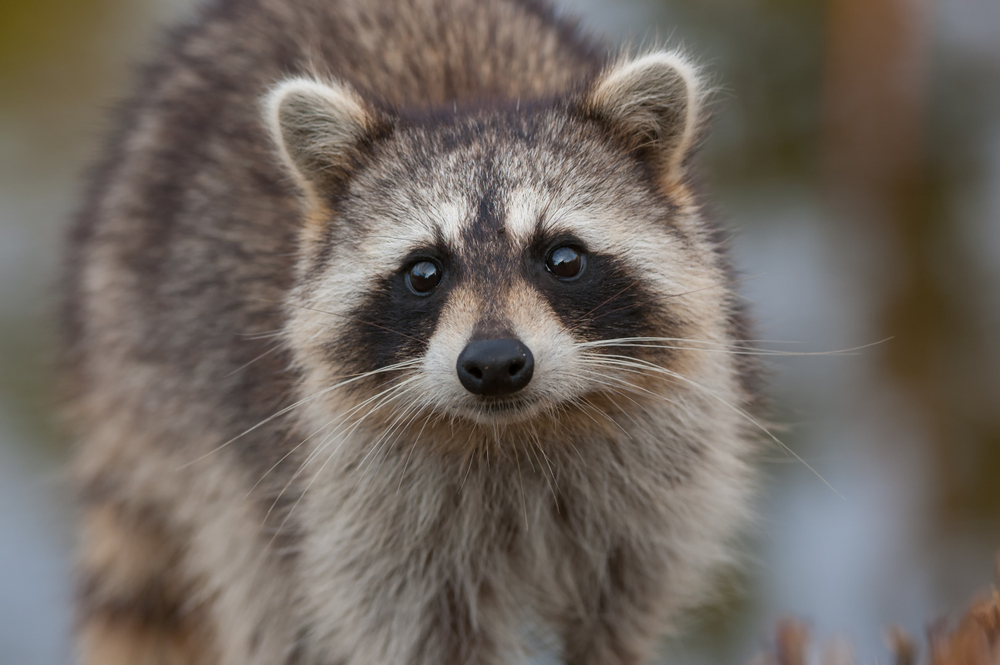
To you, raccoons are mischievous trash raiders that knock over bins and stare back like they know what they’re doing. To much of the world, they’re chaotic geniuses with tiny hands who look like cartoon criminals come to life. In countries where raccoons don’t exist naturally, videos of them opening doors, stealing food, or washing snacks feel almost fake. You see a nuisance, but others see a highly intelligent urban survivor.
Wildlife cognition studies from the University of Wyoming have shown raccoons possess problem-solving abilities comparable to primates when it comes to memory and dexterity. That intelligence makes them fascinating to international audiences who associate American cities with adaptability and grit. Their confidence around humans reads as bold rather than annoying. From the outside, raccoons feel like a perfect reflection of American urban chaos.
2. Bald Eagles
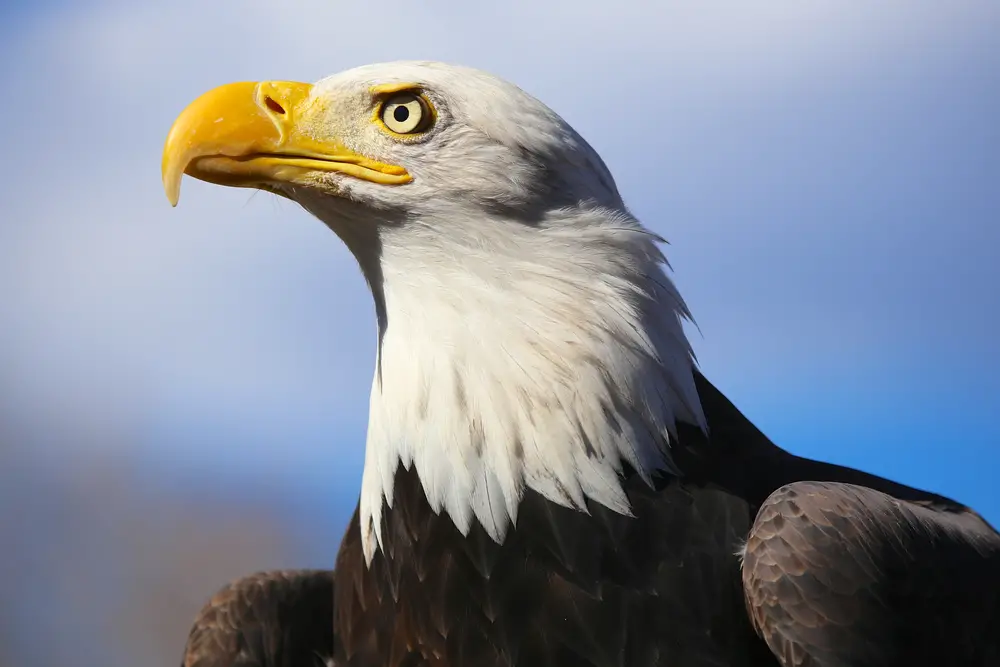
You’ve probably seen bald eagles on currency, logos, and school walls so often they blend into the background. Outside the U.S., they’re seen as massive, dramatic predators that feel almost mythic. Tourists are often shocked by their size, wingspan, and piercing stare when they finally see one in real life. They don’t look like “normal” birds to people unfamiliar with them.
According to the U.S. Fish and Wildlife Service, bald eagles can reach wingspans over seven feet, which explains why they feel overwhelming up close. International wildlife photographers frequently cite bald eagles as one of the most visually striking birds in North America. The obsession isn’t just patriotic symbolism — it’s pure visual impact. You’ve normalized a creature that looks unreal to outsiders.
3. Alligators
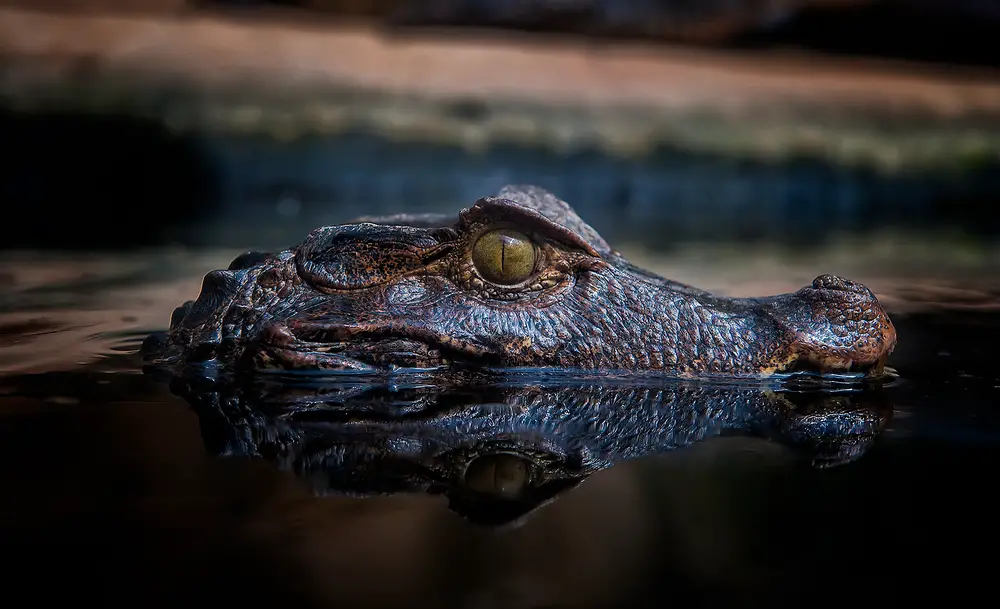
If you live in the South, alligators are something you’re warned about, not something you admire. Elsewhere, they’re seen as prehistoric monsters casually coexisting with humans. The idea that people jog near water where alligators live feels unthinkable to many non-Americans. It looks like a constant brush with danger.
Herpetology research from Louisiana State University has shown that alligators are far more behaviorally predictable than crocodiles, which partially explains why coexistence is possible. Still, that nuance doesn’t translate internationally. The visual alone — a massive reptile lounging near suburbs — fuels fascination. To outsiders, it looks like Americans are living inside a wildlife documentary.
4. Bison
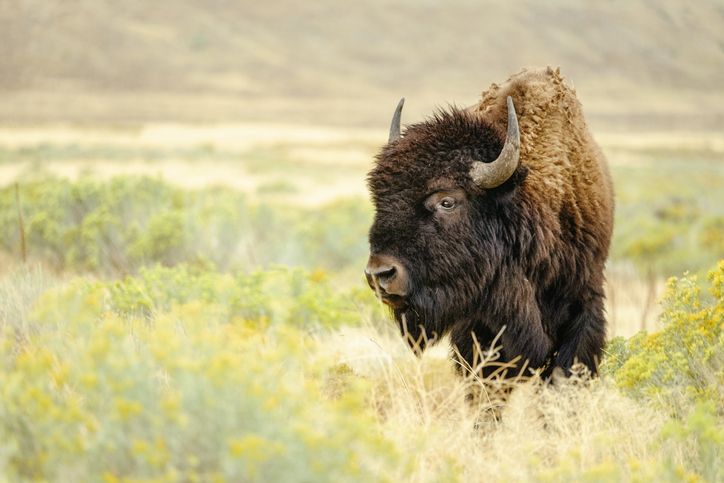
You may associate bison with road trip delays or national parks, but globally they’re seen as symbols of raw, untamed land. Their sheer size surprises people who expect something closer to a large cow. Seeing them roam freely feels incompatible with modern infrastructure to many visitors. It challenges assumptions about how “developed” countries manage wildlife.
Conservation reports from the National Park Service note that bison can weigh over 2,000 pounds and still move at surprising speeds. That combination of power and freedom feels almost cinematic to outsiders. You’re used to signage warning you not to approach them. Others are stunned that animals like this still exist outside zoos.
5. Coyotes
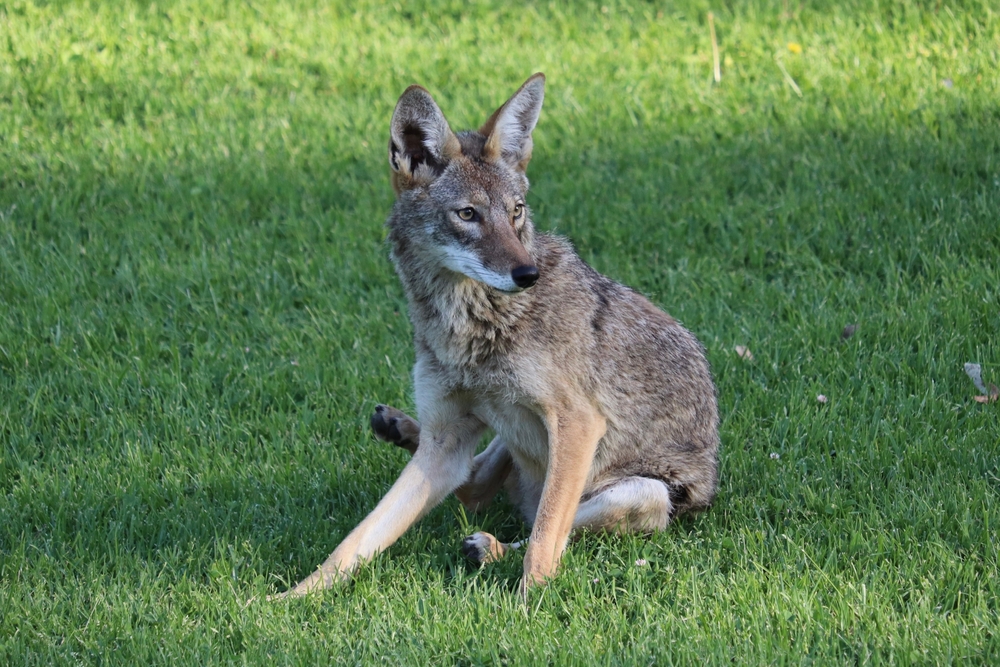
Coyotes blend into your mental background noise if you live near open land. Abroad, they’re perceived as eerie, intelligent hunters that thrive despite human expansion. Their adaptability feels unsettling and impressive at the same time. People are fascinated by how seamlessly they move through cities and suburbs.
Urban ecology studies from the University of Chicago have documented coyotes navigating traffic patterns and human schedules to avoid detection. That intelligence reframes them as strategic rather than wild. International audiences often see coyotes as symbols of survival against odds. What you hear as nighttime howling sounds like resilience elsewhere.
6. Skunks
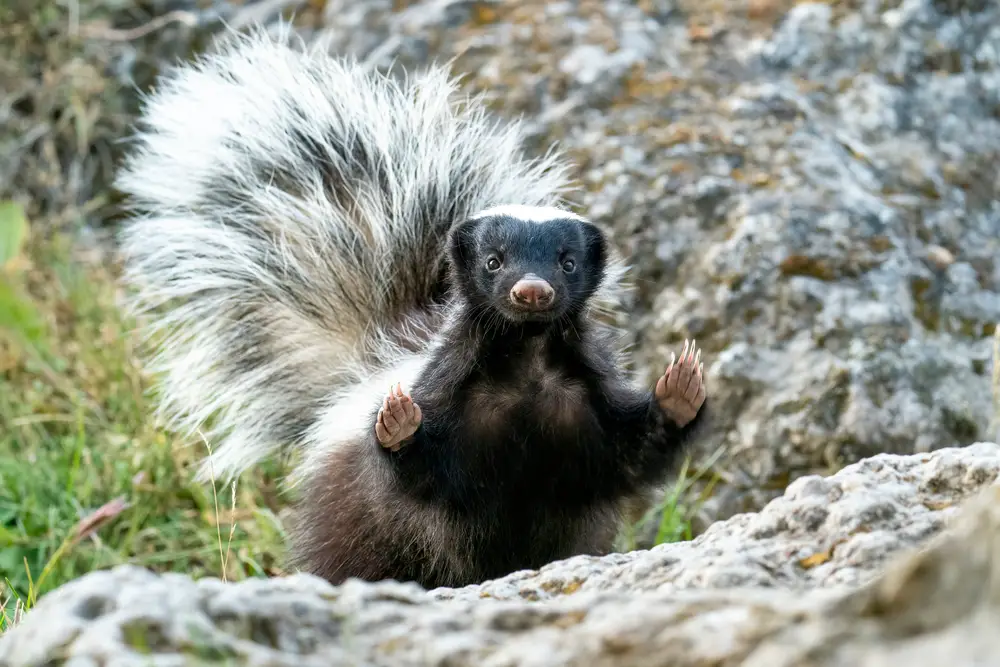
You think of skunks as smelly hazards best avoided at all costs. Globally, they’re seen as oddly confident animals with a built-in defense system that feels almost comical. The idea of an animal that doesn’t need speed or strength to protect itself fascinates people unfamiliar with them. Their warning behavior feels theatrical.
Wildlife behavior research has shown skunks rely heavily on visual signaling before spraying, which adds to their perceived “attitude.” That sense of deliberate warning reads as personality rather than instinct. Outside the U.S., skunks are often viewed as quirky rather than gross. You dread them; others are charmed.
7. Prairie Dogs
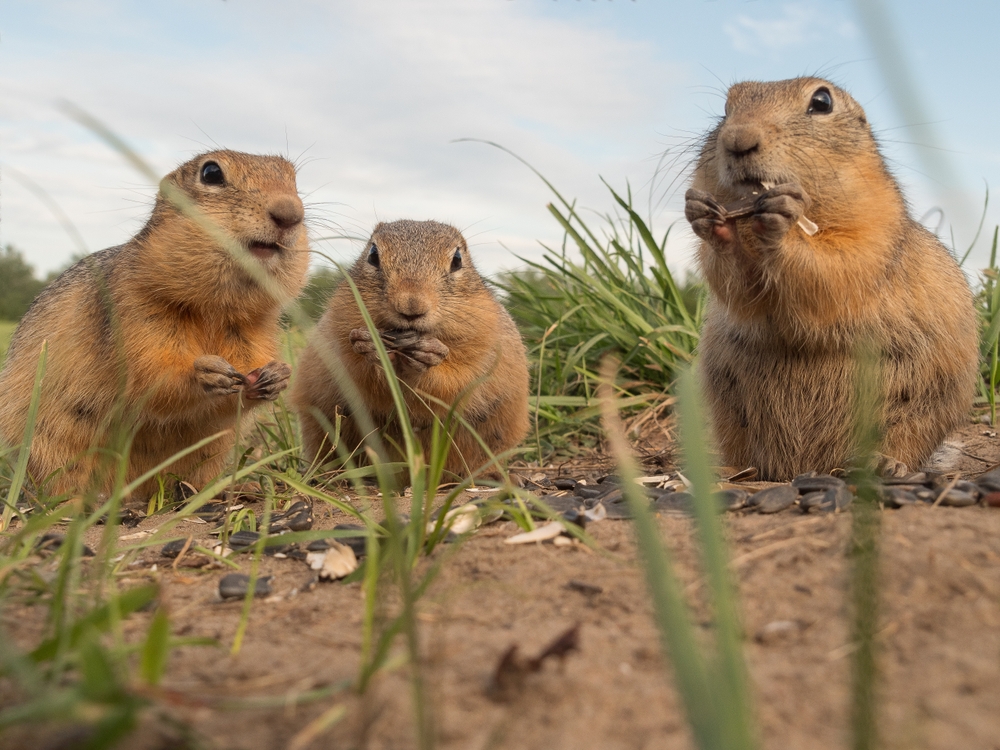
To you, prairie dogs are small rodents that pop up unexpectedly and cause property damage. To outsiders, they look like animated characters holding town meetings. Their social behavior feels unusually complex for such small animals. Watching them communicate triggers fascination rather than annoyance.
Ethological studies published in Animal Behaviour describe prairie dog vocalizations as having structured alarm systems with descriptive elements. That sophistication turns them into stars for international wildlife enthusiasts. You see holes in the ground. Others see social intelligence at work.
8. Black Bears
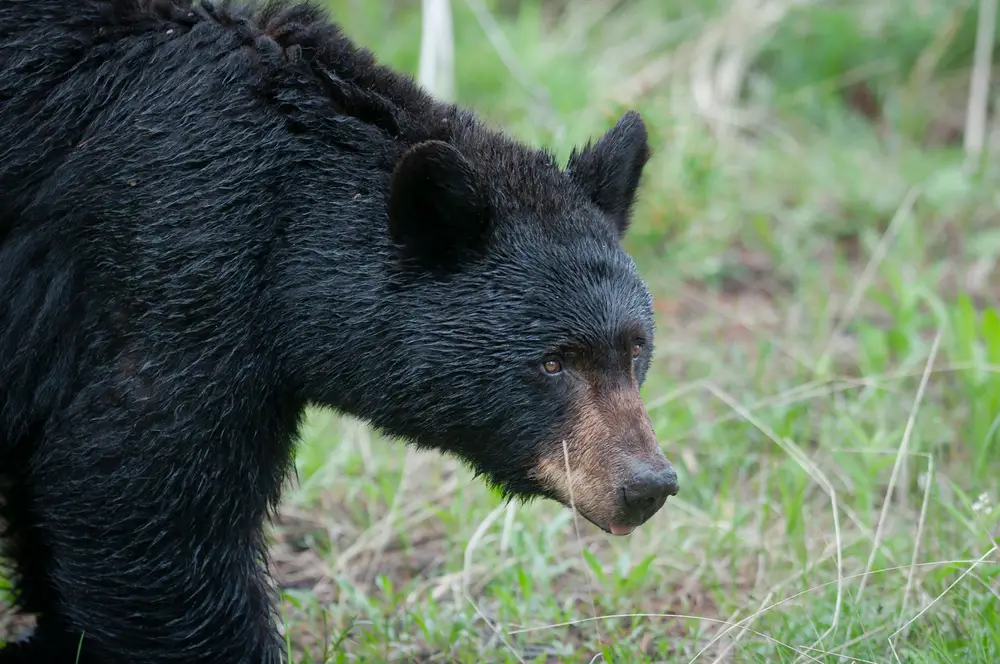
Black bears are often described to Americans as “the least aggressive” bear species, which downplays their presence. Elsewhere, any bear is considered terrifying by default. Seeing black bears wander through neighborhoods feels surreal to people from countries without large predators. It looks like a boundary violation between humans and wilderness.
Bear behavior research from the North American Bear Center highlights how black bears adapt to human environments rather than confront them. That adaptability feeds global curiosity. You’re taught safety rules; outsiders are just stunned it’s normal. Familiarity dulls the shock.
9. Mountain Lions
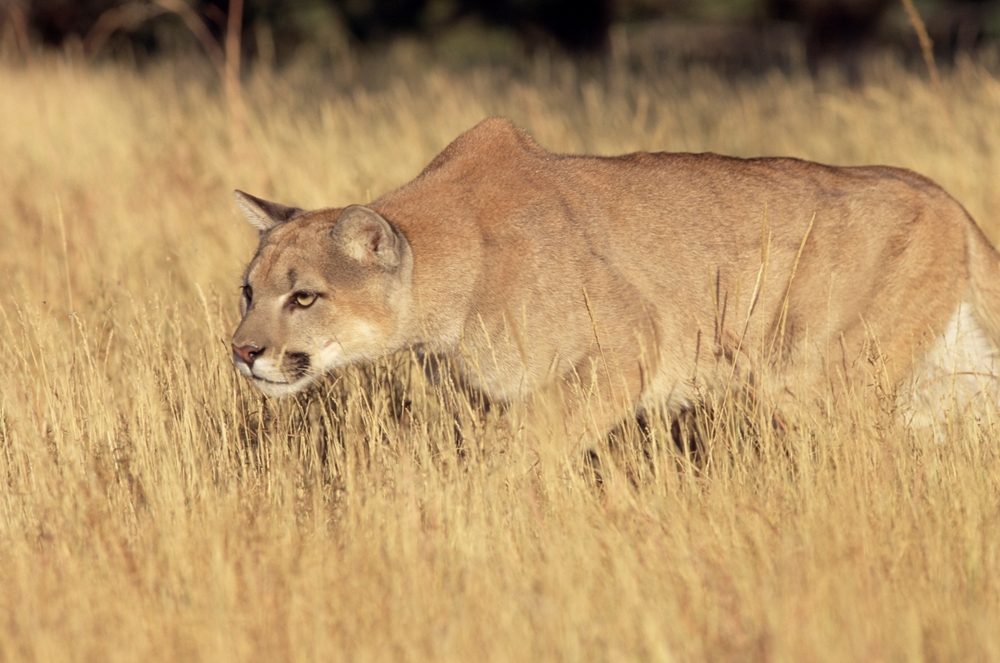
You may never see one, but you know they’re there. Outside the U.S., the idea of silent predators living unseen near populated areas feels deeply unsettling. Their invisibility is what captures attention. People fixate on the idea of being watched without knowing it.
Wildlife tracking studies show mountain lions avoid humans almost entirely while maintaining large territories near cities. That balance between presence and absence fuels fascination. You live with the knowledge quietly. Others find it haunting.
10. American Bullfrogs

Bullfrogs are background noise to you — loud, persistent, and everywhere near water. Internationally, they’re known for their size and for their deep, unnatural-sounding calls. People are shocked by how large they grow compared to frogs elsewhere. Their sound alone draws attention.
Ecological studies note bullfrogs are among the largest frog species globally, which explains their dominance in viral wildlife clips. What you tune out becomes spectacle. Familiar sounds lose their impact locally. Abroad, they feel alien.
11. Armadillos
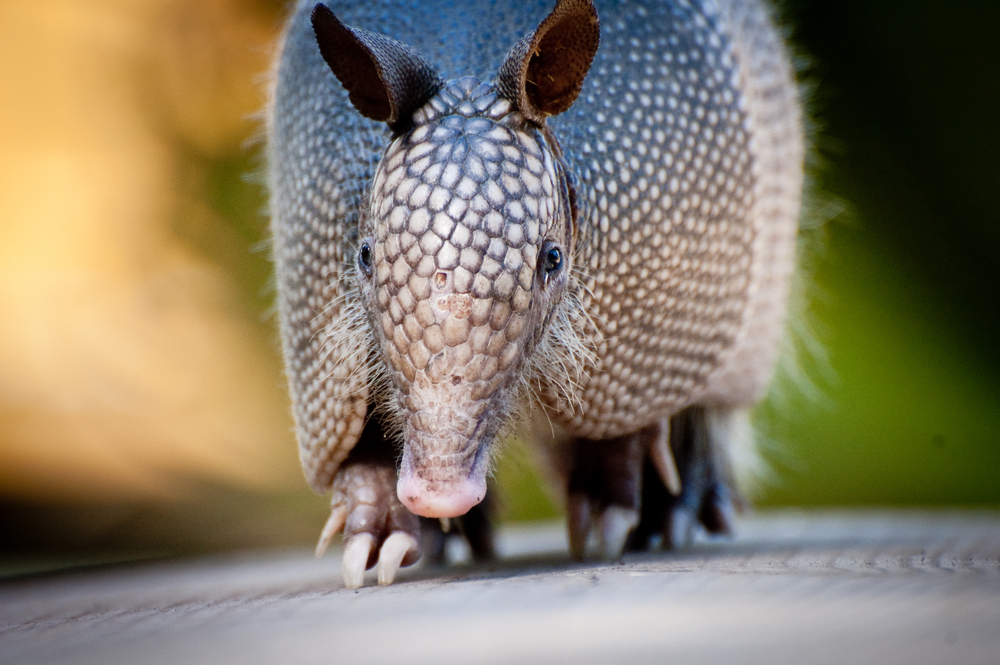
You probably think of armadillos as road hazards or oddball creatures. To outsiders, they look like armored relics wandering modern landscapes. Their physical design feels prehistoric. People struggle to believe they’re real.
Zoological research highlights armadillos as evolutionary specialists with unique defensive adaptations. That rarity drives fascination. You see inconvenience. Others see a walking museum exhibit.
12. Wild Horses
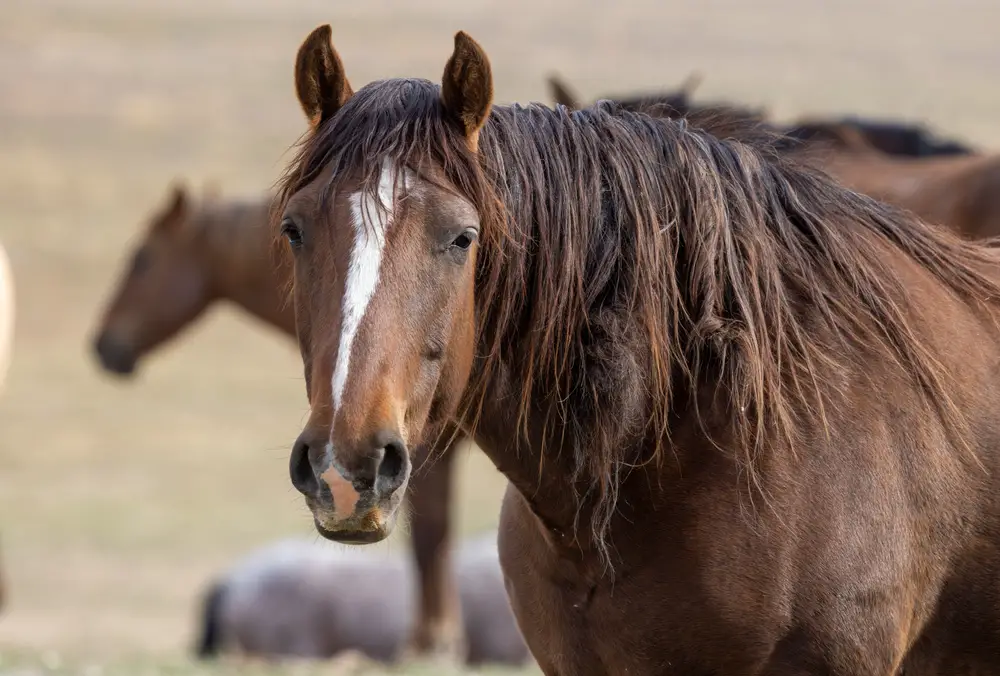
You may debate land management and grazing issues. Outside the U.S., wild horses symbolize freedom in its purest form. Seeing them roam openly contradicts expectations about land control. It feels romantic and unregulated.
According to the Bureau of Land Management reporting, wild horses remain one of the most photographed animals by international visitors. Their symbolism outweighs the controversy. You argue logistics. Others see poetry.