
Animals rarely attack without warning—but some warnings look deceptively peaceful. Many dangerous species rely on stillness, slow movement, or even curiosity to lower their target’s guard before striking. This false calm is often mistaken for friendliness or passivity, which is exactly what makes it so dangerous. These animals are masters of looking relaxed right before things go very wrong.
1. Crocodiles
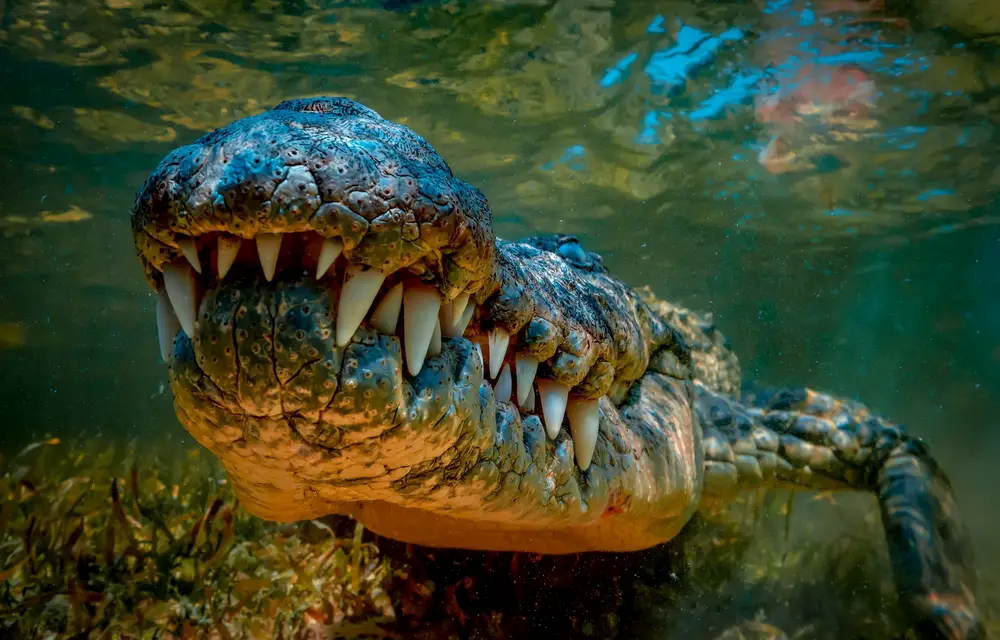
Crocodiles often float motionless with only their eyes above water, creating the illusion that nothing is happening. This stillness allows them to conserve energy while tracking movement along the shoreline. By the time prey realizes the crocodile is locked on, escape options are already gone. The calm is strategic, not accidental.
Wildlife biologists have long documented crocodiles using patience as their primary hunting advantage. Studies on ambush predators show crocodiles can wait hours for the right moment. Their lack of visible movement is what makes them so effective. Calm, in their case, is a weapon.
2. Cats

Cats often appear relaxed right before they bite or scratch during play or overstimulation. Their body may seem loose, but subtle signs like tail flicking signal a coming strike. Humans frequently miss these cues because the cat looks content. The result is a sudden, confusing attack.
Veterinary behavior research notes that cats rely on quick escalation rather than prolonged warning. Their calm phase is a short loading period, not a sign of trust. This behavior is rooted in their hunting instincts. The switch from calm to violent happens fast.
3. Box Jellyfish
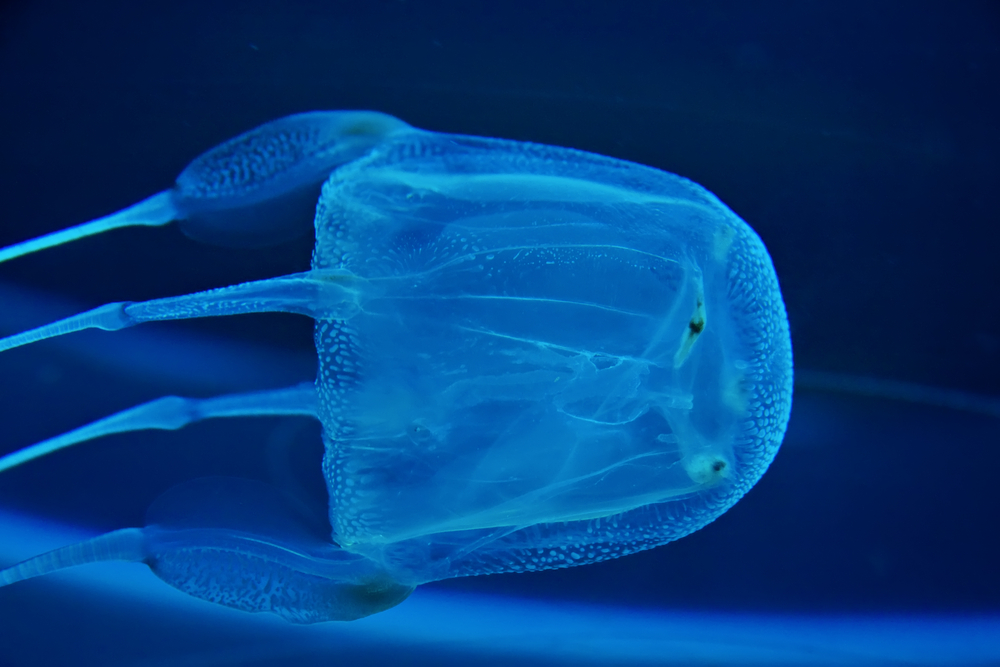
Box jellyfish drift quietly through warm waters with no visible aggression. Their transparency makes them nearly invisible to swimmers. Contact often happens before anyone realizes the danger. The sting is immediate and severe.
Marine biology studies show box jellyfish do not chase prey but rely on passive contact. Their calm appearance is simply their natural state. This makes them one of the most dangerous animals humans encounter unknowingly. Calm does not mean safe.
4. Bears
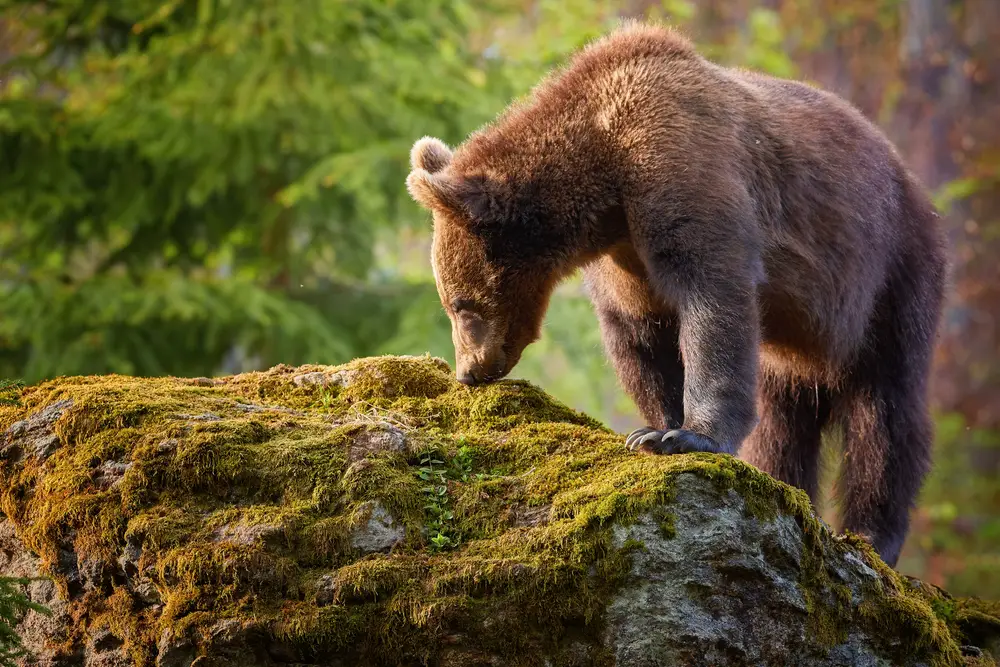
Bears may appear slow, curious, or uninterested before charging. Many attacks occur after a bear has quietly assessed a threat. Their stillness is often misread as tolerance. That misread can be fatal.
Wildlife management reports show bears frequently test boundaries before reacting. Calm observation often precedes defensive aggression. Bears don’t need visible agitation to be dangerous. Silence is not reassurance.
5. Snakes
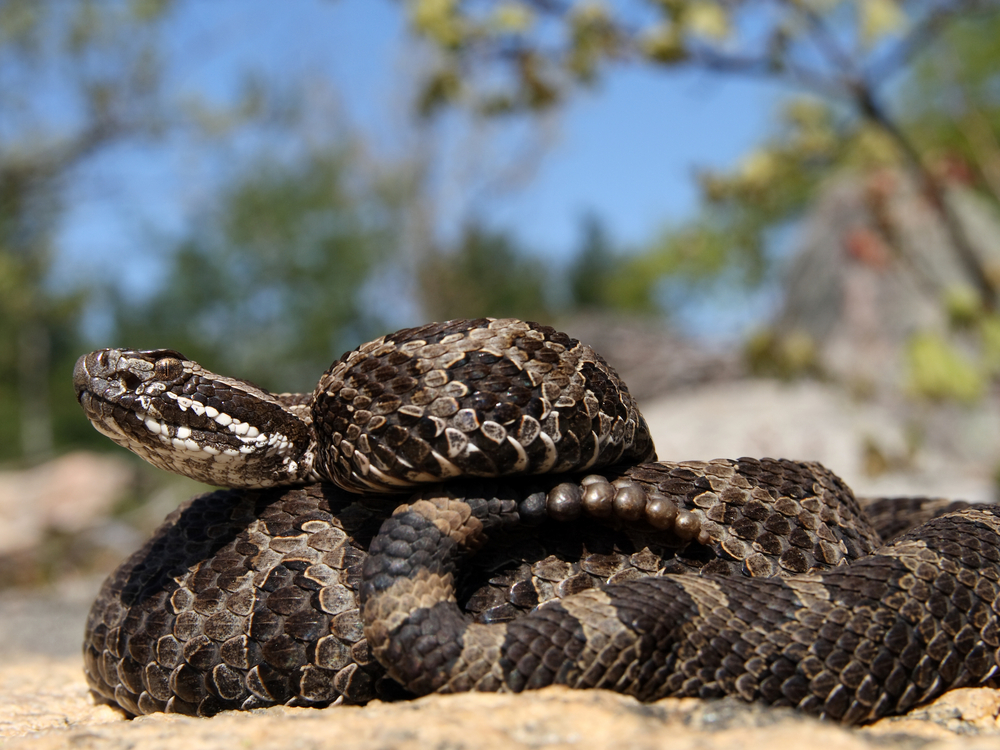
Many venomous snakes remain perfectly still when threatened. This immobility makes people assume the snake is inactive or asleep. The strike happens only when the threat comes close enough. The calm is camouflage.
Herpetology research confirms that stillness is a primary defense strategy in snakes. Movement often comes only at the final moment. This behavior reduces detection and increases strike accuracy. Calm is part of the ambush.
6. Moose
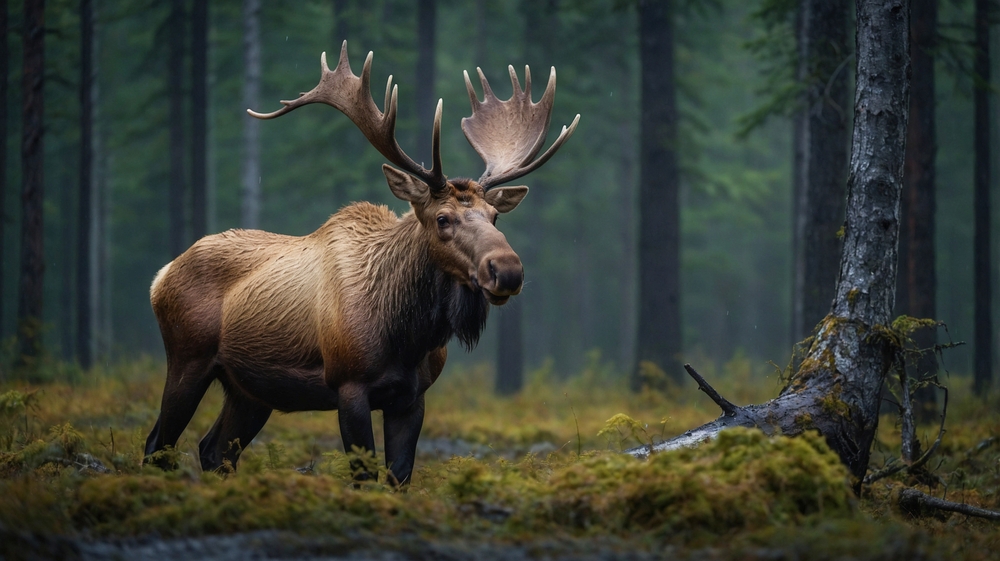
Moose often stand motionless while staring at perceived threats. People mistake this stillness for indifference or confusion. In reality, the moose is deciding whether to charge. When it does, it happens fast.
Wildlife incident data shows moose attacks often occur after prolonged stillness. Their size and quiet demeanor lull people into false confidence. Calm posture masks high stress levels. The strike is sudden and powerful.
7. Hippos
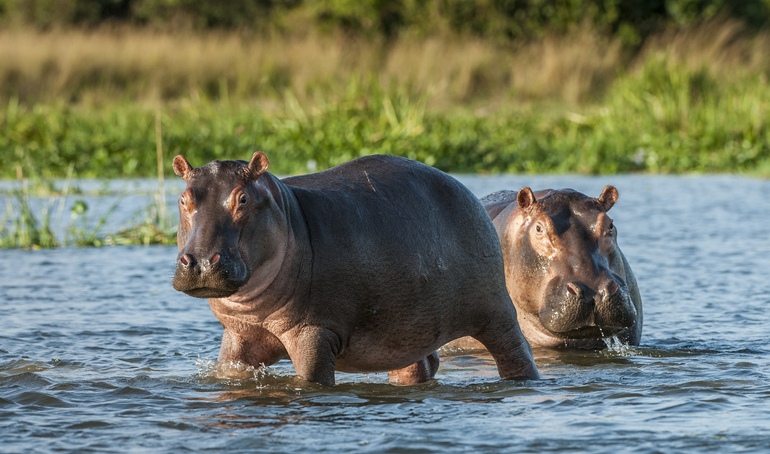
Hippos spend much of their time resting quietly in water. Their relaxed posture hides extreme territorial aggression. Approaching them during calm moments is especially dangerous. Attacks happen without warning.
Ecological studies consistently rank hippos among the deadliest animals in Africa. Their calm appearance is a resting state, not docility. Once provoked, they react explosively. Still water does not equal safety.
8. Sharks
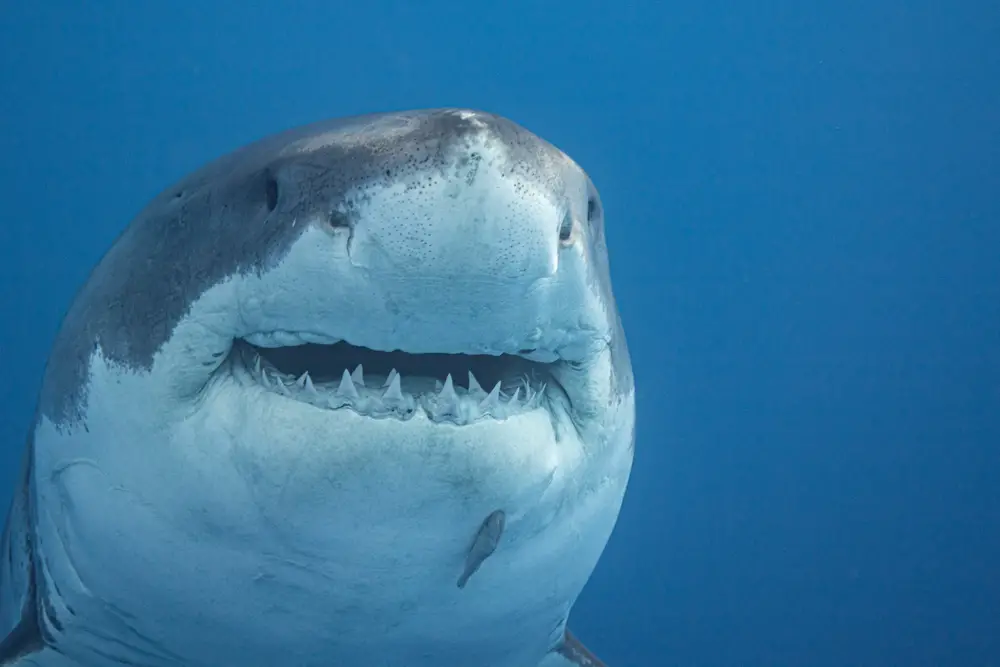
Sharks often circle slowly before biting. This slow movement appears calm and curious. Divers sometimes mistake it for harmless investigation. The strike follows with little warning.
Marine behavior research shows sharks use slow passes to assess prey. Calm swimming allows them to evaluate vulnerability. The attack is calculated, not frantic. Stillness is part of the process.
9. Deer
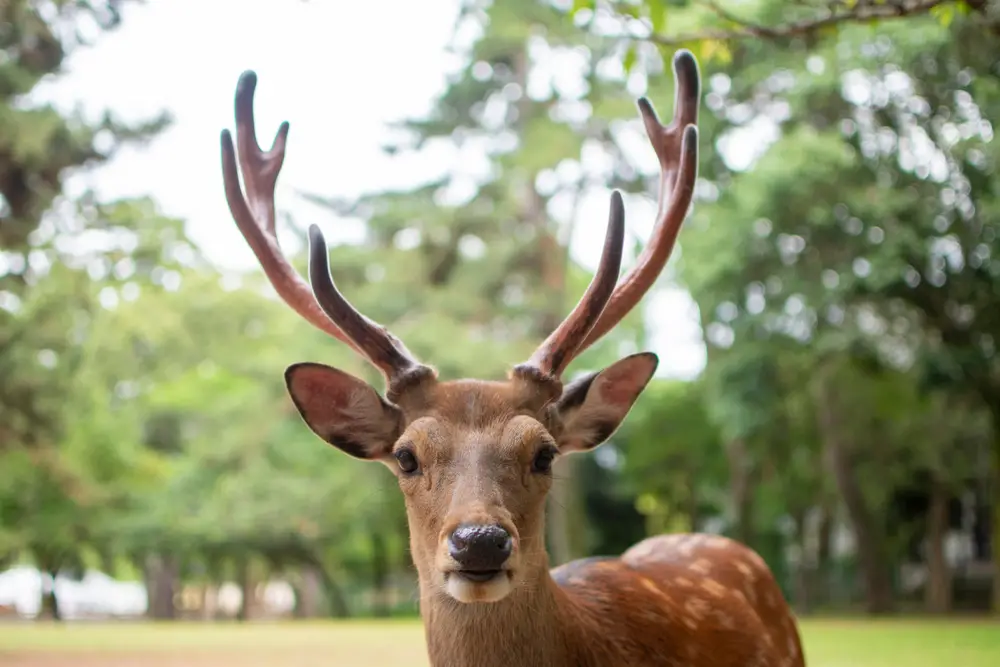
Deer freeze when threatened, locking eyes with the danger. This stillness is often interpreted as fear without aggression. During mating season, this can quickly turn violent. Antler attacks happen suddenly.
Wildlife studies on ungulate behavior show freezing precedes defensive action. Calm stance hides readiness to charge. Many injuries occur because people approach during this phase. Stillness is a warning, not submission.
10. Octopus
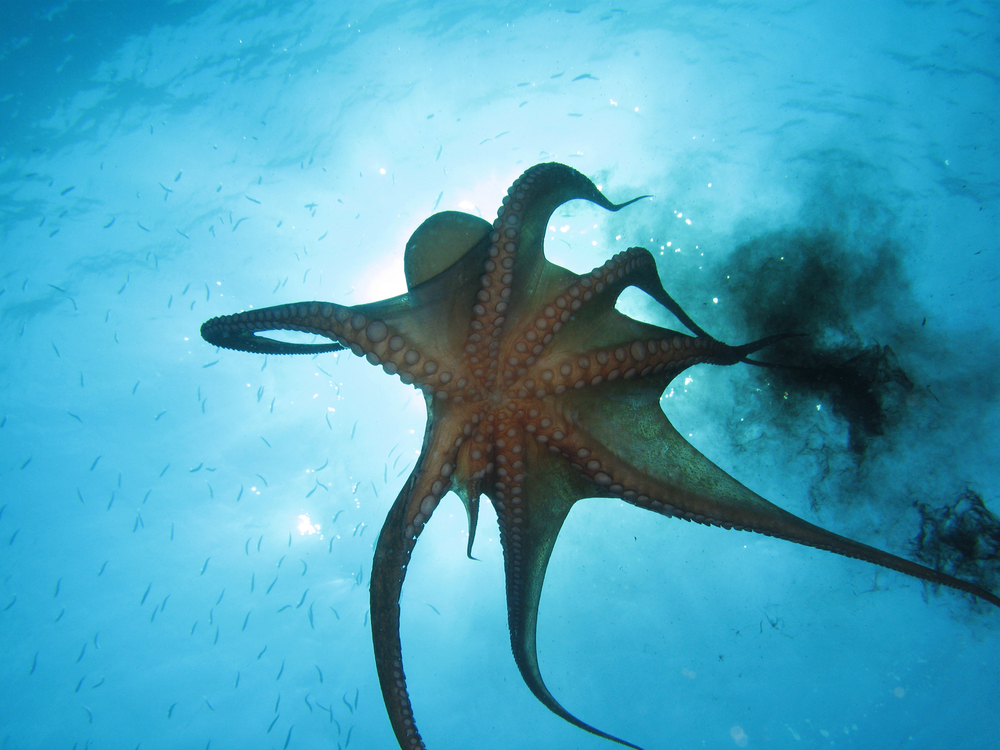
Octopuses often appear curious and relaxed around humans. They may change color slowly or drift closer. This calm interaction can flip instantly if they feel threatened. Their bites and venom are underestimated.
Marine biology research highlights octopus intelligence and defensive strategy. Calm engagement allows assessment of threats. When escape isn’t possible, aggression follows. Their quiet nature masks danger.
11. Komodo Dragons
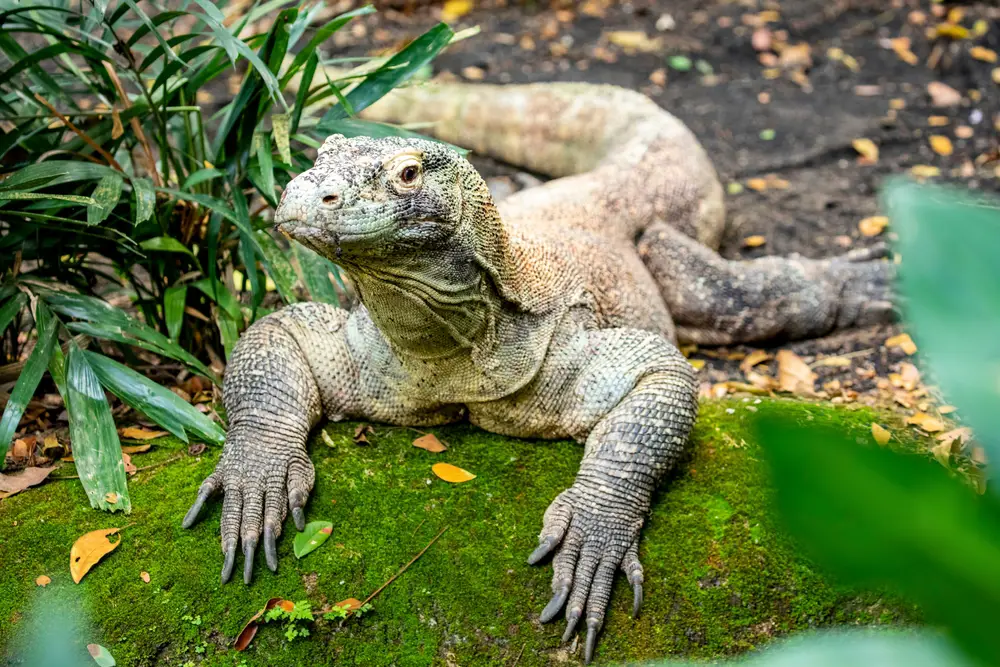
Komodo dragons often lie still while watching prey. Their lack of movement makes them seem sluggish. They strike when prey is within reach. The calm hides deadly speed.
Zoological studies show Komodo dragons conserve energy through stillness. Their venom and bacteria make even small bites lethal. Calm posture is part of their hunting efficiency. Movement comes late.
12. Gorillas
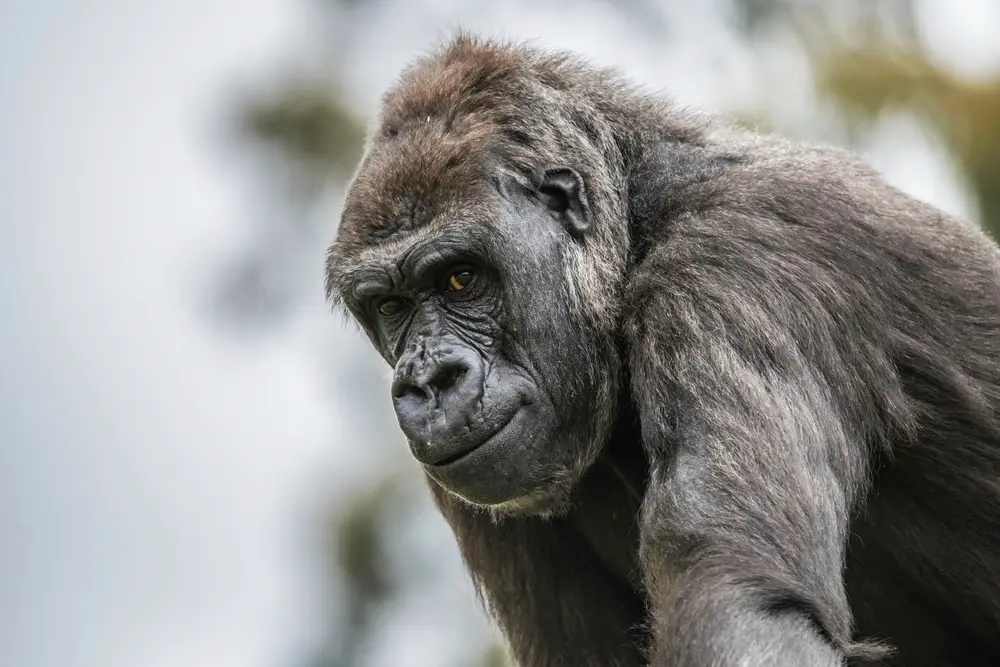
Gorillas may sit calmly while watching intruders. This behavior is often misread as tolerance. In reality, it’s assessment before dominance display or charge. The shift is abrupt.
Primatology research confirms that calm observation precedes aggression. Gorillas rely on sudden escalation to intimidate threats. Calm does not mean acceptance. It means calculation.
13. Alligators
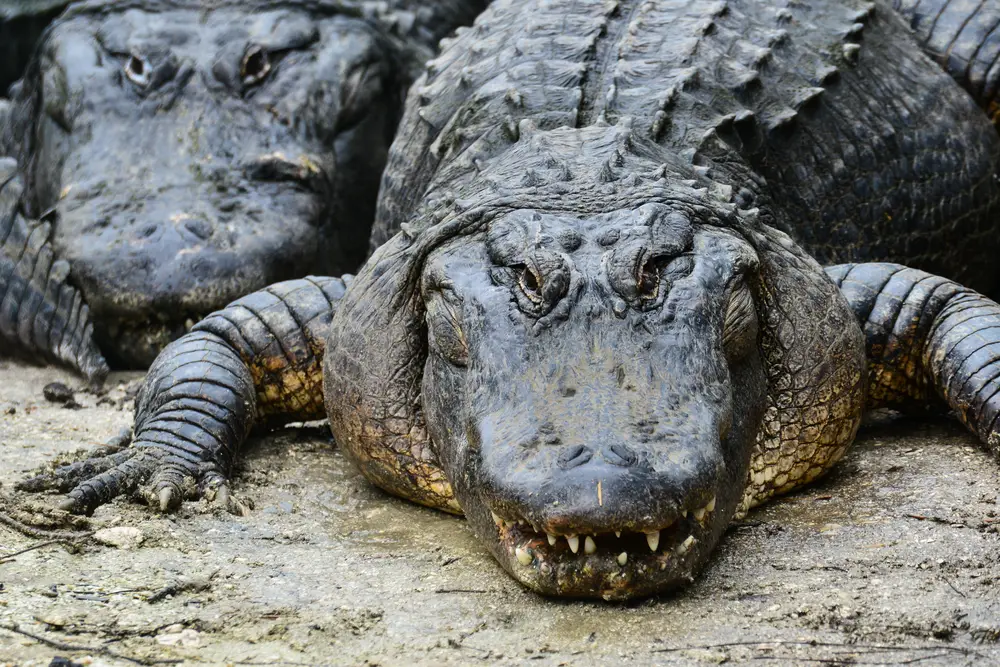
Alligators rest quietly near shorelines, barely moving. Their calm presence blends into the environment. People often step too close without realizing it. The attack is immediate.
Wildlife safety studies consistently warn against mistaking stillness for safety. Alligators rely on surprise. Calm water hides active predators. Distance is the only protection.