
A decade ago, climate warnings were often dismissed as alarmist, theoretical, or exaggerated. Today, many of those same predictions are no longer future scenarios—they’re lived reality. What once sounded like worst-case modeling now reads like a progress report written by the planet itself. These 13 climate predictions were widely debated ten years ago, and they’ve already come true in ways that are reshaping daily life across the globe.
1. Cities Becoming Dangerous Heat Traps
Ten years ago, scientists warned that cities would amplify heat as temperatures rose, creating deadly “urban heat islands.” Today, that prediction has materialized, with major cities regularly recording temperatures several degrees higher than surrounding areas. Heat-related hospitalizations have surged during summer months, especially among the elderly and low-income populations. What was once framed as discomfort has become a public health emergency.
Research published in Nature Climate Change confirmed that urban heat extremes have increased significantly faster than global averages. The study linked dense infrastructure, lack of green space, and rising emissions to prolonged heat exposure in cities worldwide. Cooling systems, once considered optional, are now essential infrastructure. This shift underscores how climate impacts are no longer evenly distributed—they’re concentrated where people live.
2. Persistent Drought Becoming the New Normal
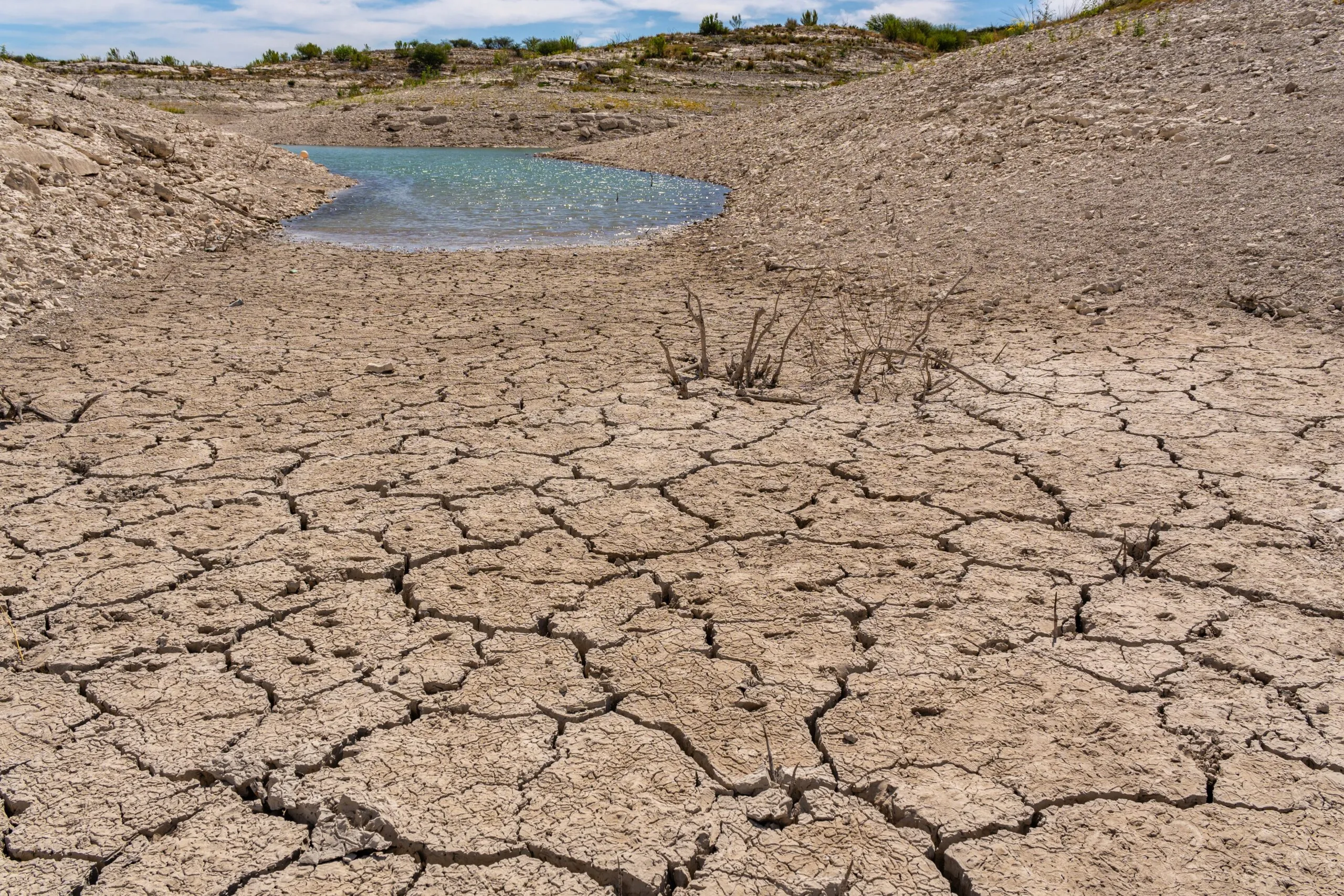
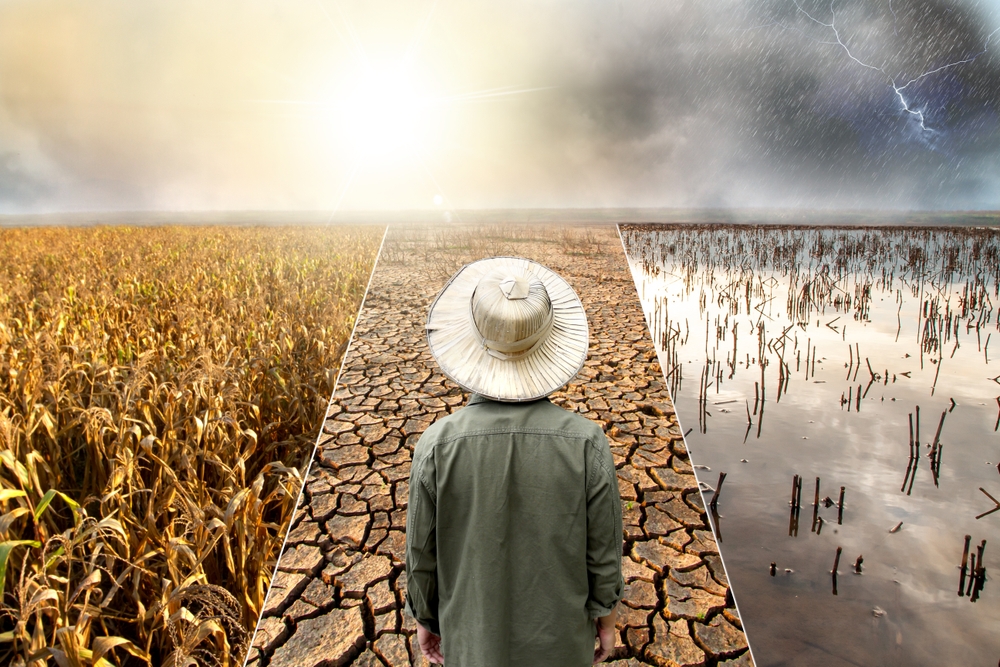
Long-term drought was once framed as a regional risk, but it has since spread across continents. Rivers that supported agriculture and cities for generations are shrinking or drying out entirely. Water restrictions are now routine in places that once took abundance for granted. The idea of “temporary drought” has quietly disappeared.
Beyond agriculture, drought has reshaped energy production, shipping routes, and food prices. Entire economies now feel the ripple effects of water scarcity. Migration driven by drought stress has also increased, particularly in vulnerable regions. What was predicted as a slow-building issue has arrived faster than expected.
3. Stronger, Slower, More Destructive Storms
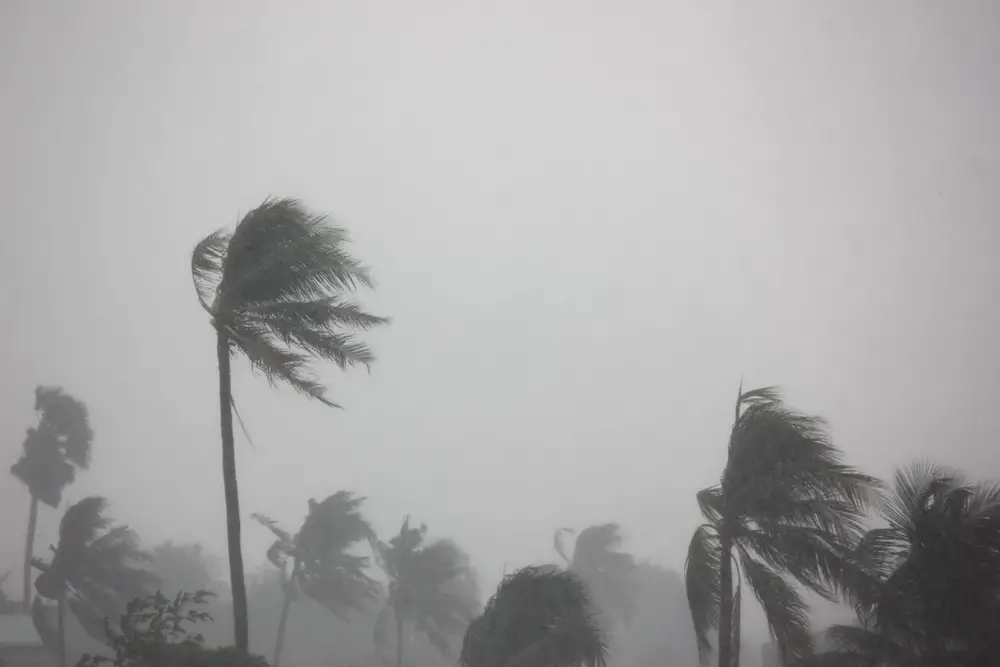
A decade ago, climate models warned that storms would become both stronger and slower-moving. That exact pattern has since emerged, with hurricanes lingering longer over land and causing unprecedented flooding. Warmer ocean temperatures now fuel storms that intensify rapidly and unpredictably. The damage left behind often takes years to repair.
The Intergovernmental Panel on Climate Change has repeatedly confirmed that climate change increases the intensity of tropical storms. Recent IPCC assessments link warmer seas directly to higher rainfall totals and slower storm dissipation. Insurance markets have been destabilized as losses mount. These storms no longer feel like rare disasters—they feel seasonal.
4. Glacial Melt Accelerating Sea Level Rise
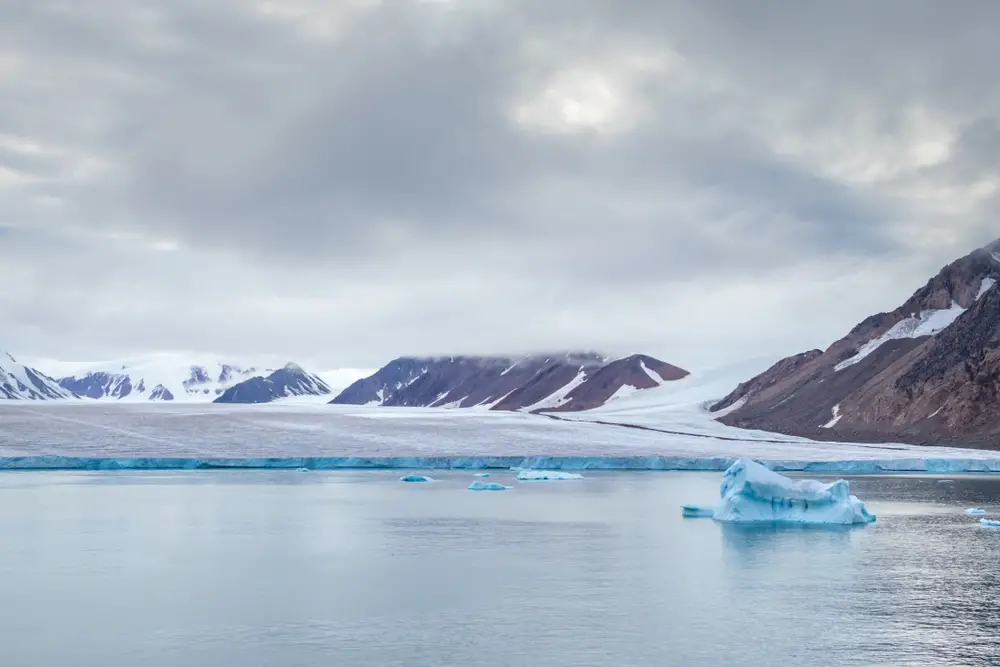
Scientists once debated whether glacial melt would meaningfully affect sea levels within decades. That debate is over. Coastal flooding now occurs during ordinary high tides in many cities. Communities that planned for gradual change are scrambling to adapt to rapid loss.
The effects extend beyond coastlines. Saltwater intrusion is contaminating freshwater supplies and farmland. Insurance withdrawals and property devaluation are already reshaping coastal real estate markets. What seemed distant ten years ago now defines local planning decisions.
5. Accelerating Biodiversity Collapse
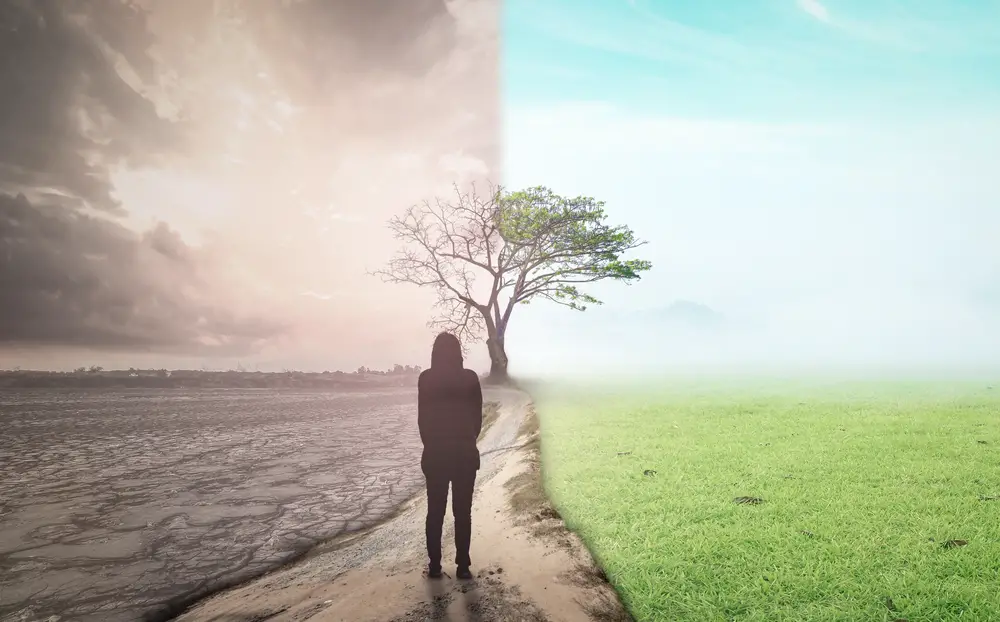
Warnings about mass extinction once felt abstract to many people. Today, disappearing species are altering ecosystems people depend on for food, medicine, and climate stability. Pollinators are declining, fisheries are collapsing, and forests are losing resilience. Biodiversity loss is no longer theoretical—it’s measurable.
According to reports from the World Wildlife Fund and the UN’s IPBES, wildlife populations have declined dramatically over the past decade. Scientists now warn that ecosystem collapse increases climate volatility itself. The loss of biodiversity feeds back into warming, drought, and disease. Nature’s safety net is fraying faster than predicted.
6. Oceans Becoming More Acidic
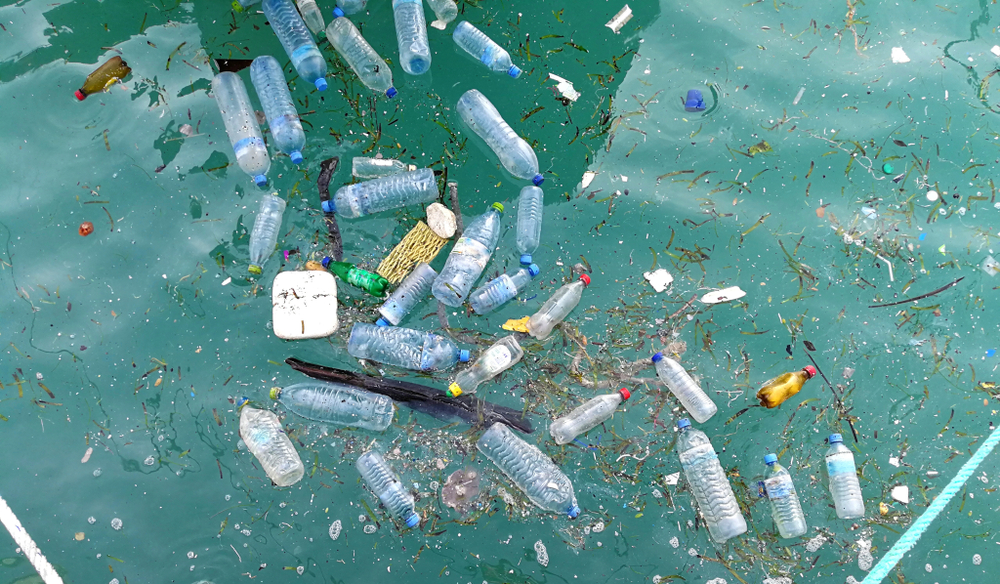
Ocean acidification was once framed as a slow, invisible threat. Today, coral reefs are bleaching at record rates, and shellfish industries are struggling to survive. The chemistry of the ocean is changing faster than marine life can adapt. Entire food webs are being disrupted.
For coastal communities, this means economic instability and food insecurity. Fisheries are closing or relocating as species migrate or disappear. What happens beneath the surface now directly affects dinner plates and livelihoods. The ocean’s buffering capacity is no longer infinite.
7. Wildfires Growing Larger And More Uncontrollable
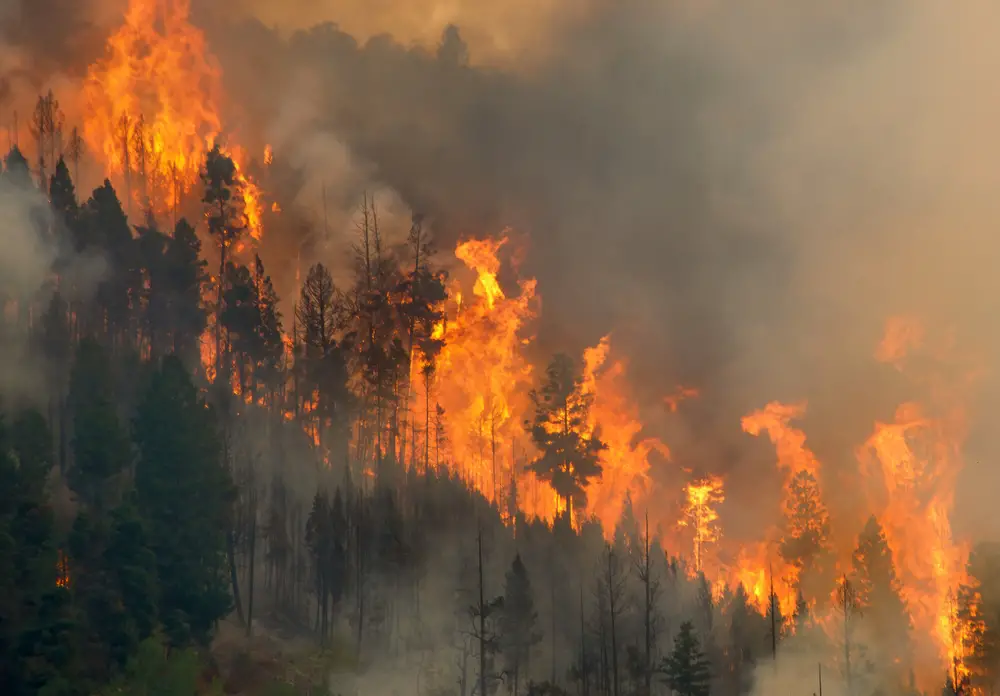
Ten years ago, scientists predicted longer wildfire seasons fueled by heat and drought. Today, fires burn hotter, spread faster, and resist suppression efforts. Entire towns have been erased in hours. Smoke pollution now affects regions thousands of miles away.
Studies published in Environmental Research Letters confirm that climate change has dramatically increased wildfire risk. Fire seasons now overlap year-round in some regions. Insurance retreat and housing losses are reshaping where people can live. Fire has become a permanent feature of the climate era.
8. Polar Vortex Disruptions Becoming Common
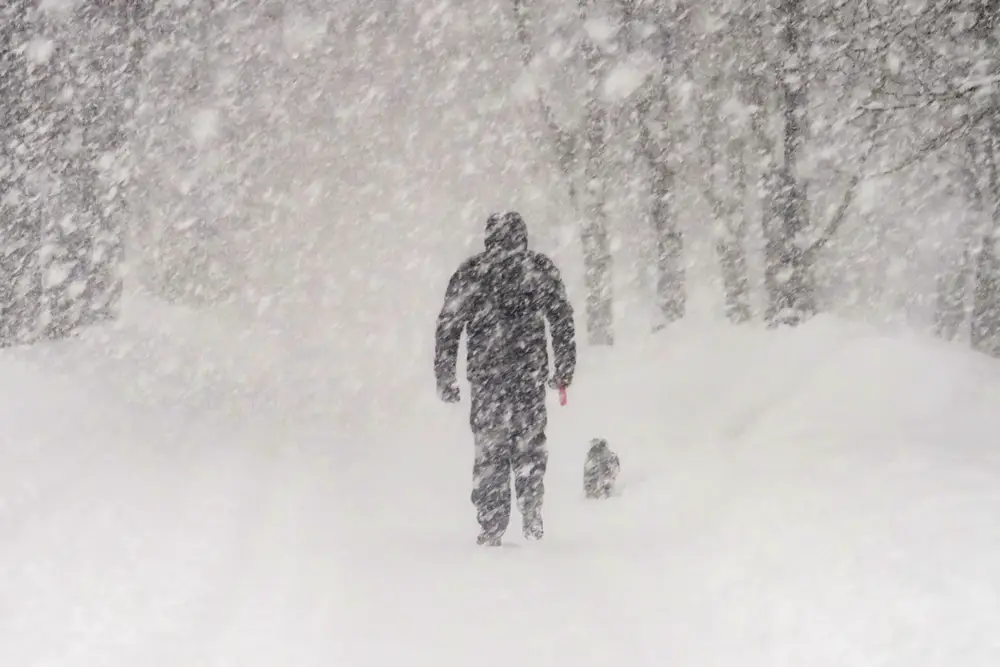
Cold extremes were never supposed to disappear with global warming, but their cause has shifted. Polar vortex disruptions now send Arctic air deep into lower latitudes. Sudden freezes damage infrastructure unprepared for extreme cold. Power failures have followed in multiple countries.
These events confuse the public but align closely with climate science predictions. Warming in the Arctic destabilizes jet stream patterns. Weather has become more volatile, not more moderate. Climate change expresses itself through instability, not uniform heat.
9. Climate-Driven Migration Increasing
A decade ago, experts warned that climate stress would force people to move. That movement is now underway. Floods, droughts, and heat are making regions unlivable. Migration tied to environmental conditions is rising steadily.
Cities absorbing climate migrants face housing shortages and strained services. Political tensions often follow rapid population shifts. Yet migration is not a future scenario—it’s an adaptive response already happening. Climate mobility is redefining borders quietly but persistently.
10. Food Systems Becoming Less Reliable

Climate change was predicted to destabilize food production long before it reached grocery stores. Today, supply disruptions and rising prices reflect that reality. Crops fail under heat stress, floods destroy harvests, and pests thrive in warmer conditions. Food security now fluctuates year to year.
This volatility hits low-income communities hardest. Global hunger risks have increased even in food-exporting nations. Adaptation efforts are underway, but they lag behind environmental change. What once felt distant now shows up at checkout.
11. Infrastructure Straining Under Climate Extremes
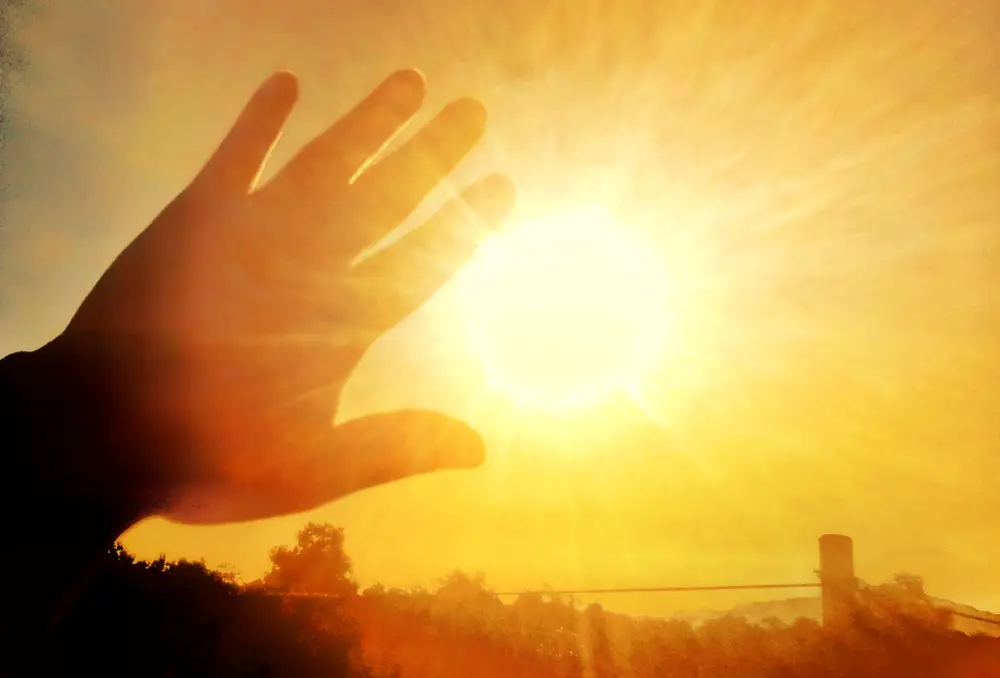
Climate models warned that roads, bridges, and grids weren’t designed for today’s extremes. That prediction has played out as heat buckles highways and floods overwhelm drainage systems. Energy demand spikes during heatwaves, pushing grids to failure. Repairs are costly and recurring.
Infrastructure failures compound disaster impacts. Recovery takes longer when systems collapse simultaneously. Cities are now racing to retrofit what was never designed for climate volatility. Maintenance has become a climate strategy.
12. Insurance Retreating From High-Risk Areas
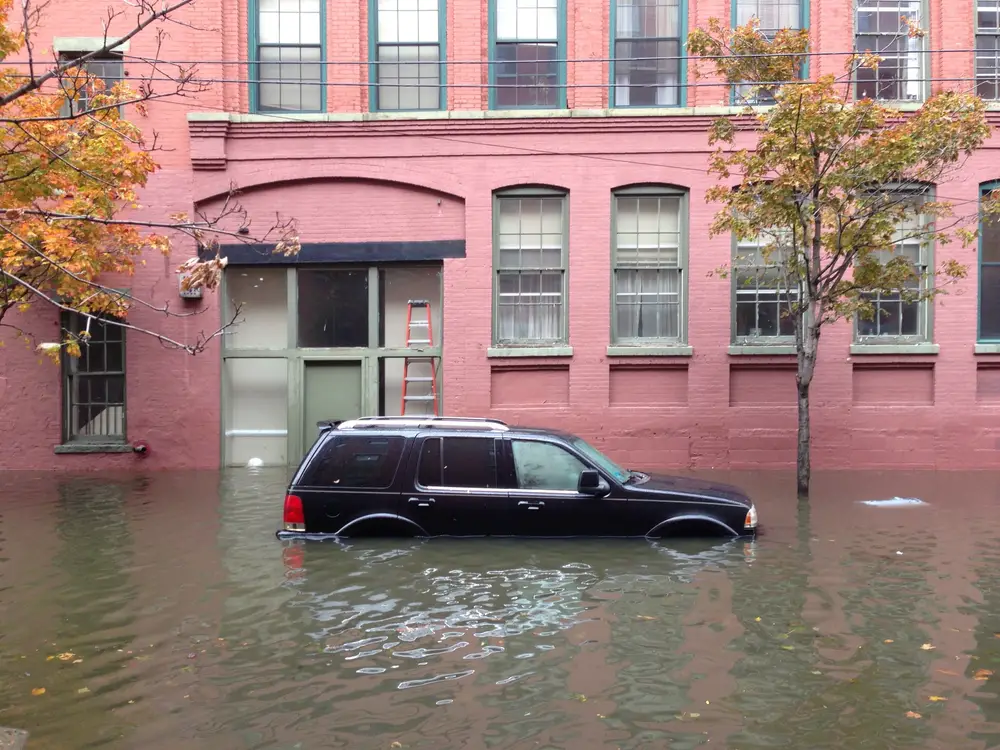
Insurers were expected to adjust pricing as climate risks rose. Instead, many have exited entire regions. Wildfire zones, floodplains, and coastal areas are increasingly uninsurable. Homeownership has become riskier by location.
This shift reshapes housing markets and local economies. Without insurance, rebuilding becomes impossible for many families. Climate risk is now a financial gatekeeper. Geography determines security more than ever.
13. Climate Anxiety Becoming a Mental Health Issue

Ten years ago, climate anxiety was rarely discussed outside academic circles. Today, it’s widely recognized, especially among younger generations. Constant exposure to disasters and uncertainty takes a psychological toll. Climate stress affects sleep, decision-making, and long-term planning.
Mental health systems are beginning to respond, but the scale is growing. Climate change is no longer just environmental—it’s emotional. The future feels less predictable, and that uncertainty carries weight. This too was predicted, and now it’s personal.