
As American’s gear up for another year, scientists say it’s time to start preparing for a new normal. The climate conversation is no longer just about melting ice caps and endangered species; it’s hitting home with a series of intense, unpredictable weather events. From coast to coast, you might need to rethink your emergency plan as experts predict a stormier future ahead. Here’s a look at the wild weather events scientists say Americans need to brace for by 2026.
1. Intense Heatwaves
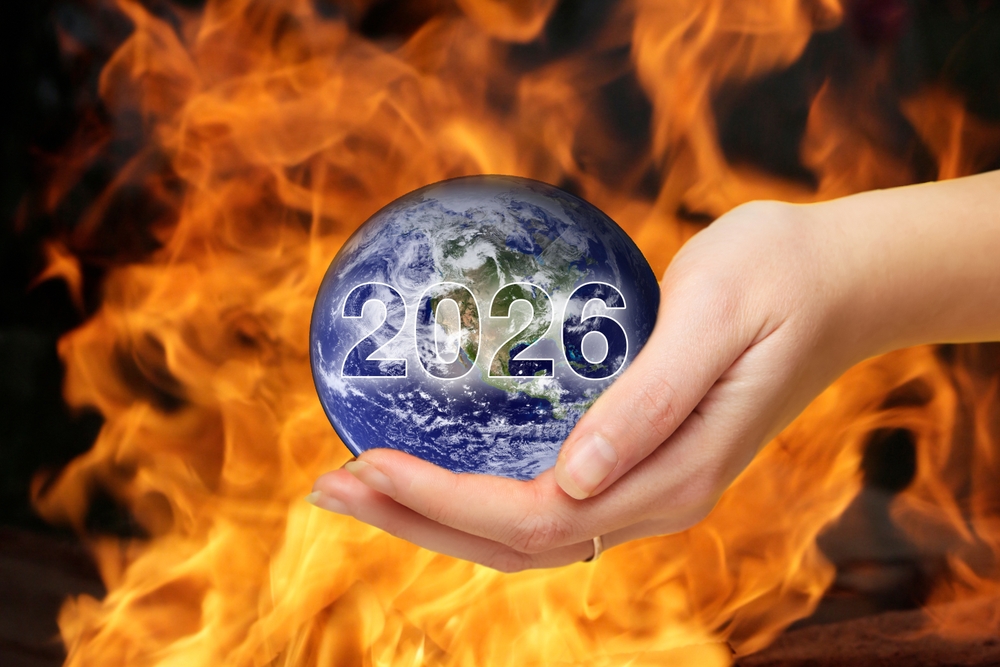
Gone are the days when summer just meant beach vacations and barbecues. Extreme heatwaves are becoming more frequent and longer-lasting, pushing public health systems to their limits. You might find yourself rethinking your wardrobe choices or investing in better air conditioning as temperatures soar to alarming highs. According to a study by the National Oceanic and Atmospheric Administration, the frequency of days exceeding 95 degrees Fahrenheit is expected to significantly increase across the United States.
It’s not just about comfort; these sizzling temperatures can seriously impact your health and daily routine. Heatwaves can lead to heat exhaustion, power outages, and strain on water supplies, affecting everything from your morning jog to your evening Netflix binge. Keeping hydrated, staying informed about local advisories, and checking on vulnerable neighbors become essential parts of your summer routine. So, it might be time to track the weather like you track the latest season of your favorite show.
2. Severe Thunderstorms
If you love the sound of rain on your window, brace yourself for louder, more intense symphonies. Severe thunderstorms are on the rise, bringing not just heavy rain but also hail, lightning, and strong winds. You could see more flash floods in your area, turning streets into rivers in minutes. The next time you hear that rumble of thunder, it might be your cue to rush home rather than relax with a cup of tea.
These storms can lead to significant damage, from uprooted trees to power outages, disrupting your day-to-day life. You might want to consider bolstering your home’s defenses, ensuring you have a reliable emergency kit, and knowing your best escape routes. And yes, it’s a good idea to keep that flashlight handy for those unexpected power cuts. With climate change intensifying storm patterns, it’s wiser to stay prepared and informed.
3. Unpredictable Tornadoes
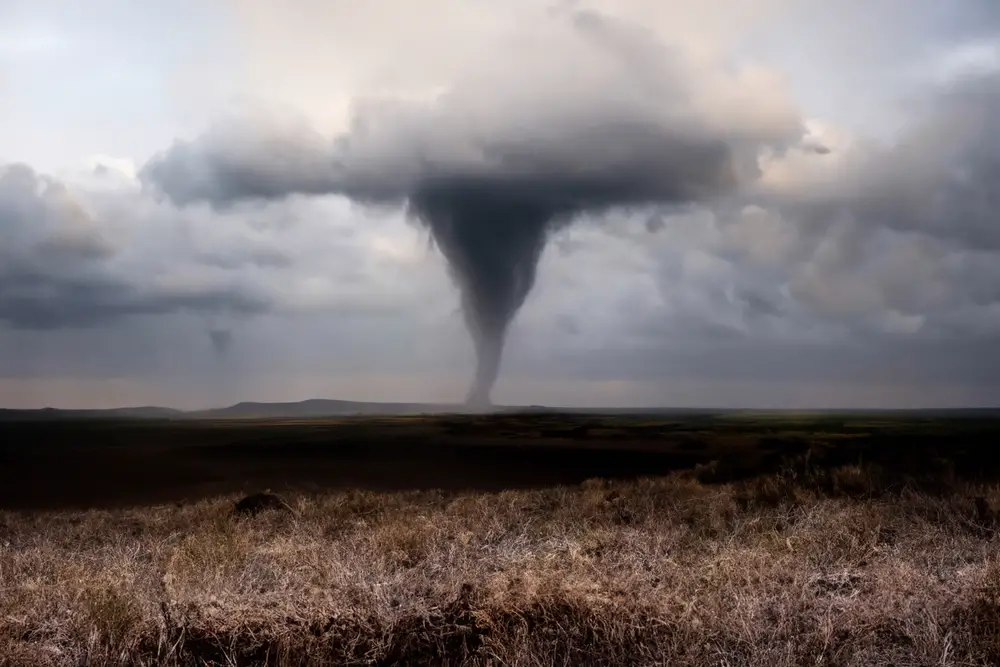
Tornadoes aren’t just a heartland phenomenon anymore; they’re expanding their reach. These twisters are becoming more unpredictable, both in frequency and location. You might find yourself considering a storm shelter even if you live outside the classic Tornado Alley. A recent report by the American Meteorological Society highlights how climate change is shifting tornado activity patterns, leading to more widespread threats.
The unpredictability factor can make tornadoes especially nerve-wracking. You could be enjoying a sunny afternoon and suddenly face dark skies and swirling winds. This calls for heightened awareness and perhaps even an updated emergency plan for your family. Knowing the safest part of your home and having a go-bag ready can make a world of difference when the sirens start wailing.
4. Record-Setting Blizzards
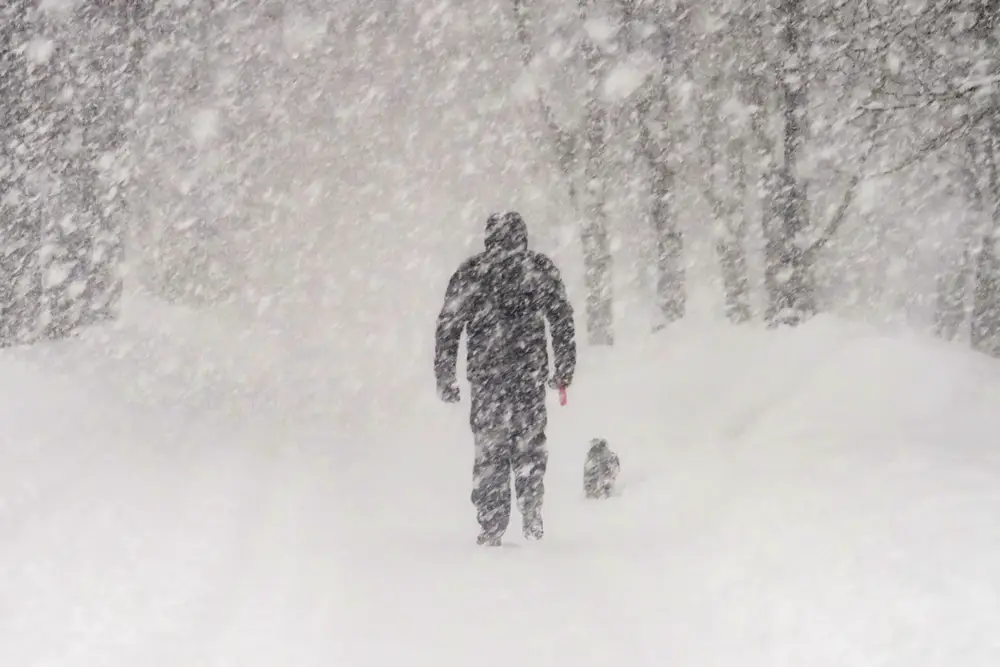
Winter wonderlands might become winter nightmares as record-setting blizzards become more common. These aren’t your average snowfalls; we’re talking feet of snow that can shut down cities. You might find yourself investing in heavier-duty winter gear or learning to love snow shovels. It’s not just about dealing with the cold; it’s about managing the cascade of disruptions that follow.
Blizzards can paralyze transportation, close schools, and even halt grocery deliveries, making it crucial to have a solid plan. Stocking up on essentials and ensuring your vehicle is winter-ready becomes a priority. And while the first flurries might still feel magical, the back-breaking work of digging out afterward is anything but. So, it’s worth thinking ahead to avoid being caught off guard when the snow starts to pile up.
5. Increasing Wildfires
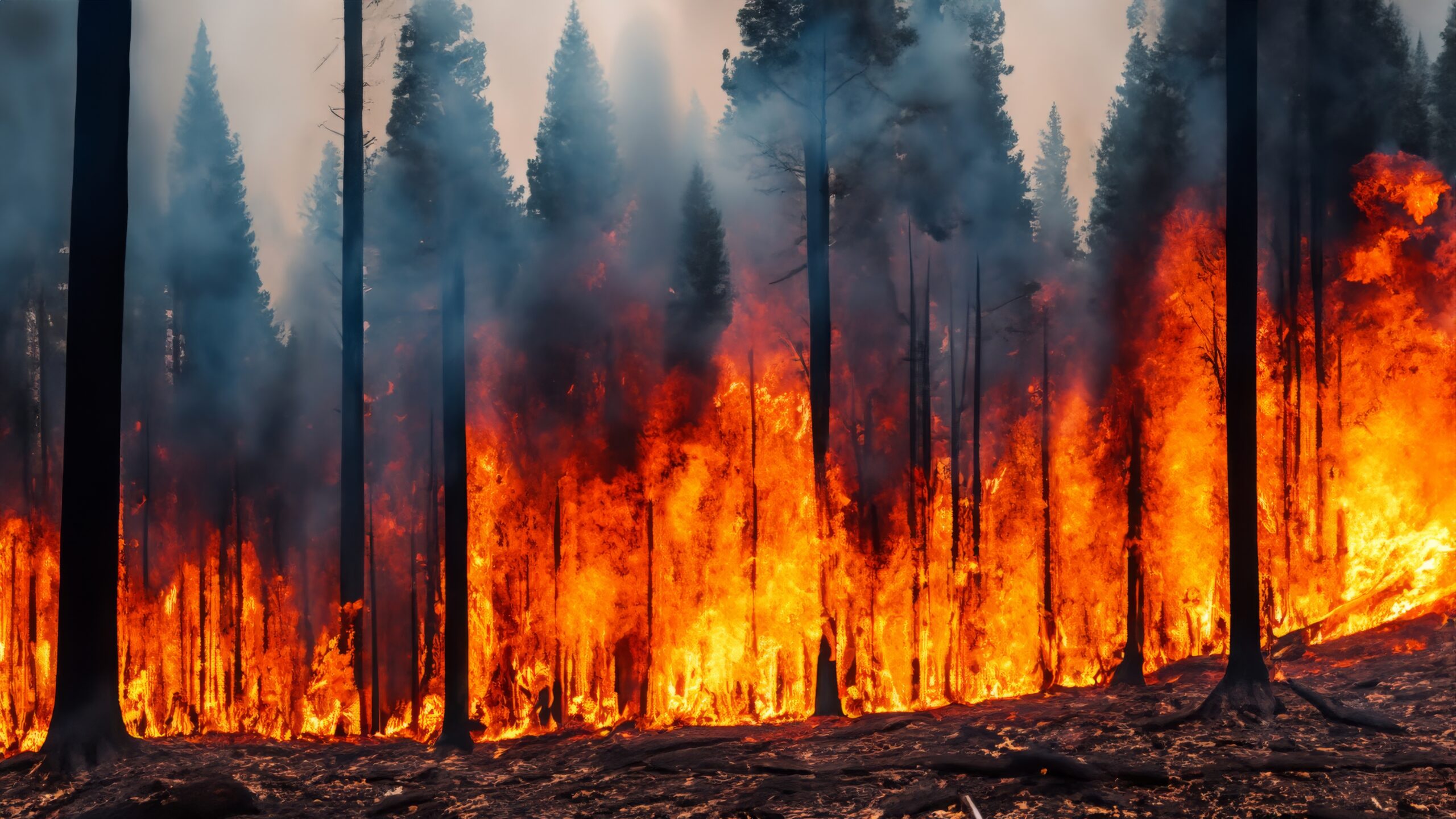
The smell of campfires might evoke summer memories, but uncontrolled wildfires are a different story. These blazes are starting earlier, burning longer, and covering more ground. You might find yourself dealing with smoky skies and ash-covered surfaces, even if you’re not in the immediate vicinity. According to the National Interagency Fire Center, wildfire seasons are extending, and the areas affected are growing each year.
Wildfires can devastate communities, destroy property, and impact air quality far beyond the burn zone. You’ll need to stay updated on fire advisories, have evacuation plans ready, and consider air purifiers for your home. The ripple effects mean more than just a change in landscape; they can affect your health and lifestyle. Awareness and preparation could be your best allies in this fiery future.
6. Coastal Flooding

As sea levels rise, coastal cities are facing the brunt of the impact. You might find your favorite beach spot or boardwalk constantly under threat from encroaching tides. Coastal flooding isn’t just a minor inconvenience; it’s a growing concern that affects infrastructure, property, and your daily life. This calls for a reconsideration of where and how you live near the water.
The impacts of coastal flooding are multifaceted, ranging from property damage to transportation disruptions. You might need to think about flood insurance, evacuation plans, and perhaps even relocating. While the ocean’s beauty is undeniable, its increasing reach is a pressing concern. It’s crucial to stay informed and adaptable as these watery threats inch ever closer.
7. Prolonged Droughts

The sight of cracked earth and dry reservoirs could become more common as prolonged droughts increase. You might see restrictions on water use and shifts in local agriculture affecting your food supply. The U.S. Geological Survey emphasizes how human activities and climate change are exacerbating drought conditions. This means it’s time to be more conscious about water usage and conservation efforts.
Drought conditions can lead to more than just dry lawns; they impact food production, water supply, and even energy generation. You might find yourself more engaged in community discussions about water conservation and sustainable practices. The ripple effects mean that even urban areas feel the pinch, leading to lifestyle changes. Keeping an eye on water levels and being proactive about conservation can help mitigate these dry spells.
8. Chilly Polar Vortex Events
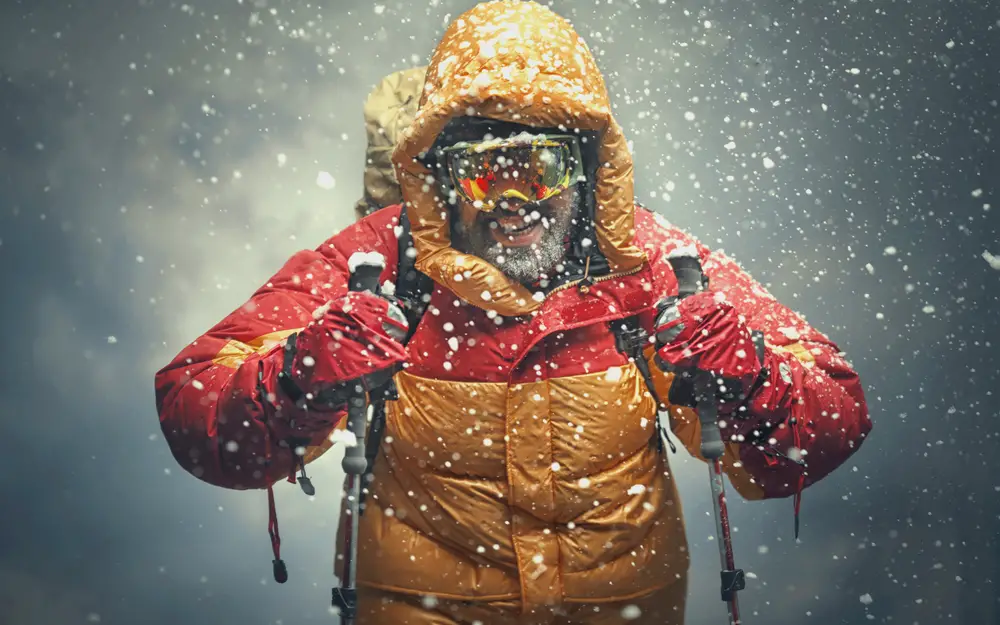
The term “polar vortex” might sound like a sci-fi concept, but it’s very much a reality. When these frigid air masses dip south, they bring bitterly cold temperatures to regions unaccustomed to such chills. You might need to rethink your winter wardrobe or even your holiday travel plans when these cold snaps occur. It’s not just about bundling up; it’s about being prepared for the unexpected.
Polar vortex events can cause heating demands to spike, leading to increased energy bills and potential shortages. You might find yourself learning about the finer details of home insulation or investing in heavier bedding. And while the cold can be refreshing for a short time, its prolonged presence can disrupt daily life. Staying warm and informed becomes essential to navigating these frosty challenges.