
Snakebites aren’t a fringe danger—they’re a global public health crisis. Each year, venomous snakes kill tens of thousands of people, overwhelmingly in rural regions where antivenom is scarce, medical access is limited, and dangerous species live close to human settlements. The World Health Organization classifies snakebite envenoming as a neglected tropical disease, yet the death toll remains shockingly high.
Here’s where snakebites are most deadly—and why.
1. India
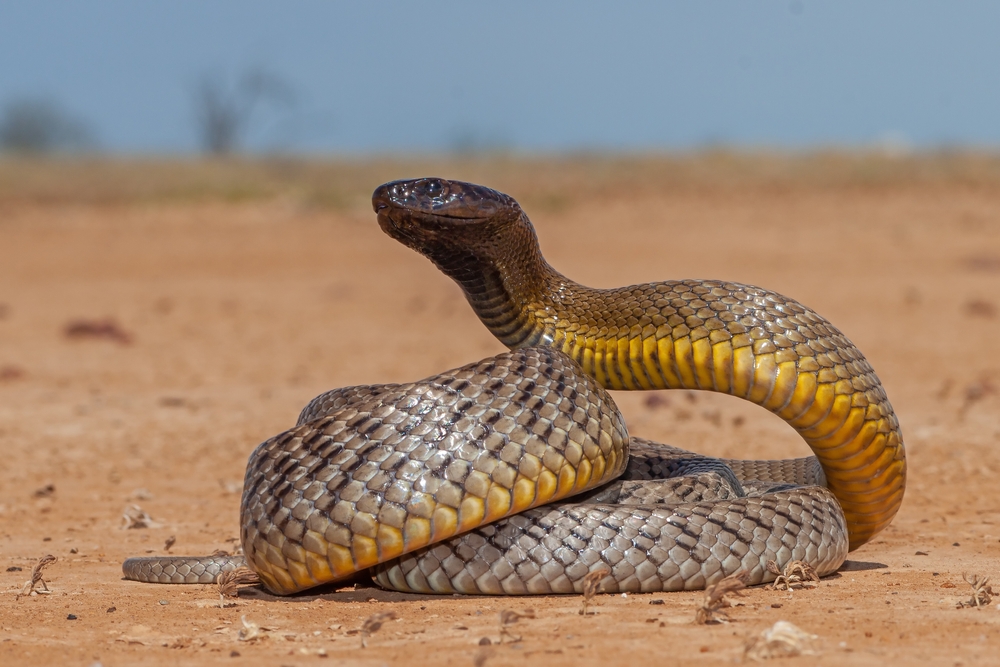
India records more snakebite deaths than any other country in the world, with estimates ranging from 45,000 to over 58,000 deaths annually. Rural agricultural workers are most at risk, especially during monsoon season when snakes are displaced into fields and homes. Many victims never reach a hospital in time.
A landmark 2020 study published in eLife and supported by the World Health Organization found that snakebite mortality in India was massively underreported in official records. Researchers concluded that lack of access to antivenom, delayed treatment, and reliance on traditional healers dramatically increase fatal outcomes. India alone accounts for nearly half of global snakebite deaths.
2. Bangladesh
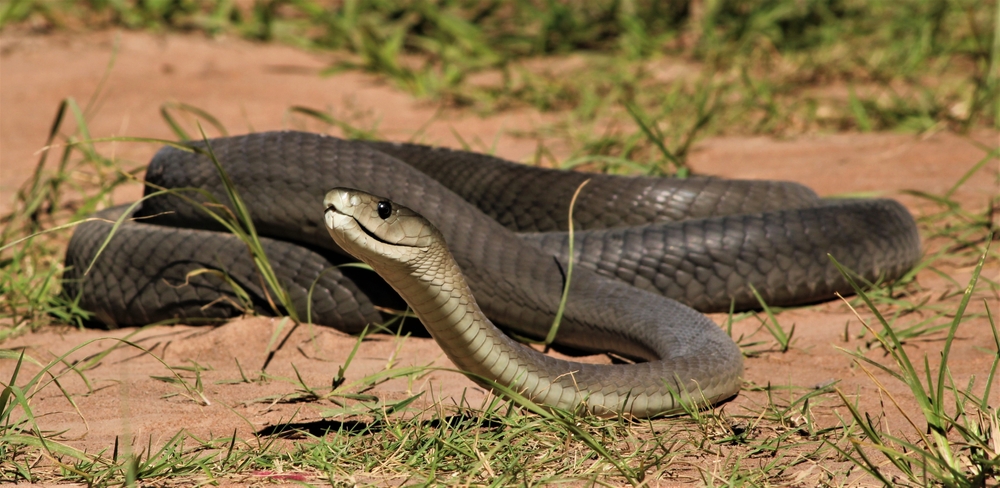
Bangladesh faces thousands of snakebite deaths each year, particularly in flood-prone rural regions. Seasonal flooding pushes venomous snakes into villages, increasing nighttime bites while people sleep on floors. Children and farmers are disproportionately affected.
Limited emergency infrastructure compounds the danger. Many victims arrive at clinics too late, and antivenom shortages are common. Public health campaigns exist, but access remains uneven across the country.
3. Nigeria
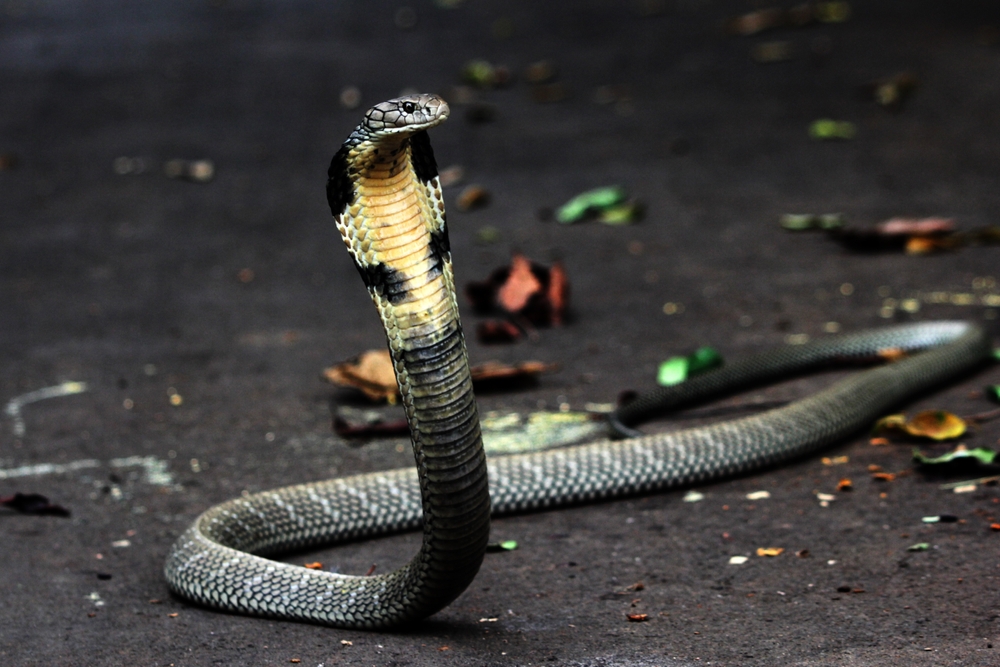
Nigeria is the epicenter of snakebite deaths in sub-Saharan Africa, with an estimated 10,000 deaths per year. The saw-scaled viper is responsible for many of these fatalities, particularly in northern farming communities. Bites often occur during harvest season.
According to Médecins Sans Frontières (Doctors Without Borders), snakebite treatment in Nigeria is severely underfunded. Clinics frequently lack lifesaving antivenom, and delays of even a few hours can be fatal. The organization has repeatedly warned that snakebite mortality here is preventable but neglected.
4. Pakistan
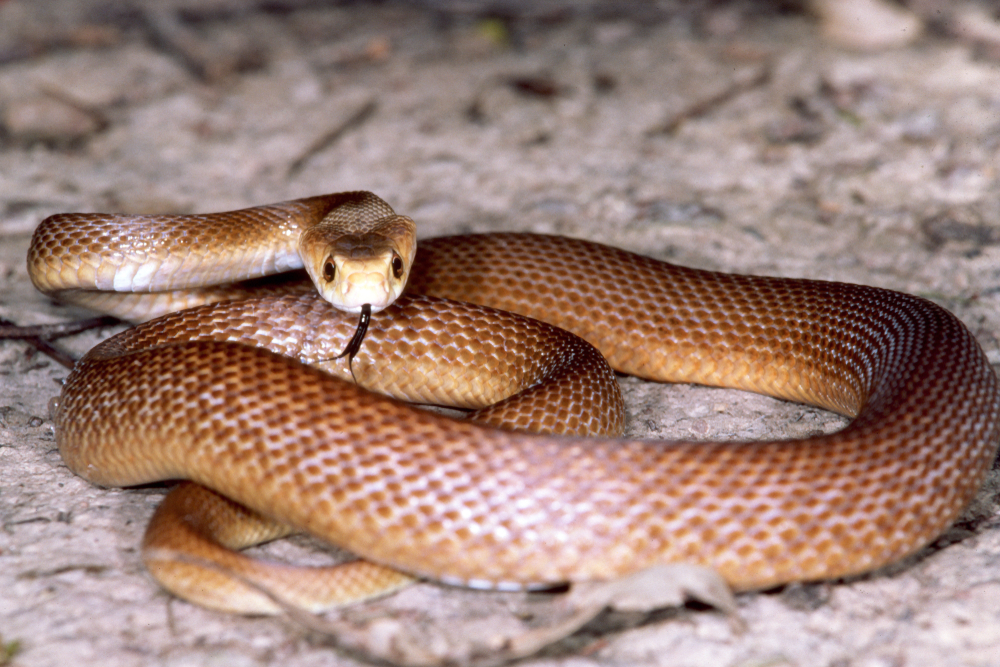
Pakistan records several thousand snakebite deaths annually, mostly in rural provinces. Agricultural labor, poor housing conditions, and limited healthcare access create a deadly combination. Many victims are bitten while working barefoot in fields.
Cultural barriers also play a role. Some communities delay hospital visits in favor of traditional remedies, losing precious time. Once symptoms escalate, survival chances drop sharply.
5. Sri Lanka
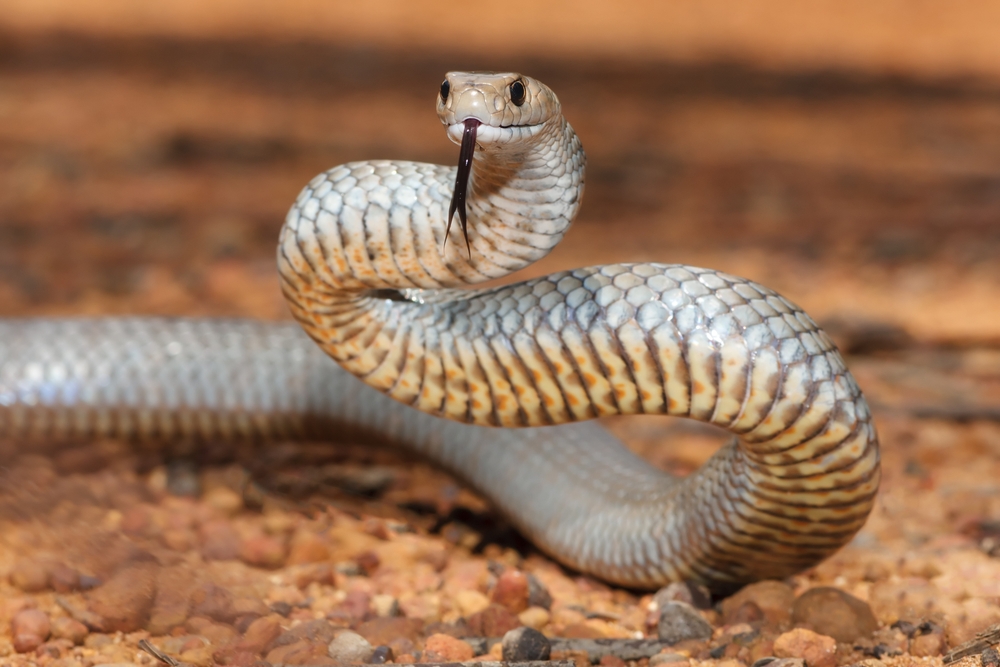
Sri Lanka has one of the highest snakebite incidence rates per capita, though death rates have improved in recent years. Venomous species are widespread, and bites occur frequently in rural farming regions. Thousands are hospitalized annually.
A major study published in The Lancet credited Sri Lanka’s declining mortality to government-funded antivenom distribution and rapid-response treatment protocols. Researchers emphasized that access—not snake abundance—is the determining factor in survival. Sri Lanka is often cited as a model for effective snakebite management.
6. Nepal
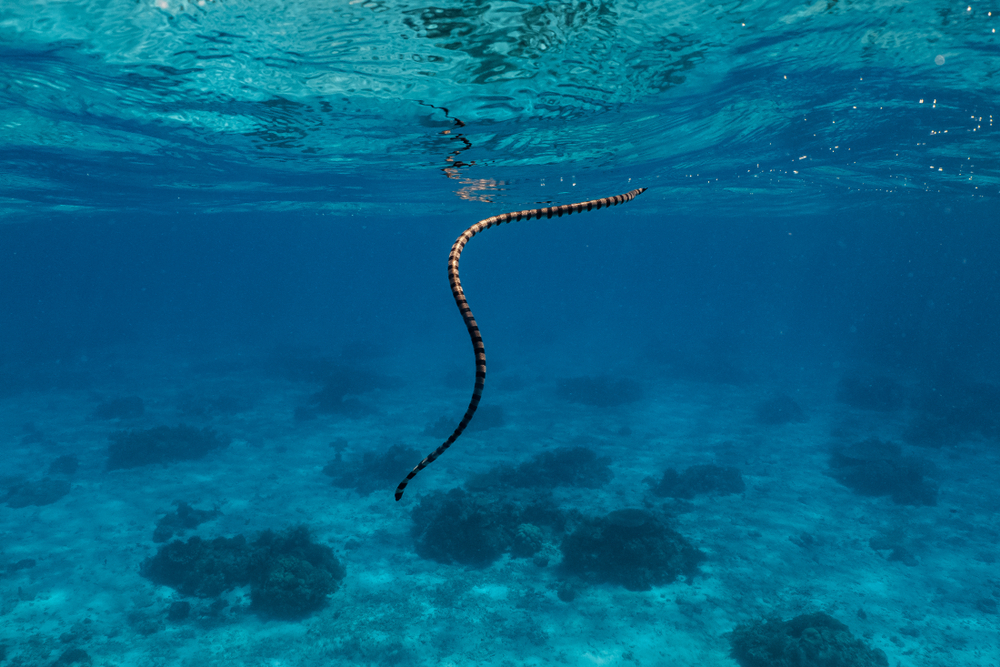
In Nepal’s southern plains, snakebites are a leading cause of accidental death. Cobras and kraits are common, and bites frequently happen at night. Many deaths go unrecorded due to poor surveillance systems.
Remote geography makes emergency care difficult. Victims may travel hours to reach treatment, often without transportation. Public health officials consider snakebite one of the country’s most urgent hidden killers.
7. Democratic Republic of the Congo
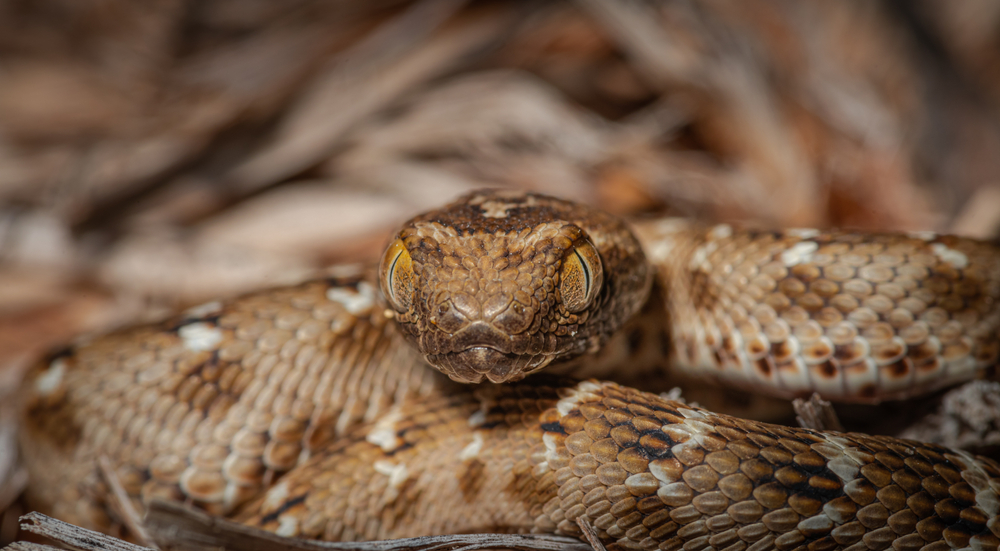
The DRC faces thousands of snakebite deaths each year, particularly in rainforest regions. Agricultural expansion has increased human-snake contact, and healthcare infrastructure is fragile. Antivenom availability is inconsistent.
The World Health Organization’s 2023 Snakebite Envenoming Strategy identified Central Africa as one of the most underserved regions globally. Experts warned that mortality rates remain artificially high due to supply-chain failures—not venom potency. Snakebites here are a systemic failure, not an inevitability.
8. Myanmar

Myanmar reports high snakebite mortality, particularly from Russell’s viper. Farming communities face daily exposure, and hospitals struggle to maintain consistent antivenom stocks. Political instability has worsened access to care.
Many bites result in long-term disability for survivors. Loss of limbs and kidney failure are common outcomes, deepening poverty cycles. Snakebite is both a health and economic crisis here.
9. Indonesia
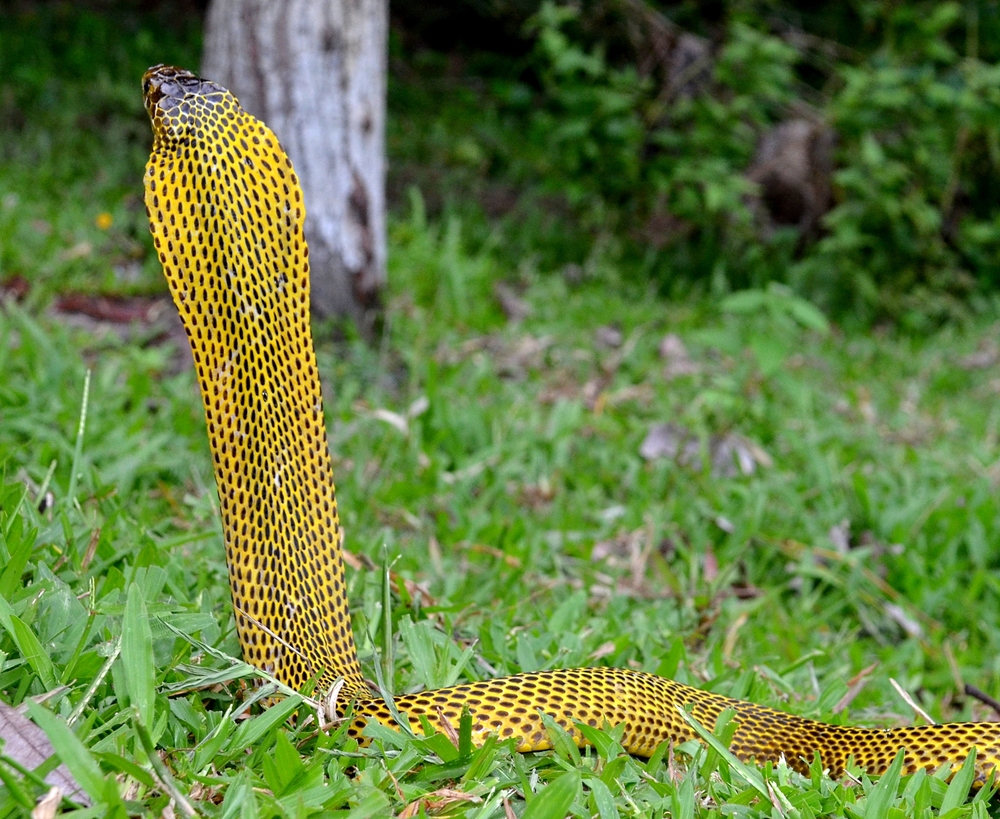
Indonesia’s vast geography makes snakebite treatment uneven. Remote islands often lack trained personnel and antivenom, leading to preventable deaths. Agricultural and fishing communities are especially vulnerable.
Underreporting remains a major issue. Public health experts believe official figures significantly underestimate real mortality. Education and access remain the biggest challenges.
10. Vietnam
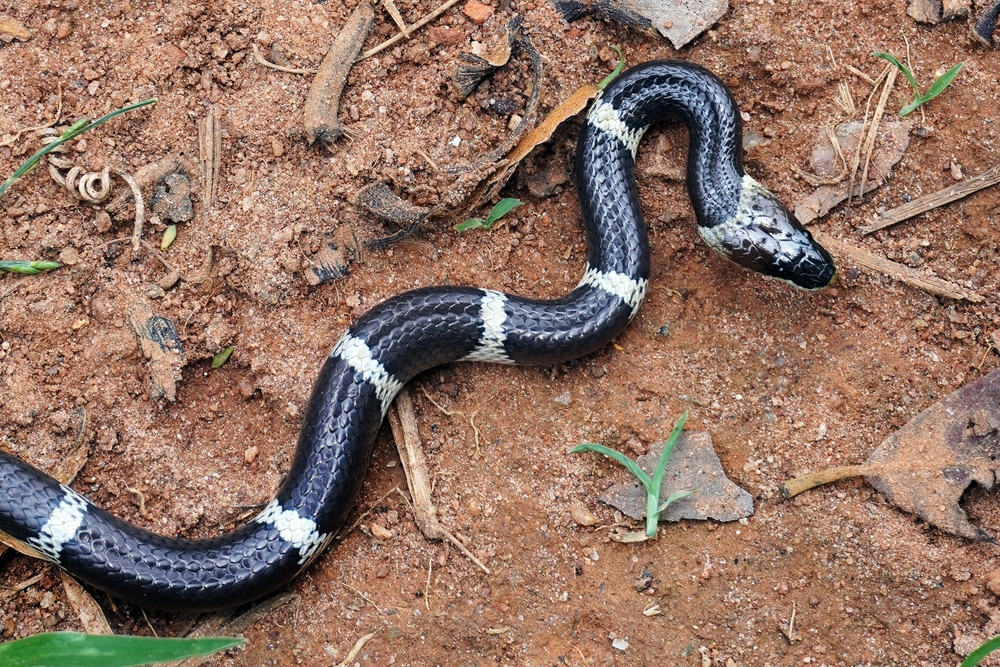
Vietnam sees thousands of snakebite cases annually, with significant mortality in rural provinces. Farming practices bring humans into close contact with venomous species. Wet season spikes are common.
Improved hospital care has reduced deaths in urban areas. However, rural clinics remain under-equipped. Snakebite survival still depends heavily on geography.
11. Ethiopia
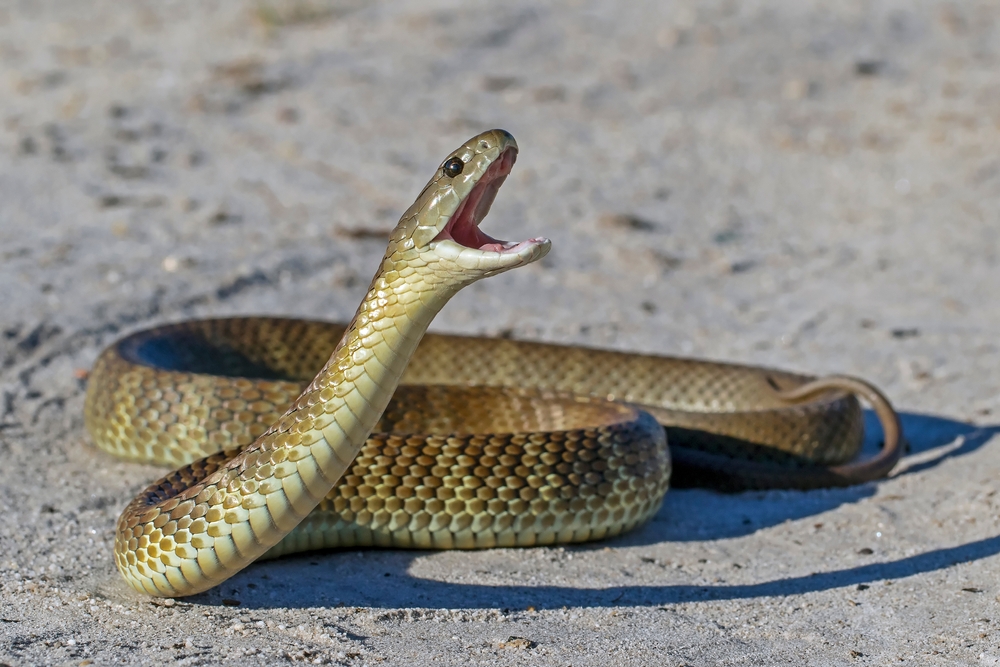
Ethiopia faces rising snakebite fatalities as climate shifts alter snake habitats. Rural workers are often bitten while collecting firewood or farming. Medical response times remain slow.
Snakebite deaths here are often invisible in official data. Health organizations estimate mortality far exceeds reported numbers. Improved surveillance is urgently needed.
12. Kenya
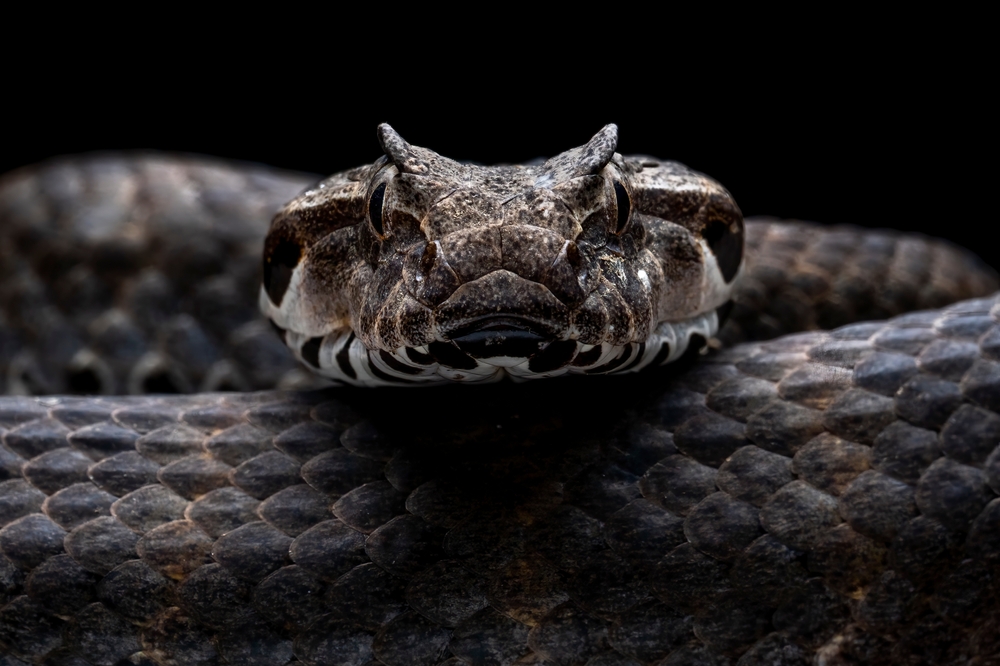
Kenya’s arid and semi-arid regions experience frequent snakebite incidents. Pastoral communities face high risk due to outdoor sleeping and limited footwear. Antivenom access is inconsistent.
Nonprofits have expanded treatment centers, but coverage remains patchy. Snakebite remains a neglected emergency in many counties.
13. Papua New Guinea
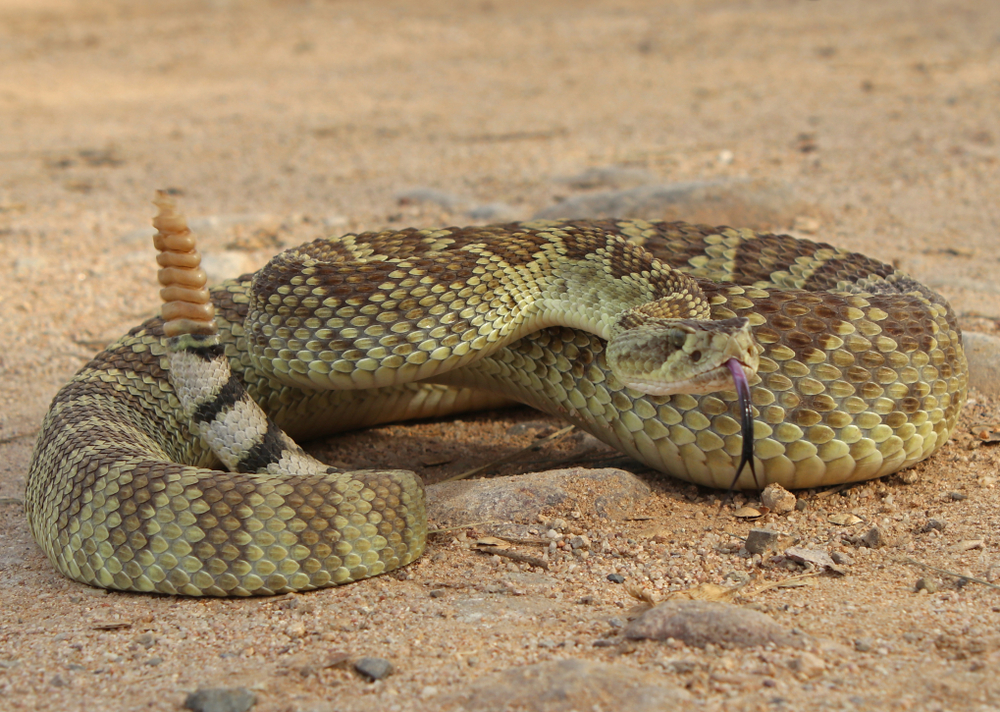
Papua New Guinea records some of the highest snakebite fatality rates per bite. Remote terrain, venomous species, and minimal healthcare access create lethal conditions. Victims often die before reaching treatment.
Experts warn that without international intervention, mortality will remain high. Snakebite here is a geographic death sentence for many.