
Christmas is filled with familiar symbols that return every year like old friends. Among them are animals that feel inseparable from the season, whether through folklore, religion, childhood stories, or holiday décor. These creatures show up on cards, ornaments, carols, and in our collective imagination, carrying warmth, wonder, and nostalgia with them. Here are the animals that have become permanent fixtures of the Christmas story.
1. Reindeer
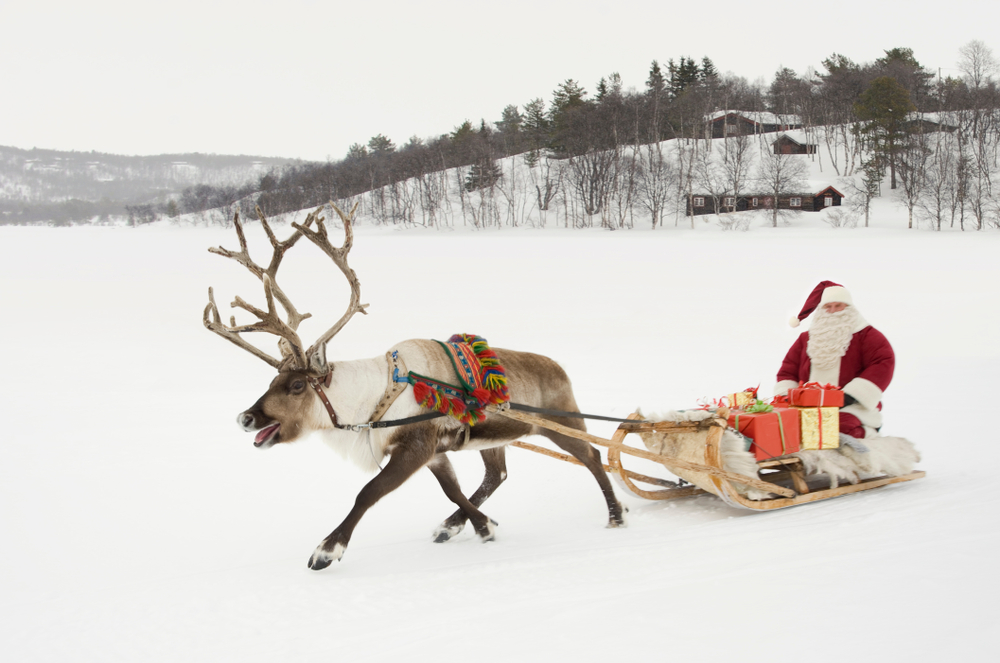
Reindeer are arguably the most iconic animals of Christmas, thanks to their role in pulling Santa’s sleigh through snowy skies. They symbolize magic, endurance, and the wonder of believing in something larger than reality. From Rudolph’s glowing nose to Dasher and Prancer’s names, reindeer feel like old friends we’ve known since childhood. Their presence turns winter darkness into something joyful and enchanted.
Beyond folklore, reindeer also represent survival in harsh conditions, which mirrors the themes of warmth and hope during winter. Their association with the Arctic reinforces the snowy aesthetic we crave during the holidays. Every Christmas decoration featuring antlers or hooves taps into that shared imagery. Reindeer remind us that imagination thrives most during the coldest months.
2. Donkeys
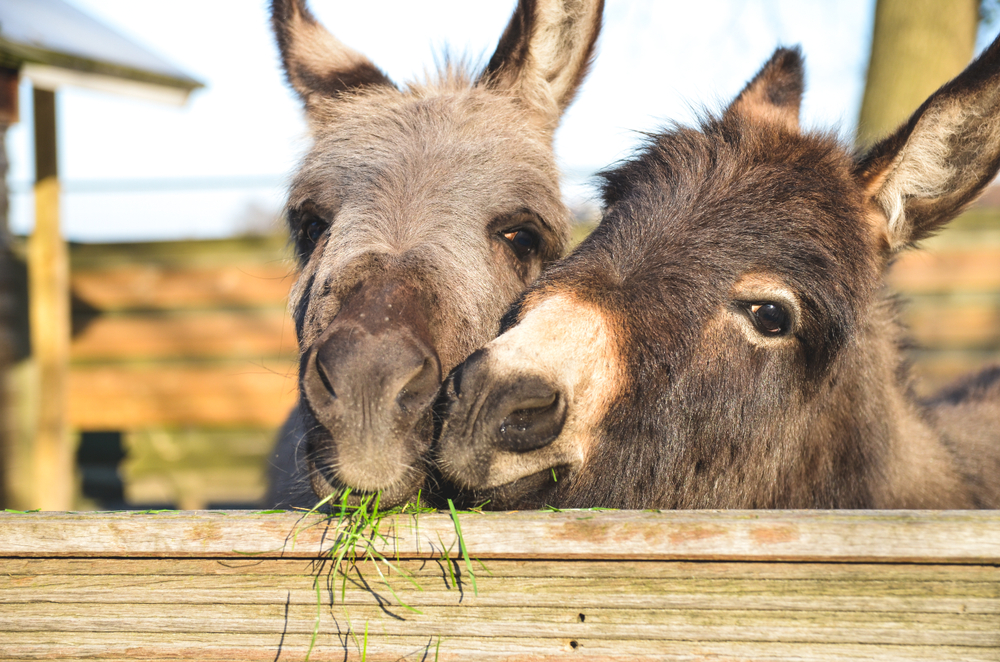
Donkeys are closely tied to the Nativity story and represent humility, patience, and quiet strength. They are often depicted carrying Mary to Bethlehem, placing them at the heart of the Christmas narrative. Unlike more glamorous animals, the donkey symbolizes service without recognition. Its presence adds emotional depth to the story of Christmas.
In nativity scenes around the world, the donkey grounds the story in simplicity. It reminds us that Christmas isn’t just about celebration but about compassion and care. The donkey’s calm demeanor contrasts with the chaos of the world outside the stable. That gentle presence still resonates deeply today.
3. Sheep
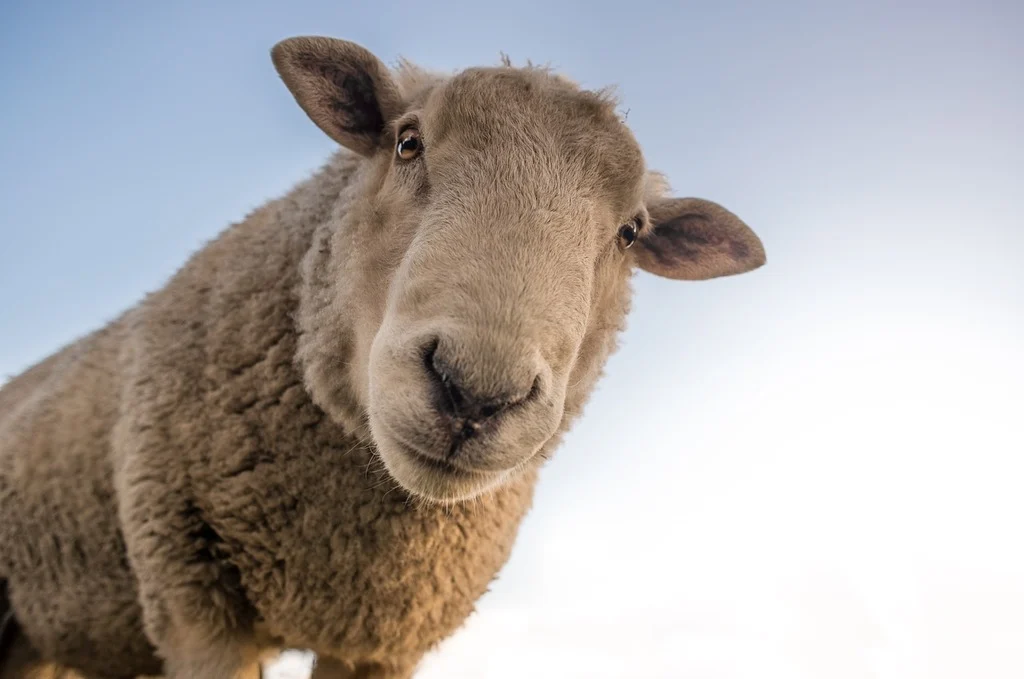
Sheep appear throughout Christmas imagery, particularly in nativity scenes and biblical references. They symbolize innocence, vulnerability, and the idea of being watched over and protected. Shepherds tending their flocks are among the first to hear the news of Christ’s birth. This connection ties sheep directly to themes of peace and guidance.
Their soft appearance and gentle behavior make them natural symbols of comfort. Sheep often appear in Christmas pageants, carols, and storybooks. They represent trust and belonging, emotions many people crave during the holidays. Their quiet role reinforces the tenderness at the center of Christmas.
4. Camels
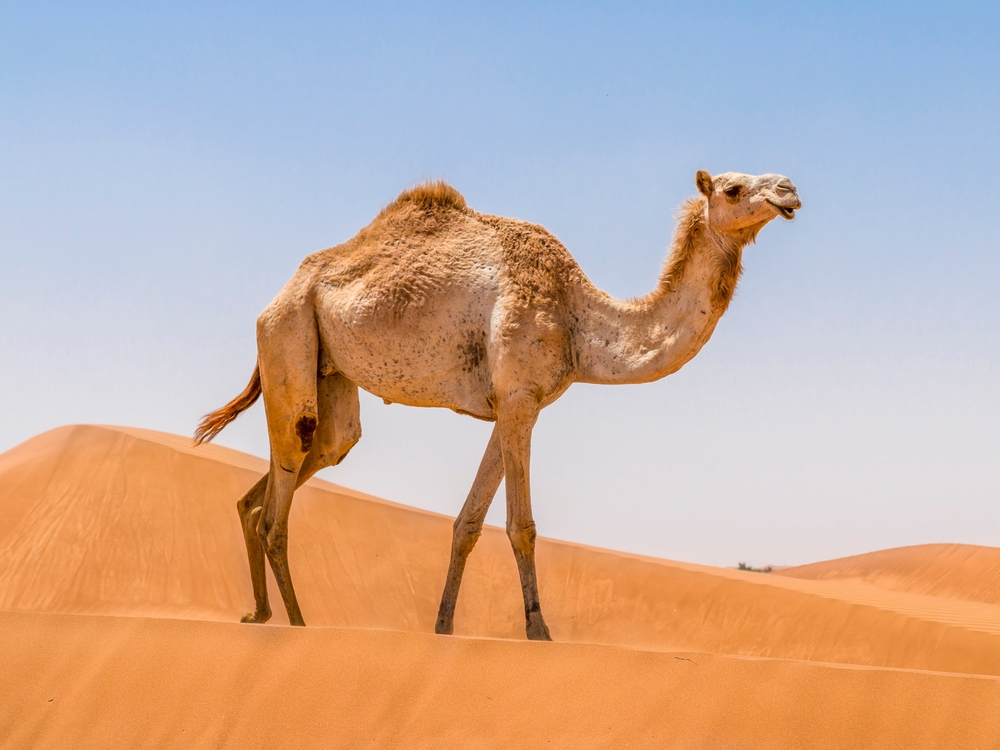
Camels are associated with the Three Wise Men traveling long distances to visit the newborn Jesus. They symbolize patience, devotion, and the willingness to endure hardship for something meaningful. Their presence reminds us that Christmas is also about journeys—both physical and emotional. Camels bring a sense of distance and mystery to the story.
In holiday imagery, camels often represent the vastness of the world beyond the stable. They connect Christmas to ancient roads, deserts, and distant lands. Their slow, steady movement contrasts with the urgency of modern life. Camels remind us that meaningful arrivals often take time.
5. Doves
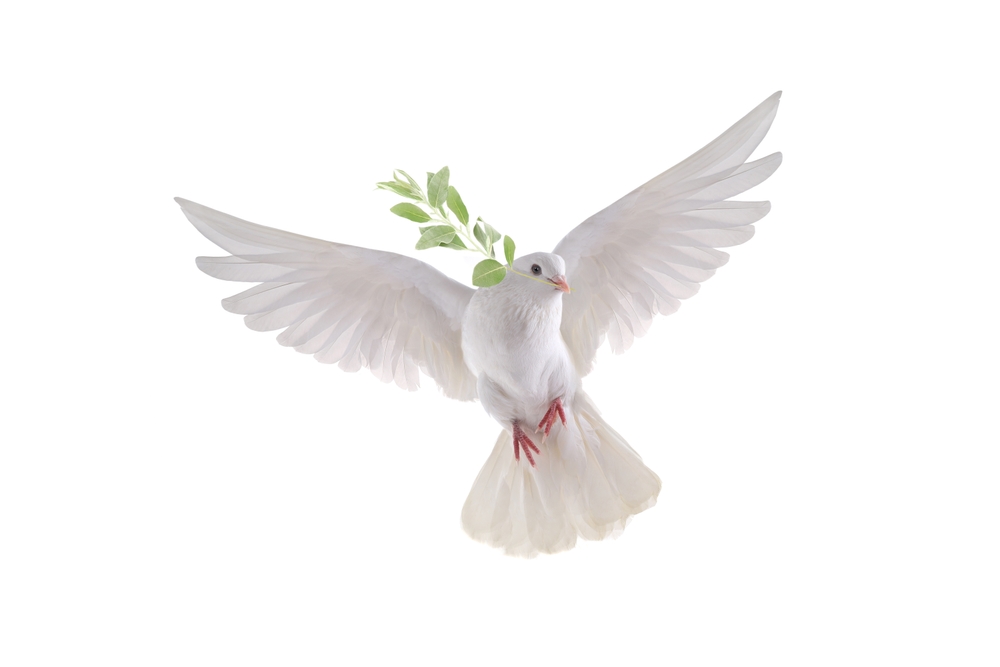
Doves are universal symbols of peace, making them a natural fit for Christmas themes. They appear in carols, ornaments, and holiday cards as quiet messengers of harmony. Their white feathers evoke purity and calm during a busy season. Doves remind us of the stillness Christmas promises.
In religious symbolism, doves also represent hope and renewal. Their gentle flight suggests reassurance rather than spectacle. During Christmas, they reinforce the longing for peace on Earth. Few animals capture the emotional essence of the holiday as softly as doves.
6. Oxen

Oxen are often shown resting beside the manger in nativity scenes. They symbolize strength, labor, and steadiness, anchoring the story in everyday life. While less celebrated than other animals, they add realism and warmth. Oxen represent the unseen work that supports meaningful moments.
Their calm posture reflects quiet devotion rather than grandeur. They remind us that small, unglamorous acts of care support Christmas. Oxen bring a sense of groundedness to the nativity. They quietly reinforce the theme of humble beginnings.
7. Robins
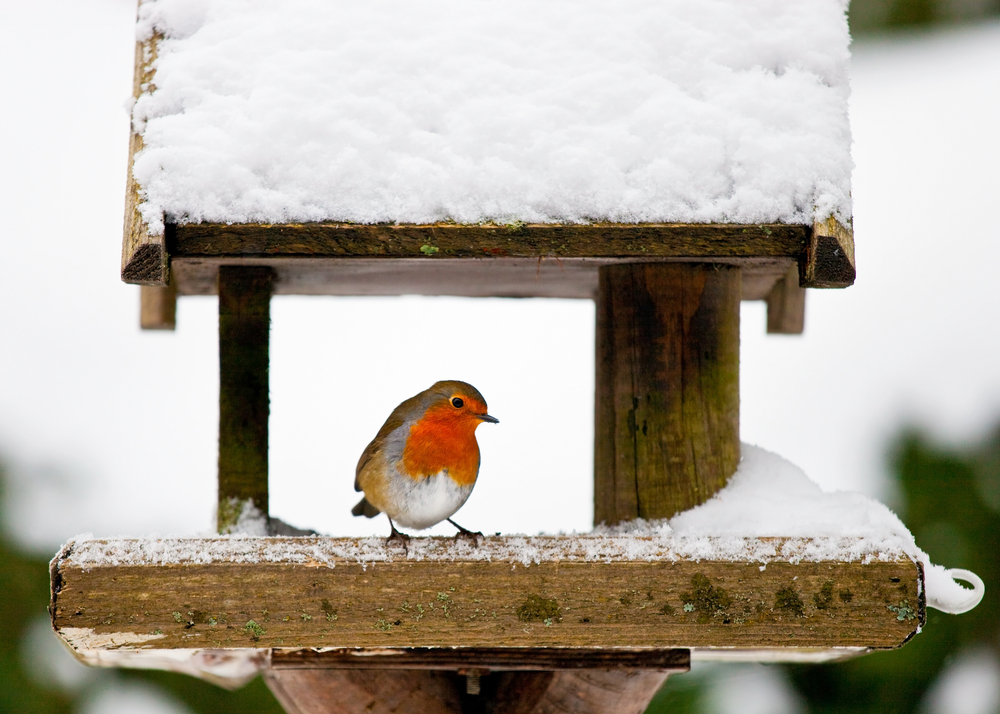
Robins are strongly associated with Christmas in European folklore and winter imagery. Their bright red breasts stand out against snowy landscapes, making them symbols of warmth and hope. Robins frequently appear on Christmas cards and decorations. Their presence suggests life continuing through winter.
In folklore, robins are often portrayed as gentle companions during cold months. They evoke nostalgia and childhood memories of winter walks. The robin’s small size makes its resilience feel especially meaningful. It’s a reminder that beauty persists even in the bleakest seasons.
8. Horses
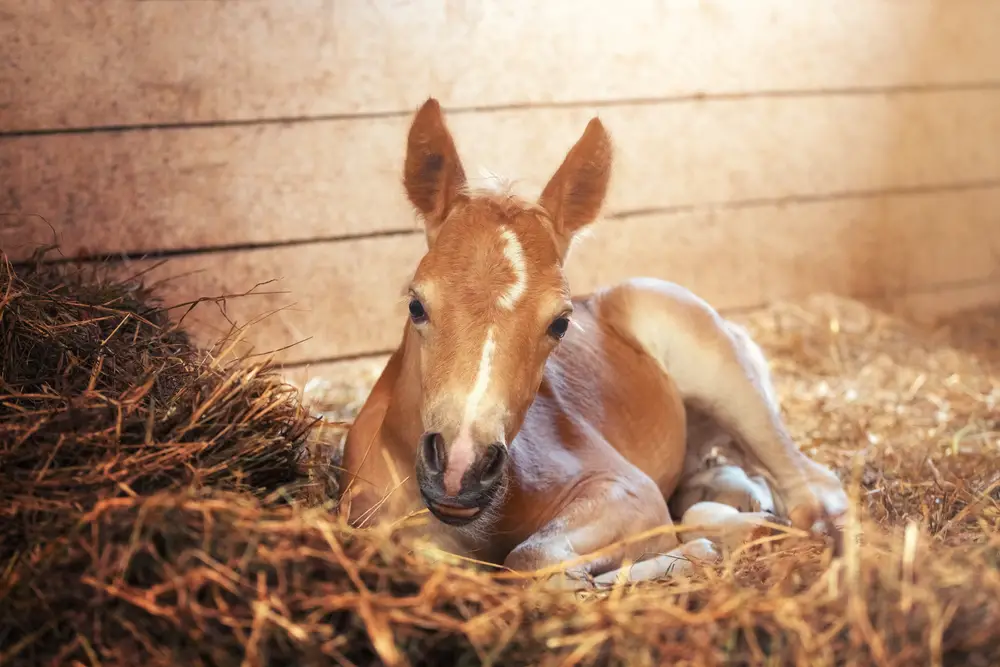
Horses are tied to Christmas through carols, winter sleigh imagery, and pastoral scenes. They represent movement, journey, and partnership between humans and animals. Sleigh rides pulled by horses are a classic symbol of holiday romance. Their presence adds motion to Christmas stillness.
Horses also evoke tradition and old-world charm. They connect Christmas to simpler times before modern transport. The sound of hooves in snow is deeply nostalgic for many people. Horses bring a sense of timelessness to the season.
9. Dogs
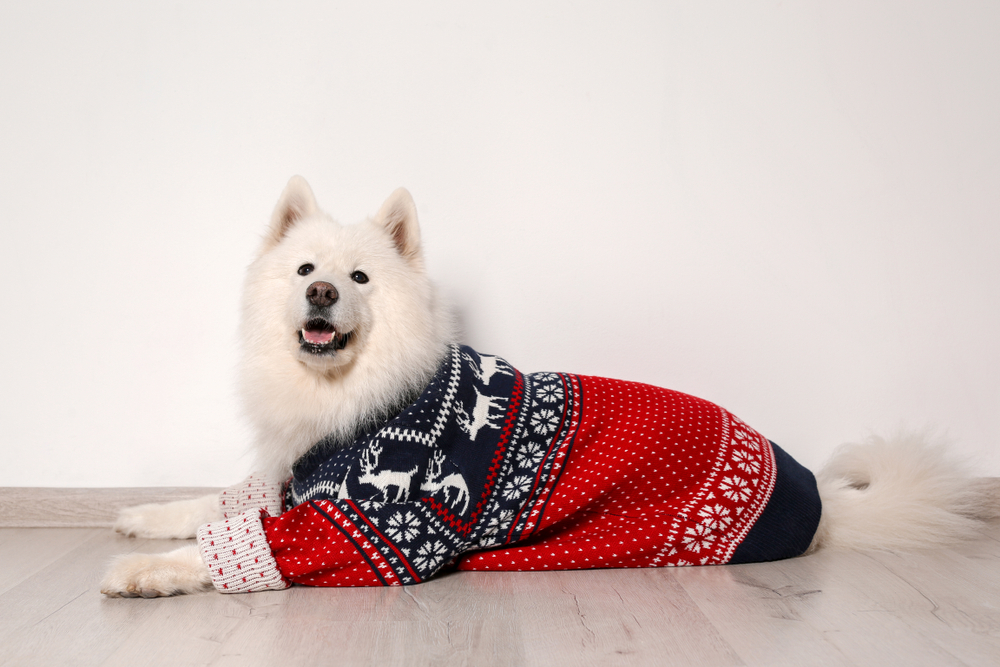
Dogs have become modern Christmas symbols through family traditions, films, and gift-giving imagery. They represent loyalty, warmth, and unconditional love—values central to the holiday. Dogs curled by the fire or wearing festive collars feel deeply familiar. Their presence makes Christmas feel like home.
Many people associate Christmas memories with family pets. Dogs often appear in holiday cards and commercials as emotional anchors. They embody comfort during winter’s quiet moments. At Christmas, dogs symbolize togetherness without expectation.
10. Cats
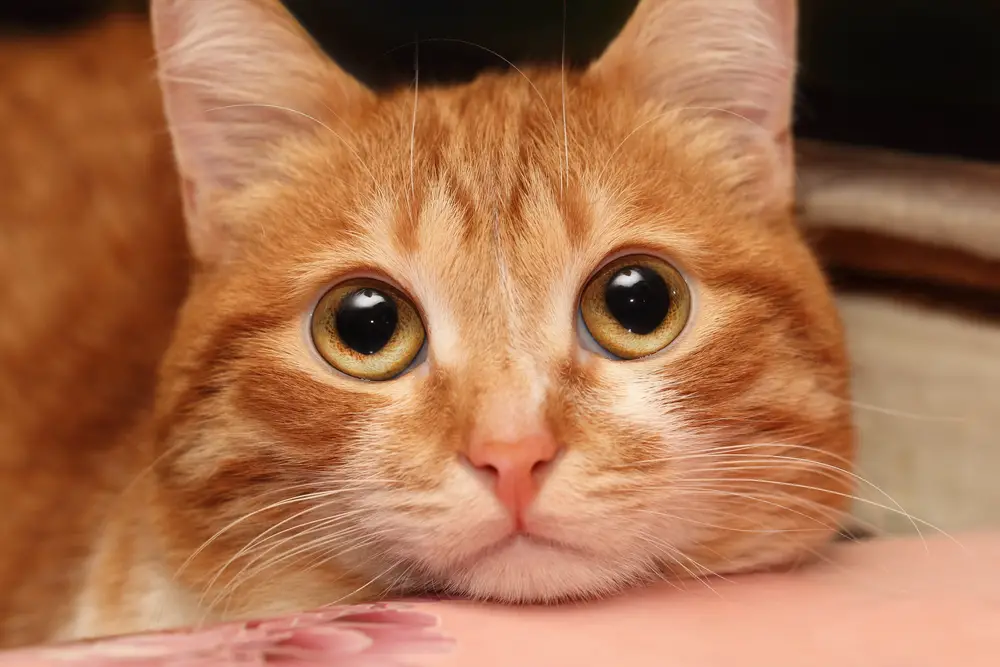
Cats appear in Christmas imagery lounging near trees, fireplaces, and wrapped gifts. They represent coziness, mischief, and domestic comfort. Their curiosity about ornaments and ribbons makes them holiday staples. Cats add warmth to winter interiors.
In folklore and art, cats often symbolize protection and watchfulness. During Christmas, they reinforce the idea of home as sa anctuary. Their presence balances stillness with playful chaos. Cats remind us that joy often comes from small moments.
11. Mice
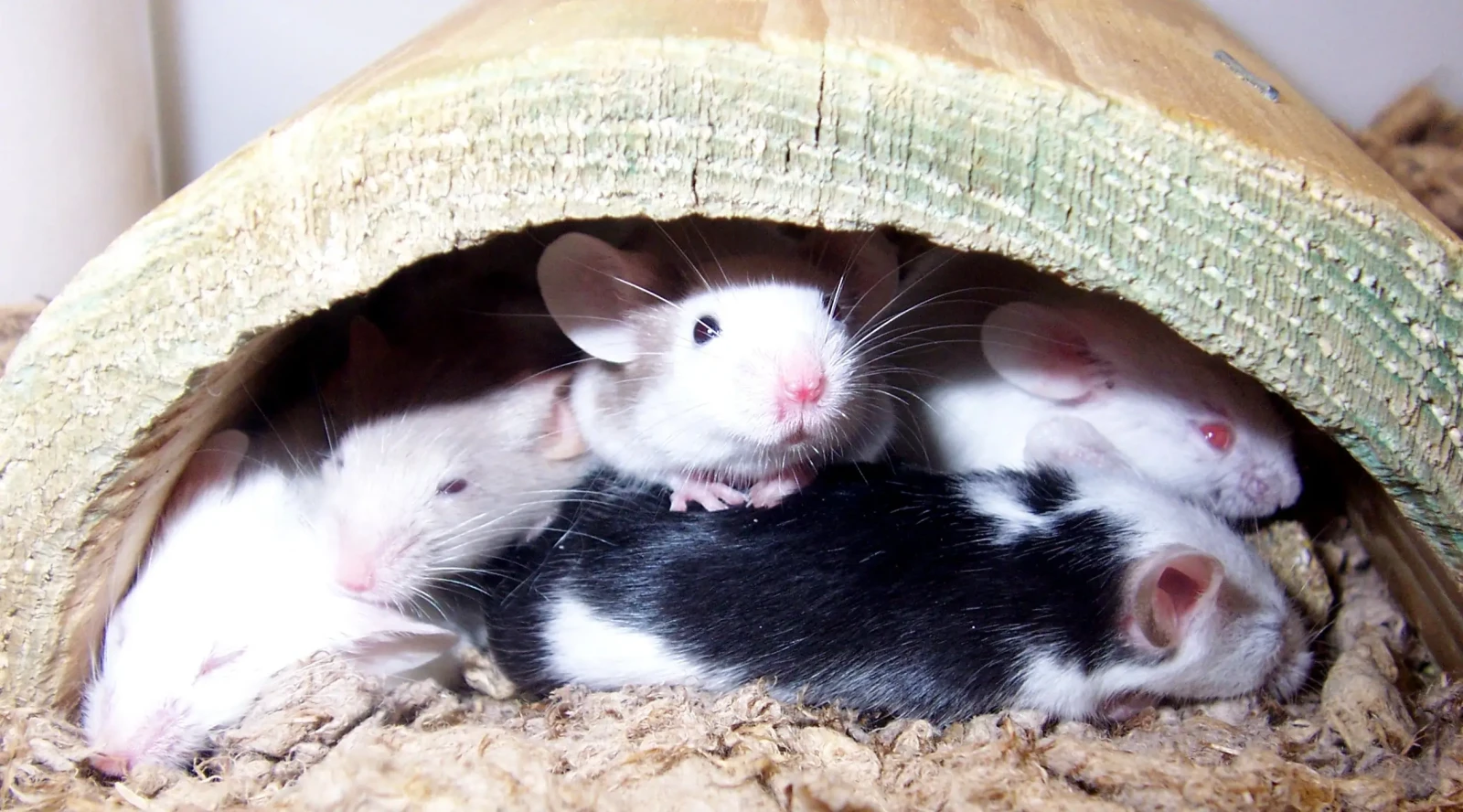
Mice are linked to Christmas through stories like *The Nutcracker*. They represent transformation, bravery, and the magic hidden in small things. The idea of mice in grand holiday tales feels whimsical and surprising. They bring imagination into the season.
Mice often symbolize unseen worlds existing alongside our own. During Christmas, they remind us that wonder doesn’t require grandeur. Their presence taps into childhood fantasy. Mice keep Christmas playful and imaginative.
12. Birds
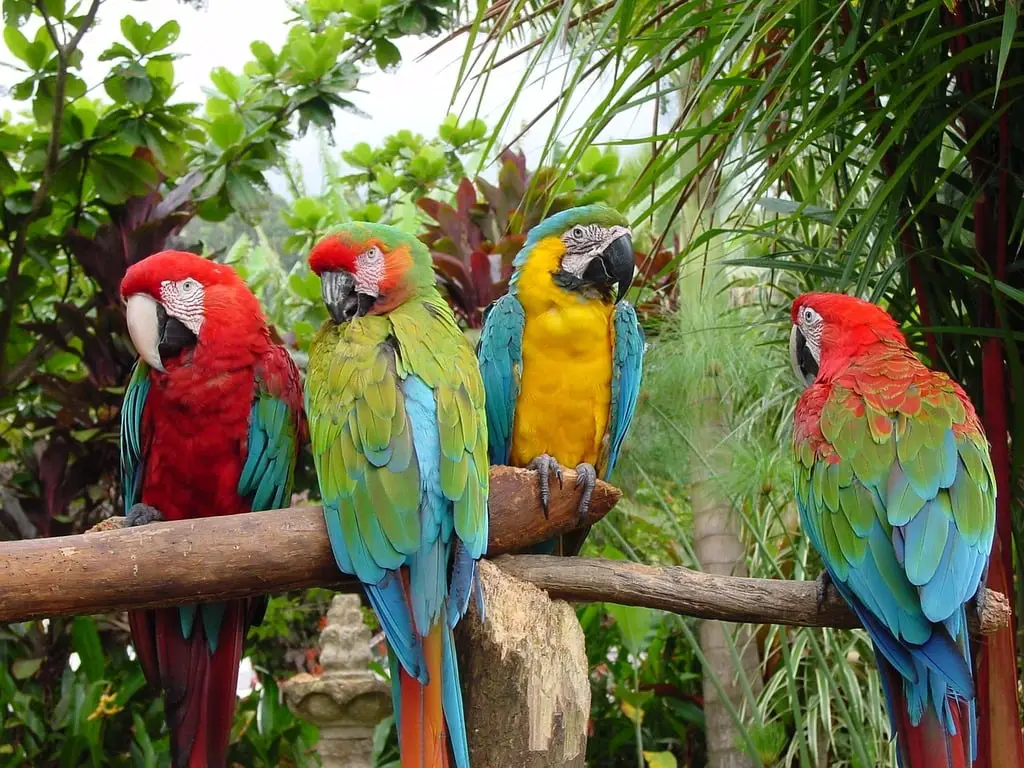
Birds in general appear frequently in Christmas symbolism, from carols to decorations. They represent messages, transitions, and spiritual presence. Winter birds especially evoke endurance and hope. Their songs contrast with the season’s silence.
Birds also symbolize the connection between heaven and Earth. During Christmas, they reinforce themes of communication and peace. Their delicate presence feels almost sacred. Birds add lightness to winter’s heaviness.
13. Lambs
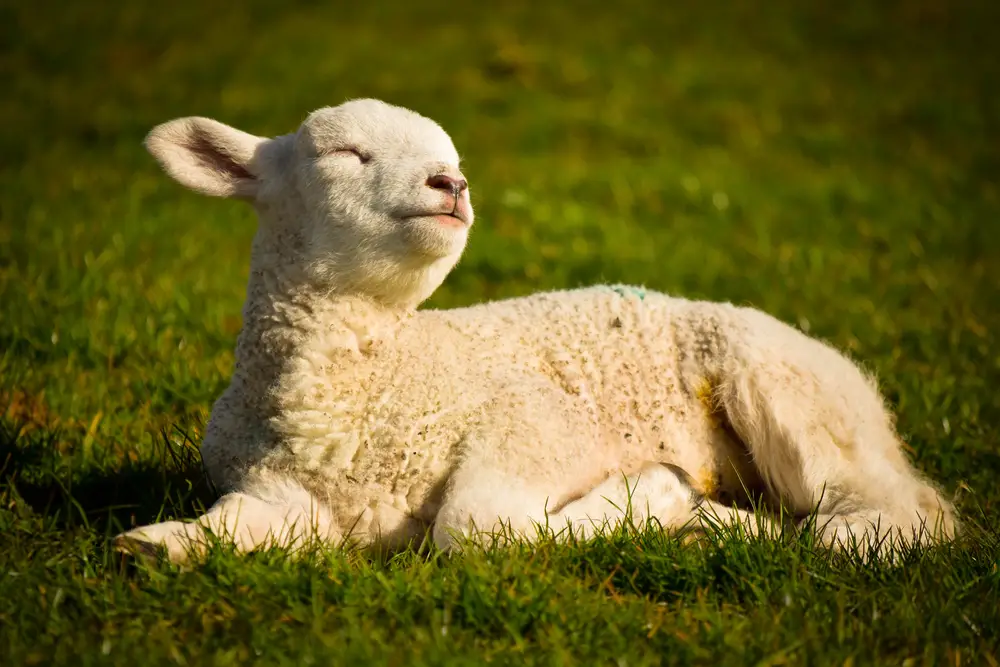
Lambs are deeply tied to Christmas through religious symbolism and imagery. They represent innocence, sacrifice, and gentleness. Lambs often appear in nativity scenes alongside shepherds. Their softness mirrors the holiday’s emotional tone.
Lambs also symbolize new beginnings and purity. Their association with birth reinforces Christmas themes of renewal. They remind us of vulnerability and care. Lambs quietly carry the heart of Christmas.