
The idea that leadership in nature is always male-dominated is one of the most persistent myths humans project onto the animal kingdom. In reality, many of the most stable, strategic, and successful animal societies are led by females. These matriarchs don’t rule through brute force alone — they lead through memory, coordination, and social intelligence. Here are fifteen animal groups where females are unequivocally in charge.
1. African Elephants
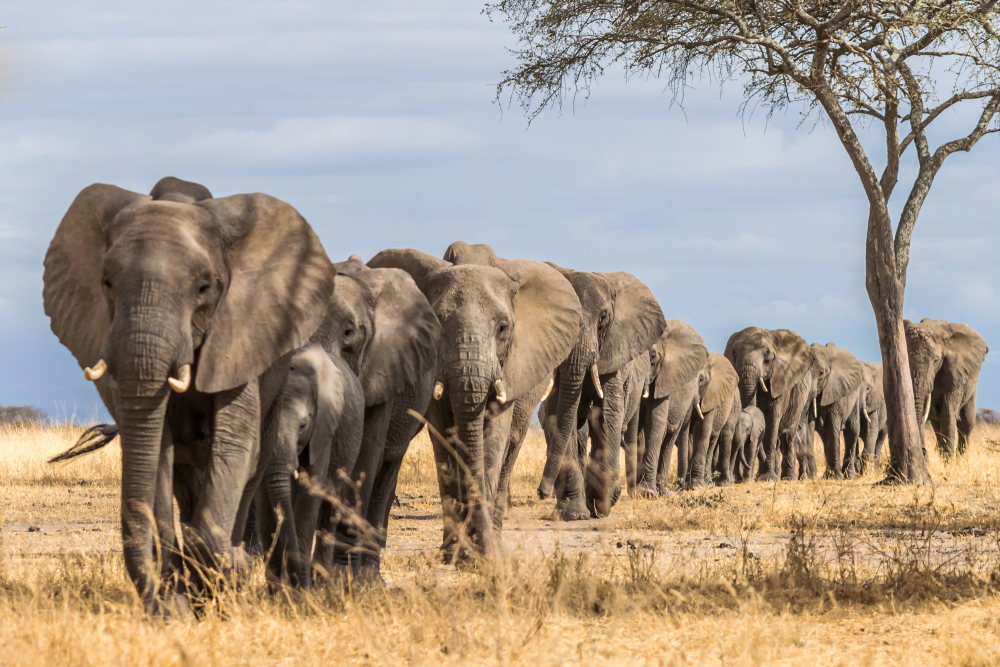
Elephant herds are led by the oldest female, known as the matriarch. Her memory of water sources, migration routes, and danger zones keeps the entire herd alive. Younger elephants rely on her experience during droughts and threats. Leadership here is earned through survival, not strength.
When matriarchs are lost, herds become disoriented and aggressive. Studies show increased stress and mortality without female leadership. The matriarch’s role is essential rather than symbolic. Elephants prove leadership is about knowledge, not dominance.
2. Spotted Hyenas
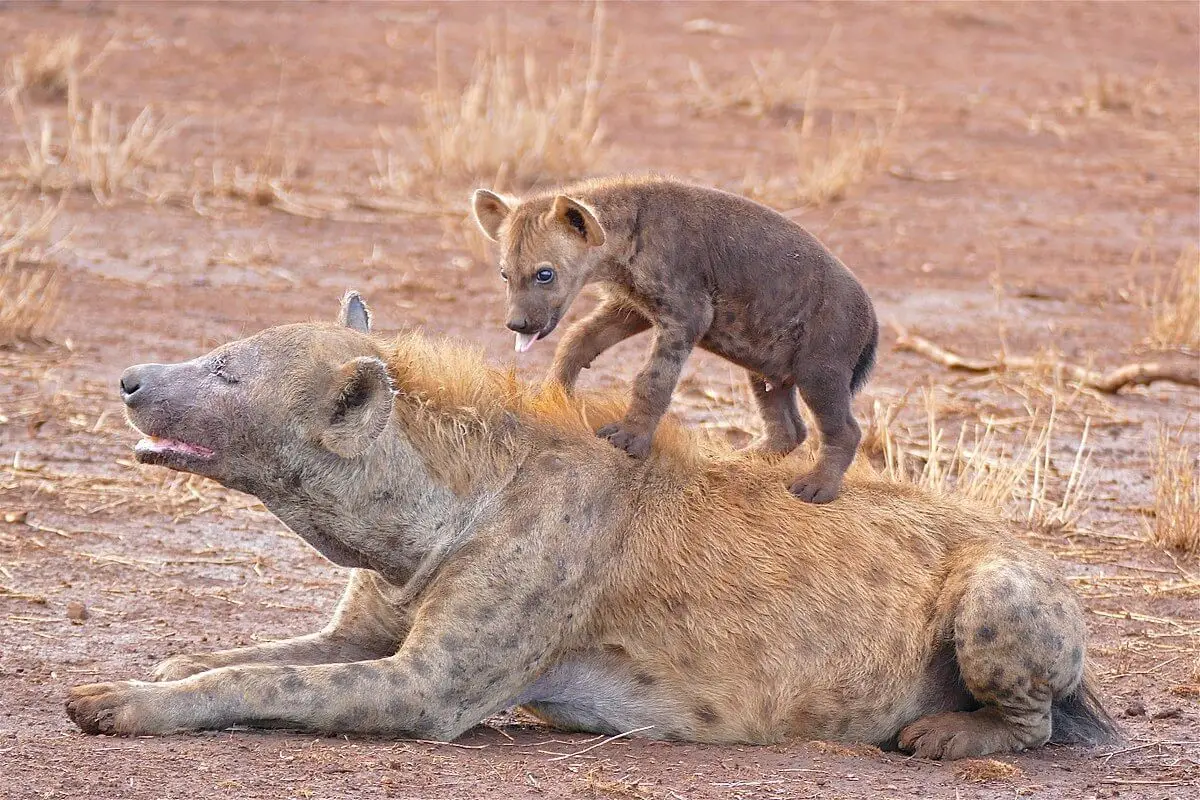
Spotted hyena societies are strictly matriarchal. Females outrank all males and control access to food and mates. They are larger, more aggressive, and socially dominant. Male hyenas inherit status through their mothers.
Leadership is enforced through alliances and hierarchy. Female coalitions maintain order and suppress male aggression. This structure creates stability despite the hyenas’ reputation for chaos. Hyenas flip mammalian power norms completely.
3. Orcas (Killer Whales)
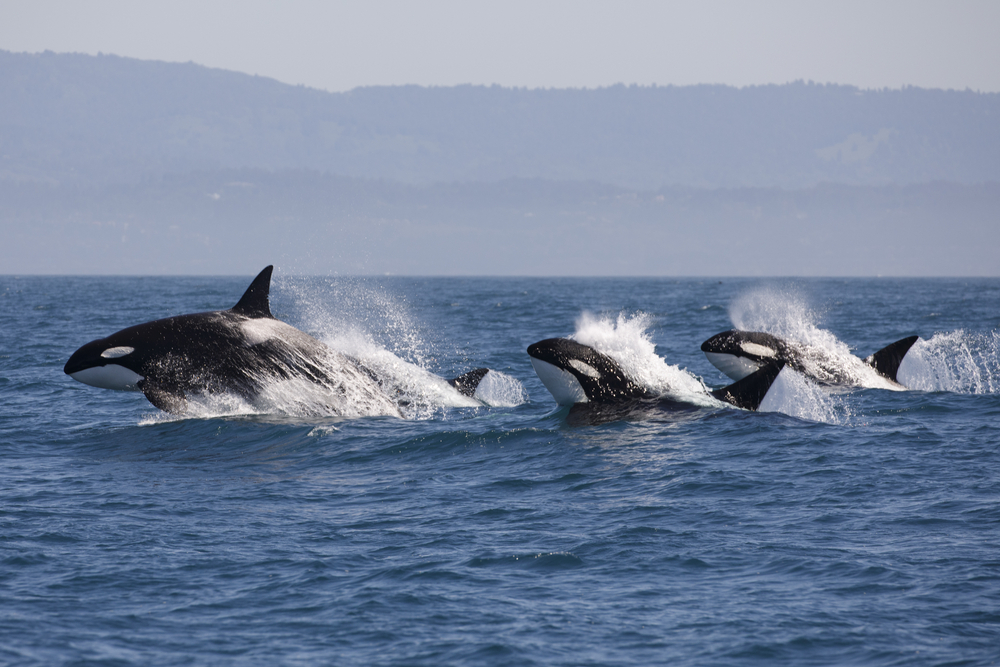
Post-reproductive females lead orca pods. These matriarchs guide hunting strategies and migration routes. Research shows pods led by older females survive better during food shortages. Their leadership increases offspring survival.
Orca grandmothers continue leading long after reproduction ends. Their ecological knowledge benefits multiple generations. This is one of the strongest examples of an evolutionary advantage associated with female leadership. Orcas demonstrate why wisdom matters more than fertility.
4. Bonobos
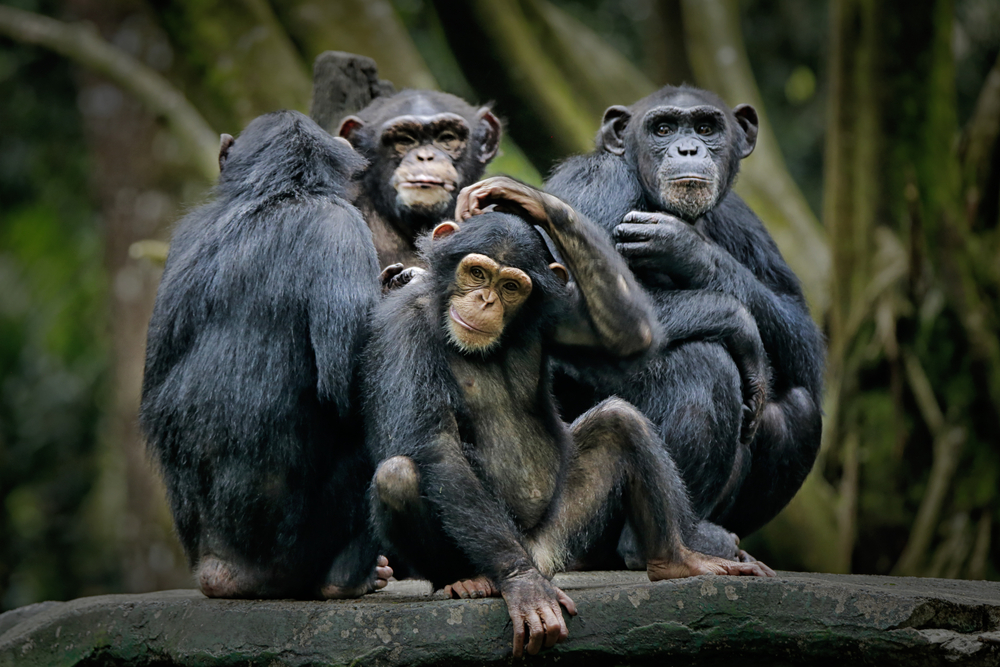
Bonobo societies are female-centered and cooperative. Female alliances control male aggression and maintain social peace. Leadership emerges through bonding rather than violence. Conflict is diffused through social behavior.
Females gain power by supporting each other. Males who challenge female authority are quickly subdued. This creates a remarkably low-violence primate society. Bonobos show what collective female leadership can achieve.
5. African Lions
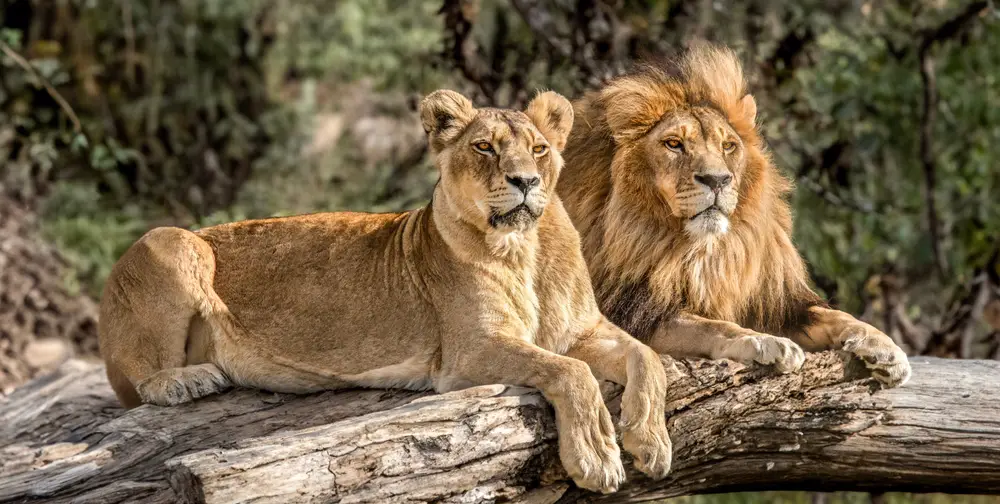
Lion prides are operationally run by females. Lionesses hunt, raise cubs, and coordinate territory defense. Male lions provide protection but rarely lead daily decisions. The pride’s success depends on female cooperation.
When males change, lionesses maintain continuity. They teach cubs hunting and survival skills. Female leadership keeps the pride functional. Lions aren’t patriarchal — they’re matrifocal.
6. Meerkats
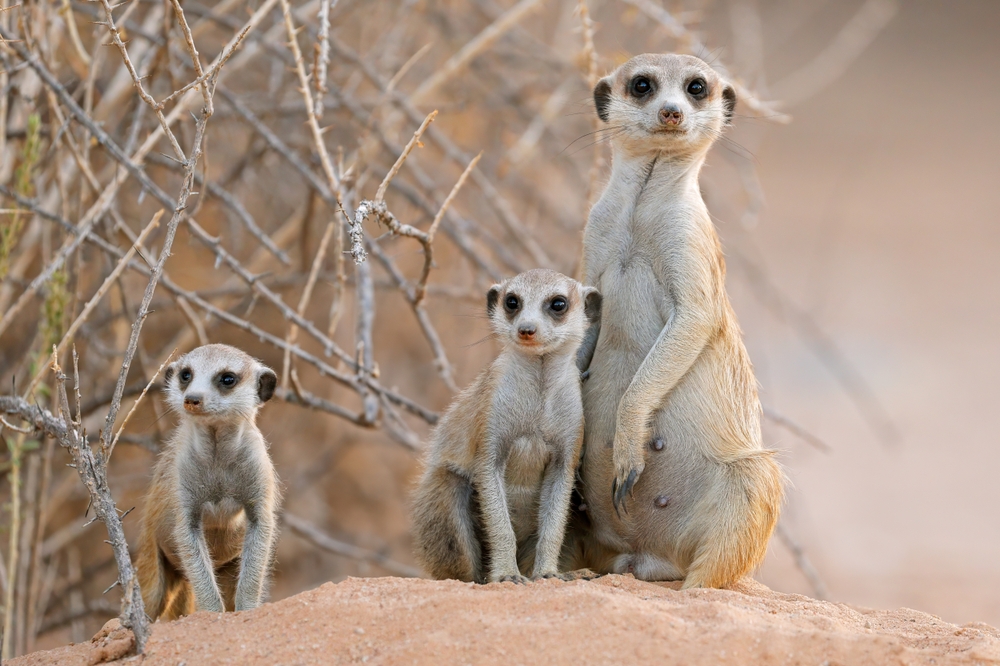
Meerkat groups are led by a dominant breeding female. She controls reproduction within the group. Other females often suppress their own breeding. Leadership maintains social order and resource balance.
The dominant female defends her position aggressively. Her authority ensures group survival in harsh environments. Meerkat societies are tightly regulated by female power. Chaos follows if leadership breaks down.
7. Naked Mole Rats
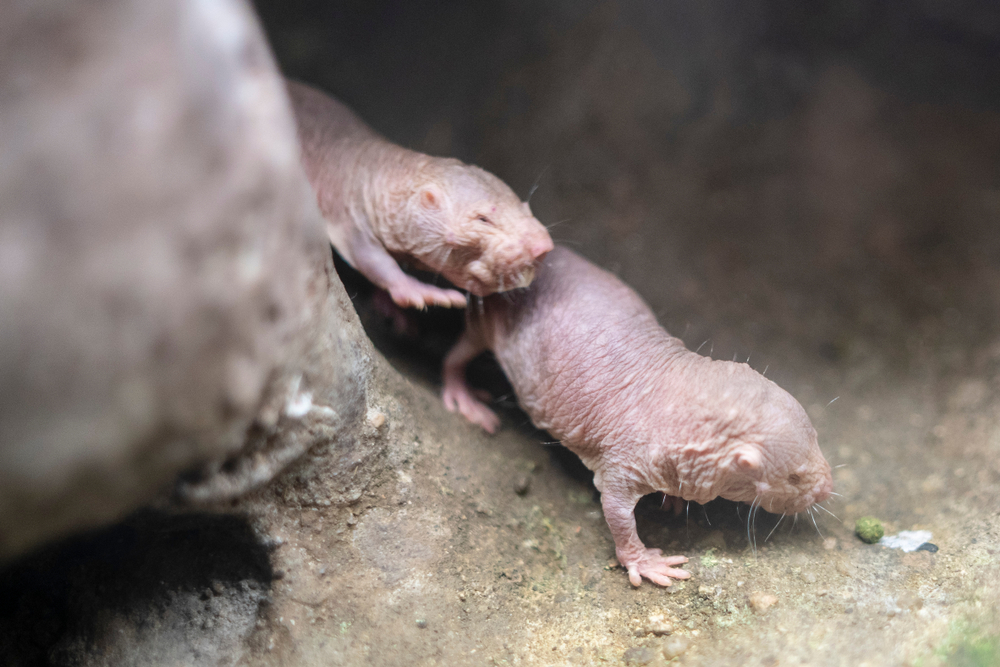
A single queen rules naked mole rat colonies. She controls reproduction and labor roles. Workers support the colony’s survival underground. The queen maintains order chemically and behaviorally.
This is one of the most extreme female-led systems in nature. The queen’s authority is absolute. Colonies collapse without her. It’s female leadership at its most uncompromising.
8. Wolves (In Some Packs)
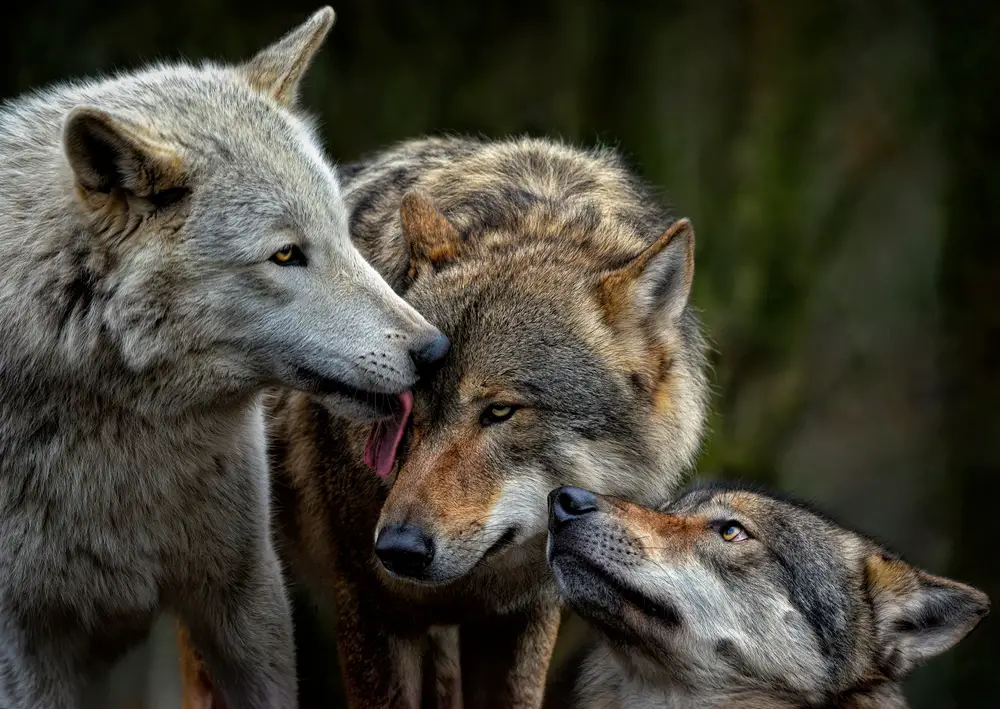
While often misunderstood, many wolf packs are led by an alpha female alongside a male. She guides den locations and pup rearing. Her experience shapes the pack strategy. Leadership is cooperative, not tyrannical.
Female wolves often make key survival decisions. Packs function as families rather than hierarchies. The alpha female’s role is central. Wolves prove leadership can be shared without chaos.
9. Lemurs
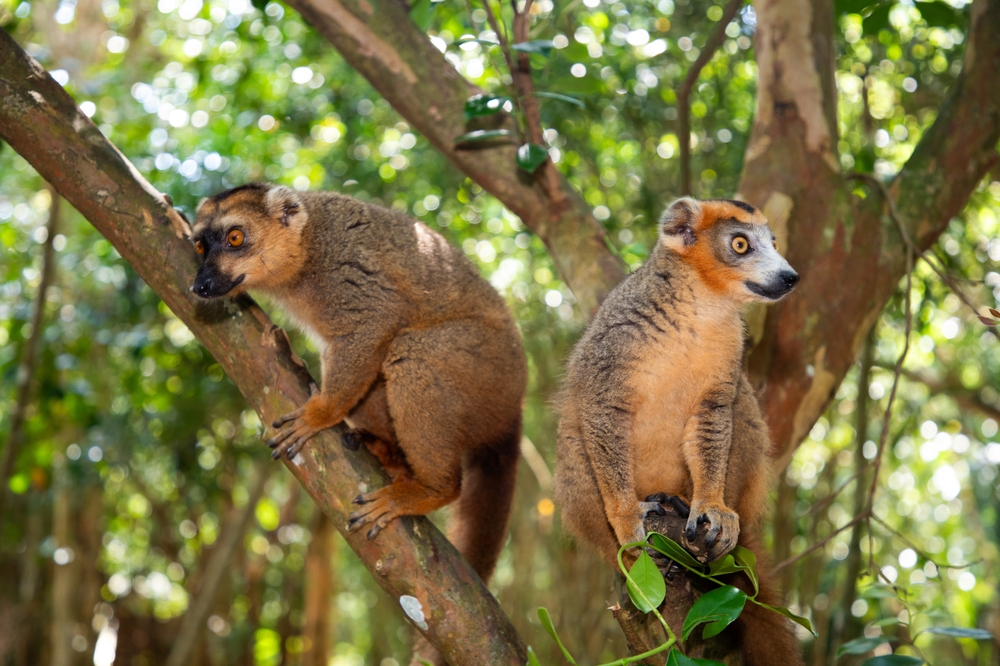
Most lemur species are female-dominant. Females control access to food and social interactions. Males defer despite similar size. Leadership ensures resource fairness.
Female dominance reduces conflict. It stabilizes group dynamics. Lemurs evolved this system independently of other primates. Nature arrived at the same conclusion again.
10. Bees

Bee colonies revolve around a queen. While workers manage tasks, reproduction centers on her. Colony survival depends on her health. Without her, the hive collapses.
Her leadership is biological rather than behavioral. Still, everything flows through her presence. Bees show leadership doesn’t always mean micromanagement. Sometimes it’s a structural necessity.
11. Ant Colonies
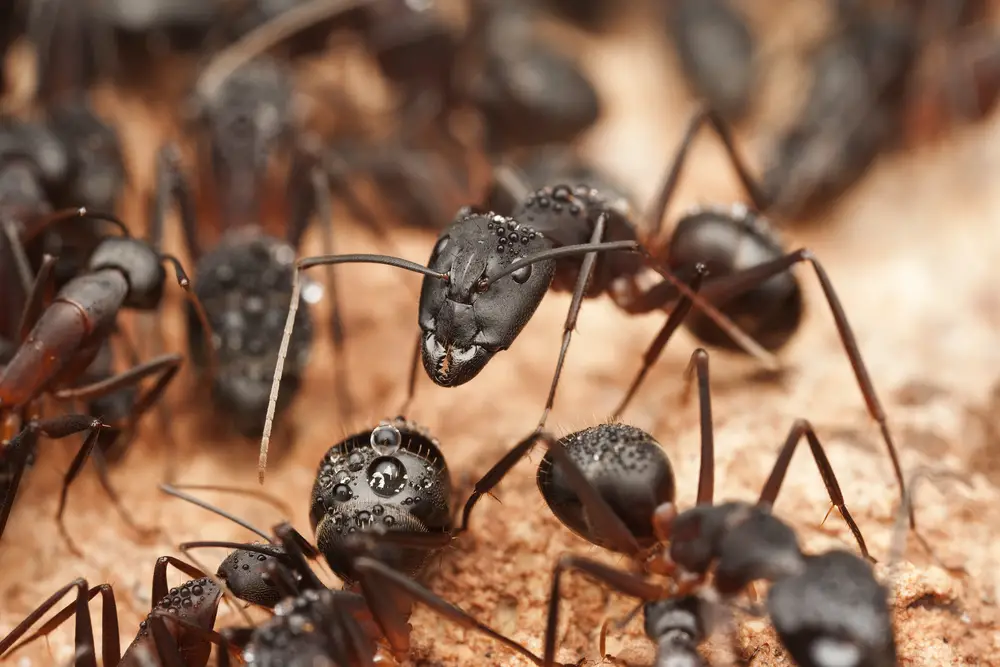
Ant societies are entirely female-run. Queens reproduce, workers labor, soldiers defend. Males exist only briefly for reproduction. Leadership is embedded in biology.
Colonies can contain millions of individuals. Coordination is astonishing. Female organization sustains complex systems. Ants demonstrate scalable female leadership.
12. Matriarchal Whales (Including Sperm Whales)

Female whales lead pods during migration and feeding—their deep knowledge of oceanography matters. Calves depend on matriarch guidance. Leadership increases survival odds.
These whales rely on acoustic communication. Female leadership shapes pod culture. Their social intelligence rivals primates. Matriarchs run oceans.
13. Ring-Tailed Lemurs
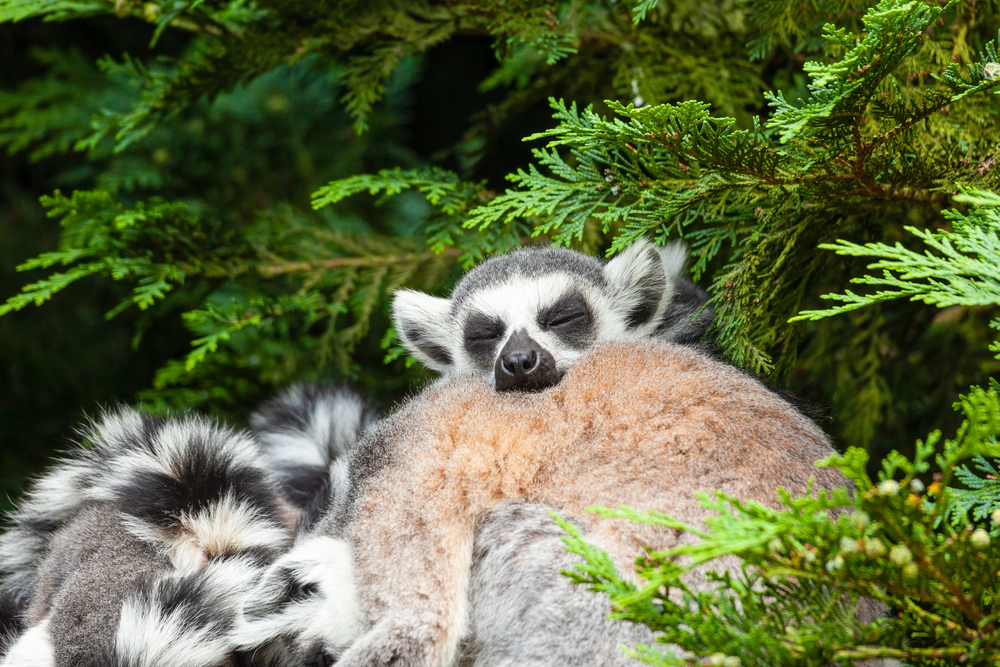
Female ring-tailed lemurs dominate males completely. They eat first and control movement. Males accept lower rank—stability results.
This system reduces aggression. Social cohesion improves. Female leadership benefits the group. Lemurs don’t debate it — they live it.
14. Horses (Wild Bands)

Wild horse herds are led by experienced mares. Stallions protect but don’t guide. The mare chooses routes and grazing. Her decisions determine survival.
Young horses learn from her. Leadership persists through memory. Horses follow trust, not force. Female leadership keeps herds alive.
15. Chimpanzees (In Some Communities)
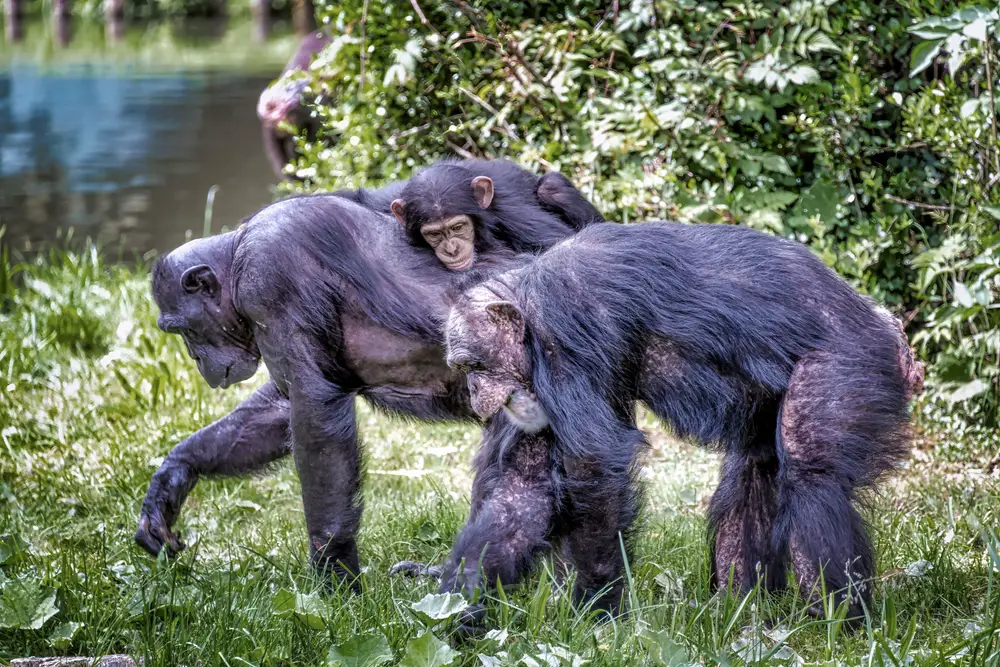
Although male-dominated in many groups, some chimpanzee communities exhibit strong female leadership. Senior females influence movement and conflict resolution. Their social power shapes group dynamics. Leadership varies by community.
Female chimps gain influence through alliances. They guide the young and stabilize aggression. Leadership is flexible, not fixed. Nature resists simple rules.