
Not all attachment looks like excitement, cuddling, or constant attention. Many pets express closeness through subtle, consistent behaviors that prioritize safety, trust, and emotional regulation over overt displays. These signs are easy to overlook because they don’t demand anything from you. But they often reflect deeper bonds than the obvious ones.
1. They Stay In The Same Room
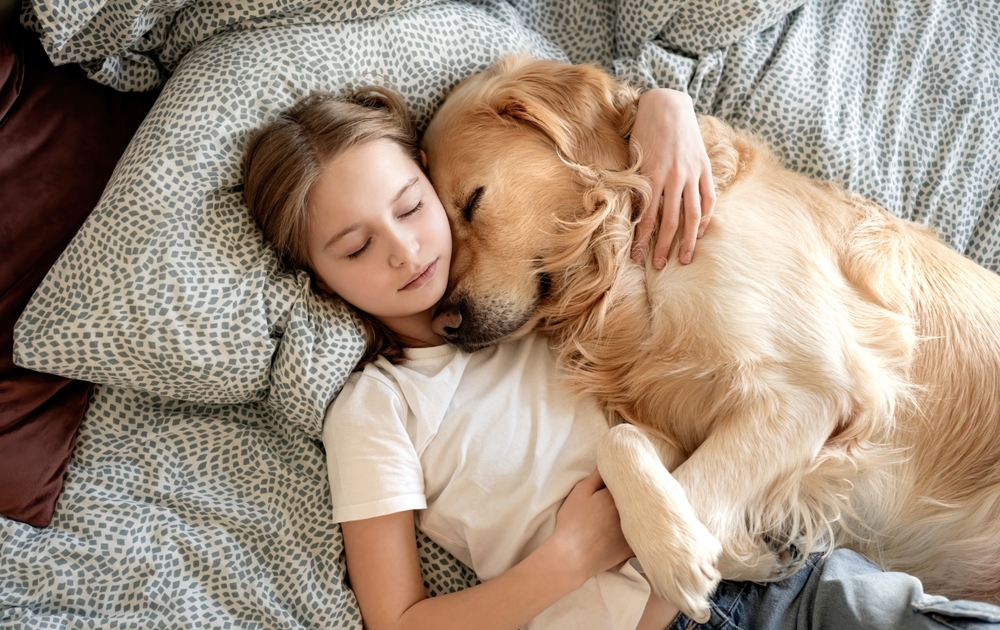
When a pet chooses to remain in the same room without seeking physical contact, it’s a strong sign of secure attachment rather than indifference. This behavior signals that your presence alone provides comfort and regulation, even without interaction. The pet feels no need to perform affection to maintain a connection. Simply sharing space is enough.
From a behavioral standpoint, this reflects trust and emotional safety rather than dependency. The animal isn’t anxious about losing you or demanding reassurance. Instead, they’re demonstrating calm confidence in the bond. This kind of attachment mirrors how secure relationships function in humans.
2. They Mirror Your Routine

Pets often synchronize their sleep, activity, and rest cycles with their primary human’s routine over time. This adjustment happens gradually and unconsciously, shaped by repeated exposure and emotional attunement. Your habits become reference points for their sense of normal. That alignment signals social bonding rather than simple convenience.
Behavioral researchers note that shared rhythms increase feelings of safety in social animals. When a pet mirrors your schedule, they’re anchoring their nervous system to yours. This coordination reduces stress and increases predictability. Attachment is expressed through time rather than touch.
3. They Casually Watch You
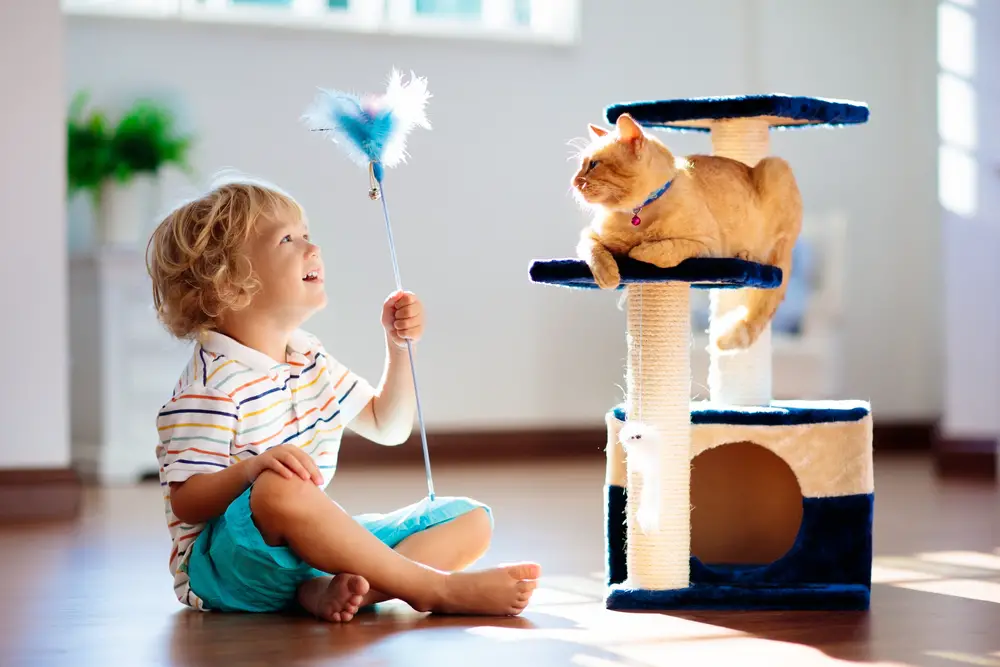
Pets often observe their bonded humans without drawing attention to themselves. This watching behavior isn’t boredom or vigilance—it’s monitoring for emotional cues and safety signals. They’re tracking tone, movement, and energy rather than looking for stimulation. Observation becomes a form of connection.
In social animals, unintrusive visual attention reflects trust and emotional investment. The pet feels secure enough not to intervene, but attentive enough to respond if needed. This quiet awareness helps them anticipate changes in mood or environment. Its attachment is expressed through attentiveness.
4. They Follow You At A Distance
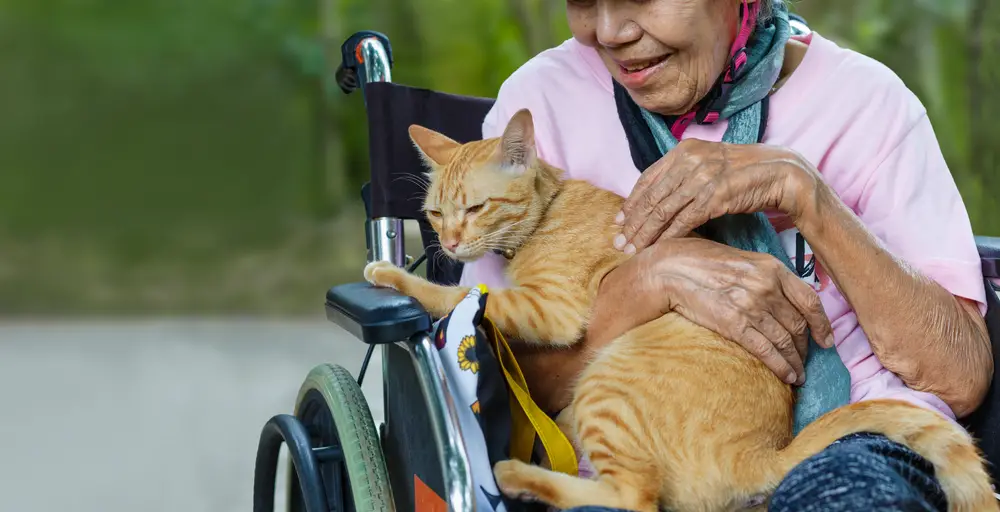
Trailing behind rather than staying directly underfoot reflects balanced attachment. The pet wants proximity without pressure, maintaining a comfortable emotional distance. This behavior suggests confidence in the bond rather than fear of separation. They don’t need constant reassurance to feel secure.
From a behavioral lens, this shows respect for boundaries while preserving connection. The pet understands that closeness doesn’t require constant contact. They trust that you’re accessible if needed. That restraint reflects emotional maturity in attachment.
5. They Rest Close To You
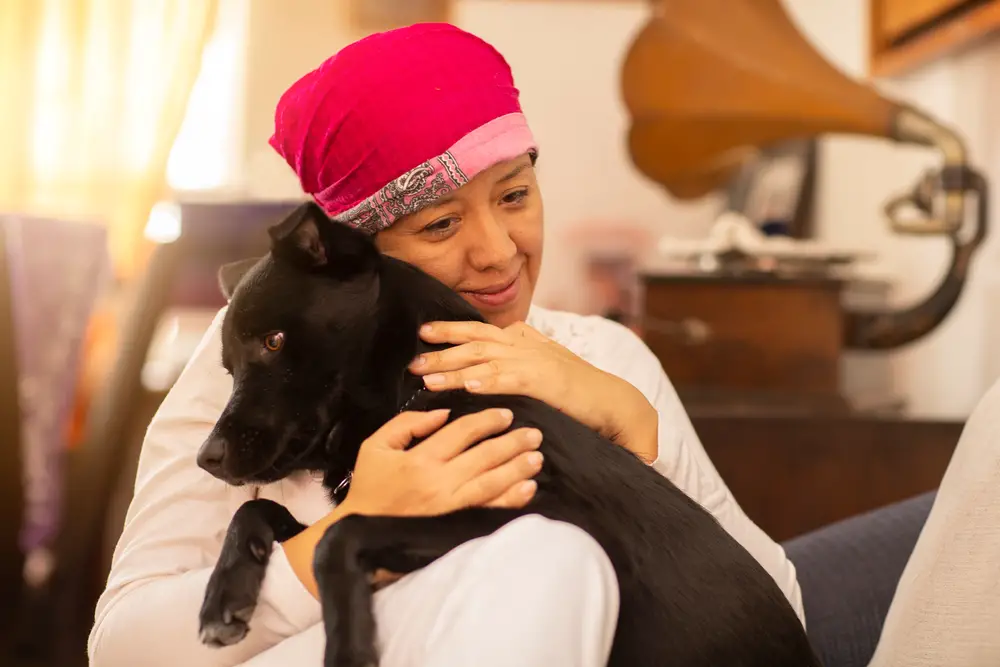
Pets often choose resting places that let them stay near you without physical contact. This positioning lets them share your presence while maintaining autonomy and comfort. The choice reflects intentional closeness rather than neediness. It’s proximity without demand.
Animals that feel insecure tend to cling or hover, while securely attached animals settle calmly nearby. This behavior indicates confidence that the relationship doesn’t require constant reinforcement. The pet feels safe enough to relax independently. That ease is a strong marker of attachment.
6. They Bring You Toys And Objects

When pets offer objects, it’s rarely about play alone. The act of bringing something reflects sharing and social inclusion. In animal behavior, resource sharing is closely tied to trust and bonding. The object becomes a bridge for connection.
These offerings often carry the pet’s scent or personal significance, reinforcing familiarity. It’s a way of saying, “This matters to me, and I want you included.” The gesture is relational, not transactional. It signals emotional investment rather than entertainment.
7. They Subtly Check On You

Short, purposeful check-ins often reflect secure attachment rather than avoidance. The pet verifies your presence and well-being, then returns to their own activity. This behavior shows concern without anxiety. They don’t linger because they don’t fear abandonment.
In social species, this pattern supports group cohesion while maintaining independence. The pet trusts that the connection remains intact without constant reinforcement. These brief moments of contact function as emotional maintenance. They’re small but meaningful.
8. They Sleep Facing You

Sleep position reveals vulnerability and trust in animals. Sleeping with your face toward someone exposes vital areas and reduces defensive readiness. This choice signals that the pet feels safe in your presence. They trust you to monitor the environment.
From an evolutionary perspective, animals only sleep vulnerably when they feel protected. Facing you indicates that your presence contributes to that sense of safety. The pet isn’t just resting—they’re co-regulating. This is attachment at its most instinctual level.
9. They Behave Differently With You
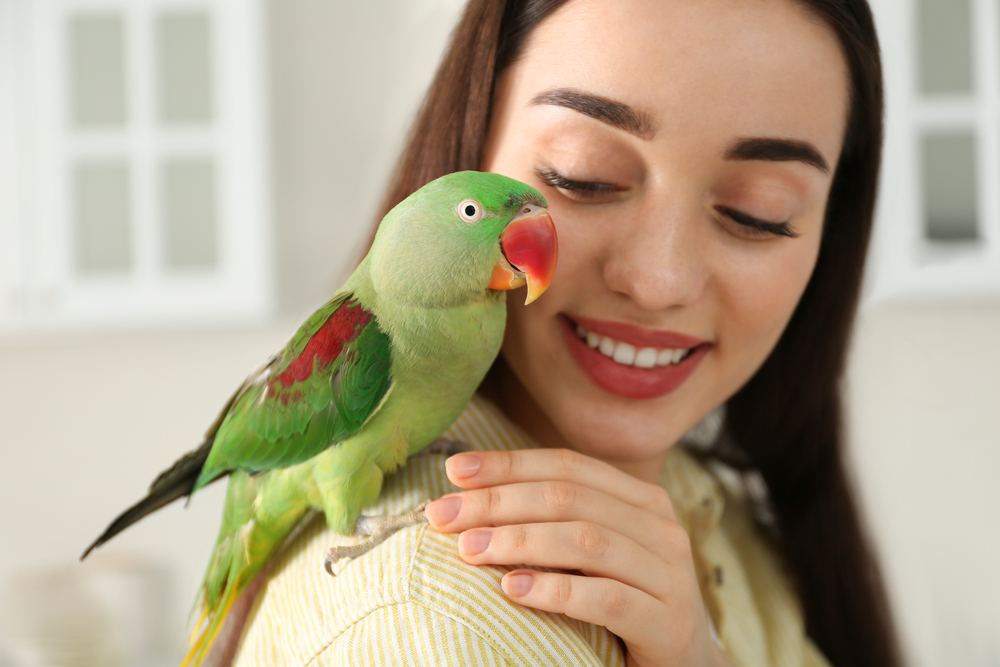
Pets often reserve softer behaviors, gentler movements, or relaxed postures for their primary person. This selective adjustment shows that they recognize relational roles. You occupy a unique emotional category. Their behavior adapts accordingly.
This differentiation reflects social intelligence and bonding. The pet isn’t simply responding to stimuli—they’re responding to you. That distinction only forms through repeated positive interactions. Its attachment is expressed through nuance.
10. They Position Themselves Between You And Others

Strategic positioning often reflects protective attachment rather than dominance. The pet places itself as a buffer during unfamiliar or uncertain interactions. This behavior suggests awareness of your emotional state as well as their own. They’re managing space, not asserting control.
In social animals, positioning is a relational tool. The pet may be signaling loyalty, caution, or reassurance. They’re attuned to social dynamics around you. Attachment informs their spatial decisions.
11. They Respond Instantly To Your Voice
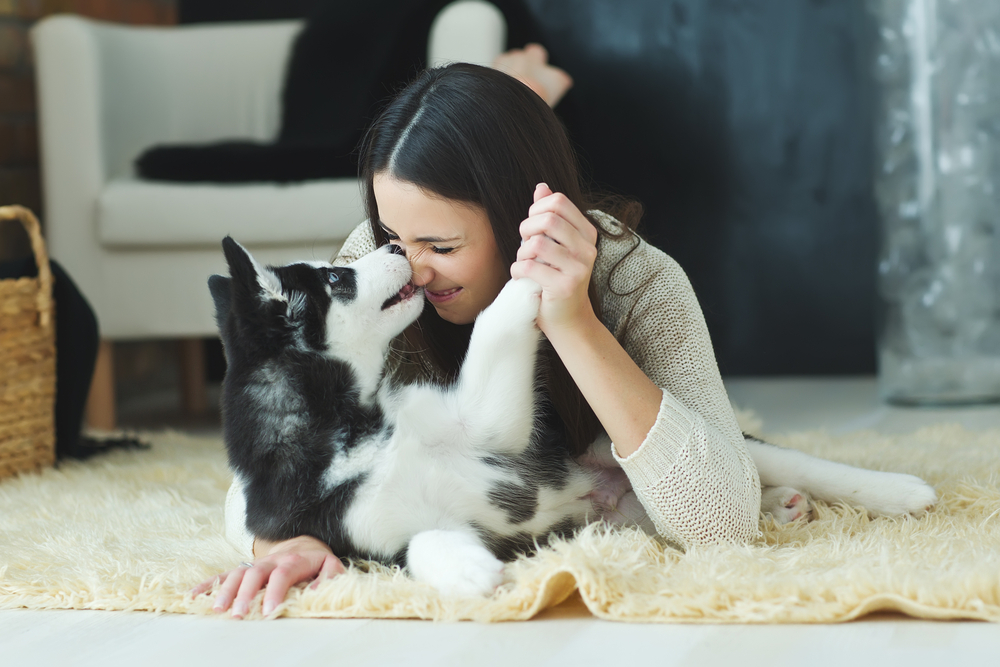
Pets often react more strongly to the emotional tone of your voice than to specific words. Familiar cadence, pitch, and rhythm carry meaning. This response reflects emotional recognition rather than obedience. Your voice becomes a regulating signal.
Studies in animal cognition show that familiar voices reduce stress responses. The pet associates your tone with safety and predictability. This connection forms over time through consistent interaction. It’s attachment encoded in sound.
12. They Come To You For Reassurance

When pets encounter unfamiliar situations, they often orient toward their bonded human first. This behavior mirrors how children use caregivers as emotional reference points. You become a source of guidance and reassurance. Your reaction informs theirs.
This reliance indicates trust rather than dependence. The pet believes your presence improves outcomes. That belief forms through repeated experiences of safety. It’s a cornerstone of secure attachment.
13. They Stay Calm When You Are Calm

Pets frequently mirror the emotional tone of their environment, especially that of their primary human. When you’re regulated, they often settle more easily. This synchronization reflects emotional attunement rather than coincidence. Your nervous systems influence each other.
This shared regulation strengthens the bond over time. The pet learns that your calm signals safety. That trust reduces hypervigilance. Attachment stabilizes both sides of the relationship.
14. They Explore Freely

Pets that feel securely attached are comfortable exploring their environment independently. They don’t stay close out of fear, but they consistently return. This pattern reflects confidence in the bond’s durability. Distance doesn’t threaten connection.
In attachment theory, this balance between exploration and return is a hallmark of security. The pet trusts that closeness remains available. Their freedom is supported by connection. That’s a healthy attachment loop.