
Dogs don’t see life the way humans do. They experience the world through routine, trust, and emotional cues. To your dog, you aren’t just a companion—you’re management. These are the responsibilities your dog believes you signed up for, whether you realize it or not.
1. Keeping Their Schedule Predictable

Dogs thrive on predictability. They expect meals, walks, and sleep to follow a rhythm. When routines shift, dogs feel unsettled. Consistency equals safety in their world.
Canine behavior research shows routine reduces anxiety. Dogs rely on humans to anchor time. Unpredictability feels threatening. Structure builds trust.
2. Remaining Cool And Calm

Dogs look to humans for cues about danger. If you’re calm, they assume things are safe. If you tense up, they react. Your emotional state sets the tone.
Studies in animal cognition show dogs mirror human stress. They outsource judgment to you. Confidence matters. You’re their barometer.
3. Guiding Their Social Interactions

Dogs expect you to handle awkward encounters. They rely on you to set boundaries with strangers and other animals. When you don’t, stress builds. Leadership equals safety.
Veterinary behaviorists emphasize guided interaction. Dogs shouldn’t manage social risk alone. Your role is protection. They trust you to intervene.
4. Deciding When It’s Rest Time

Dogs often ignore fatigue cues. They rely on humans to enforce downtime. Overstimulation leads to stress. Rest is your call.
Canine wellness studies show structured rest improves behavior. Dogs don’t self-regulate well. Humans must. Calm is taught.
5. Preventing Disruptions And Chaos

Your dog believes the home is a shared responsibility. Strange sounds, visitors, and disruptions are your problem to assess. They alert, you decide. That’s the deal.
Research shows dogs defer threat evaluation to owners. Overreaction comes from unclear leadership. Calm reassurance prevents escalation. Stability matters.
6. Providing Mental Stimulation

Dogs expect engagement, not boredom. Without stimulation, frustration builds. Walking alone isn’t enough. Enrichment is your job.
Canine enrichment studies link stimulation to reduced anxiety. Dogs need purpose. Humans provide it. Neglect shows quickly.
7. Setting Emotional Boundaries

Dogs absorb human emotions easily. They expect you to regulate yours. Chronic stress confuses them. Emotional stability feels protective.
Animal psychology research shows that dogs react to emotional inconsistency. Calm leadership matters. You model regulation. They follow.
8. Interpreting Their World

Dogs don’t understand everything they encounter. They look to you for explanation. Your reactions teach them meaning. Silence teaches too.
Behavior studies show dogs learn through observation. Humans frame reality. Clarity reduces fear. Ambiguity creates stress.
9. Deciding When To Leave

Dogs expect you to know when situations are too much. Overcrowded, noisy environments overwhelm them. They rely on your judgment. Staying too long breaks trust.
Veterinary research links overstimulation to behavioral issues. Dogs depend on humans to exit. Advocacy matters. Protection builds security.
10. Keeping Their Food Schedule Consistent

Dogs believe you control resources. Inconsistency causes confusion. Fairness matters deeply to them. Food equals security.
Animal cognition studies show dogs notice inequity. Predictability builds trust. Randomness creates anxiety. Your choices shape behavior.
11. Teaching Them What’s Normal

Dogs don’t arrive knowing human rules. They expect instruction. Inconsistency feels unfair. Clear guidance matters.
Behavioral training research shows that clarity reduces stress. Dogs want rules. Humans must provide them. Ambiguity frustrates.
12. Protecting Them From Themselves

Dogs lack foresight. They expect you to stop dangerous behavior. Curiosity overrides caution. Safety is your job.
Veterinary studies show injury often comes from overconfidence. Dogs trust humans to intervene. Prevention matters. Responsibility is assumed.
13. Ending Stressful Interactions
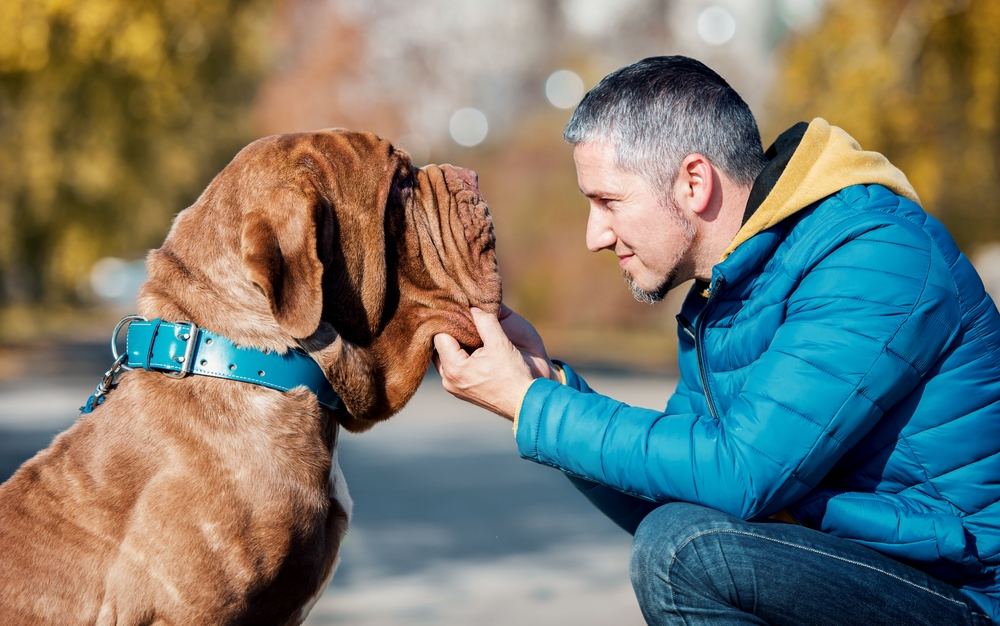
Dogs look to you to stop discomfort. They can’t advocate verbally. You must notice signs. Silence isn’t consent.
Canine communication research shows subtle stress cues. Humans must act. Protection builds trust. Ignoring signals breaks it.
14. Providing A Sense Of Belonging

Dogs expect inclusion. Isolation feels threatening. They see family as safety. Presence matters.
Studies show dogs form attachment bonds similar to children. Separation affects behavior. Connection calms. You are their anchor.
15. Staying Consistent And Reliable
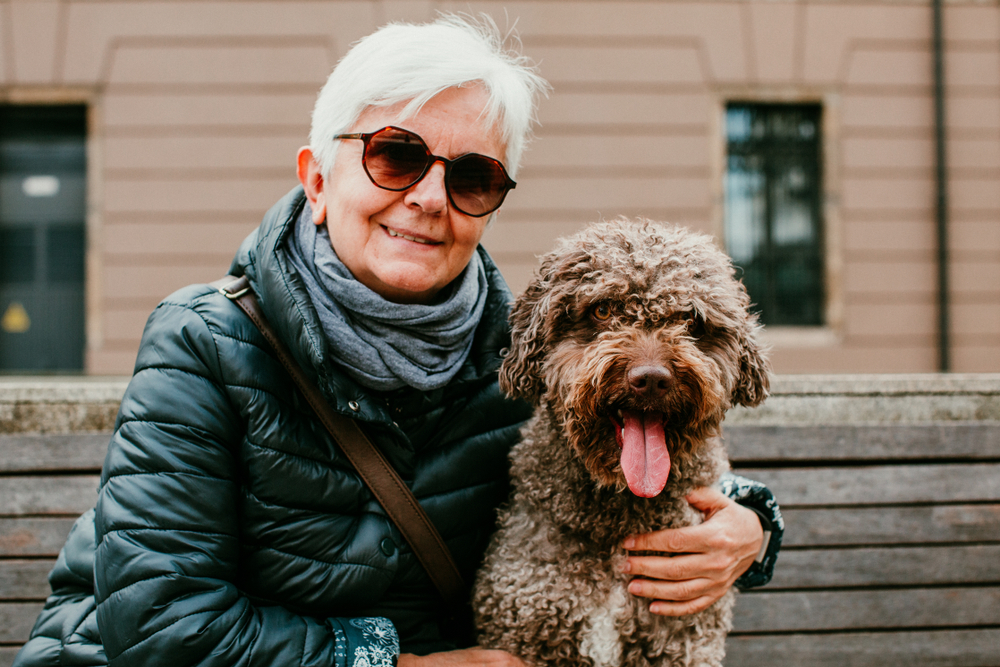
Above all, dogs expect consistency. Your behavior teaches stability. Predictability equals safety. That’s the contract.
Animal behavior research confirms routine reduces stress. Dogs don’t need perfection. They need reliability. You’re the constant.