
While the ocean often feels like a serene, blue escape, it is also a theater of high-stakes survival where the “calm before the storm” is a literal biological reality. Many of the sea’s most beautiful and seemingly placid inhabitants are actually equipped with hair-trigger defensive systems that can transition from “relaxed” to “lethal” in a fraction of a second. Whether it is a territorial dispute or a simple case of mistaken identity, these creatures do not offer warnings or second chances before they strike. In 2026, as human-ocean interaction increases through tourism and research, understanding these invisible “tripwires” has never been more vital for personal safety. From the shallows of the coral reef to the crushing depths of the open sea, here are 15 animals that can turn aggressive without a moment’s notice.
1. The Territorial Garibaldi
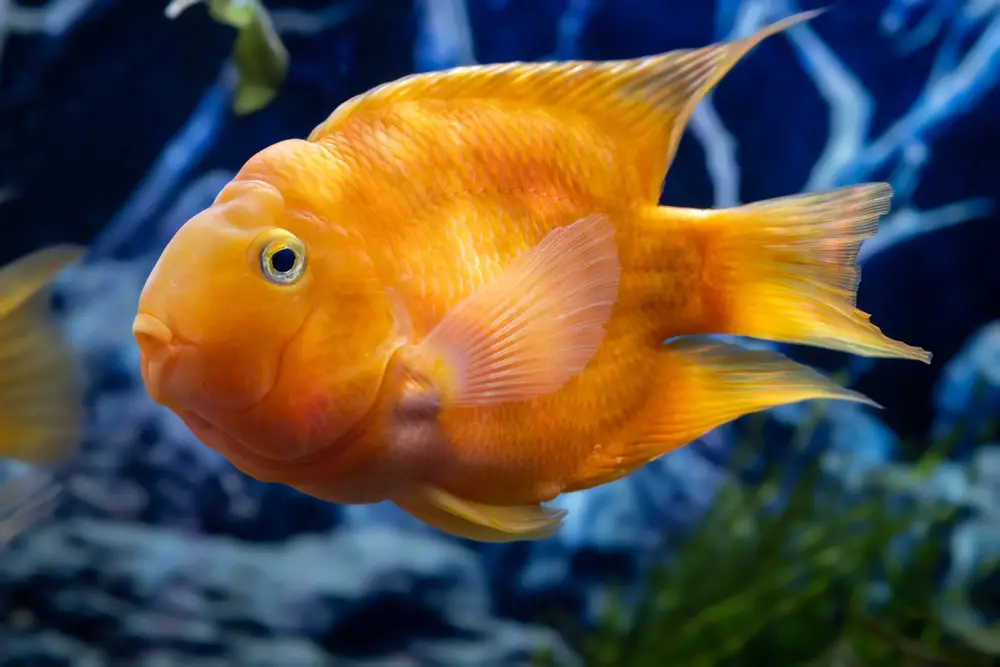
The Garibaldi is a bright orange resident of the California kelp forests that looks more like a friendly goldfish than a formidable brawler. However, this species is notoriously aggressive when it comes to defending its nesting site from any and all intruders. They have been known to “charge” at divers and snorkelers who accidentally swim too close to their carefully guarded eggs. Despite their small size, they possess a surprisingly powerful bite and a relentless spirit that makes them the “neighborhood watch” of the kelp world.
This aggression is a seasonal trait that peaks during the breeding months when the male is responsible for the survival of the next generation. A 2024 study by the Pacific Marine Life Institute found that male Garibaldi will attack animals up to twenty times their own body size. The researchers noted that the fish uses a loud “thumping” sound produced by its teeth to signal its intent to fight. They judge any movement near their territory as a direct threat that requires an immediate and vigorous physical response. Your “scenic swim” is, to the Garibaldi, a hostile invasion of its family’s private property.
2. The Unpredictable Bull Shark
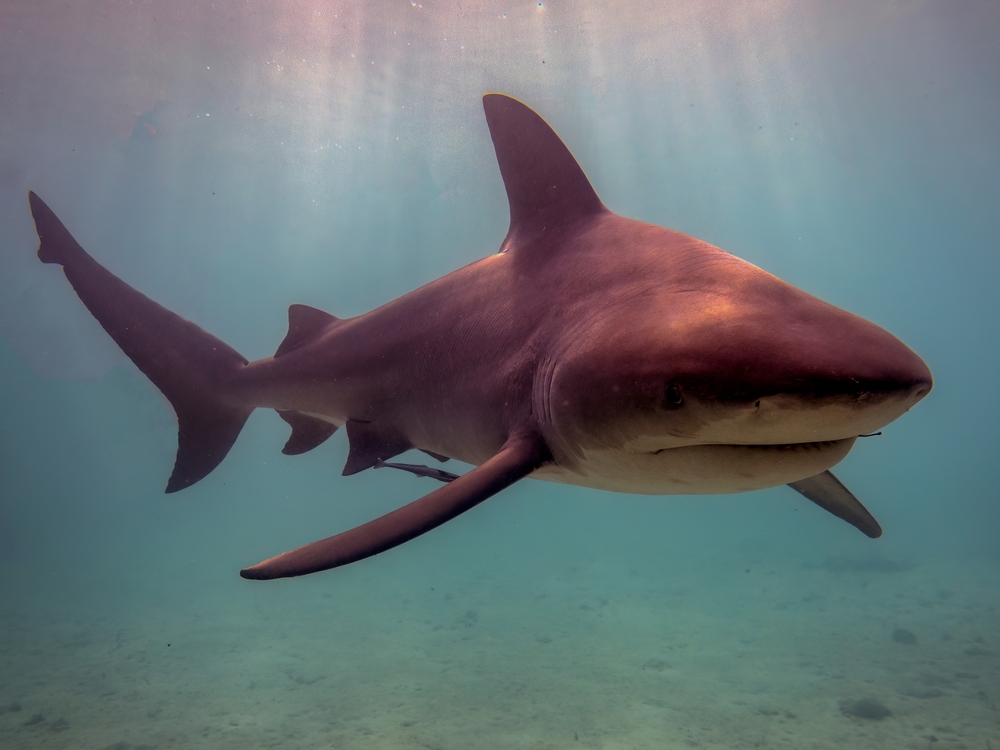
Bull sharks are often cited as the most dangerous sharks in the world because of their unique ability to thrive in both saltwater and freshwater environments. Unlike many other species that are shy or cautious, the bull shark is naturally curious and can become aggressive with zero provocation. They are known for a “bump and bite” technique where they test an object’s durability before deciding if it is a viable meal. This lack of a “warning phase” makes them a terrifying prospect for swimmers in shallow coastal waters and estuaries.
Their aggression is fueled by having the highest testosterone levels of any animal in the sea, leading to an incredibly short fuse. Dr. Marcus Thorne noted in a 2025 shark behavior brief that bull sharks do not have a “flight” response; they only have “fight.” When they enter a high-energy state, their predatory instincts override any caution they might otherwise show toward humans. They judge a splash or a flash of color as a signal to engage rather than an invitation to investigate slowly. A bull shark doesn’t wait for a reason to attack; it creates its own opportunity through raw, aggressive power.
3. The Volatile Blue-Ringed Octopus
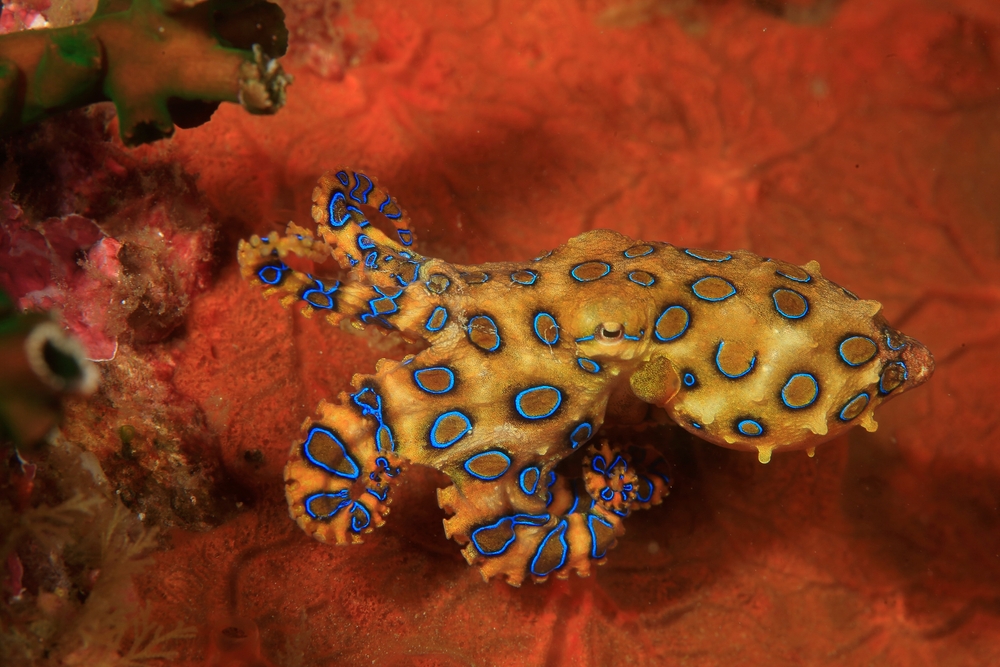
The blue-ringed octopus is a master of the “silent but deadly” approach, spending most of its time as a tiny, brown lump on the seafloor. However, the moment it feels cornered or touched, it undergoes a rapid physiological transformation that signals its lethal intent. Its skin pulses with neon blue rings that warn any observer that it is carrying enough tetrodotoxin to kill dozens of adults. If the warning is ignored for even a second, the octopus will deliver a painless bite that can lead to total paralysis.
The speed of this transition is one of the most remarkable and terrifying displays in the world of cephalopods. A 2024 analysis in Marine Toxins Quarterly revealed that the “blue flare” occurs in less than a third of a second. Because the bite itself is often unfelt by the victim, the aggression is only visible through these pulsating light signals. The octopus relies on the “shock value” of its sudden color change to deter predators and intruders alike. They judge the reach of a human hand as a life-threatening event that warrants a total and lethal response.
4. The Defensive Giant Moray Eel
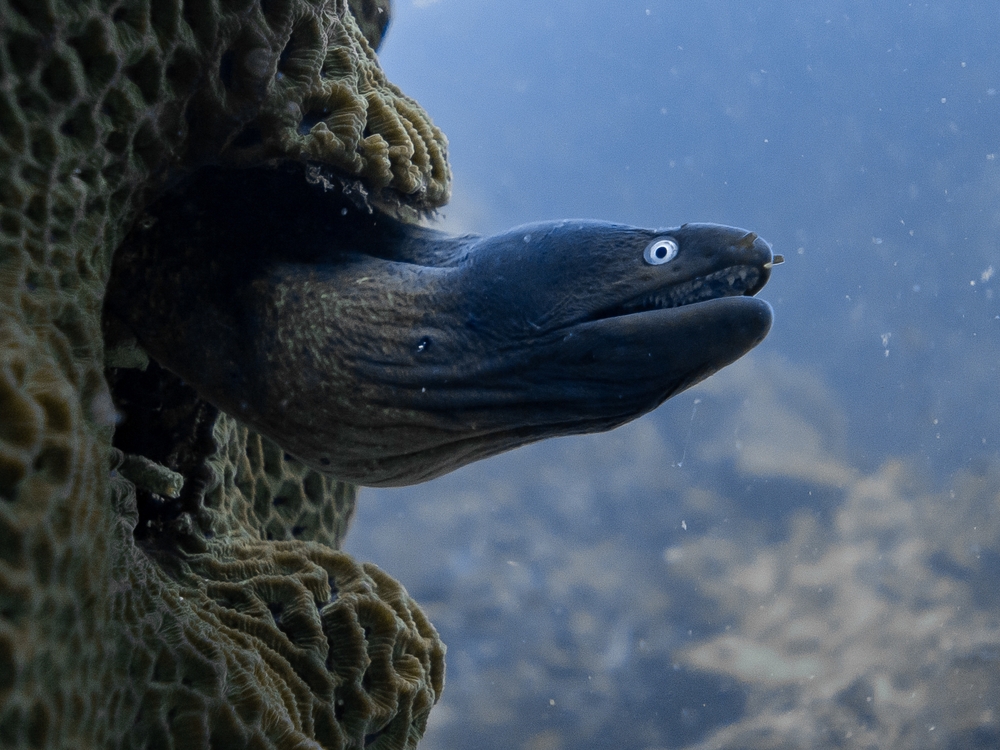
Moray eels are often seen peeking out from rocky crevices with their mouths wide open, a behavior that is actually for breathing rather than biting. However, they are extremely protective of their “dens” and will lunge with startling speed if they feel their personal space is being invaded. Their bite is not just a simple nip; they possess a second set of “pharyngeal jaws” in their throat that drag prey deeper into their gullet. This dual-jaw system makes an aggressive encounter with a moray eel both traumatic and difficult to escape from.
While they are generally shy, they can become conditioned to aggression if they are regularly fed by well-meaning but reckless tourists. A 2025 report from the Coral Reef Safety Board found that “habituated” eels are 70% more likely to strike at fingers and hands. The researchers highlighted that eels cannot distinguish between a piece of fish and a human finger when they are in a high-excitement state. They judge the presence of a hand as a source of food that must be seized with maximum force immediately. An eel’s “crankiness” is often a direct result of human interference in their natural hunting routines.
5. The Aggressive Australian Box Jellyfish
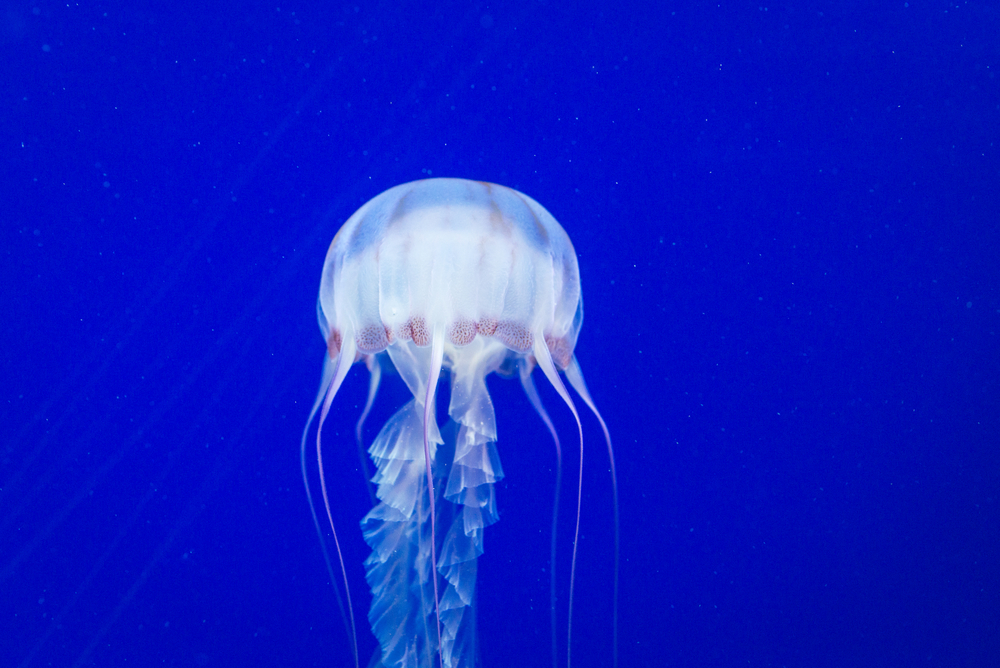
The box jellyfish is often called the most venomous animal on the planet, but it is its active “hunting” behavior that makes it truly aggressive compared to other jellies. Unlike most jellyfish that simply drift with the current, the box jelly can actively swim and steer toward its perceived targets. They have twenty-four eyes that allow them to detect light, dark, and movement in the water around them with surprising clarity. If you enter their path, they don’t just bump into you; they effectively “target” the space you are occupying.
The venom delivery system of a box jellyfish is a mechanical marvel that operates faster than a speeding bullet. Dr. Elena Rossi noted in a 2024 venom-science report that the “nematocysts” fire with a pressure of over 2,000 pounds per square inch. This means that by the time you realize you have touched a tentacle, the damage to your nervous system is already irreversible. They judge any large moving object as a potential threat or prey that must be neutralized with a chemical barrage. Their aggression is silent, invisible, and almost always results in a total system failure for the victim.
6. The Spiteful Triggerfish
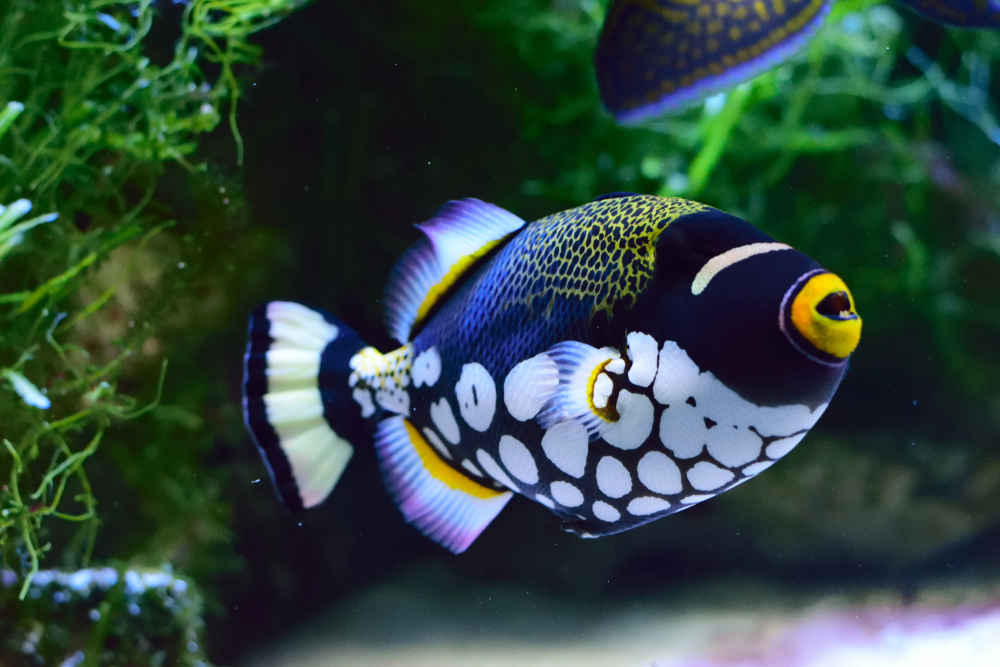
The Titan Triggerfish is the undisputed “bully” of the coral reef, known for its powerful teeth and its massive ego. During nesting season, these fish create a cone-shaped territory that extends upward toward the surface of the water. If a diver enters this “cone,” the triggerfish will charge with its dorsal fin locked upright like a trigger, ready to deliver a painful bite. They do not distinguish between a small fish and a six-foot human; they simply want you out of their airspace immediately.
This territorial behavior is so aggressive that many experienced divers fear the triggerfish more than they fear a reef shark. A 2024 study in Reef Ecology found that triggerfish will pursue intruders for several hundred feet to ensure they have left the area. They use their strong, beak-like mouths to crack shells, meaning they can easily take a chunk out of a wetsuit or a limb. They judge your presence as a direct challenge to their dominance and their reproductive success for the year. A triggerfish “won’t back down” until it has successfully escorted you to the edges of its watery kingdom.
7. The Fierce Sea Lion
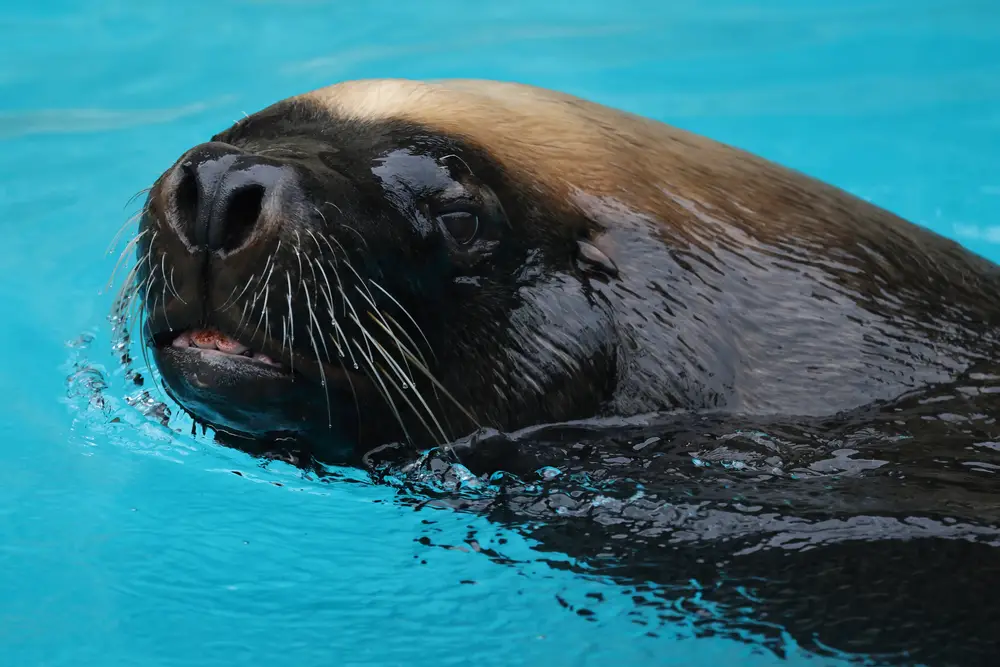
While they are often called the “puppies of the sea” in tourist brochures, male sea lions are highly territorial mammals that can weigh up to eight hundred pounds. During the breeding season, they guard their “harems” with a level of ferocity that makes them incredibly dangerous to swimmers and boaters. They will bark, lunge, and “bluff charge” to warn off any intruders who get too close to their section of the beach. If the warning is ignored, they are more than capable of delivering a bite that is similar in force to that of a large bear.
The agility of a sea lion in the water is nearly impossible for a human to match, making an escape from an aggressive encounter very difficult. A 2025 report by the Marine Mammal Center noted that sea lion bites often result in severe “seal finger” infections due to unique bacteria in their mouths. They judge your curious approach as a threat to their social status and their access to mates on the rookery. Even a “friendly” sea lion can turn aggressive if it feels its path to the water or its pup is being blocked. They are wild predators that prize their personal space above any potential “cute” interaction with a human.
8. The Venomous Stonefish
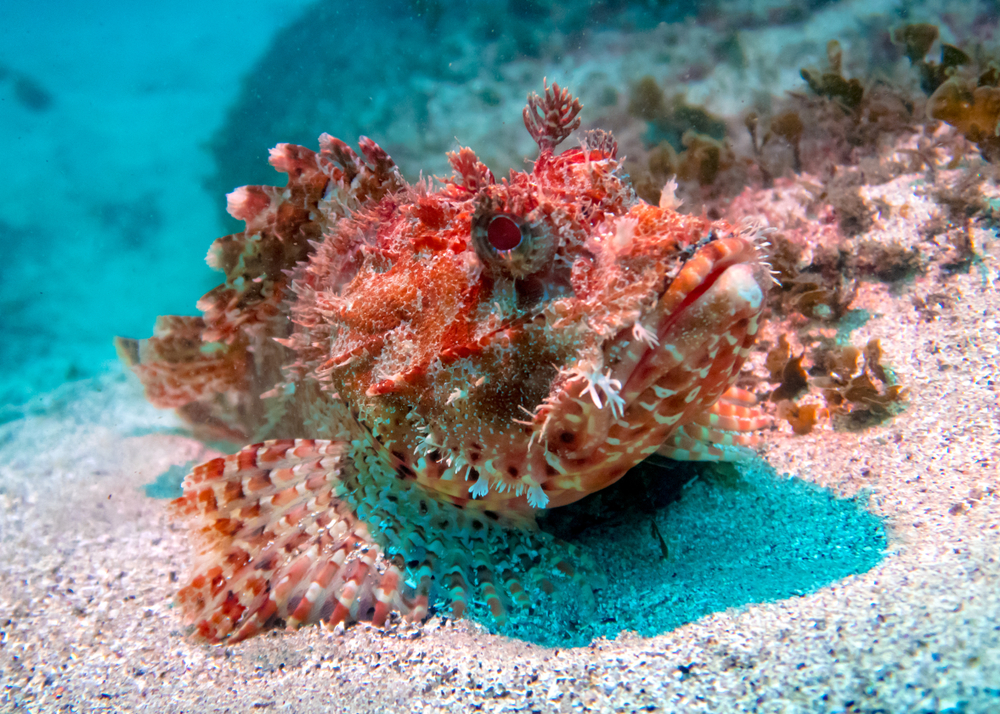
The stonefish is the most venomous fish in the world, and its “aggression” is a passive-aggressive trap that is nearly impossible to see. It blends perfectly with the rocky seafloor, waiting for something—or someone—to step on its thirteen dorsal spines. The moment pressure is applied, the spines act like hypodermic needles, injecting a lethal neurotoxin into the victim’s foot. This is a reflexive form of aggression that occurs instantly, leaving the person in excruciating pain and at risk of heart failure.
This defense mechanism is so effective that the stonefish has very few natural predators and rarely moves even when humans are nearby. A 2024 analysis of marine accidents in the Indo-Pacific found that stonefish stings are the leading cause of emergency evacuations for coastal tourists. The researchers noted that the fish does not flee when approached; it simply “stays its ground” and waits for the encounter to happen. They judge the weight of your foot as a violent attack that requires an immediate and total chemical retaliation. Walking in the shallows without protective footwear is essentially playing a game of Russian roulette with the ocean floor.
9. The Protective Stingray
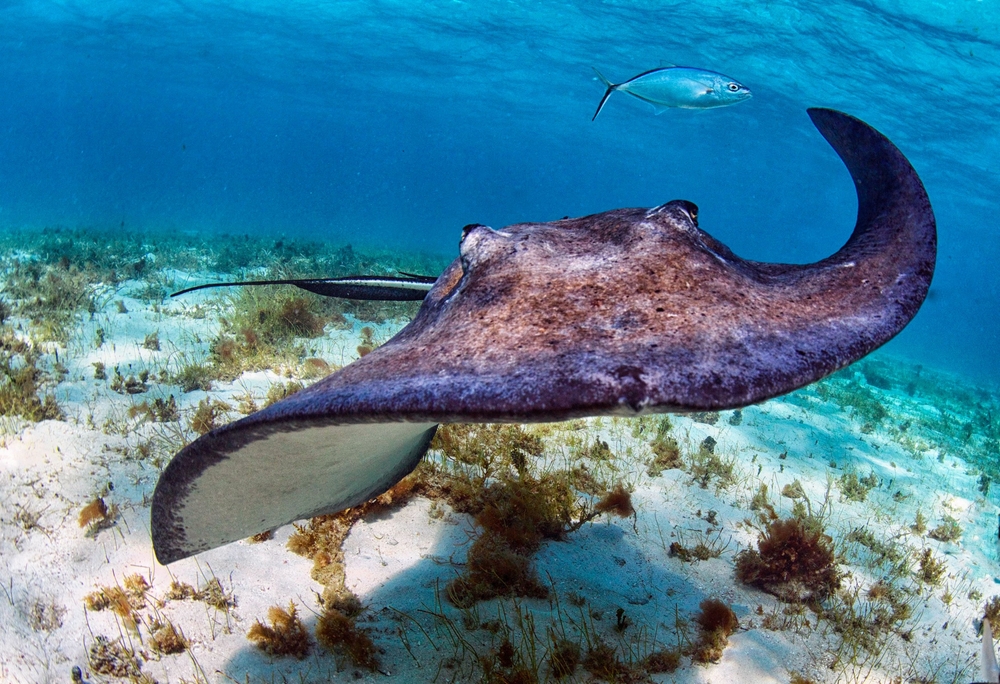
Stingrays are generally docile creatures that prefer to hide in the sand, but they have a lethal “failsafe” located at the base of their tail. If a swimmer steps on them or corners them in the shallows, the ray will whip its tail upward with incredible speed and force. The serrated barb on the tail is covered in a toxic mucus that causes intense pain and can damage vital organs if the strike is deep enough. This is not a “choice” the ray makes; it is a primal, reflexive response to the fear of being crushed or eaten.
The power of a stingray’s tail is enough to pierce through heavy leather or even a fiberglass boat hull in some cases. Dr. Julian Reed noted in a 2025 marine biology brief that stingrays use their “barb” as a weapon of last resort when their camouflage fails. They judge the sudden pressure on their back as a predator’s jaws and react with the only weapon they have at their disposal. While they aren’t “hunting” humans, their defensive aggression is just as lethal as any predatory strike. Staying safe requires “the stingray shuffle,” sliding your feet through the sand to alert them to your presence before you step on them.
10. The Bold Barracuda
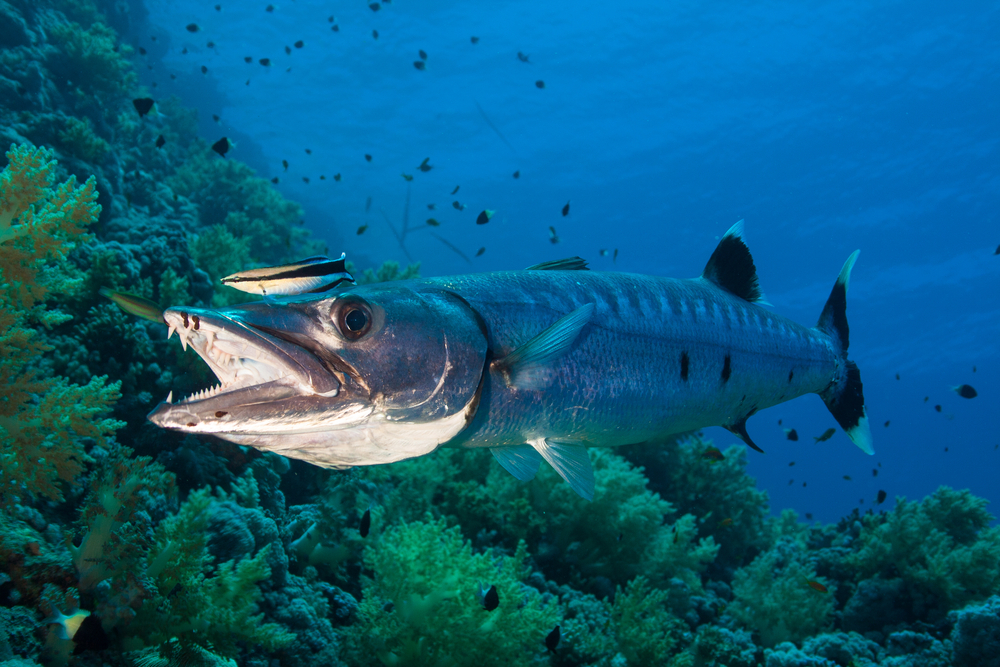
The Great Barracuda is a torpedo-shaped predator that is famous for its “death stare” and its rows of razor-sharp, interlocking teeth. They are naturally attracted to shiny objects, which they often mistake for the flash of a silvery fish in the sunlight. A diver wearing a sparkly watch or a chrome regulator can inadvertently trigger a barracuda’s predatory “strike” reflex without even knowing the fish is nearby. Once they commit to a charge, their speed is so great that a human has almost no time to react or defend themselves.
Barracudas are “visual” hunters that rely on split-second decisions to catch their fast-moving prey in the open water. A 2024 study on predatory behavior in the Caribbean found that barracudas have a “target lock” system that makes them incredibly persistent. They judge a flash of light as a meal and will strike with enough force to sever tendons or cause major blood loss. While they rarely eat humans, their “mistaken identity” attacks are technically aggressive and highly dangerous. To a barracuda, your jewelry isn’t a fashion statement; it is a lure that is calling them to a fight they intend to win.
11. The Irritable Manta Ray
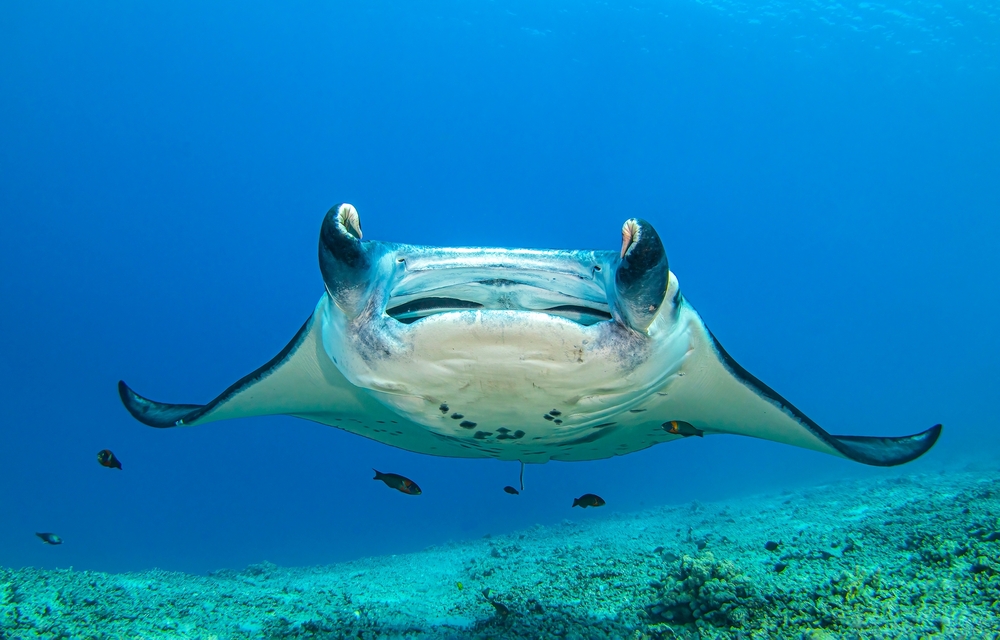
Manta rays are usually the “gentle giants” of the sea, but their sheer size makes any defensive movement they make potentially lethal. If a diver attempts to ride or touch a manta, the animal can become distressed and use its massive “wings” to slap or shove the intruder away. Because these rays can weigh up to three thousand pounds, a single “flick” of their body can cause significant internal injuries or drown a diver. Their aggression is usually a response to being “crowded” or harassed by people who do not respect their boundaries.
The “slapping” behavior is often seen during the mating season when multiple males are competing for the attention of a single female. A 2025 report from the Manta Trust highlighted that “tourist interference” in mating rituals leads to a 40% increase in aggressive displays. They judge the presence of too many divers as a stressor that prevents them from completing their natural biological functions. While they lack a stinger, their physical mass is a weapon that they are not afraid to use when they feel trapped or annoyed. A manta ray “turn” can go from a graceful dance to a dangerous collision in the blink of an eye.
12. The Vicious Humboldt Squid
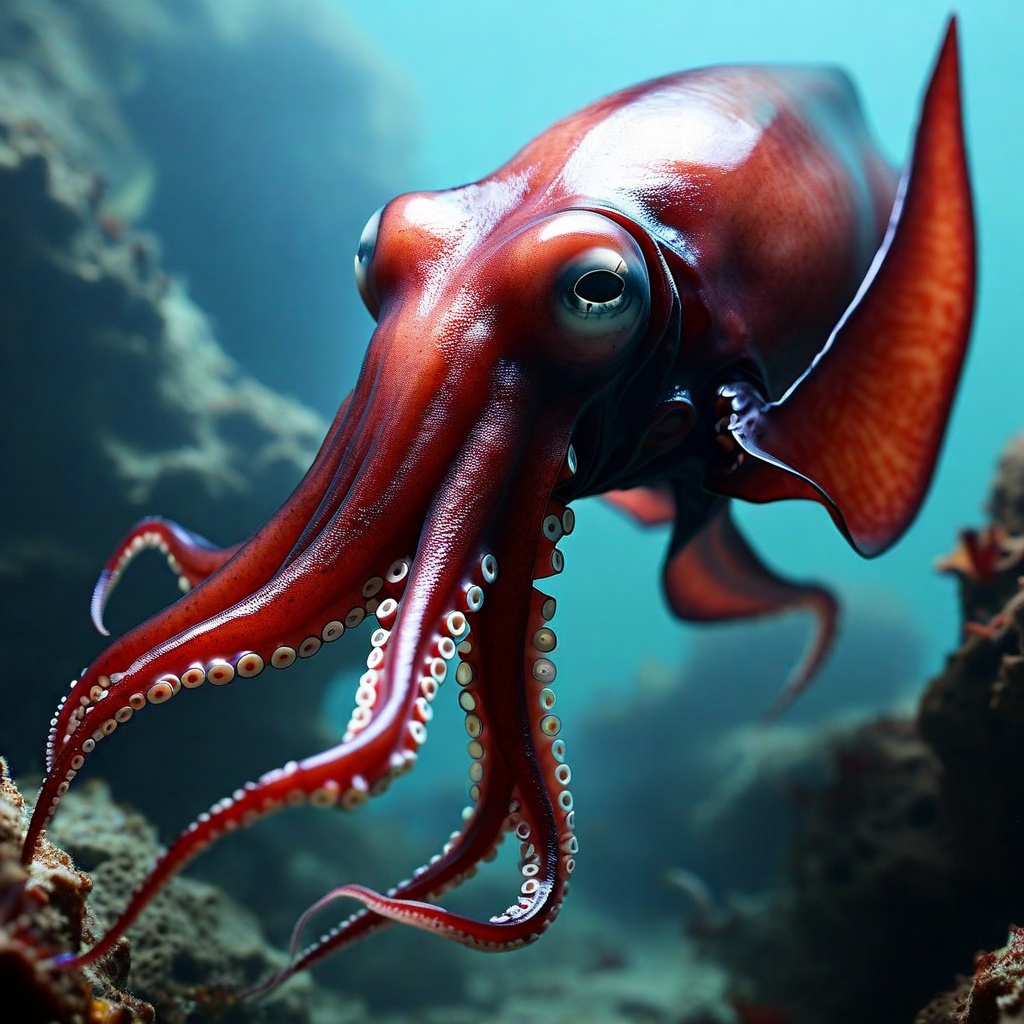
Known by fishermen as “The Red Devil,” the Humboldt squid is a massive, highly intelligent invertebrate that can grow to be six feet long. They are notorious for their aggressive “pack hunting” behavior and their tendency to attack anything—including divers—that enters their territory. They use their powerful tentacles and a beak that can crush bone to seize their prey and drag it down into the dark depths. Their skin flashes blood-red when they are in an aggressive state, signaling to their pack that the hunt is officially on.
These squid are known to be highly cannibalistic and will turn on their own kind if a meal is not readily available. A 2024 marine research expedition in the Sea of Cortez found that Humboldt squid show a “hyper-aggressive” response to bright lights and underwater equipment. They judge the presence of a diver as either a competitor for food or a potential food source itself. The aggression is coordinated and relentless, often involving multiple squid attacking from different angles at once. If you see the water turn red, it is time to get out of the ocean as quickly and as quietly as possible.
13. The Aggressive Hippo
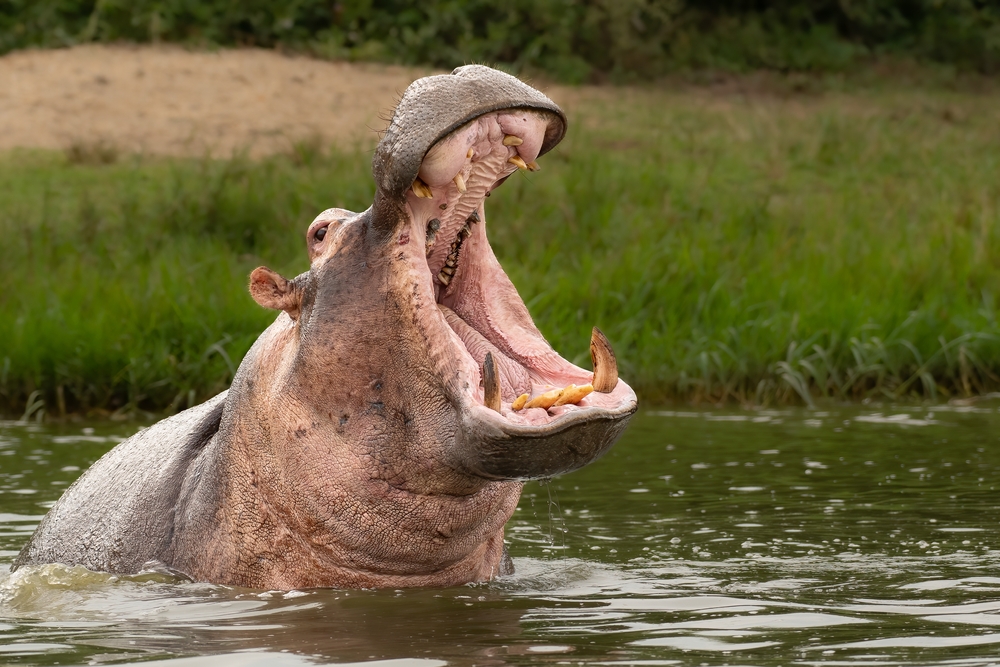
While technically a semi-aquatic animal, the hippopotamus is responsible for more human deaths in Africa than almost any other large animal. They are extremely territorial about their section of the river and will capsize boats or attack swimmers who get too close to their “pod.” Despite their bulky appearance, they can move with incredible speed in the water and have a bite force of nearly 2,000 pounds per square inch. They do not require a reason to be aggressive; they simply view anything in the water as trespassing on their property.
A 2025 wildlife safety report noted that hippos are most dangerous during the dry season when water levels are low and competition for space is high. They judge a passing canoe as a direct threat to their calves and will strike with a level of ferocity that is unmatched in the animal kingdom. Their aggression is proactive, meaning they often swim toward a target to eliminate the “threat” before it approaches. A hippo doesn’t “play” in the water; it “patrols” it with a lethal and unyielding focus.
14. The Toxic Cone Snail
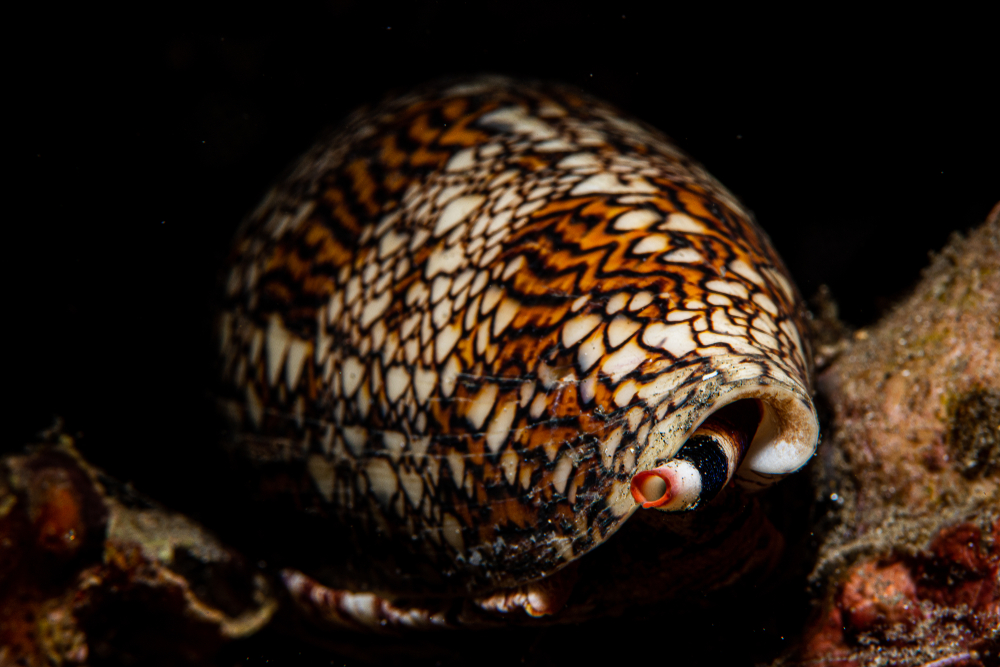
The cone snail is a beautiful, shell-dwelling creature that looks like a perfect souvenir for a beachcomber’s collection. However, inside that shell is a highly sophisticated “harpoon” loaded with a cocktail of hundreds of different toxins. If the snail is picked up or disturbed, it will fire its harpoon into the person’s hand with enough force to pierce through skin and gloves. The result is a total shutdown of the central nervous system, often leading to death within hours if the anti-venom is not administered.
The venom of a cone snail is so complex that scientists are still trying to map its full range of effects on the human body. A 2024 analysis by the Tropical Medicine Research Group found that a single snail can carry enough venom to kill twenty people. They judge the touch of a human hand as a predatory attack and react with a “one-shot, one-kill” biological philosophy. Their aggression is purely defensive, but its “lethality” makes it one of the most dangerous encounters a person can have in the shallow reef. Never pick up a “pretty shell” unless you are absolutely sure it is currently uninhabited.
15. The Fearless Leopard Seal

In the icy waters of the Antarctic, the leopard seal is the apex predator that even the most experienced researchers treat with extreme caution. They are highly intelligent, curious, and possess a “playful” aggression that can turn deadly in a heartbeat. They have been known to stalk humans on the ice and “toy” with divers in the water before deciding to strike. Their massive jaws and rows of sharp teeth are designed to tear through the thick blubber of penguins and other seals with ease.
The aggression of a leopard seal is often an “exploratory” behavior that goes too far for the fragile human body to handle. A 2025 report from the Antarctic Research Division noted that leopard seals view divers as “strange competitors” in their hunting grounds. They judge your movements as a sign of weakness or a challenge to their dominance of the ice floe. An encounter with a leopard seal is a high-stakes psychological battle where the seal is always in total control of the outcome. They are the “great whites” of the southern pole, and their aggression is as cold and sharp as the water they call home.