
We all have that mental scrapbook of places that feel permanent: the beach you swear you’ll “always” go back to, the national park you assume will be waiting, the city you picture aging gracefully like a movie star. But climate change doesn’t care about your nostalgia, and neither do rising seas, collapsing ecosystems, and heat that turns “vacation weather” into a threat. In the next 20 years, some of the world’s most iconic, bucket-list places could be dramatically altered, partially submerged, repeatedly closed, or simply too damaged to resemble what people fell in love with. Here are 15 places people adore that might not exist in the way we know them now.
1. The Maldives
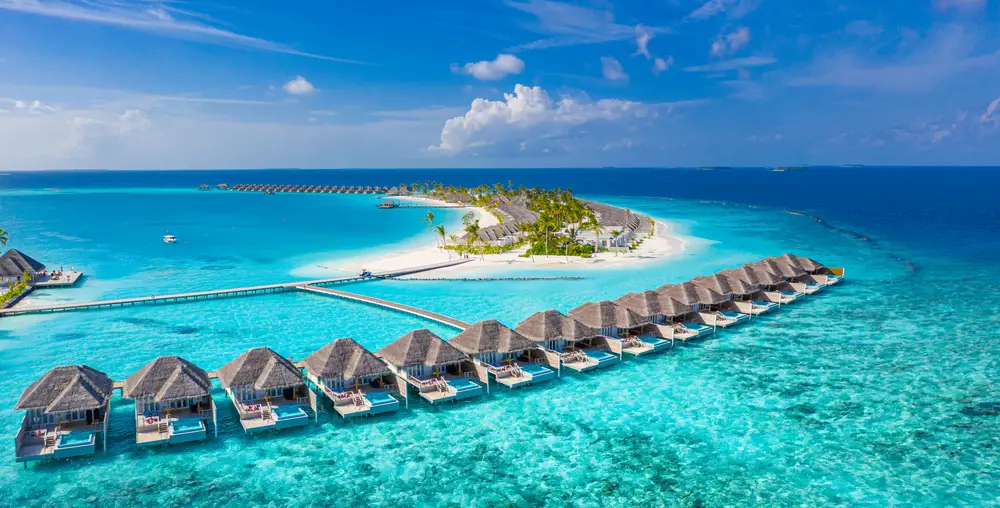
The Maldives is basically the poster child for “beautiful and terrifying” because it’s made up of low-lying islands that don’t have much vertical room to negotiate with sea-level rise. Even small increases in sea level can mean saltwater creeping into freshwater supplies, stronger storm surges, and coastlines that literally vanish overnight. The scary part is that you don’t need a Hollywood apocalypse for this to start reshaping daily life—just a steady, stubborn trend line. Climate projections show sea levels rising through this century, which puts low-elevation island nations in the danger zone in ways that compound fast. The Maldives may still “exist,” but the version you’re imagining—powder beaches, stable shorelines, easy resort life—could become a much rarer, more fragile thing.
What people often miss is that the first loss isn’t the island—it’s the infrastructure that makes the island livable. Once groundwater is saltier, once erosion eats the beach buffer, once storms get more expensive to recover from, you get a slow unspooling that tourism photos won’t show you. You could also see more aggressive seawalls and land reclamation, which “saves” land while changing the entire feel of the place. The dreamy barefoot aesthetic doesn’t hit the same when a destination starts living in permanent defense mode. And when people say “it won’t exist,” they often mean “it won’t be recognizable.” That’s the grief hiding inside the travel brochure.
2. Florida Keys
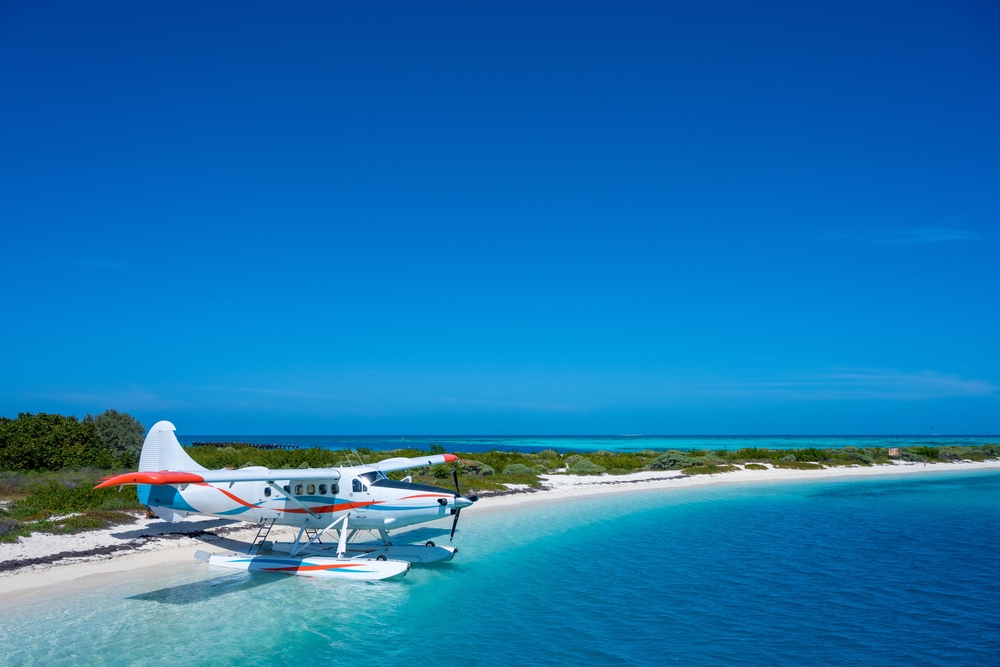
The Keys are the kind of place that feels like a lifestyle, not a location—ocean everywhere, pastel sunsets, salty freedom. But they’re also low-lying, storm-exposed, and surrounded by warming waters that stress coral ecosystems and intensify hurricane impacts. In the coming decades, frequent flooding could turn everyday errands into a planning exercise. Even if homes and businesses remain, the ease of life that makes the Keys feel magical may erode. A destination can survive and still become something people no longer want to visit.
The other issue is that the Keys depend on systems that don’t love saltwater: roads, septic infrastructure, drinking water logistics, power lines, and emergency services. When those systems get repeatedly battered, you don’t just “bounce back” every time. Insurance, rebuilding costs, and repeated evacuations can do what a single storm can’t—make the place financially and emotionally exhausting. The Keys might not vanish, but they could become a place you visit in shorter, more cautious bursts. The dream becomes seasonal and strategic instead of effortless.
3. Tuvalu
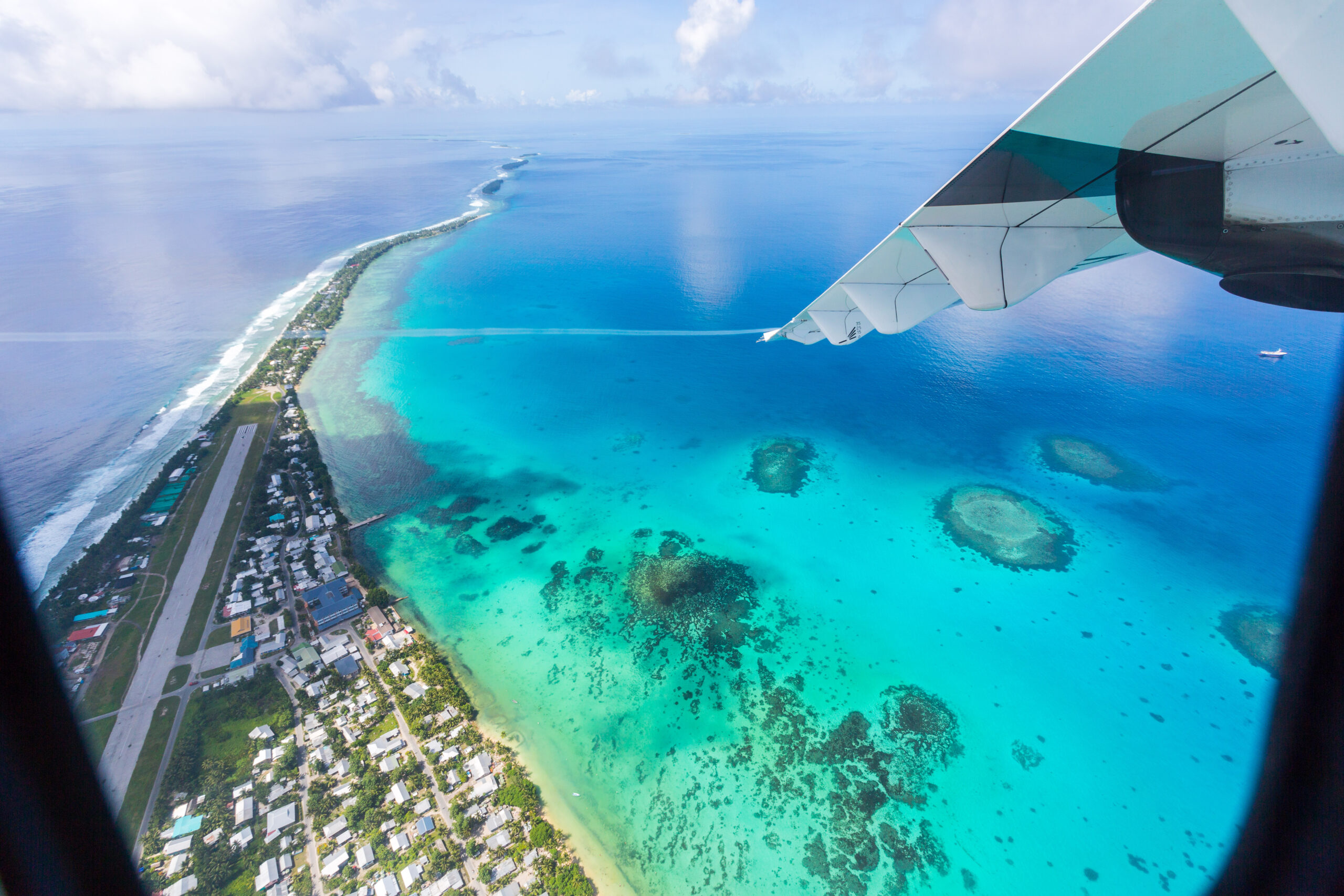
Tuvalu has been sounding the alarm for years, and for a brutal reason: it’s one of the world’s lowest-lying countries. With sea-level rise, the danger isn’t only permanent inundation—it’s king tides flooding homes, saltwater contaminating crops, and storms doing outsized damage. When your nation is barely above sea level, the margin for error is basically zero. Over the next 20 years, relocation pressures could intensify in a way that turns “climate risk” into a cultural rupture.
If you’ve never thought about what it means for an entire country to be threatened, it’s not just geography—it’s identity. Land isn’t only real estate; it’s ancestry, language, community, and political sovereignty. Tuvalu’s future may involve more international agreements, migration pathways, and legal rethinking of what “a nation” is when its territory is compromised. People tend to frame it as tragic and distant, but it’s also a warning flare for every coastal place that assumes it’s too big to fail. The ocean doesn’t care how famous you are.
4. The Great Barrier Reef
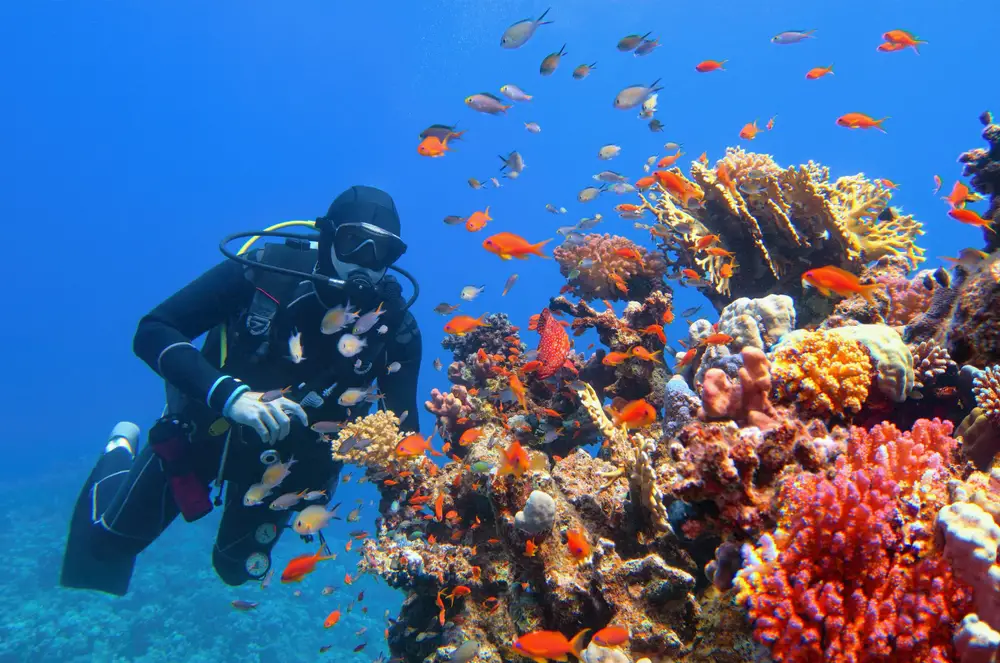
The Great Barrier Reef is one of those places people describe like a spiritual experience—until they see bleached coral and realize the reef is not a guaranteed spectacle. Warming seas drive coral bleaching, and repeated heat stress makes recovery harder, even when conditions improve temporarily. Scientists and monitoring programs keep documenting how quickly reef conditions can swing, and how vulnerable coral ecosystems are to sustained warming. If trends continue, the reef could still “be there,” but the vibrant, living version tourists dream about could be drastically reduced or transformed into a paler, patchier ecosystem. In other words: the map label stays, but the magic changes. :contentReference[oaicite:1]{index=1}
A lot of people assume reefs die like a light switch—one day alive, next day dead—but it’s more like watching a city lose its neighborhoods. You can still visit, still snorkel, still post a photo, but the biodiversity and color that make it iconic may not show up the way it once did. And when reefs decline, it’s not just a nature story—it’s a coastal protection story, a fisheries story, a tourism economy story. The reef is a living shield as much as it is a wonder. Losing it isn’t only sad; it’s destabilizing.
5. Venice, Italy
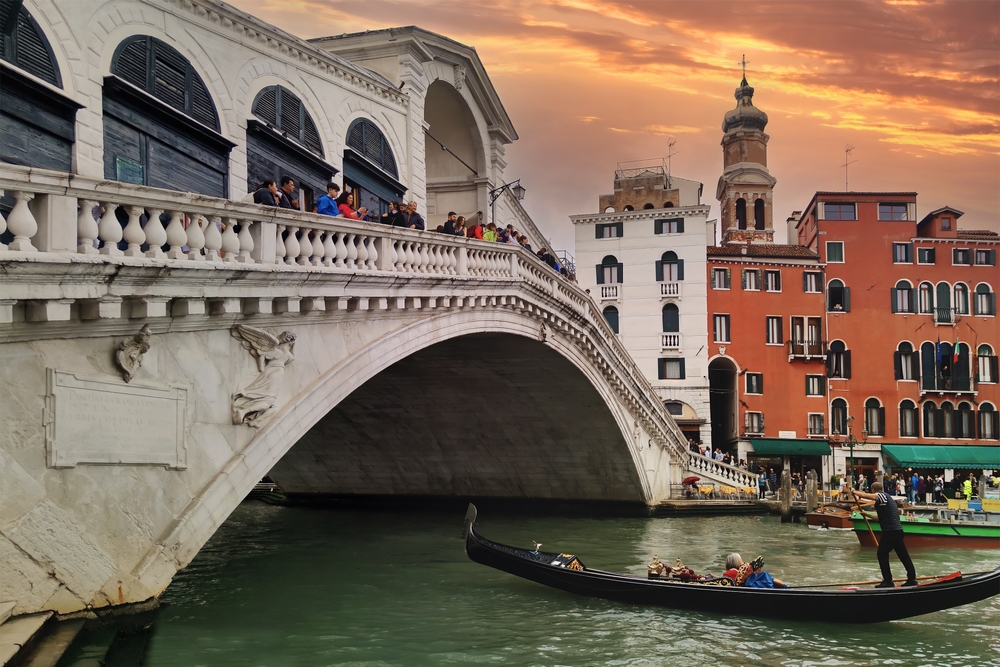
Venice is already living with the reality that “high water” isn’t a rare event—it’s a recurring disruption. Sea-level rise, storm surges, and shifting weather patterns can turn flooding into a frequent, exhausting feature of life. Venice may remain standing, but the idea of it as a romantic, strollable city could morph into something more like a museum city with constant defensive engineering. When you’re building your future around barriers, pumps, and closures, you’re not living the same story anymore.
There’s also a psychological cost to a city that always feels like it’s bracing. Businesses adapt, locals adapt, tourists adapt—but adaptation has a limit before it becomes chronic stress. Venice is vulnerable in multiple ways at once: climate impacts, physical wear, and overtourism pressure. The city’s future may involve stricter access rules, more restricted movement, and higher costs just to keep it functioning. It might “exist,” but it could feel less like Venice and more like Venice under glass.
6. The Dead Sea
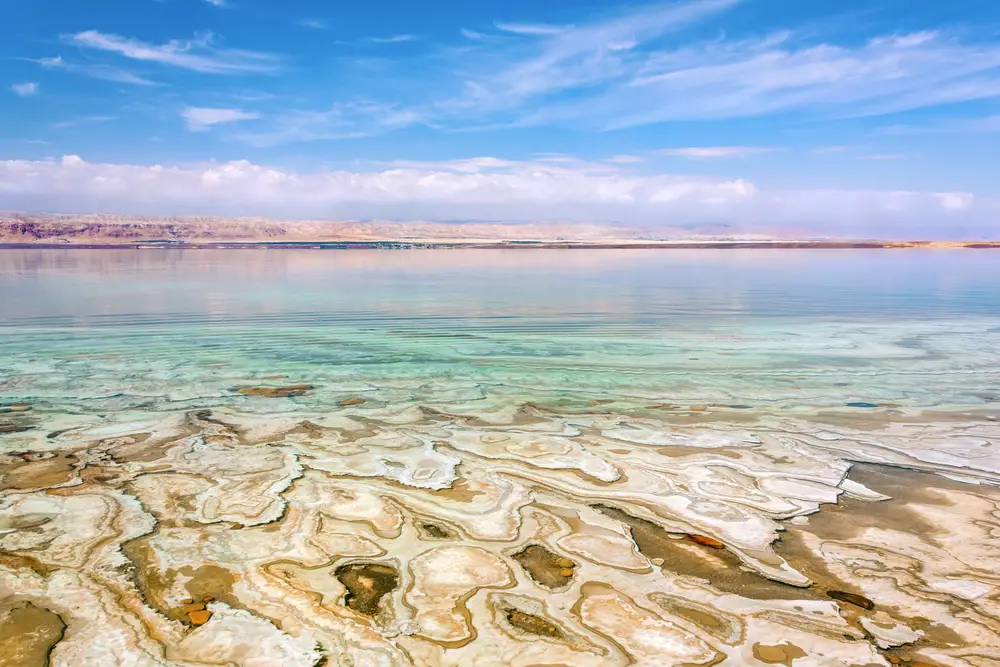
The Dead Sea is famous for the float, the minerals, the surreal landscape—and the fact that it’s shrinking. Water diversion and regional demand have contributed to dramatic retreat, leaving sinkholes and unstable ground behind. A place can become unvisitable long before it “disappears,” and sinkhole risk has a way of killing the vibe. Over the next two decades, the shoreline could pull back even further, changing resorts, access points, and the entire geography people came to see.
What makes this especially haunting is how quickly it turns into a domino effect. As water recedes, infrastructure has to move, roads have to be rerouted, and tourism becomes more expensive to maintain. The Dead Sea’s story is also a reminder that climate risk isn’t always “too much water.” Sometimes it’s water simply leaving. And once a natural wonder is reduced to a struggling remnant, it stops being timeless and starts being a cautionary tale you can stand inside.
7. The Swiss Alps’ Classic Ski Towns
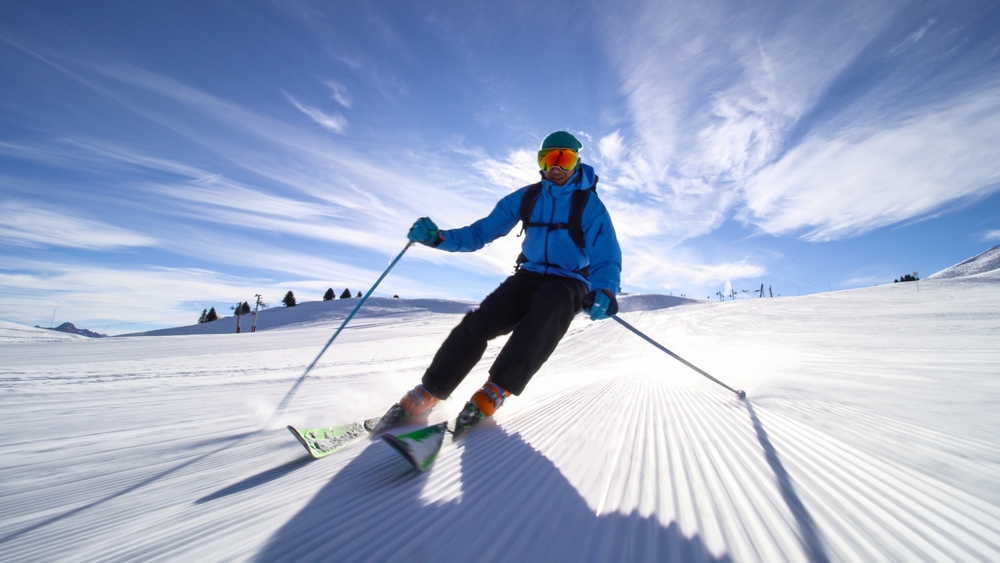
There’s a certain fantasy people carry about the Alps: crisp snow, cozy chalets, effortless winter charm. But warming temperatures can mean more rain, shorter ski seasons, and snow that’s less reliable at lower elevations. Resorts may survive by pushing higher up the mountain, leaning harder on artificial snow, or pivoting into year-round adventure branding. Still, the classic “winter wonderland” experience could become less consistent and more expensive to chase.
And then there’s the identity shift: ski towns without dependable snow have to reinvent themselves or slowly decline. Artificial snow is not a perfect substitute—it’s resource-intensive and doesn’t work well under certain temperatures. The Alps won’t vanish, but the culture built around predictable winters could be forced into a new era. You may still go, still love it, still take the same train ride. But the place you return to might feel like a remix instead of the original.
8. Glacier National Park, USA
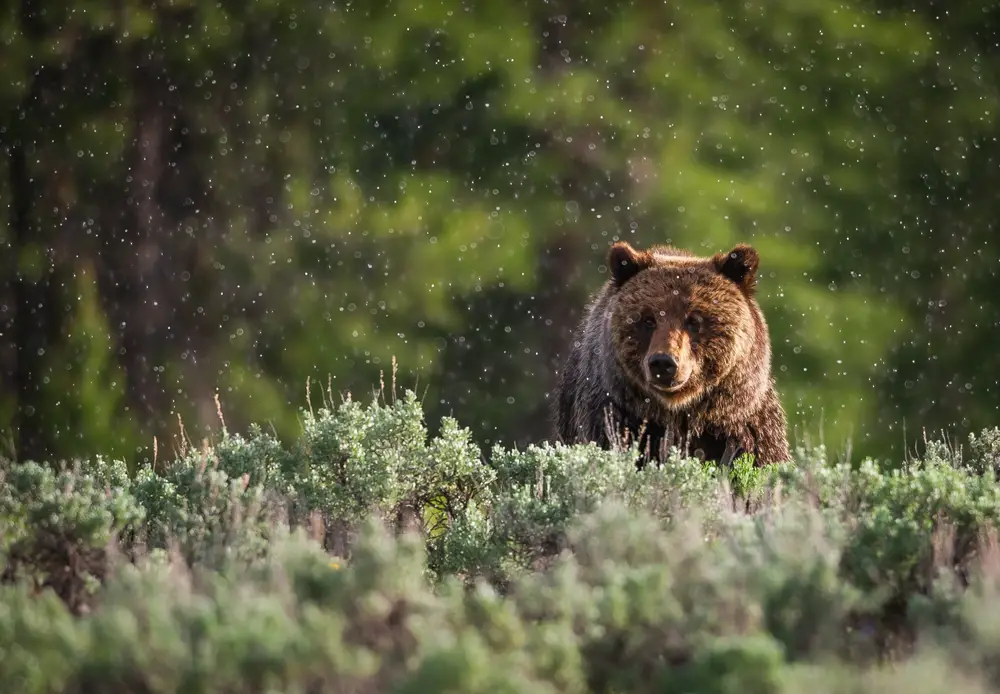
Glacier National Park has already been forced to confront the awkward truth in its own name: its glaciers have been shrinking rapidly. The park has documented glacier loss over time, and some projections suggest many of the remaining glaciers could disappear within decades. That doesn’t mean the park stops being beautiful, but it does mean one of its defining features could become mostly historical. People might still hike the trails, but they’ll be hiking through a different era than the one the park was famous for. The “glacier views” could become “glacier lookouts” with nothing left to look at. :contentReference[oaicite:2]{index=2}
There’s also a sneaky emotional piece here: glaciers are one of the few climate signals people can literally see with their own eyes. When they’re gone, it’s not abstract anymore. It’s the realization that nature doesn’t keep your favorites on hold. Glacier loss can also affect ecosystems downstream, changing water availability and seasonal patterns in ways visitors won’t immediately connect to what they’re seeing. The park will still be a national treasure. It just may not be the same one you remember.
9. The Great Salt Lake, USA
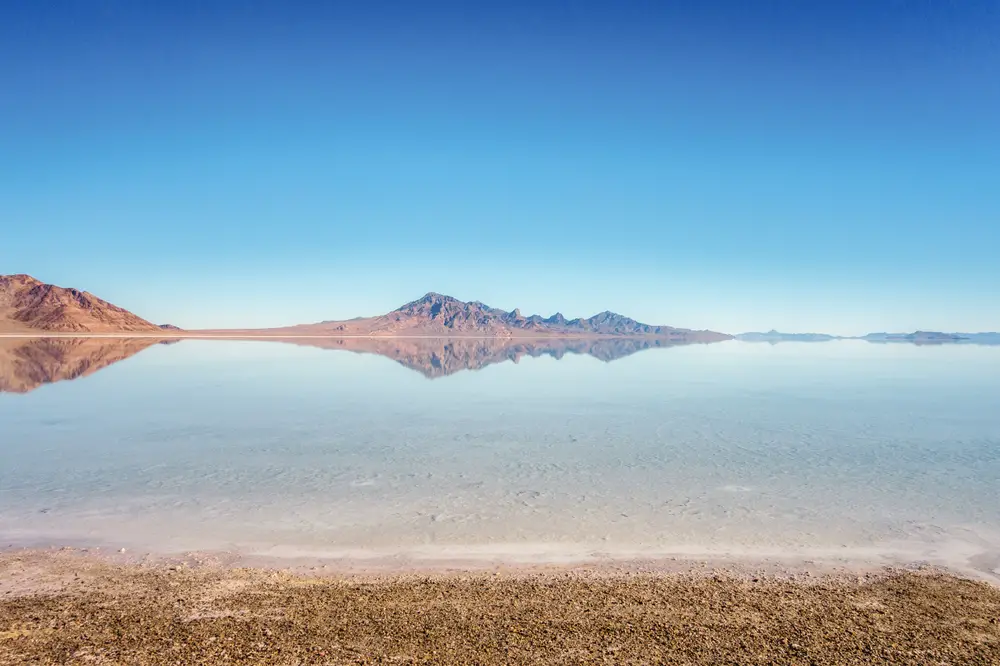
The Great Salt Lake is not a trendy postcard destination for most people, but it’s a beloved ecosystem—and a giant environmental warning sign. As the lake level drops, the exposed lakebed can create dust problems that raise public health concerns, and the ecological impacts ripple outward. Birds rely on it, regional weather patterns can be affected, and communities feel the consequences. A lake can “exist” and still become functionally unrecognizable. That’s the direction this one has been flirting with.
The eerie part is that a shrinking lake doesn’t feel dramatic until it suddenly does. People don’t panic when water recedes slowly—they panic when the air quality shifts, when wildlife collapses, and when the economic and health costs stack up. It’s also a reminder that some “climate” stories are also “water management” stories. Human decisions and climate pressure can team up and accelerate loss. If you’ve never cared about this lake, you might in 20 years.
10. The Amazon’s Most Touristed Regions
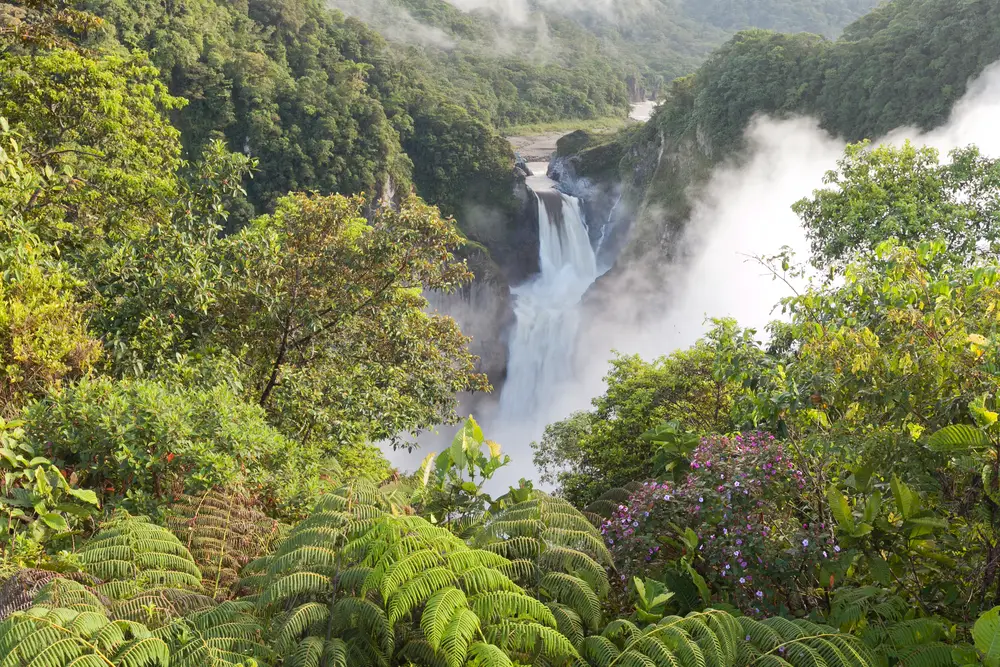
People don’t usually say “I’m going to the Amazon” like it’s a casual weekend plan—it’s a dream trip, a life list moment. But deforestation, drought, and fire risk can change what visitors experience, and what ecosystems can sustain. Certain regions could face more closures, more smoke seasons, and more degraded habitats. The Amazon won’t vanish in 20 years, but parts of it could shift into a different ecological state. A rainforest doesn’t have to disappear to stop behaving like a rainforest.
Tourism in the Amazon also depends on stability: safe river travel, reliable seasons, and communities that can support visitors without being overwhelmed. When those conditions get disrupted, the trip becomes harder, riskier, and less accessible. People imagine the Amazon as eternal, but ecosystems are not immortal. They are relationships—between trees, rainfall, soil, wildlife, and temperature. Break enough of that relationship, and you get a different place with the same name.
11. The Outer Banks, North Carolina
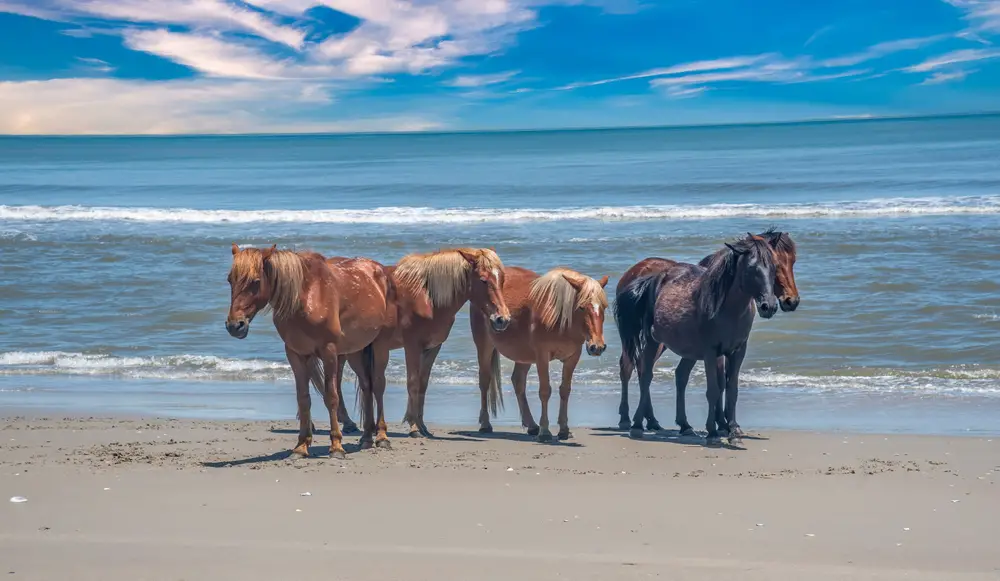
The Outer Banks are beloved because they feel like a thin ribbon of freedom—sand dunes, sea grass, wild horses, and a sense of being at the edge of everything. Barrier islands are dynamic by nature, which is part of the beauty, but rising seas and stronger storms can accelerate erosion and overwash. That can mean roads repeatedly damaged, homes relocated, and entire sections reshaped. In 20 years, some familiar stretches could be altered beyond recognition. People may still vacation there, but they might not be able to return to the same spots.
Barrier islands teach a hard lesson: land isn’t always permanent, especially when it’s made of sand. The most “romantic” parts are often the most fragile. As repairs and rebuilding get more expensive, communities face tougher choices about what gets saved and what gets surrendered. The Outer Banks might start feeling less like a carefree escape and more like a place constantly negotiating survival. And that changes how you experience it, even if the ocean still looks gorgeous.
12. Miami Beach
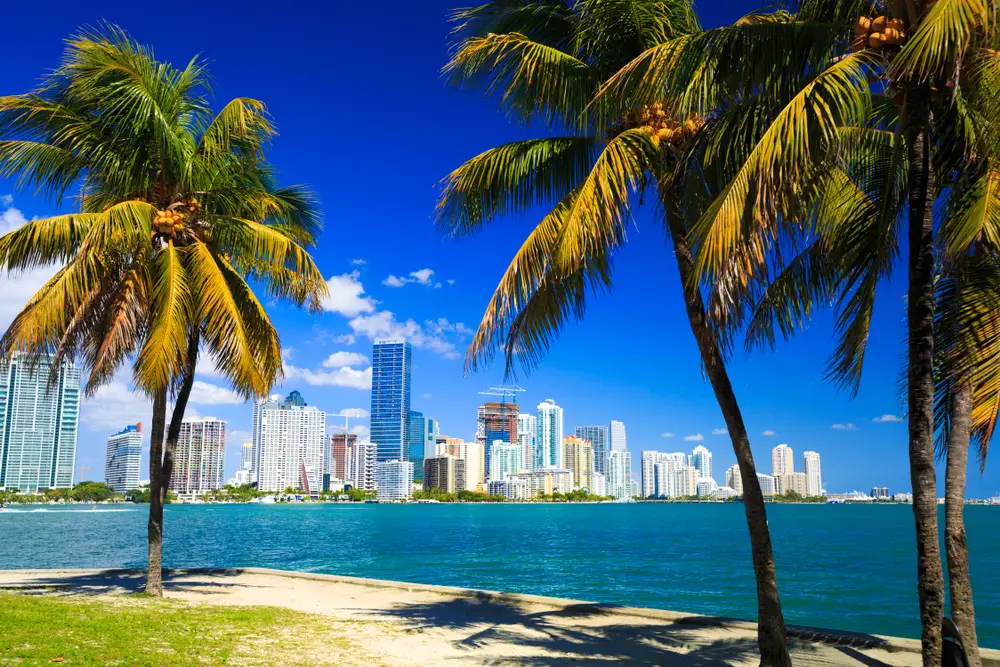
Miami Beach is already famous for flooding on sunny days, which is honestly one of the most dystopian flexes a city can have. Sea-level rise increases the frequency of high-tide flooding, and when flooding becomes routine, it starts eroding everything: roads, buildings, business continuity, insurance affordability, and basic quality of life. Federal and scientific assessments of sea-level rise consistently show continued increases this century, which makes low-lying coastal infrastructure more vulnerable over time. Miami Beach may not “disappear,” but it could become a city that’s far harder to live in, visit, or insure without massive adaptation. The future version might be more pumps and seawalls than champagne and ocean breeze.
The bigger issue is that “adaptation” has a personality—it changes a place’s vibe. Raised roads, construction zones, and constant mitigation work turn an effortless lifestyle city into a project site. And if insurance and maintenance become too costly, the social fabric shifts as only certain people can afford to stay. Miami Beach could become less of a glamorous playground and more of an expensive experiment in coastal survival. That’s still a story, but it’s not the one people are booking flights for.
13. The Seychelles’ Most Famous Beaches
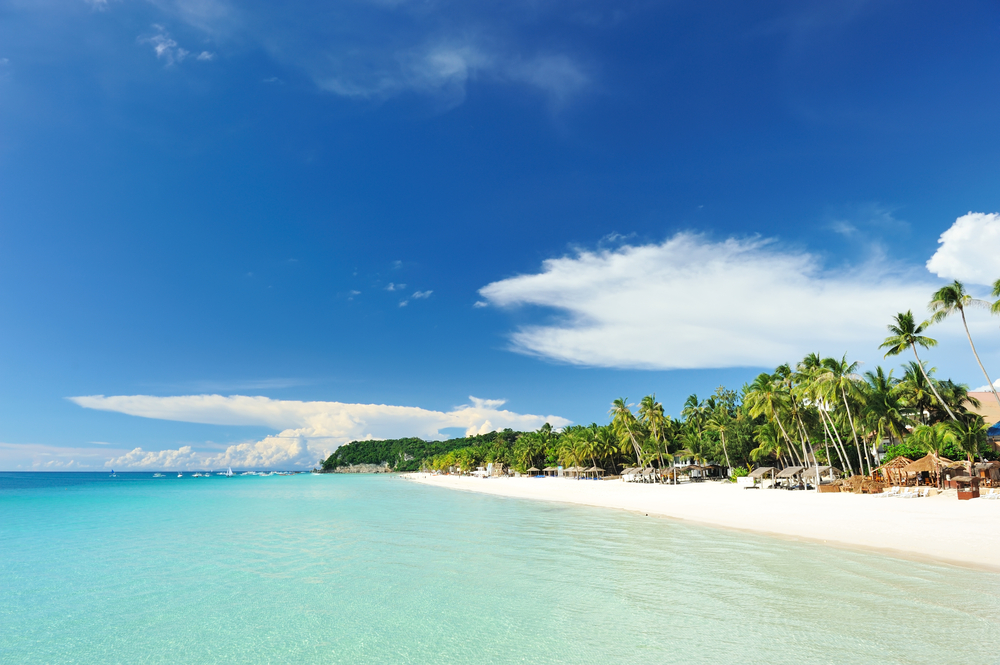
The Seychelles sells an image: granite boulders, blinding sand, unreal turquoise water. But island beaches are sensitive to sea-level rise and erosion, and coral reef health affects how coastlines are protected from wave energy. Even small changes can reshape the “signature” look people travel for. Over two decades, you could see beaches narrowing, protective reefs weakening, and storms carving coastlines in new ways. The place might still be paradise, but not the same postcard.
There’s also an emotional element with iconic beaches: they feel personal to people who visited at the right moment. When beaches retreat, it’s not just “less sand.” There’s less room for turtles to nest, less buffer for vegetation, and less stability for beachfront infrastructure. A destination can stay gorgeous while becoming more fragile and more restricted. Some beaches may require restoration, protection measures, or limited access. Paradise with rules hits differently.
14. Lake Mead, USA
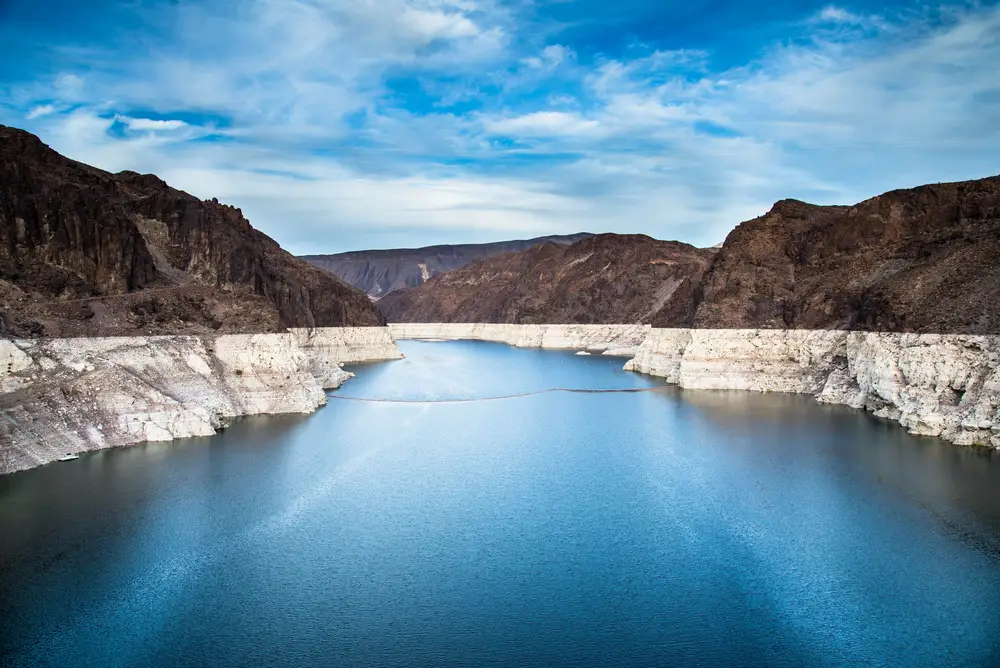
Lake Mead is a strange kind of beloved: part recreation spot, part vital water storage, part visual proof that the American Southwest is running out of easy options. As water levels drop, marinas move, boat ramps close, and the shoreline becomes a ghostly ring of “where the water used to be.” Over 20 years, continued stress from heat and drought could keep reshaping what the lake looks like and how people use it. The lake might remain, but it may not function the way visitors remember. A “lake day” can turn into a history lesson fast.
The deeper drama is that Lake Mead isn’t just scenery—it’s tied to water supply and regional stability. When it struggles, it’s not only disappointing for vacationers; it’s destabilizing for millions of people. Recreational loss is often the first thing people notice because it’s visible. But the real story is how water scarcity forces hard choices that ripple through cities, agriculture, and energy. You can’t separate the vibes from the infrastructure anymore. And that’s exactly the point.
15. Iceland’s Most Photographed Glacial Landscapes
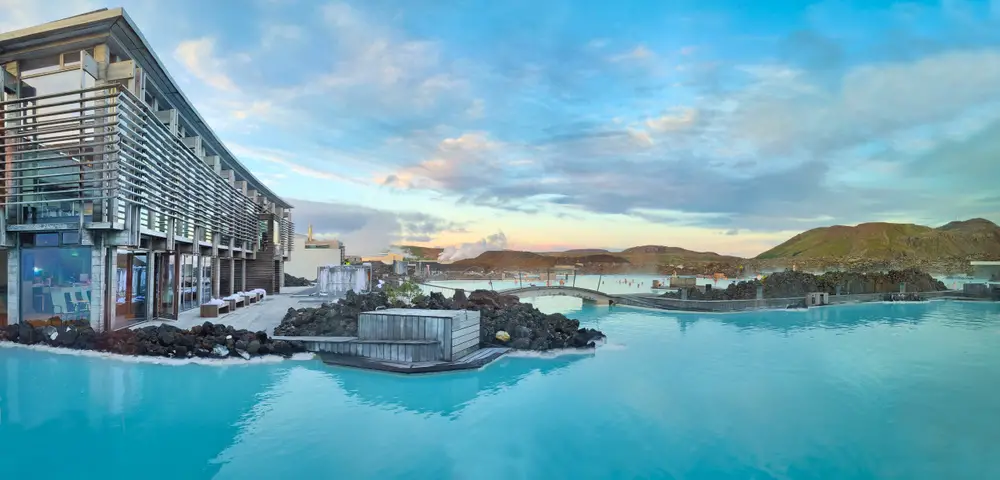
Iceland’s glacier lagoons, ice caves, and dramatic meltwater scenery have become social media icons—blue ice, black sand, cinematic everything. But glaciers don’t do “stable aesthetics.” As they retreat, ice caves can become less safe and more seasonal, lagoons can change shape, and entire landscapes can shift from ice-dominant to water-dominant. The country will still be breathtaking, but specific sights people travel for may become harder to access, shorter-lived, or gone. You can’t build a bucket list on melting infrastructure.
What makes Iceland emotionally intense is that you can watch change happen in real time. A place you visited once can look different when you return a few years later, not because of new construction, but because the land itself is evolving. That’s awe-inspiring and unsettling at the same time. Over the next 20 years, Iceland may become an even bigger symbol of the climate era—still beautiful, but carrying more visible loss. It won’t stop people from going. It might just change why they go, and what they’re hoping to find.