
In the race to combat climate change, traditional solutions like reducing emissions and increasing renewable energy are crucial, but they aren’t the only options on the table. There’s a growing interest in unconventional and sometimes downright bizarre ideas that might just hold the key to a more sustainable future. While some of these solutions sound like they’re pulled from the pages of a sci-fi novel, they are backed by scientific research and could play a significant role in addressing environmental challenges. Here are 15 climate solutions that may sound crazy but might actually work, bringing innovation and hope to the global fight against climate change.
1. Reflective Crops
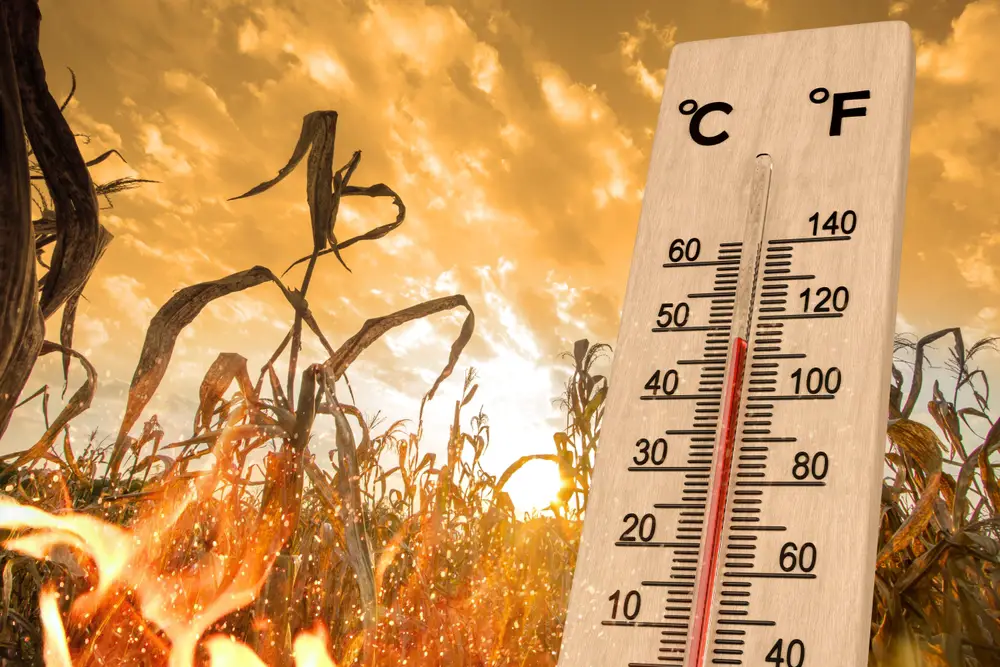
Imagine walking through a field of crops that don’t just provide food but also cool the planet. Reflective crops are genetically modified or selectively bred to have a higher albedo, meaning they reflect more sunlight back into the atmosphere. This reflection can help cool local climates and potentially mitigate global warming impacts. You might think it sounds a little like magic, but there’s science to back it up.
According to a study published in the journal *Nature Climate Change*, simply increasing the reflectivity of crops could offset up to 20% of regional summer warming in agricultural areas. The researchers suggest that this method could be a low-cost geoengineering strategy to help combat climate change. While the idea of altering crops might raise eyebrows, the potential benefits can’t be ignored. It’s a compelling example of how creative scientific thinking can lead to unexpected climate solutions.
2. Cloud Seeding

You’ve probably seen clouds as fluffy shapes in the sky, but what if they could also be climate heroes? Cloud seeding involves adding substances like silver iodide to clouds to encourage rain or snow, which can help cool the Earth’s surface. While it sounds like weather manipulation from a sci-fi flick, it’s already been used in some places to manage water resources. It might not solve climate change alone, but it could be a valuable tool in a broader strategy.
Skeptics worry about the potential for unintended consequences, such as disrupting natural weather patterns. However, proponents argue that with careful management, the risks can be minimized. It’s all about finding a balance between innovation and caution. As we look for new ways to tackle climate change, solutions like cloud seeding remind us that the answers might lie in the skies above.
3. Biochar
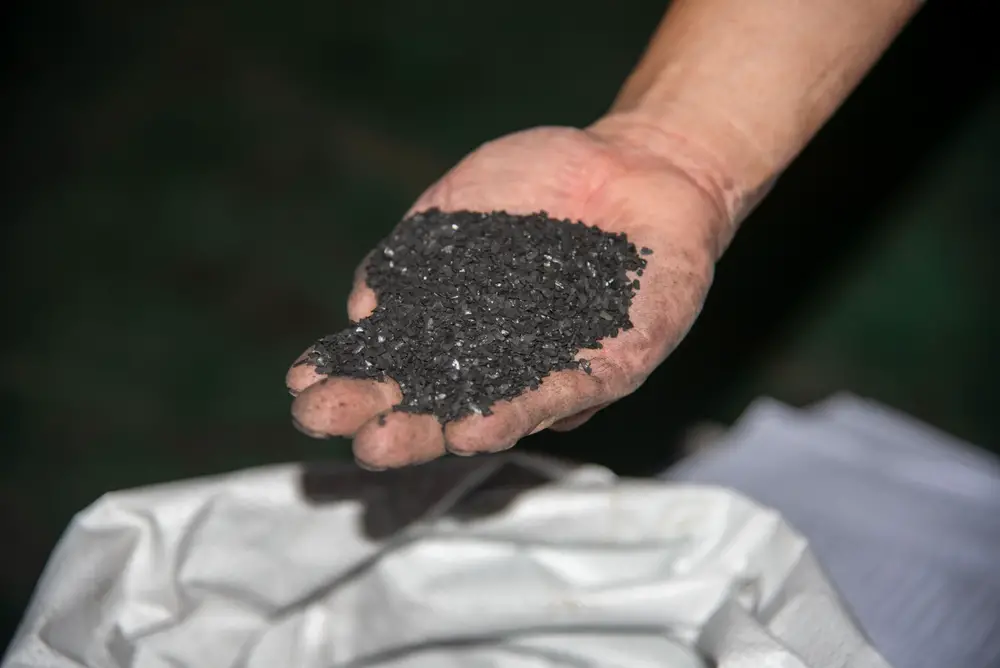
Turning waste into a climate solution might sound too good to be true, but that’s exactly what biochar proposes. Biochar is a type of charcoal made from organic material heated in a low-oxygen environment, and it’s hailed for its ability to improve soil health and sequester carbon. When used in agriculture, it can enhance crop yields while capturing carbon that would otherwise contribute to global warming. It’s a win-win that turns agricultural waste into something valuable for the planet.
A report by the International Biochar Initiative highlights its potential to reduce greenhouse gas emissions by up to 1.8 gigatons of CO2-eq per year. However, large-scale implementation still faces challenges, such as cost and the need for further research. Despite these hurdles, biochar shines as a promising example of how we can harness natural processes for climate mitigation. It serves as a reminder that sometimes the best solutions come from looking at what’s right under our feet.
4. Algae Biofuel
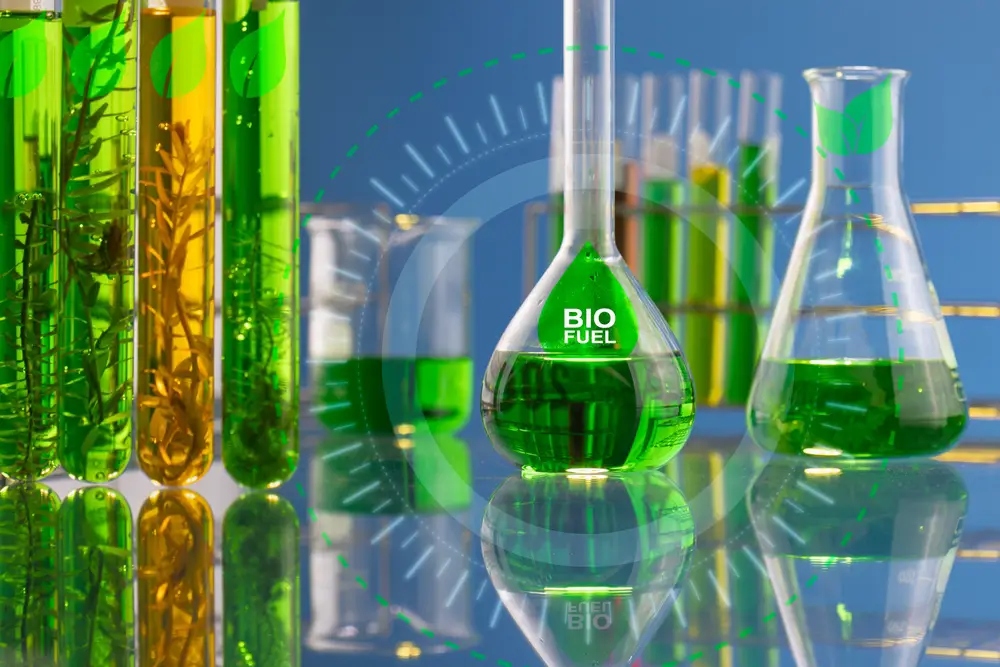
Next time you’re at the beach, look at the seaweed and know it might hold the key to greener energy. Algae biofuel is created by harvesting algae, which can be converted into a renewable energy source. This process produces fewer emissions than fossil fuels and can be cultivated in areas not suitable for traditional agriculture, like deserts or saltwater. It’s an energy revolution that starts in the water.
One of the biggest advantages of algae is its rapid growth rate and high yield per acre compared to other biofuel crops. However, there’s still work to be done to make algae biofuel commercially viable. The costs are high, and researchers are working to improve efficiency and scalability. Still, the potential is immense, which makes it a fascinating area of innovation in the search for sustainable energy solutions.
5. Ocean Iron Fertilization

Picture this: adding iron to the ocean to stimulate the growth of phytoplankton, which then absorbs carbon dioxide from the atmosphere. This is the concept behind ocean iron fertilization, a geoengineering technique aiming to enhance the ocean’s natural capacity to sequester carbon. While it sounds like a sci-fi plot, it’s rooted in real scientific experiments that have shown promising results. The idea is to boost natural processes to help offset human carbon emissions.
The National Oceanic and Atmospheric Administration (NOAA) has been involved in studies to understand the potential and risks of this method. Critics warn of the ecological impacts, such as harmful algal blooms or disruptions to marine ecosystems. Still, proponents believe that with strict protocols, it could be a part of the climate solution arsenal. It’s a bold concept that forces us to think creatively about how we interact with the natural world.
6. Vertical Farming
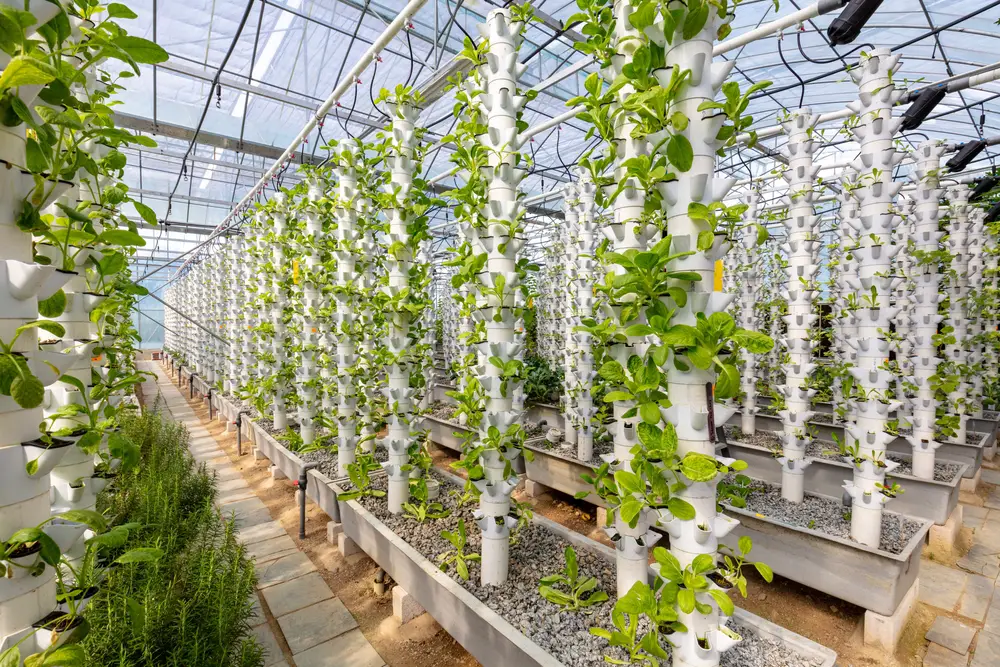
When space is limited, why not grow up? Vertical farming involves cultivating crops in stacked layers, often using hydroponic or aeroponic systems, to maximize space efficiency and resource use. This method can reduce the need for pesticides, decrease water usage, and bring fresh produce closer to urban centers. It’s a smart solution in a world where arable land is shrinking and urban populations are booming.
By growing food indoors, vertical farms can operate year-round, regardless of weather conditions. However, the initial setup costs and energy demands for indoor climate control remain challenges. Despite these hurdles, the controlled environment offers opportunities to optimize conditions for plant growth, potentially leading to higher yields. It’s an innovative approach to food production that could redefine how we think about farming in the future.
7. White Roofs

What if painting roofs white could help cool the planet? The idea behind white roofs is simple: lighter colors reflect more sunlight, reducing cooling needs and mitigating the urban heat island effect. This low-cost, straightforward solution has been implemented in cities around the world to lower temperatures and energy bills. It’s a small change with a big impact, making it an attractive option for communities looking to combat climate change.
The Environmental Protection Agency (EPA) has noted the effectiveness of cool roofs in their reports, emphasizing their role in reducing energy consumption. They can also extend the lifespan of roofing materials, offering economic benefits alongside environmental ones. While it’s not a catch-all solution, white roofs are a shining example of how small adjustments can contribute to broader climate goals. They remind us that sometimes the simplest ideas can be the most effective.
8. Artificial Trees

What if trees didn’t need water, soil, or even sunlight? Enter artificial trees, designed to mimic the carbon-capturing abilities of their organic counterparts. These structures use chemical processes to absorb carbon dioxide from the air, potentially offsetting emissions from other sources. It’s an intriguing concept that blends nature’s genius with human innovation.
Artificial trees could be deployed in locations where traditional reforestation isn’t viable, offering flexibility in addressing carbon footprints. However, the technology is still in its infancy, with high costs and energy requirements posing significant barriers. Despite these challenges, researchers are optimistic about its potential as a scalable climate solution. It’s a futuristic idea that could complement natural ecosystems in the fight against climate change.
9. Meat Substitutes

Imagine a world where burgers are made from plants but taste just like the real thing. Meat substitutes have gained popularity as a way to reduce the environmental impact of livestock farming, which is a major source of greenhouse gas emissions. By replicating the texture and flavor of meat using plant-based ingredients or lab-grown cells, these products offer an eco-friendly alternative for meat lovers. It’s a delicious way to make a difference.
The industry has seen rapid growth, with companies investing heavily in research to improve taste and affordability. Yet, there are challenges, including overcoming consumer perceptions and scaling production. Despite these obstacles, the potential environmental benefits make it a compelling area of innovation. It’s a tasty reminder that climate solutions can be both sustainable and satisfying.
10. Plastic-Eating Bacteria

In a world drowning in plastic waste, what if bacteria could come to the rescue? Scientists have discovered strains of bacteria that can break down certain types of plastic, offering a potential solution to the pollution problem. These microorganisms digest plastic as a food source, turning waste into harmless byproducts. It’s a natural process that could revolutionize how we handle plastic waste.
The discovery has sparked interest in developing ways to harness these bacteria on a larger scale. However, there are challenges, such as ensuring the process is efficient and economically viable. Despite these hurdles, the idea of using nature to solve human-created problems is an exciting prospect. It highlights the potential for bio-innovation to play a pivotal role in future waste management strategies.
11. Solar Roads
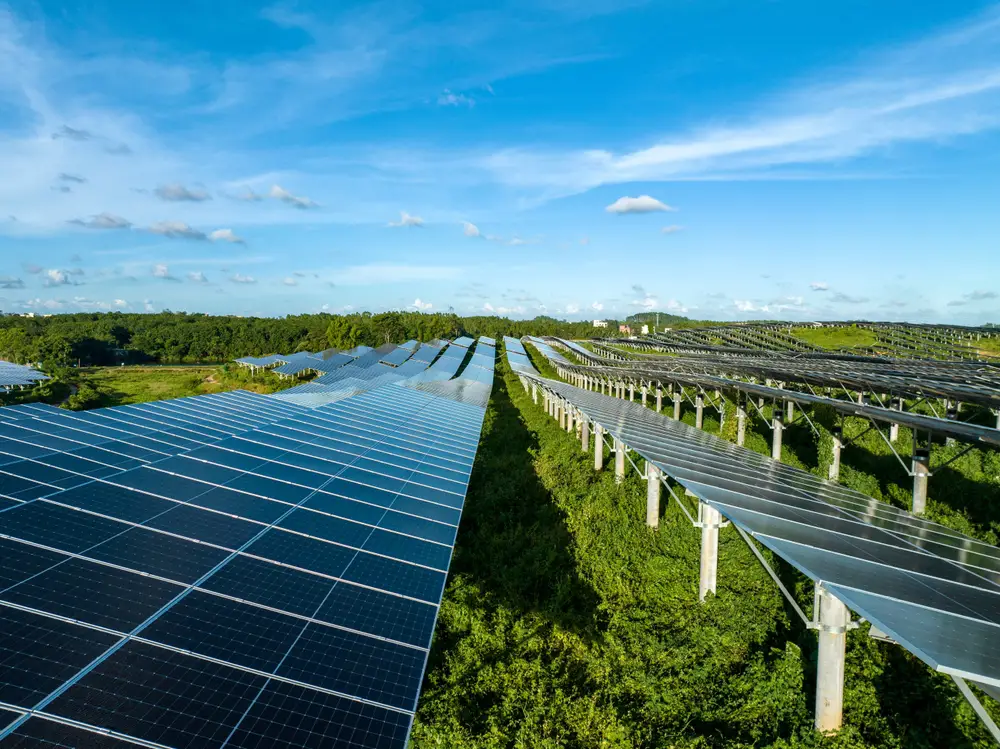
Imagine driving on roads that generate clean energy while you cruise to work. Solar roads incorporate photovoltaic cells into road surfaces, converting sunlight into electricity. This dual-purpose infrastructure could power streetlights, electric vehicles, and even nearby homes. It’s a bright idea that combines transportation and energy in one innovative package.
While pilot projects have shown promise, challenges like durability and cost remain significant barriers. However, continuous advancements in materials science and renewable technology offer hope for overcoming these obstacles. Solar roads remind us that integrating sustainability into our everyday lives can create new opportunities for innovation. It’s a futuristic vision that could transform our roadways into power stations.
12. Air-Conditioning from Deep Water

What if cooling your home didn’t rely on electricity? Air-conditioning from deep water, known as seawater air-conditioning, uses cold seawater to cool buildings, reducing reliance on traditional energy sources. This system taps into the lower temperatures found at ocean depths to provide efficient climate control. It’s a cool idea that offers an energy-efficient alternative to conventional cooling methods.
The technology has been successfully implemented in places like Hawaii, where energy costs are high, and environmental concerns are pressing. However, it requires proximity to deep-water sources, limiting its applicability in some regions. Despite these limitations, it represents a creative approach to harnessing natural resources for sustainable living. It’s a refreshing reminder that sometimes the solutions are right beneath the surface.
13. Biodegradable Bags from Shrimp Shells
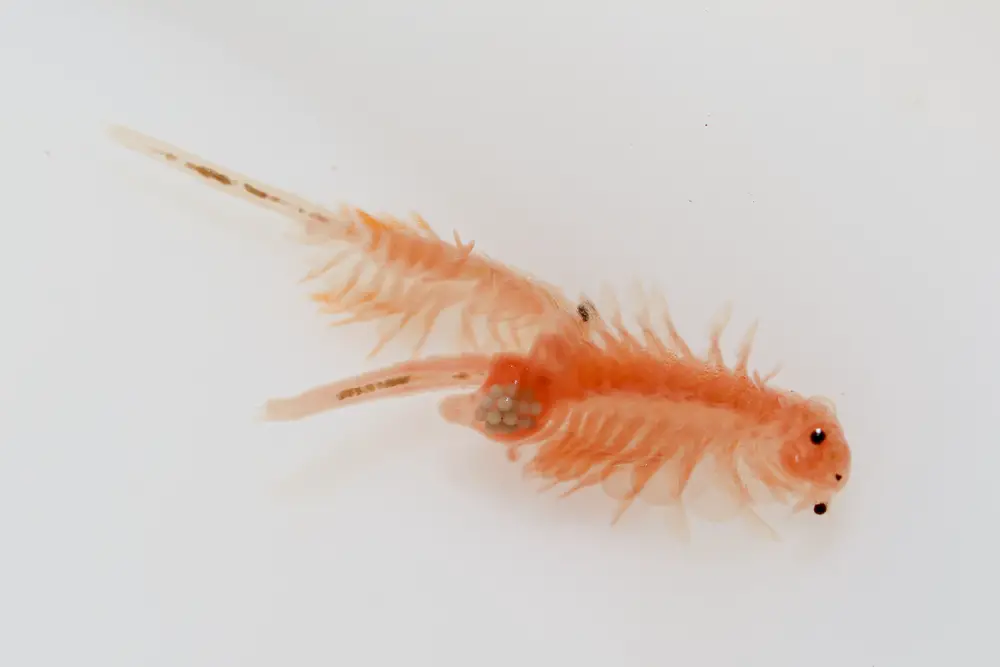
In the fight against plastic pollution, what if shrimp shells could hold the key? Researchers have developed biodegradable bags made from chitin, a material derived from shrimp shells, as an alternative to traditional plastic. These bags break down naturally and reduce the environmental impact of single-use plastics. It’s a clever way to turn waste into a sustainable resource.
The process involves extracting chitin and transforming it into a polymer that mimics the properties of plastic. While promising, scaling up production remains a challenge, particularly in sourcing sufficient raw materials. Nonetheless, it’s an innovative example of how we can repurpose natural materials to address modern problems. It demonstrates the potential for sustainable materials to replace conventional plastics in everyday use.
14. Carbon Capture and Storage

Picture a world where carbon emissions are captured before they reach the atmosphere. Carbon capture and storage (CCS) involves capturing CO2 emissions from sources like power plants and storing them underground to prevent them from contributing to global warming. It’s a technology that could play a pivotal role in reducing industrial carbon footprints. It’s a strategic approach that tackles emissions directly at their source.
While CCS has been implemented in various pilot projects, high costs and technical challenges remain hurdles to widespread adoption. The International Energy Agency (IEA) emphasizes the need for policy support and investment to drive further development. Despite these challenges, CCS offers a practical solution to bridge the gap between current reliance on fossil fuels and future renewable energy goals. It’s a reminder that tackling climate change requires a multifaceted approach, combining both prevention and remediation strategies.
15. Geoengineering with Sulfate Aerosols

Imagine a world where we could deliberately cool the planet by mimicking volcanic eruptions. Geoengineering with sulfate aerosols involves releasing particles into the stratosphere to reflect sunlight and reduce global temperatures. It’s a controversial idea that has sparked intense debate among scientists and policymakers. Yet, it’s a potential emergency measure if climate change impacts become too severe to manage with traditional methods alone.
Critics worry about the ethical and environmental risks, such as changes in precipitation patterns or ozone depletion. However, supporters argue that research and controlled experimentation could help mitigate these risks. It’s a bold concept that highlights the urgency of exploring all options in the face of a climate crisis. It urges us to consider how far we’re willing to go to preserve the planet for future generations.