
Animals don’t always attack, flee, or ignore humans immediately. Many species pause, assess, and subtly test behavior before deciding how to respond. These moments often look calm on the surface, but they’re actually loaded with evaluation and risk. Here are the animals that observe first—and act later.
1. Wolves
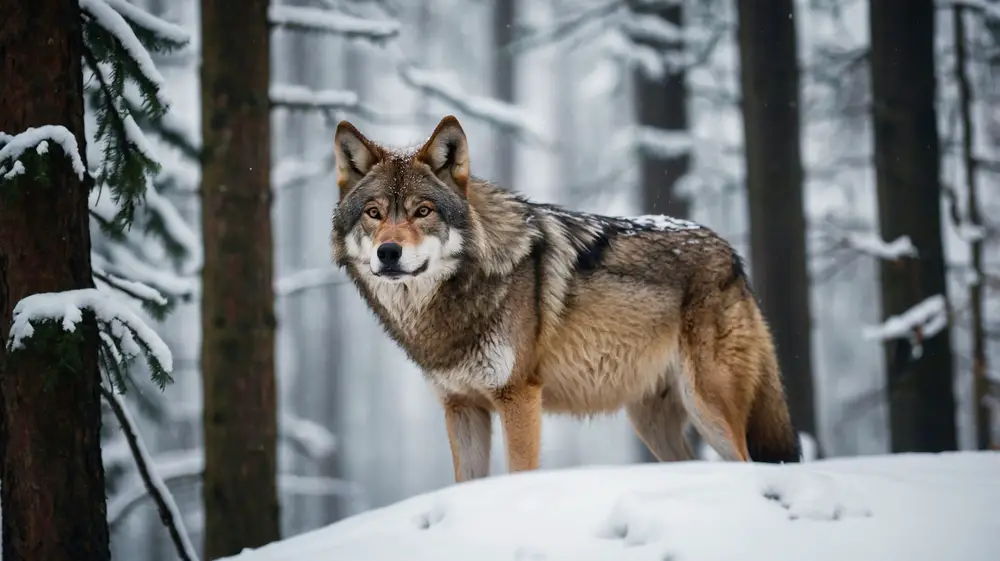
Wolves are known for watching humans quietly before reacting, especially in remote areas. They may circle at a distance, appear briefly, then disappear again, gathering information rather than confronting directly. This behavior allows them to assess threat level, group size, and confidence. The silence is intentional, not accidental.
Wildlife behavior studies from Yellowstone researchers note that wolves rely heavily on reading body language before making decisions. Sudden movements or fear responses can change the outcome quickly. Calm, steady behavior often signals non-prey status. The testing phase matters more than the encounter itself.
2. Mountain Lions
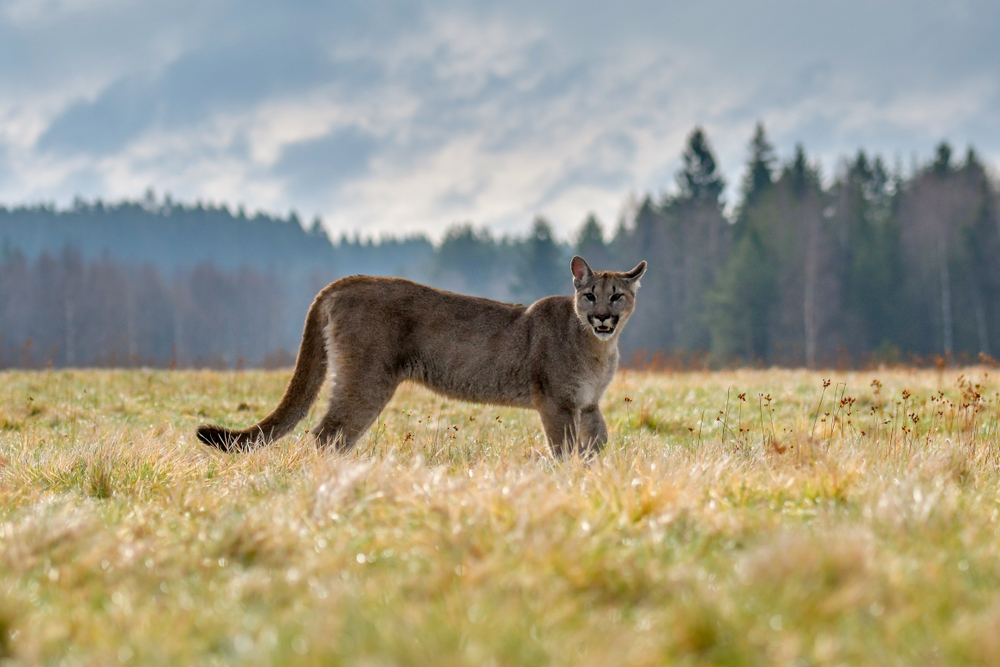
Mountain lions often pause and observe humans from cover before acting. They may follow briefly, reposition, or stare to assess vulnerability. This testing phase helps them determine whether a human is prey or a risk. Most encounters end before the person even knows they were evaluated.
According to state wildlife agency reports, eye contact and posture play a major role in how mountain lions interpret humans. Turning away or crouching can trigger pursuit instincts. Standing tall and maintaining awareness changes the outcome. The decision is made silently.
3. Orcas
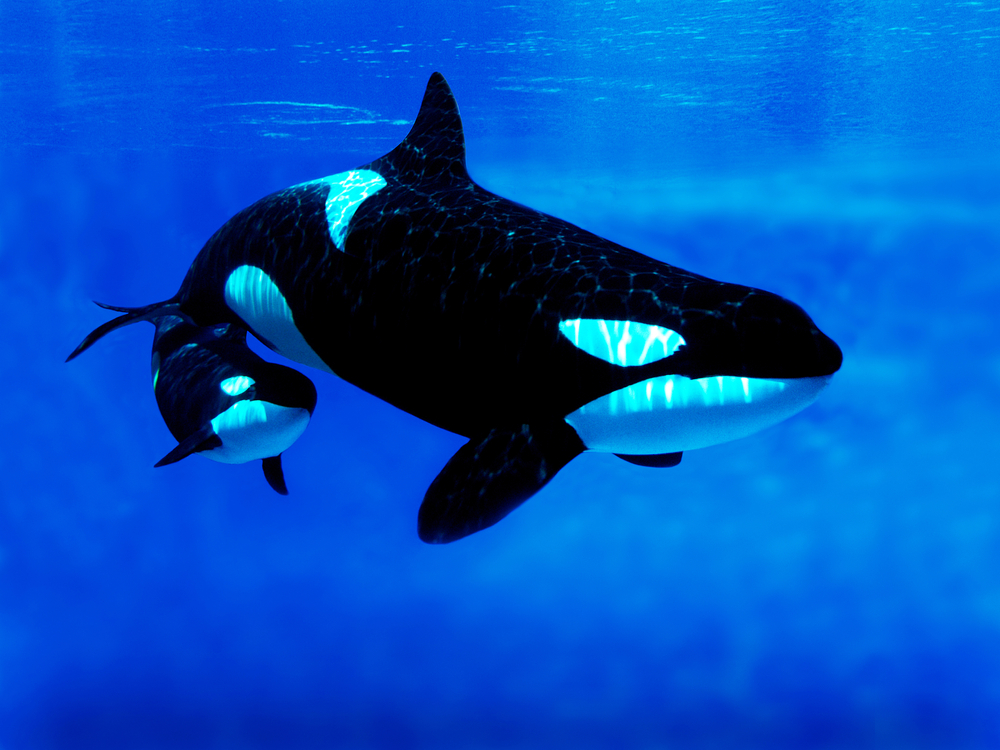
Orcas are famously curious and often test unfamiliar objects, including boats and humans. They may approach slowly, surface nearby, or mirror movements without aggression. This behavior reflects intelligence, not hostility. They are gathering information.
Marine cognition research consistently ranks orcas among the most intelligent animals on Earth. Studies show they investigate novelty before reacting emotionally. Their restraint is intentional and calculated. Curiosity comes before action.
4. Bears
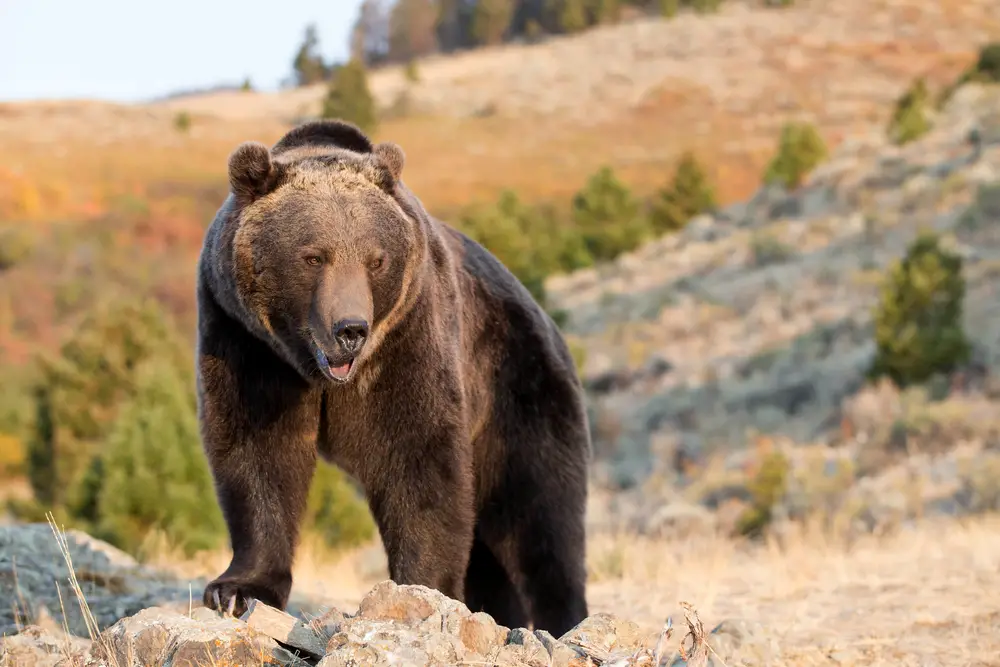
Bears frequently test humans by bluff charging, huffing, or standing upright. These actions are assessments rather than attacks. The bear is measuring confidence, distance, and response speed. Many encounters end if the test doesn’t escalate.
Bear behavior studies from North American conservation groups show bluff charges are far more common than real attacks. Running or panicking often turns a test into a chase. Calm resistance communicates risk. Bears decide quickly once information is gathered.
5. Chimpanzees
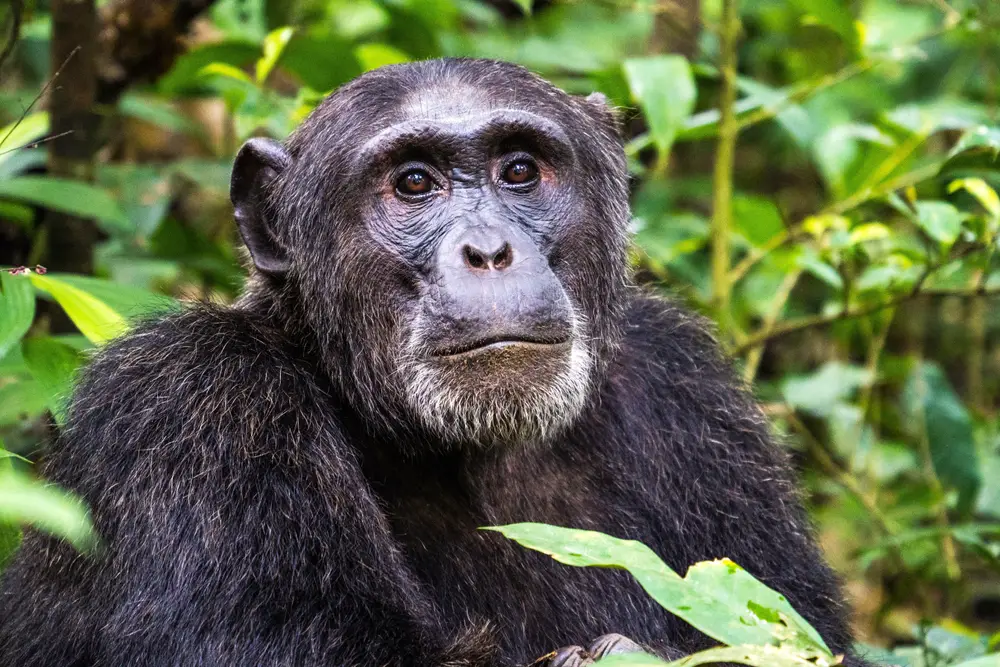
Chimpanzees test humans through staring, vocalizing, or approaching slowly. These behaviors assess dominance and threat rather than signaling immediate aggression. They are reading reactions closely. Emotional responses matter more than size.
Primatology research shows chimps are highly sensitive to perceived weakness. Hesitation or fear invites escalation. Confident but non-threatening behavior often prevents conflict. The test determines the next move.
6. Dolphins
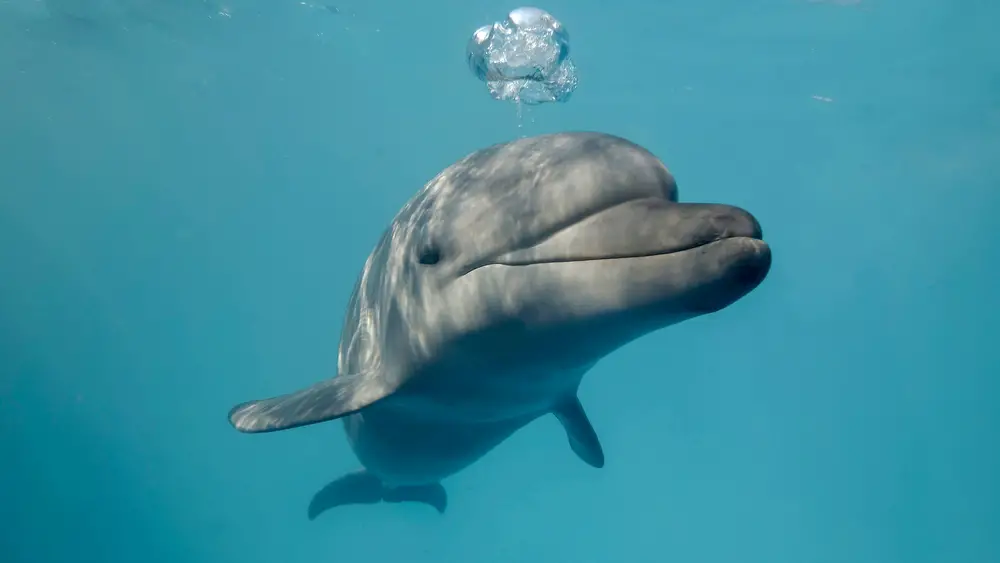
Dolphins frequently test humans by circling, nudging, or mimicking behavior. These interactions aren’t playful by default. Dolphins are evaluating intelligence, reaction, and predictability. Boundaries are being measured.
Marine biologists note dolphins use testing behavior to establish social hierarchy. Humans who respond unpredictably increase risk. Calm disengagement usually ends the interaction. The dolphin decides quickly.
7. Coyotes
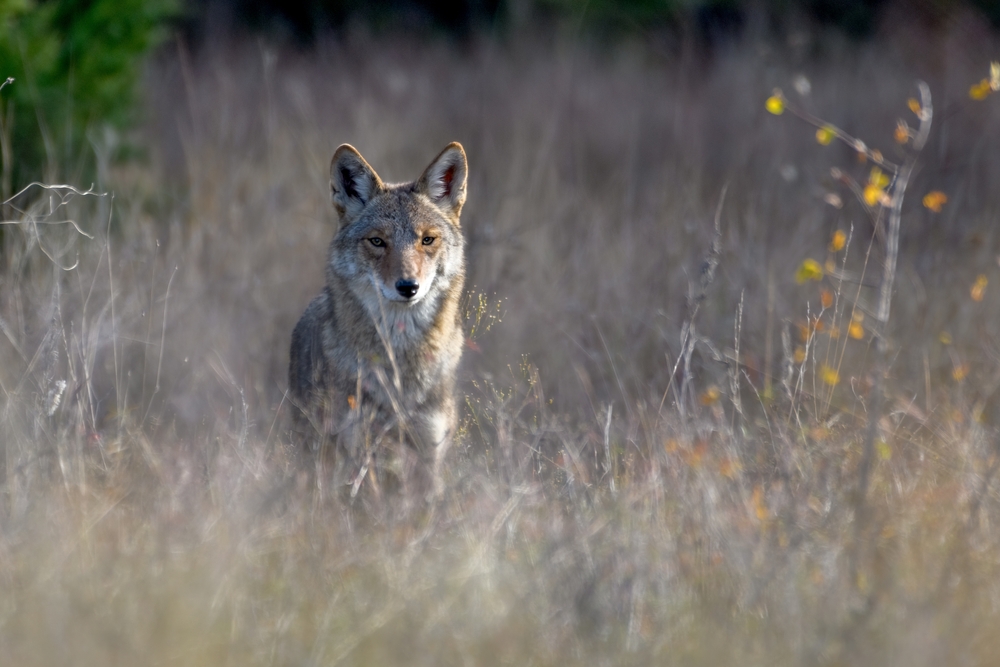
Coyotes may approach humans slowly, linger at a distance, or follow briefly. These behaviors test assertiveness and awareness. Coyotes are deciding whether a human is dominant or vulnerable. The evaluation happens fast.
Urban wildlife studies show coyotes adapt testing strategies based on human behavior. Feeding or ignoring them reinforces boldness. Clear boundary-setting discourages escalation. The test shapes future encounters.
8. Elephants
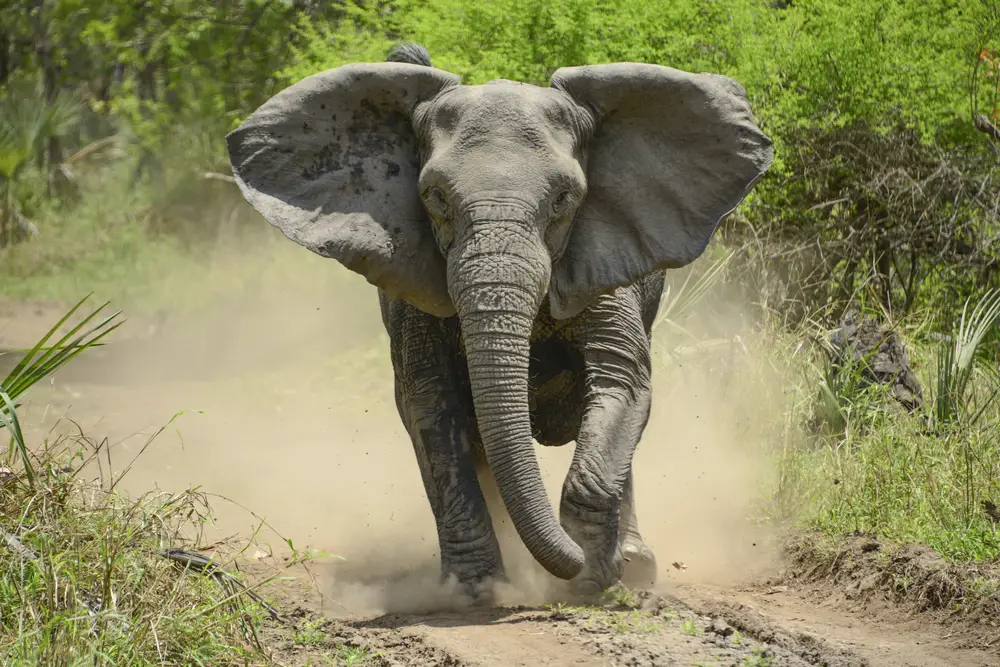
Elephants often pause and observe humans before reacting. They may display ears, vocalize, or approach slowly. These behaviors assess threat rather than signal attack. Experience plays a major role.
Conservation research shows elephants remember past human interactions vividly. Calm withdrawal reduces risk. Sudden movement escalates quickly. The test is about intent.
9. Komodo Dragons
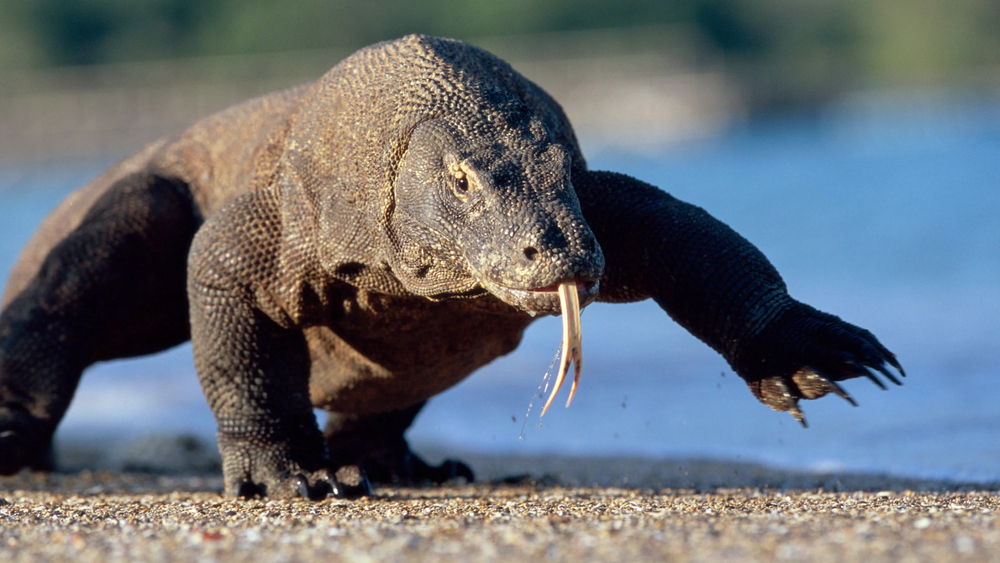
Komodo dragons often watch humans silently before approaching. They assess movement, injury, and awareness. Their testing phase can look passive. It is not.
Field research confirms Komodos rely on observation before hunting. Turning away signals vulnerability. Awareness changes outcomes. The decision is deliberate.
10. Leopards
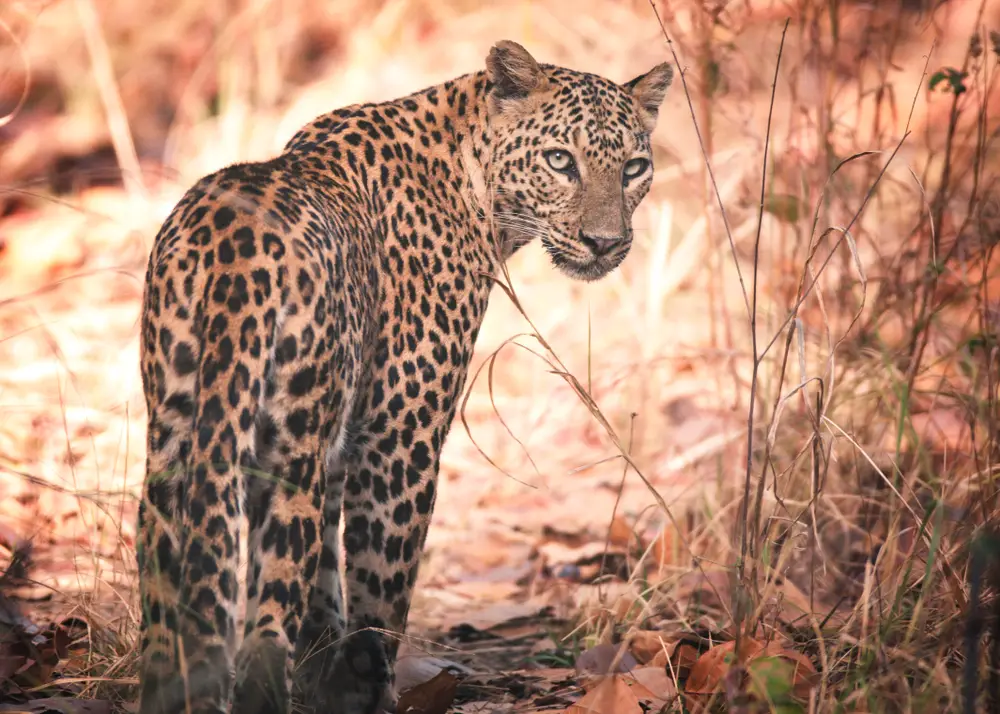
Leopards test humans through stalking and repositioning. They observe from cover and wait for behavioral cues. Confidence deters escalation. Fear invites pursuit.
Wildlife conflict studies show leopards abandon attacks when humans display awareness. Sudden retreat changes the equation. The test is psychological.
11. Hyenas
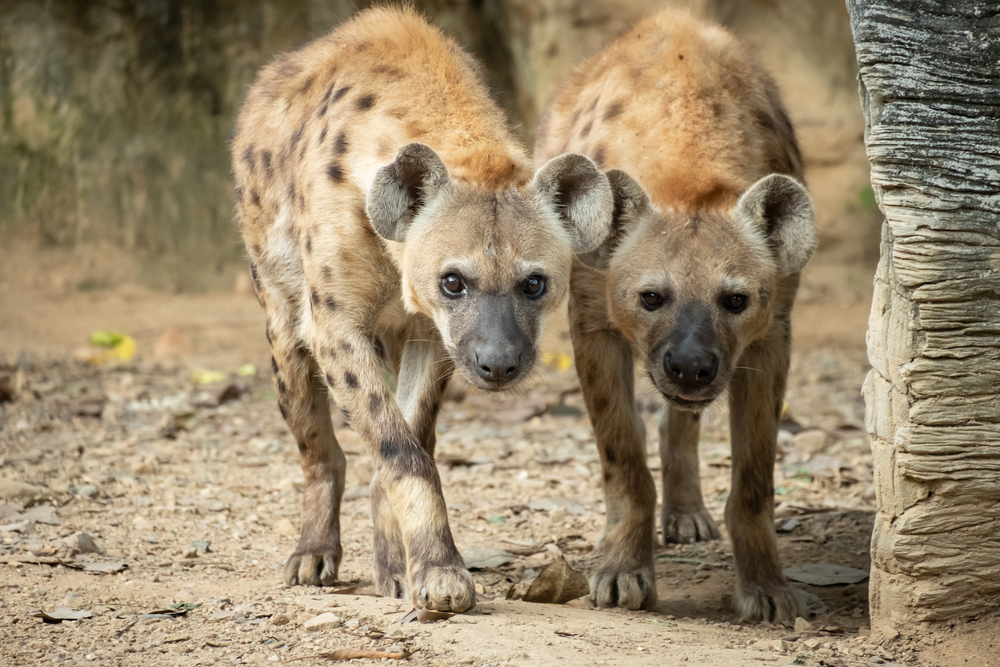
Hyenas test through vocalization, circling, and distance closing. They evaluate group dynamics carefully. Lone individuals face higher risk. The test determines safety.
Behavioral ecology research shows hyenas rely on collective decision-making. Calm group cohesion reduces danger. Panic accelerates threat. The test is communal.
12. Seals

Seals may approach humans closely to assess reaction. Biting is often exploratory, not predatory. Testing helps determine threat. Distance matters.
Marine mammal studies confirm seals use mouth contact to investigate. Calm withdrawal prevents escalation. Overreaction increases risk. The test is sensory.
13. Crocodiles
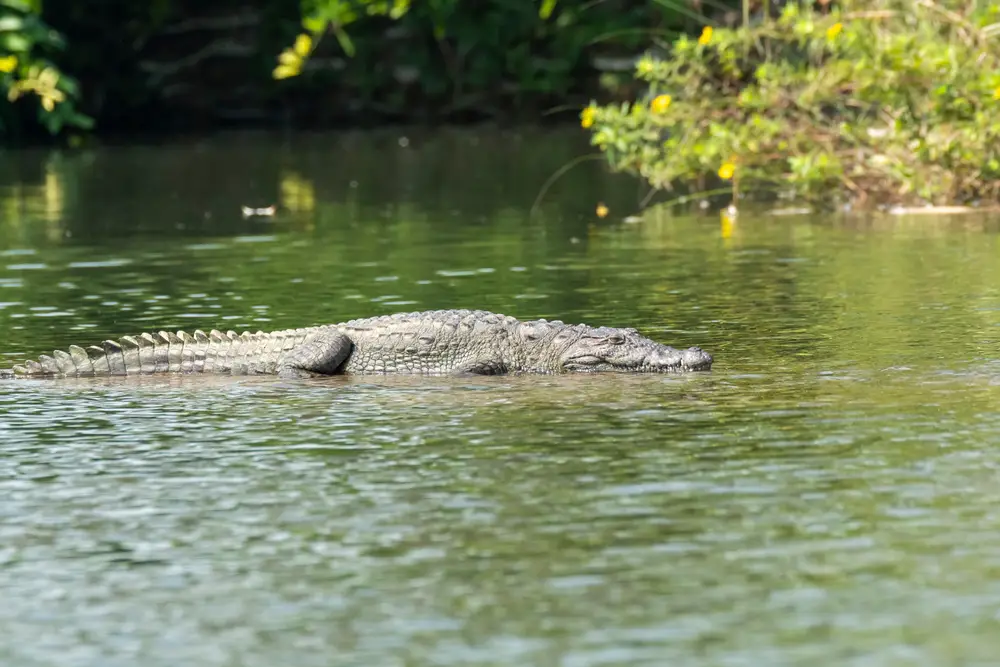
Crocodiles observe humans from stillness before acting. They watch patterns and habits. Testing occurs over time. Predictability increases danger.
Field studies show crocodiles learn routines quickly. Breaking patterns reduces risk. The test may span days. Awareness matters.
14. Wild Boar
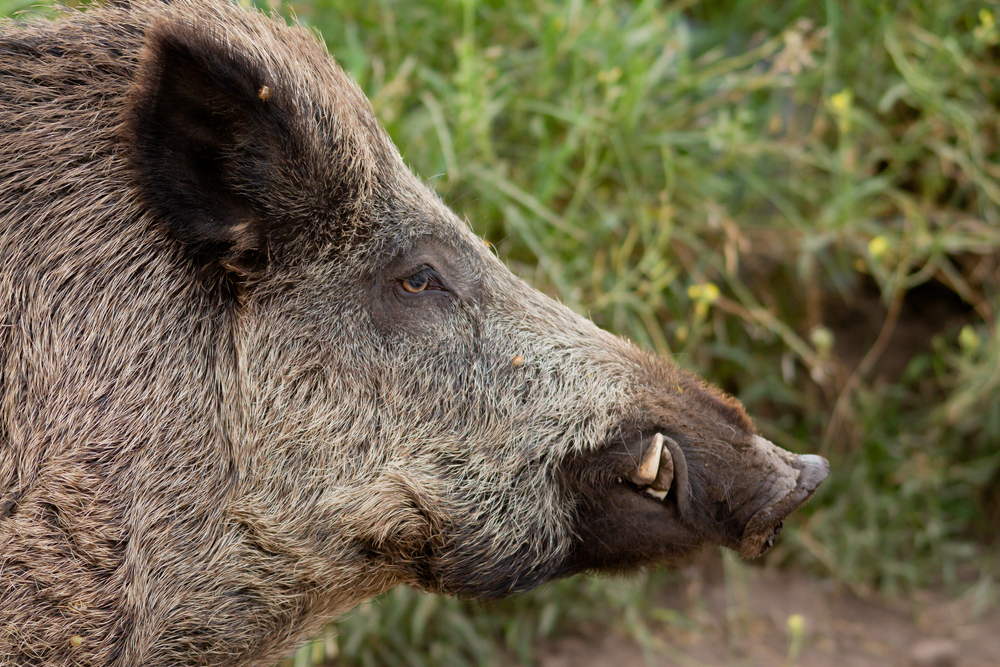
Boar test humans by stopping and watching before charging. The pause is a calculation. Movement determines outcome. Confidence matters.
Wildlife incident data shows most charges follow perceived threat. Calm backing away reduces escalation. The test is immediate.
15. Octopuses
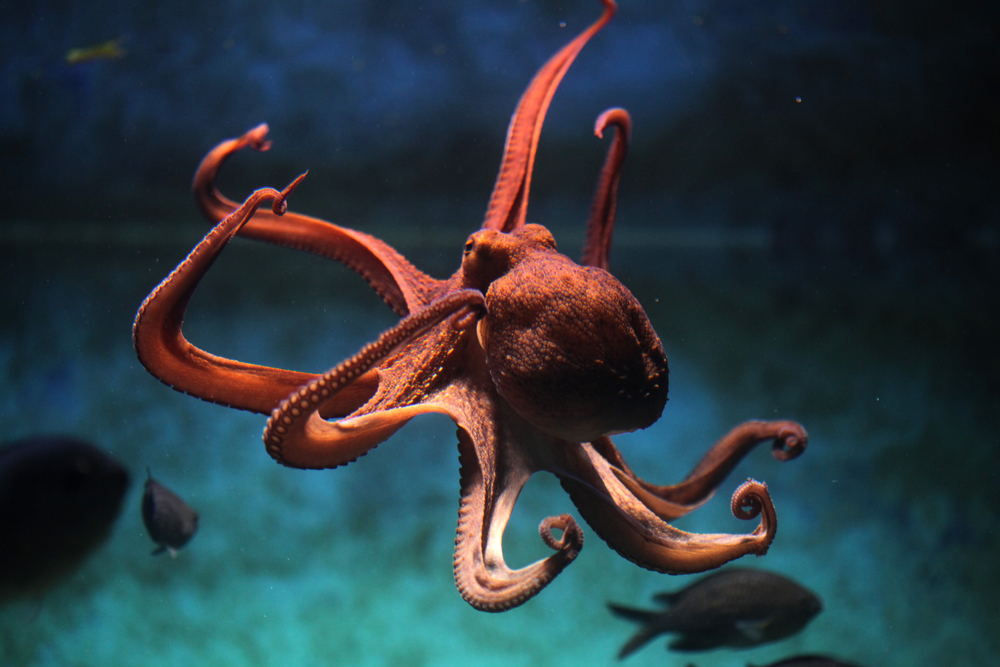
Octopuses test humans by touching, mimicking, or retreating and reapproaching. These actions assess intelligence and intent. Curiosity guides behavior. Danger is rare but possible.
Cephalopod cognition research shows octopuses engage in deliberate evaluation. Calm disengagement ends interaction. The test is thoughtful.