
You might think of your yard as controlled, safe, and familiar—but wildlife doesn’t read it that way. Certain plants quietly turn residential spaces into food chains. Predators don’t show up because they like your landscaping. They show up because something else did first.
1. Fruit Trees

Fruit trees drop food that attracts rodents and deer. Predators follow prey, not aesthetics. What feels wholesome can become a feeding signal. Activity increases without warning.
Wildlife management studies show coyotes and mountain lions frequently track prey into residential areas with fruit trees. The attraction is indirect but consistent. Your yard becomes a stop on a hunting route. That shift happens quietly.
2. Bird Feeders
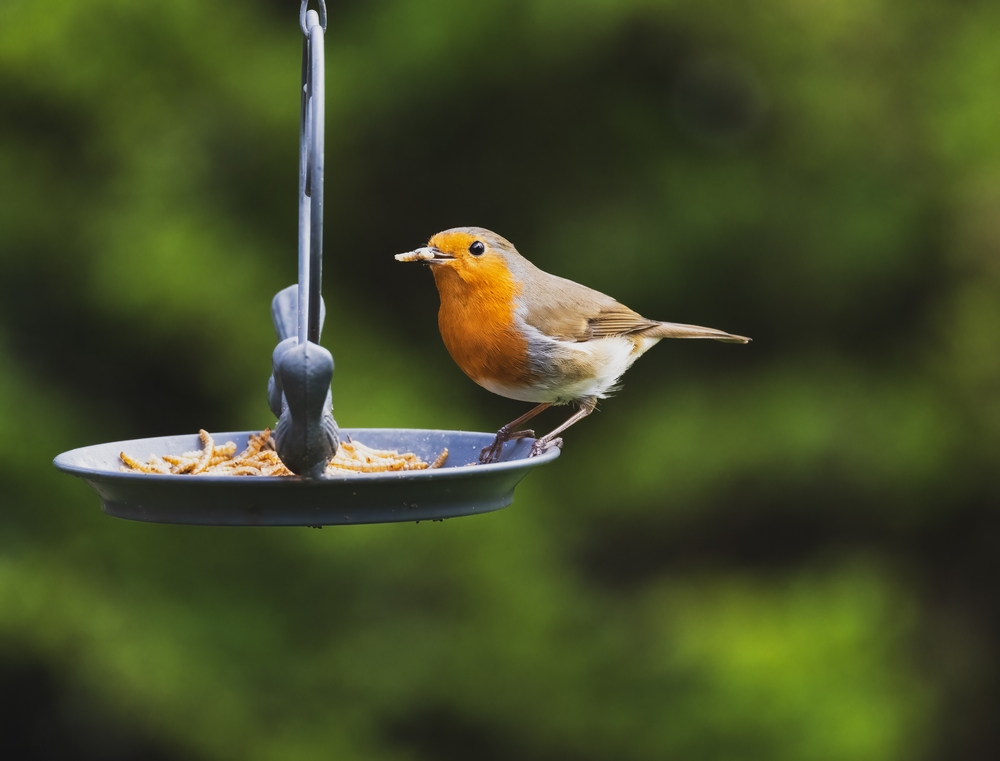
Bird feeders concentrate bird activity in one place. Predators learn those patterns quickly. Hawks, snakes, and even bobcats investigate. It’s predictable behavior.
Ecology research confirms feeder-heavy yards experience increased predator traffic. The issue isn’t feeding birds—it’s density. Concentration changes risk dynamics fast.
3. Dense Hedges
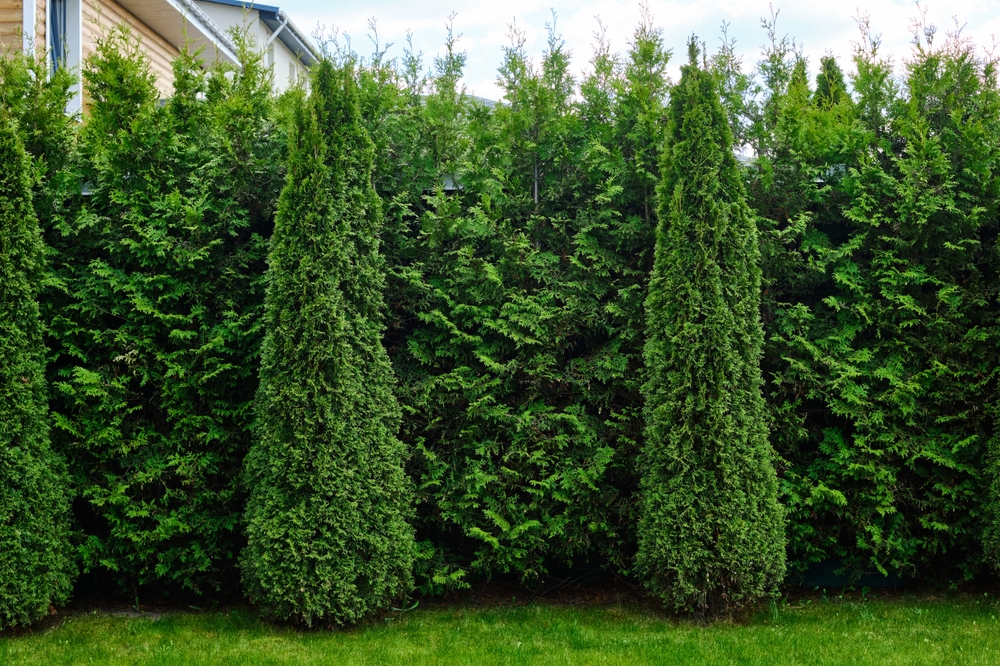
Thick hedges provide cover for small animals. Prey hide there. Predators hunt where prey hides. Shelter becomes strategy.
Urban wildlife studies show predators use hedges as ambush zones. Privacy landscaping doubles as hunting cover. Structure matters more than intent.
4. Water Features
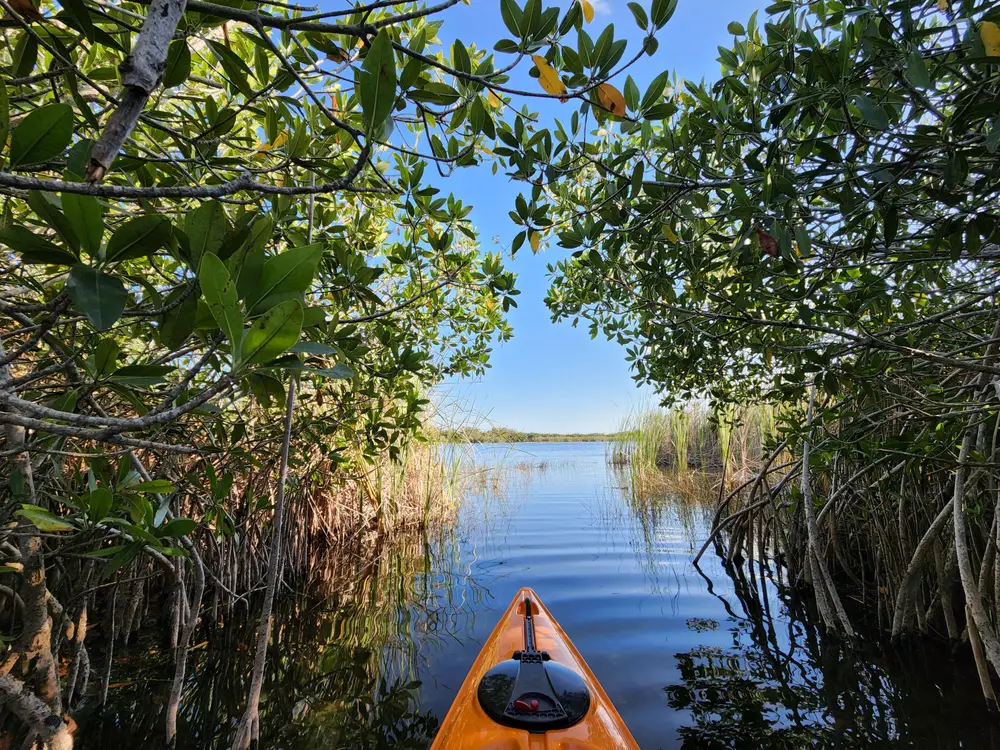
Ponds attract amphibians and mammals. Predators notice water sources quickly. Movement increases after dusk. The ecosystem expands overnight.
Conservation biology reports show standing water increases predator visits significantly. It’s not the pond—it’s the life it supports. That ripple effect is powerful.
5. Compost Piles

Compost attracts insects and rodents. Smell carries farther than sight. Predators follow scent trails. Activity spikes after dark.
Municipal wildlife data links composting to raccoon and fox activity. The food chain starts small. It rarely ends there.
6. Berry Bushes
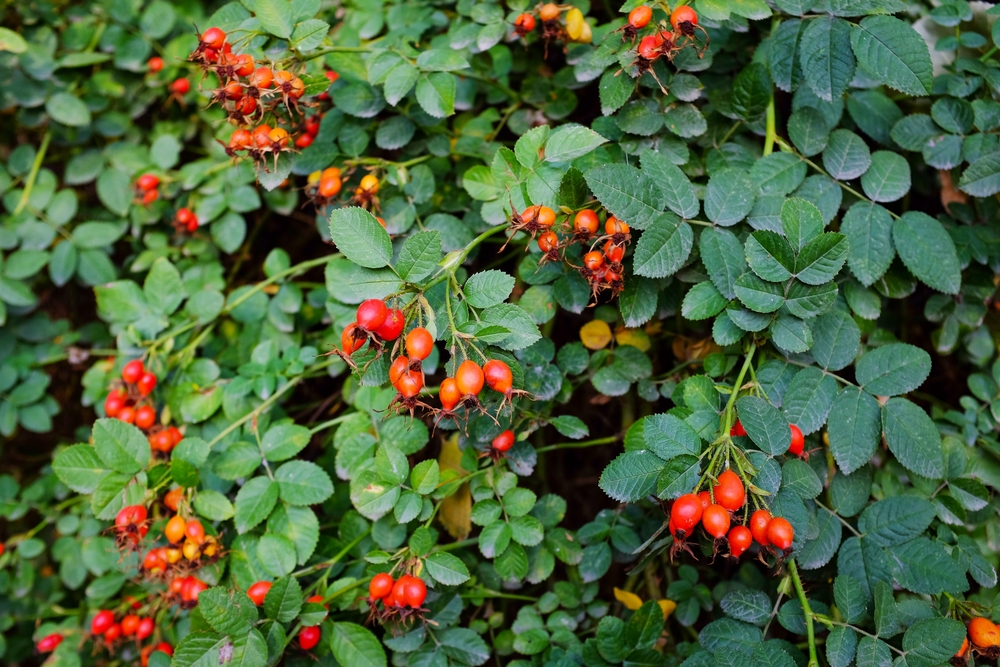
Berries draw birds and mammals consistently. Feeding times become predictable. Predators track timing as much as location. Routine invites attention.
Ecologists note berry availability alters predator movement patterns. Seasonal plants shift animal behavior. Predictability creates opportunity.
7. Tall Native Grasses

Tall grasses shelter rodents and snakes. Predators patrol edges where movement occurs. Visibility drops. Risk rises.
Habitat studies show predators use grass margins as travel corridors. Natural landscaping changes flow. Movement patterns matter.
8. Vegetable Gardens

Vegetables attract prey species like rabbits and rodents. Predators don’t distinguish intent. They respond to opportunity. Gardens become signals.
Agricultural extension reports link home gardens to increased predator sightings. Food draws life at every level. The chain is automatic.
9. Palm Trees

Palm trees provide nesting cover. Rodents and birds shelter there. Predators investigate vertically as well as horizontally. Height doesn’t protect.
Urban wildlife research identifies palms as nesting hubs. Shelter equals attraction. Structure influences presence.
10. Ivy
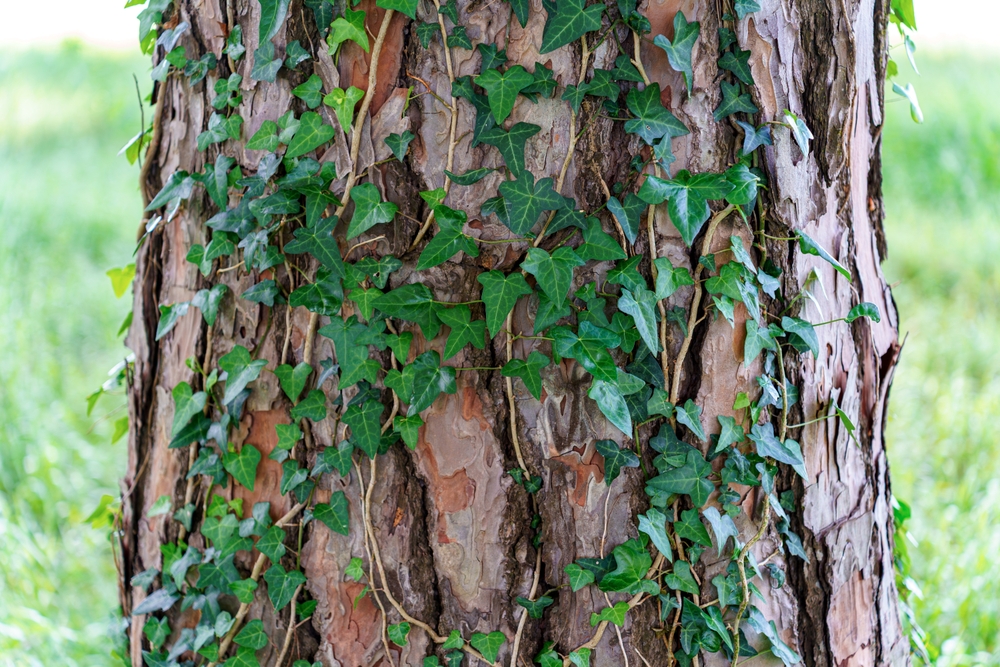
Ivy hides rodents and snakes effectively. Predators hunt what hides. Dense coverage changes risk without notice. Visibility disappears.
Habitat studies show ivy-dense yards have higher predator density. Concealment invites surveillance. Coverage isn’t neutral.
11. Citrus Trees
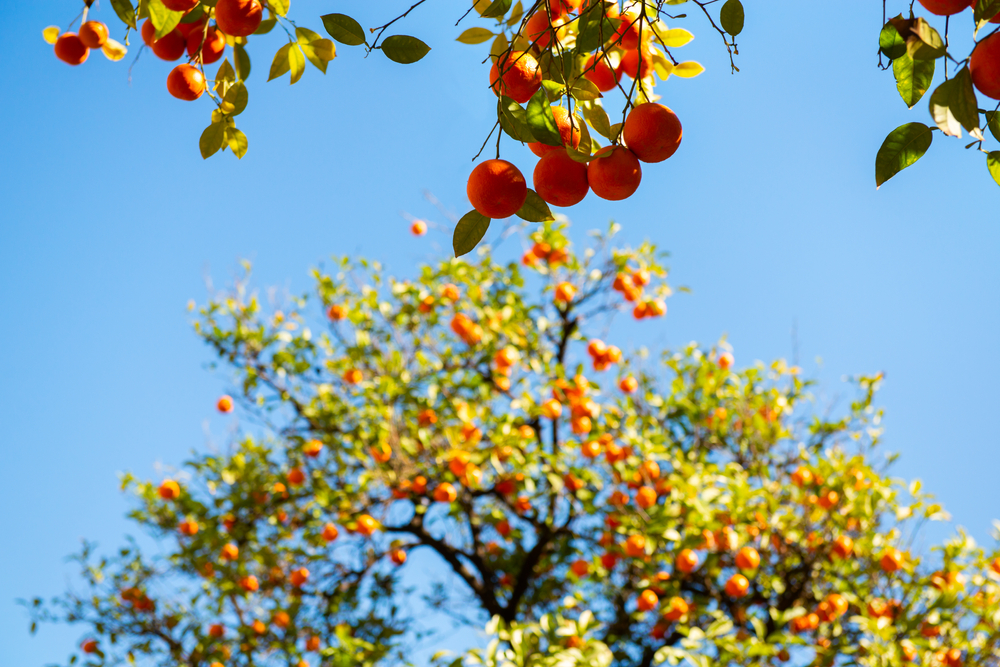
Citrus attracts rats consistently. Predators follow rat populations. Activity clusters. Movement patterns form.
Pest control research links citrus trees to predator traffic. Sweetness spreads risk. The effect compounds.
12. Leaf Piles
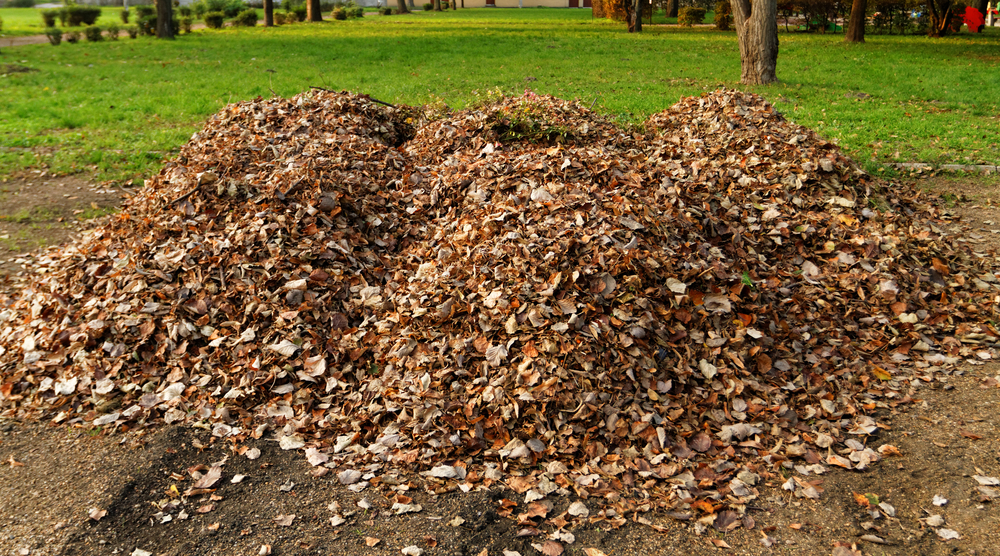
Leaf piles shelter insects and rodents. They stay warm and hidden. Predators investigate debris zones. Activity spikes seasonally.
Environmental studies show that unmanaged debris increases wildlife overlap. Clean yards reduce signals. Disorder communicates availability.
13. Chicken-Friendly Plants
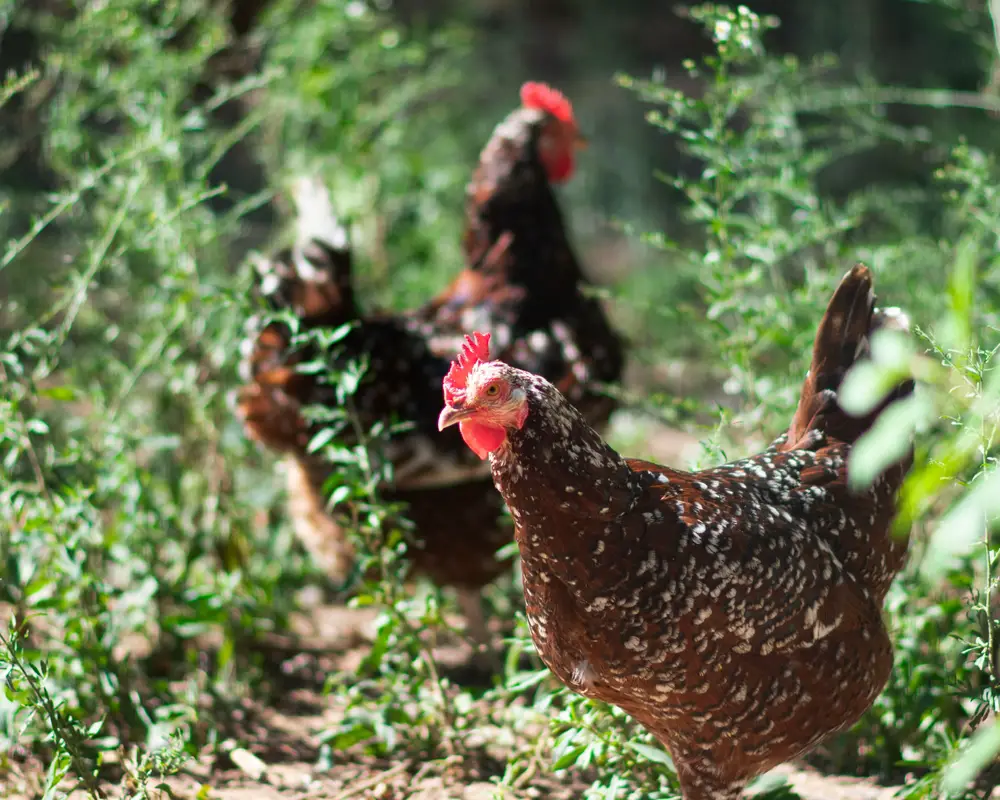
Plants that attract insects draw chickens. Predators hunt chickens. The chain is short and direct. Visibility increases.
Backyard farming research shows predator encounters rise with insect-heavy vegetation. Every attraction multiplies risk. Intent doesn’t matter.
14. Night-Blooming Plants

Night bloomers attract nocturnal insects. Nocturnal predators follow. Activity shifts after dark. The yard changes personality.
Entomology studies link moth-heavy areas to owl and bat activity. Darkness reshapes danger. Timing defines threat.