
Cat behavior can be a delightful mystery, especially when it comes to their territorial instincts. While most people are familiar with classic signs like rubbing against objects or scratching furniture, cats have a plethora of unexpected methods to assert their domain. Understanding these behaviors not only enriches your bond with your feline friend but also offers insight into the complex world of cat communication. Here are 14 surprising ways cats mark their territory.
1. They Engage in Grooming Rituals
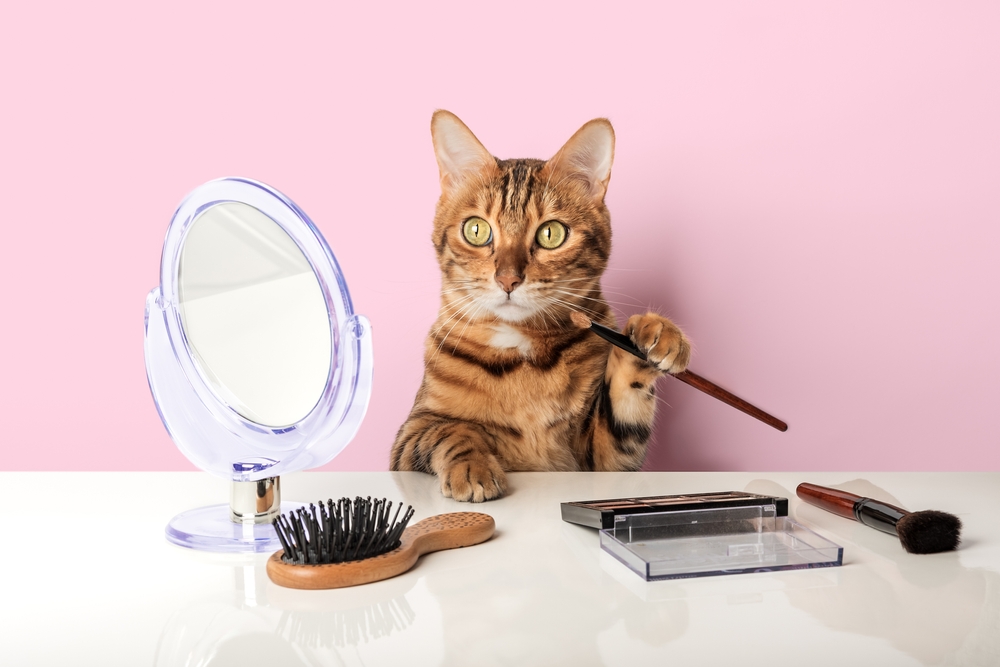
Grooming is a fundamental part of a cat’s daily routine, but it also plays a role in marking territory. When a cat grooms themselves or another animal, it’s transferring scent from their saliva, reinforcing bonds and marking them as part of their domain. This behavior is particularly noticeable in multi-cat households, where grooming can serve as both a peacekeeping gesture and a territorial assertion.
Feline behaviorists emphasize the dual nature of grooming, where it functions both as a hygiene practice and a social tool. It reflects a cat’s comfort and acceptance of their environment and those within it. Grooming can be seen as a territorial bonding exercise, where the cat’s scent becomes part of their surroundings. By understanding this, you can facilitate a more harmonious multi-pet household, recognizing grooming as an integral part of your cat’s social structure.
2. They Dramatically Flick Their Tail
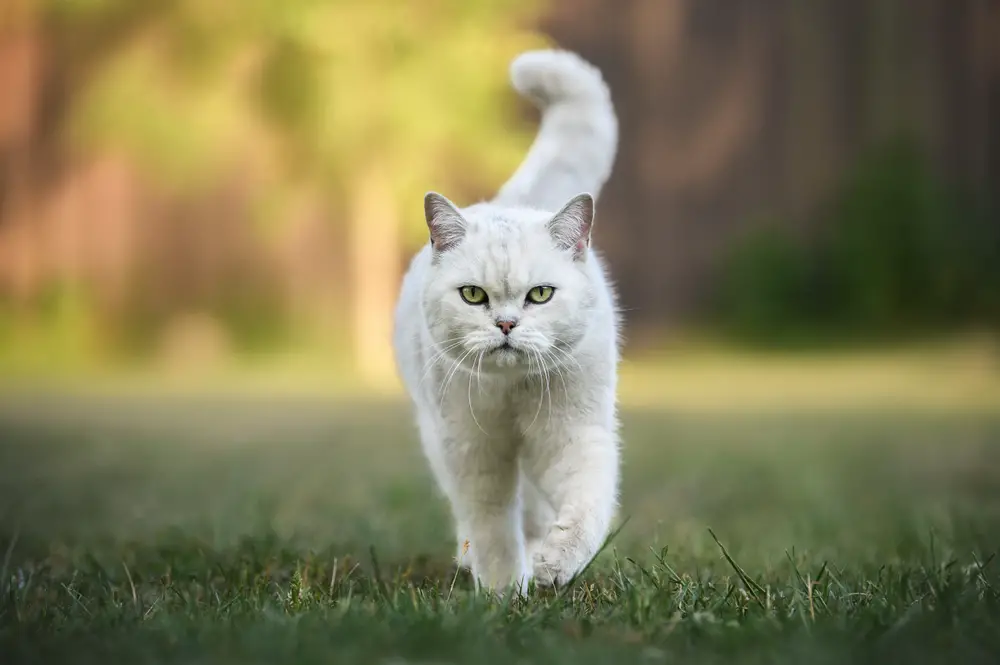
If you’ve ever noticed your cat flicking their tail in a particular way when meeting someone new, they’re not just being sassy. Tail-flicking can serve as a territorial signal, especially when it happens in short, deliberate movements. This subtle gesture is part of a larger body language repertoire that cats use to communicate dominance and ownership without needing to resort to aggression. Interestingly, this flick is often accompanied by a raised tail, indicating an alert or curious state.
Body language is a significant aspect of a cat’s territorial communication, sometimes more so than scent marking. Unlike humans, cats don’t rely solely on vocalization to get their point across. Each flick of the tail can convey an entire narrative about mood, intent, and territorial boundaries. Understanding this helps you gauge your cat’s comfort levels and how they perceive changes in their environment.
3. They Paw Knead to Stake Their Claim
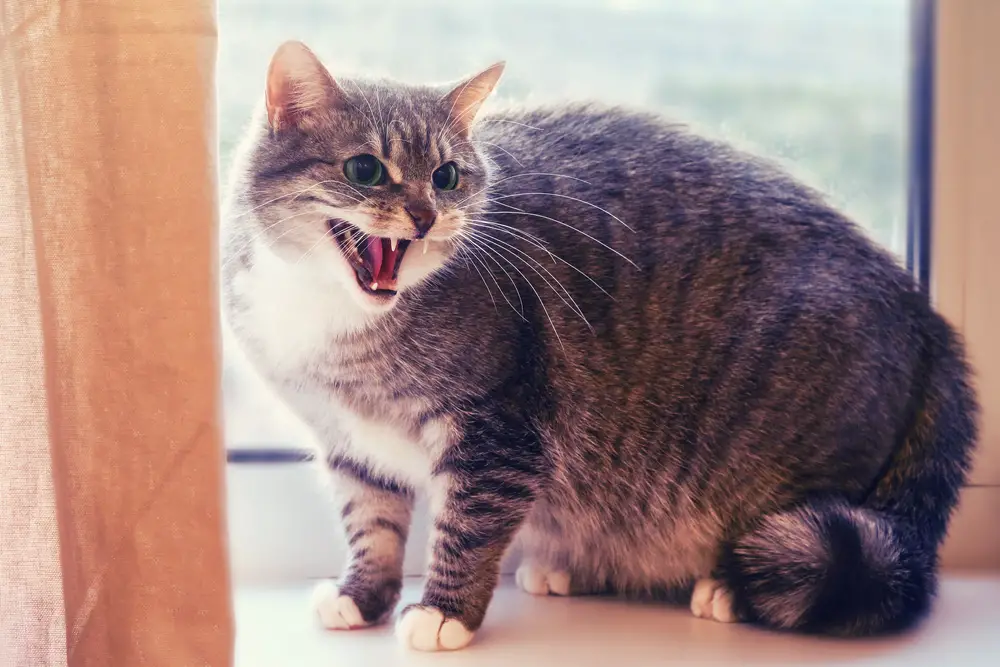
The gentle pulsating motion of a cat kneading against a soft surface is more than just a comforting activity. This behavior stems from kittenhood when cats knead their mother’s belly to stimulate milk flow. As adults, cats often knead to mark territory since their paws contain scent glands that release pheromones. So when your kitty is kneading the couch or your lap, they’re leaving behind a scent that subtly declares, “This is mine.”
Animal behaviorists note that kneading serves dual purposes: it’s a mechanism for marking territory and a self-soothing activity. According to animal behaviorist Dr. Gary Weitzman, kneading is an instinctive action linked to comfort and contentment. As your cat rhythmically presses its paws, it’s also claiming a bit of territory, blending safety and ownership in one action. This behavior is a testament to the complexity of feline instincts and how they’ve evolved over time.
4. They Stare at You Hard
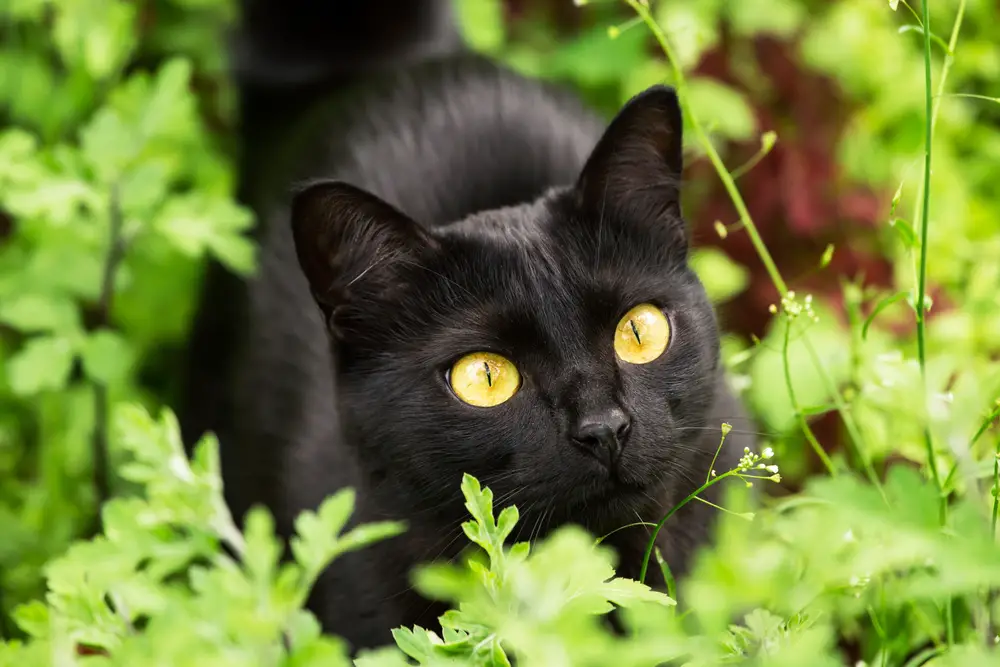
A cat’s stare can be both mesmerizing and unnerving, often leaving you to wonder if they’re plotting something. This focused gaze, however, is more than just curiosity; it can act as a territorial assertion. Cats are known for their keen observation skills, and a long, deliberate stare might be their way of assessing new environments or asserting dominance. This is especially true when another animal is involved, as the unblinking stare can be a silent challenge.
In the feline world, eye contact can mean different things depending on context and relationship. While a slow blink is a sign of trust and affection, a direct, unwavering gaze is often about establishing boundaries. Cats use their eyes not just to see but to communicate complex social cues that we’re only just beginning to understand. Recognizing this helps you better interact with your cat and manage multi-pet households.
5. They Rub Their Cheeks Against You
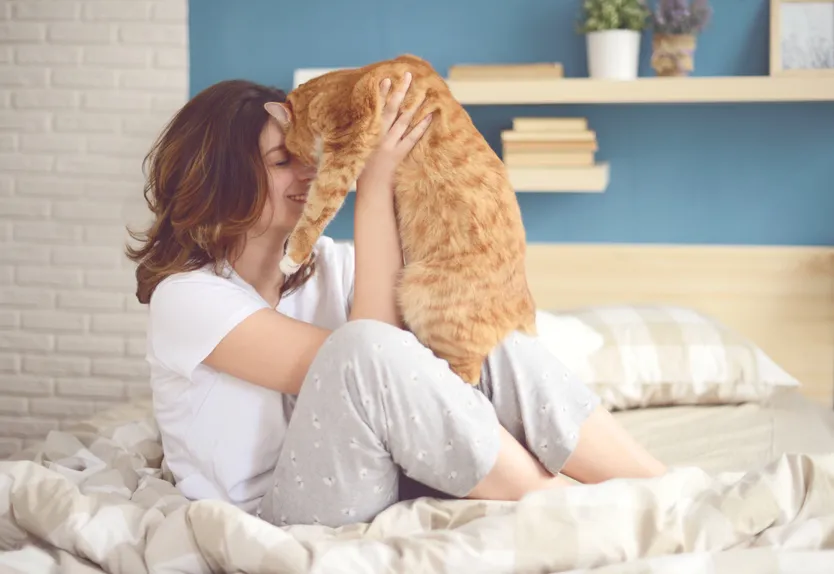
Most cat owners have experienced their pet’s penchant for cheek rubbing against their legs or furniture. This behavior serves a dual purpose: it’s a form of affectionate greeting and a method of transferring scent from their facial glands. By leaving their scent on corners, walls, or even you, cats are effectively laying claim to their environment. It’s a comforting ritual for them that reinforces familiarity and safety.
Dr. Sarah Ellis, an expert in feline behavior, explains that this form of scent marking is crucial for a cat’s sense of security. When environments change—a new piece of furniture, a new person in the house—cats may increase their cheek rubbing to establish these new elements as part of their territory. It’s their way of asserting control in a world filled with changes they didn’t authorize. Understanding this behavior can help you create a more comfortable and less stressful environment for your feline friend.
6. They Guard Their Food For Dear Life
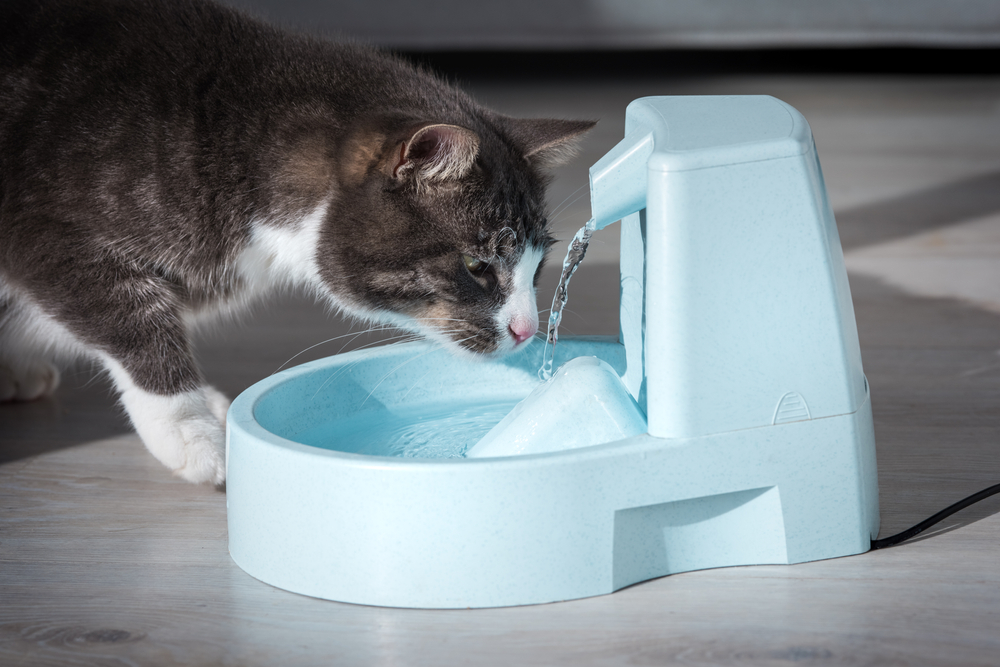
Cats can be surprisingly territorial about their food, and this behavior can extend beyond simple resource guarding. You might find your cat hovering near their bowl, even when they aren’t hungry. This is often a territorial act, where the cat ensures that their food source remains under their control. The area around their food can become an extension of their domain, and they’ll often patrol it vigilantly.
Food guarding illustrates how the primal instincts of survival and ownership intertwine. In multi-cat households, this behavior can sometimes lead to tension, especially if food bowls are placed too closely together. By understanding this, you can modify feeding arrangements to reduce stress and ensure each cat feels secure in their territory. Offering more feeding stations or even timed feeders can alleviate competition and promote harmony.
7. They Mysteriously Tail Wrap
A cat wrapping its tail around you or another pet might seem like an adorable display of affection. However, this gesture also doubles as a form of territorial marking. Cats have scent glands located at the base of their tails, and by wrapping their tail around something or someone, they’re leaving a subtle scent behind. It’s akin to an olfactory hug, marking you as part of their inner circle.
According to Dr. John Bradshaw, author of “Cat Sense,” tail wrapping is both a social and territorial behavior. It’s a way for cats to intertwine their scent with yours, reinforcing bonds while subtly asserting ownership. This behavior underscores the complexity of feline social structures and how intimately scent and territory are linked. By recognizing this, you can better appreciate the multifaceted ways cats interact with their world.
8. They Silently Slow Blink
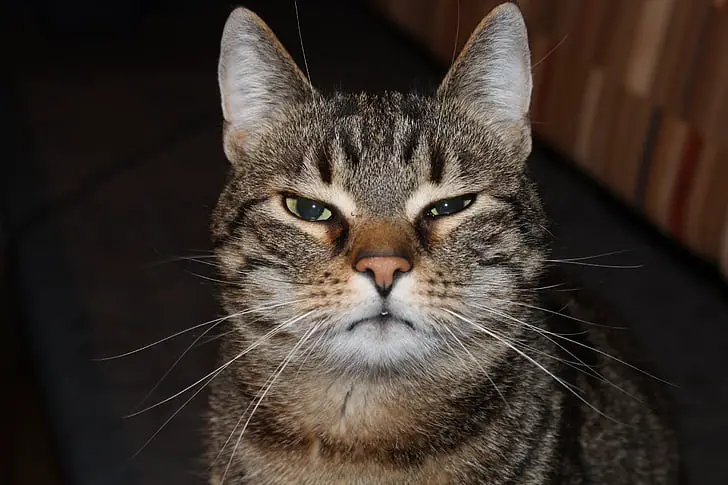
Cats are often considered mysterious creatures, and one of their most enigmatic behaviors is the slow blink. This gentle closing and opening of the eyes is commonly interpreted as a gesture of trust and affection. But in the territorial context, the slow blink can also serve as a non-confrontational way to acknowledge another being’s presence. It’s a way for cats to communicate that they mean no harm, subtly negotiating the social landscape.
In the realm of feline communication, the slow blink is a powerful tool. It conveys a sense of peace and acceptance within shared spaces, indicating a willingness to coexist. Cats often use this behavior to de-escalate potential tensions, whether with another cat or a human. By responding with your own slow blink, you’re engaging in a dialogue that reassures your cat of their safe place in your home.
9. They Roll Their Scent Around
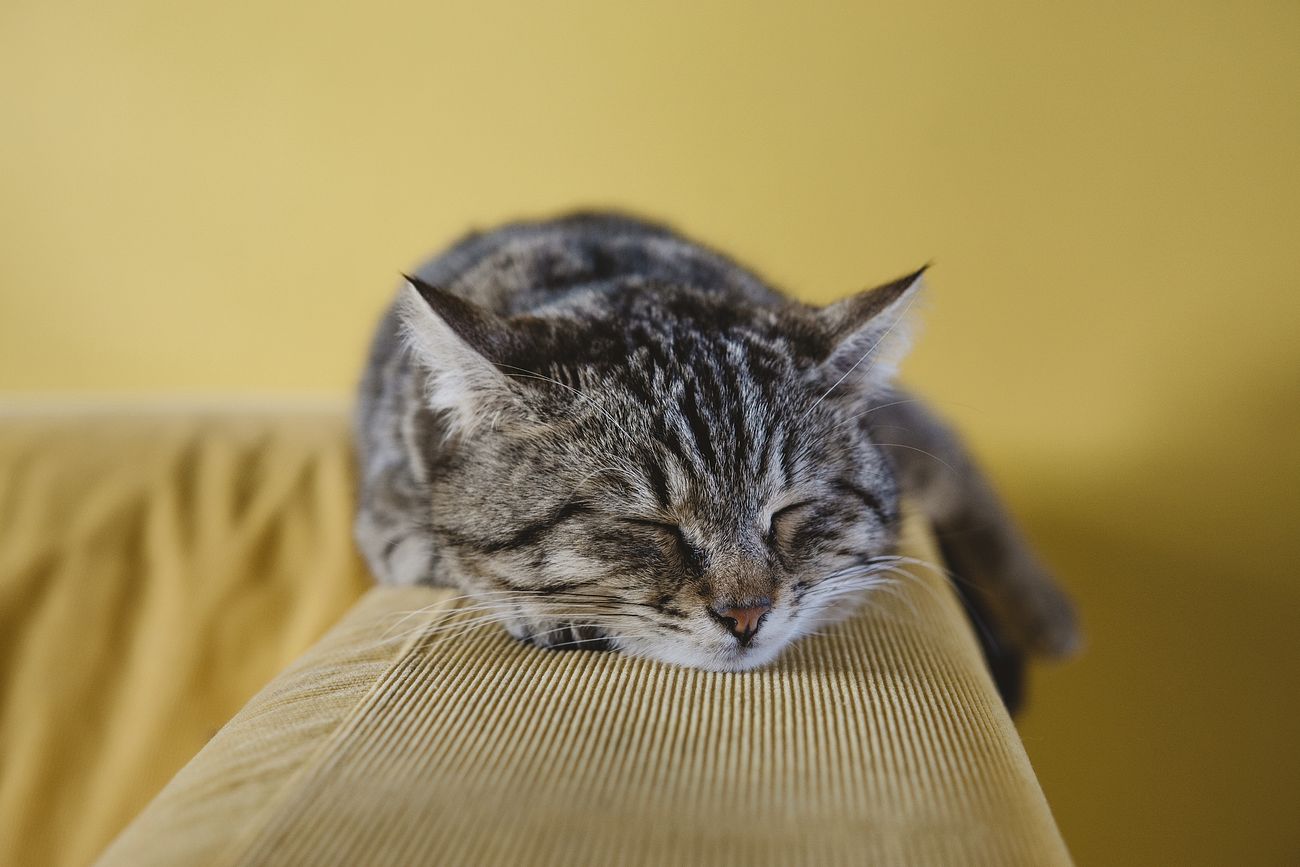
Watching a cat roll around on the ground can be amusing, but this action is another layer of territorial behavior. Cats roll to leave their scent on the ground, marking it as their own. This behavior can often be observed outdoors, where the cat may be encountering new scents and feels the need to assert their presence. Indoors, this behavior might happen if there’s a new addition to the home or a change in the environment.
Rolling is not just about marking; it’s also a form of communication. It signals a cat’s comfort with their surroundings and their confidence in asserting control over their space. This behavior is part of a broader behavioral repertoire that includes scent marking, visual signals, and auditory cues. Recognizing these actions allows you to appreciate the depth of your cat’s interaction with their environment and their ongoing quest to balance novelty with familiarity.
10. They Mark the Spot With a Scratch
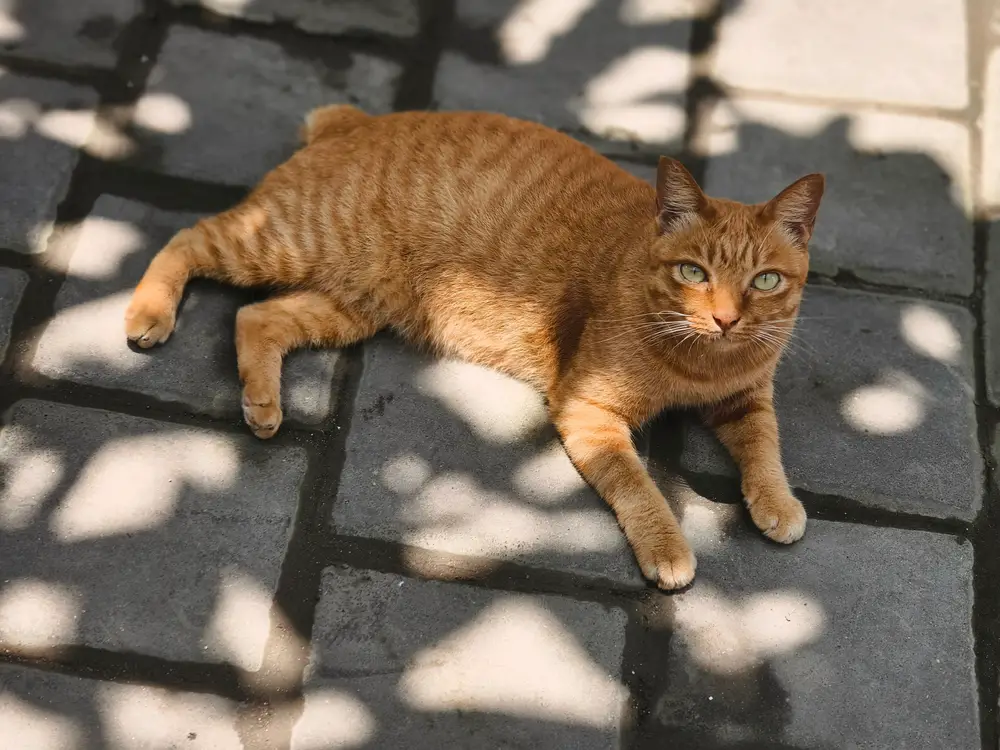
While scratching is typically associated with sharpening claws, it serves an equally important territorial function. When a cat scratches, they leave a visual mark and a scent from glands in their paws. This dual marking serves as both a warning and a reassurance to other animals that the territory is claimed. It’s a vibrant, tactile bulletin board that broadcasts a cat’s presence and dominance.
For people, this can be a challenging behavior to manage, especially with cherished furniture becoming a target. Understanding that scratching is a vital communication tool for cats helps in devising solutions that satisfy their instincts without sacrificing your interior decor. Providing dedicated scratching posts or pads in strategic locations can direct this behavior away from less desirable areas. This approach respects their need to mark territory while maintaining household harmony.
11. They Sleep Wherever They Want
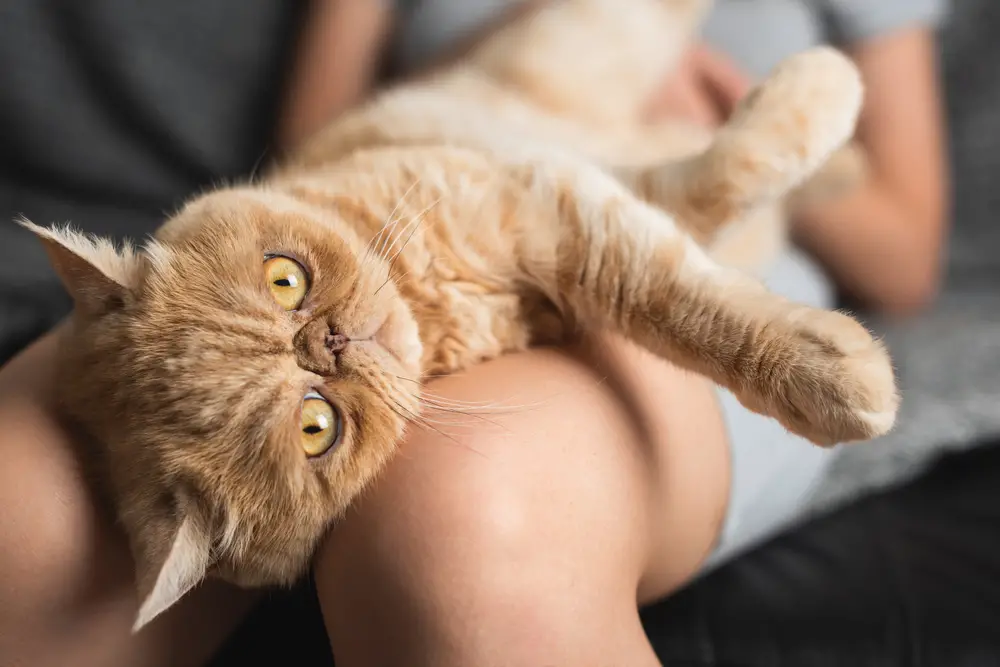
Cats are notorious for nap-hopping, claiming various spots around the house as their own. Each of these chosen resting places can become a part of their territory. The act of sleeping in these spots is a way for cats to deposit their scent, thereby marking it as part of their domain. This behavior can sometimes perplex owners, especially when a cat suddenly changes their preferred nap spots.
The shifting of nap locations can be indicative of several factors, from changes in household dynamics to shifts in the cat’s emotional state. It’s a territorial dance that’s continually evolving, taking into account new elements and circumstances. Providing a variety of comfortable sleeping options throughout your home allows your cat to express this natural behavior healthily. By doing so, you contribute positively to their sense of security and well-being.
12. They Purr with Purpose
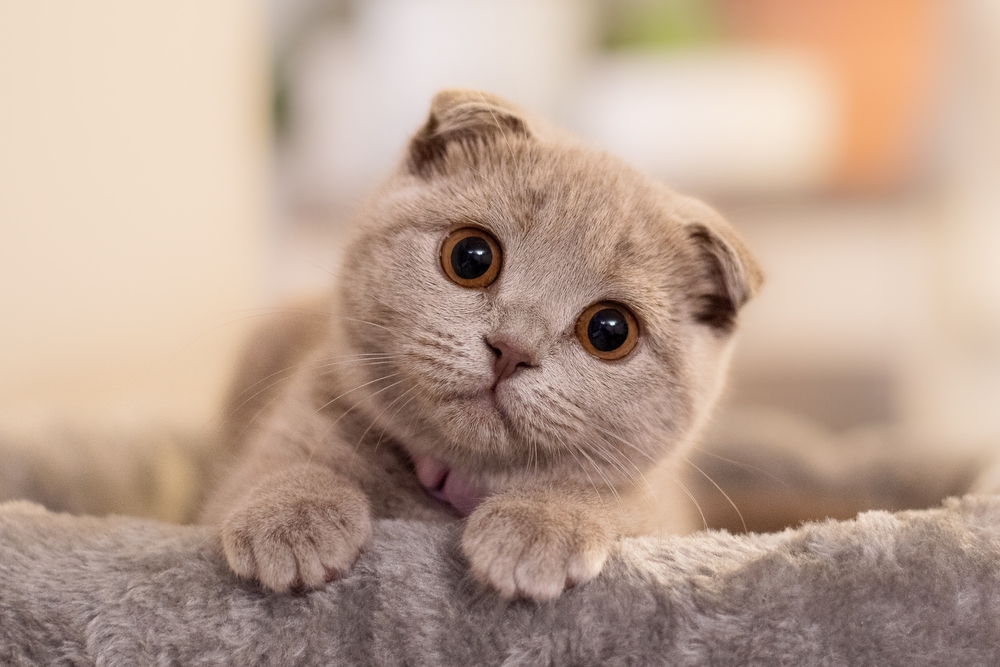
A cat’s purr is often associated with contentment, but it can also be a subtle marker of territory. When a cat purrs while lying on your lap or resting in their favorite spot, they’re reinforcing their claim over that space. This warm sound vibrates through their body, spreading their scent and signaling satisfaction within their claimed territory. It’s an auditory marker that complements their more obvious scent marking behaviors.
Purring serves several purposes, from self-soothing to communication with other cats. In the context of territory, it’s a gentle assertion of ownership and a declaration of peace within their environment. This multifaceted behavior highlights how integrated a cat’s communication methods are, weaving together vocal, olfactory, and physical signals. Recognizing the territorial aspect of purring can enhance your understanding of your cat’s complex social world.
1. They Randomly Headbutt
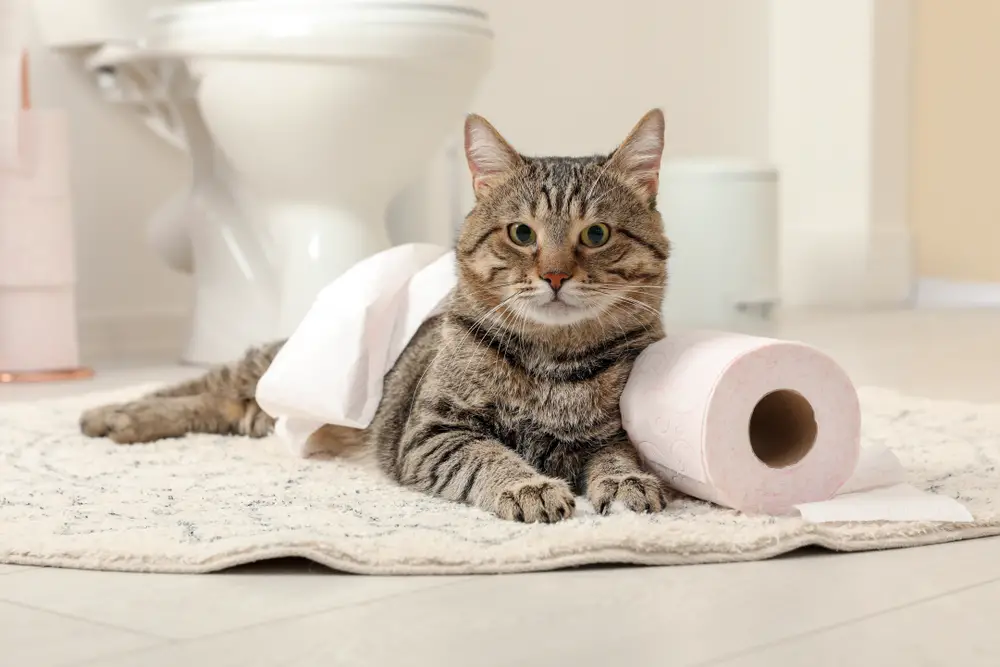
You might think your cat is just being affectionate when they headbutt you, but this behavior is actually a sophisticated form of scent marking. Cats have scent glands located on their heads, particularly around the cheeks and forehead. When your cat headbutts you or objects around your home, they’re depositing pheromones that signal ownership. This behavior is not just reserved for humans or inanimate objects; other pets might also receive the same treatment as a sign of acceptance into their territory.
According to feline behaviorist Jackson Galaxy, headbutting, or “bunting,” is a crucial part of a cat’s social behavior. It communicates comfort and belonging within a specific space. These headbutts are not just a territorial claim but a gesture that strengthens social bonds. So, next time your cat gives you a friendly nudge, know that it’s their way of saying, “You’re part of my world.”