
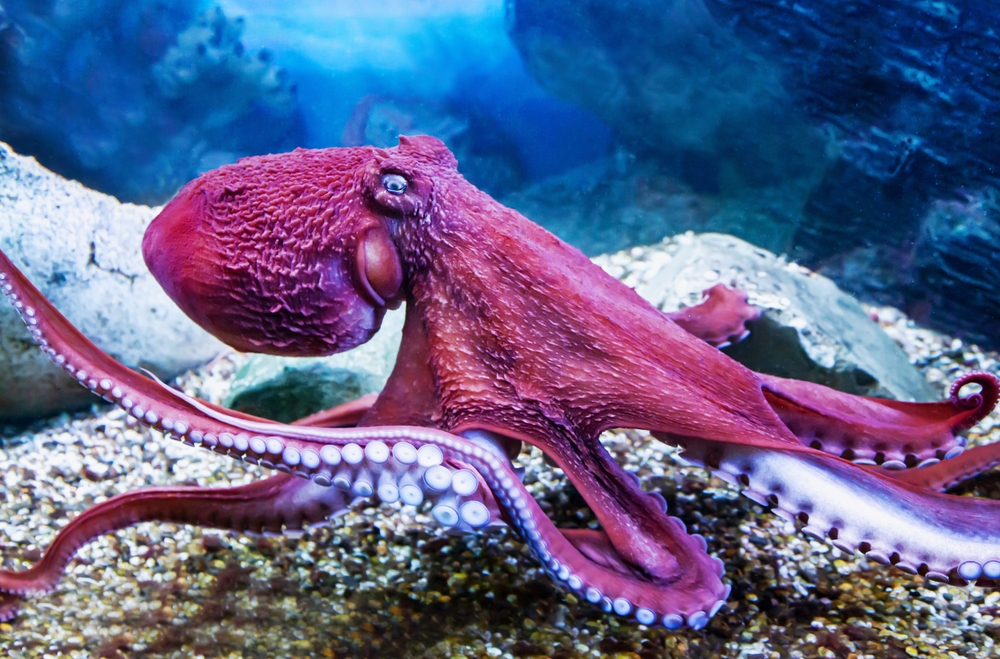
Survival rules exist for a reason, yet some animals routinely violate them. These species survive not by following instincts blindly, but by bending them strategically. Their behavior defies expectations and rewrites what survival looks like. In nature, flexibility can matter more than obedience.
1. Octopuses
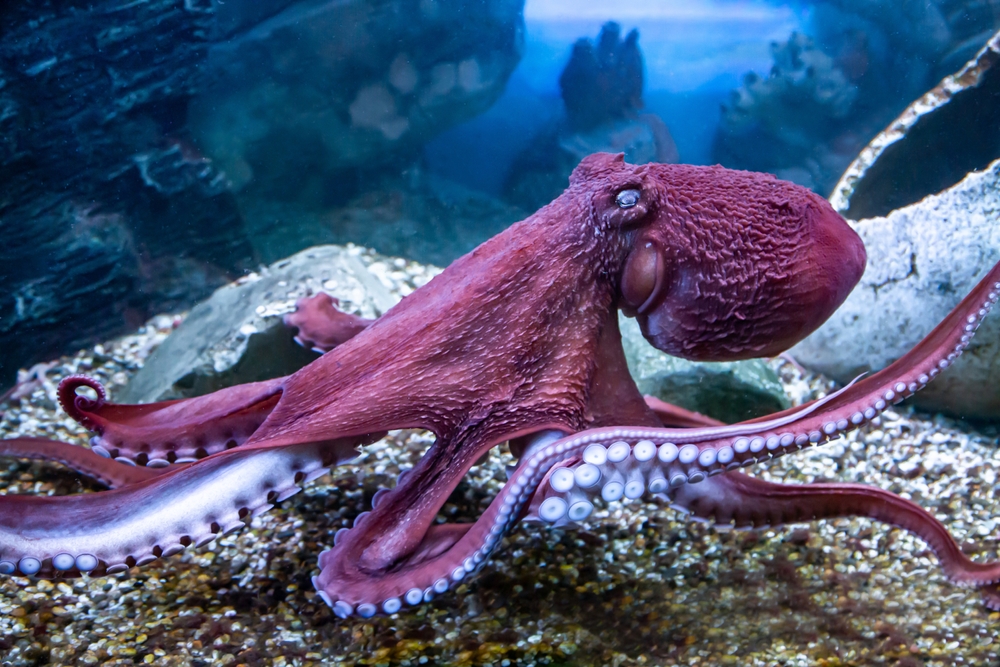
Octopuses are aquatic animals that voluntarily exit the ocean. They move across land to hunt or escape threats. This breaks the basic survival rule of staying in water. Yet it works.
Marine biology research confirms that octopus problem-solving exceeds that of many vertebrates. Leaving water increases risk but expands opportunity. Rule-breaking becomes an advantage. Survival favors intelligence.
2. Deer
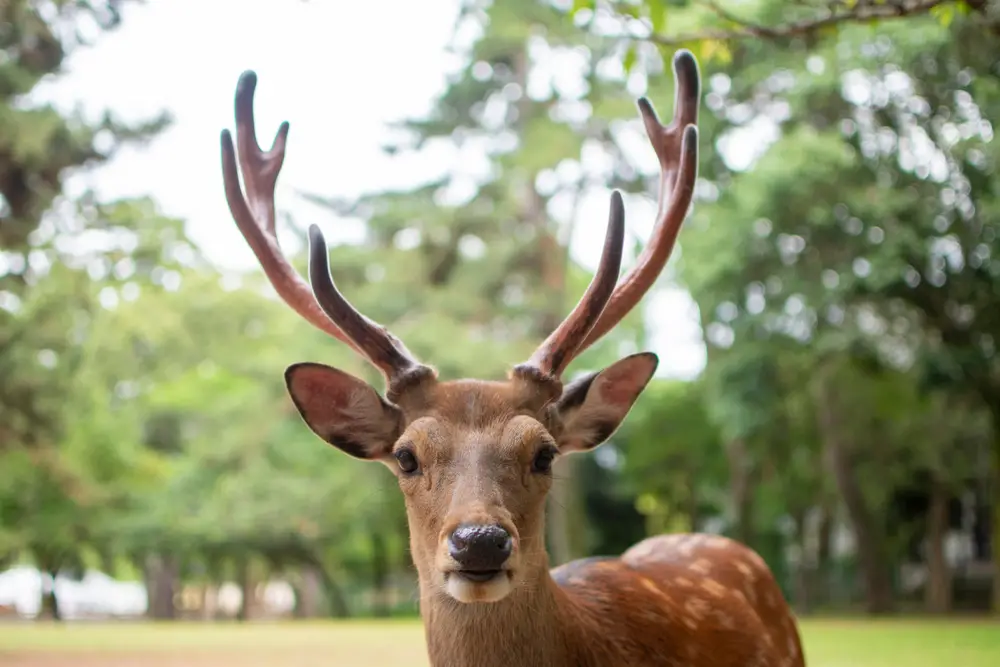
Prey animals typically run. Deer sometimes stop completely. This confuses predators relying on motion. The stillness buys time.
Predator-prey studies show freezing can interrupt attack sequences. The risk is high but calculated. Movement isn’t always survival. Inaction can win.
3. Dolphins
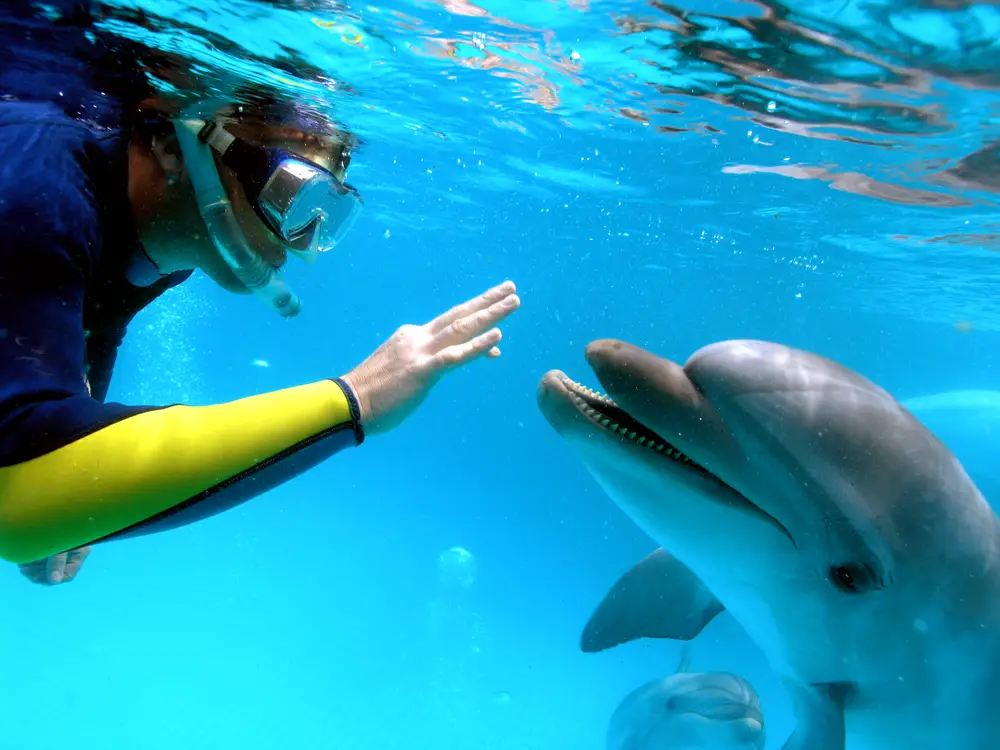
Dolphins often confront predators directly. They circle, ram, or harass sharks. The behavior looks reckless. It’s actually protective.
Marine ethology research shows dolphins use social aggression strategically. They break avoidance rules through group dominance. Confidence alters outcomes. Risk shifts.
4. Birds
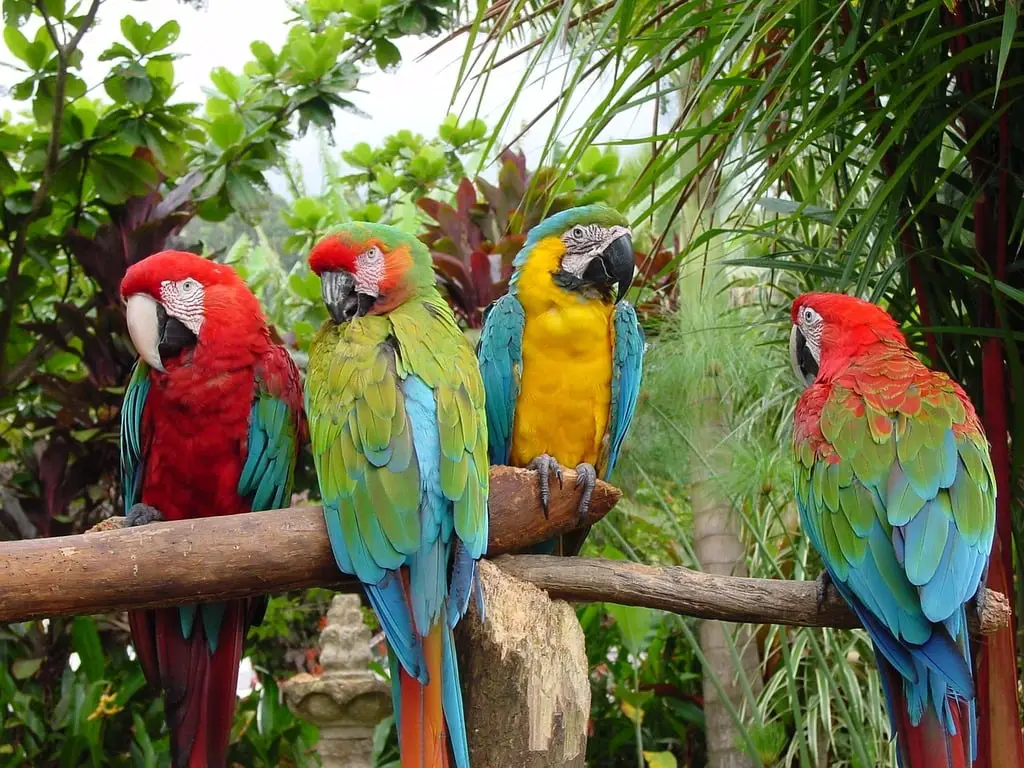
Some birds feign injury near predators. This draws danger away from nests. The act increases personal risk. The reward is offspring survival.
Ornithology studies confirm distraction displays are deliberate. The bird becomes bait. Instinct bends for strategy. Survival extends beyond self.
5. Honey Badgers
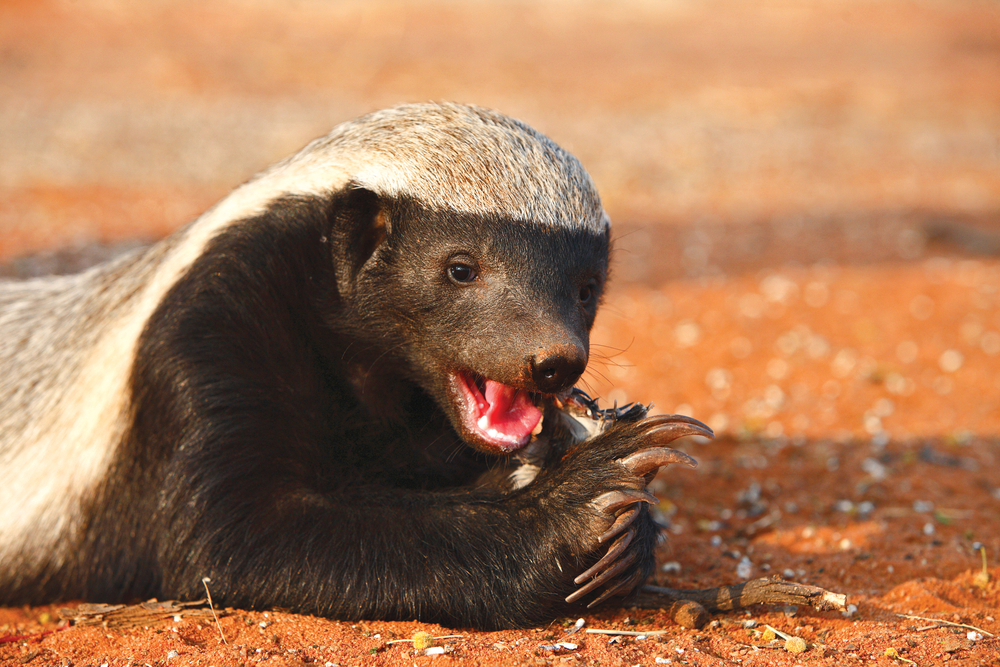
Honey badgers ignore size hierarchy. They attack predators larger than themselves. This breaks avoidance logic entirely. Fearlessness replaces caution.
Zoological research shows aggressive unpredictability deters attacks. Predators avoid uncertain fights. Survival favors boldness. Rules collapse.
6. Elephants
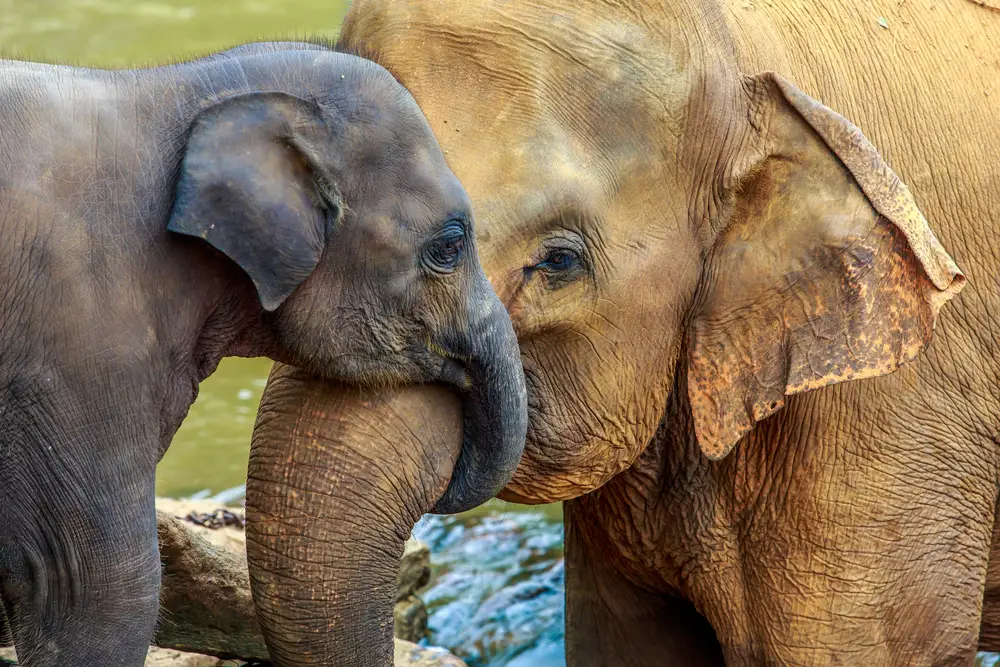
Vulnerability is discouraged in survival. Elephants mourn visibly. They slow movement and gather. This appears dangerous.
Behavioral ecology shows that social bonding improves long-term survival. Emotional exposure strengthens group cohesion. Risk becomes investment. Rules evolve.
7. Orcas
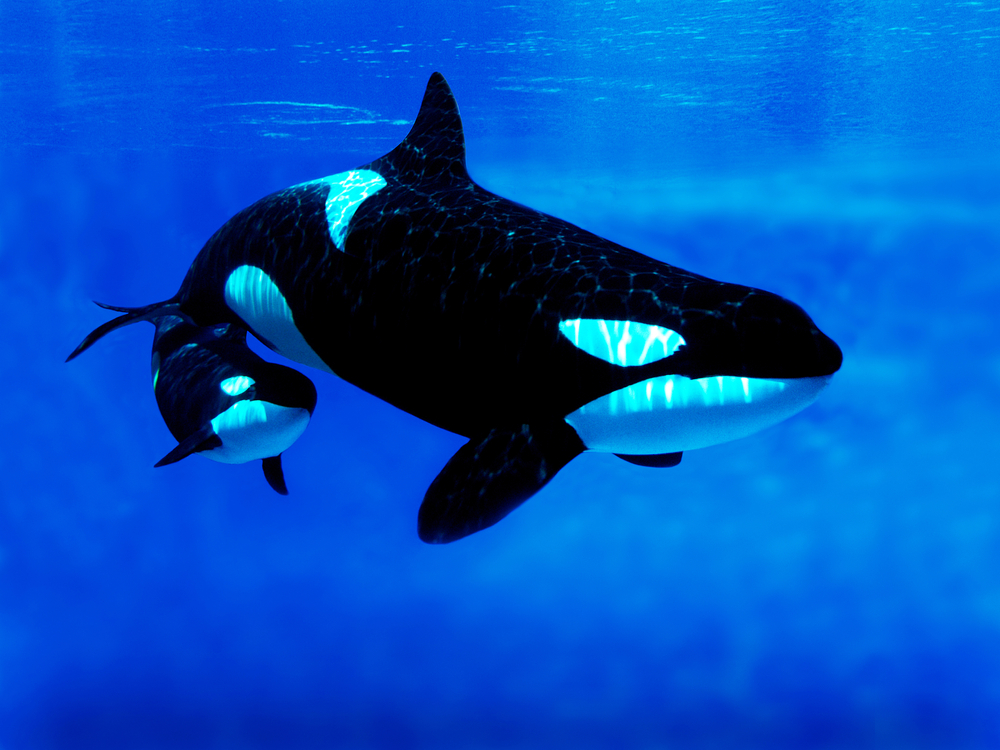
Killing quickly reduces risk. Orcas delay. They manipulate prey playfully. The behavior looks inefficient.
Research on marine predators suggests that play enhances skill and learning. Immediate survival yields to long-term advantage. Efficiency isn’t always a priority. Intelligence rewrites rules.
8. Meerkats
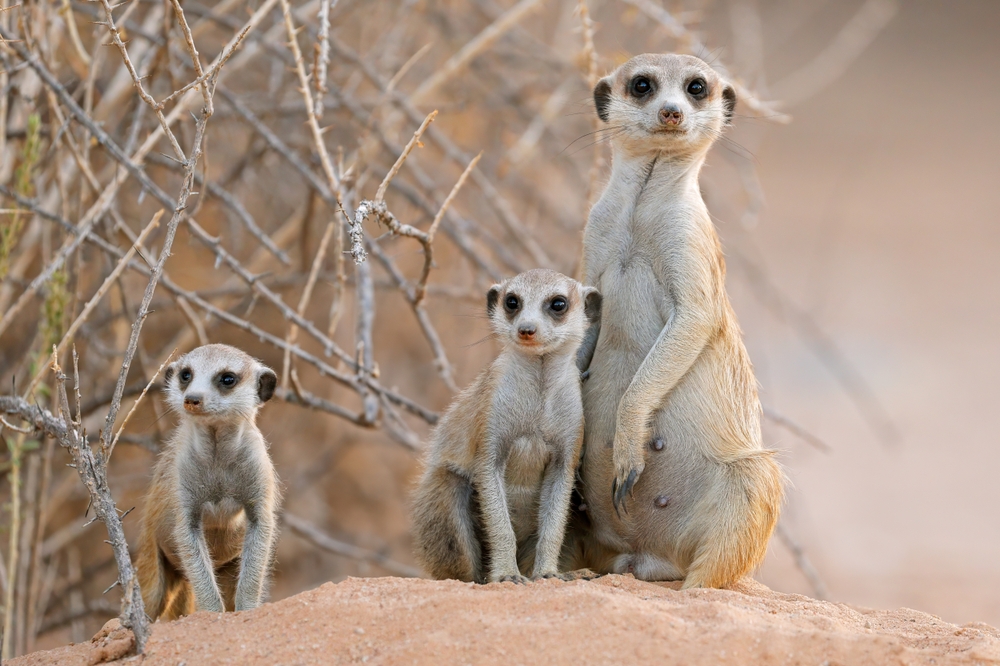
Standing exposed increases risk. Meerkats rotate sentinels. Individuals sacrifice safety for group awareness. Survival becomes communal.
Social mammal studies confirm that cooperative vigilance increases survival odds. Individual risk supports collective safety. Rules shift from self to system.
9. Snakes
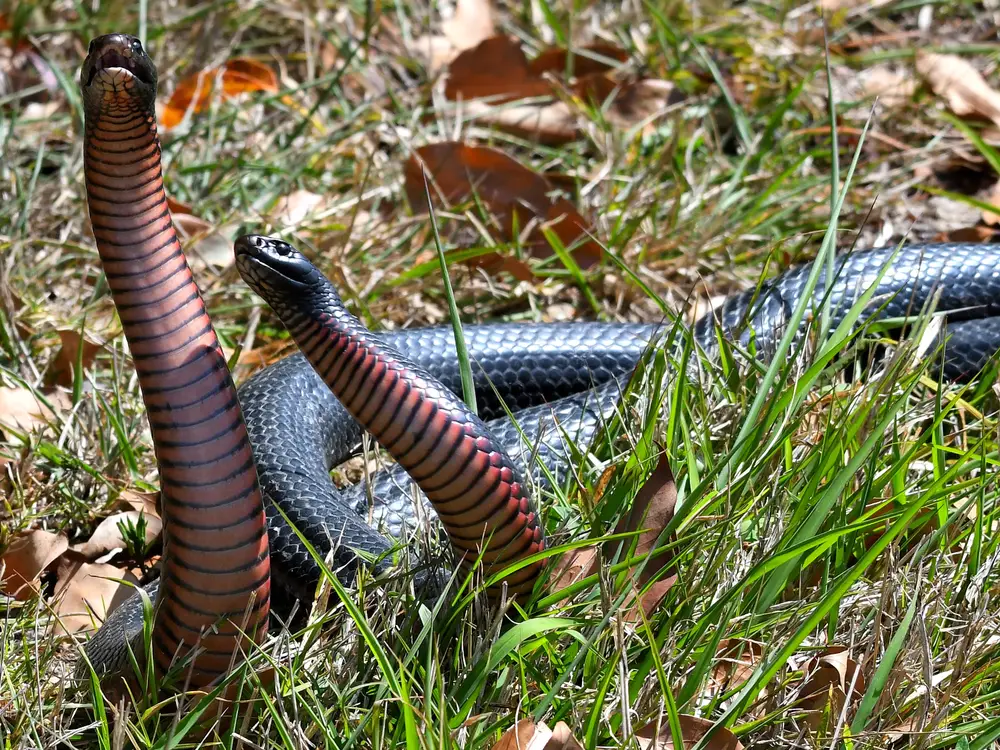
Predators avoid corpses. Some snakes feign death. They become limp and foul-smelling. Escape follows.
Herpetology research shows death-feigning deters many predators. Survival comes from deception. Stillness replaces speed. Rules bend.
10. Wolves
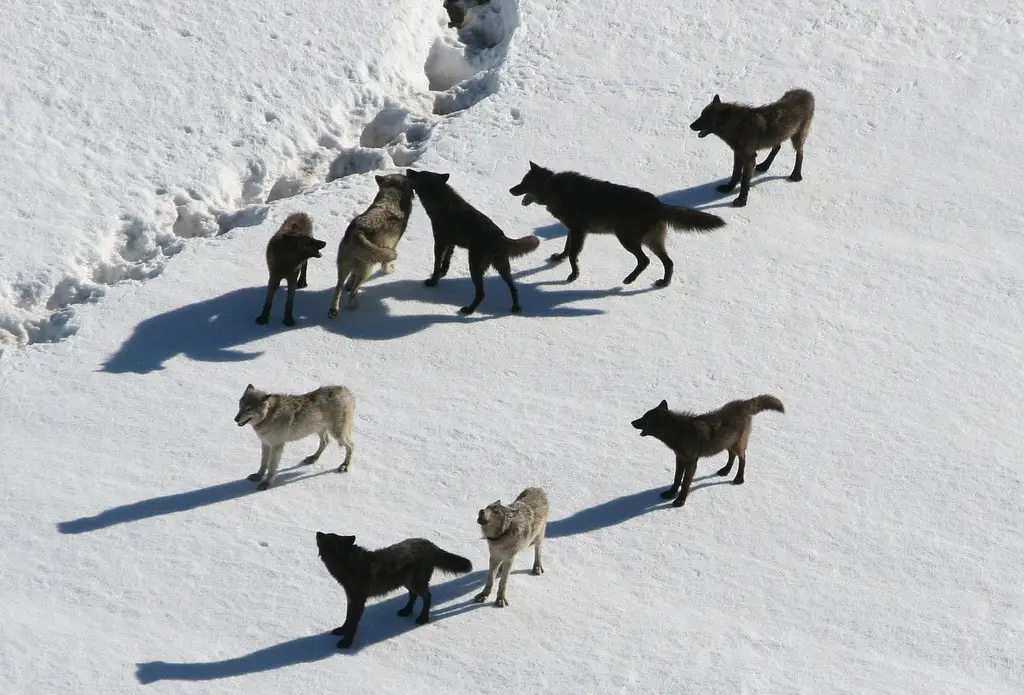
Strangers usually mean threat. Wolves sometimes integrate outsiders. This disrupts territorial instinct. It expands genetic strength.
Canid behavior studies show flexible pack dynamics enhance resilience. Inclusion increases survival. Instinct yields to strategy. Rules adapt.
11. Ravens
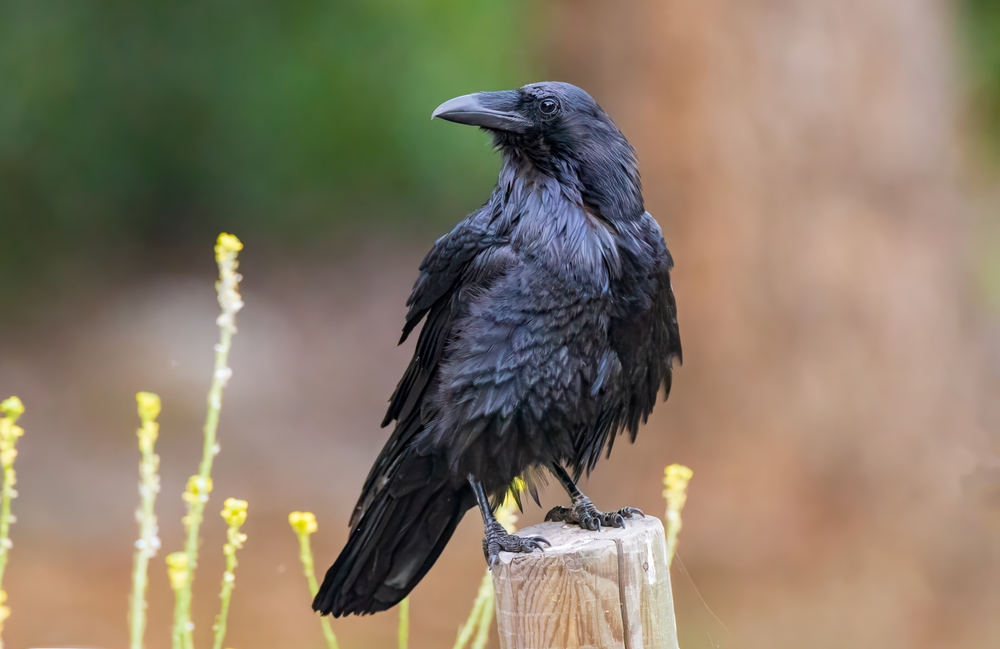
Avoidance is standard. Ravens track individuals. They respond differently to threats. Memory replaces instinct.
Avian cognition research shows ravens recognize and remember humans. Survival becomes selective. Intelligence overrides reflex. Rules evolve.
12. Crocodiles
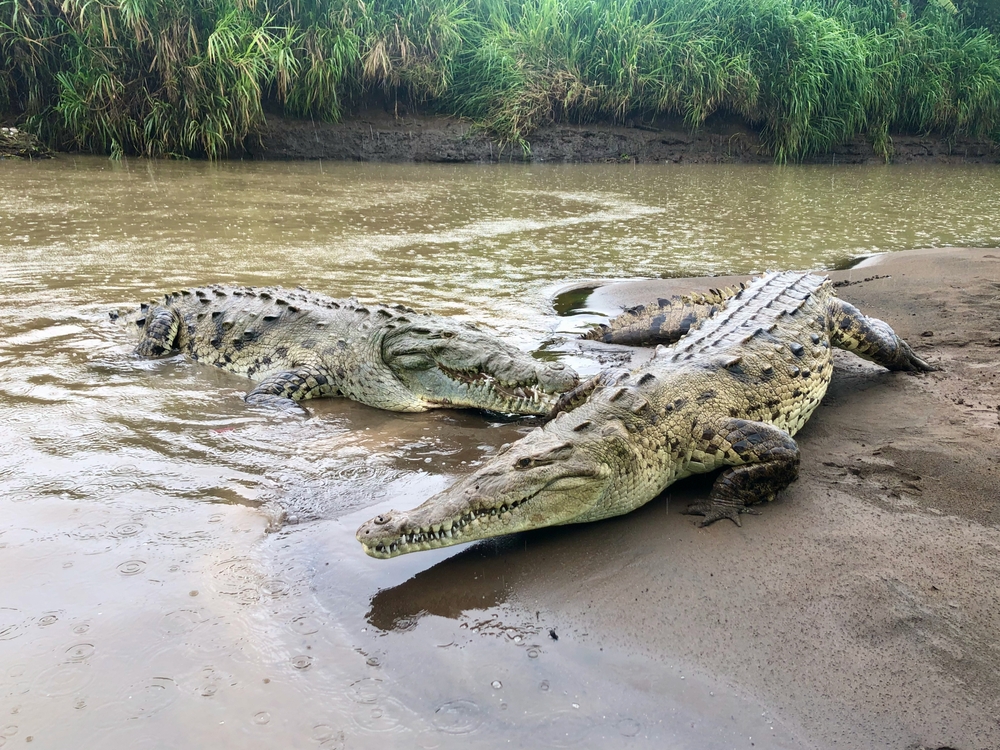
Reptiles are solitary by rule. Crocodiles hunt together. Cooperation increases success. Competition pauses.
Behavioral studies confirm cooperative feeding in crocodilians. Efficiency improves. Instinct flexes. Survival allows exceptions.
13. Bears
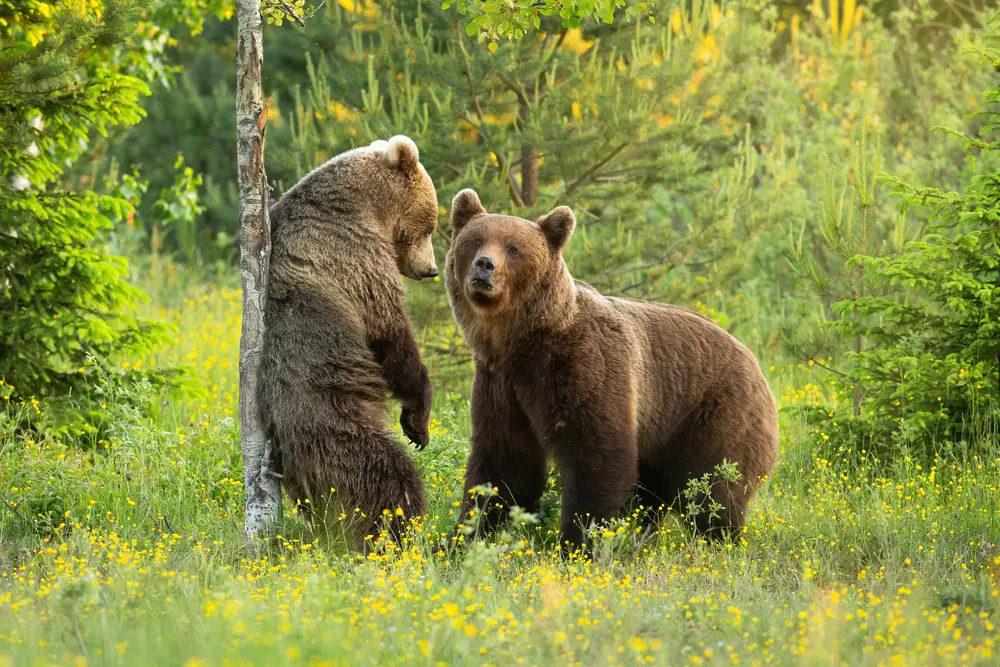
Food scarcity encourages aggression. Bears sometimes tolerate sharing. The risk is high. Conflict decreases.
Ecological studies suggest resource abundance alters behavior. Aggression relaxes. Rules soften. Survival recalibrates.
14. Humans

Humans routinely override survival instincts. We approach danger out of curiosity. Culture replaces reflex. Knowledge rewrites fear.
Evolutionary psychology shows humans survive through learning, not instinct. Rule-breaking defines the species. Adaptation is survival. The pattern continues.