Vehicle-wildlife collisions are among the most common human–animal conflicts. Many species evolved to flee predators by sudden directional changes. Roads interrupt those instincts with deadly consequences. Understanding which animals behave this way can reduce accidents.
1. White-Tailed Deer
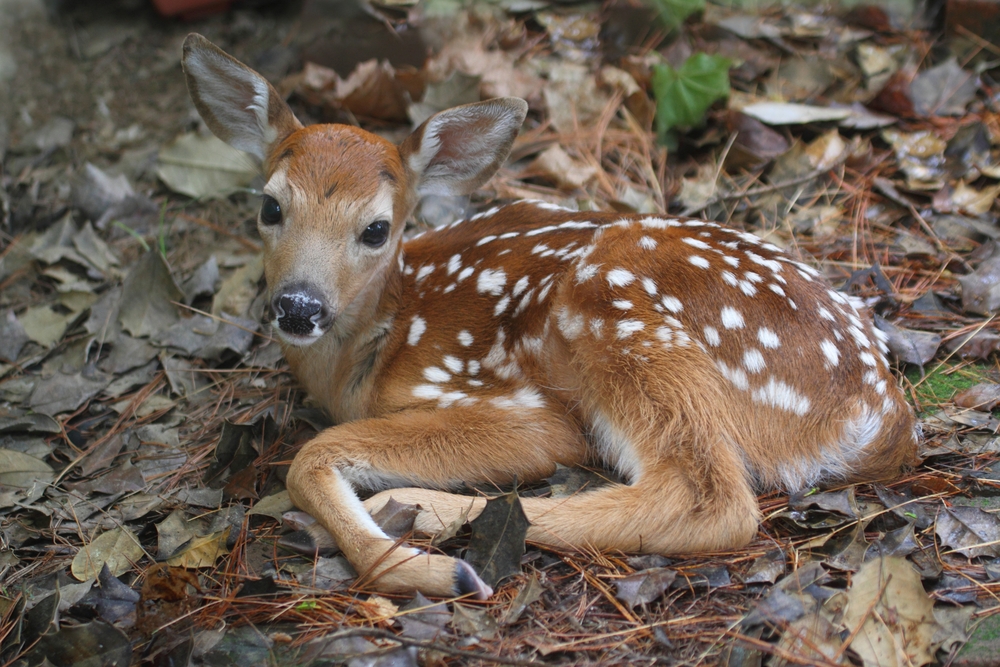
Deer freeze, then bolt unpredictably. Headlights confuse depth perception. Herd behavior increases follow-up collisions.
Transportation studies show deer cause the highest number of wildlife collisions. They often travel in groups. One crossing usually means more. Slowing early matters.
2. Elk
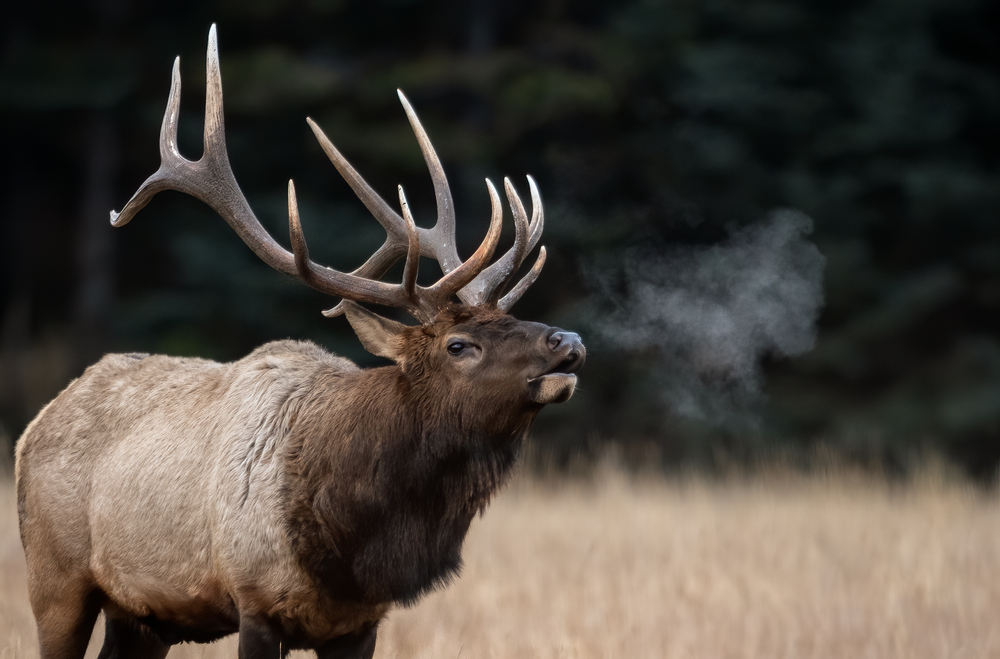
Elk are large, heavy, and slow to clear roads. They move suddenly despite size. Their height increases windshield impact risk.
Wildlife collision data shows elk crashes are often fatal. Their mass overwhelms vehicle structures. Braking distance matters. Visibility is critical at dusk.
3. Moose
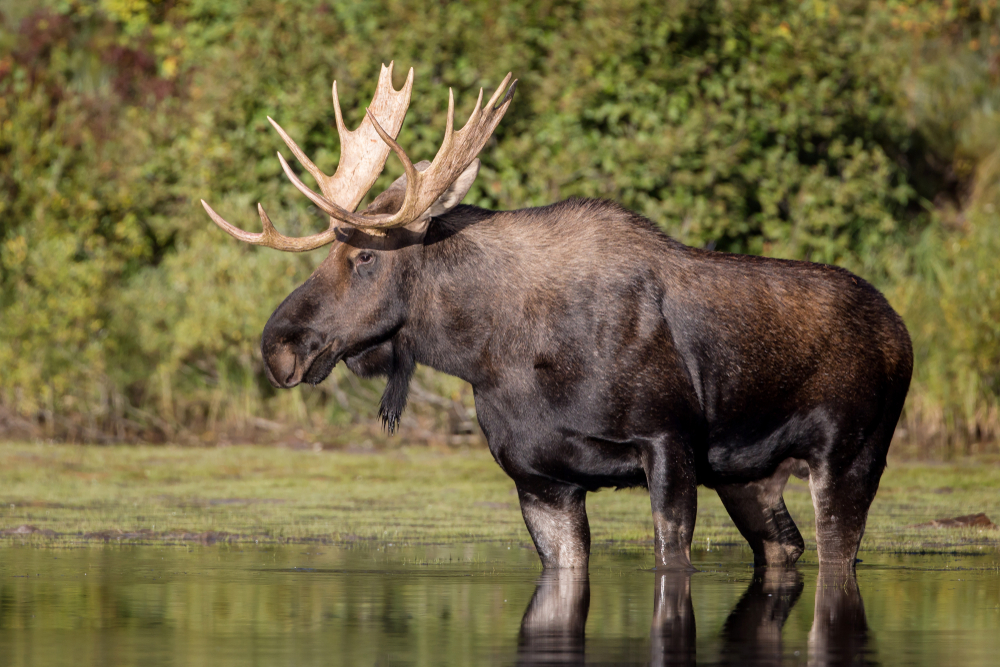
Moose legs are tall and bodies are heavy. Headlights don’t illuminate their full shape. They step onto roads without hesitation.
Studies show moose collisions are among the deadliest. Their bodies collapse onto windshields. Avoiding them requires early braking. Speed reduction saves lives.
4. Coyotes
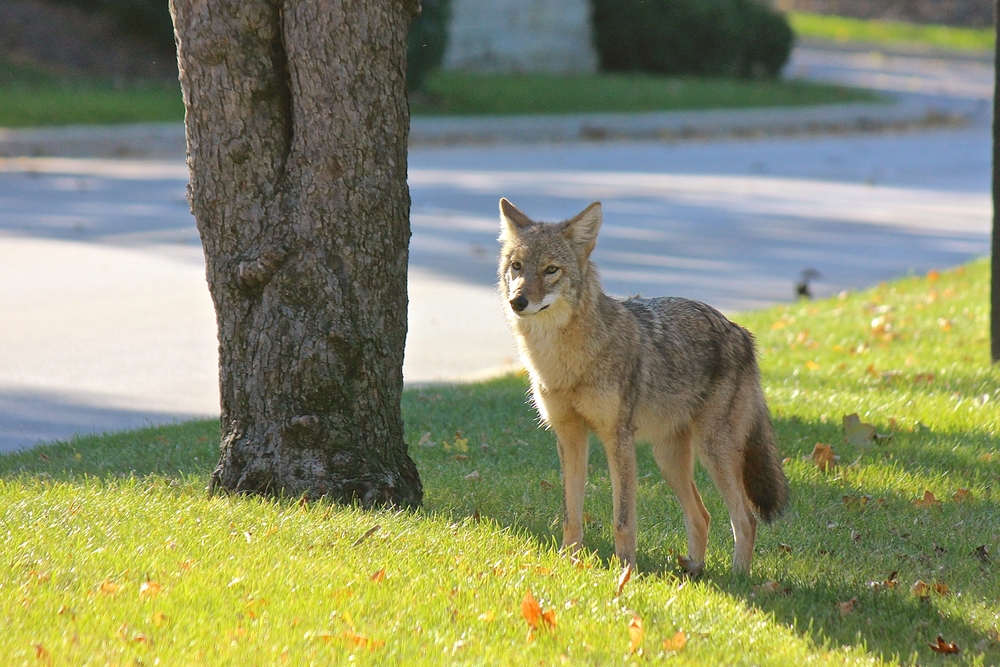
Coyotes zigzag when startled. They misjudge vehicle speed. Roads cut across hunting paths.
Their agility works against them near cars. Sudden direction changes cause last-second appearances. They’re common in suburban areas. Vigilance matters.
5. Foxes
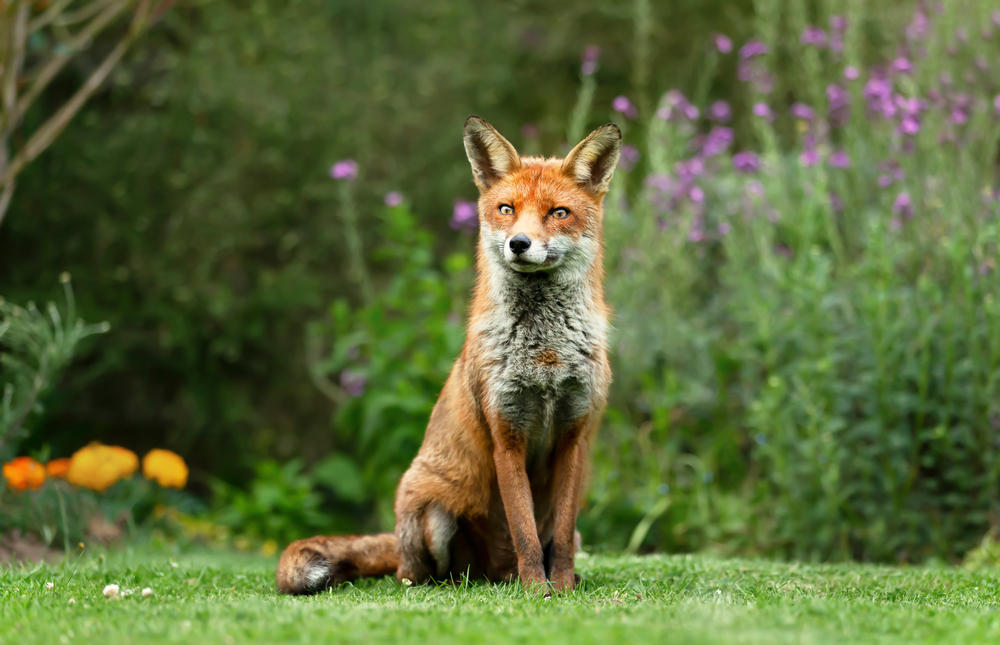
Foxes dart impulsively. Headlights trigger erratic movement. They often chase prey across roads.
Wildlife biologists note foxes rely on speed over awareness. That instinct backfires near traffic. Their small size reduces visibility. Reaction time is limited.
6. Raccoons
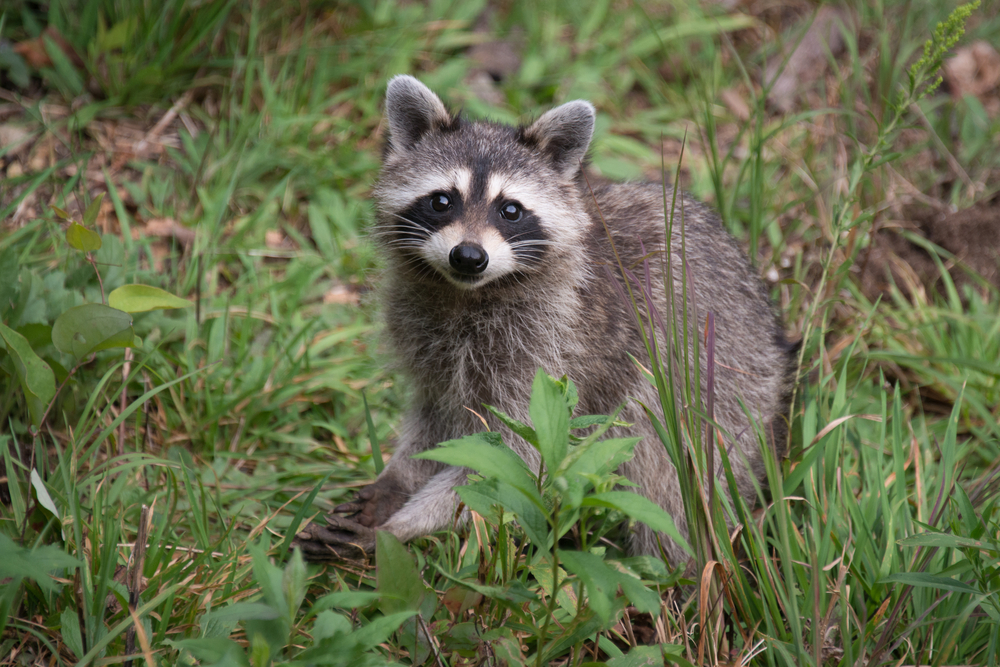
Raccoons freeze, then sprint. They often change direction mid-crossing. Night driving increases risk.
Traffic safety studies show raccoons cause sudden braking incidents. Their behavior is unpredictable. They hesitate at road edges. That hesitation is dangerous.
7. Bears
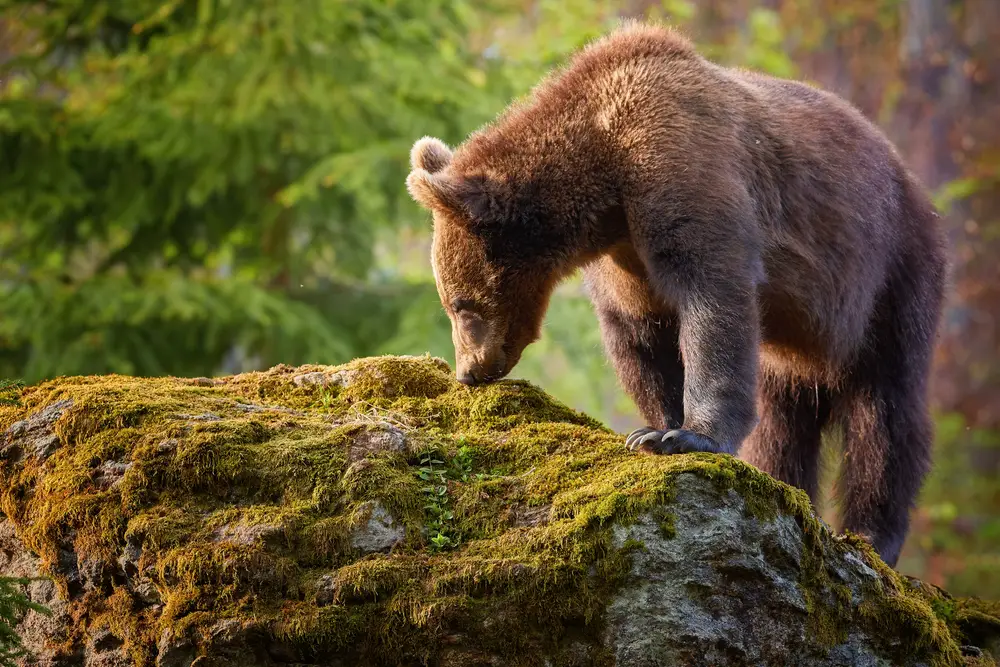
Bears move slowly, then suddenly. Cubs increase erratic crossings. Roads near food sources raise risk.
Wildlife agencies report increased bear-vehicle collisions near development. Bears misjudge speed. Stopping distance is crucial. Never swerve blindly.
8. Kangaroos
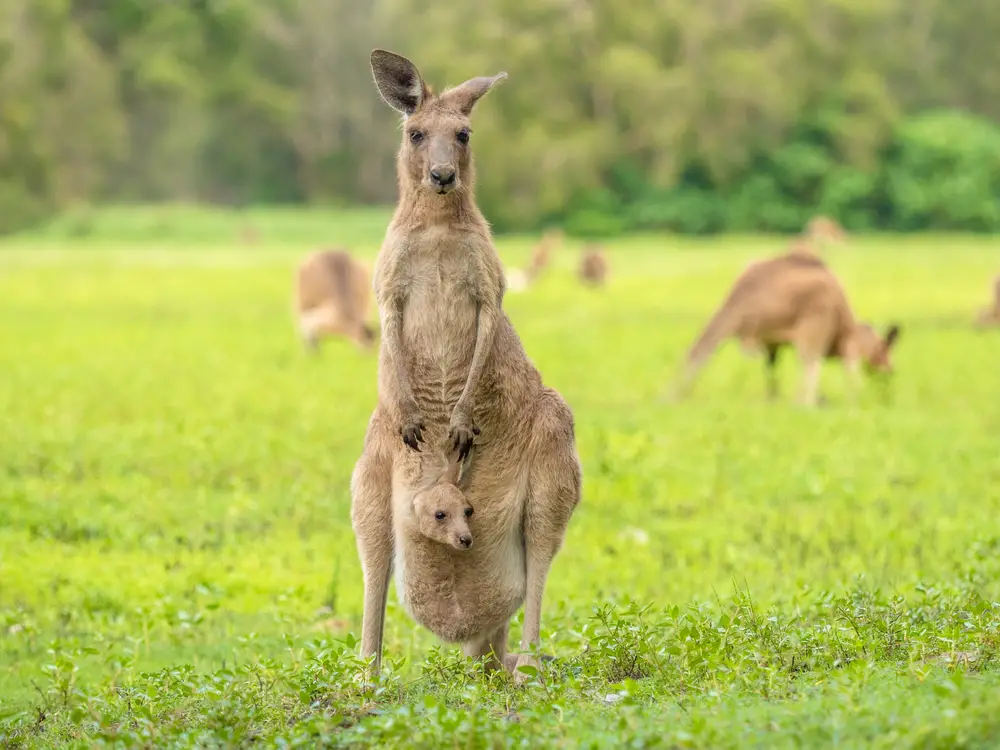
Kangaroos move in bounding leaps. Headlights confuse their motion. They often jump toward light.
Australian traffic research confirms kangaroo collision patterns. Their movement defies prediction. Night driving is highest risk. Speed reduction is essential.
9. Wild Turkeys
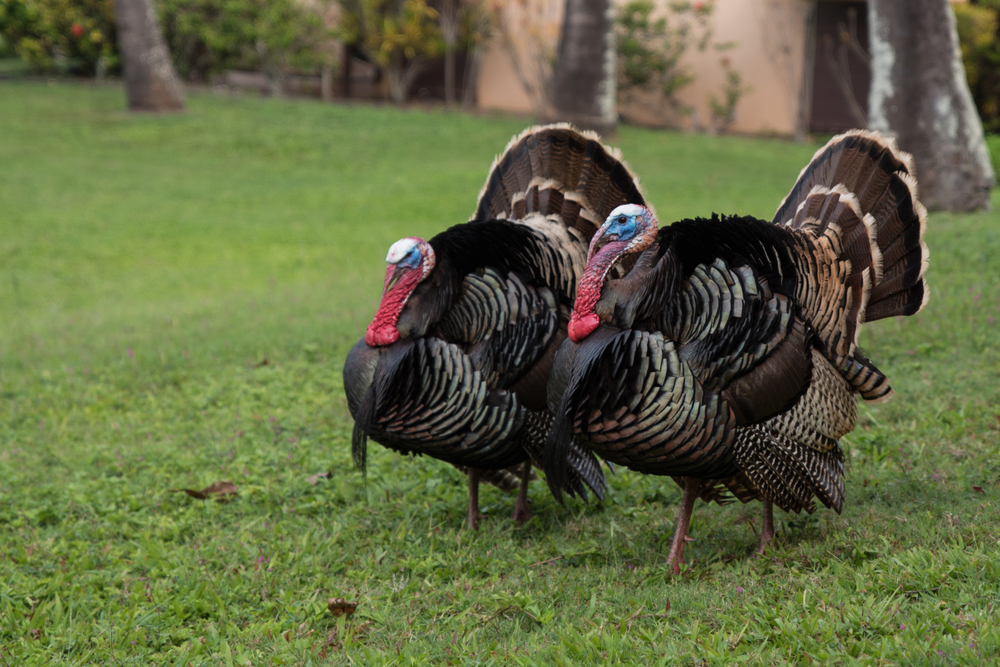
Turkeys freeze, then explode into motion. Group crossings increase confusion. Large bodies cause windshield strikes.
They’re increasingly common near roads. Their flight response is delayed. Sudden movement surprises drivers. Early braking helps.
10. Feral Hogs
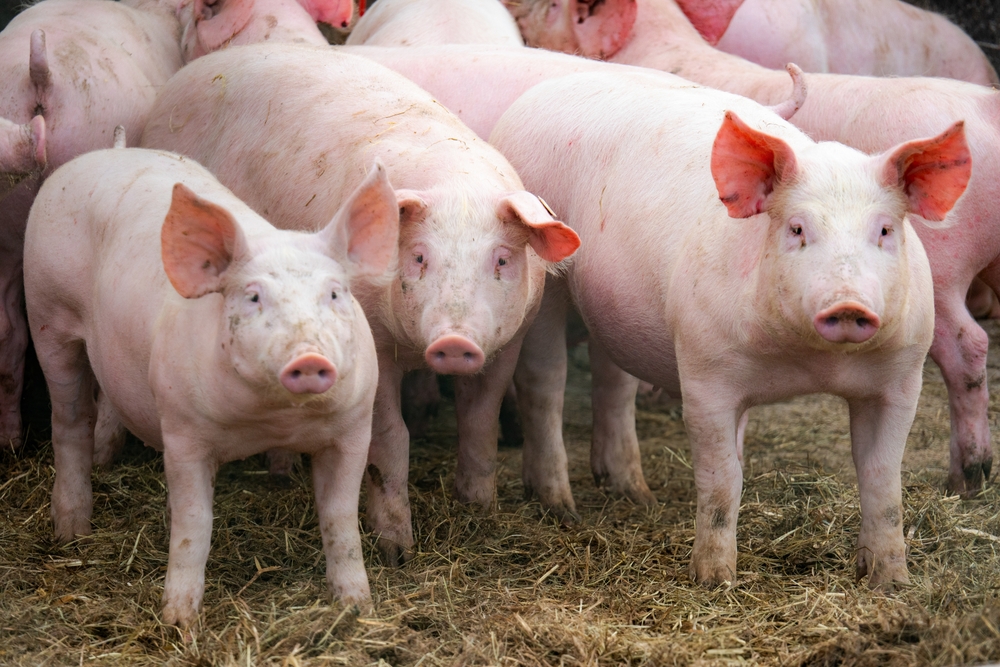
Hogs travel in groups. They cross suddenly and slowly. Braking distance is often insufficient.
Transportation studies show hog collisions are rising. Their mass causes severe damage. Swerving risks rollovers. Controlled braking is safest.
11. Antelope
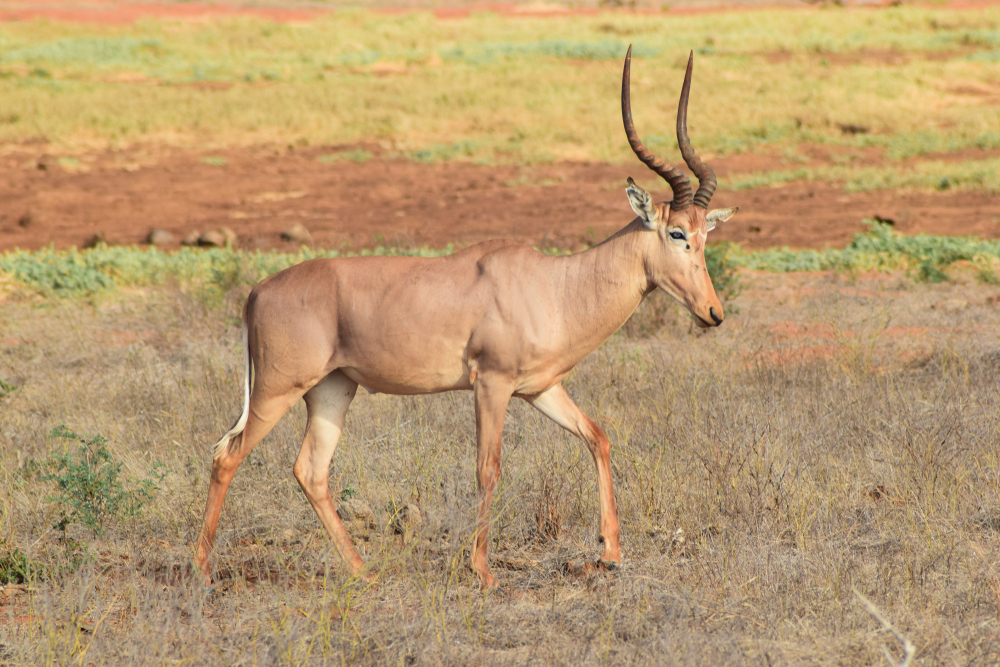
Antelopes sprint instinctively. They misjudge barriers and openings. Roads disrupt migration paths.
Wildlife migration research shows roads intersect movement corridors. Speed and panic combine. They dart without scanning. Slower driving reduces risk.
12. Mountain Goats
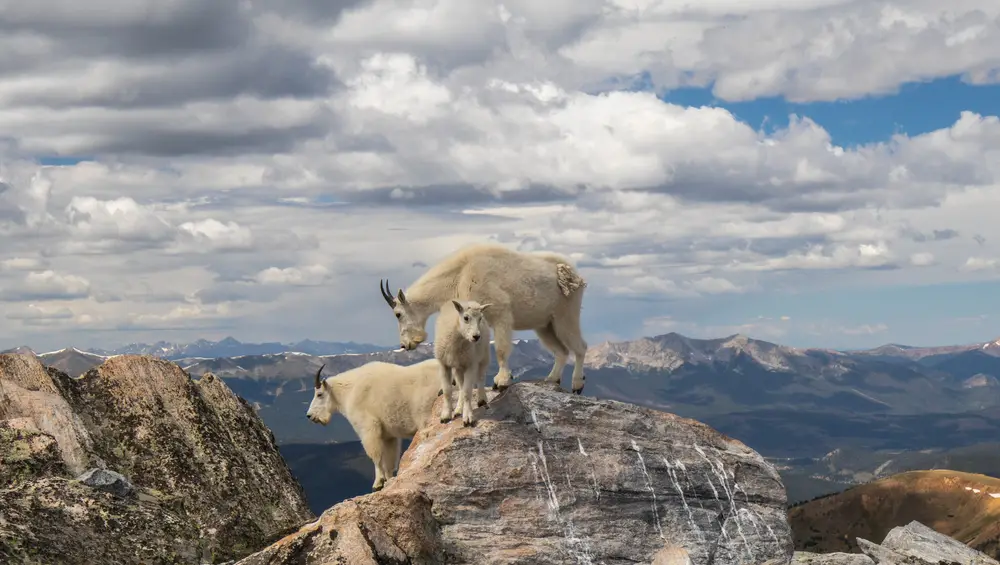
Mountain goats descend unexpectedly. Roadside salt attracts them. Their footing is fast and unstable.
Transportation departments note salt lures increase crossings. Goats move suddenly downhill. Visibility is limited on curves. Anticipation helps.
13. Cattle Gone Rogue
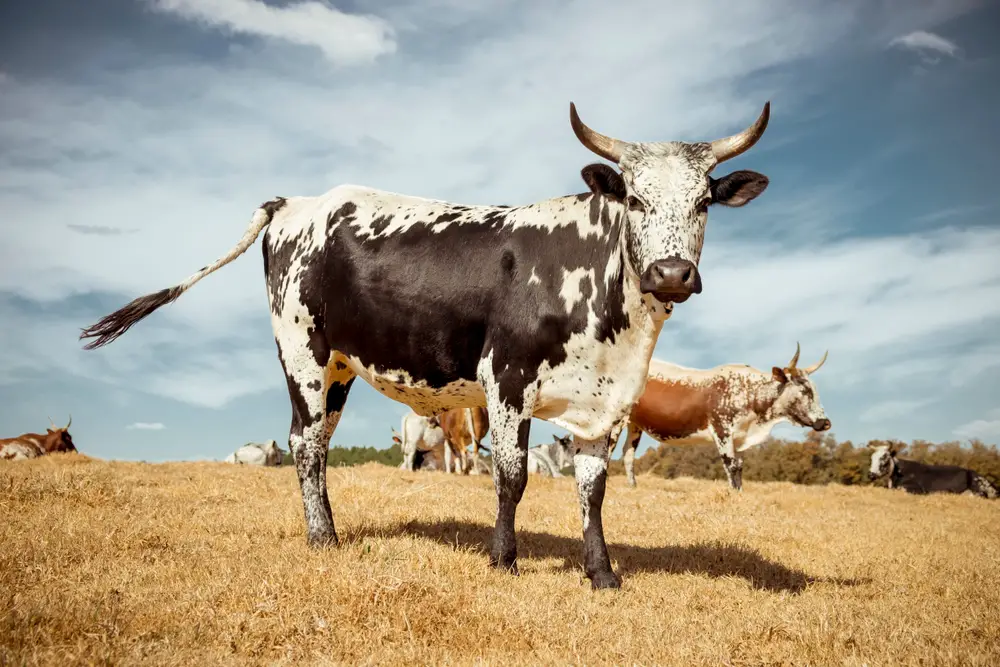
Feral cattle wander unpredictably. Night visibility is low. Their mass makes collisions severe.
Rural crash data shows livestock collisions are deadly. They don’t flee like wildlife. Braking distance is critical. Speed control saves lives.