Every day, our actions have a ripple effect on the world around us, often impacting wildlife in ways we’re unaware of. From the seemingly innocent choices we make at home to our interactions with nature outside, each decision can inadvertently harm the animals that share our planet. Understanding these impacts is the first step toward making more thoughtful choices that protect our environment and its inhabitants. Here are 13 ways we might be harming wildlife every day, and how we can stop.
1. Using Chemical Fertilizers

Chemical fertilizers may promise a lush garden, but they often come with hidden environmental costs. These fertilizers can run off into nearby water bodies, causing algal blooms that deplete oxygen and kill aquatic life. The impact extends beyond water, affecting soil quality and plant health in the long term. Switching to organic fertilizers can mitigate these effects and promote healthier ecosystems.
A study published in the journal “Nature” found that nitrogen-based fertilizers are a significant contributor to greenhouse gas emissions. This not only affects local wildlife but also contributes to climate change on a global scale. By using compost or other organic matter, you can maintain garden productivity while supporting environmental health. This sustainable practice benefits both your garden and the planet.
2. Using Plastic Products
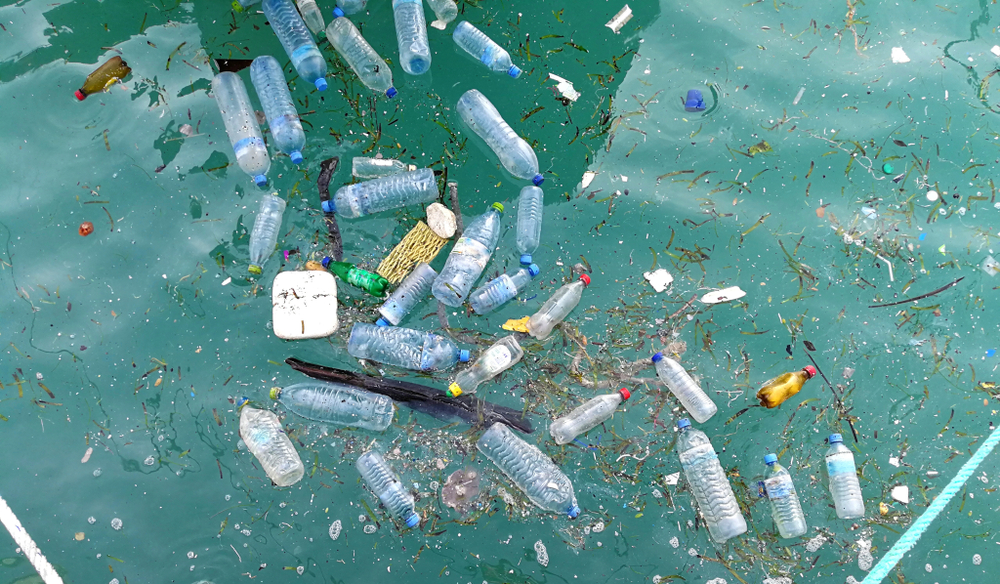
Single-use plastics are more than just an eyesore; they’re a serious threat to wildlife. Items like straws, bags, and bottles often end up in oceans and natural habitats, where animals mistake them for food. Ingesting plastic can lead to injuries, starvation, and even death for countless marine creatures. By opting for reusable alternatives, you can significantly reduce your plastic footprint and help protect wildlife from this pervasive menace.
According to the National Oceanic and Atmospheric Administration (NOAA), over 100 million marine animals are killed each year due to plastic waste in the ocean. It’s a staggering number, especially considering how preventable it is. Switching to metal straws, cloth shopping bags, and glass bottles might seem small, but these changes collectively make a big difference. It’s time to rethink convenience in favor of sustainability.
3. Leaving Lights On at Night

Artificial lighting is often overlooked as a threat to wildlife, but it can disrupt natural behaviors in animals. Birds, for example, rely on the moon and stars for navigation during migration. Excessive night lighting can disorient them, leading to collisions with buildings or exhaustion. Simply turning off unnecessary lights can reduce these hazards significantly.
Besides harming birds, artificial lighting affects nocturnal creatures that rely on darkness for hunting or hiding. It can alter their feeding and breeding patterns, leading to population declines. Consider using motion-sensor lights or lower-intensity bulbs to minimize your impact. Reducing light pollution isn’t just good for wildlife; it’s also a step toward conserving energy.
4. Feeding Wildlife

Feeding wild animals might seem like a kind gesture, but it can inadvertently cause harm. Human food is often nutritionally inadequate for animals and can lead to health issues. Additionally, feeding wildlife can make them dependent on humans and less capable of surviving on their own. To truly help, it’s better to let animals find their natural food sources.
When animals associate humans with food, it can lead to dangerous situations for both parties. Animals may become aggressive or lose their natural fear of humans, increasing the risk of accidents. Instead of feeding wildlife, consider supporting local conservation efforts that protect their habitats. Providing a safe and natural environment is the best way to ensure their well-being.
5. Using Chemical Pesticides
Chemical pesticides might keep your garden free of pests, but they also pose a significant threat to wildlife. These toxic substances can leach into waterways, poisoning fish and amphibians. Land animals that consume affected plants or prey also face serious health risks. Opting for natural pest control methods is a great way to keep your garden and local wildlife healthy.
The Environmental Protection Agency (EPA) highlights the growing concern over neonicotinoids, a class of pesticides linked to the decline of bee populations. Bees play a crucial role in pollinating plants, which is essential for food production. By choosing organic pest control solutions, you help create a safer environment for these vital pollinators. This small change can contribute to a more balanced ecosystem and improved biodiversity in your area.
6. Using Harsh Cleaning Products
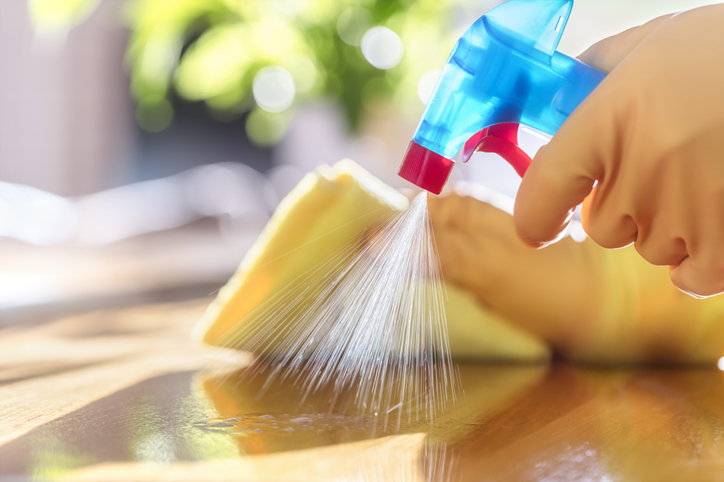
Your choice of cleaning products can have far-reaching impacts on wildlife, particularly aquatic species. Many conventional cleaners contain harmful chemicals that, when washed down the drain, end up in rivers and oceans. These substances can harm fish, crustaceans, and other marine life, disrupting entire ecosystems. Opting for eco-friendly cleaning products is a simple way to reduce your ecological footprint.
Eco-friendly cleaners are designed to break down more easily and contain fewer toxic ingredients. This means less harm to wildlife and a healthier environment overall. Additionally, they’re often packaged in recyclable materials, further reducing waste. Making the switch not only benefits wildlife but also creates a safer living space for you and your family.
7. Discarding Cigarette Butts Improperly

Cigarette butts are the most commonly littered item worldwide, and they pose a significant threat to wildlife. Made of non-biodegradable materials, they can take years to decompose, leaching toxins into the environment all the while. Animals can mistake these small items for food, leading to ingestion of harmful chemicals. Disposing of cigarette butts properly is an easy way to protect wildlife and the environment.
Research from the Ocean Conservancy reveals that cigarette butts are consistently among the top items collected during beach cleanups. This indicates a widespread problem that requires collective action to address. Consider using portable ashtrays when you’re outdoors to ensure proper disposal. By taking responsibility, you help mitigate a common but preventable threat to wildlife.
8. Driving Carelessly in Wildlife Areas
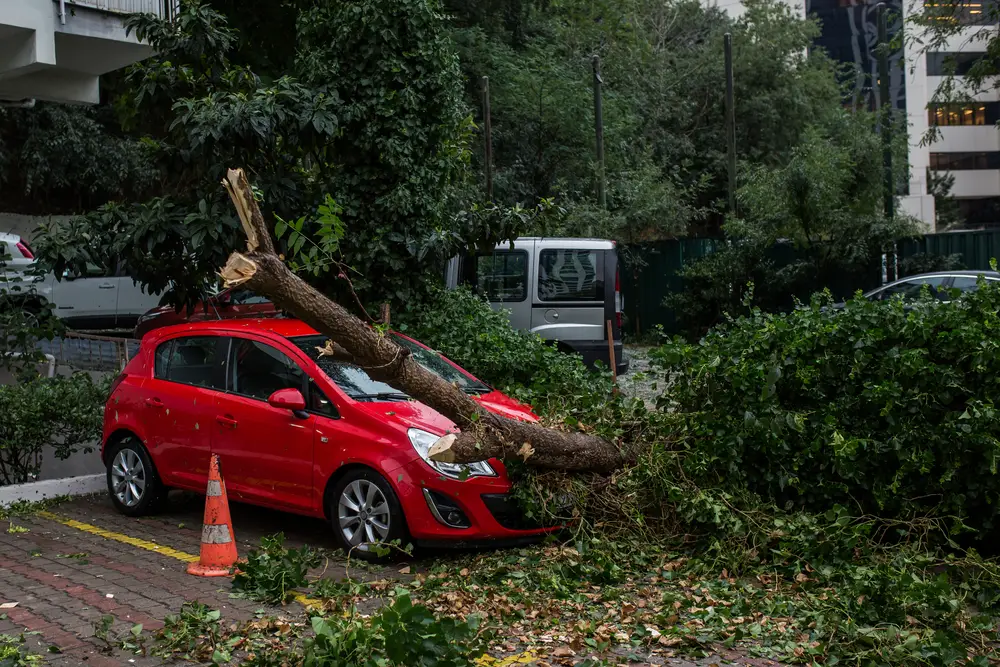
Driving through natural areas requires extra caution to protect wildlife. Animals often cross roads unexpectedly, and careless driving can lead to accidents that harm both the animals and you. Observing speed limits and staying alert can significantly reduce the number of wildlife-vehicle collisions. This simple action not only protects animals but also enhances road safety for everyone.
In addition to direct collisions, vehicles contribute to noise pollution, which can disrupt animal communication and behavior. Being mindful of your driving habits in these areas is essential for maintaining the peace and balance of these ecosystems. If possible, consider using public transport or carpooling to minimize your environmental impact. Each mindful choice contributes to a safer environment for wildlife.
9. Disposing of Waste Wrong
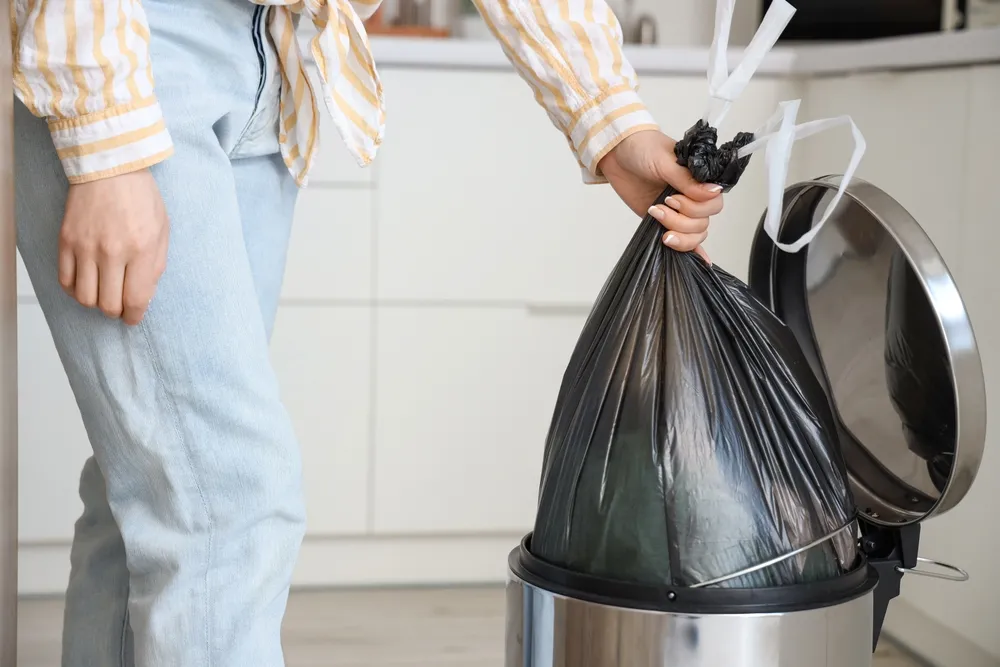
Littering might seem harmless when it’s just one piece of trash, but it accumulates to create a significant threat to wildlife. Animals can become entangled in debris or ingest it, leading to injury or death. Garbage can also pollute habitats, making them unsuitable for animal populations. Responsible waste disposal is a key factor in protecting wildlife and preserving natural beauty.
Properly sorting your waste, recycling, and participating in community clean-ups can significantly mitigate this issue. These actions not only protect wildlife but also promote a cleaner and healthier environment for everyone. Educating others about the importance of proper waste disposal can amplify your impact. Your efforts can inspire others to join the cause and foster a community dedicated to environmental stewardship.
10. Engaging in Unregulated Tourism

Tourism can be a double-edged sword for wildlife, providing essential funding for conservation but also posing risks if not managed sustainably. Unregulated tourism can lead to habitat destruction and disturb natural behaviors in animals. It’s crucial to choose eco-friendly tours that prioritize animal welfare and habitat preservation. By supporting responsible tourism, you can enjoy nature’s beauty without compromising its integrity.
Eco-tourism initiatives often involve local communities, providing them with economic incentives to protect their environment. This creates a symbiotic relationship where both people and wildlife benefit. Before booking any wildlife-related activity, research the practices of the companies and ensure they adhere to ethical standards. Your choices as a tourist have the power to promote conservation and protect wildlife for future generations.
11. Ignoring Pet Waste
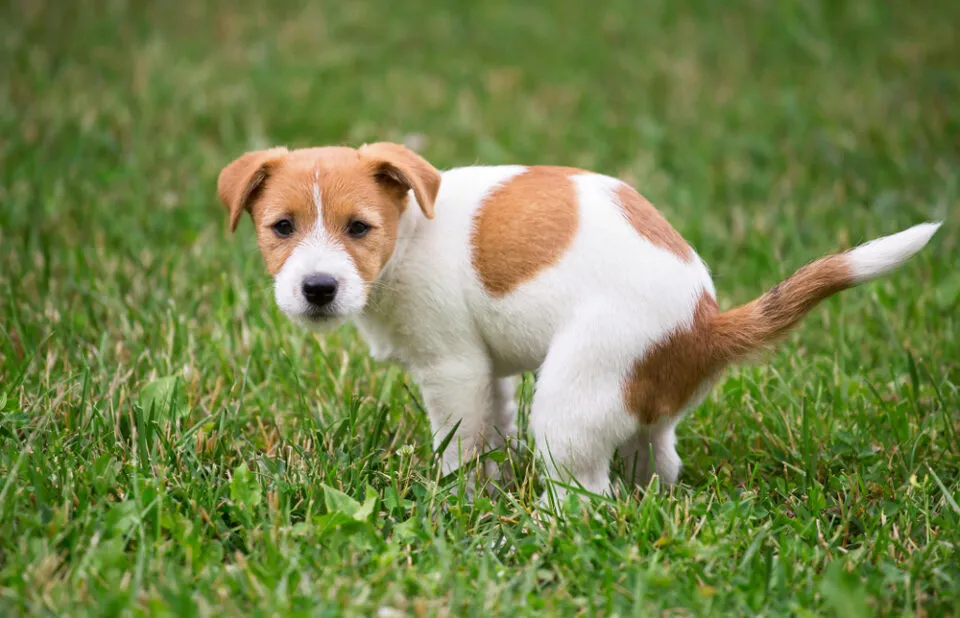
Leaving pet waste on the ground might seem trivial, but it can have serious environmental consequences. Pet waste contains harmful bacteria and nutrients that can pollute waterways, affecting aquatic ecosystems. It also attracts pests and can spread disease to other animals. Cleaning up after your pets is a small but significant way to reduce your environmental impact.
By properly disposing of pet waste, you’re not only protecting wildlife but also ensuring a cleaner environment for your community. Consider using biodegradable waste bags to further minimize your ecological footprint. Encouraging other pet owners to do the same can amplify your positive impact. Collective action in this area can significantly improve the quality of local habitats.
12. Planting Non-Native Garden Species
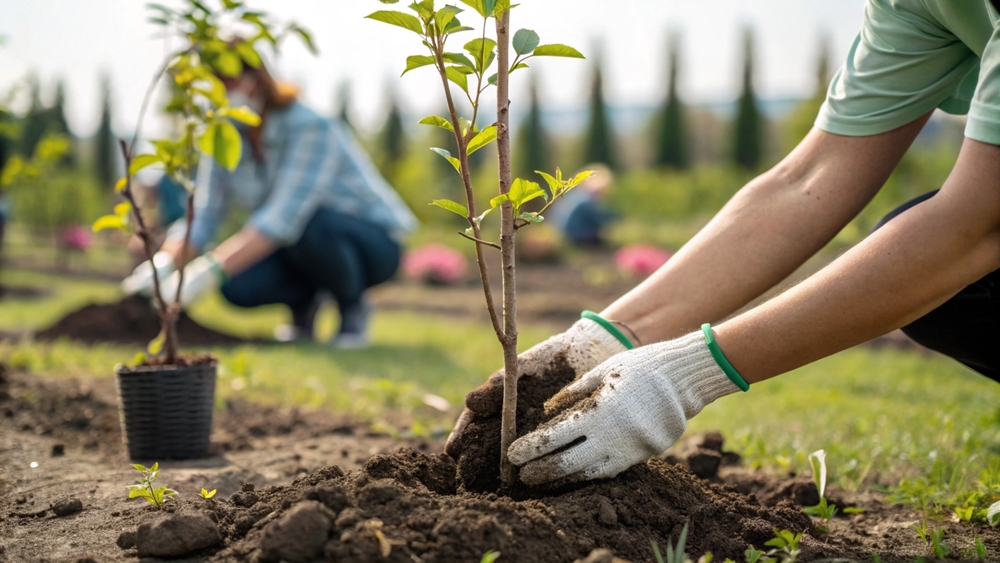
Planting non-native species in your garden might seem harmless, but it can disrupt local ecosystems. These plants can outcompete native flora, leading to a loss of food and habitat for local wildlife. Birds, insects, and other animals that rely on native plants may struggle to survive. Opting for native plants supports biodiversity and creates a balanced environment where local species can thrive.
Native plants are better adapted to local conditions, often requiring less water and maintenance. This makes them a sustainable choice for your garden while providing essential resources for local wildlife. By choosing native plants, you contribute to the conservation of your area’s natural heritage. Your garden can become a mini sanctuary that supports and celebrates biodiversity.
13. Using Too Much Water

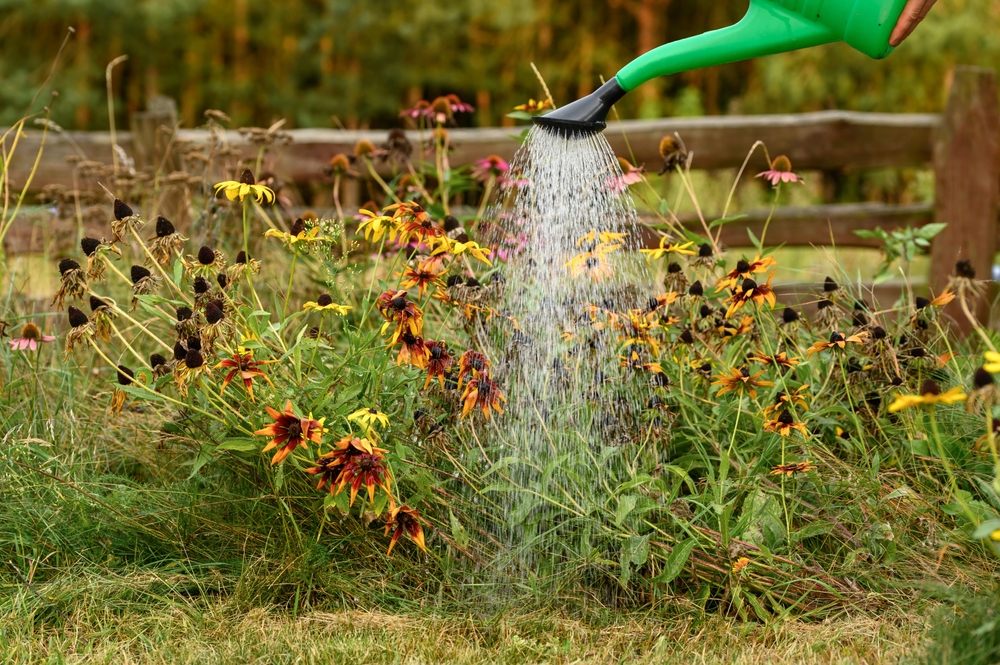
Water is a precious resource, and using it excessively can harm wildlife and the environments they rely on. Overuse of water can lead to habitat degradation, particularly in dry regions where it is most needed. Conserving water through mindful usage and efficient irrigation practices helps preserve these vital ecosystems. Every drop saved is a step toward a healthier planet for all its inhabitants.
Simple actions like fixing leaks, installing water-efficient fixtures, and choosing drought-resistant plants can make a big difference. These practices not only benefit wildlife but also reduce your water bills. Encouraging others to adopt water-saving habits can amplify your impact. Together, we can ensure that there’s enough to sustain both people and the natural world we cherish.