
Shark sightings don’t mean attacks—but patterns matter. Some beaches consistently report higher shark activity due to geography, prey movement, and water conditions. These locations overlap human recreation zones. Awareness matters more than fear.
1. New Smyrna Beach, Florida
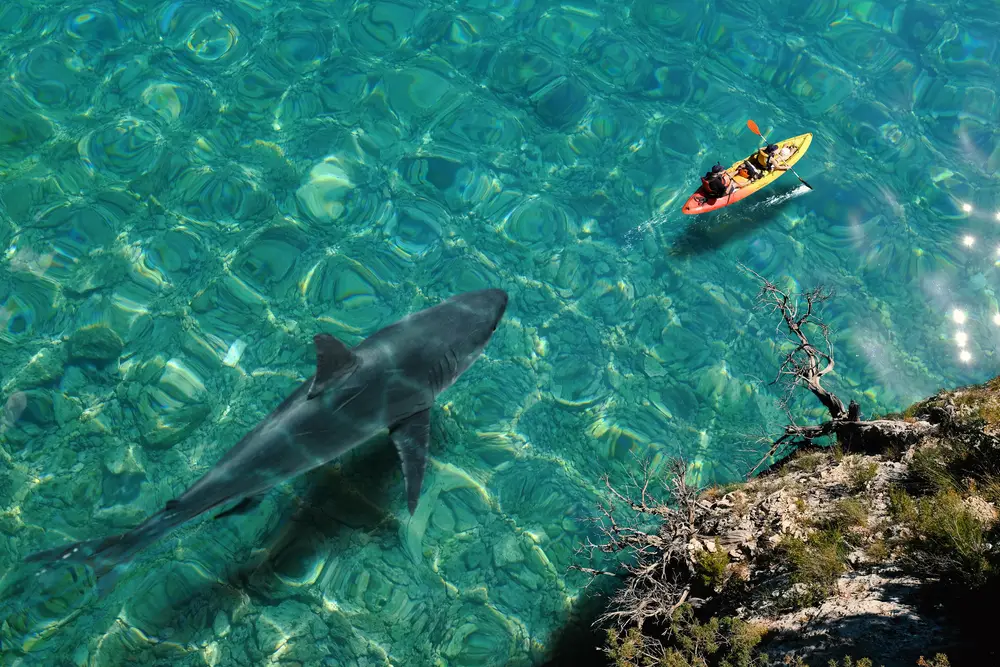
This beach consistently ranks highest for shark encounters. The shallow water attracts both swimmers and sharks. Bait fish congregate close to shore. Overlap increases sightings. Marine safety data confirms this region’s activity. Most sharks are small. Encounters rarely escalate. Awareness reduces risk.
2. Daytona Beach, Florida
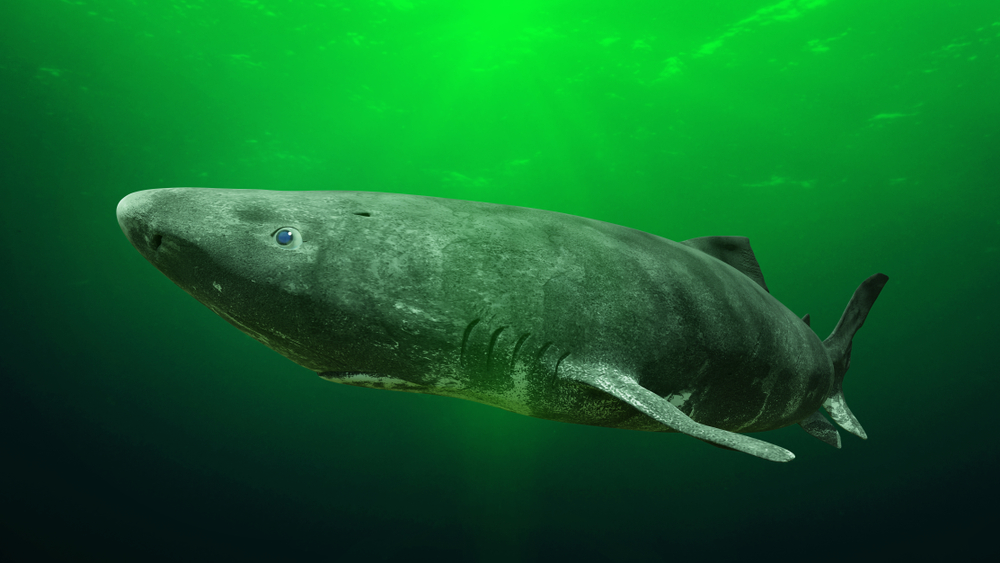
Warm waters and heavy foot traffic create conditions for sightings. Sharks follow fish schools. Humans enter the same zone. Proximity rises. Coastal research shows human density increases reports. Behavior remains non-aggressive. Visibility matters. Patterns persist.
3. Cocoa Beach, Florida
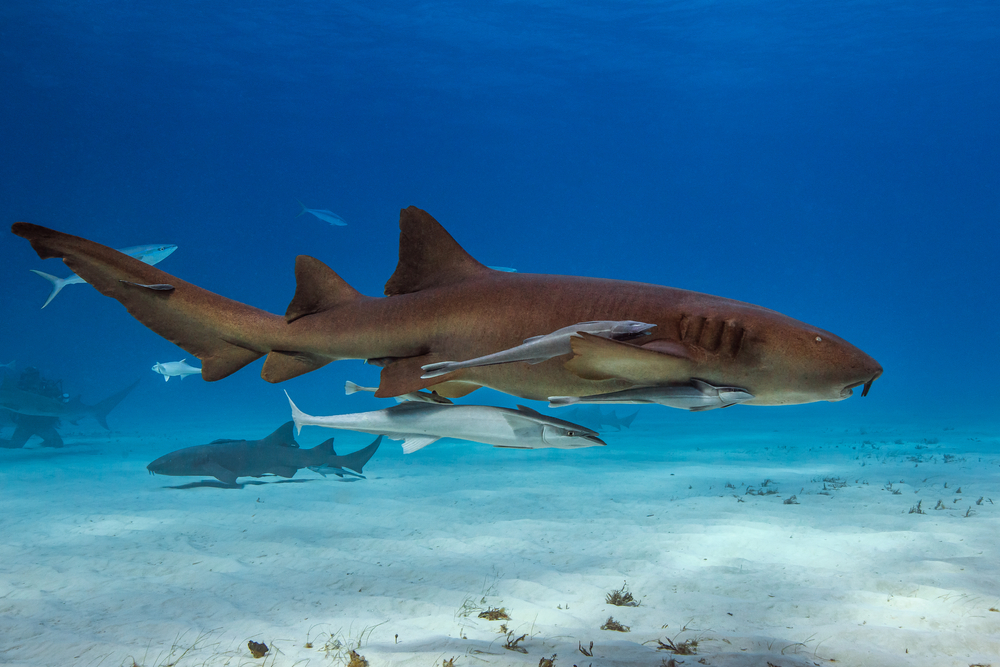
Turbid water reduces visibility. Sharks hunt closer to shore. Swimmers don’t see them. Sightings increase. Marine ecology studies show murky water elevates encounter probability. Awareness matters more than avoidance. Context explains patterns.
4. Myrtle Beach, South Carolina
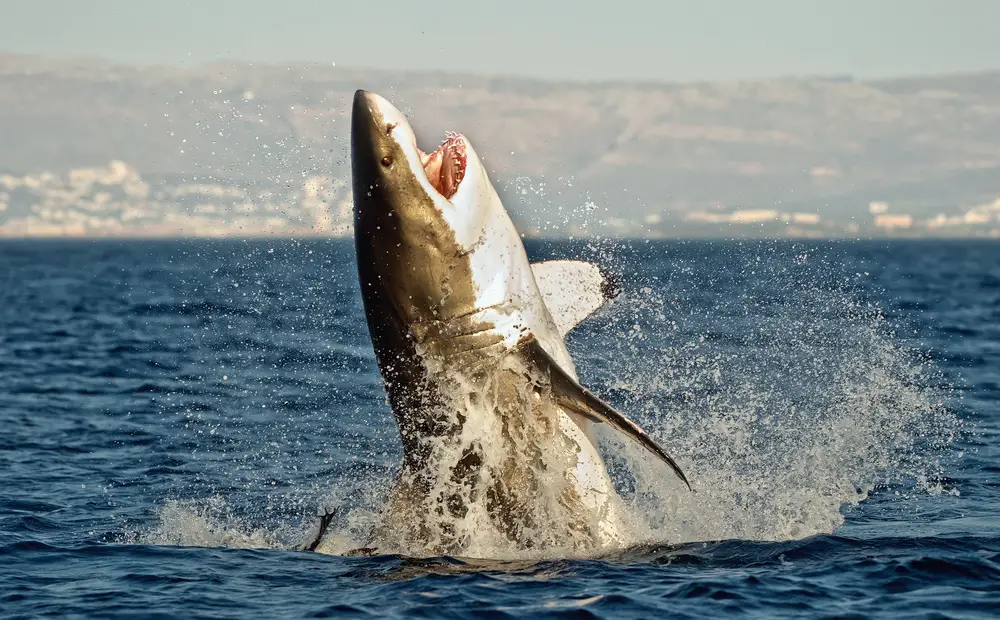
Long coastlines intersect migratory paths. Sharks pass regularly. Humans notice more often. Reports rise. Shark tracking research confirms seasonal movement. Presence doesn’t equal threat. Knowledge matters.
5. Jacksonville Beach, Florida
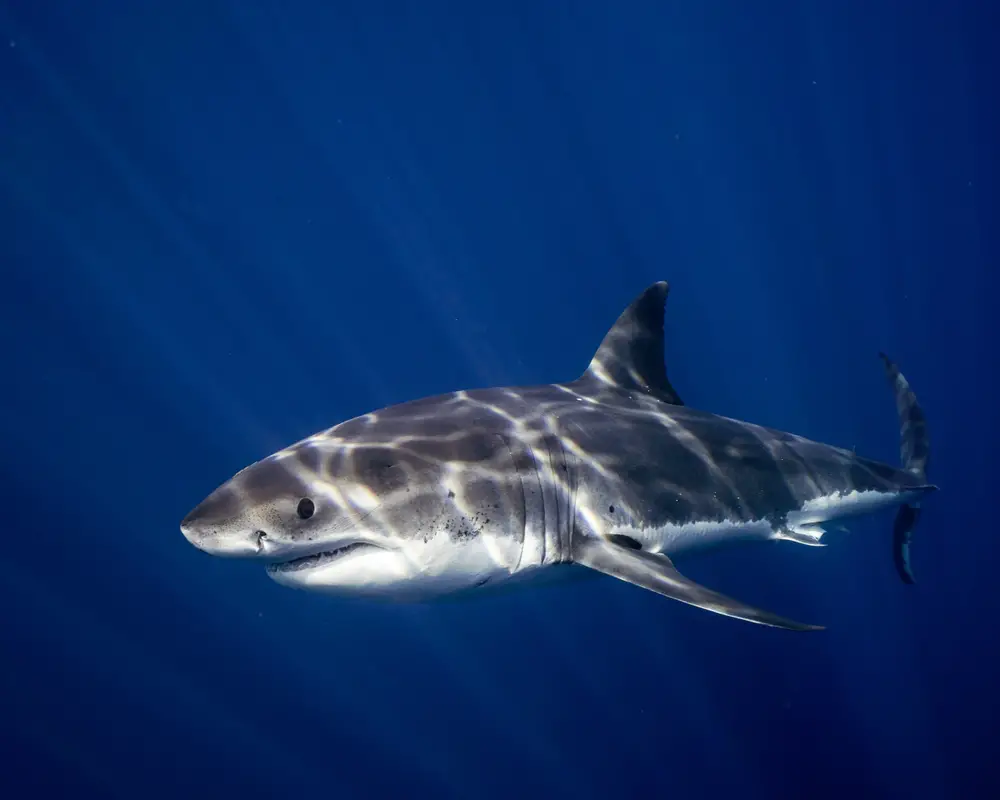
River outlets attract prey. Sharks follow. Swimmers enter unknowingly. Sightings occur. Environmental studies link estuaries to shark activity. Behavior remains neutral. Education reduces fear.
6. Cape Cod, Massachusetts
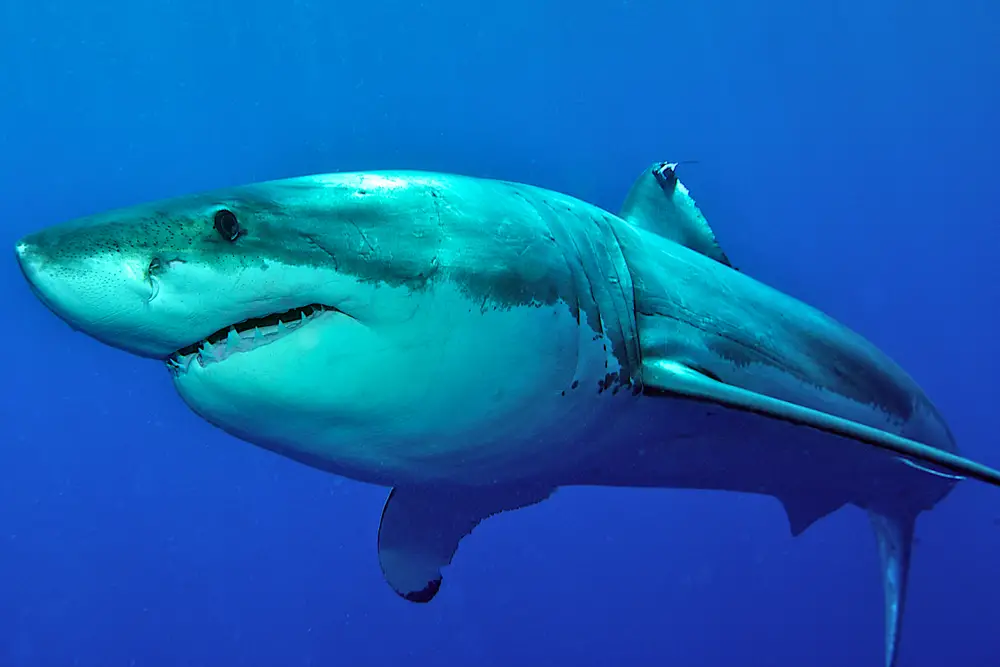
Seal populations rebounded. Sharks followed. Humans share waters. Sightings surged. Marine conservation research confirms predator return. Ecosystem recovery explains presence. Fear misreads success.
7. Huntington Beach, California
Juvenile sharks frequent shallow zones. Humans wade nearby. Sightings rise. California marine studies show nurseries overlap recreation. Sharks avoid humans. Context clarifies risk.
8. La Jolla Shores, California
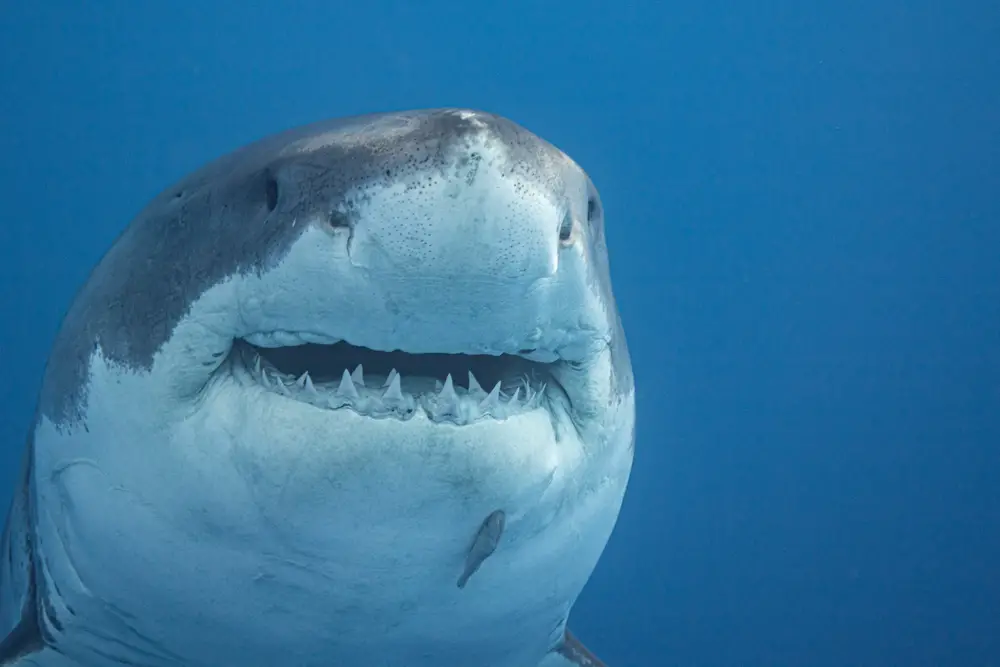
Warm currents support shark nurseries. Visibility allows spotting. Reports increase. Marine biology confirms seasonal patterns. Awareness prevents panic. Presence isn’t aggression.
9. Padre Island, Texas
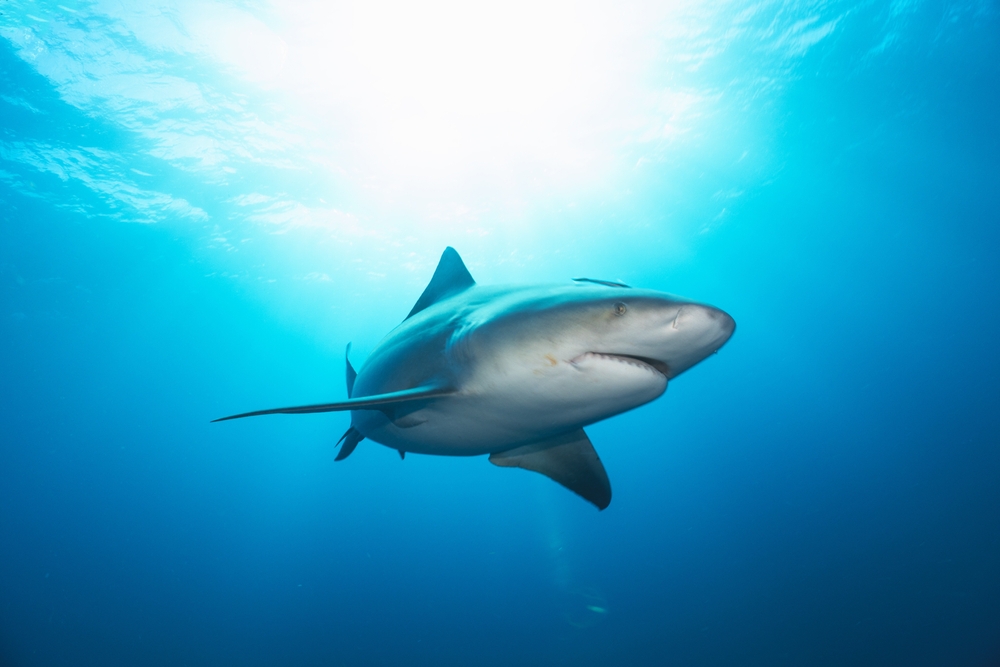
Long, undeveloped shoreline intersects migration routes. Sharks pass frequently. Human encounters occur. Gulf research confirms migratory overlap. Behavior remains calm. Geography explains frequency.
10. Outer Banks, North Carolina
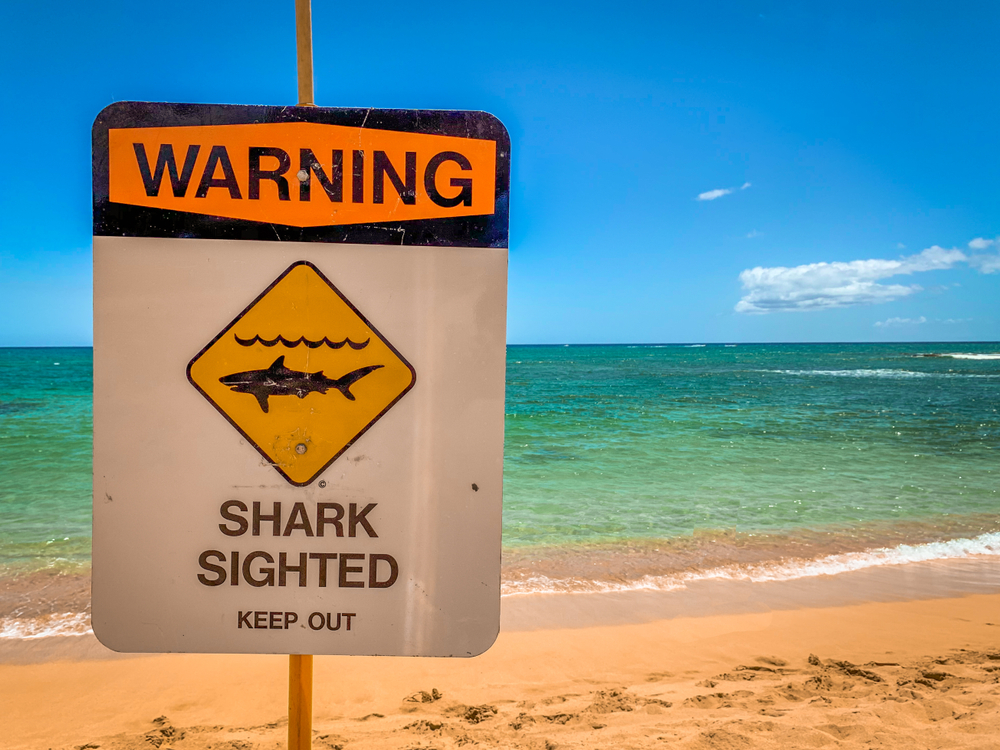
Shifting sandbars affect currents. Sharks patrol edges. Swimmers cross unknowingly. Oceanographic studies show current dynamics influence sightings. Knowledge reduces surprise. Patterns persist.
11. Panama City Beach, Florida
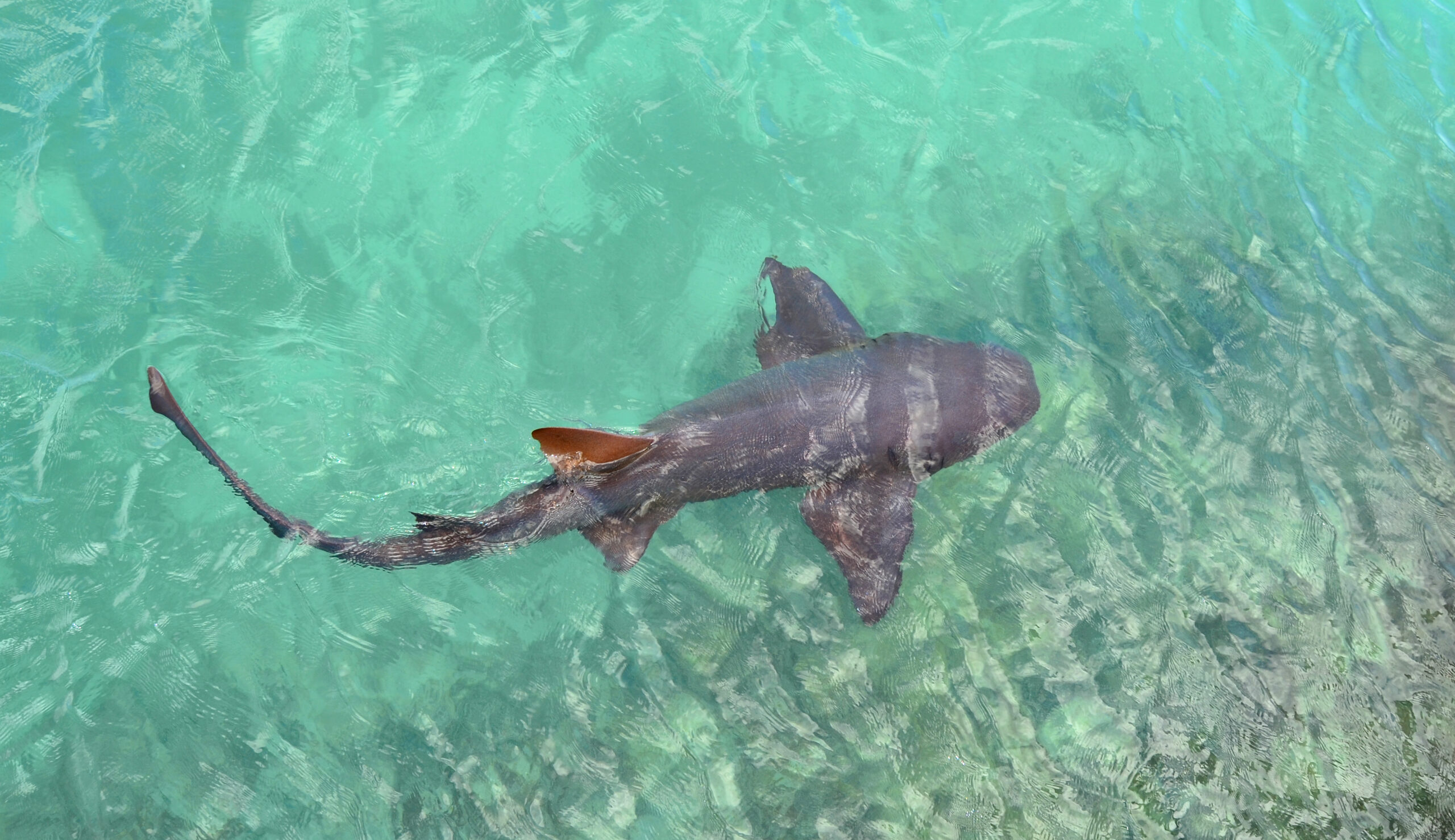
Warm waters attract bait fish. Sharks follow. Tourism increases sightings. Marine tracking shows consistent activity. Risk remains low. Awareness matters.
12. Hilton Head Island, South Carolina

Shallow tidal zones attract juvenile sharks. Humans wade nearby. Sightings rise. Ecological research confirms habitat overlap. Sharks remain non-confrontational. Education helps.
13. Santa Monica Bay, California
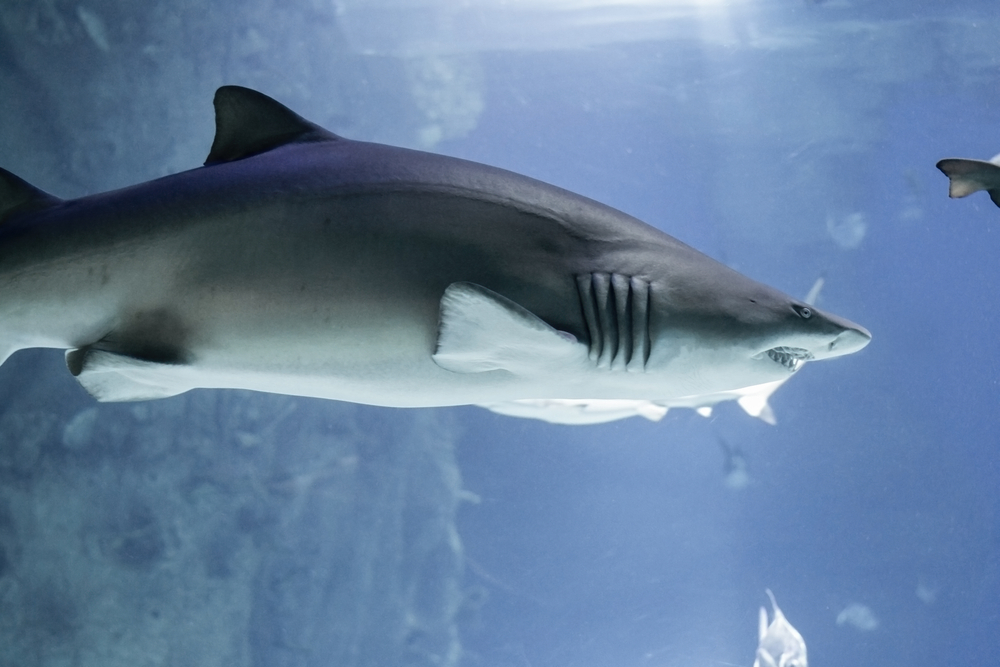
Urban runoff attracts prey. Juvenile sharks appear. Visibility increases reports. Marine studies confirm environmental influence. Presence doesn’t equal danger. Context matters.