
America’s coastlines draw millions of visitors each year seeking sun, sand, and surf. Most beaches are perfectly safe, but certain popular destinations have hazards that local experts know well but tourists often overlook. These aren’t always the dramatic dangers you’d expect—sometimes it’s the beautiful, calm-looking beaches that pose the greatest risks.
1. Hanakapiai Beach, Kauai, Hawaii
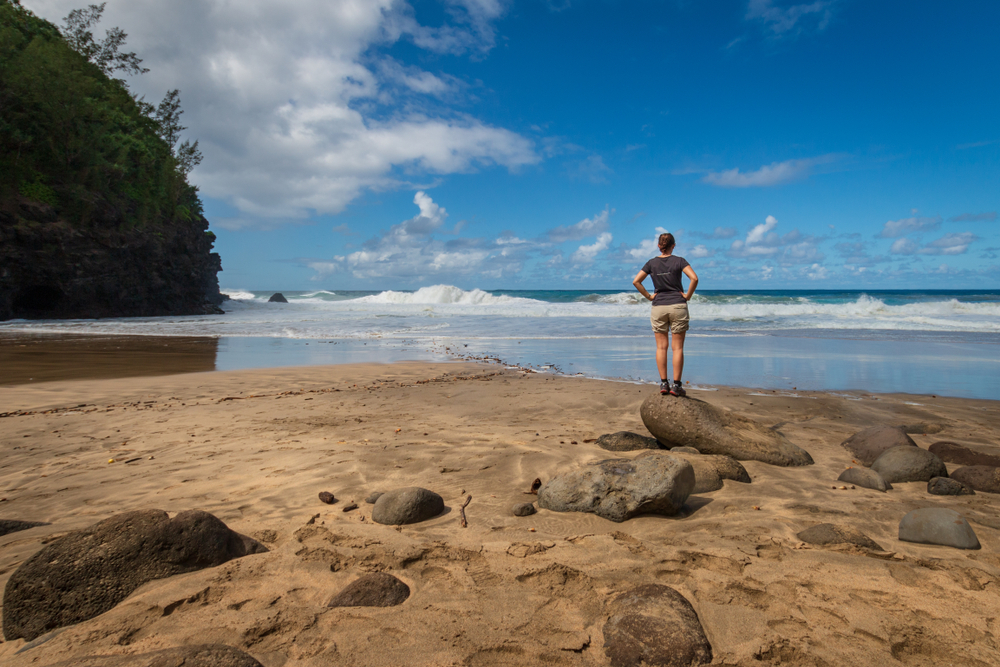
Hanakapiai Beach looks like a postcard-perfect Hawaiian paradise with golden sand and turquoise water framed by dramatic cliffs. The beach is accessible via a popular hiking trail, and tourists regularly ignore the warning signs to take a quick swim. What isn’t obvious from shore is that this beach has some of the most dangerous rip currents in Hawaii, with no reef to break the powerful ocean swells.
Over 80 people have drowned at Hanakapiai Beach since the 1970s, and their bodies are often never recovered due to the violent currents. There are no lifeguards, and rescue is extremely difficult even when someone calls for help. Local authorities have installed warning signs and a death toll counter, but tourists still wade in, often fatally underestimating the ocean’s power.
2. New Smyrna Beach, Florida
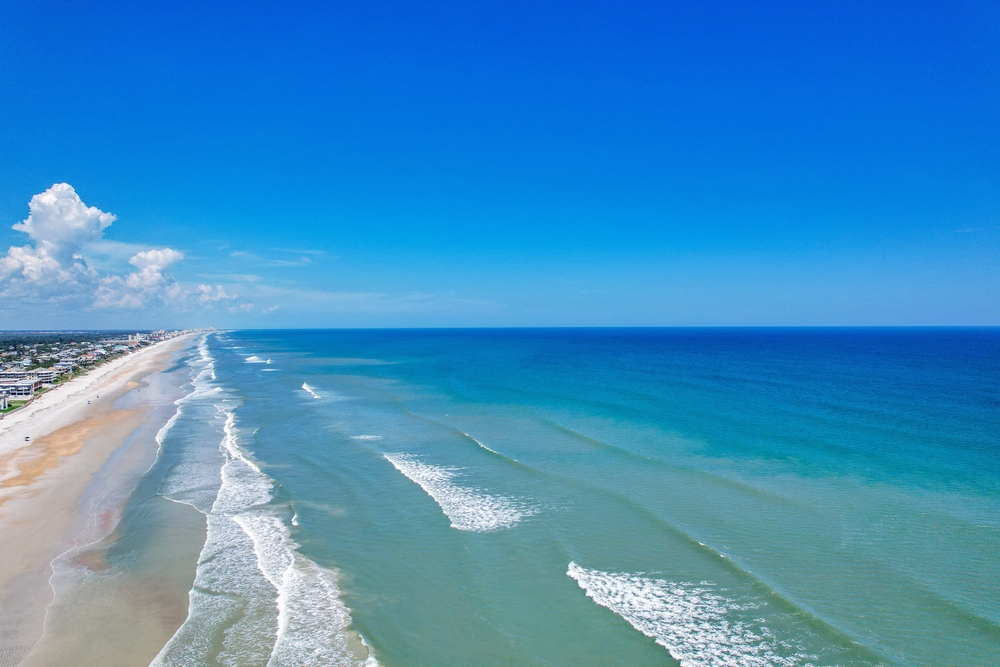
New Smyrna Beach markets itself as a charming surf town with beautiful Atlantic coastline perfect for families and beach lovers. The water looks inviting and the beach is popular with swimmers, surfers, and boogie boarders year-round. What experts know is that this beach has the highest rate of shark attacks in the world, earning it the unofficial title of “shark bite capital.”
Most attacks are minor bites from small sharks that mistake surfers for prey in the murky water, but they happen with startling frequency. The sharks are drawn to the area by an inlet that creates a fish-rich environment, and the shallow, murky conditions make visibility poor. Lifeguards estimate that sharks swim within 10 feet of swimmers at all times, and getting bitten here is more a matter of when than if for regular visitors.
3. Monastery Beach, Carmel, California
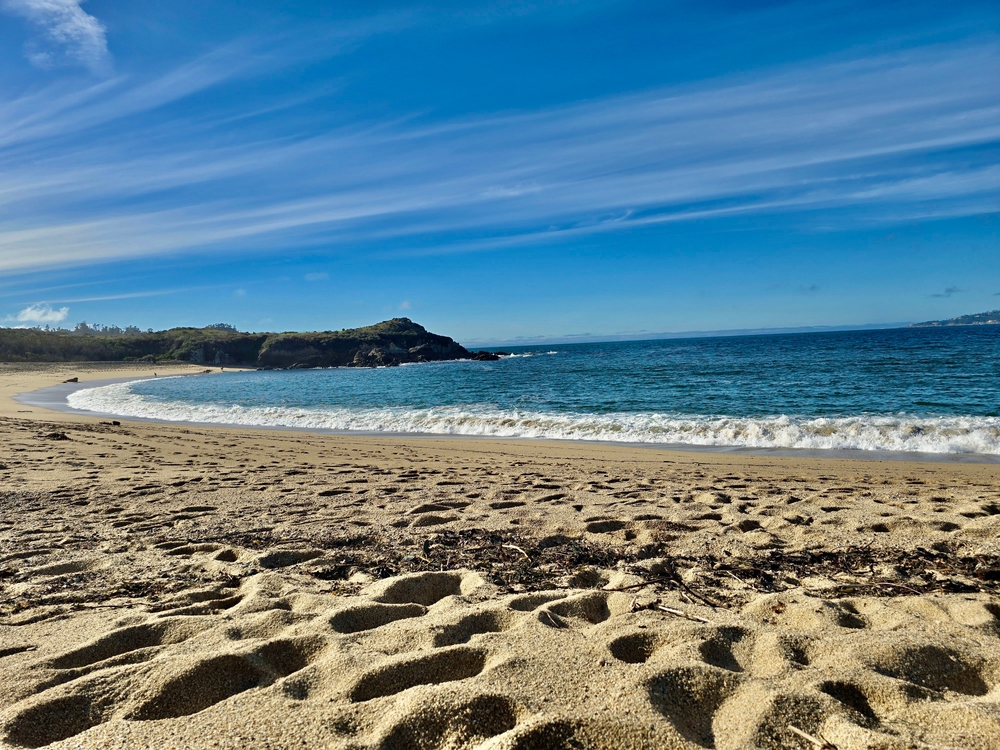
Monastery Beach is a stunning stretch of white sand with crystal-clear water that appears remarkably calm and inviting. The beach is easily accessible and attracts swimmers, divers, and beachcombers who are drawn by its pristine beauty. What makes this beach deadly is the sudden drop-off just feet from shore, where the ocean floor plunges to depths of 30-40 feet almost immediately.
This dramatic underwater topography creates powerful undertows and sleeper waves that can drag even strong swimmers into deep water within seconds. Multiple drownings occur here regularly, often involving experienced swimmers and divers who underestimated the conditions. Locals call it “Mortuary Beach” and avoid swimming here entirely, but tourists continue to be caught off guard by its deceptive appearance.
4. Galveston Island Beaches, Texas
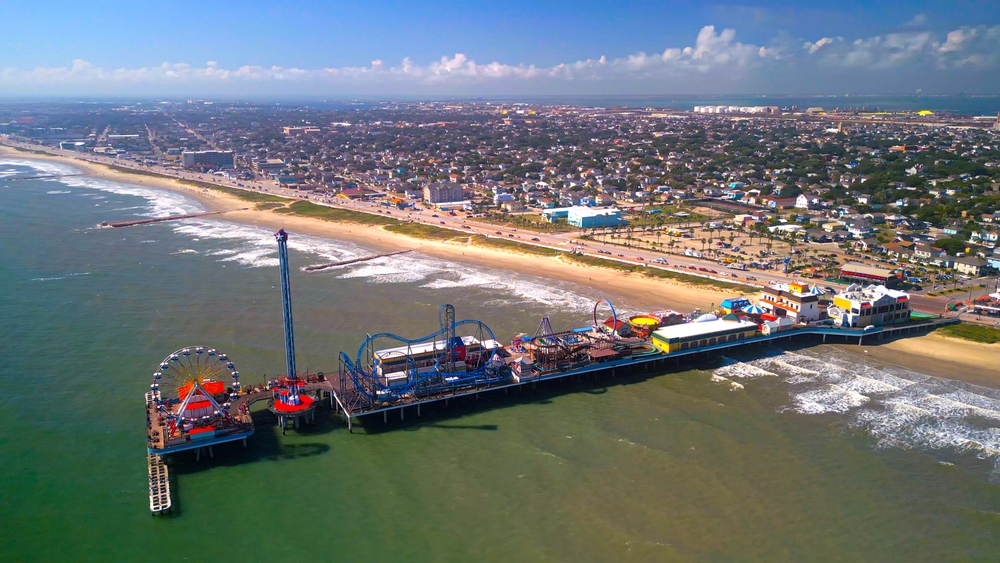
Galveston is one of Texas’s most popular beach destinations, drawing millions of visitors from Houston and beyond every summer. The beaches are easily accessible, have plenty of amenities, and the warm Gulf waters seem perfect for swimming. The problem is that Galveston’s water quality regularly tests among the worst in the nation, with high levels of fecal bacteria, especially after rainfall.
The city sits near major shipping channels and receives runoff from Houston’s extensive urban drainage systems, contaminating the water with bacteria that cause serious illness. Visitors frequently suffer from gastrointestinal infections, ear infections, and skin rashes after swimming here. While officials post warnings during the worst contamination events, many tourists either don’t see them or don’t take them seriously enough to stay out of the water.
5. Playa Zipolite, Oaxaca (Puerto Escondido area beaches used by Americans)
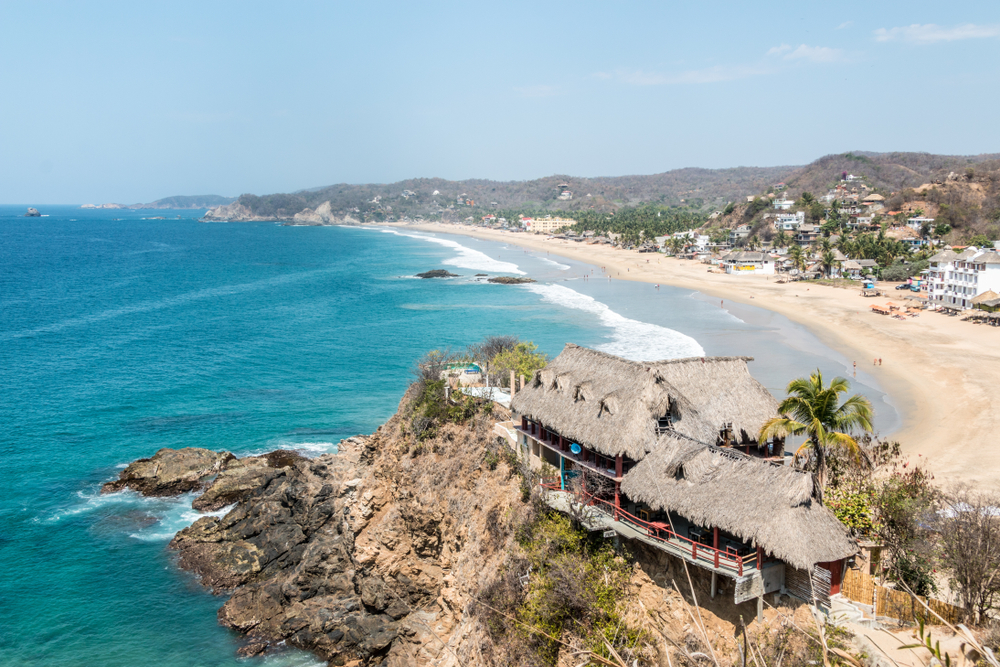
Though technically in Mexico, Puerto Escondido’s beaches are heavily frequented by American tourists seeking an alternative to more commercial Mexican destinations. The beaches look like tropical paradise with warm water, beautiful scenery, and a laid-back vibe that attracts swimmers. What isn’t immediately obvious is that these beaches have some of the most dangerous rip currents and undertows on Mexico’s Pacific coast.
Multiple American tourists drown here every year, often experienced swimmers who thought they could handle the conditions. The locals have nicknamed parts of this stretch “Beach of the Dead” for good reason, but tourism promoters naturally don’t emphasize this. There’s minimal lifeguard coverage and rescue infrastructure, making a swimming emergency potentially fatal even if someone notices you’re in trouble.
6. Second Beach, Olympic National Park, Washington
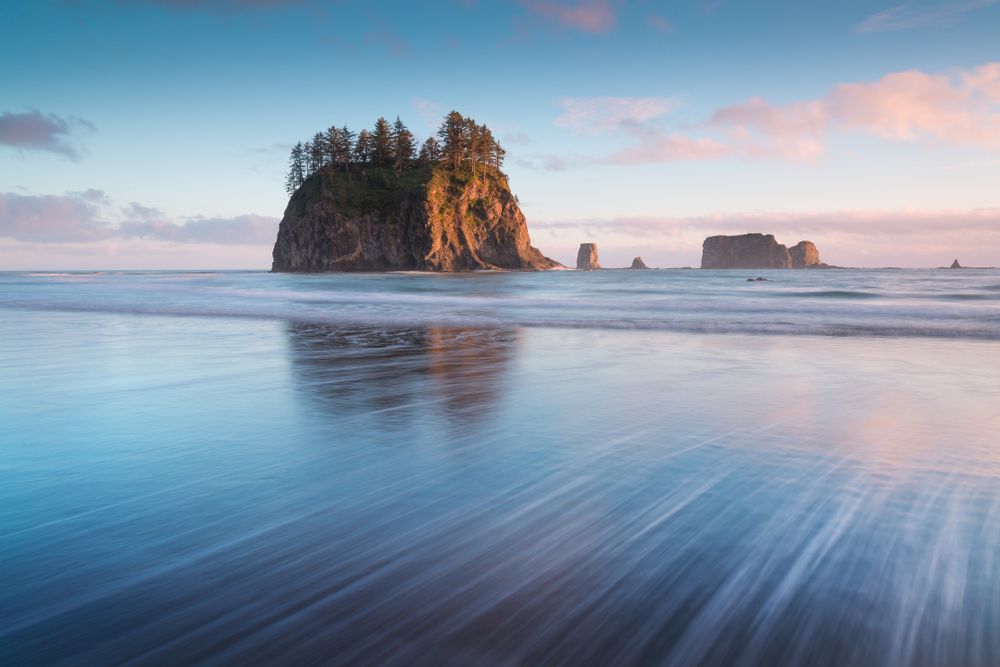
Second Beach is one of the most photographed beaches in Washington State, famous for its dramatic sea stacks and wild Pacific beauty. Visitors hike in to camp and explore the tide pools, often treating it like any other beach destination. The danger comes from the aggressive Pacific surf, sneaker waves that appear without warning, and logs that tumble in the waves with enough force to kill.
These massive driftwood logs, weighing thousands of pounds, are tossed around by waves and can crush people against rocks or pin them underwater. Several deaths occur on Washington’s beaches each year from log-related accidents that tourists never see coming. The combination of cold water, strong currents, and unpredictable waves makes this beach far more dangerous than its scenic beauty suggests.
7. Myrtle Beach, South Carolina
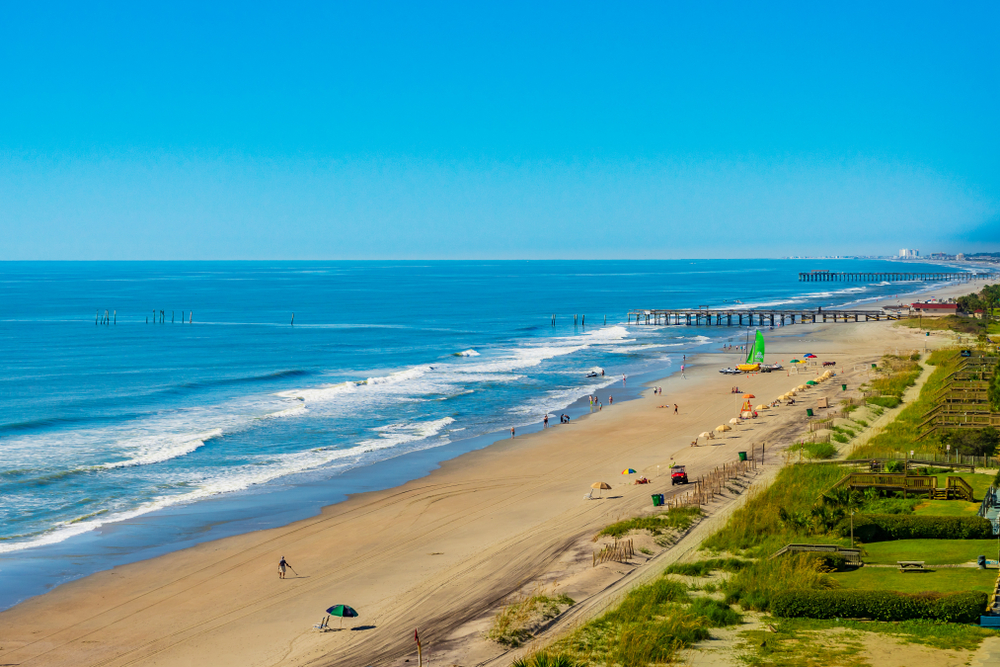
Myrtle Beach is one of the East Coast’s most popular family vacation destinations, with miles of wide sandy beaches and endless tourist infrastructure. The beach seems perfectly safe with its gradual slope, warm water, and constant crowds of families. What experts warn about is the exceptionally high drowning rate despite heavy lifeguard coverage, largely due to rip currents that form unpredictably along the coast.
The beach’s geography creates shifting sandbars that generate powerful rip currents capable of pulling swimmers into deep water. Over a dozen people drown here in an average year, many of them strong swimmers who panicked when caught in a current. The sheer number of swimmers means rescues happen daily, and lifeguards are constantly pulling people from rip currents that tourists don’t recognize until they’re caught.
8. Cape Hatteras National Seashore, North Carolina
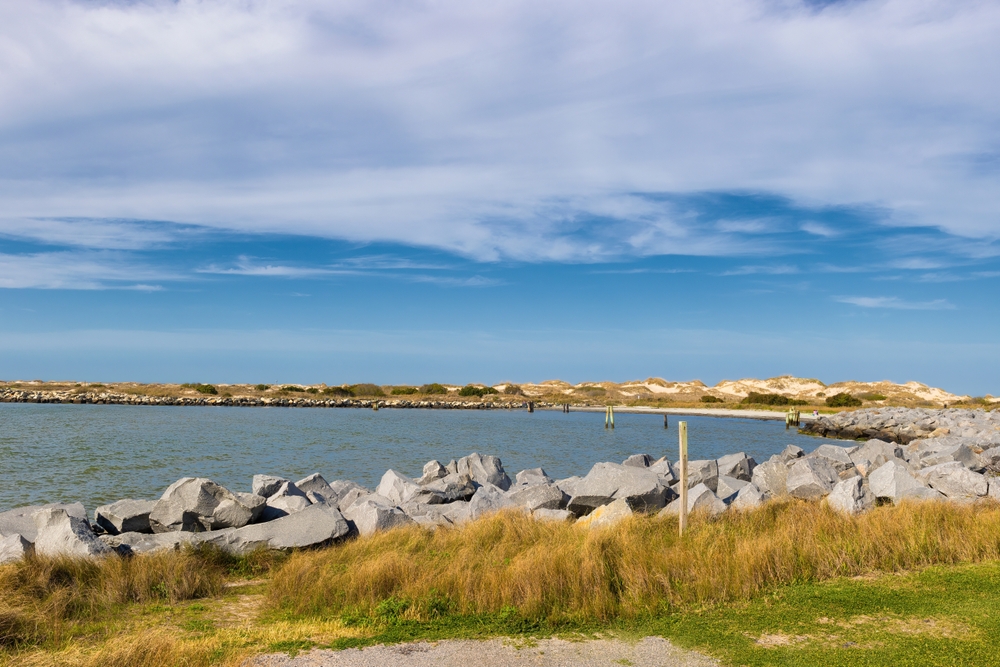
Cape Hatteras is beloved for its pristine, undeveloped beaches and excellent surf conditions that draw visitors from across the East Coast. The beaches stretch for miles with relatively few people, giving a sense of wilderness and freedom. The danger lies in the convergence of ocean currents offshore that creates some of the most treacherous swimming conditions on the Atlantic coast.
This area is called the “Graveyard of the Atlantic” for the hundreds of shipwrecks offshore, and those same powerful currents threaten swimmers. Rip currents here are particularly strong and frequent, and the limited lifeguard coverage means help might not be nearby. Multiple drownings happen each summer, often involving tourists who thought they were strong enough swimmers to handle the conditions.
9. Lovers Point Beach, Pacific Grove, California
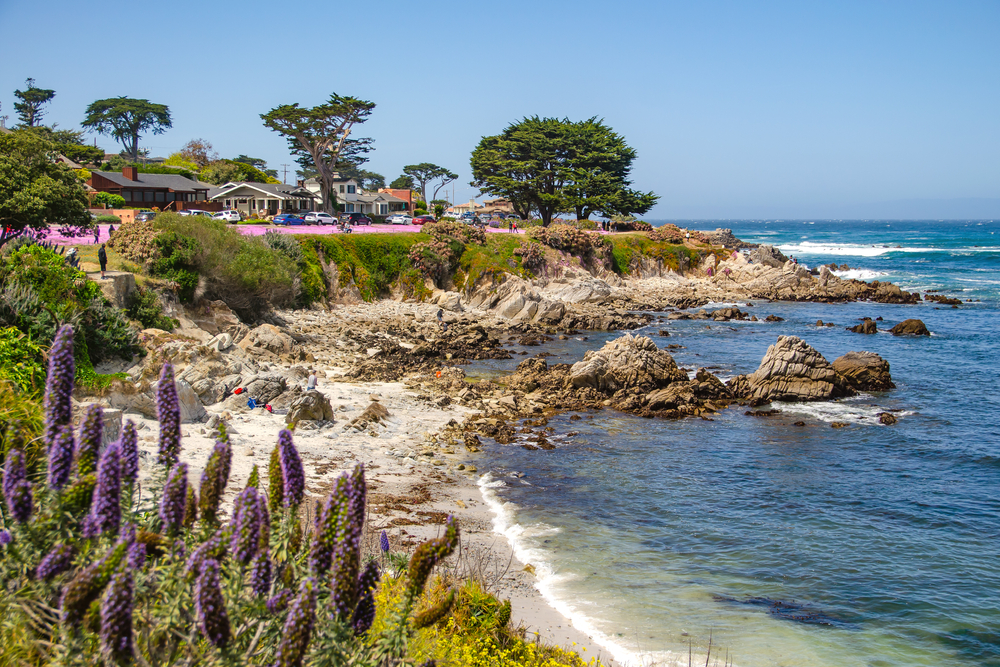
Lovers Point looks like an ideal family beach with a protected cove, calm water, and a scenic rocky shoreline perfect for exploring. The beach is popular with snorkelers and divers who are drawn to the clear water and marine life. What makes this beach dangerous is the presence of great white sharks that hunt seals in the kelp forests just offshore.
Multiple shark attacks have occurred here, some fatal, and marine biologists confirm that great white sharks regularly patrol these waters. The attacks often happen in chest-deep water close to shore, giving victims no warning or chance to escape. Local surfers and divers know the risks and many avoid the water during peak shark season, but tourists often have no idea they’re swimming in an active hunting ground.
10. Grand Isle Beach, Louisiana
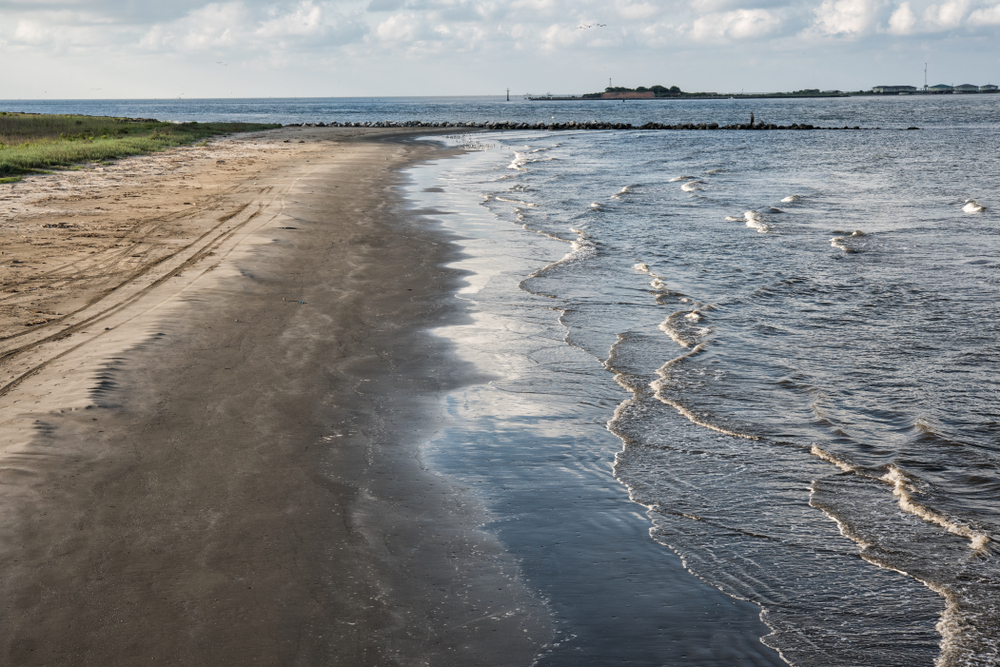
Grand Isle is Louisiana’s only inhabited barrier island and a popular weekend getaway for people from New Orleans and Baton Rouge. The beaches are easily accessible and offer warm Gulf waters that seem perfect for swimming and wading. The problem is this beach regularly experiences dangerous rip currents, has minimal lifeguard coverage, and is prone to sudden weather changes that catch beachgoers off guard.
The island has also been impacted by coastal erosion and pollution from oil industry activities, leading to water quality issues that aren’t always obvious. Several drownings occur here each year, often involving people who had no idea about the current risks. The beach’s remote location means emergency response times are longer than at more developed coastal areas.
11. Makena Beach (Big Beach), Maui, Hawaii
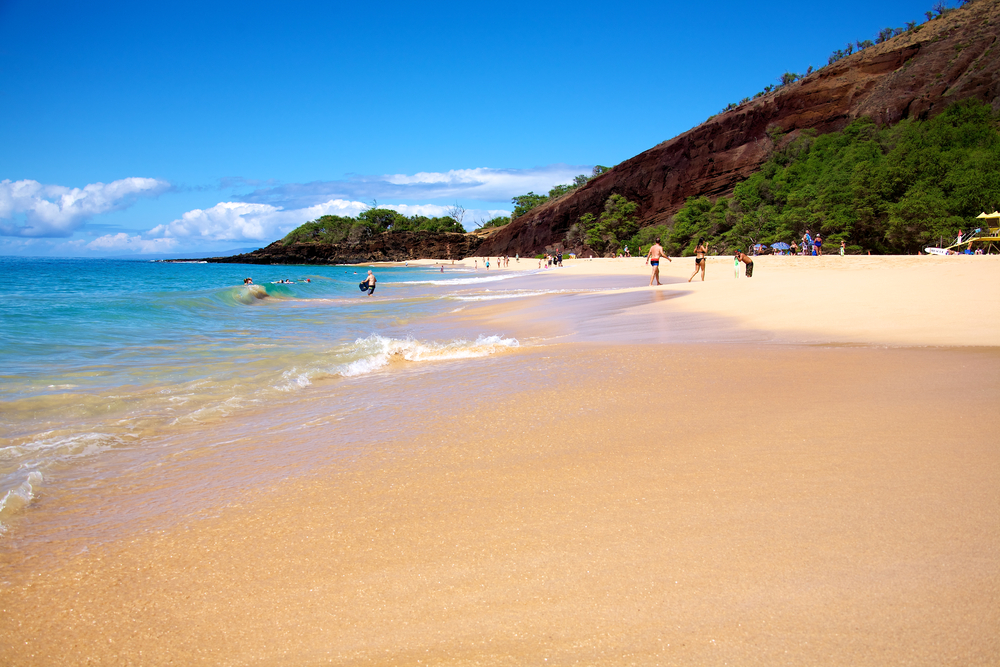
Big Beach in Makena State Park is one of Maui’s most beautiful and popular beaches, with a long stretch of golden sand and stunning views. The beach attracts thousands of visitors who are drawn by its postcard-perfect appearance and relatively uncrowded conditions compared to resort beaches. What tourists don’t realize is that this beach has a powerful shorebreak that has caused numerous spinal injuries and drownings.
The waves here break directly on the sand with tremendous force, and even small waves can slam people into the bottom, causing broken necks and backs. During high surf, the shorebreak is powerful enough to kill, yet tourists continue to bodysurf and play in the waves. Local emergency responders make regular rescues here, and the number of serious injuries is disproportionately high for what looks like a gentle beach.
12. Wrightsville Beach, North Carolina
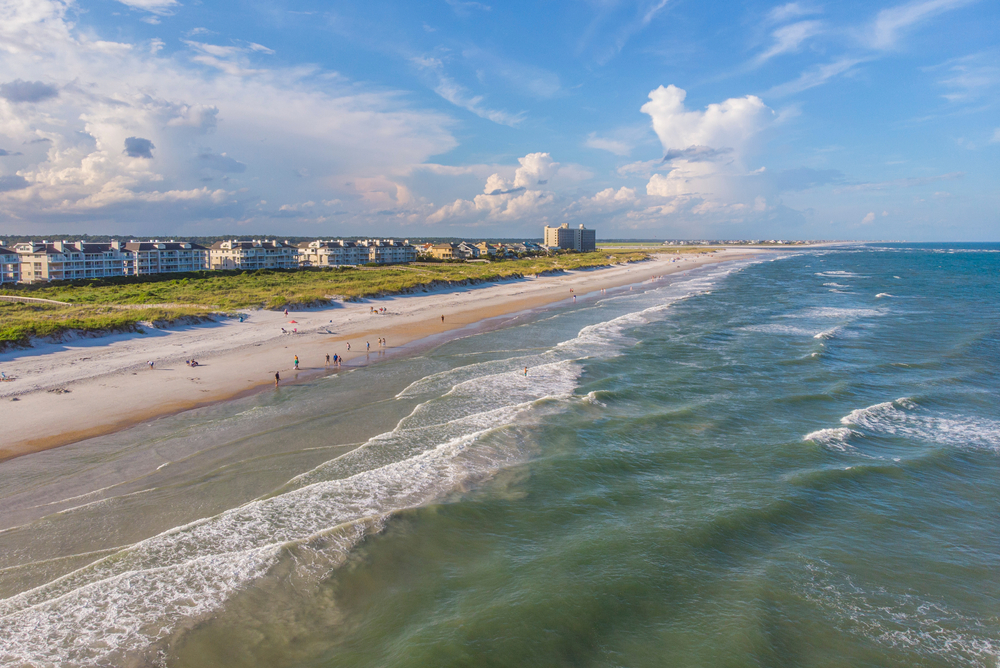
Wrightsville Beach is a popular summer destination known for its family-friendly atmosphere and beautiful Atlantic shoreline. The beach has good amenities, consistent waves for surfing, and a welcoming small-town vibe that makes it feel safe. The hidden danger is the area’s significant shark population, including bull sharks that come close to shore to feed in the murky water.
While attacks are relatively rare, they do happen here with some regularity, and the murky water conditions mean swimmers often don’t see sharks even when they’re close. The beach also experiences strong rip currents that vary daily based on sandbars and tides. Lifeguards make numerous rescues every season from rip currents that catch tourists unaware, and the combination of sharks and currents makes this beach riskier than its cheerful reputation suggests.
13. Fort Stevens State Park Beach, Oregon
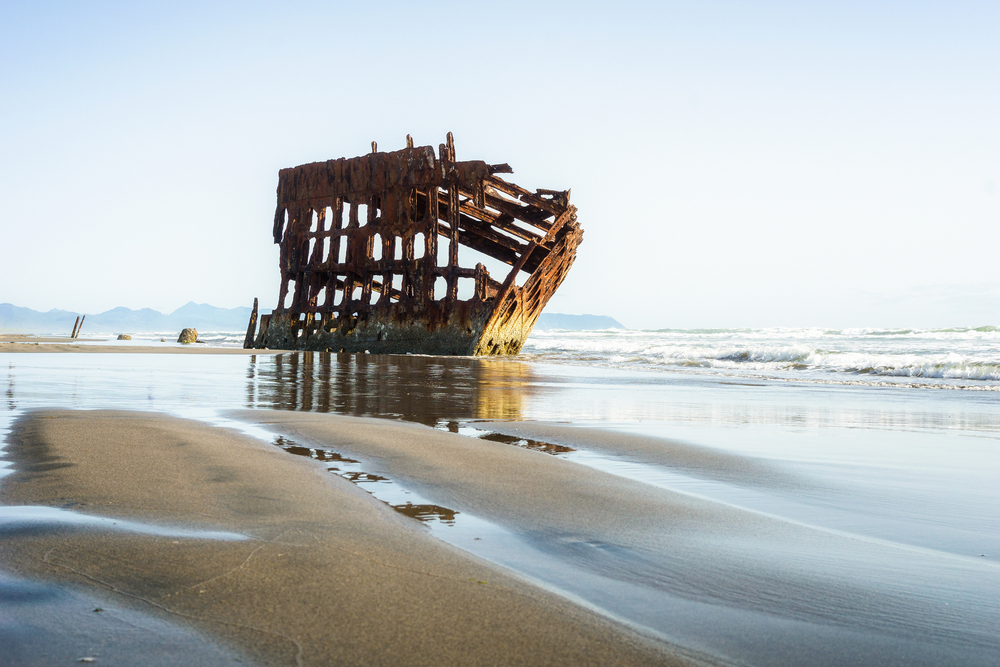
The Columbia River meets the Pacific Ocean at Fort Stevens, creating a wide, beautiful beach that’s popular with beachcombers and visitors exploring the historic shipwreck visible in the sand. The beach seems gentle and family-friendly, with the wreck providing a tourist attraction that draws people to the water’s edge. What makes this beach deadly is the sneaker waves and powerful currents where the river current collides with ocean swells.
Multiple people have drowned here after being swept off the beach by waves that appeared suddenly and without warning. The currents are strong enough to pull people into the ocean within seconds, and the cold water causes rapid hypothermia even in summer. The presence of the shipwreck actually demonstrates how dangerous these waters are, yet tourists continue to underestimate the risk while posing for photos.