
Sleeping with your cat isn’t just a comfort habit—it’s a shared behavioral arrangement shaped by instinct, territory, and trust. Cats don’t join you in bed out of affection alone; they’re responding to heat, safety cues, scent familiarity, and environmental control. What feels cozy to you is data-rich decision-making to them. Understanding what’s really happening helps explain why bedtime with a cat can feel oddly intense, disruptive, or deeply bonding.
1. Your Bed Is The Perfect Temperature
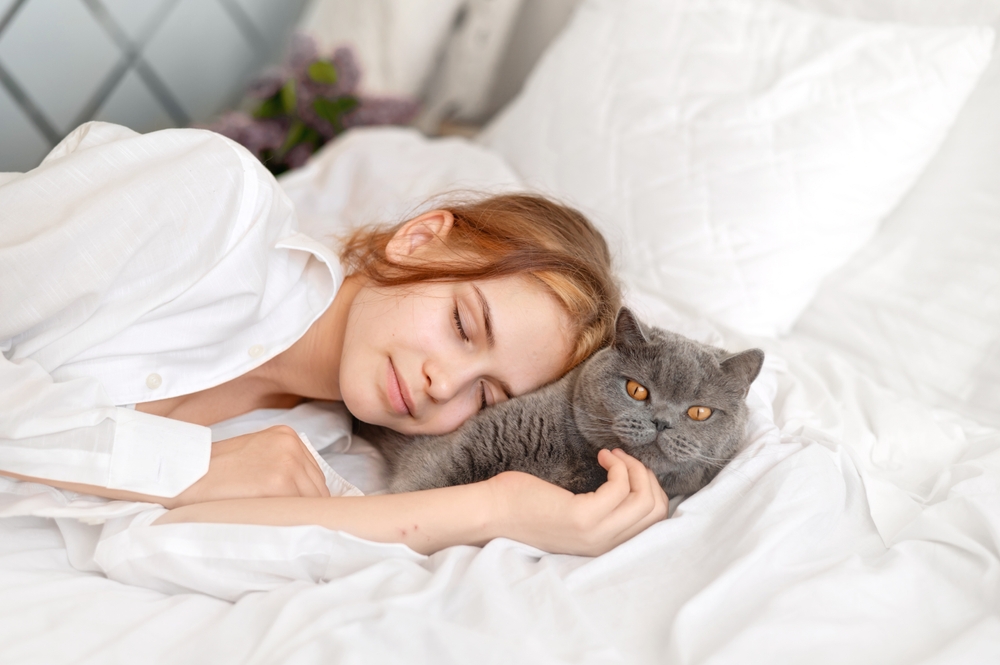
Cats are biologically driven to conserve heat, and your bed provides a stable, elevated source of warmth. Human bodies radiate consistent heat throughout the night, especially around the torso and legs. This makes sleeping humans ideal thermal anchors. Cats choose warmth strategically, not sentimentally.
Thermoregulation studies show cats prefer sleeping environments between 30–36°C when resting deeply. Your body provides that without energy expenditure. This is why cats often shift positions as your heat distribution changes. Comfort follows temperature gradients.
2. Sleeping Near You Is A Sign Of Deep Trust

Cats are most vulnerable when asleep. Choosing to rest beside you means you’re classified as non-threatening and protective. This decision is not casual—it’s earned. Trust replaces vigilance.
Feline behavior research shows cats only sleep deeply in environments they perceive as secure. Proximity to a trusted human reduces threat monitoring. Your presence lowers their alert threshold. That’s not affection alone—it’s survival logic.
3. Your Cat Sleeps Half Awake
Even while sleeping, cats remain semi-alert. Their sleep cycles include frequent micro-awakenings. Any movement, sound, or scent shift is registered instantly. You may be fully asleep, but they’re monitoring.
This vigilance comes from predator-prey duality. Cats evolved to hunt and be hunted. Sleeping near you allows shared environmental awareness. You’re part of their early-warning system.
4. Dawn And Dusk Are Their Active Times
Cats are crepuscular, meaning they’re naturally active at dawn and dusk. Midnight movement isn’t misbehavior—it’s biology. Their internal clocks don’t align with human sleep cycles. Your bed just happens to be on their route.
Studies on feline circadian rhythms show peak activity hours often fall between 2–5 a.m. That’s when play, grooming, and repositioning occur. Sleeping cats still move. Your rest doesn’t override instinct.
5. Your Scent Marks Their Territory
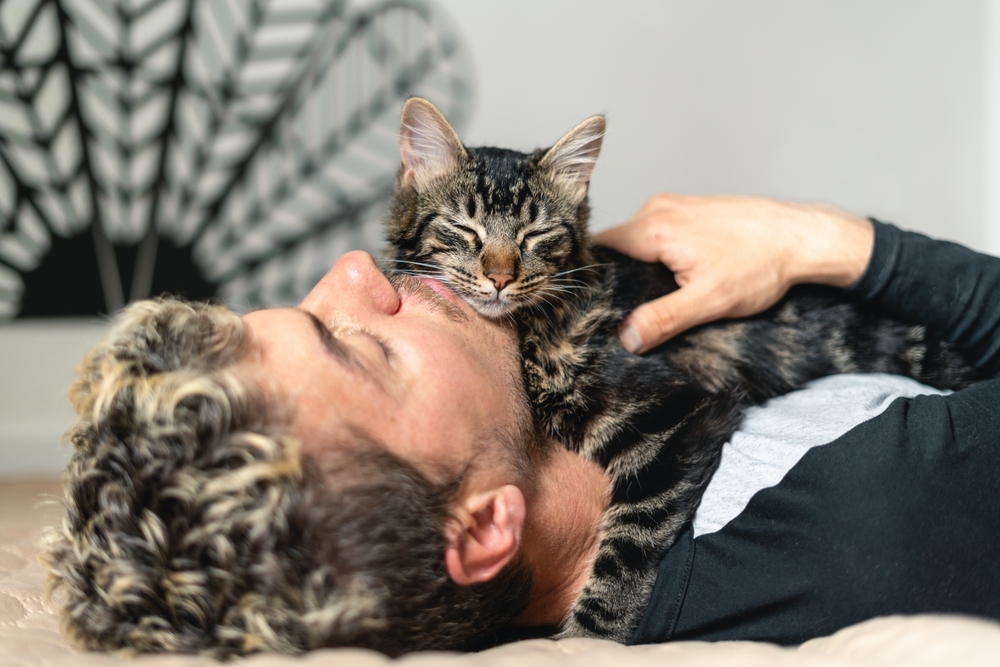
Cats use scent as a primary means of mapping. Your bed carries concentrated markers of your identity. Sleeping there reinforces environmental ownership and stability. You are part of the territory.
Olfactory research confirms cats recognize individuals through scent composites rather than faces. Bedding holds the strongest scent profile in the home. Sharing it strengthens environmental cohesion. Familiarity equals safety.
6. Sleep Positioning Is Strategic
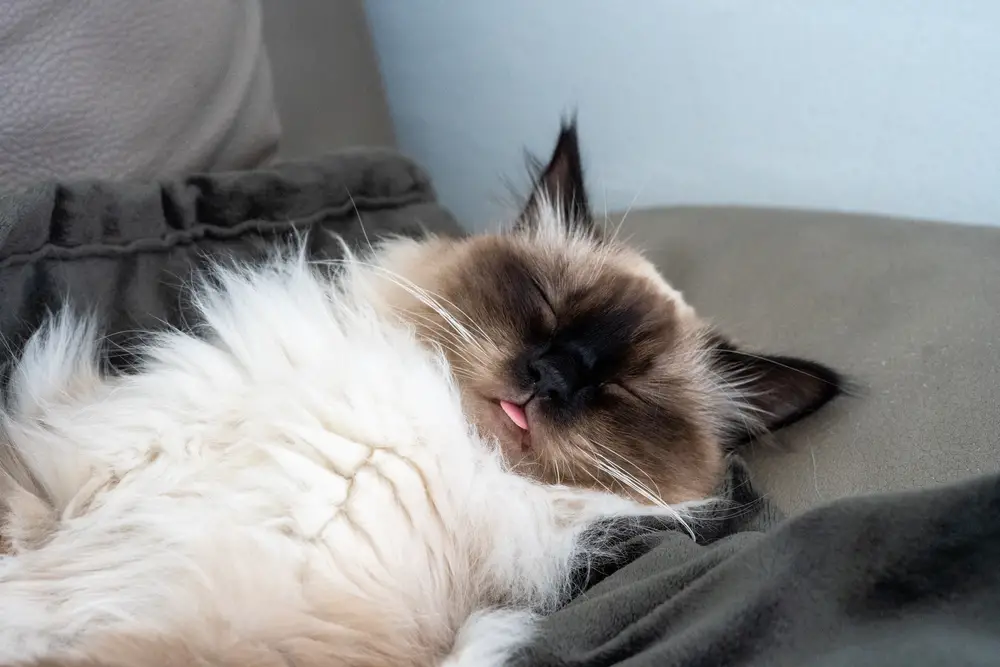
Where your cat sleeps matters. Near your head, feet, or side each signal different comfort thresholds. Cats choose positions that allow quick escape while maintaining contact. Distance and angle are calculated.
Feline spatial behavior studies show cats maintain escape vectors even during rest. Beds provide elevation and proximity to exits. Your cat’s placement reflects perceived risk. Trust doesn’t erase strategy.
7. Cat Naps Are A Thing
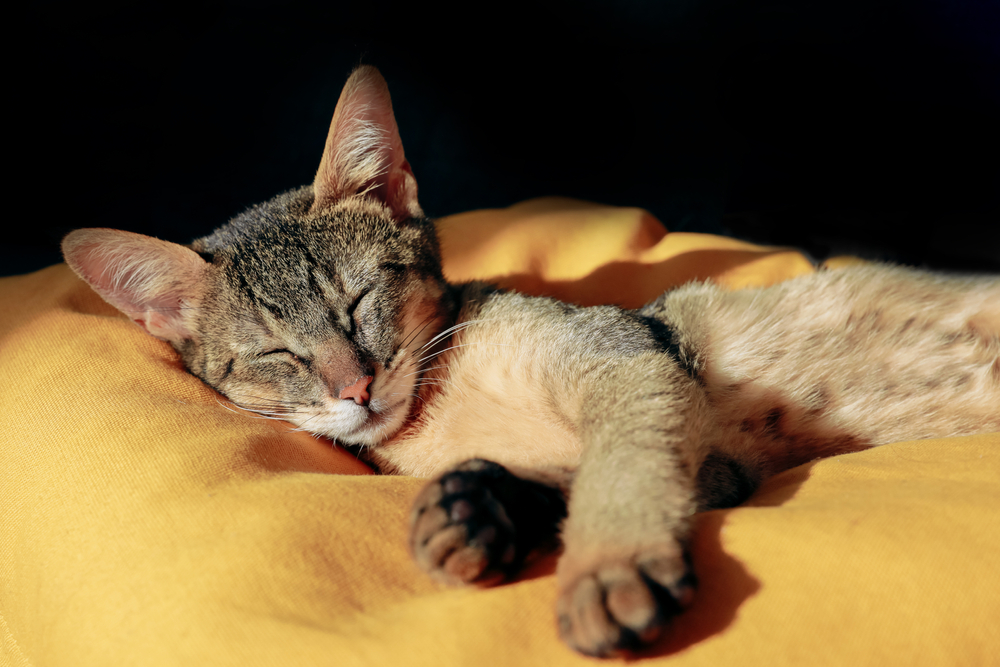
Cats cycle through short sleep bursts rather than long REM periods. This causes frequent movement. Humans perceive this as restlessness. For cats, it’s normal regulation.
Sleep research shows cats spend only about 15% of sleep in deep REM. The rest is light sleep. Their movement isn’t disruption—it’s neurological rhythm. Human expectations don’t match feline biology.
8. Kneading Is Stress Regulation
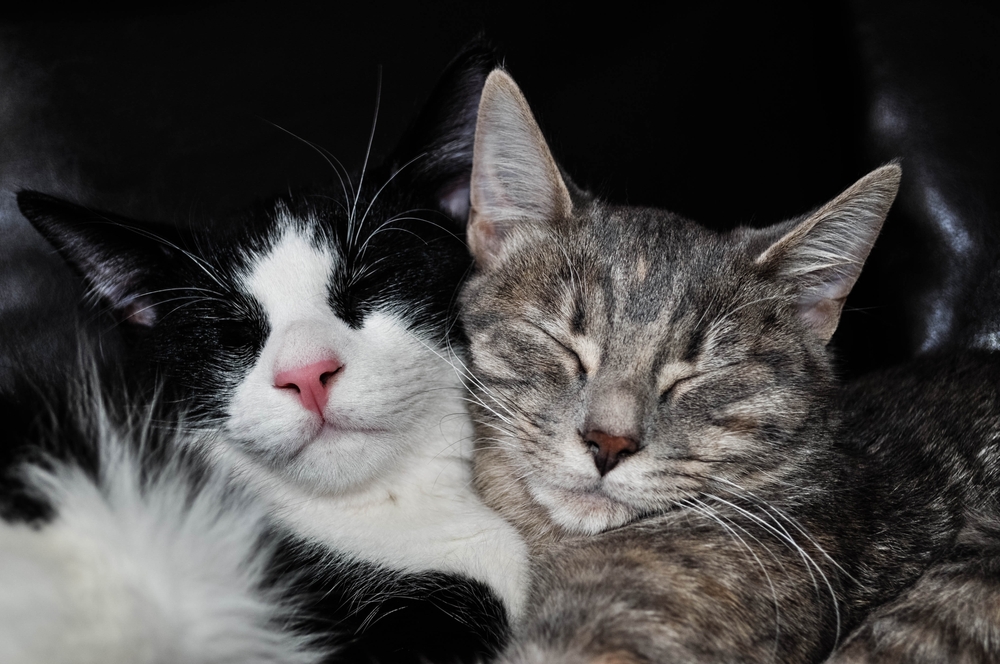
Kneading before sleep isn’t affection—it’s self-soothing. The motion releases tension and triggers calming neurochemicals. It’s rooted in kittenhood nursing behavior. Comfort precedes rest.
Behavioral studies link kneading to oxytocin release in cats. It signals emotional regulation. Your presence lowers stress thresholds. The behavior stabilizes their nervous system.
9. Your Breathing Keeps Them Calm
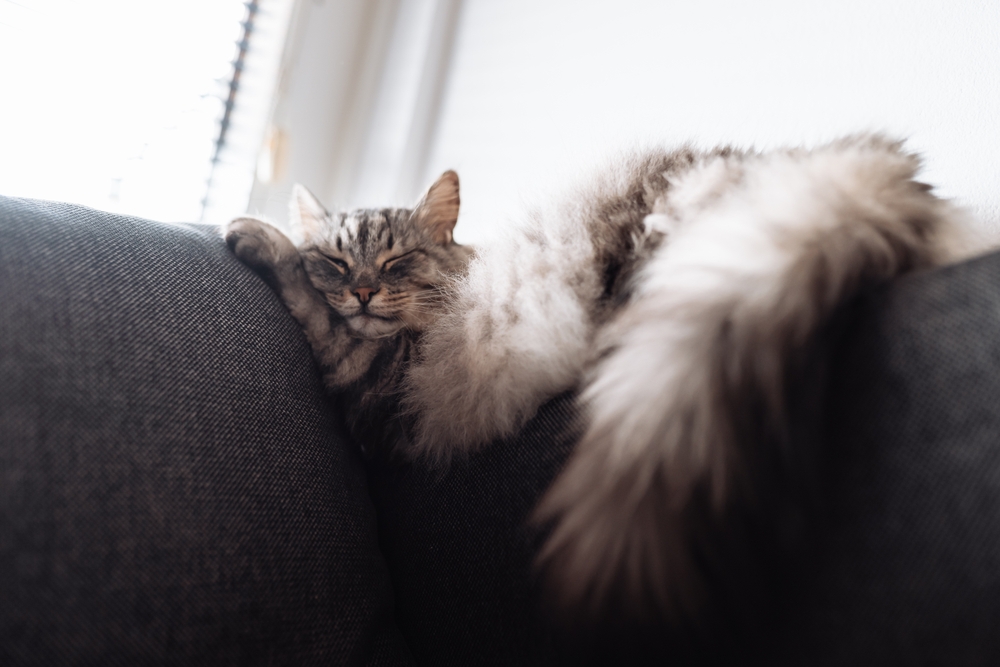
Cats respond to rhythmic breathing patterns. Slow, steady respiration signals safety. Irregular breathing increases alertness. Your sleep state influences theirs.
Research into interspecies co-regulation shows animals sync to predictable rhythms. Your breathing becomes an environmental cue. Calm humans create calmer rest zones. Disrupted sleep patterns ripple outward.
10. Cats May Guard You While You Sleep

Some cats position themselves facing doors or windows. This isn’t affection—it’s watch behavior. You’re part of their social unit. Protection increases group survival.
Observational studies in multi-cat colonies show shared vigilance behaviors. Guarding roles rotate. Sleeping humans become protected resources. Cats defend what they value.
11. Nighttime Grooming Resets Their Nervous Systems

Cats often groom in bed during the night. This isn’t hygiene—it’s nervous system regulation. Grooming resets sensory input. It reduces overstimulation.
Neurological research links grooming to parasympathetic activation. It’s calming. Beds provide secure platforms for this reset. The timing aligns with sleep transitions.
12. Bed-Sharing Strengthens Their Memory
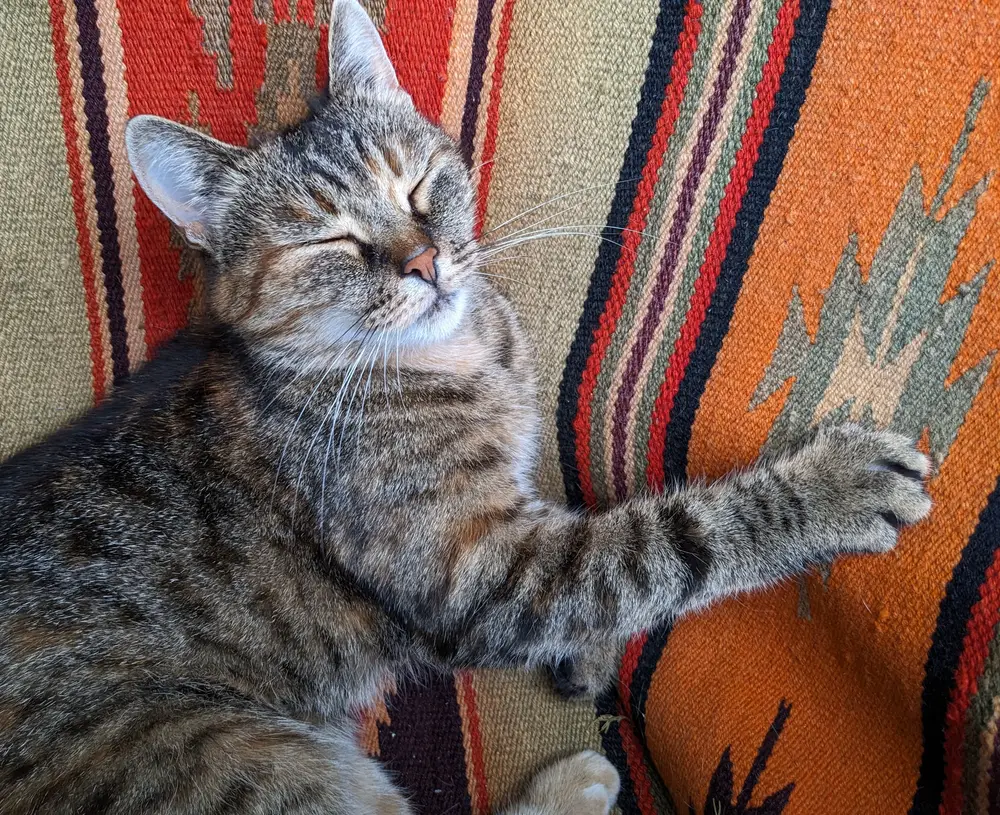
Repeated nighttime proximity strengthens associative memory. Your cat learns that rest equals safety with you. This deepens attachment patterns. Bonds consolidate during vulnerability.
Memory studies in mammals show rest periods enhance emotional learning. Sleeping together accelerates trust formation. Your cat remembers who was there during rest. That matters more than play.
13. Your Sleep Quality Influence Theirs
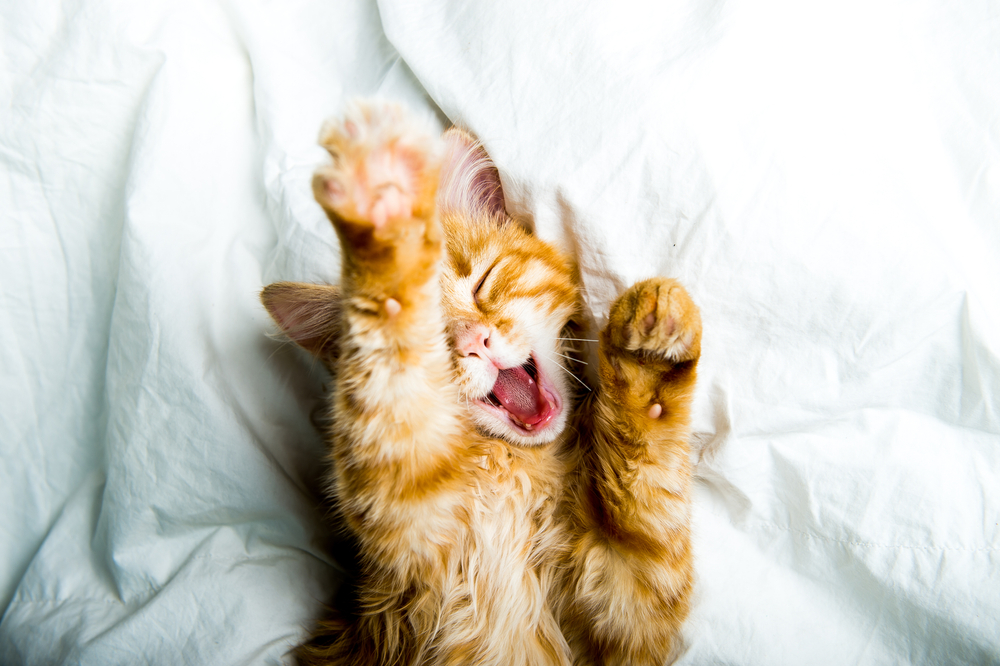
Restless sleepers create restless environments. Tossing, turning, or frequent waking disrupts feline calm. Cats adjust by repositioning or leaving. Sleep harmony is mutual.
Environmental stability is critical to feline rest. Your movement patterns shape nighttime behavior. Cats adapt, but not without cost. Shared sleep is a negotiated system.