
Humans are excellent at assuming stability. We build systems, cultures, and expectations around the idea that certain things are permanent. History demonstrates that the assumption is wrong repeatedly. What feels unshakable now often has an expiration date.
1. Polar Ice Caps
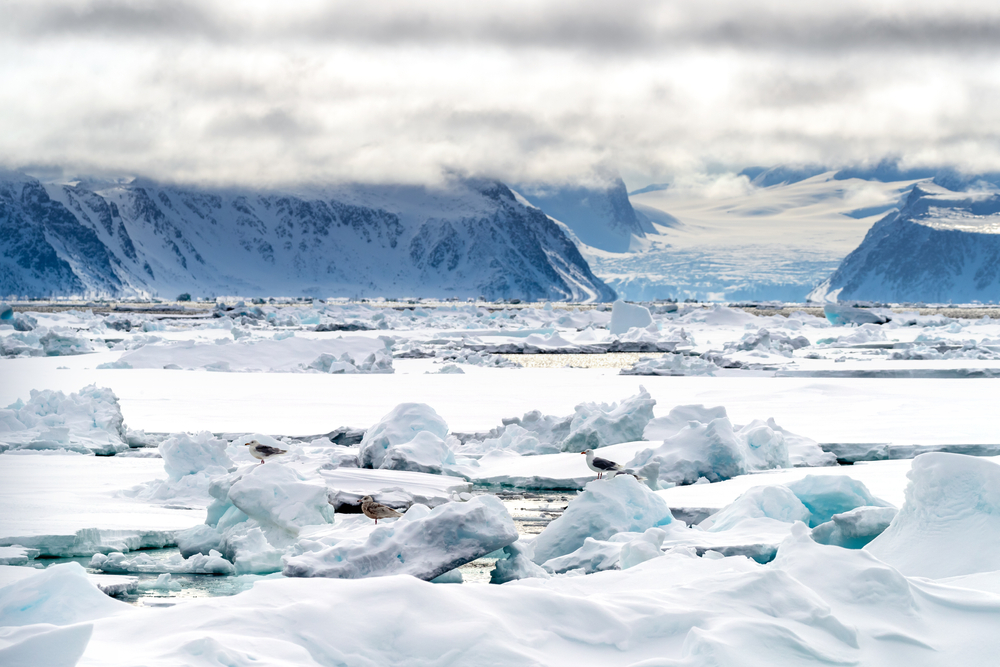
For centuries, polar ice was considered permanent. It shaped climate patterns and sea levels. That assumption is no longer valid. Melting is accelerating. Climate research confirms irreversible ice loss trajectories. Recovery timelines extend beyond centuries. Stability was an illusion. Change is locked in.
2. Coastal Cities
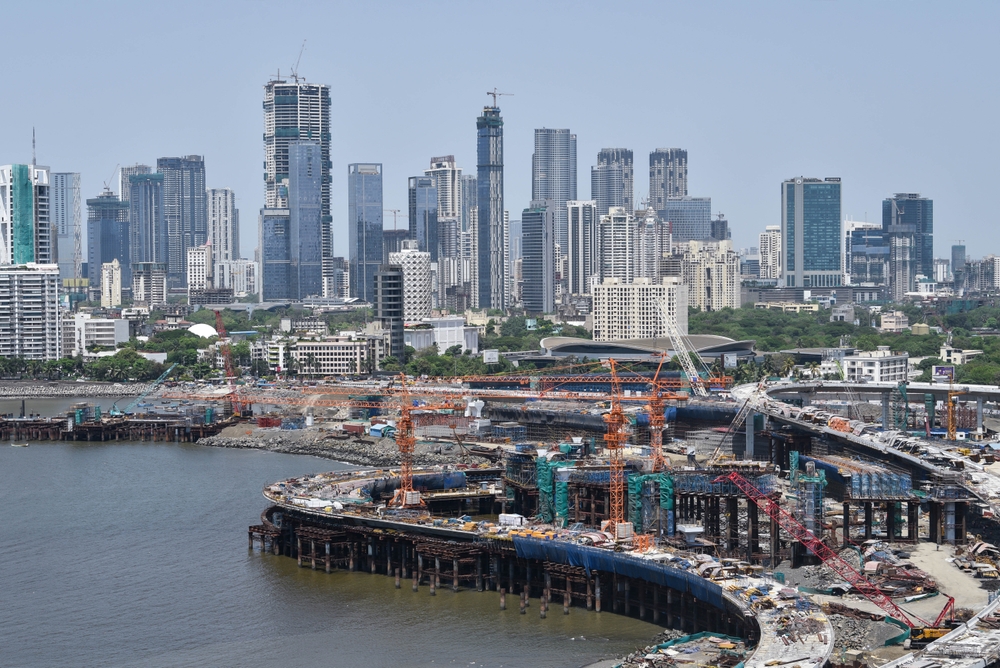
Many cities were built assuming stable shorelines. Rising seas challenge that logic. Flooding is becoming routine. Relocation is being discussed openly. Urban climate studies show long-term habitability risks. Infrastructure wasn’t designed for this reality. Permanence is being questioned. Retreat is possible.
3. Four Seasons
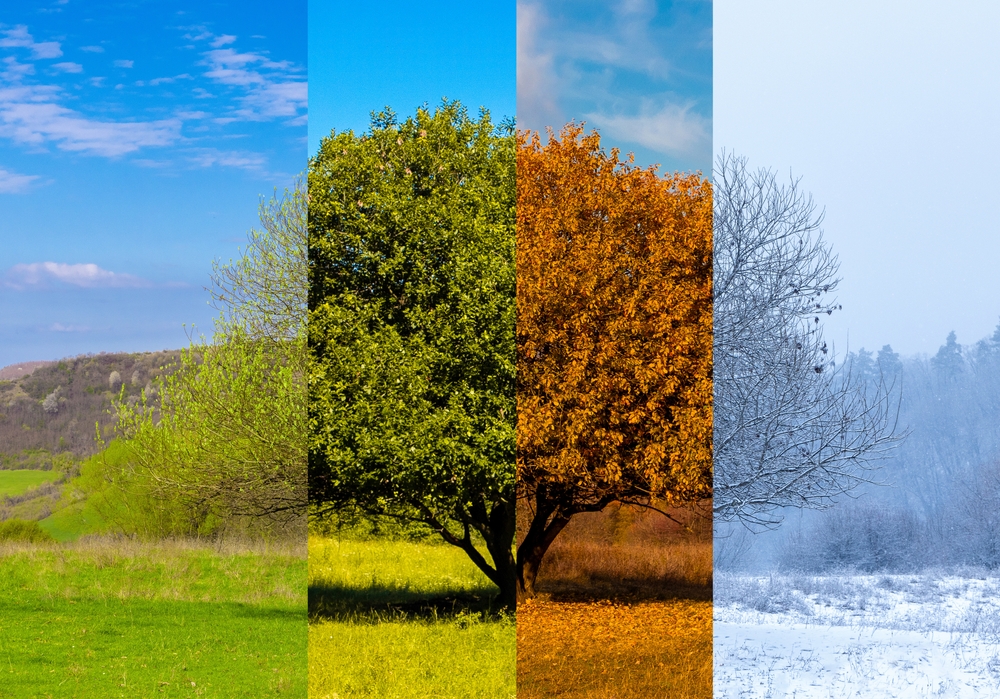
People expected predictable winters and summers. Agriculture depended on it. Weather patterns are shifting rapidly. Timing no longer holds. Meteorological research shows that season variability is increasing. Planning becomes harder. Stability was assumed. That era is ending.
4. Fresh Water

Fresh water was treated as unlimited. Overuse and pollution changed that. Scarcity is spreading. Access is becoming political. Hydrology studies warn of aquifer depletion. Recovery is slow or impossible. Permanence was misjudged. Limits are real.
5. Fossil Fuels
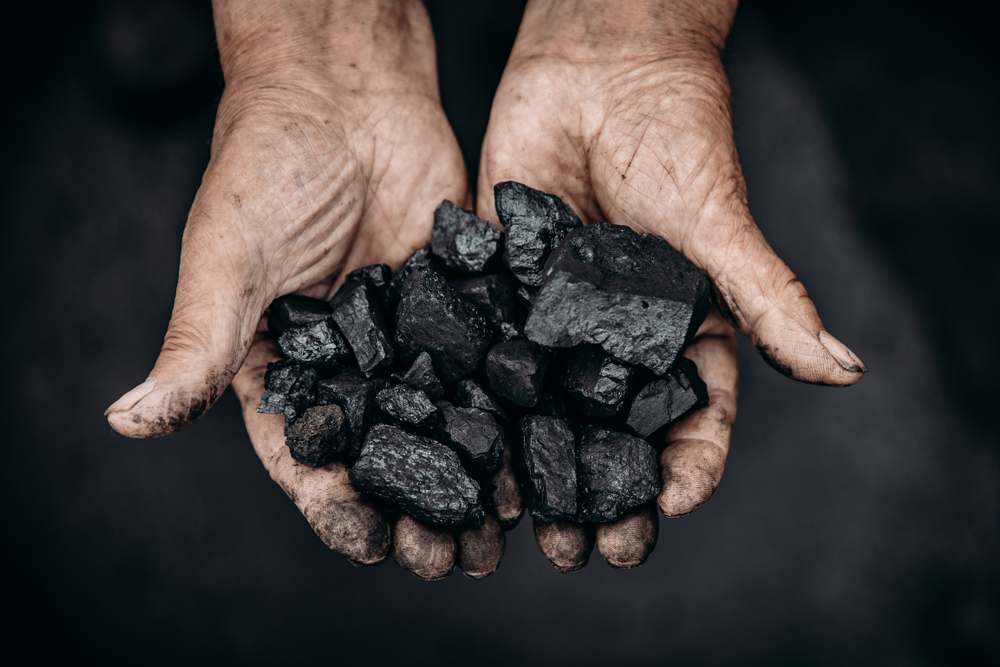
Coal and oil once felt endless. Extraction costs are rising. Environmental pressure is mounting. Transition is unavoidable. Energy research shows fossil reliance declining globally. Infrastructure must change. Permanence was economic fiction. Shifts are underway.
6. Digital Privacy

Privacy was assumed to be the default condition. Digital systems altered that. Data exposure is constant. Control is limited. Research on technology ethics highlights long-term surveillance trends. Recovery is unlikely. Expectations were outdated. Transparency is forced.
7. Stable Borders
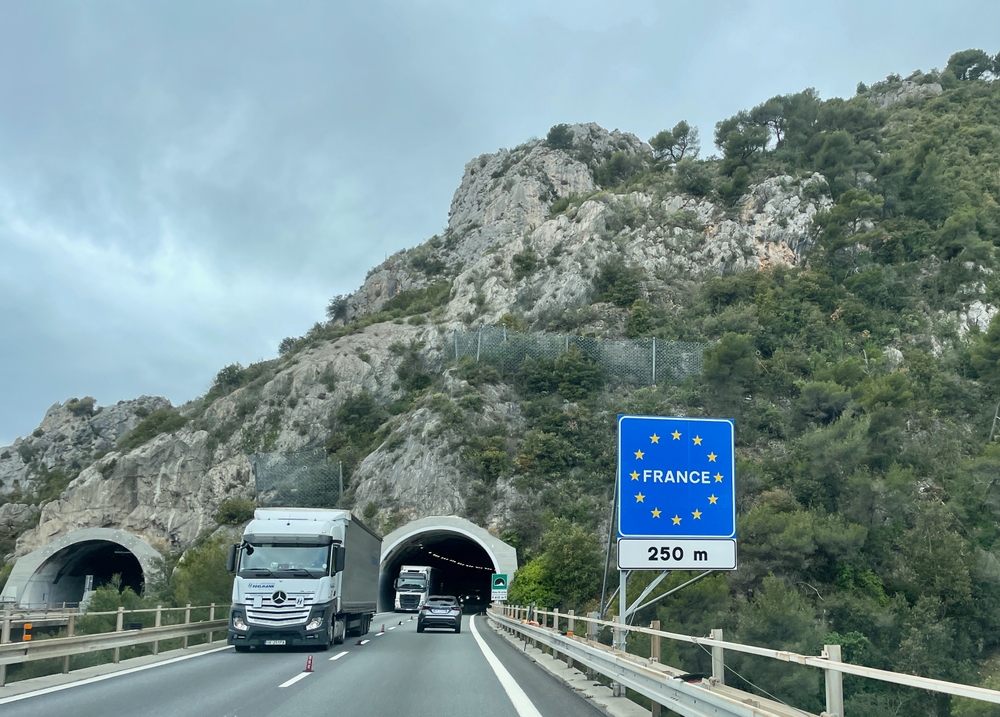
Borders felt fixed after major wars. Climate and conflict disrupt that. Migration is reshaping maps. Stability is fragile. Geopolitical studies show border pressure increasing. Permanence was conditional. Movement is constant. Maps evolve.
8. Coral Reefs
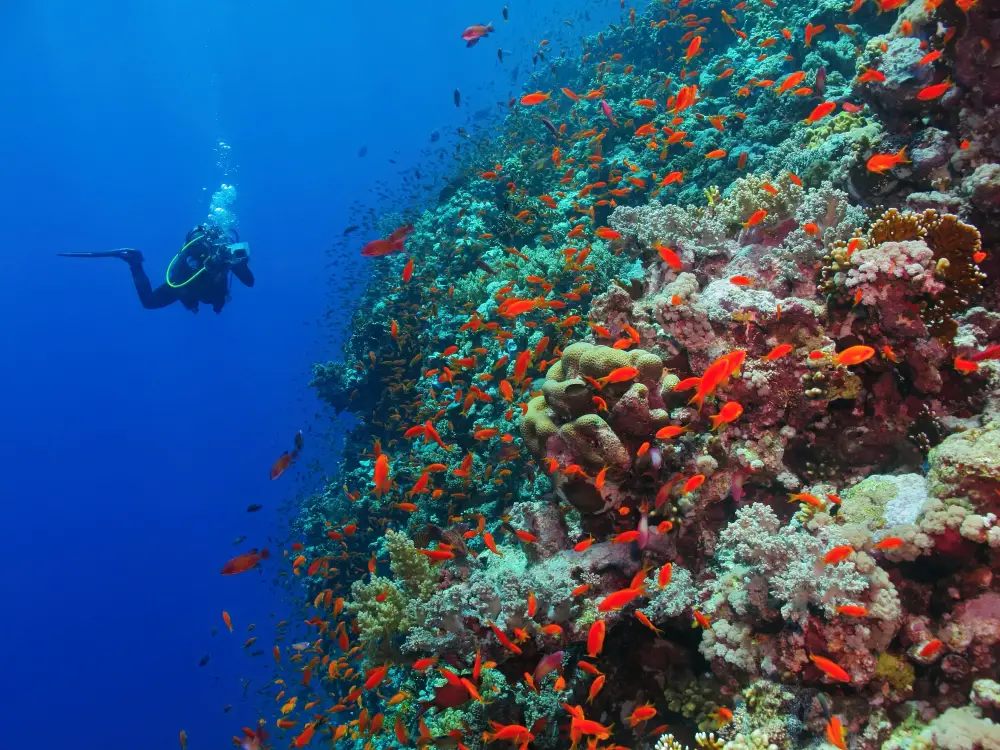
Reefs were seen as timeless ecosystems. Bleaching events changed that. Loss is accelerating. Recovery is uncertain. Marine biology research confirms widespread reef collapse. Timeframes are short. Permanence was assumed. Reality intervened.
9. Middle-Class Security

Economic mobility once felt guaranteed. Costs rose faster than wages. Stability eroded quietly. Expectations lagged reality. Economic research shows declining middle-class resilience. Assumptions persist. Conditions changed. Safety nets thinned.
10. Global Languages

Certain global languages felt permanent. Technology and migration diversify communication. Usage shifts quickly. Dominance fades. Linguistics research shows rapid language evolution. Power changes usage. Permanence is a cultural myth. Adaptation is constant.
11. Old-Growth Forests

Forests once felt inexhaustible. Logging and fire altered that. Regrowth takes centuries. Loss is permanent. Environmental science confirms ecosystem collapse risks. Replacement is not equal. Permanence was emotional. Reality is finite.
12. Traditional Work Structures
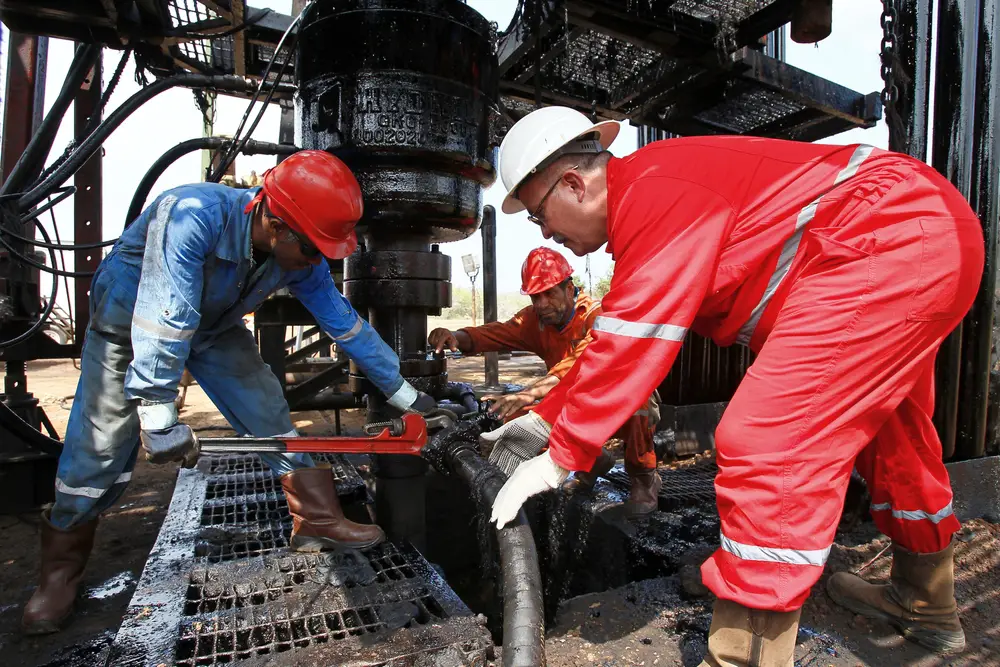
Lifetime careers were expected. Automation changed that. Job stability declined. Flexibility replaced permanence. Labor research highlights structural shifts. Security models evolved. Permanence dissolved. Adaptation is required.
13. Unchallenged Progress

Progress was assumed to be linear. History proved otherwise. Advances bring new risks. Nothing moves in one direction. Philosophy and history studies confirm cyclical patterns. Stability is temporary. Assumptions fail. Change dominates.