There’s an invisible catastrophe unfolding at the poles, and it’s not just the penguins and polar bears who should be worried. Melting ice caps are a wake-up call for all of us, affecting everything from global weather patterns to the survival of countless species. As the thaw continues, the repercussions for wildlife—and humans—are too scary to ignore.
1. Polar Animals’ Homes Are Disappearing
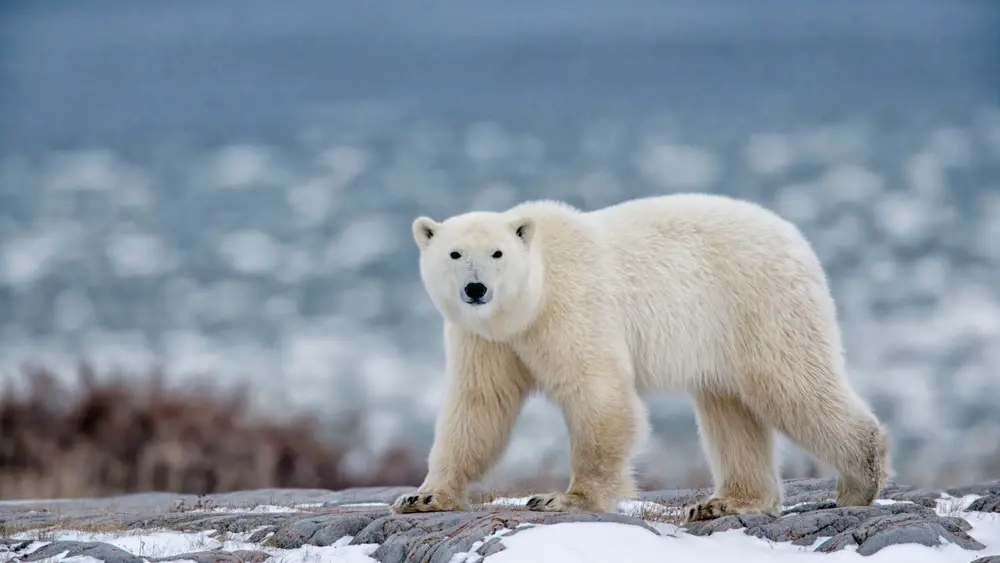
Polar bears and seals are iconic symbols of the Arctic, but their icy homes are disappearing at an alarming rate. As ice caps melt, these animals are forced to travel greater distances in search of stable ice or face the threat of extinction. It’s a life-or-death journey that tests their endurance and adaptability like never before. In the process, they also become more vulnerable to predators and food shortages.
A study from the National Snow and Ice Data Center reveals that the Arctic is warming twice as fast as the rest of the planet. This accelerated thaw is not just a threat to polar animals but also serves as a harbinger of broader ecological shifts. For people relying on these species for subsistence, the decline in polar wildlife is both a cultural and economic blow. You can’t ignore how intertwined your fate is with theirs.
2. Marine Ecosystems Are Being Wrecked
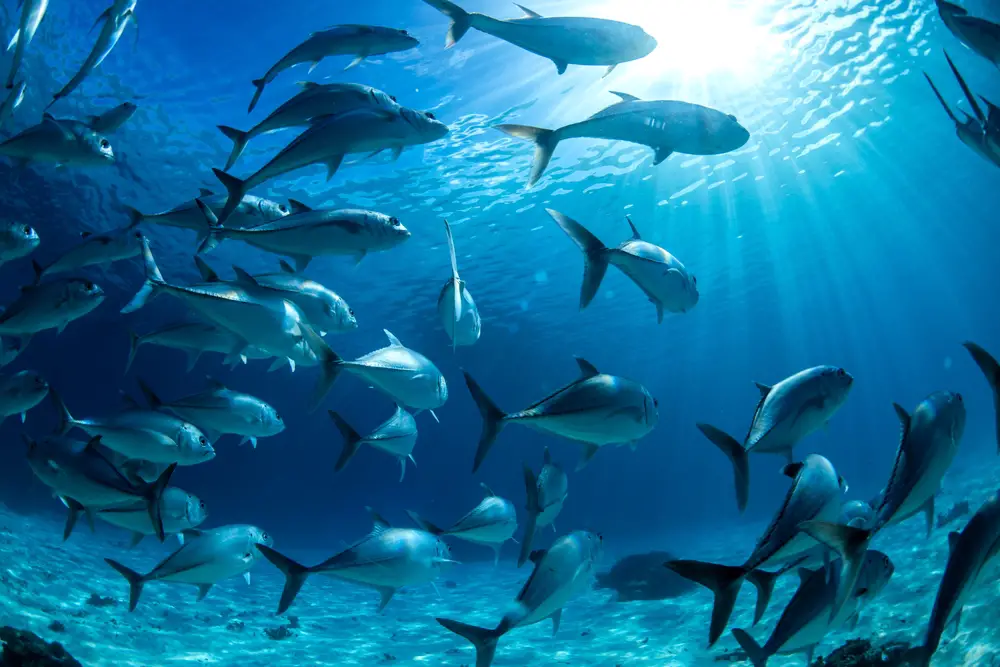
The ocean is a delicately balanced ecosystem, and melting ice caps are throwing it into chaos. As freshwater floods into the sea, it alters salinity levels, which can have a ripple effect on marine life. Fish populations may shift, plankton blooms could increase or decrease, and entire food chains are at risk. This disruption not only affects marine species but also the people and industries that depend on them.
You might wonder how this affects your dinner plate, but consider this: the oceans provide more than 3 billion people with their primary source of protein. As marine ecosystems become unstable, so do global food supplies. Suddenly, what’s happening in the Arctic impacts your grocery list in a very real way. The challenge isn’t just environmental—it’s existential.
3. Rising Sea Levels Are Threatening Survival
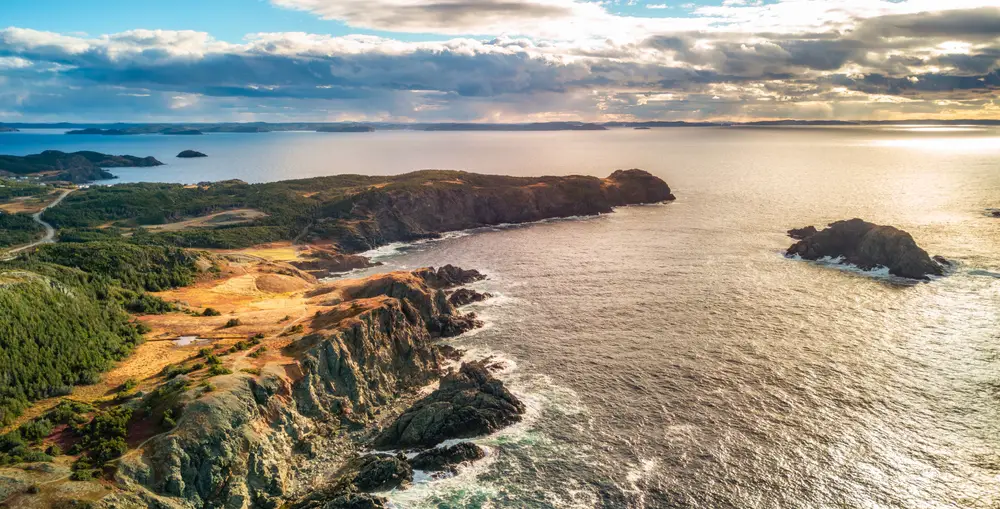
Coastal cities are on the front lines of climate change, and rising sea levels due to melting ice caps are a looming threat. Shorelines are eroding, and storm surges are becoming more common, putting millions of people at risk of displacement. The economic repercussions are staggering, with billions needed for infrastructure upgrades and disaster relief.
A report by the Intergovernmental Panel on Climate Change (IPCC) warns that if trends continue, sea levels could rise by over three feet by the year 2100. That’s a significant threat to cities like Miami, New York, and Jakarta, where sea level rise could displace entire communities. The financial cost, along with the human toll, is immeasurable. As coastal real estate becomes riskier, you might find yourself reconsidering where you call home.
4. Freshwater Resources Are Shrinking
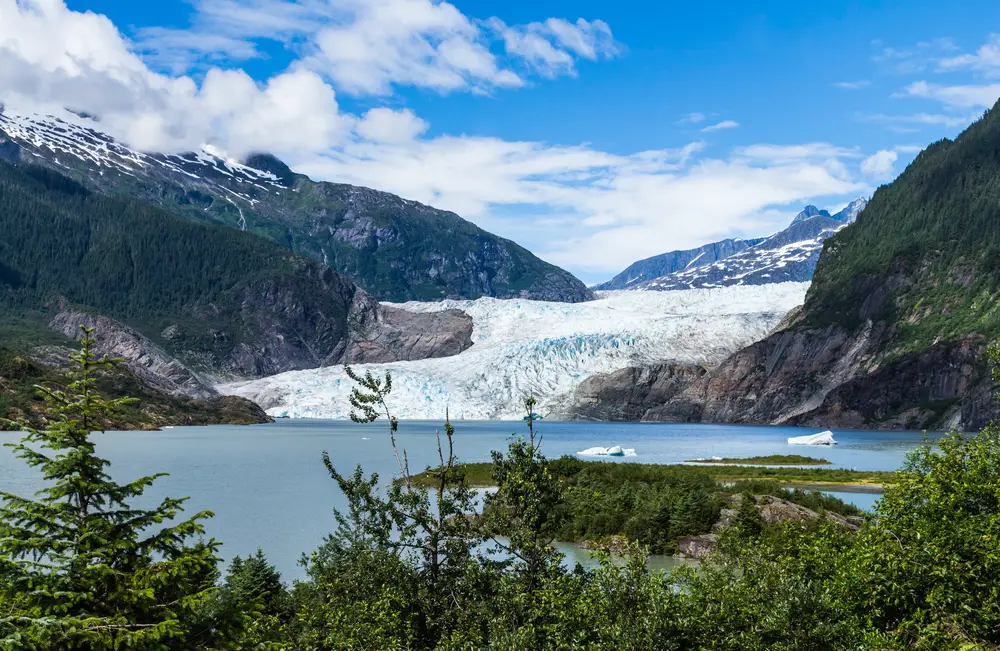
You might not think of glaciers as sources of drinking water, but they are vital freshwater reserves. As glaciers and ice caps melt, this once-reliable supply dwindles, affecting millions who rely on it for their daily needs. Rivers fed by glacial meltwater are seeing reduced flows, and reservoirs are not refilling as quickly as they should. This has serious implications for agriculture, energy, and basic human health.
The irony is, while the world becomes wetter in some areas, others face dire droughts. This uneven distribution of water resources is just one more way the melting ice caps are disrupting life as you know it. Communities are already experiencing water shortages, prompting conflict over this increasingly precious resource. Your morning cup of coffee might one day be an even more cherished ritual.
5. Indigenous Cultures Are Being Threatened
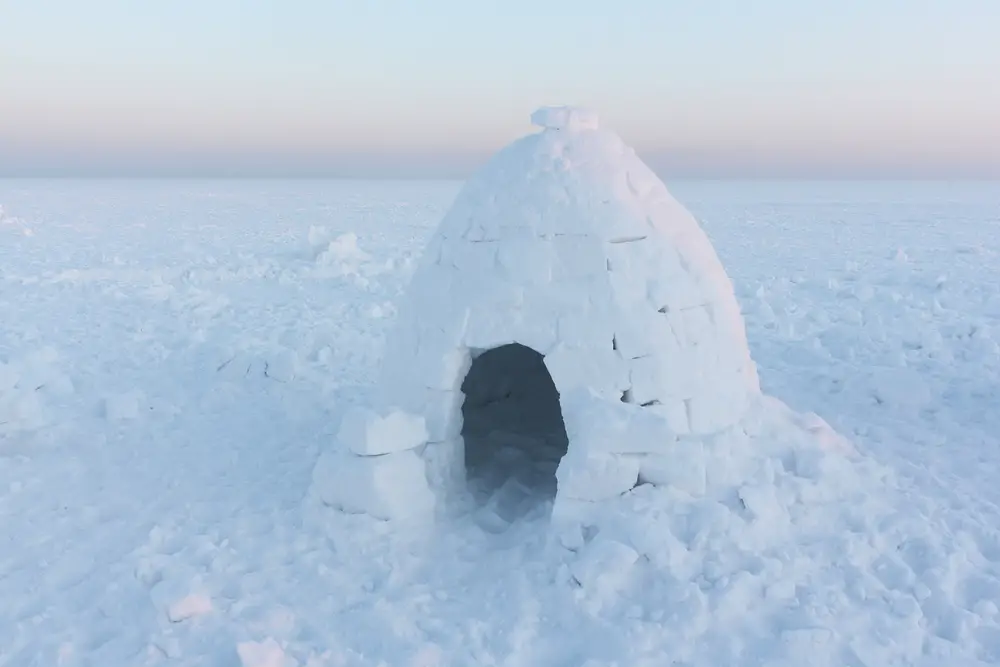
For Indigenous communities in polar regions, melting ice caps are not just an environmental issue—they’re a cultural crisis. These communities have thrived for centuries, adapting to the harsh climates and developing ways of life deeply linked to the land and sea. As ice disappears, so too do the means to hunt, fish, and gather traditional foods, threatening both their cultural heritage and economic survival.
According to a report by the Inuit Circumpolar Council, climate change is reshaping the Arctic landscape, leading to the loss of traditional knowledge and practices. The cultural erosion is as palpable as the physical one. When traditional ways of living are compromised, it’s not just an ecological loss—it’s a cultural extinction. Your awareness and support can be powerful tools in preserving these irreplaceable ways of life.
6. Carbon Emissions Are Polluting Our Air And Food
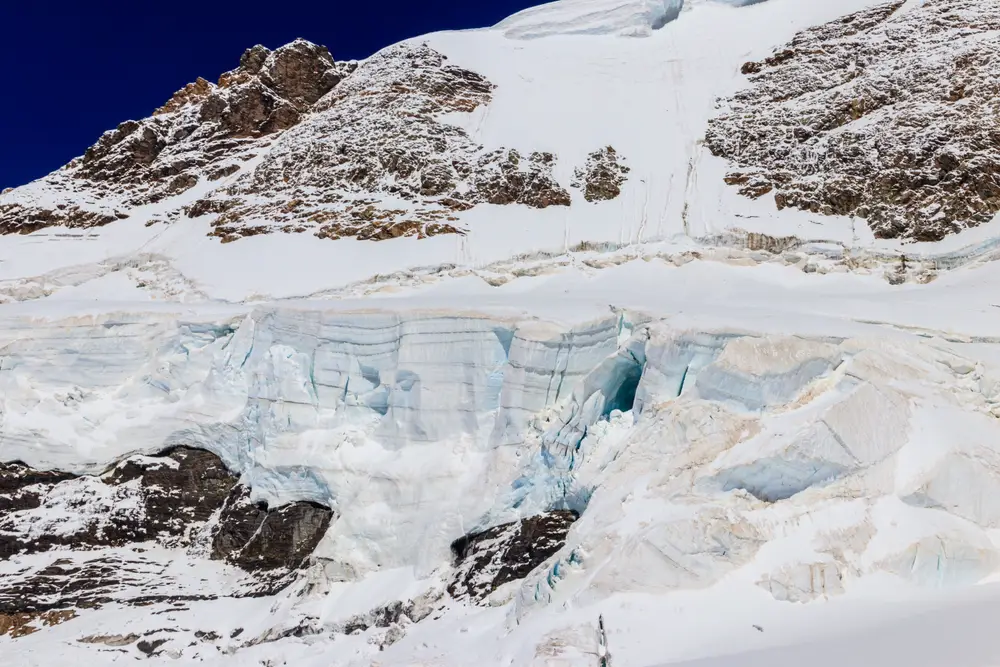
You might not associate melting ice with carbon emissions, but there’s a hidden connection. As ice caps melt, ancient carbon stores locked in frozen tundra, known as permafrost, begin to thaw. This releases methane, a potent greenhouse gas, accelerating climate change even further. It’s a vicious cycle: the more the ice melts, the more greenhouse gases are released, which in turn melt more ice.
This feedback loop is one of the most alarming aspects of the climate crisis. When it comes to mitigating climate change, time is of the essence, and the thawing permafrost is a ticking time bomb. The urgency extends beyond policy and into your daily life choices, from the food you eat to the energy you consume. Every action has a reaction, and in this case, inaction is not an option.
7. Global Weather Patterns Are Wreaking Havoc
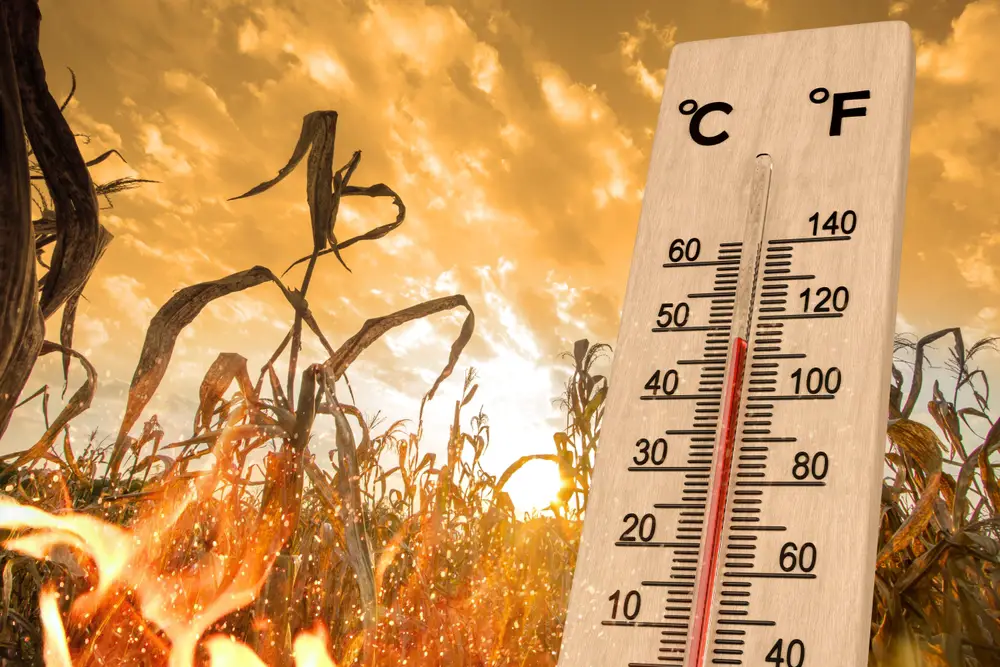
If you think the weather has become more unpredictable lately, you’re not imagining it. Melting ice caps are altering global wind and ocean currents, leading to extreme weather conditions across the planet. From scorching heat waves to unexpected cold snaps, the volatility is unnerving. These changes have real-world impacts, from disrupting agriculture to straining healthcare systems.
The World Meteorological Organization reports that these shifts are largely due to the redistribution of heat and moisture in the atmosphere. The impact isn’t just on the environment; it’s on the fabric of daily life. You might find yourself grappling with the new normal—a world where planning for the future becomes a more complex calculus. Yet amid the uncertainty, the call to action has never been clearer.
8. Humans Are Becoming Climate Refugees
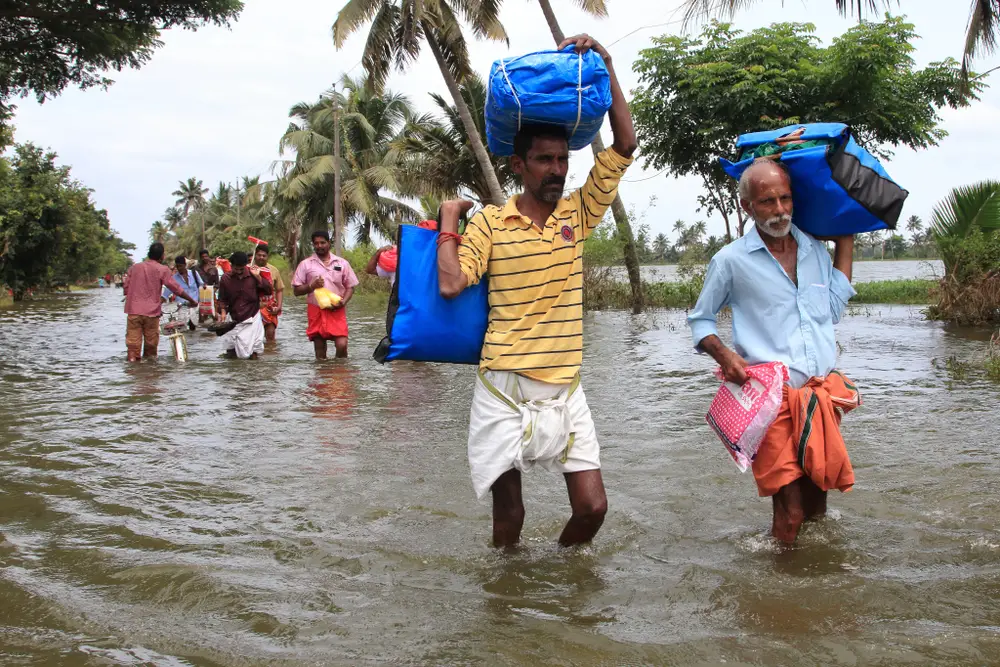
When we talk about climate refugees, we’re talking about a very real and growing subset of displaced people. As ice caps melt and sea levels rise, coastal and island communities face the stark reality of resettlement. The cultural, social, and economic costs of such a displacement are profound, affecting everything from local economies to global migration patterns.
For people forced to leave their homes, the upheaval is both immediate and long-lasting. The new communities that welcome them face their own challenges, from resource allocation to cultural integration. It’s a complex web of human rights, social justice, and environmental responsibility. You can’t help but wonder how these massive shifts will reshape societies and the world as you know it.
9. Economic Instability Is Affecting Our Wealth

The repercussions of melting ice caps extend beyond environmental and social impacts—they also pose significant economic challenges. As sea levels rise and weather patterns shift, industries ranging from agriculture to insurance face unprecedented risks. Property values in coastal areas are plummeting, and the cost of disaster mitigation is skyrocketing. This economic volatility affects global markets and your investment portfolios.
Companies and governments are being forced to rethink strategies and invest in sustainable practices. While this can be a driver for innovation, it also requires massive capital and political will. The financial burden isn’t limited to any one sector; it’s a shared challenge that requires a collective response. You may find yourself having to adapt your financial strategies in light of this new normal.
10. Our Food Supplies Are In Danger
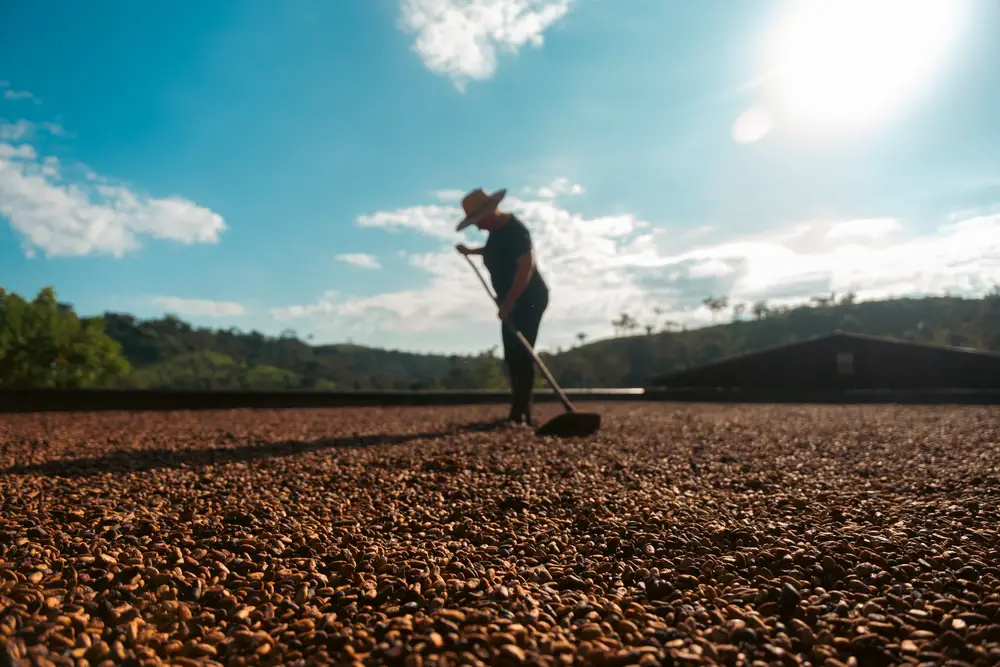
Food security is another area where the effects of melting ice caps are being felt. Changes in weather patterns, marine ecosystems, and freshwater availability all converge to disrupt food production. Crop yields are becoming increasingly unpredictable, and fishing zones are shifting, complicating food sourcing. All of these factors contribute to rising food prices and scarcity, impacting communities worldwide.
The instability in food supply chains can lead to social unrest and exacerbate inequality, hitting vulnerable populations the hardest. It’s a stark reminder of how interconnected everything really is—what happens at the poles can affect dinner tables globally. While technology and innovation offer some solutions, they are not a panacea. Your role in supporting sustainable practices has never been more crucial.
11. Loss Of Biodiversity Is Hurting Our Planet
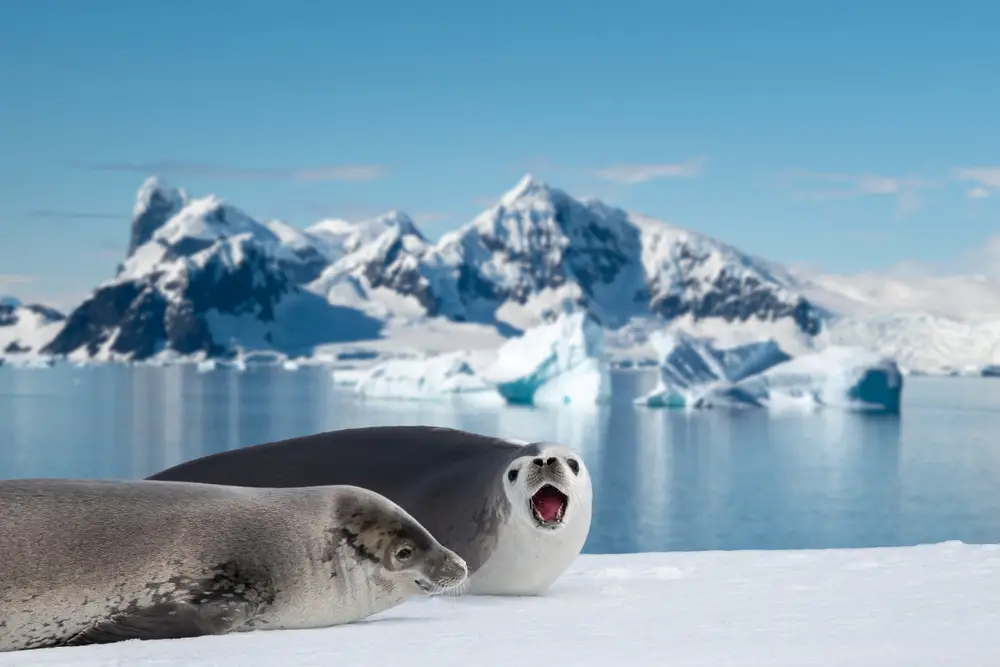
Biodiversity is the variety of life that sustains ecosystems, and it’s under severe threat as ice caps melt. The delicate balance of plant and animal life in polar regions is being upended, with species facing extinction at alarming rates. This loss is not just a tragedy for nature; it’s a warning sign for humanity. The ripple effects extend beyond the poles, affecting ecosystems worldwide.
Biodiversity is crucial for everything from clean air and water to disease prevention and food security. As species disappear, ecosystems lose their resilience, making them more susceptible to further environmental stress. It’s a domino effect that can have dire consequences for the planet’s health and, by extension, your own well-being. The call to protect biodiversity is not just an ecological imperative; it’s a moral one.
12. Public Health Risks Are On The Rise
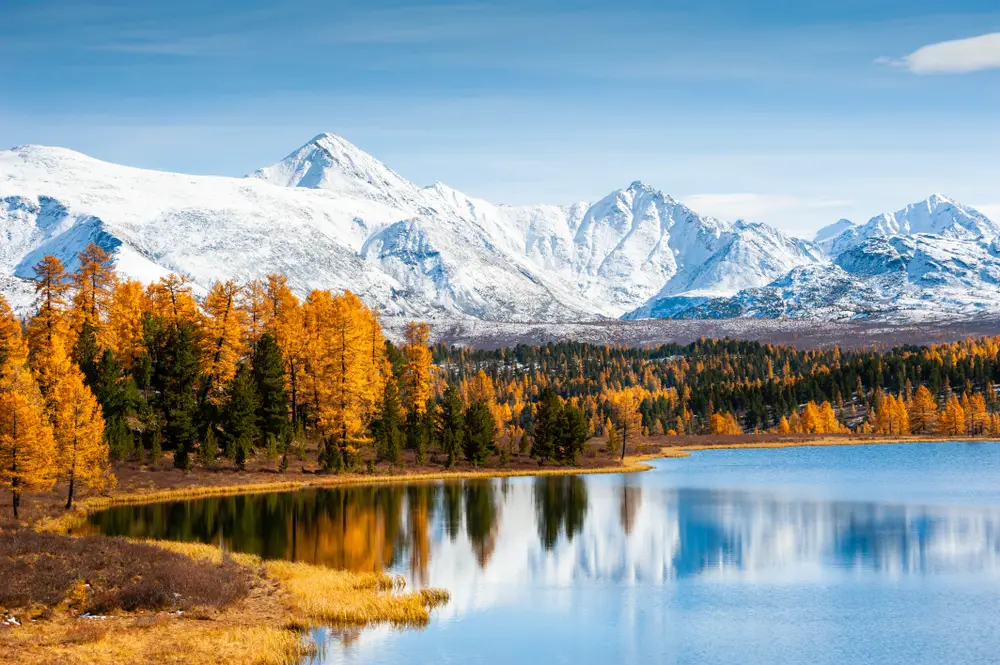
The public health implications of melting ice caps are just beginning to surface. From air quality to waterborne diseases, the changes in climate are creating new health challenges worldwide. Rising temperatures can exacerbate respiratory and cardiovascular issues, while shifting ecosystems can lead to the spread of infectious diseases. The strain on healthcare systems is palpable, affecting both access to care and the quality of services.
As you navigate this evolving landscape, the importance of preventive healthcare and sustainable living becomes ever more apparent. The link between environmental health and personal health has never been clearer. It’s a reminder that self-care extends beyond individual practices to include the choices you make about the environment. The health of the planet is intrinsically tied to your own.
13. Cultural Icons Are Disappearing
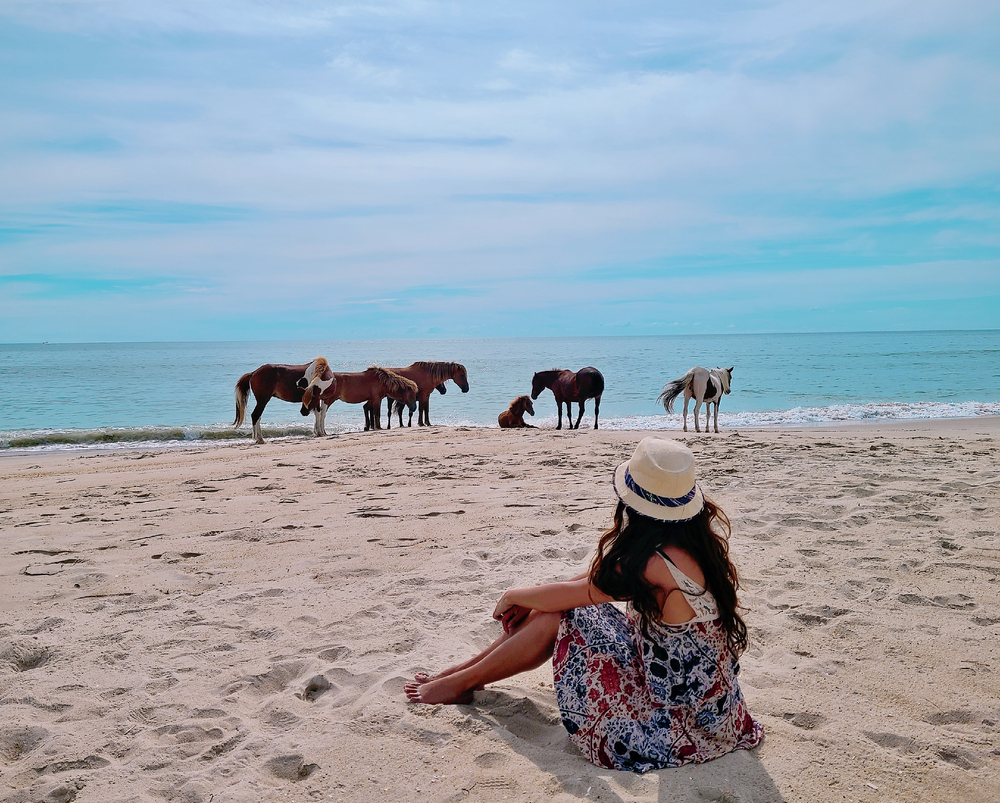
Cultural heritage is often the heartbeat of a community, and it’s being silently eroded as ice caps melt. Artifacts, historical sites, and landscapes that have stood for centuries are at risk, lost to rising seas and climate change. This loss goes beyond the physical; it’s a blow to the stories, traditions, and identity of people. When these cultural icons disappear, a part of human history is lost forever.
The preservation of cultural heritage is not just about maintaining the past—it’s about shaping the future. It’s a call to action for governments, communities, and you to invest in safeguarding these treasures. In doing so, you honor the legacy of those who came before and provide a richer world for those who will come after. It’s a reminder that saving the past is integral to building a resilient future.