
Cats don’t ignore humans out of spite, attitude, or aloofness. They make decisions based on neurological thresholds, environmental control, and energy conservation shaped by evolution. What appears to be indifference is often strategic disengagement designed to preserve autonomy and reduce uncertainty. These are the rules your cat is quietly following when it chooses not to respond.
1. They Only Respond If There’s Something In It For Them

Cats evolved as ambush predators that conserve energy aggressively between hunts. Every movement incurs a metabolic cost, and unnecessary responses are quickly filtered out. If your call doesn’t promise food, safety, or stimulation, it simply doesn’t clear the energy threshold. Ignoring you is not rude—it’s efficient.
Feline metabolism studies show cats spend up to 70 percent of their day in low-energy states to preserve hunting capacity. According to a 2024 review in Current Biology, cats prioritize energy neutrality over social reinforcement. This means responsiveness is calculated, not emotional. Engagement only happens when the payoff outweighs the cost.
2. If You Interrupt Their Focus, You’re Doomed

When a cat is watching a window, it is not daydreaming. It is monitoring territory, prey movement, and potential threats through sustained visual tracking. Interruptions during this state are treated as irrelevant noise. Your voice simply doesn’t outrank environmental data.
Research from the University of Lincoln’s Animal Behaviour Cognition Lab shows cats enter prolonged vigilance states triggered by motion cues. During these states, auditory social signals are deprioritized. Ignoring you is a focus decision, not a snub. The environment wins every time.
3. Inconsistency Will Guarantee They Ghost You
Cats learn patterns quickly and punish inconsistency by disengaging. If responding to you sometimes leads to food, sometimes to being picked up, and sometimes to nothing, the signal becomes unreliable. Unreliable signals are filtered out. Silence becomes the safest option.
A 2023 operant conditioning study in Applied Animal Behaviour Science found cats stop responding to cues with variable outcomes faster than dogs. The uncertainty creates stress, not curiosity. Ignoring you is a way to restore predictability. Consistency determines attention.
4. A Demand Will Trigger Avoidance
Cats distinguish emotional tone with surprising accuracy. High-pressure, repetitive, or sharp vocal patterns register as demands, not communication. Demands trigger avoidance, not compliance. Silence becomes a boundary.
Veterinary neurologists note cats process human tone before semantic meaning. A 2022 auditory cognition study showed cats disengage more quickly when vocal pitch mimics urgency. Ignoring you prevents escalation. Calm tones keep the channel open.
5. If They’re Overstimulated, You Have No Chance
Cats experience sensory overload faster than humans. Sound, touch, and movement accumulate rapidly in their nervous system. Ignoring you is often a sensory shutdown response, not disinterest. It protects neurological stability.
Feline sensory processing research indicates cats have lower tolerance thresholds for repeated stimuli. When input exceeds comfort, disengagement is automatic. Ignoring you is a self-regulation strategy. It’s closer to meditation than attitude.
6. They Consider Eye Contact That Feels Too Direct A Threat
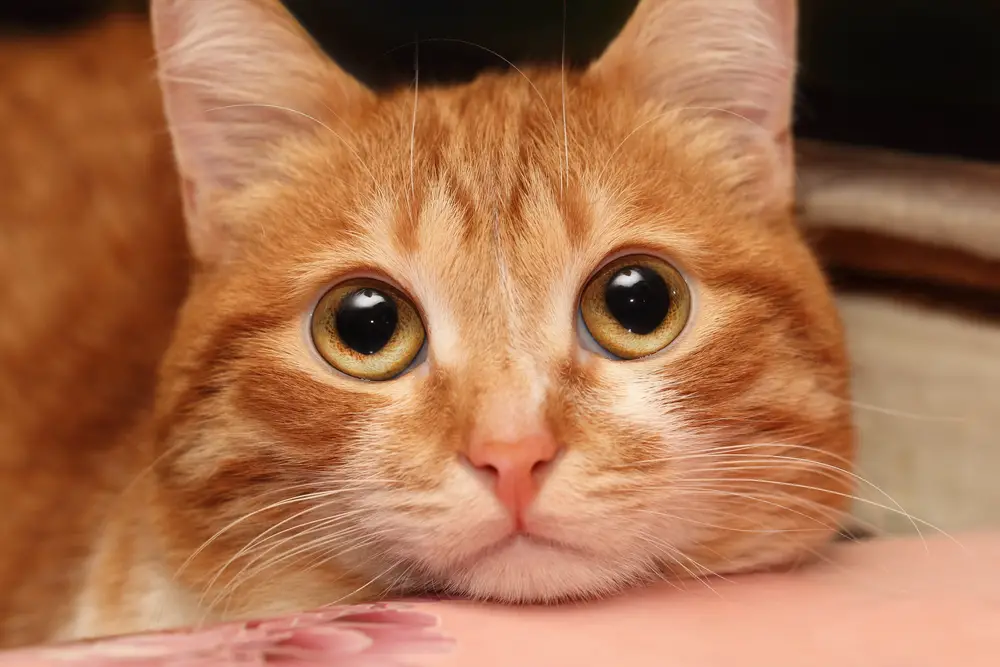
Direct staring is not neutral in cat language. It can signal threat, dominance, or confrontation depending on context. Ignoring eye contact is a de-escalation tactic. It keeps social peace.
Ethological studies confirm cats avoid sustained eye contact to reduce conflict. Slow blinking is a trust signal; staring is not. Ignoring you can actually mean things are calm. Engagement resumes when perceived pressure drops.
7. Standing Over Them, Prepare To Be Ignored
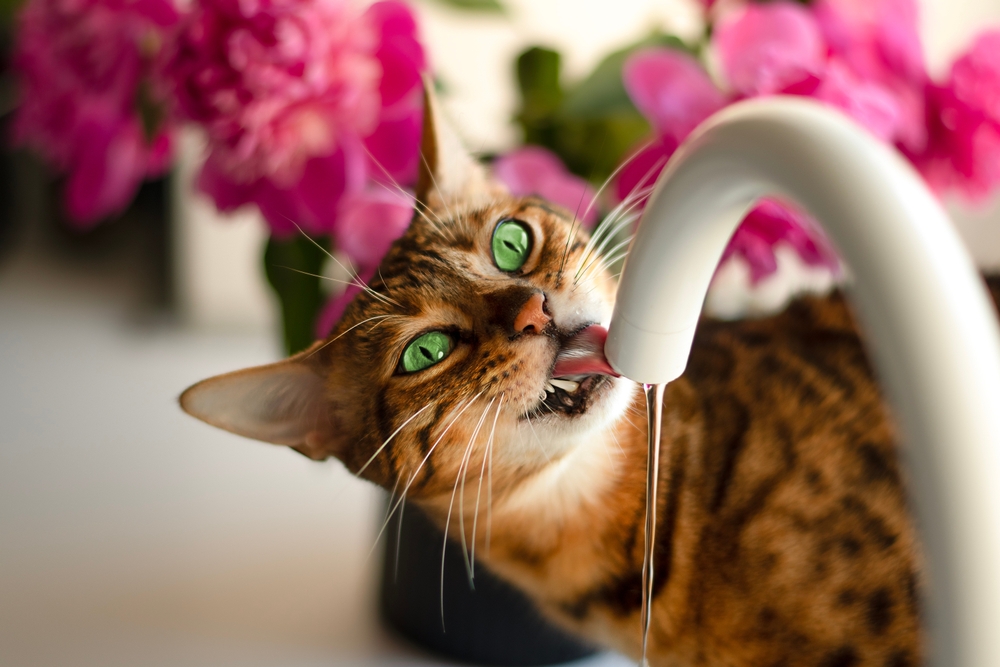
Height matters in animal communication. A standing human creates a power imbalance that can trigger caution. Ignoring you restores perceived control. Engagement happens more readily when you lower yourself.
Research in spatial dominance cues shows cats respond more positively to humans at eye level. Vertical positioning alters threat perception. Ignoring you is situational, not personal. Body geometry matters.
8. If They’re Half Asleep, You Don’t Exist

Cats spend much of the day in light sleep states. During transitions, their brain prioritizes internal recalibration over external interaction. Ignoring you during this phase prevents disorientation. Engagement comes later.
Sleep studies show cats cycle through micro-arousals frequently. Interruptions during these moments increase stress markers. Ignoring you protects neurological balance. Timing is everything.
9. They’ll Shut Down If They’re Mad At You
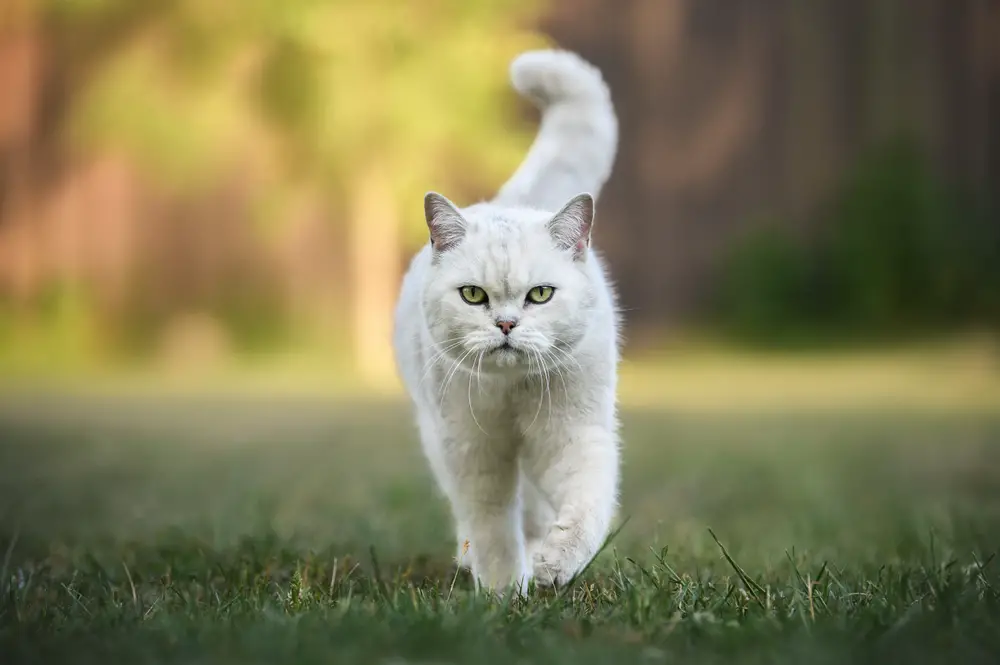
Cats remember negative social outcomes with precision. If a previous response led to restraint, medication, or discomfort, the cue becomes poisoned. Ignoring you prevents repetition. Memory guides behavior.
A 2023 memory retention study found cats retain negative associations longer than positive ones. This is an evolutionary safety mechanism. Ignoring you is learned caution. Trust must be rebuilt.
10. When They’re Trying to Exert Boundaries
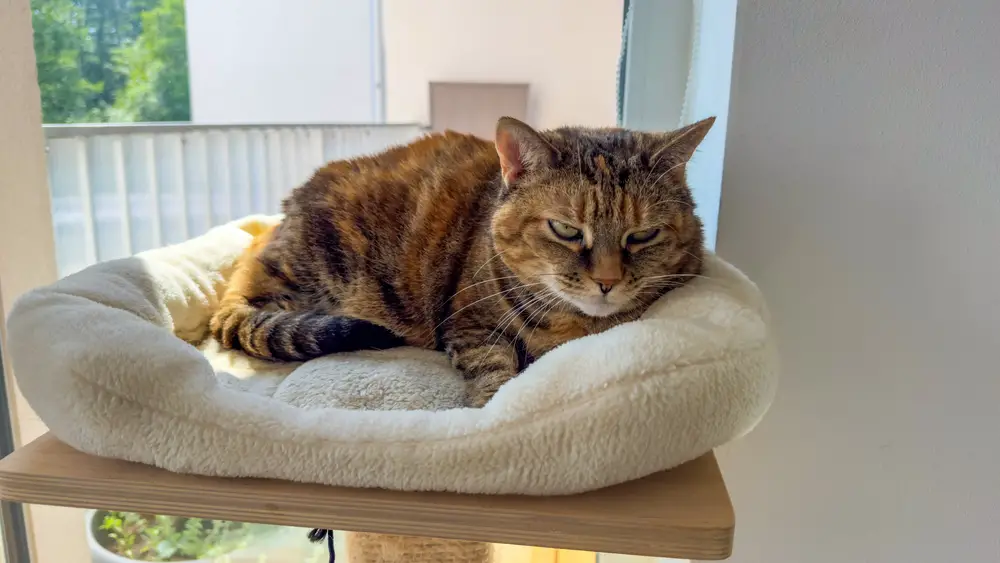
Ignoring you can be a boundary assertion. Cats manage social distance actively, not passively. Silence creates space. Space restores control.
Behavioral ecologists note cats initiate interaction far more often than they respond to it. Control over engagement reduces stress. Ignoring you is autonomy maintenance. It’s not rejection.
11. If They’re Obsessed With Something Else
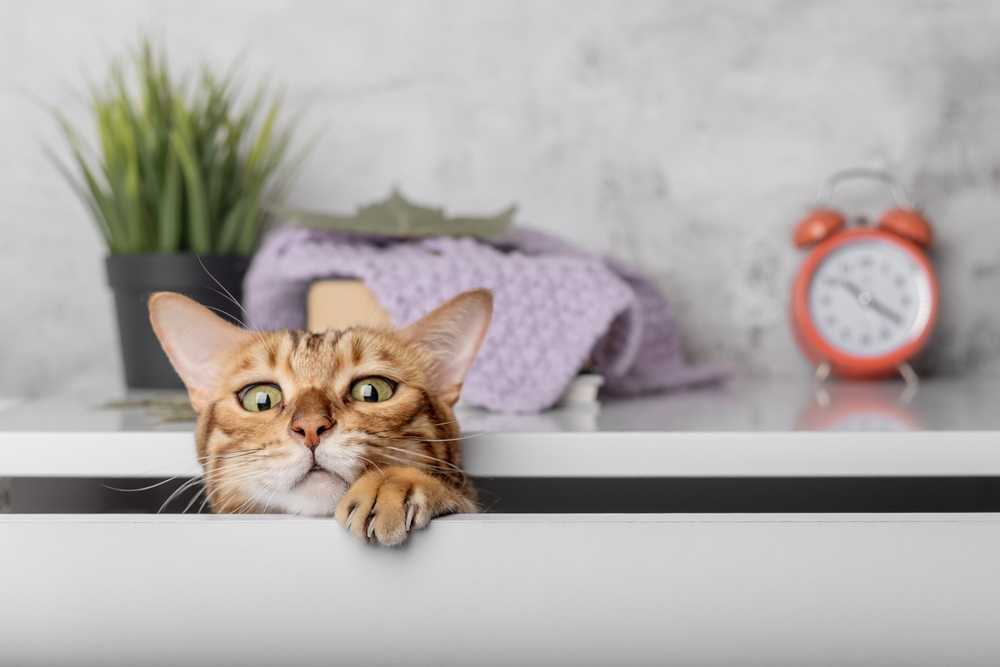
Cats rank stimuli constantly. Food smells, movement, sounds, and temperature shifts all compete. If something outranks you, you’re filtered out. It’s not personal—it’s prioritization.
Neurobehavioral research shows cats switch attention based on survival relevance. Social cues lose to sensory input quickly. Ignoring you reflects hierarchy. You’re competing with instinct.
12. When You Try To Capture Them
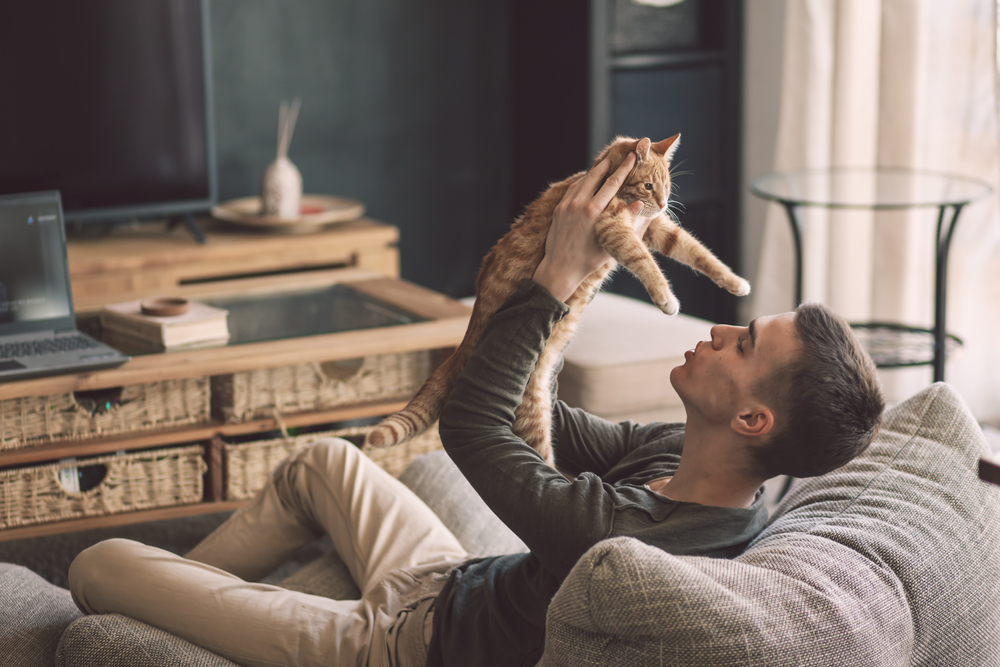
Many cats learn that responding precedes being picked up. If they dislike restraint, they disengage early. Ignoring you prevents escalation. Avoidance is preemptive.
Veterinary handling studies show cats anticipate physical outcomes rapidly. Disengagement reduces perceived threat. Ignoring you keeps control intact. It’s strategic avoidance.
13. If Ignoring You Has Worked Before
Cats repeat behaviors that produce desired outcomes. If ignoring you leads to fewer demands, it becomes reinforced. Silence becomes a learned success. The rule sticks.
Learning theory confirms reinforcement drives repetition. Cats are outcome-oriented learners. Ignoring you is not passive—it’s trained. Your response history taught it.