
Staring up at a starry night sky is a rare privilege these days. With satellite light pollution threatening to dim the celestial wonders above us, finding places where you can still relish the twinkling of distant stars is becoming increasingly difficult. However, there are still some remote spots across the United States where the night skies remain largely untouched by artificial light. Here are 13 exceptional places that offer a front-row seat to the universe before satellite light pollution takes over.
1. Big Bend National Park, Texas
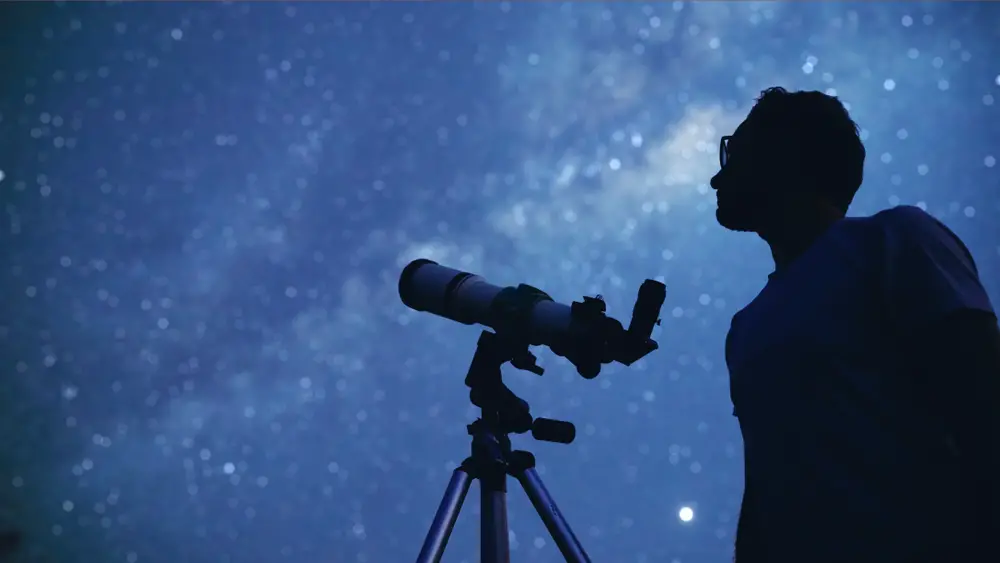
If you’re searching for a celestial haven, Big Bend National Park is your destination. Nestled in the vastness of southwestern Texas, this park offers one of the darkest skies in the contiguous United States. Here, you can witness the Milky Way in all its glory, stretching across the sky in a dazzling display. Rangers even host regular star parties, guiding you through the constellations with telescopes and expert knowledge.
According to the International Dark-Sky Association, Big Bend has been designated as a Dark Sky Park due to its exceptional night skies and commitment to preserving them. The park’s remote location and lack of urban development make it a prime spot for stargazing. While visiting, be sure to hike during the day to explore its rugged landscapes and diverse wildlife. But at night, tuck into a cozy spot and let the stars take center stage.
2. Great Basin National Park, Nevada
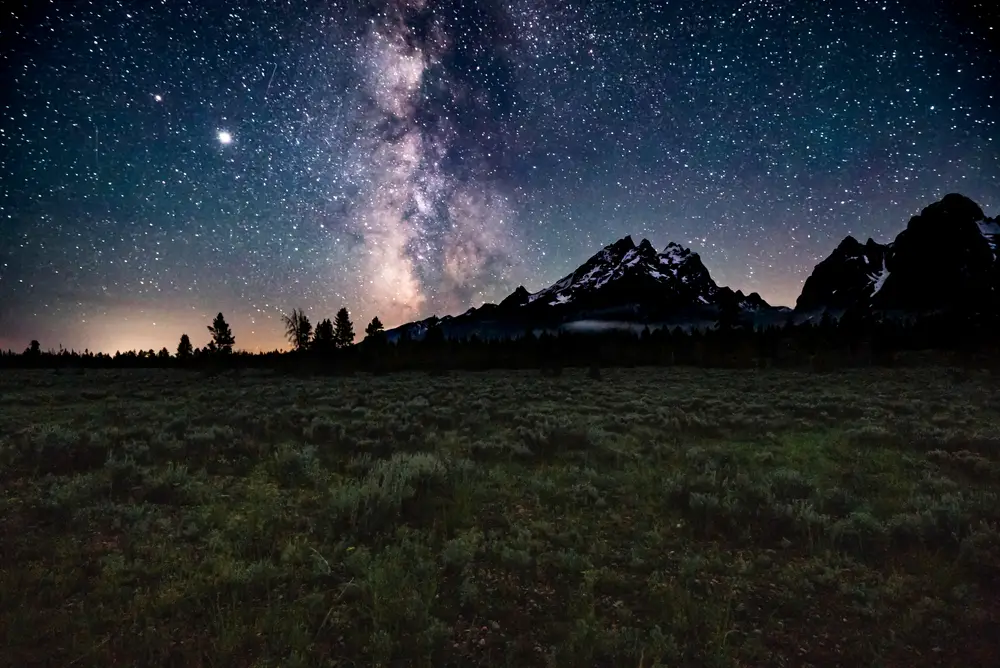
Great Basin National Park is a stargazer’s dream come true. Located in eastern Nevada, this park is renowned for its crystal-clear night skies and minimal light pollution. The park offers an annual astronomy festival where you can learn from astronomers and engage in telescope viewing sessions. Even on a casual night, you can expect to see thousands of stars and perhaps even a shooting star or two.
The park’s elevation, reaching over 13,000 feet at its highest point, means thinner air and clearer skies. Besides stargazing, you can explore the Lehman Caves or embark on a hike through its diverse landscapes. Remember to pack warm clothes, as temperatures can drop significantly in the evening. Whether you’re an astronomy enthusiast or simply someone who appreciates natural beauty, Great Basin offers a spectacular view of the cosmos.
3. Cherry Springs State Park, Pennsylvania
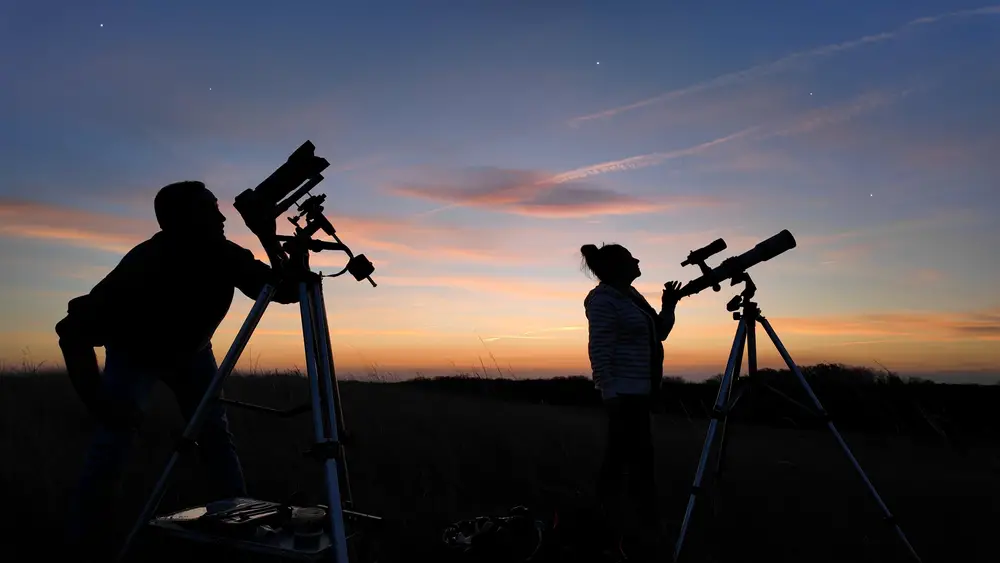
Cherry Springs State Park is a hidden gem for those on the East Coast seeking a star-filled night. Located in north-central Pennsylvania, this park is known for having some of the darkest skies east of the Mississippi River. The park regularly holds stargazing events and has an astronomy field specifically designed for night sky observation. It’s a place where you can truly appreciate the vastness of the universe without the interference of city lights.
The park’s recognition by the International Dark-Sky Association underscores its importance as a sanctuary for celestial observation. Cherry Springs’ high elevation and rural location make it ideal for both amateur and seasoned astronomers. You might even catch a glimpse of the elusive Aurora Borealis if conditions are just right. So, grab your blanket and telescope, and immerse yourself in the sparkling tapestry above.
4. Bryce Canyon National Park, Utah
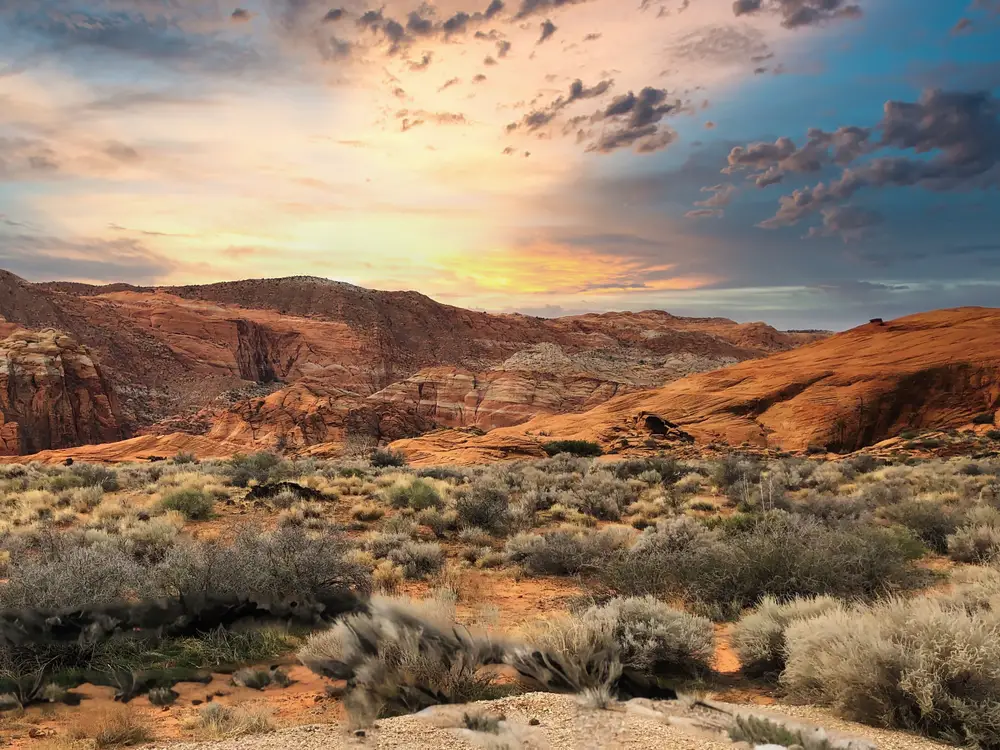
Bryce Canyon National Park is not just about stunning rock formations; it’s also a night sky paradise. Situated in southern Utah, the park boasts over 100 nights of cloudless skies each year, perfect for a night of stargazing. Astronomy programs are offered regularly, where you can learn about the night sky and use telescopes to explore distant galaxies. The park’s high altitude and low humidity further enhance the clarity of the stars.
During the day, you can marvel at its iconic hoodoos and vibrant red rock landscapes. But when night falls, the sky comes alive with countless stars, planets, and the iconic Milky Way. The park’s commitment to reducing light pollution ensures that future generations will continue to enjoy its dark skies. Don’t miss the chance to experience this unique blend of geological wonders and celestial beauty.
5. Glacier National Park, Montana
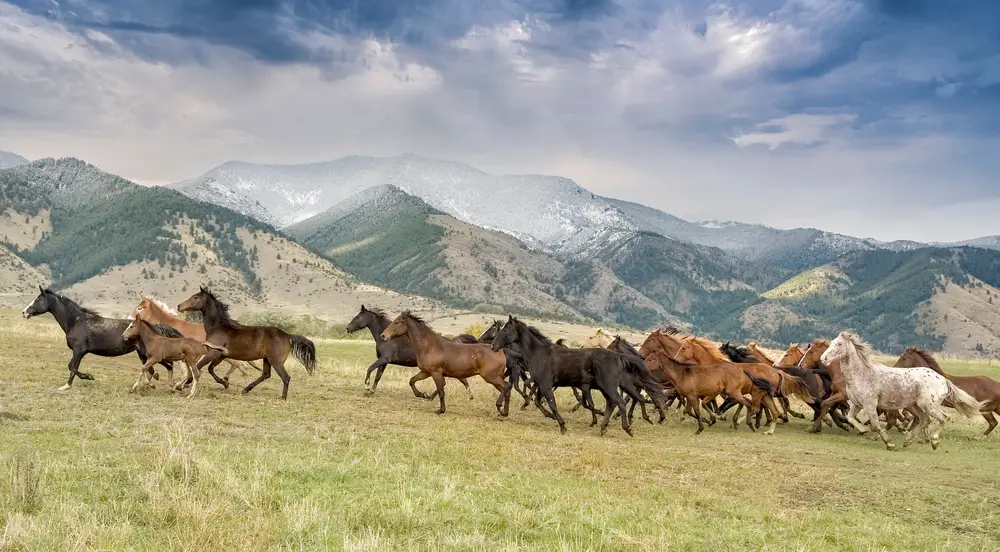
When you think of Glacier National Park, you might first picture its breathtaking landscapes, but it also offers some of the clearest night skies in the country. Located in northwestern Montana, the park provides an unparalleled view of the cosmos due to its remote location and high elevations. Visitors are often treated to spectacular views of the Northern Lights, especially in the fall and winter months. The park even hosts “Logan Pass Star Parties” during the summer, where telescopes and expert guidance are available.
NASA has utilized Glacier’s pristine skies for satellite calibration and astronomical research, highlighting its significance in the scientific community. The park’s commitment to preserving its night skies is evident in its collaboration with the International Dark-Sky Association. Beyond the stars, you can explore its rugged peaks, pristine lakes, and diverse wildlife during the day. Whether you’re capturing photos or simply enjoying the view, Glacier offers a celestial spectacle like no other.
6. Death Valley National Park, California/Nevada
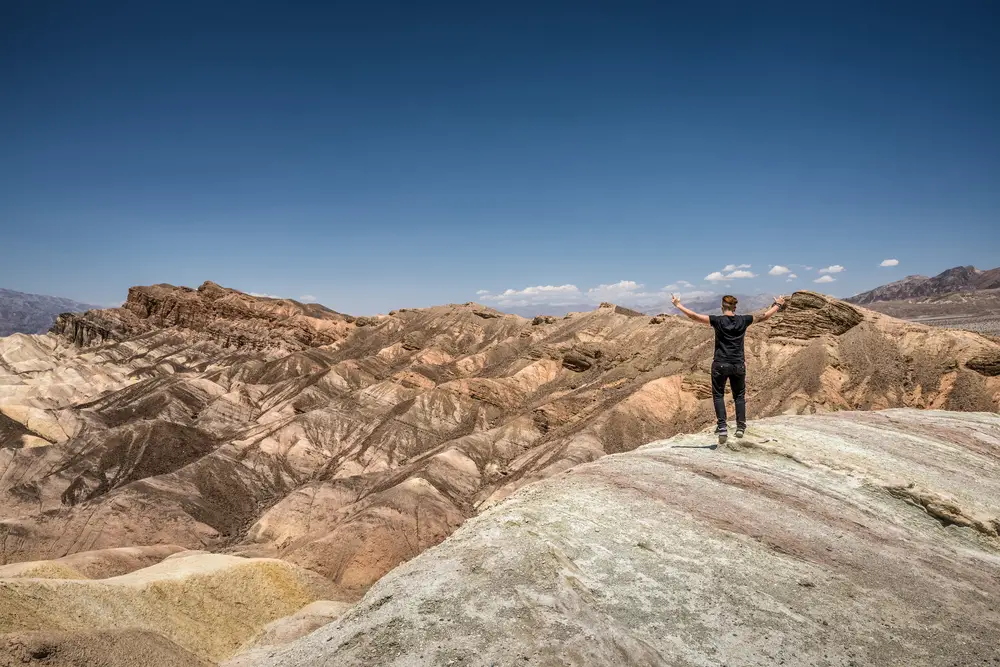
Death Valley National Park might be famous for its extreme temperatures, but it’s also a haven for stargazers. Straddling California and Nevada, the park boasts some of the darkest skies in the United States. During the park’s annual “Death Valley Star Party,” astronomers and enthusiasts gather to celebrate and observe the night sky. You’ll find yourself under a vast canopy of stars, where the silence and stillness of the desert amplify the experience.
The park’s vast landscapes, from sand dunes to rugged mountains, provide a stunning backdrop for night photography. With minimal light pollution and an expansive night sky, it feels like you can almost touch the stars. Remember to bring plenty of water and be prepared for drastic temperature changes between day and night. Death Valley’s celestial wonders are an awe-inspiring testament to the beauty of the natural world.
7. Denali National Park, Alaska
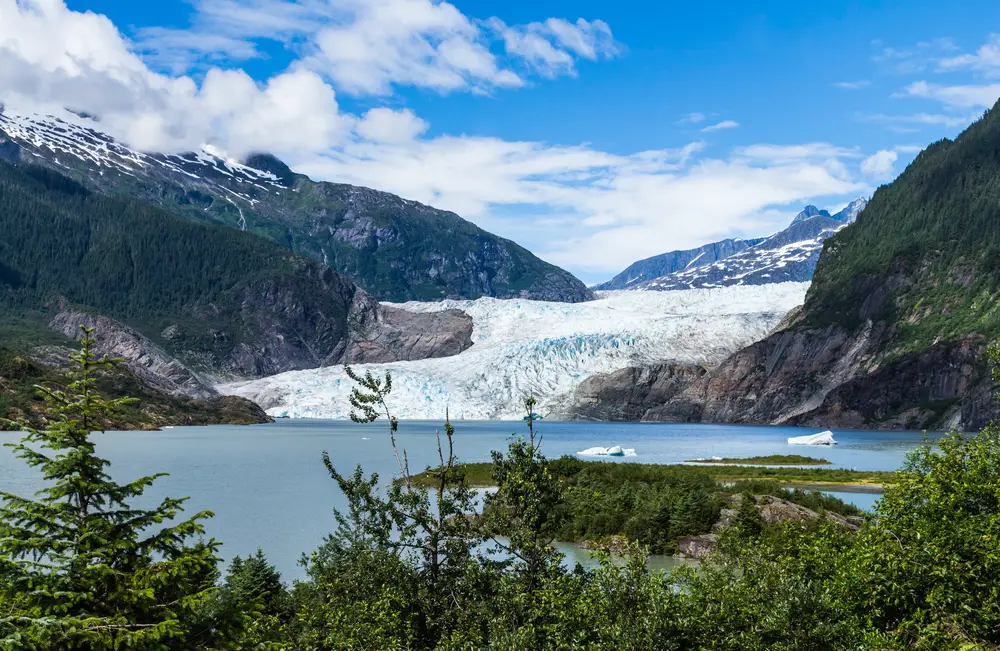
Denali National Park offers more than just its namesake peak—it’s a gateway to the starry skies of Alaska. Situated in the heart of Alaska, this park is renowned for its unspoiled wilderness and breathtaking vistas. The park is one of the best places in the world to witness the Aurora Borealis, especially from late fall to early spring. Stargazing here is a truly unique experience, given the park’s remote location and minimal light pollution.
Experts from the Geophysical Institute at the University of Alaska Fairbanks use Denali as a base for studying the Northern Lights, underscoring its importance in the world of astronomy. During the day, you can explore its vast landscapes, home to diverse wildlife and towering peaks. But at night, the stars take center stage, creating a mesmerizing tapestry above. Pack your camera and warm clothing, and prepare for an unforgettable celestial journey.
8. Mauna Kea, Hawaii

Mauna Kea is not just the highest peak in Hawaii; it’s also one of the world’s premier stargazing locations. Perched at an elevation of over 13,000 feet, this dormant volcano offers an unparalleled view of the night sky. The summit hosts several world-class observatories, taking advantage of its clear skies and minimal light pollution. Visitors can join guided stargazing tours, where telescopes and knowledgeable guides enhance your celestial experience.
The cultural significance of Mauna Kea to native Hawaiians adds another layer of depth to your visit. While there, you can learn about the traditional Hawaiian navigation methods that relied heavily on the stars. Remember to acclimate to the altitude and prepare for chilly temperatures, as the summit can be quite cold. Whether you’re an astronomy enthusiast or a casual observer, Mauna Kea offers a stellar view of the universe.
9. Joshua Tree National Park, California
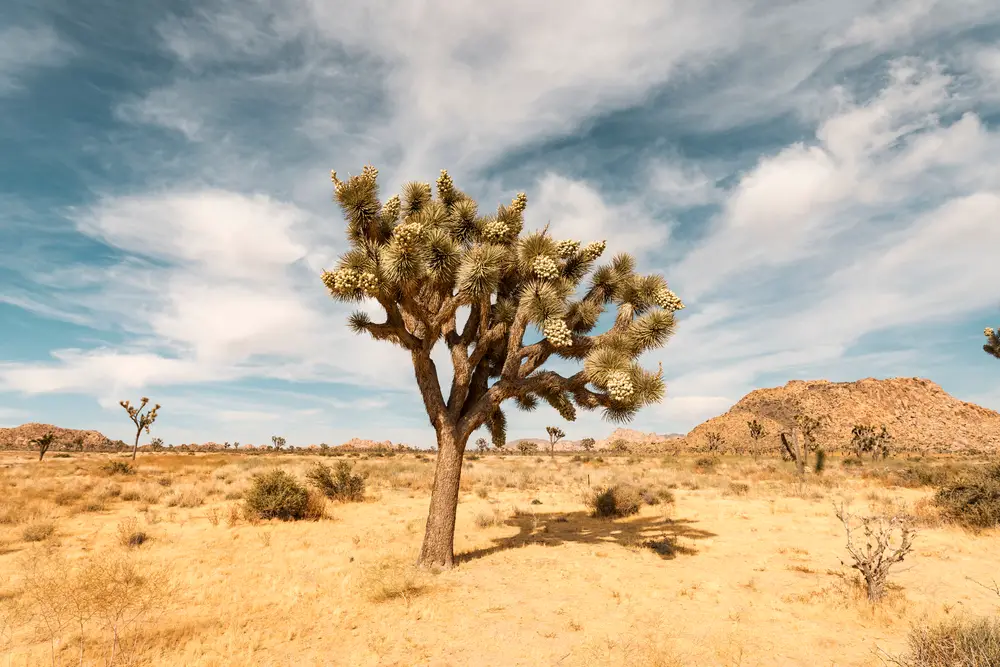
Joshua Tree National Park is a desert oasis known for its iconic trees and dramatic landscapes. But as the sun sets, the park transforms into a stargazer’s paradise. Located in southern California, the park is far enough from major cities to escape significant light pollution. Its annual Night Sky Festival attracts thousands of visitors eager to explore the cosmos with the help of astronomers and telescopes.
The park’s warm nights and clear skies make it an ideal location for both amateur and professional astronomers. You can enjoy a peaceful night under the stars, with the park’s unique rock formations creating a striking silhouette against the celestial backdrop. During the day, explore its diverse ecosystems and learn about the flora and fauna that call this desert home. Whether you’re camping or just visiting for the evening, Joshua Tree’s night skies are not to be missed.
10. Big Pine Key, Florida
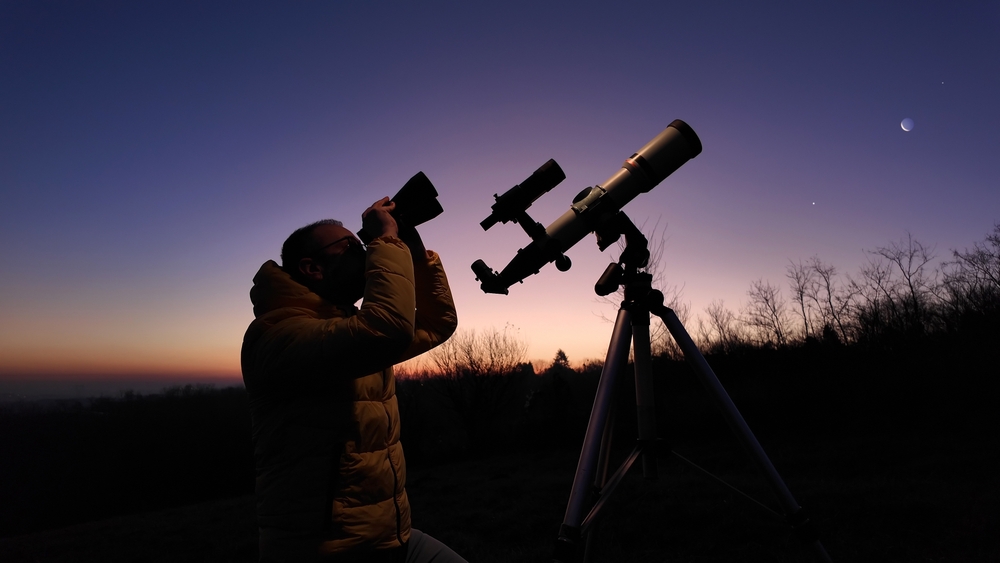
Big Pine Key may not be the first place you think of for stargazing, but it offers a unique celestial experience. Located in the Florida Keys, the island is surrounded by the vast expanse of the Atlantic Ocean, offering unobstructed views of the night sky. The island hosts an annual Dark Sky Festival, celebrating the beauty of the cosmos with events and activities for all ages. Visitors can enjoy the warm tropical nights while gazing up at the stars and planets above.
The island’s commitment to preserving its dark skies is evident in its efforts to reduce light pollution. Beyond stargazing, you can explore the island’s natural beauty, from its stunning beaches to its diverse marine life. Whether you’re kayaking under the stars or simply relaxing by the water, Big Pine Key offers a unique blend of tropical paradise and celestial wonder. Pack your beach chair and telescope, and get ready for an unforgettable stargazing experience.
11. Craters of the Moon National Monument, Idaho
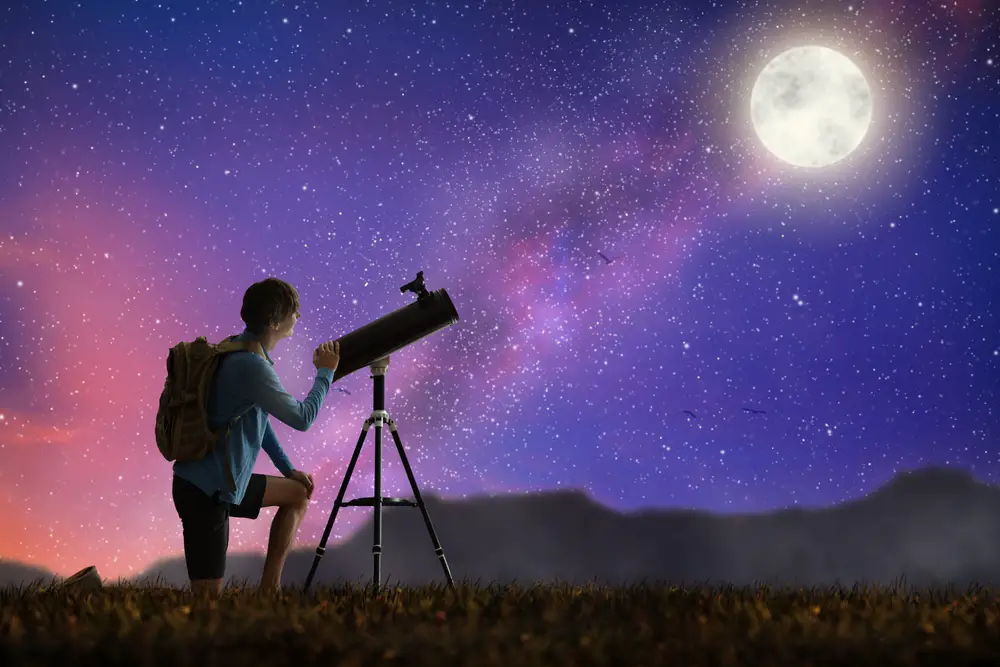
Craters of the Moon National Monument may sound otherworldly, and its night skies certainly live up to that impression. Located in central Idaho, the monument’s rugged landscapes and lack of light pollution make it an ideal location for stargazing. The park hosts regular sky-watching events, where you can explore the universe with the help of knowledgeable guides and telescopes. On a clear night, you can see the Milky Way in all its glory, along with numerous constellations and planets.
The park’s volcanic features and unique terrain provide a striking contrast to the starry skies above. During the day, explore the park’s lava fields and caves, home to a diverse array of flora and fauna. But as night falls, find a quiet spot, lay back, and let the stars take you on a journey through the cosmos. Craters of the Moon offers a celestial experience that feels truly out of this world.
12. Acadia National Park, Maine
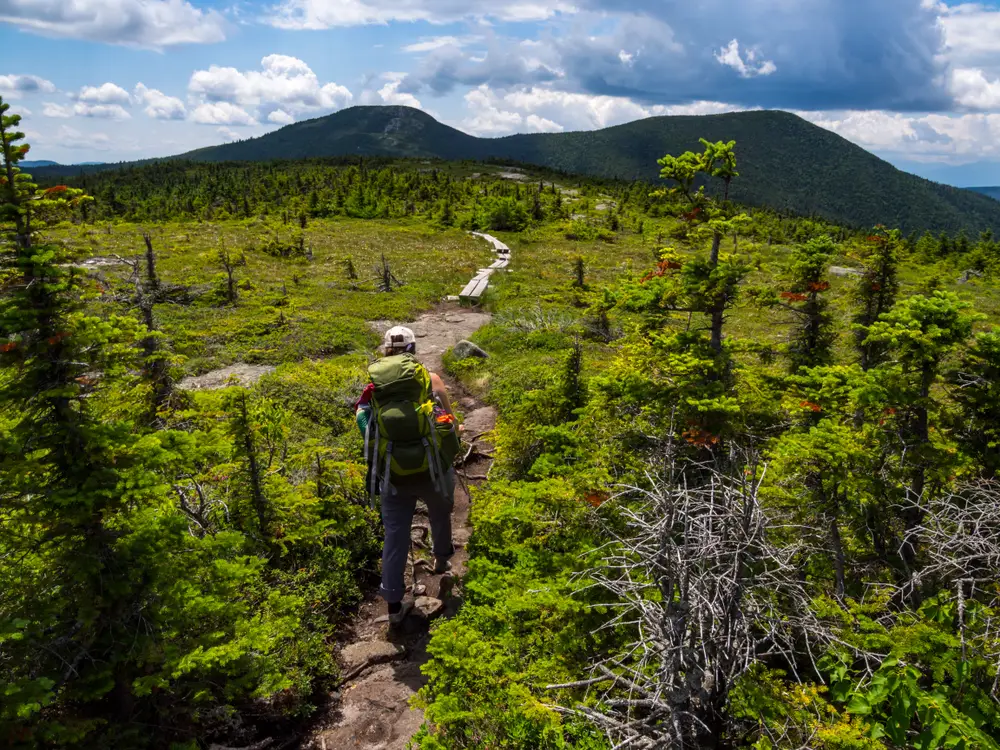
Acadia National Park is not only famous for its rugged coastline and stunning vistas; it’s also a top destination for stargazing on the East Coast. Located in Maine, the park offers some of the darkest skies on the Atlantic seaboard, making it an ideal spot for night sky observation. The annual Acadia Night Sky Festival celebrates the beauty of the cosmos with events, workshops, and stargazing parties. Whether you’re viewing the stars from a mountaintop or along the rocky shore, the experience is nothing short of magical.
The park’s commitment to preserving its night skies is evident in its efforts to reduce light pollution. During the day, explore its diverse landscapes, from lush forests to granite peaks. But when night falls, let the stars guide your adventures in this breathtaking natural setting. Acadia’s celestial wonders are a testament to the beauty of the natural world and the importance of preserving dark skies for future generations.
13. Badlands National Park, South Dakota
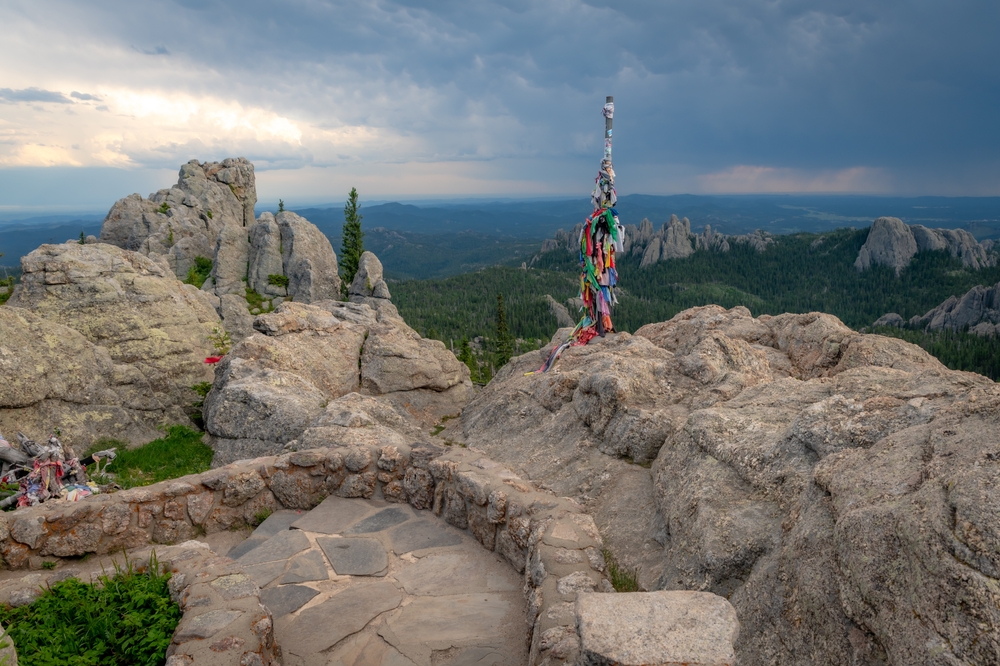
Badlands National Park might be known for its striking geological formations, but it also offers some of the clearest night skies in the Midwest. Located in South Dakota, the park’s remote location and lack of light pollution make it a prime destination for stargazing. The park hosts an annual Astronomy Festival, where you can explore the cosmos with the help of astronomers and state-of-the-art telescopes. Whether you’re gazing up at the Milky Way or searching for distant galaxies, the experience is awe-inspiring.
The park’s unique landscapes, from its jagged cliffs to its sprawling prairies, create a stunning backdrop for night photography. During the day, explore its diverse ecosystems and learn about the history and geology of the region. But at night, let the stars take center stage, providing a celestial show like no other. Badlands National Park offers a breathtaking glimpse into the universe, reminding us of the importance of preserving these dark skies for future generations.