
Famine is one of the most heart-wrenching crises affecting millions worldwide, often overshadowed by more immediate news. Yet, understanding the places where famine is a severe threat is crucial for fostering awareness and driving change. Delving into these struggles, you’ll find communities facing unimaginable challenges as they battle extreme hunger amidst political instability, climate change, and economic hardship. Here’s a look at 13 places around the world where famine is devastating lives, and why these crises demand your attention and empathy.
1. Yemen
Yemen’s prolonged conflict has created a humanitarian disaster, with famine being one of its gravest consequences. Around 80% of the population relies on humanitarian assistance, and children are the most vulnerable. The country’s infrastructure is in ruins, making it difficult to deliver aid and essential services. Additionally, food prices have skyrocketed, putting basic meals out of reach for many families.
The United Nations reports that over 2 million children are acutely malnourished, and the situation continues to deteriorate. Political instability and blockades have contributed significantly to this crisis. You can’t help but feel both the urgency and the frustration of those struggling to survive under such dire circumstances. Yemen’s plight is a stark reminder of the complex interplay between conflict and famine.
2. South Sudan
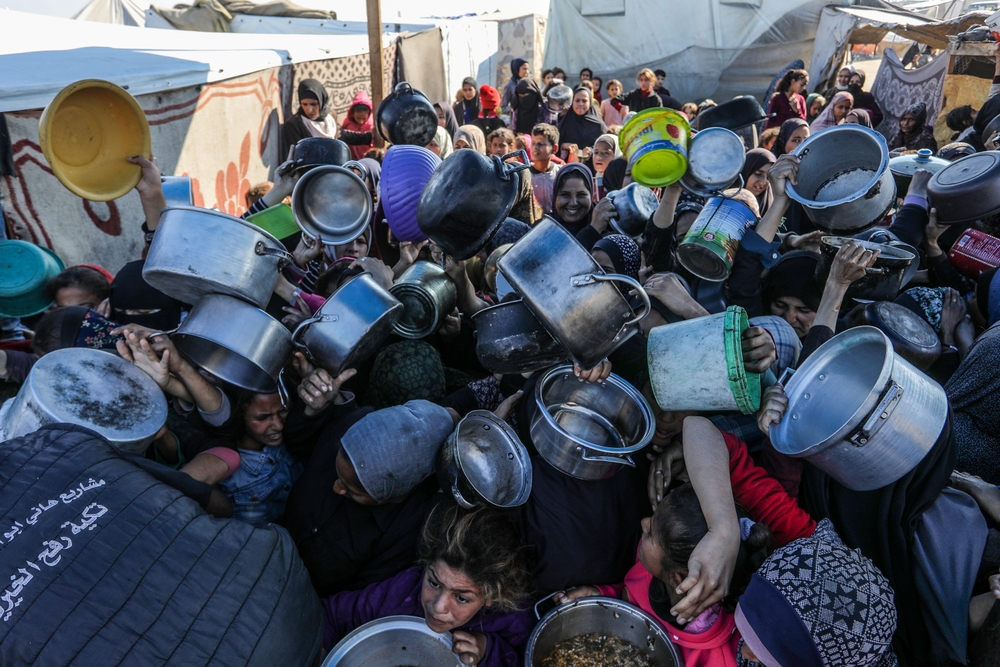
South Sudan’s challenges are deeply rooted in years of conflict and displacement. Since gaining independence in 2011, the country has struggled to find stability, leading to widespread food insecurity. In rural areas, where agriculture is the primary livelihood, ongoing violence disrupts planting and harvesting cycles. This leaves families with little to no food reserves.
The persistent conflict means that people are constantly on the move, often unable to access or cultivate their lands. Humanitarian organizations find it increasingly difficult to provide aid due to safety concerns. This constant state of flux affects not only the physical but also the psychological well-being of its people. The resilience of the South Sudanese is tested daily as they navigate these treacherous waters.
3. Afghanistan
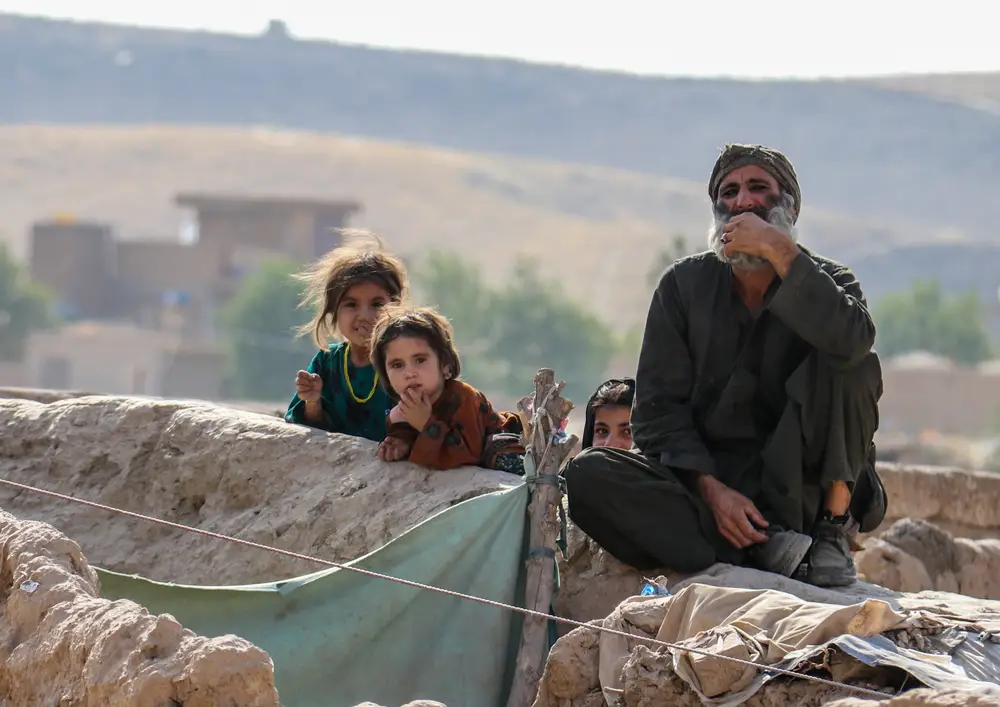
Afghanistan’s complex socio-political landscape has made it a hotspot for humanitarian issues, including famine. After decades of conflict, the country is grappling with a severe economic crisis that has left millions food insecure. In rural areas, farmers face the dual challenges of war and climate change, with droughts and floods becoming common occurrences. The Taliban’s return has further complicated international aid efforts.
A report from the World Food Program highlights that nearly 22.8 million people face acute hunger, an alarming statistic in a nation that desperately needs stability. Sanctions and frozen assets have crippled the economy, making it hard for families to afford basic necessities. In these trying times, you see communities coming together, sharing what little they have. Yet, the road to recovery appears dauntingly long and uncertain.
4. Somalia
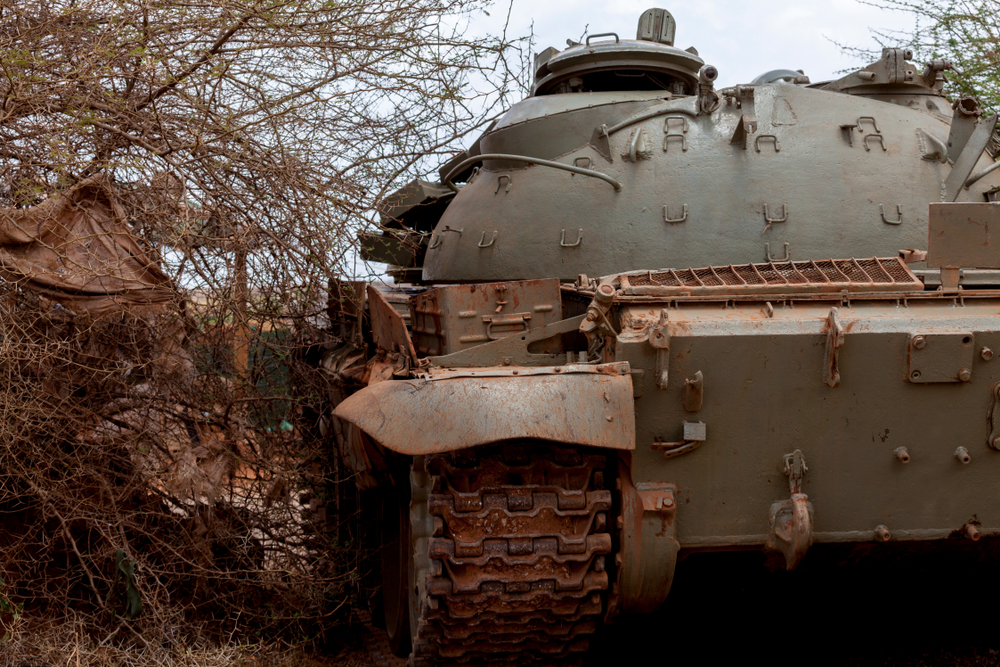
Somalia frequently finds itself in the grips of famine, primarily due to decades of conflict and recurrent droughts. The scarcity of water for both people and livestock has resulted in massive displacement. Many Somali families have had to abandon their homes in search of food and water. The humanitarian response is often hampered by insecurity and limited resources.
Despite these challenges, you witness incredible resilience among the Somali people. Community-led initiatives strive to provide some relief, although they often fall short of meeting the overwhelming demand. Climate change exacerbates the situation, with weather patterns becoming increasingly erratic. The international community’s engagement, too often reactionary, needs to shift toward long-term, sustainable solutions.
5. Ethiopia
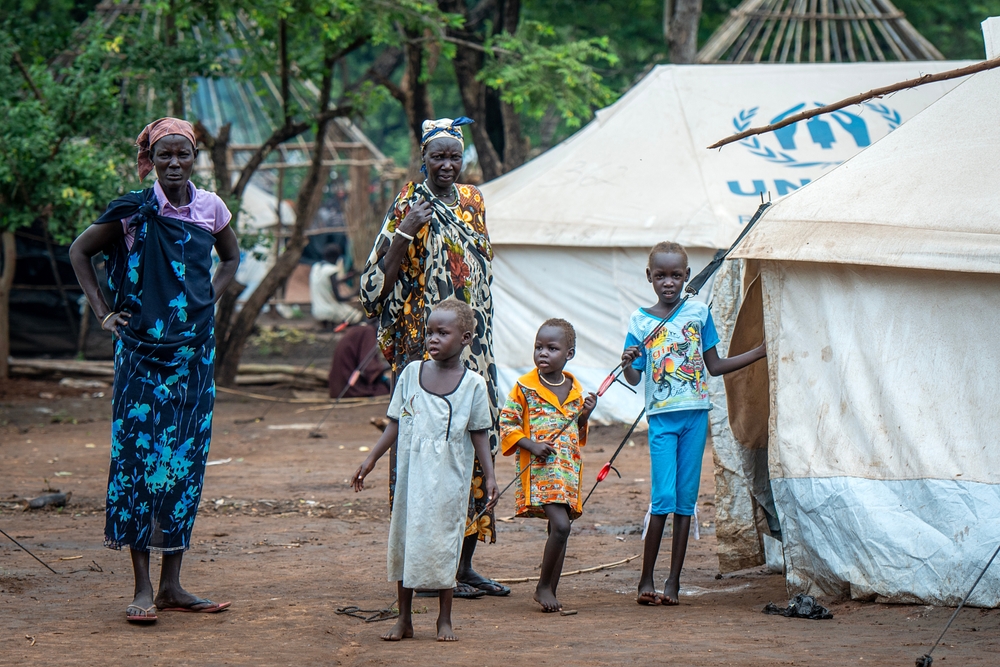
Ethiopia’s ongoing conflict in the Tigray region has plunged the area into a devastating famine. Thousands have been displaced, and access to food and other essential supplies remains critically limited. Reports from the Integrated Food Security Phase Classification highlight that millions are in urgent need of food assistance. The situation is further worsened by locust invasions and unpredictable weather patterns.
The Ethiopian government and international bodies have been at odds, complicating aid delivery. Political tensions, combined with logistical challenges, have created a perfect storm for famine conditions. In the midst of this, ordinary Ethiopians show remarkable strength, striving to protect their families and communities. The crisis in Ethiopia is a stark reminder of how quickly political instability can lead to humanitarian disaster.
6. Nigeria

In Nigeria, the situation in the northeastern region is particularly dire due to the Boko Haram insurgency. The conflict has led to the destruction of farmlands and displacement of communities, significantly contributing to food shortages. As a result, millions face hunger, and the region is teetering on the edge of famine. The lack of security makes it difficult for humanitarian aid to reach those most in need.
In addition to conflict, climate change poses a significant threat, with rising temperatures and unpredictable rainfall affecting crop yields. Local governments and NGOs work tirelessly to provide relief, but the challenges are immense. It’s a race against time to bring resources to those affected before the situation spirals further. Your awareness of Nigeria’s struggles is a vital step toward generating the support needed for these communities.
7. Democratic Republic of the Congo (DRC)
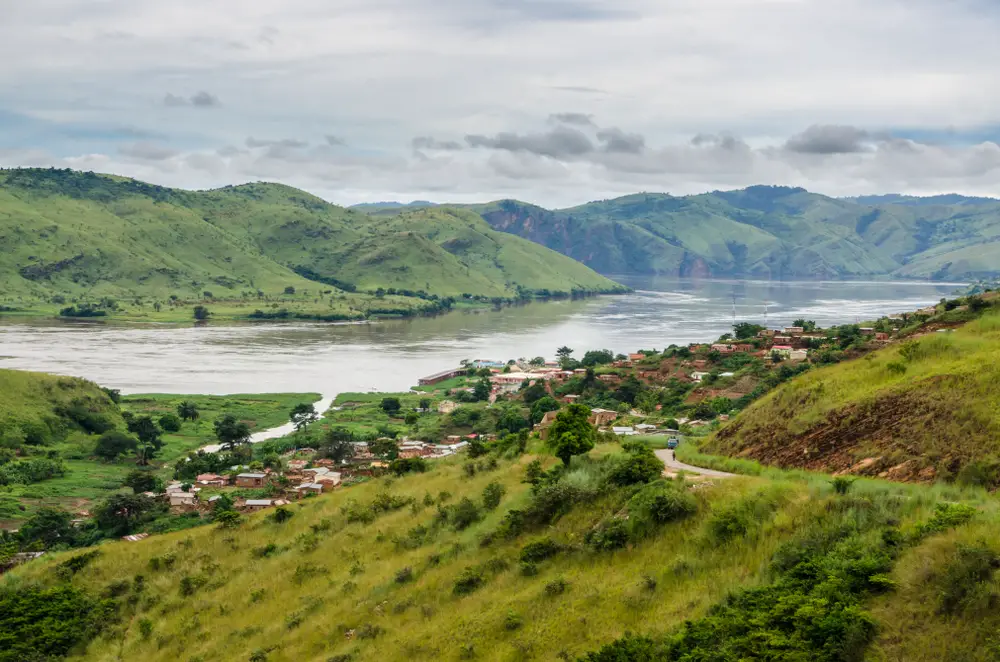
The Democratic Republic of the Congo is no stranger to humanitarian challenges, and famine is among the most pressing. With a complex web of armed conflicts, the DRC has seen its infrastructure crumble, making it difficult to sustain agricultural productivity. The United Nations estimates that over 27 million people in the DRC face acute food insecurity. Malnutrition rates are alarmingly high, especially among children.
A report from the Food and Agriculture Organization underscores that ongoing violence and displacement significantly hinder food production and distribution. Despite the country’s vast natural resources, political and social turmoil often prevent them from being leveraged effectively. The Congolese people display incredible tenacity in the face of adversity, often relying on local support networks for survival. The DRC’s plight calls for a concerted global effort to address both its immediate needs and long-term challenges.
8. Venezuela
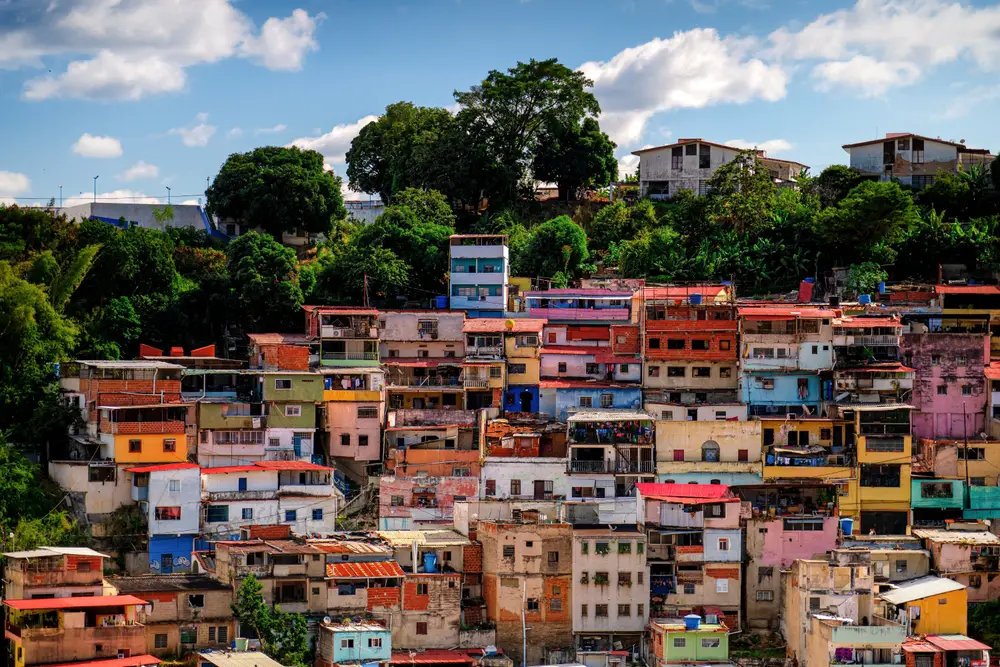
Venezuela’s economic crisis has caused a severe shortage of food, leading to widespread hunger. Inflation has rendered the bolivar practically worthless, making it difficult for families to buy even basic groceries. The collapse of the healthcare and public service sectors means there is little assistance available for those in need. People are forced to make daily sacrifices, choosing between food and other essentials like medicine.
In urban areas, the situation is particularly stark, with street markets often empty or overflowing with unaffordable goods. Rural areas are not spared either, as agricultural production has plummeted. The crisis has prompted a mass exodus from the country, with millions seeking refuge in neighboring lands. Despite these hardships, the Venezuelan spirit remains unbroken, as communities rally to support one another.
9. Sudan

Sudan faces a complex humanitarian crisis exacerbated by economic woes and political unrest. Years of conflict and displacement have left the agricultural sector in disarray. With inflation soaring, many people find themselves unable to afford basic food items. The transitional government struggles to stabilize the economy, further complicating relief efforts.
Sudan’s geography makes it particularly vulnerable to climate change impacts, such as desertification and erratic rainfall. These environmental challenges make it hard for farmers to sustain their livelihoods. In this landscape of uncertainty, local and international aid organizations work diligently to provide relief. Your understanding of Sudan’s predicament highlights the need for comprehensive interventions that address both political and environmental factors.
10. Haiti
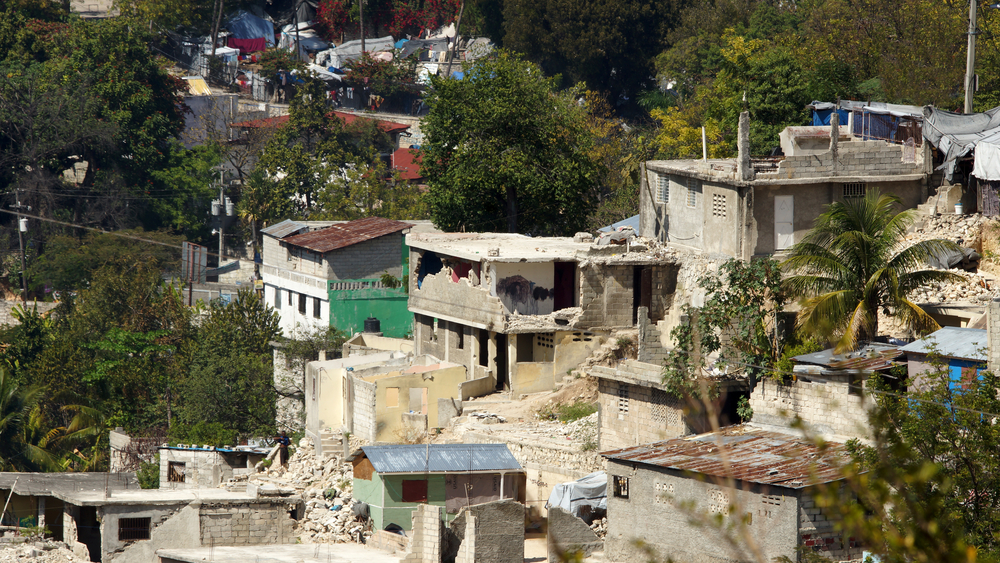
Haiti’s ongoing political instability and natural disasters have thrust the country into a persistent state of food insecurity. Earthquakes and hurricanes are frequent, destroying crops and infrastructure essential for food production. The economic situation is dire, with high unemployment rates adding to the challenges. For many Haitians, daily life involves a struggle to find enough to eat.
While international aid has been crucial, it often comes in waves that don’t always align with the urgent needs on the ground. The resilience of the Haitian people is evident as they band together to support each other. However, systemic issues like corruption and inadequate governance often overshadow their efforts. A sustainable solution requires a committed global partnership focused on long-term stability and self-sufficiency.
11. Burkina Faso

Burkina Faso’s food insecurity is largely driven by conflict and climate change. As armed groups exert control over various regions, many people find themselves unable to access their farms. This not only disrupts food production but also forces families to flee their homes in search of safety. The harsh climatic conditions further compound the problem, with droughts and floods becoming more frequent.
Efforts to deliver humanitarian aid are often hampered by security concerns, leaving many without the support they need. Local communities actively engage in resilience-building activities, but the scale of the problem is daunting. Cooperation between the government, NGOs, and international bodies is essential for meaningful change. Your attention to Burkina Faso’s situation is crucial in fostering the global solidarity needed to address these challenges.
12. Niger
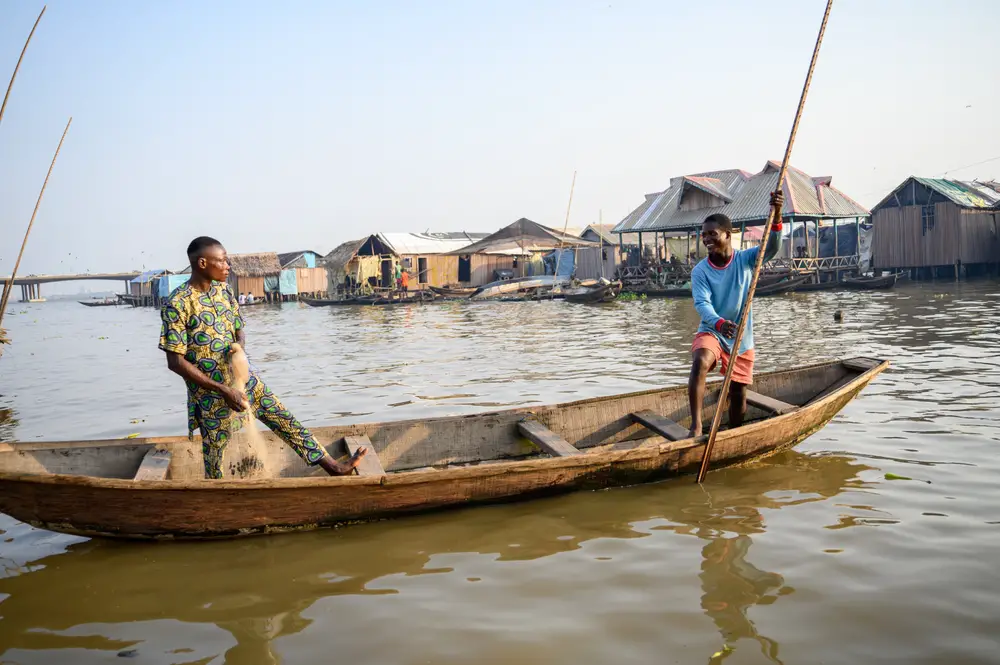
Niger is a country where food insecurity is a constant threat, driven by both environmental and security challenges. The Sahel region is particularly vulnerable to drought, and when rains do come, they’re often erratic and destructive. This unpredictable climate has a devastating impact on agriculture, a primary source of livelihood. Meanwhile, armed conflict in neighboring countries spills over, further destabilizing the region.
Despite these hurdles, Nigeriens display remarkable resilience, often turning to traditional coping mechanisms and community support. The government, along with international partners, strives to implement sustainable agricultural practices. However, the need for urgent humanitarian intervention remains high. Understanding Niger’s trials highlights the critical importance of comprehensive climate and security policies.
13. Syria
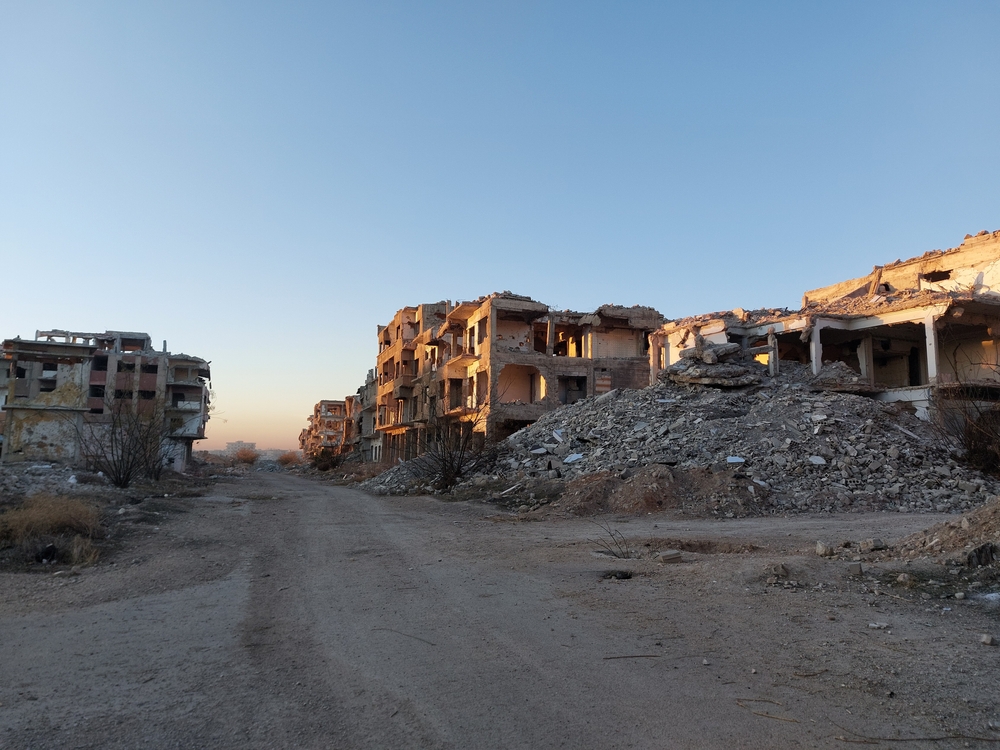
Syria’s decade-long conflict has left the country deeply scarred, with famine being one of its many tragic outcomes. The destruction of infrastructure has severely hampered agricultural production, leaving many without reliable food sources. The ongoing civil war has displaced millions, further straining resources and food availability. In many regions, food prices have soared, making basic meals a luxury.
Aid organizations face numerous challenges in accessing those most in need, often due to security concerns and political red tape. Amidst these difficulties, Syrian communities demonstrate incredible courage and solidarity. The international community’s support remains vital, yet more sustainable solutions are needed to address the root causes of the crisis. Syria’s situation serves as a poignant reminder of the human cost of prolonged conflict.