
For decades, the idea of entire cities or regions becoming uninhabitable sounded like science fiction or distant future panic. Now, climate scientists, urban planners, and governments are quietly acknowledging a harder truth: some places may simply not be livable much longer. Rising seas, extreme heat, water scarcity, and geological instability are forcing conversations no one wants to have yet. These are the places experts increasingly warn humanity may need to retreat from — not eventually, but within our lifetimes.
1. Miami, Florida
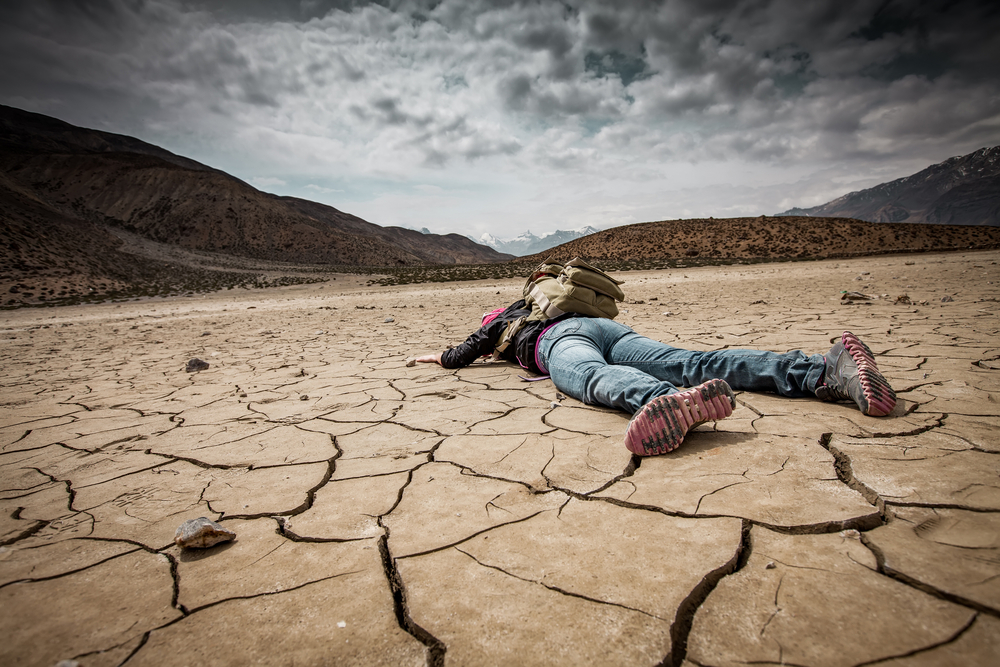
Miami isn’t just facing sea-level rise — it’s sinking while the ocean comes up. The city is built on porous limestone, meaning seawater pushes up through the ground even when flood barriers are installed. Sunny-day flooding has already become routine, not exceptional. Infrastructure repairs are increasingly described as “buying time” rather than solving the problem.
Urban planners warn that insurance markets may collapse before the city physically does. When insurers leave, mortgages follow, and entire neighborhoods become economically stranded. Some experts believe large-scale retreat may begin quietly through property abandonment rather than evacuation orders. Miami’s future may not be dramatic — it may simply become unfinanceable.
2. New Orleans, Louisiana
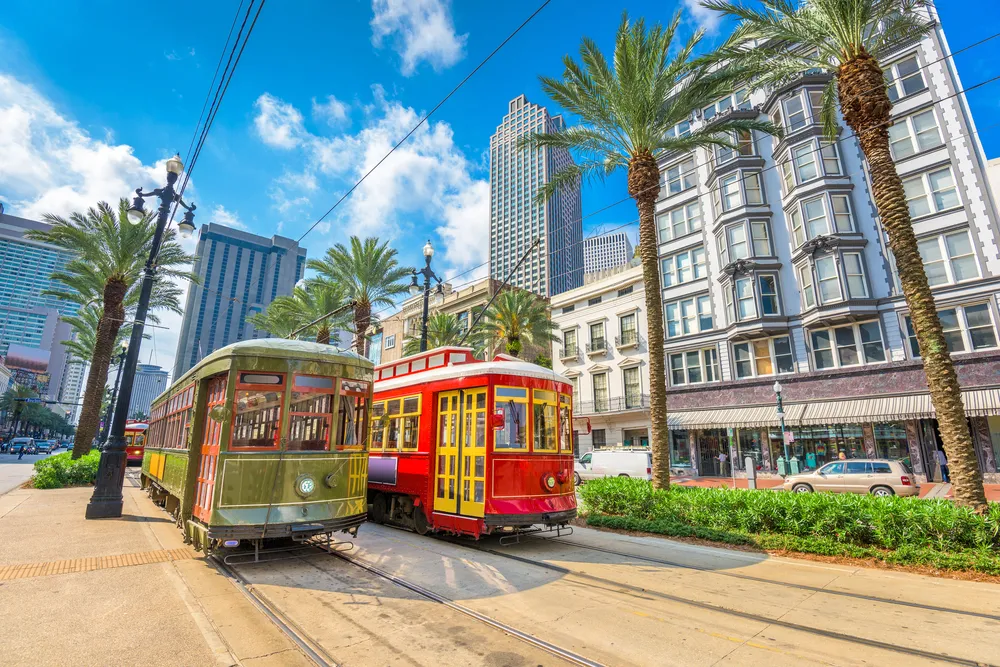
New Orleans exists in a constant negotiation with water, and that negotiation is becoming harder to win. The city continues to sink due to soil compaction while surrounding wetlands disappear. Levees offer protection, but they are not permanent solutions against intensifying storms. Each hurricane season now carries existential stakes.
What’s especially concerning is the long-term cost of maintaining defenses. Federal funding cycles aren’t designed for infinite reinforcement. As storms grow stronger, recovery becomes slower and more expensive. Experts increasingly frame New Orleans as a question of how long, not if.
3. Venice, Italy
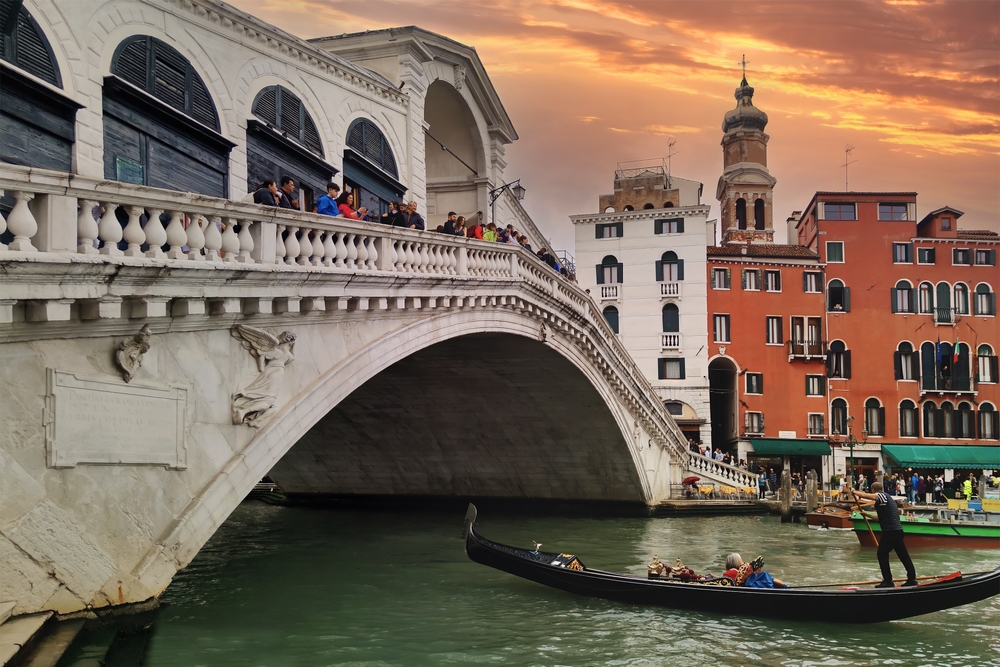
Venice has battled flooding for centuries, but climate change has accelerated the threat dramatically. High-tide flooding events now occur dozens of times per year, damaging buildings and infrastructure. The MOSE flood barrier system was designed as a safeguard, but it was never meant to operate constantly. When emergency systems become daily tools, failure risks increase.
Venice’s greatest vulnerability may be its cultural preservation dilemma. Protecting ancient structures while modernizing defenses is incredibly complex. Tourism keeps the city economically alive but also strains it physically. Many residents have already left, turning Venice into a living museum rather than a sustainable community.
4. Phoenix, Arizona
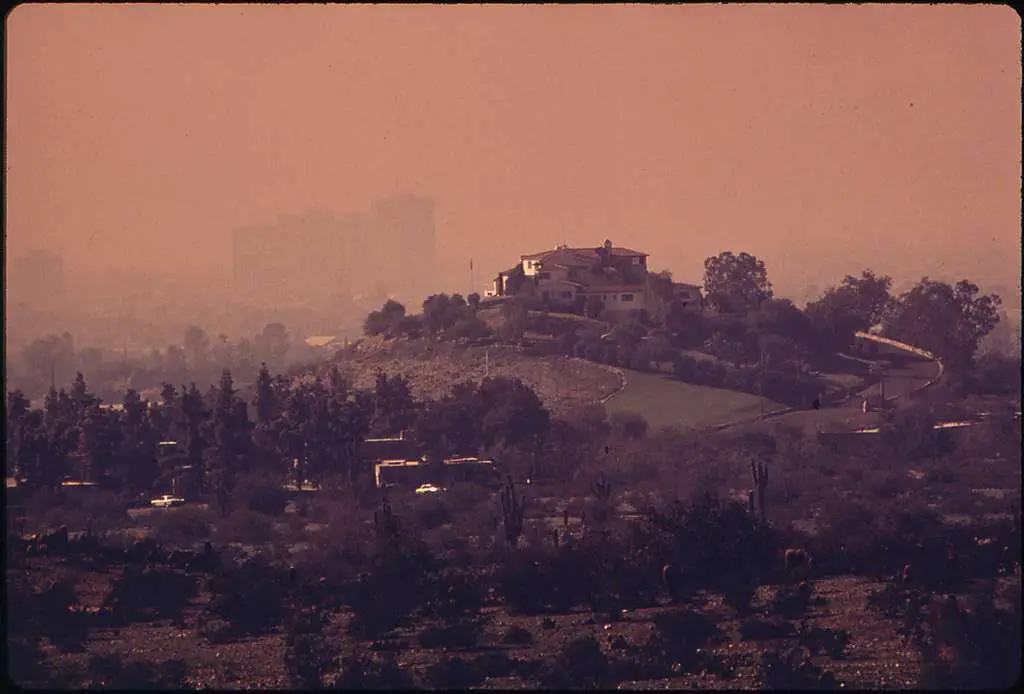
Phoenix is one of the fastest-growing cities in America — and one of the most heat-vulnerable. Summer temperatures already regularly exceed thresholds considered dangerous for human health. Cooling infrastructure is essential, not optional, and power failures become life-threatening events. Extreme heat is no longer an inconvenience; it’s a survival issue.
Water scarcity compounds the risk. The Colorado River crisis threatens long-term water access for millions. Urban expansion continues despite shrinking supply, creating a collision course between growth and reality. Some researchers argue Phoenix represents the limits of desert urbanization.
5. Jakarta, Indonesia
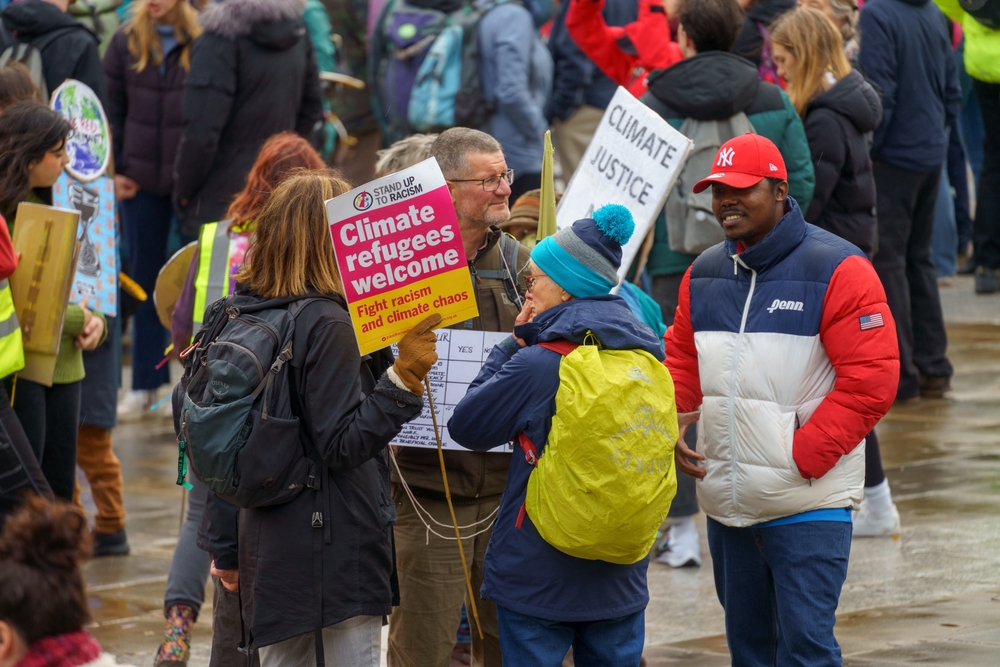
Jakarta is sinking faster than almost any major city on Earth. Excessive groundwater extraction has caused entire neighborhoods to subside, while sea-level rise worsens flooding. Parts of the city already sit below sea level and flood regularly. The government has openly acknowledged the crisis.
Indonesia has taken the unprecedented step of planning a new capital city elsewhere. This isn’t theoretical retreat — it’s administrative abandonment. While Jakarta won’t disappear overnight, its role as a national center is already shifting. Few cities illustrate climate-driven relocation more clearly.
6. The Maldives
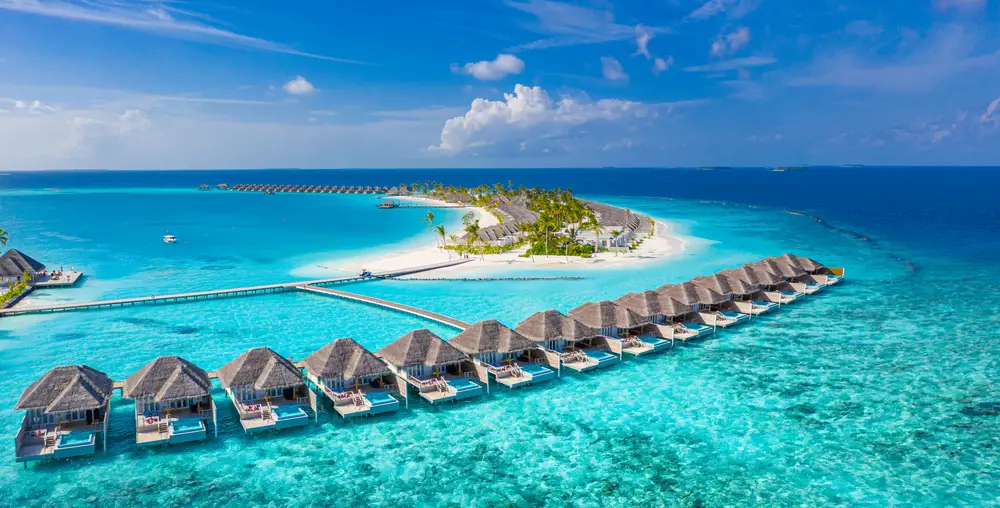
The Maldives is one of the lowest-lying countries on Earth, with most land barely above sea level. Even modest sea-level rise threatens freshwater supplies, infrastructure, and habitability. Saltwater intrusion is already damaging crops and drinking water. The nation’s future is directly tied to global emissions decisions.
Leaders have publicly discussed the possibility of relocating citizens abroad. That raises unprecedented questions about sovereignty, culture, and identity. Losing a homeland isn’t just geographic — it’s existential. The Maldives may become the first nation displaced entirely by climate change.
7. The Marshall Islands
The Marshall Islands face similar threats, compounded by historical nuclear testing damage. Rising seas flood homes and contaminate groundwater, while storms grow more destructive. Many communities already experience regular displacement after weather events. Long-term habitation grows more uncertain each year.
Migration has quietly increased, especially to the United States. What’s happening isn’t mass evacuation — it’s gradual disappearance. As younger generations leave, cultural continuity becomes harder to maintain. Climate change here threatens not just land, but legacy.
8. The Central Valley, California
California’s Central Valley is both an agricultural powerhouse and a climate stress zone. Prolonged droughts have depleted groundwater reserves at alarming rates. Land subsidence has damaged canals, roads, and farms. Water access increasingly determines which communities survive.
As wells dry up, residents are forced to truck in water. Entire towns face potential abandonment if supply collapses permanently. Agriculture can adapt — people cannot always. The valley’s future depends on water reform that may come too late.
9. The Sahel Region, Africa
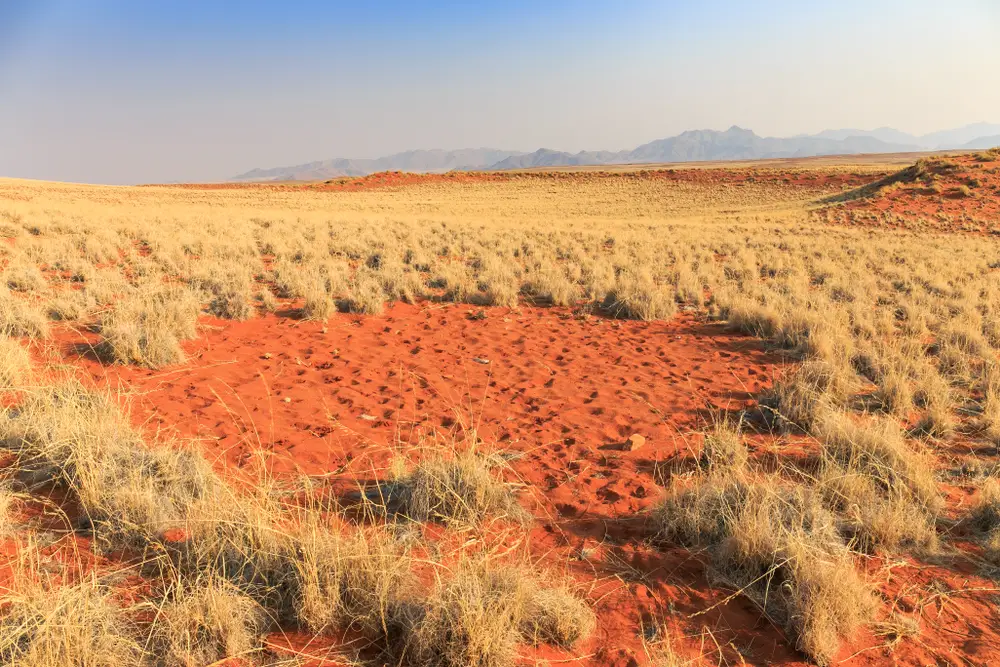
The Sahel is a vast semi-arid region stretching across Africa, and it’s becoming hotter and drier. Desertification reduces farmland and drives food insecurity. Climate stress intersects with political instability and conflict. Displacement here is already widespread.
As livelihoods vanish, migration increases toward cities and across borders. This isn’t speculative — it’s actively reshaping populations. Experts warn the Sahel may become one of the largest climate migration zones on Earth. The humanitarian implications are enormous.
10. The Arctic Circle
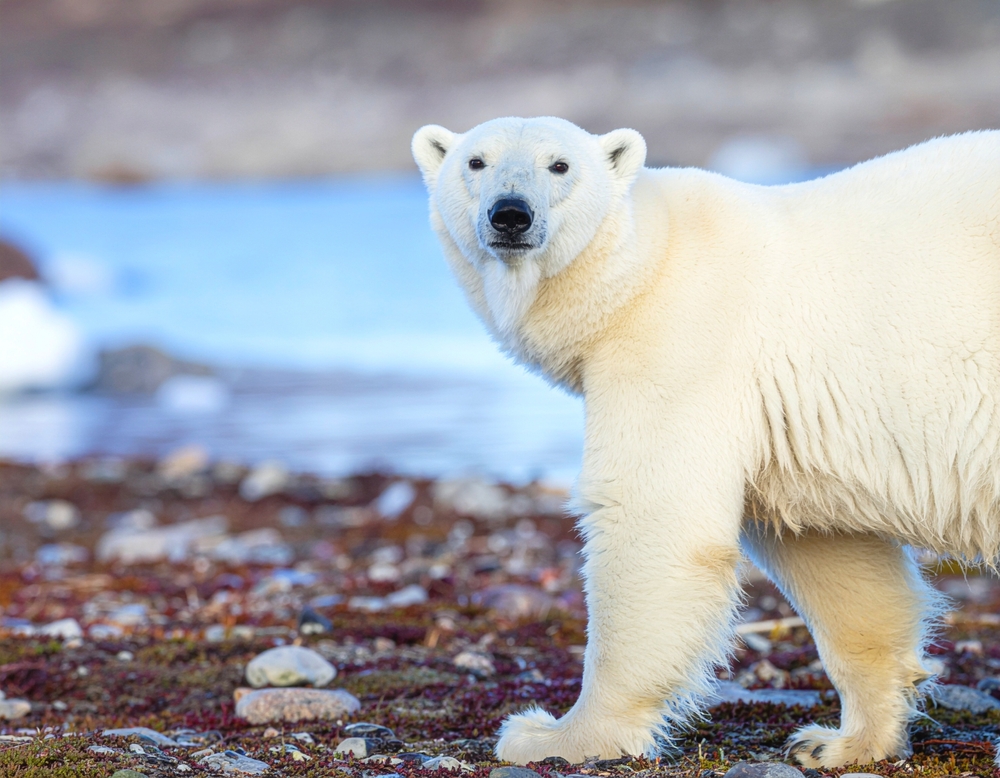
Arctic communities are losing ground as permafrost melts beneath buildings and roads. Entire villages in Alaska have already been relocated inland. Coastal erosion accelerates as sea ice disappears. Traditional ways of life become harder to sustain.
Relocation in the Arctic is uniquely complex and expensive. Cultural ties to land run deep, and alternatives are limited. Governments face hard choices between preserving communities and acknowledging physical reality. The Arctic is changing faster than most places on Earth.
11. Bangladesh’s Coastal Regions
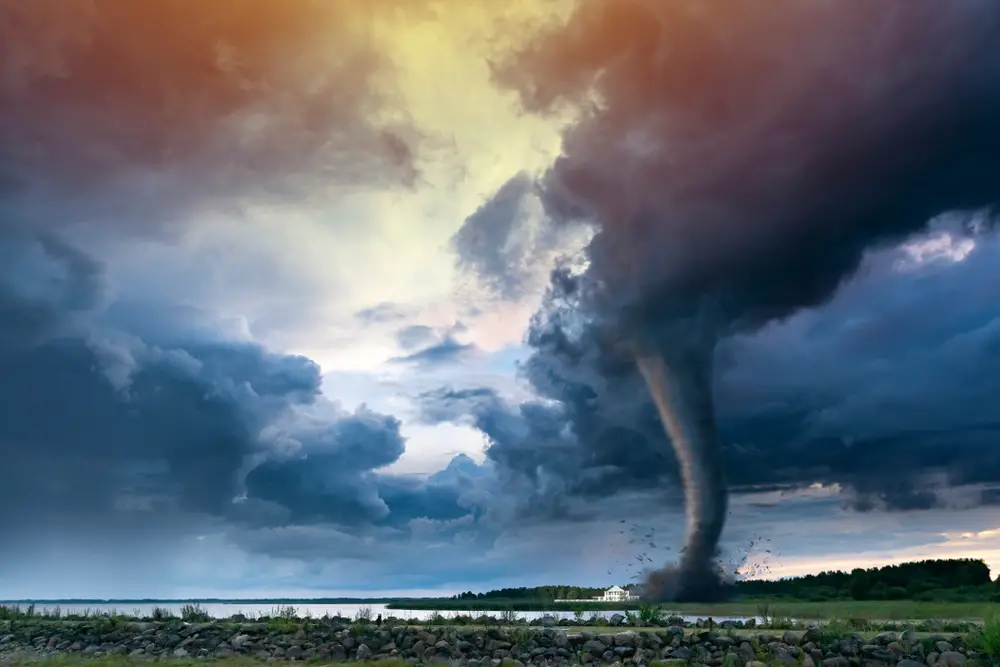
Bangladesh is densely populated and extremely vulnerable to flooding. Cyclones, storm surges, and sea-level rise threaten millions. Protective infrastructure helps, but not indefinitely. Salinization of farmland undermines food security.
Internal migration has already increased dramatically. Cities strain under population influx as rural areas become untenable. Experts warn that future displacement could reach staggering levels. Bangladesh illustrates how climate vulnerability intersects with population density.
12. Naples, Italy (Campi Flegrei)
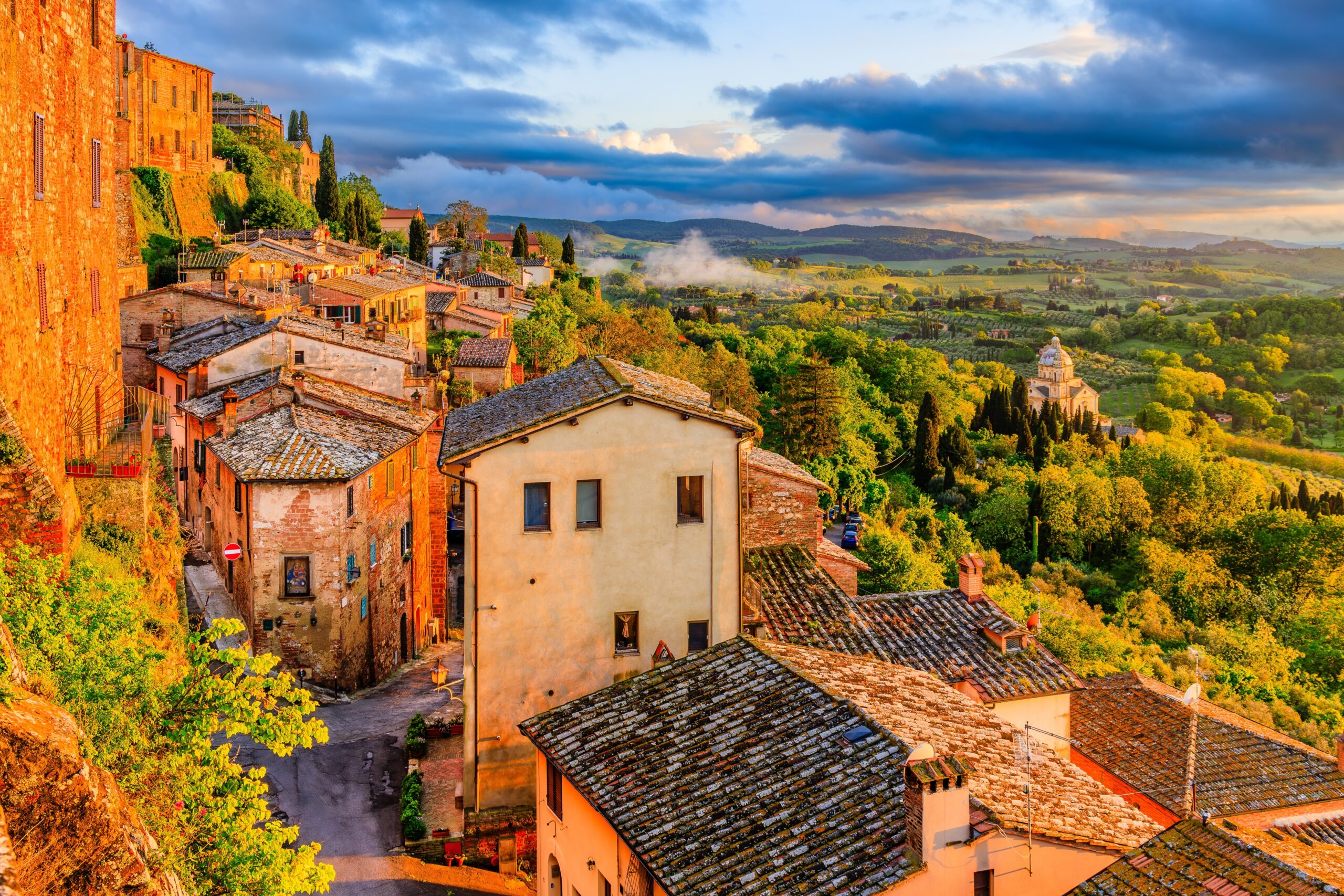
Naples sits near Campi Flegrei, one of the world’s most dangerous supervolcanoes. Recent seismic activity and ground uplift have alarmed scientists. While eruptions are unpredictable, risk assessments are growing more urgent. Millions live within potential impact zones.
Unlike sudden disasters, volcanic risk creates prolonged anxiety. Evacuation planning exists but would be chaotic at scale. Even without eruption, uncertainty affects livability. Naples may face relocation pressures driven by geology rather than climate.
13. Tuvalu

Tuvalu is among the smallest and lowest-lying nations in the world. Sea-level rise threatens to erase it entirely within decades. Flooding already disrupts daily life and infrastructure. Freshwater scarcity is a constant concern.
The government has explored digital nationhood and migration agreements. Tuvalu’s struggle symbolizes the moral weight of climate change. When a country disappears, accountability doesn’t vanish with it. The world is watching — and learning — in real time.