
Natural disasters are often discussed in numbers—wind speeds, magnitudes, rainfall totals—but those measurements don’t capture what it feels like to live through them. For the people who experience them firsthand, the fear is less abstract and far more personal, shaped by confusion, isolation, and split-second decisions. Many only fully understand what happened long after it’s over. These are individual accounts from people who lived through disasters that changed their sense of safety.
1. “The Sky Turned Green and Everything Went Quiet.”
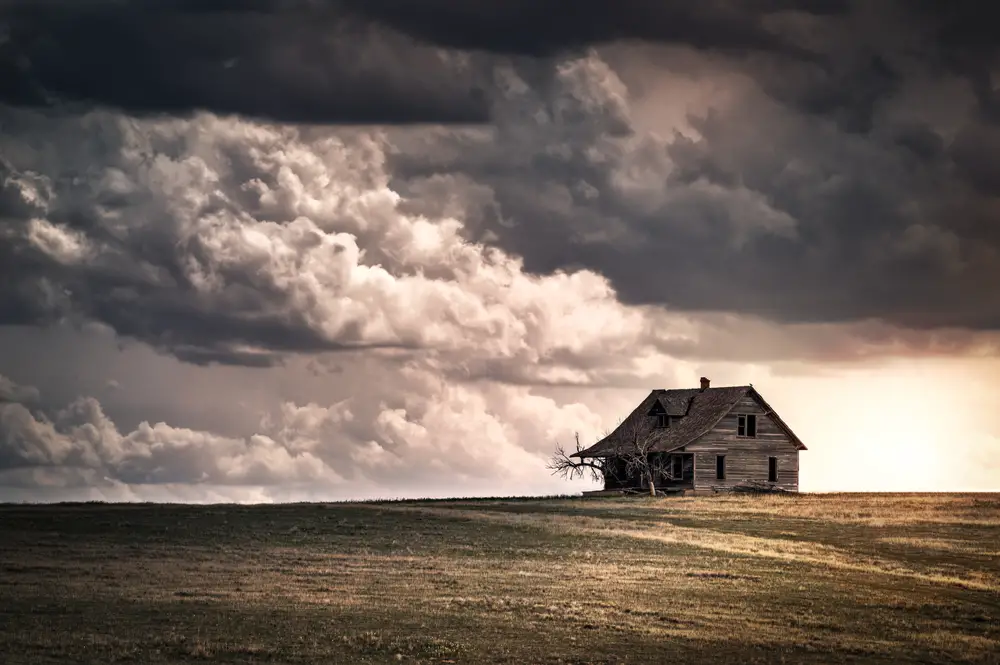
In a post on the subreddit r/tornado, a woman from Oklahoma described realizing something was wrong when the wind abruptly stopped, and the sky took on a greenish tint she’d never seen before. Sirens hadn’t started yet, but birds went silent, and the air felt heavy. Minutes later, a tornado tore through her neighborhood, ripping roofs off houses and tossing cars into yards. She and her family sheltered in a bathroom, listening as the sound outside shifted from wind to something she described as “freight trains colliding.”
Afterward, she walked outside to find her street unrecognizable, with landmarks gone and neighbors wandering in shock. What stayed with her most wasn’t the damage, but the moment beforehand, when everything felt suspended. She said she still feels uneasy when the air goes still before a storm.
2. “The Water Rose Faster Than We Could React.”
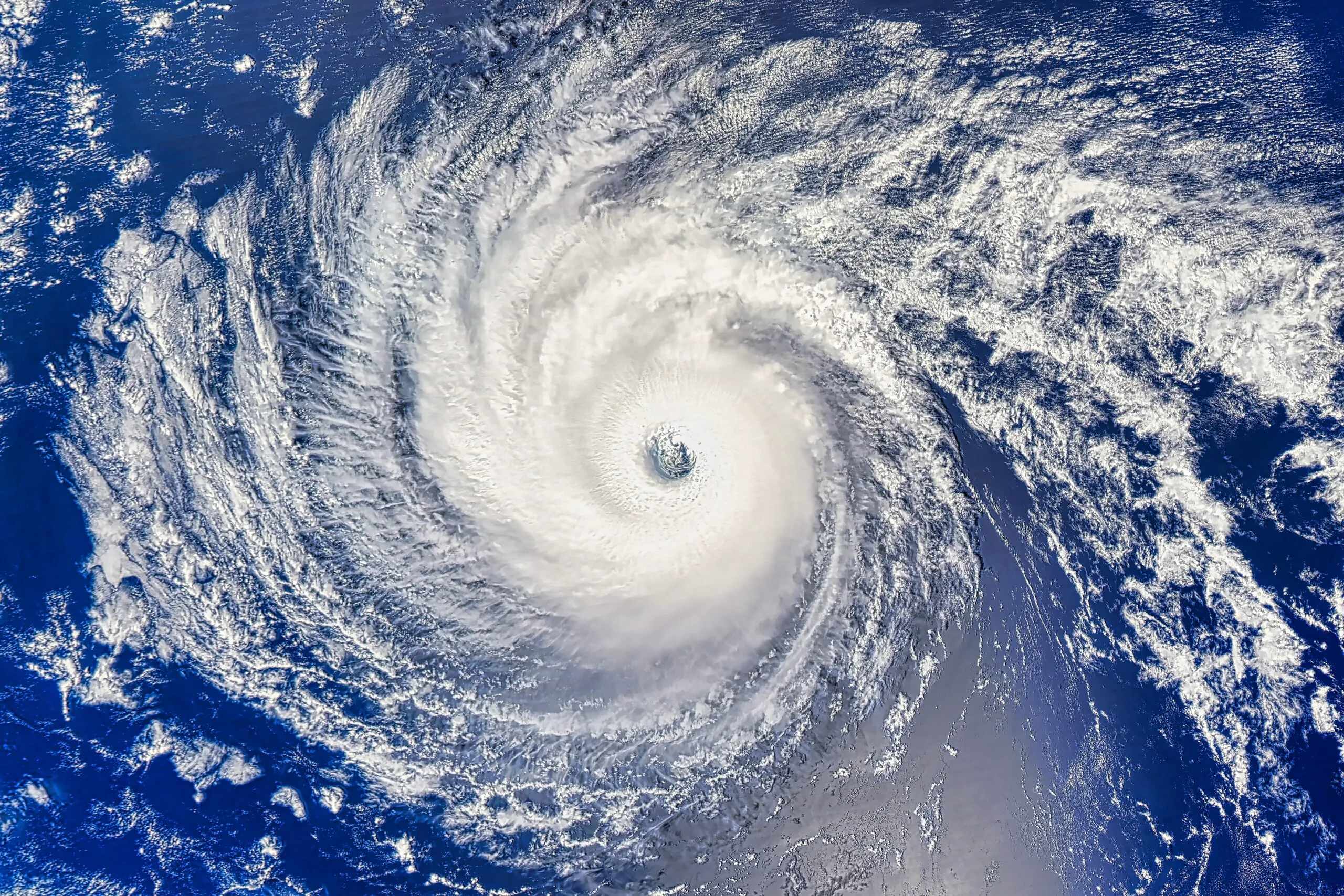
A man shared on a Gulf Coast hurricane forum that he underestimated how quickly storm surge would reach his home during a Category 4 hurricane. Evacuation orders felt abstract until seawater started pushing through his front door. Within minutes, the ground floor was submerged. He escaped through a second-story window onto a neighbor’s roof.
Emergency responders couldn’t reach the area for nearly a day. He spent hours watching debris float past, including furniture and pieces of nearby houses. What terrified him most was how quickly the situation escalated from manageable to life-threatening. He said he no longer trusts timelines or forecasts to tell him when it’s time to leave.
3. “We Didn’t Realize the Fire Was Moving That Fast.”
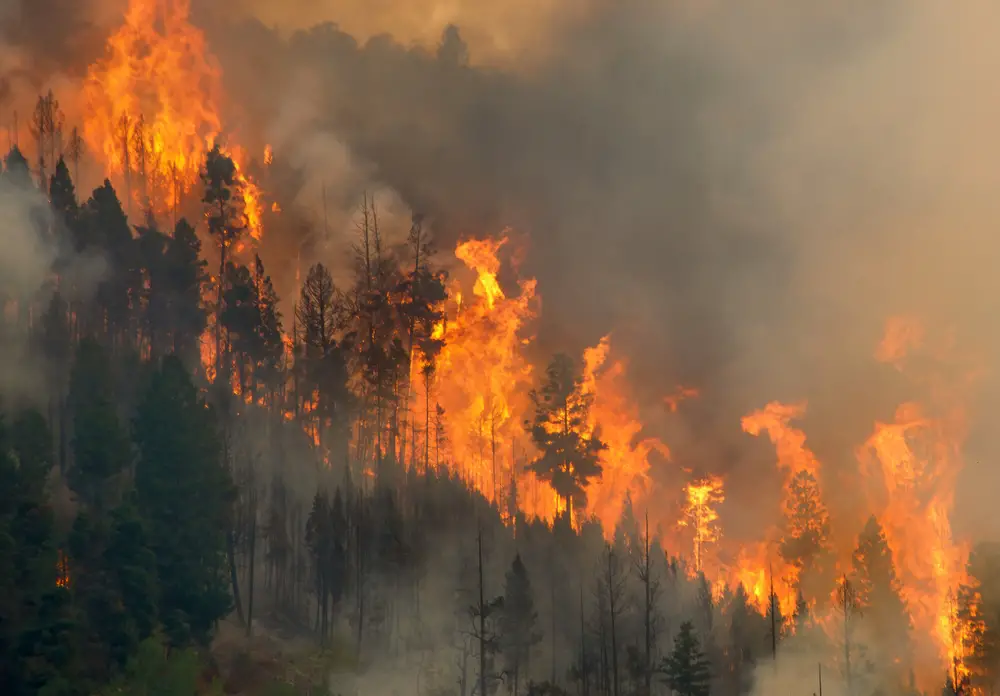
On a wildfire survivors’ subreddit, a California resident described how a routine afternoon turned into a race for their lives. Smoke was visible in the distance, but officials hadn’t issued evacuation orders yet. Within an hour, flames jumped containment lines, and winds shifted. Roads clogged almost immediately.
They fled with barely anything, abandoning pets they couldn’t reach in time. The fire moved so fast that embers were raining down miles ahead of the flames. Even after surviving, the guilt over what was left behind lingered. She said the speed of the fire shattered her belief that there would always be time to prepare.
4. “The Ground Just Wouldn’t Stop Moving.”
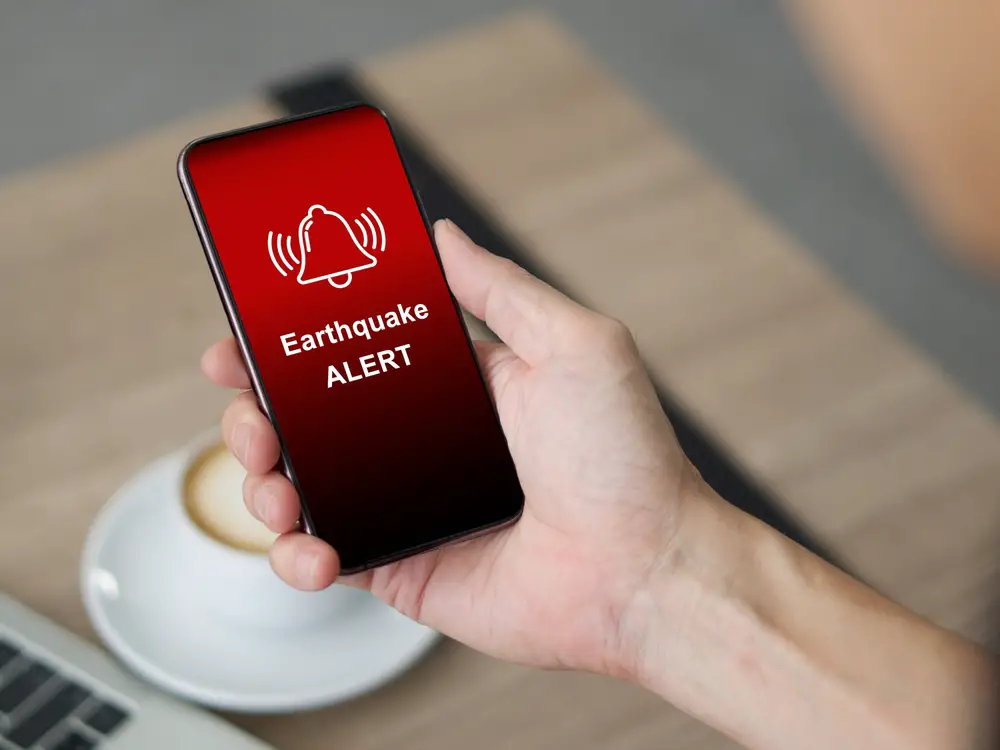
A post on a Japan-based earthquake forum detailed a man’s experience during a major quake that lasted longer than anything he’d known before. At first, he thought it would be brief, like others he’d lived through. Instead, the shaking intensified and kept going. Furniture toppled, walls cracked, and it became impossible to stand.
When it finally stopped, he said the hardest part was realizing it could happen again at any moment. Aftershocks kept him awake for days. He described feeling detached from his own body, as if the ground itself could no longer be trusted.
5. “The Sirens Meant We Had Minutes, Not Hours.”
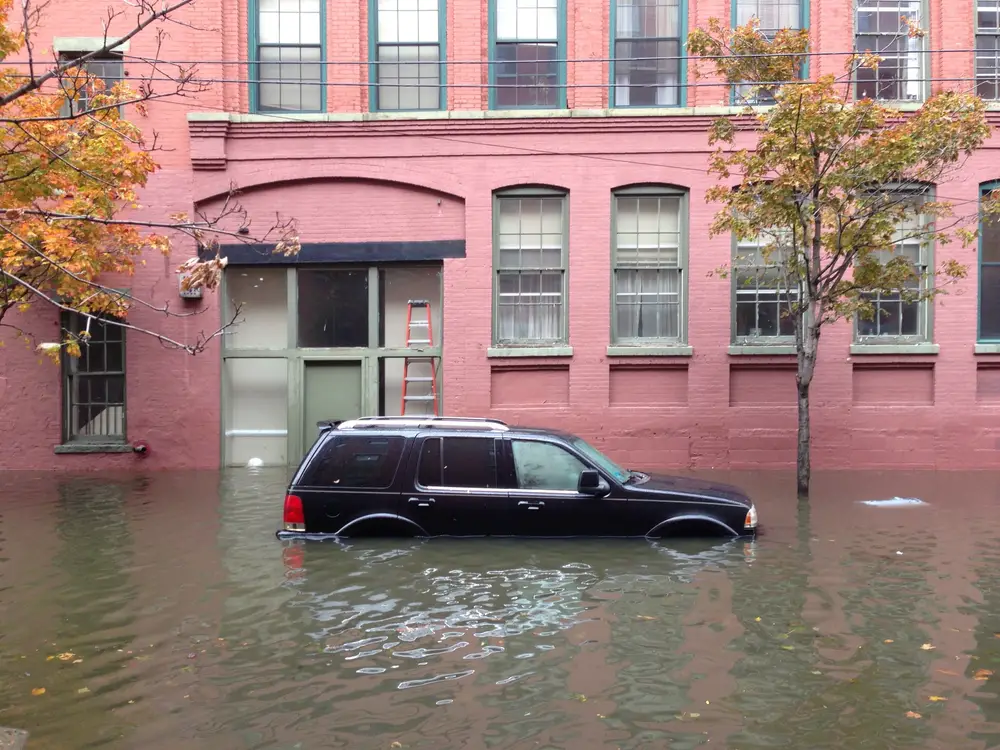
In a TikTok video series documenting her experience during a Midwest flood, a woman explained how emergency sirens went off far later than expected. By the time warnings reached her town, water was already overtaking roads. She and her family evacuated in waist-deep water, carrying children and essentials above their heads.
They later learned the floodwaters were moving faster than prediction models anticipated. What unsettled her most was how official systems lagged behind reality. She said she now trusts visual cues over alerts. If water starts moving, she leaves.
6. “The Heatwave Felt Like Being Trapped in an Oven.”

On a European news comment forum, an older man shared his experience during a record-breaking heatwave. His apartment had no air conditioning, and public cooling centers were overwhelmed. Nights offered no relief. The heat felt constant and suffocating.
He described neighbors collapsing in stairwells and ambulances running nonstop. What frightened him was how invisible the danger seemed compared to storms or fires. There was no single moment to point to, just mounting physical failure.
7. “We Were Cut Off Completely.”
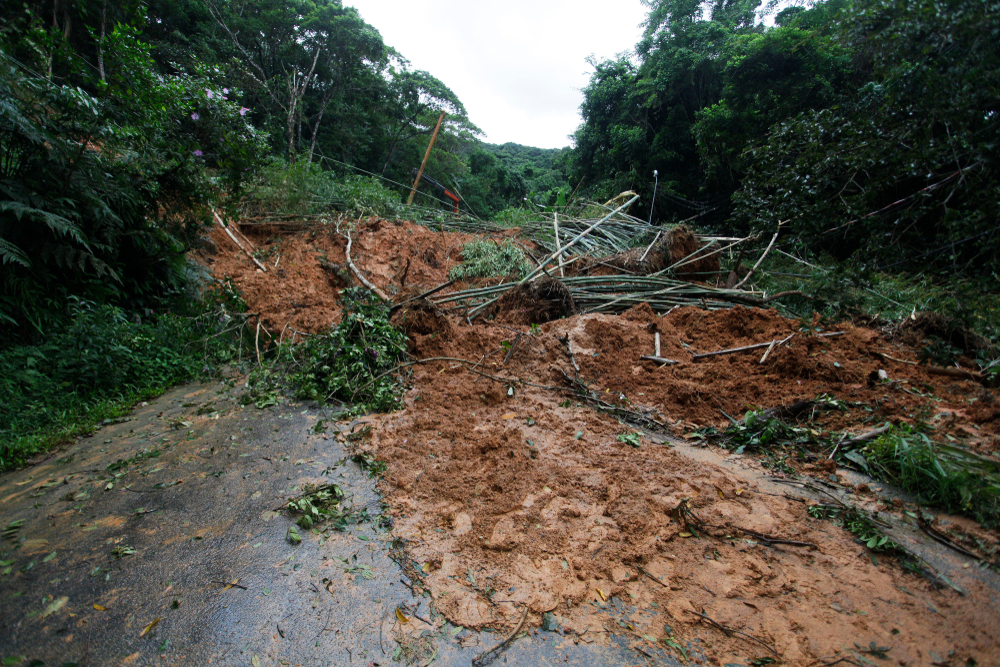
A woman writing in a mountain community Facebook group described living through a landslide that isolated her town after days of heavy rain. Roads vanished overnight, leaving residents without power, cell service, or access to supplies. Helicopters became the only connection to the outside world.
She said the fear wasn’t just about the initial slide, but the waiting afterward. No one knew when help would come or if more earth would move. Time stretched unnaturally. Isolation became its own kind of disaster.
8. “The Snow Came Down Faster Than the Plows Could Move.”
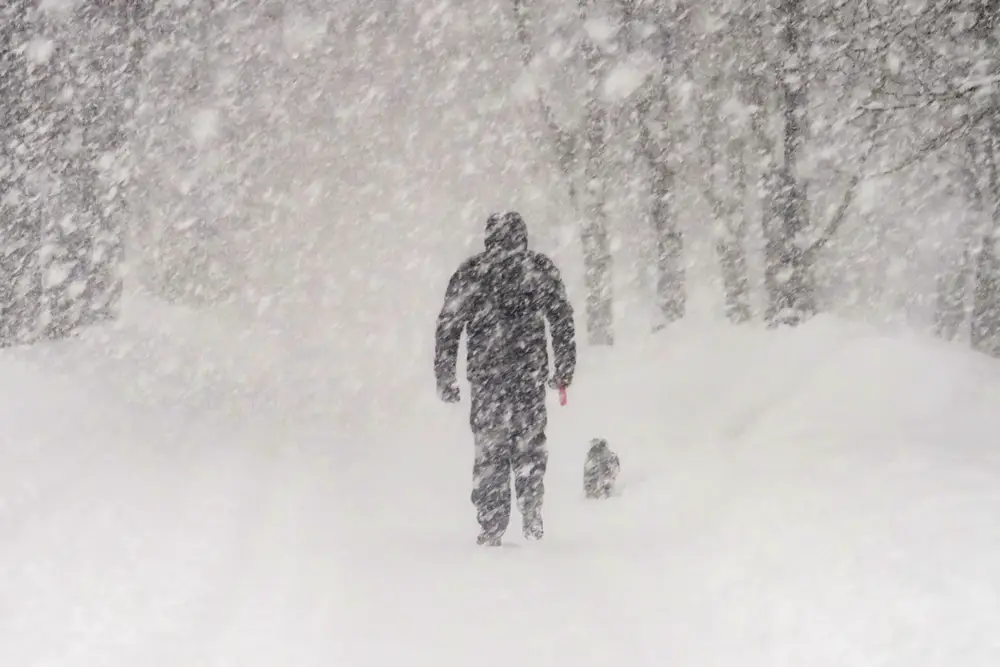
In a post on the subreddit r/weather, a man from western New York described being stranded on a highway during a sudden lake-effect snowstorm. What started as light snowfall intensified so quickly that visibility dropped to near zero within minutes. Cars stalled, fuel ran low, and plows couldn’t reach the area for hours. He spent the night in his vehicle, rationing heat and watching snow pile up against the windows.
What stayed with him wasn’t just the cold, but how quickly normal infrastructure failed. The road became a parking lot, then a frozen shelter. The storm changed how he thinks about winter travel entirely.
9. “The Tsunami Warning Came After the Shaking Stopped.”
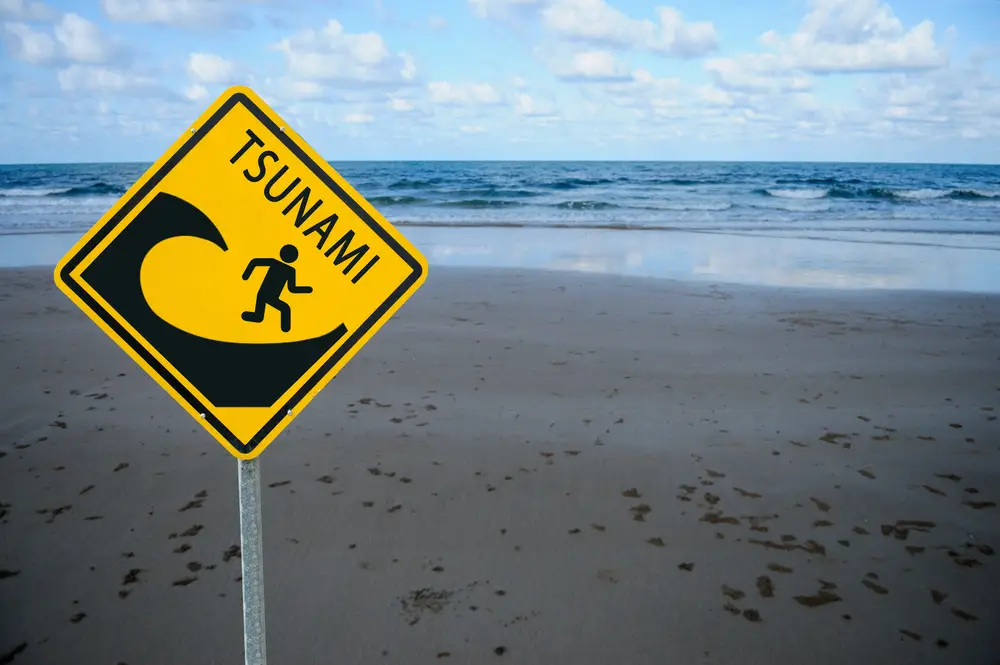
A woman shared on a Pacific Rim disaster-preparedness forum about living through an earthquake followed by a tsunami warning. The shaking itself was violent but brief, leaving behind cracked walls and broken glass. Minutes later, alerts warned residents to evacuate immediately. Sirens echoed through the city as people ran uphill without knowing how much time they had.
She described the fear of waiting once she reached higher ground, watching the ocean retreat unnaturally before surging back. Even after the water receded, she couldn’t relax. She said the anticipation was almost worse than the impact.
10. “The Storm Surge Came Through the Back of the House.”
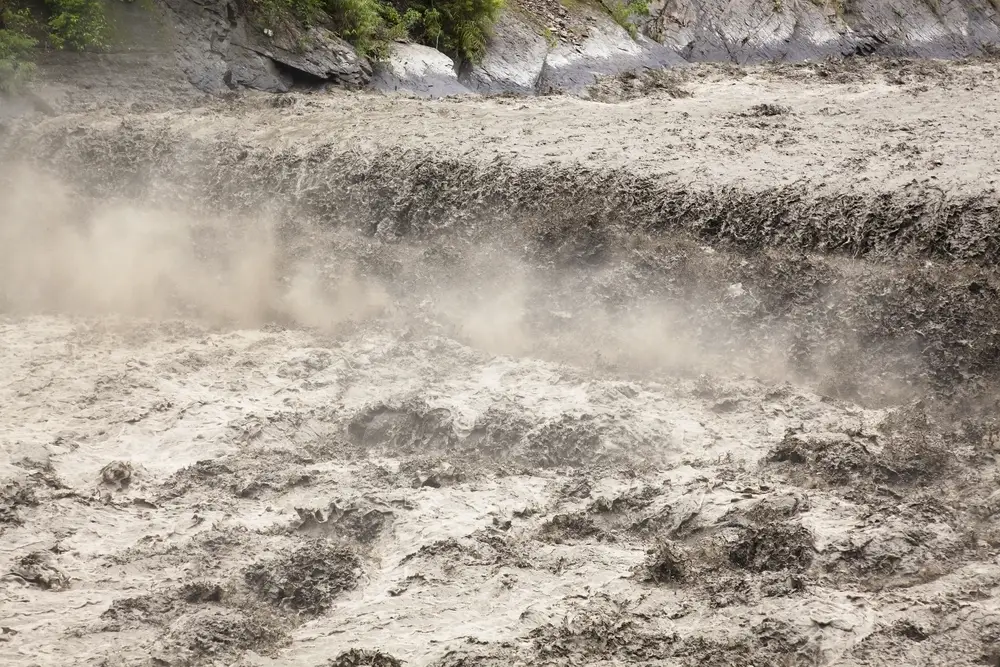
On a coastal homeowners’ forum, a man from Louisiana described realizing his evacuation plan had a blind spot. He’d expected flooding from the front, near the road. Instead, storm surge pushed in from the marsh behind his property. Water rose faster than he could react.
By the time he understood what was happening, escape routes were compromised. He climbed into an attic space as water filled the house below. He survived, but the experience rewired his sense of direction and safety. Threats no longer come from where you expect.
11. “The Ash Blocked Out the Sun.”
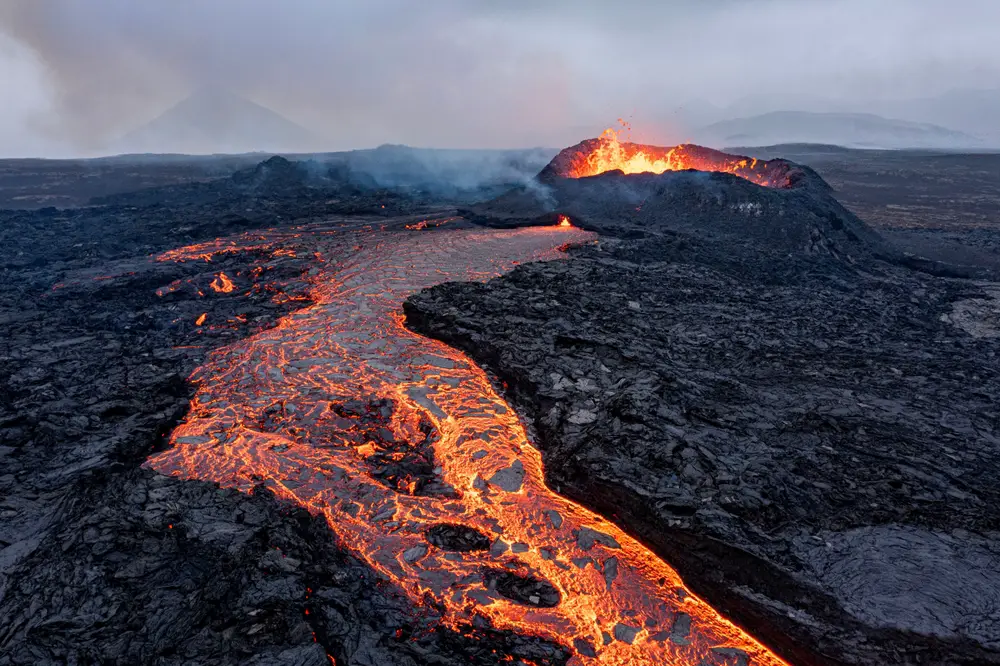
In a long-form Reddit post on r/Volcanoes, a woman described living near an active volcano during an unexpected eruption. Ash fell for hours, coating cars, rooftops, and lungs. Daylight dimmed into an eerie gray. Breathing became difficult even indoors.
She said the scariest part was how quiet everything became once people sheltered inside. The world felt paused but dangerous. Cleanup took weeks, but the psychological impact lingered longer. She still checks wind direction instinctively.
12. “The River Changed Course Overnight.”
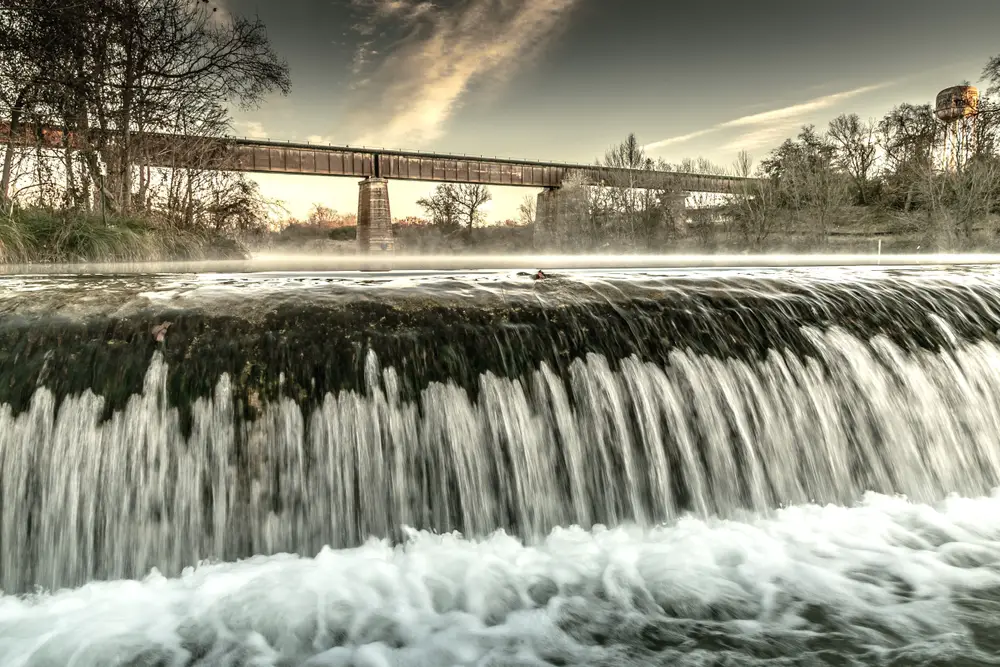
A farmer posted in an agricultural forum about waking up after days of heavy rain to find a river running through part of his land. Floodwaters had carved a new path, erasing fences and fields. Property lines became meaningless. Familiar landmarks disappeared.
He described the shock of realizing the landscape itself had reorganized. Recovery wasn’t just about rebuilding, but renegotiating what the land even was. Everything he knew vanished, and stability was no longer there.
13. “The Wind Didn’t Stop for Hours.”
In a Caribbean community Facebook group, a woman shared her experience during a prolonged hurricane. The wind howled continuously, rattling walls and bending structures beyond their limits. There were no breaks, no quiet moments to regroup. Fear became constant.
She said the length of the storm wore people down more than its peak intensity. Sleep was impossible. By the time it ended, exhaustion replaced panic.