
Elephants are not just large mammals with impressive memories. They are emotionally complex, socially intelligent, and biologically extraordinary in ways that continue to surprise scientists. Their behavior reshapes ecosystems, challenges assumptions about animal cognition, and mirrors aspects of human emotional life more closely than most species. These facts reveal why elephants are considered one of the most remarkable animals on Earth.
1. Elephants Recognize Themselves
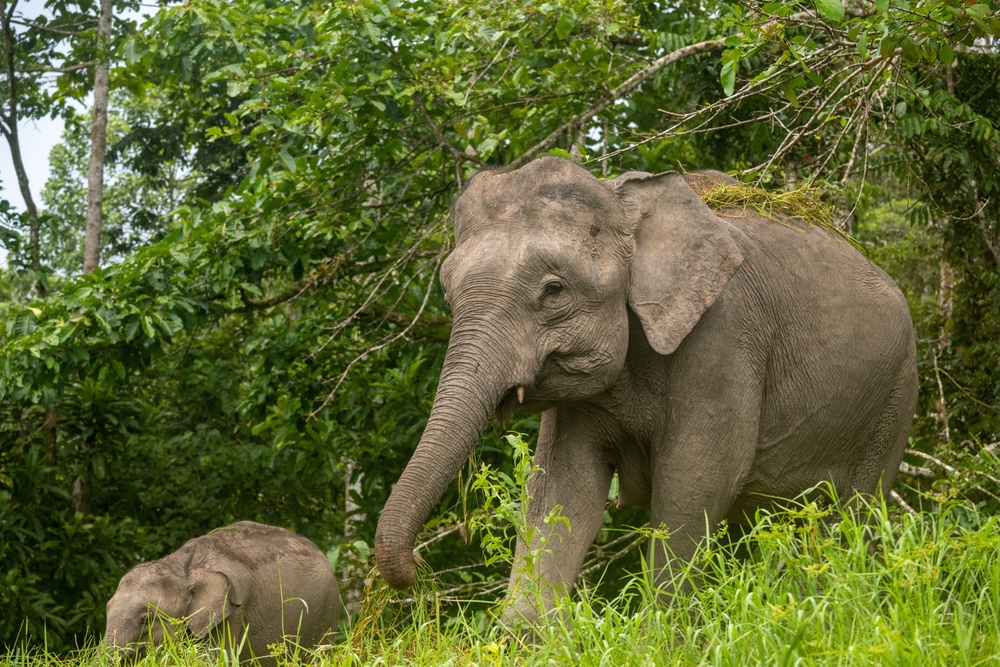
Elephants pass the mirror self-recognition test, a marker of advanced cognition. They investigate reflections using self-directed behavior. This indicates awareness of their own bodies. Few species demonstrate this capacity.
Research published in Proceedings of the National Academy of Sciences confirms elephants join great apes and dolphins in this category. Self-recognition suggests a complex self-concept. Awareness changes social behavior. Identity matters.
2. Their Brains Are Structurally Unique
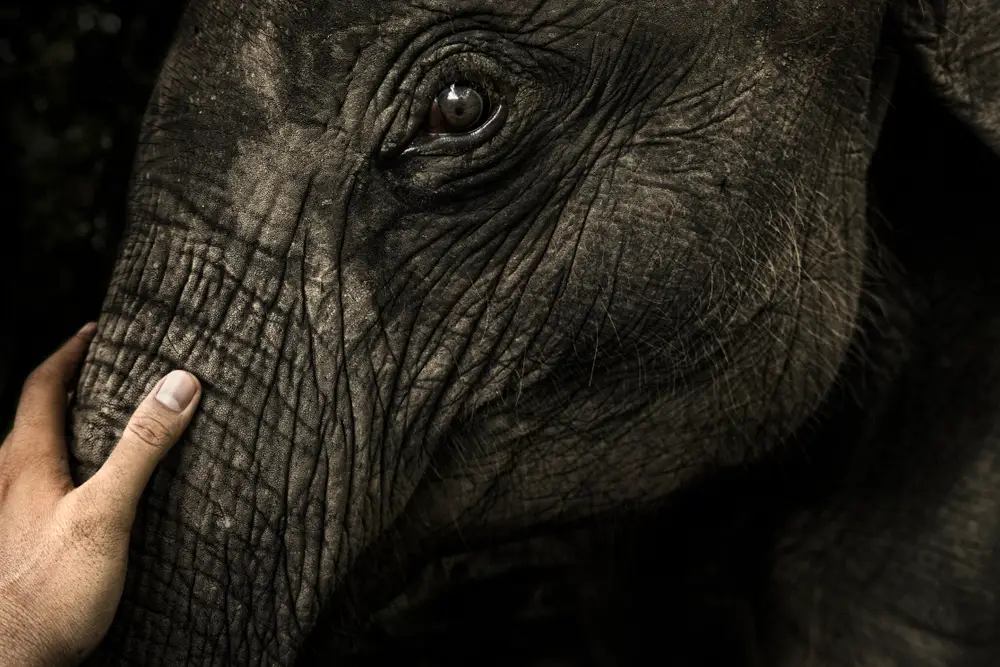
Elephant brains contain more neurons than any land animal. Their temporal lobes are especially developed. These regions process emotion and memory. Size supports complexity.
Neuroanatomical studies show elephant brains are highly folded. Increased surface area enhances processing. Memory and emotion integrate deeply. Intelligence manifests socially.
3. Elephants Grieve Their Dead
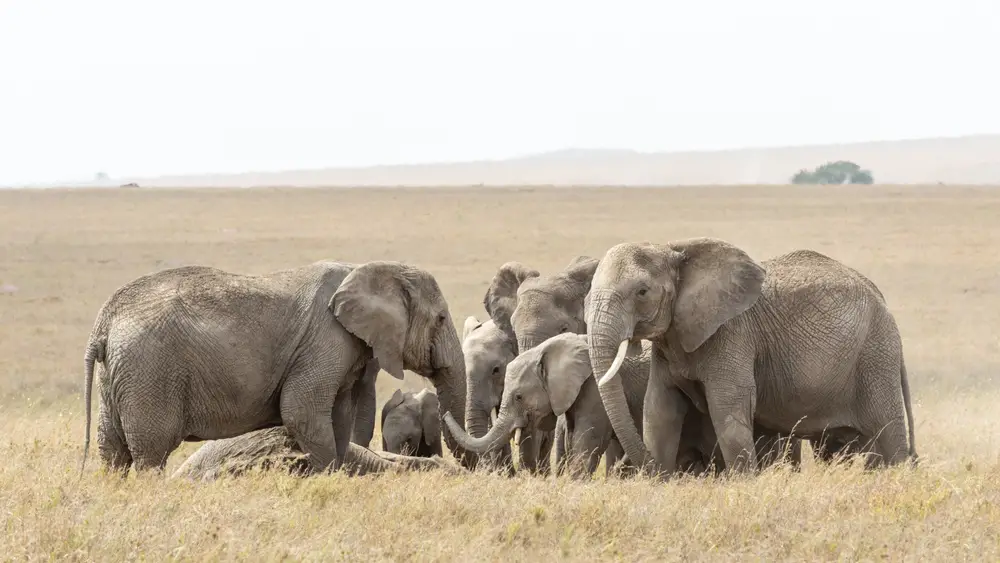
Elephants investigate bones and remain with deceased companions. They show altered behavior following loss. Grief responses include withdrawal and silence. Mourning appears real.
Field observations across Africa document consistent death rituals. Researchers describe prolonged engagement with remains. This behavior is rare in animals. Emotional depth is evident.
4. They Communicate Through Vibration
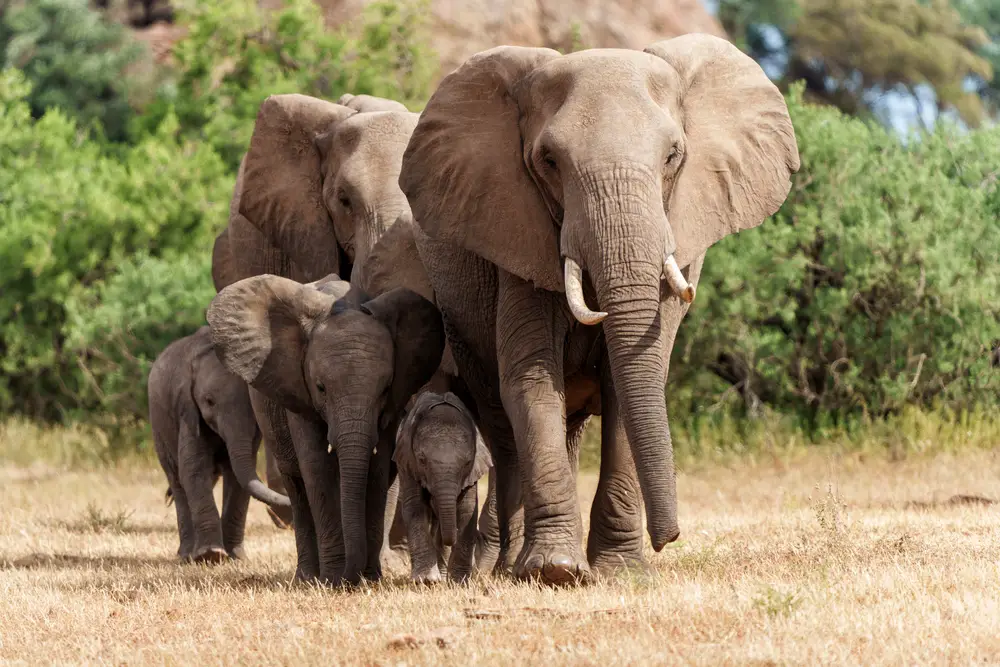
Elephants transmit low-frequency vibrations through the ground. Others detect signals through their feet. Communication travels kilometers. Sound is not required.
Bioacoustics research confirms seismic messaging coordinates movement. These signals convey urgency and location. Communication bypasses noise. Earth becomes medium.
5. Elephants Have Exceptional Long-Term Memory

Elephants remember water sources for decades. Memory guides migration during drought. Survival depends on recall. Experience becomes inheritance.
Longitudinal studies show matriarch memory increases herd survival. Knowledge transfers generationally. Elders matter. Memory equals leadership.
6. They Display Empathy Toward Other Animals
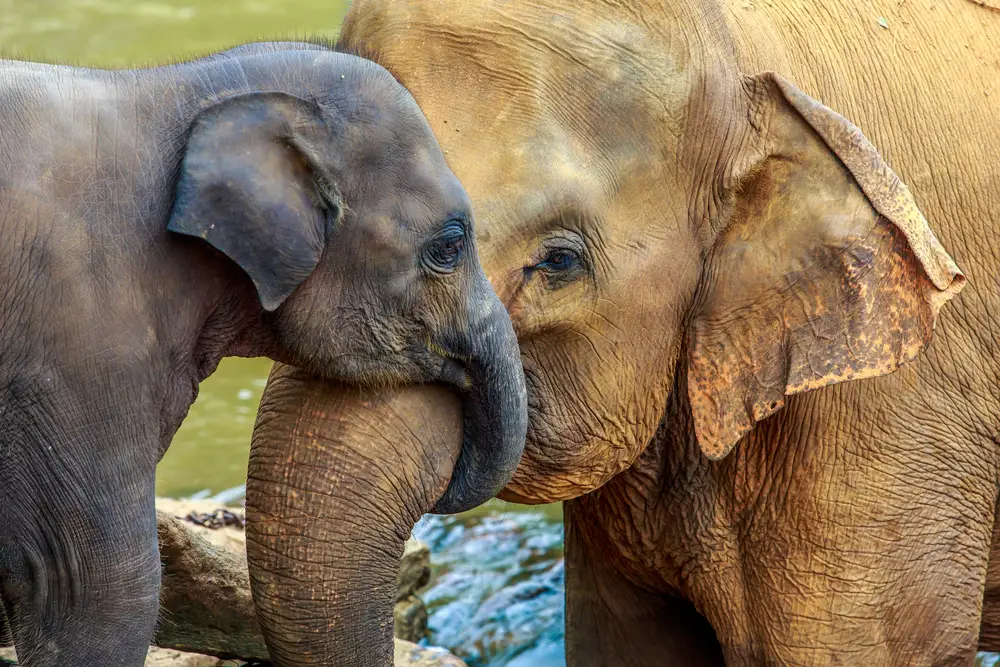
Elephants assist injured animals, including humans. They alter behavior to avoid harm. Empathy appears spontaneous. Compassion is not trained.
Ethologists document cross-species aid behavior. Responses exceed self-interest. Emotional awareness extends outward. Care is intentional.
7. Elephants Modify Their Environment
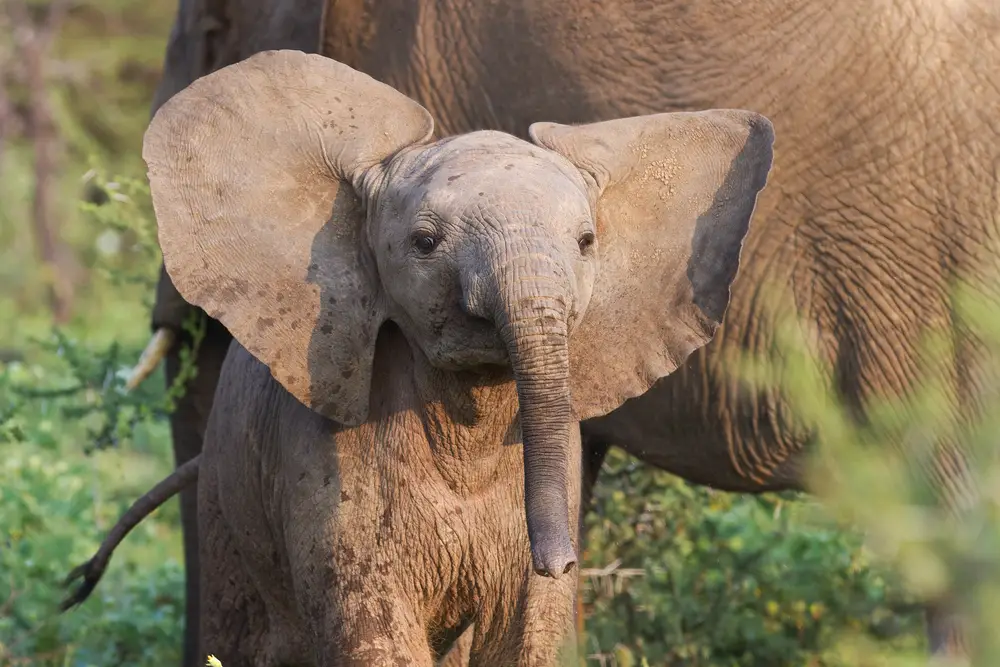
By uprooting trees and dispersing seeds, elephants reshape landscapes. They create water access for other species. Ecosystems depend on their movement. They are keystone species.
Ecological studies show elephant presence increases biodiversity. Removal collapses systems. Their impact is structural. Size translates to influence.
8. They Understand Death

Elephants do not treat death as temporary absence. Behavior changes permanently after loss. They adjust social structure. Death alters group dynamics.
Cognitive researchers note consistency across populations. Recognition of finality is rare. Understanding death shapes social bonds. Awareness deepens attachment.
9. Elephants Can Count
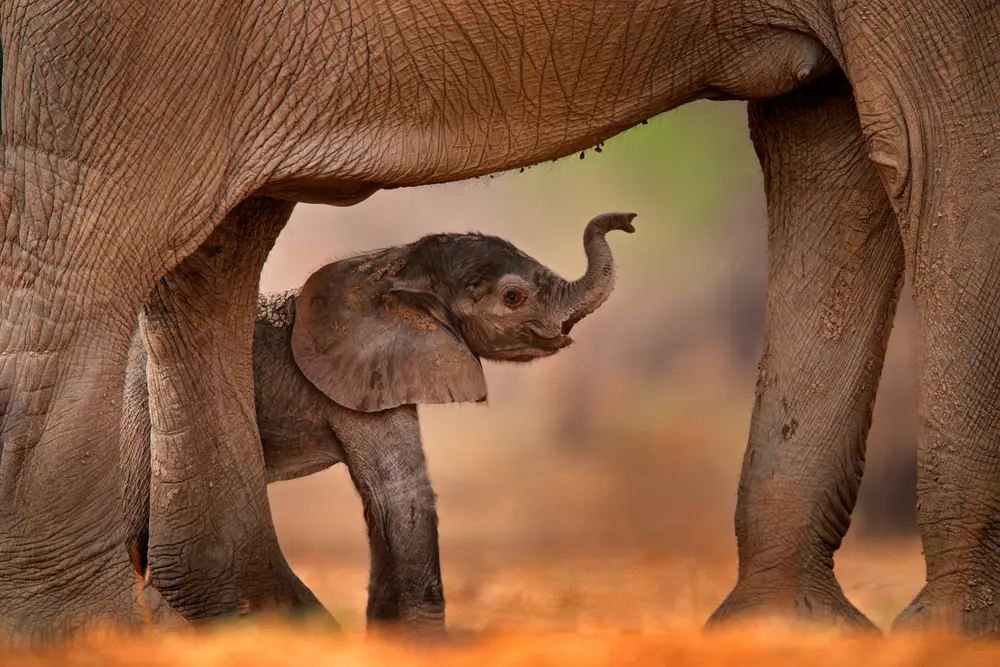
Elephants assess group size before engaging in conflict. They evaluate numerical advantage. Decisions reflect estimation ability. Math guides survival.
Cognitive experiments show elephants differentiate quantities. Numerical reasoning informs strategy. Intelligence supports restraint. Assessment precedes action.
10. Their Social Bonds Are Lifelong

Female elephants remain with maternal herds for life. Bonds persist across decades. Separation causes distress. Family is permanent.
Social structure research confirms lifelong association patterns. Bonds regulate stress and learning. Stability enhances survival. Community matters.
11. Elephants Understand Cultural Differences
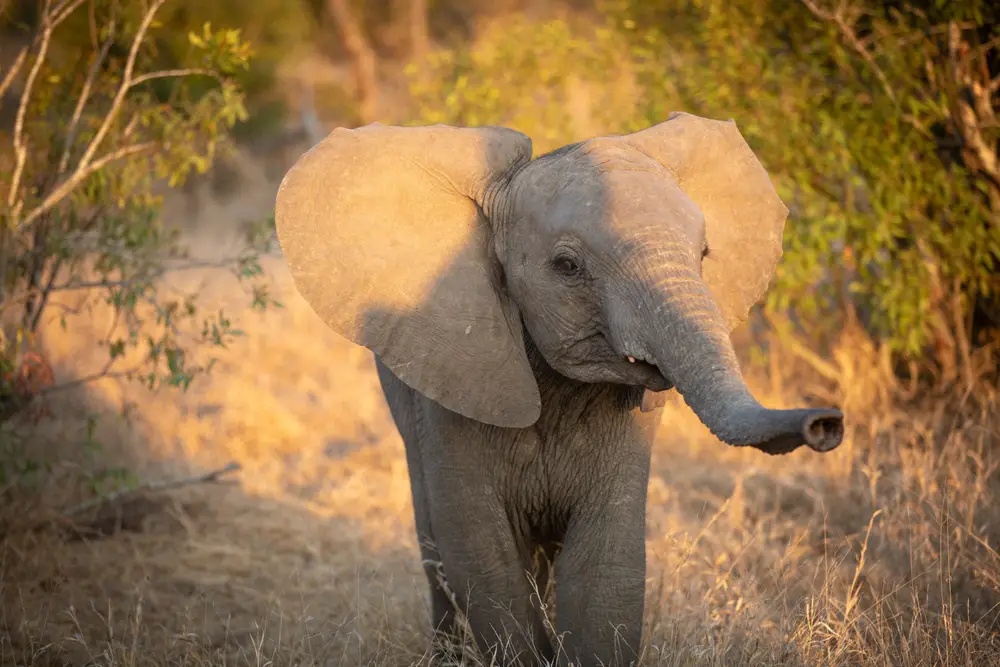
Different populations display distinct behaviors. Tool use varies regionally. Traditions pass socially. Culture exists.
Anthropological fieldwork documents learned behaviors across generations. Culture is transmitted, not instinctual. Elephants teach. Knowledge evolves.
12. They Are Playful Their Entire Lives

Elephants play as juveniles and adults. Play includes mock charges and object manipulation. Play reduces stress. Joy is functional.
Behavioral studies link play to cognitive flexibility. Play supports learning. Emotional health matters. Fun serves purpose.
13. Elephants Can Decipher Human Intention

Elephants distinguish between human threats and neutrality. They respond differently to poachers versus villagers. Recognition guides behavior. Memory protects.
Conservation research shows elephants alter routes based on human danger. Awareness increases survival. Intelligence adapts. Coexistence depends on understanding.