
Fifty years ago was 1976, which feels recent until you start listing everything that’s changed. Things we consider essential parts of daily life simply didn’t exist, and entire industries have appeared that would have seemed like science fiction. The gap between then and now is larger than most people realize.
1. Cell Phones

In 1976, phones were attached to walls, and making calls outside your home meant finding a payphone. According to the Pew Research Center’s 2024 Mobile Technology report, 97% of Americans now own a cellular phone of some kind, with 90% owning smartphones—a technology that didn’t exist in any form 50 years ago. The idea of carrying a phone everywhere, having instant access to anyone, and being constantly reachable would have seemed dystopian.
Now, being unreachable is considered rude, and entire social contracts have formed around response times to texts and calls. People panic if they leave home without their phone because being disconnected feels like being cut off from the world. We’ve gone from occasional phone calls to constant connectivity in less than two generations.
2. The Internet and Email

In 1976, computers existed, but the internet didn’t, and the idea of instant written communication with anyone on Earth was pure fantasy. According to the International Telecommunication Union’s 2024 global connectivity report, 67% of the world’s population now uses the internet—5.4 billion people accessing a network that’s, in relative terms, new. Email, websites, online shopping, and everything built on internet infrastructure are inventions that have become essential.
People under 40 can’t imagine life without instant information access, but everyone over 60 remembers when looking something up meant going to a library. The shift happened so fast that we forgot how recently we lived in a world where you couldn’t Google things.
3. Social Media
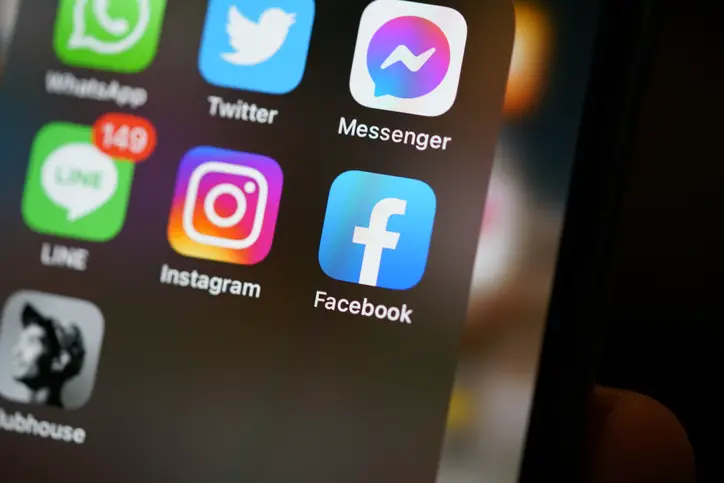
The concept of broadcasting your life to hundreds or thousands of people continuously didn’t exist and wouldn’t have made sense. There was no infrastructure for it and no cultural framework for why anyone would want to do it. Now, billions of people check social media daily, and entire careers exist around content creation.
Friendships, dating, news consumption, and political discourse all happen on platforms that didn’t exist until the 2000s. The idea of “going viral” or having “followers” would have been incomprehensible. Social media has created new forms of social interaction and anxiety that humans had never experienced before.
4. GPS and Navigation Apps
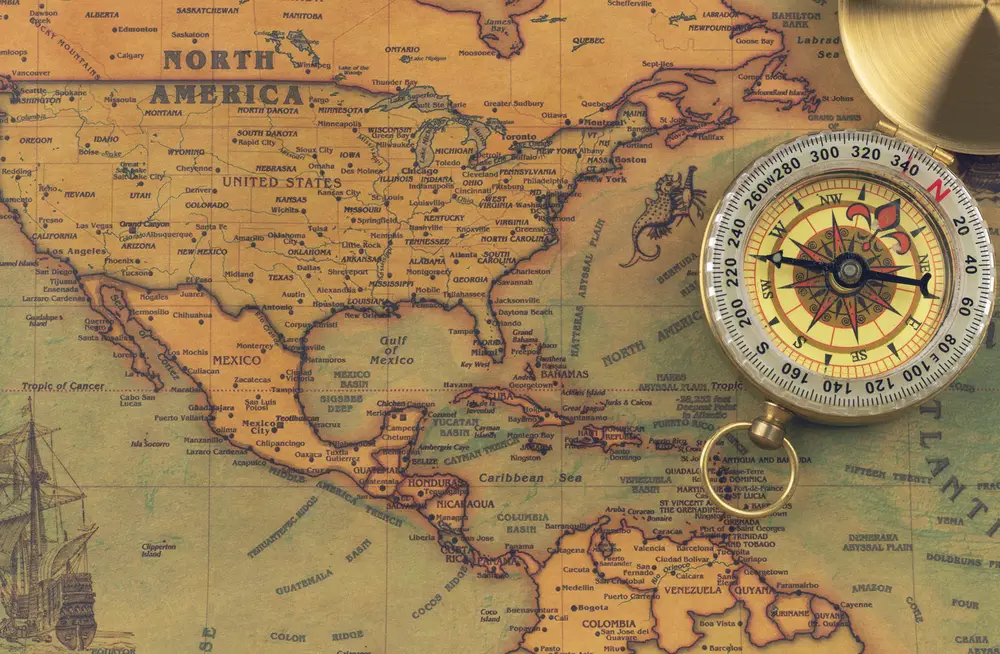
Back then, getting somewhere new meant physical maps, written directions, or just getting lost and asking for help. The GPS satellite system was barely being developed for military use and wouldn’t be available for civilian navigation for decades. Now people can’t drive across town without their phone telling them where to turn.
The skill of reading maps has atrophied in a single generation because GPS makes it unnecessary. People genuinely don’t know how to navigate without turn-by-turn directions from an app. We’ve outsourced spatial reasoning and wayfinding to technology that would have seemed magical 50 years ago.
5. ATMs and Digital Banking

Banking then meant going to the bank during business hours because that was the only way to access your money. Research from the American Bankers Association shows that 80% of banking transactions now occur digitally—through ATMs, online banking, or mobile apps—compared to near-zero digital transactions in 1976.
Now you can deposit checks by taking photos, transfer money instantly, and check your balance from anywhere. The idea of bank hours limiting access to your own money seems absurd, but it was standard.
6. Credit Cards as Primary Payment

Credit cards existed in 1976, but were uncommon and accepted at limited locations—most transactions were cash or check. According to the Federal Reserve’s 2024 Survey of Consumer Payment Choice, credit and debit card payments now account for 57% of all consumer transactions by volume, compared to less than 10% in the mid-1970s. Now, many people go weeks without using cash, and some businesses don’t accept it at all.
Entire systems of rewards points, credit scores based on borrowing behavior, and cashless transactions have emerged around credit card ubiquity. The infrastructure that makes card payments instant and universal didn’t exist. We blinked and moved from a cash-based to a credit-based society.
7. Streaming Entertainment on Demand

Entertainment then meant watching whatever was on the three or four TV channels at scheduled times, or going to a movie theater. There was no home video, no cable, and certainly no concept of watching anything you want whenever you want. Now, people get angry if their show takes three seconds to buffer.
The shift from scheduled broadcast to on-demand streaming has changed how people consume media and what they expect. Binge-watching entire seasons didn’t exist as a concept because it was technologically impossible.
8. Working From Home

Remote work was basically impossible in 1976 because the technology to do most jobs from home didn’t exist. Work meant going to a physical location because that’s where the tools, files, and people were.
The pandemic proved remote work viable for millions of jobs, but only because technology finally caught up. The infrastructure for working from anywhere—high-speed home internet, cloud storage, video conferencing—is all less than 20 years old. An entire shift in work culture happened because of technology.
9. DNA Testing and Genetic Ancestry

The structure of DNA was understood by 1976, but the idea of regular people sending saliva to a company for genetic analysis would have seemed out of the question. Commercial DNA testing didn’t exist, and the technology to sequence genomes quickly and cheaply wasn’t developed until decades later. Now, millions of people have detailed genetic reports.
Entire industries around ancestry, health screening, and even dating based on DNA are less than 20 years old. People are making major life decisions based on genetic information that was impossible to access a little while ago.
10. Electric Vehicles as Consumer Products

Electric cars existed as concepts in 1976, but as viable consumer vehicles, they’re entirely modern. The battery technology, charging infrastructure, and manufacturing capability didn’t exist. Tesla was founded in 2003, and electric vehicles only became common in the last decade.
Now EVs are regular parts of traffic, and charging stations are appearing everywhere. The entire infrastructure for electric transportation is being built in real-time.
11. Online Dating

Meeting romantic partners in 1976 meant in-person introductions through friends, work, or chance encounters. The concept of browsing profiles of single people and messaging them based on photos and bios? Non-existent. Now, meeting online is the most common way couples get together.
Dating apps have fundamentally changed how relationships form. The abundance of options, the gamification of attraction, and the efficiency of digital matching are all less than 30 years old. An entire generation has no experience with dating before apps existed.
12. Smart Home Devices

Homes in 1976 had appliances but not “smart” anything—there was no network to connect devices and no AI to control them. Thermostats were manual, lights required physical switches, and the idea of talking to your house to control things was ridiculous. Now people casually tell Alexa to turn off lights or adjust the temperature.
Voice assistants, automated climate control, and app-controlled appliances are 21st-century developments. We’ve gone from purely mechanical homes to networked systems.
13. Constant Photographic Documentation of Life

Taking photos in 1976 required a camera, film, and paying for development—photography was deliberate and limited. People took dozens of photos per year, not dozens per day. The idea of photographing your meal, your outfit, or random moments constantly would have seemed not only insane but economically impossible.
Smartphone cameras made photography free and instant, fundamentally changing how people document and share their lives. Billions of photos are taken daily now because the constraint of film cost has disappeared.