
Some natural disasters are so bizarre, sudden, or visually unreal that they sound like urban legends or movie plots. But history — and science — confirms they happened, often with devastating consequences. As climate change accelerates and extreme weather becomes more common, these once-unthinkable events feel less like anomalies and more like warnings. Here are 13 real natural disasters that sound completely made up — but weren’t.
1. The Year It Rained Fish (Honduras)
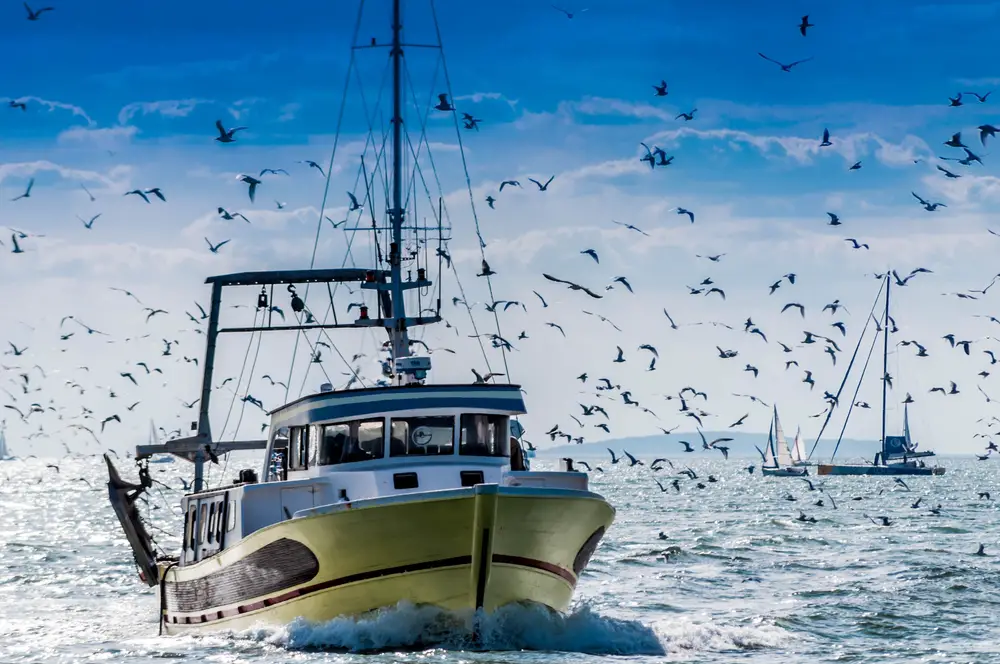
For over a century, residents of Yoro, Honduras, have reported storms where fish fall from the sky. After intense rainfall, live fish are found scattered across streets and fields. Locals call it “Lluvia de Peces,” and it happens almost annually.
Scientists believe the phenomenon may be caused by waterspouts lifting fish from rivers and depositing them inland. Others suggest underground water systems flood and surface during storms. No theory fully explains the consistency. What’s clear is that the fish are real, alive, and very much not symbolic.
2. The Great Molasses Flood (Boston, 1919)
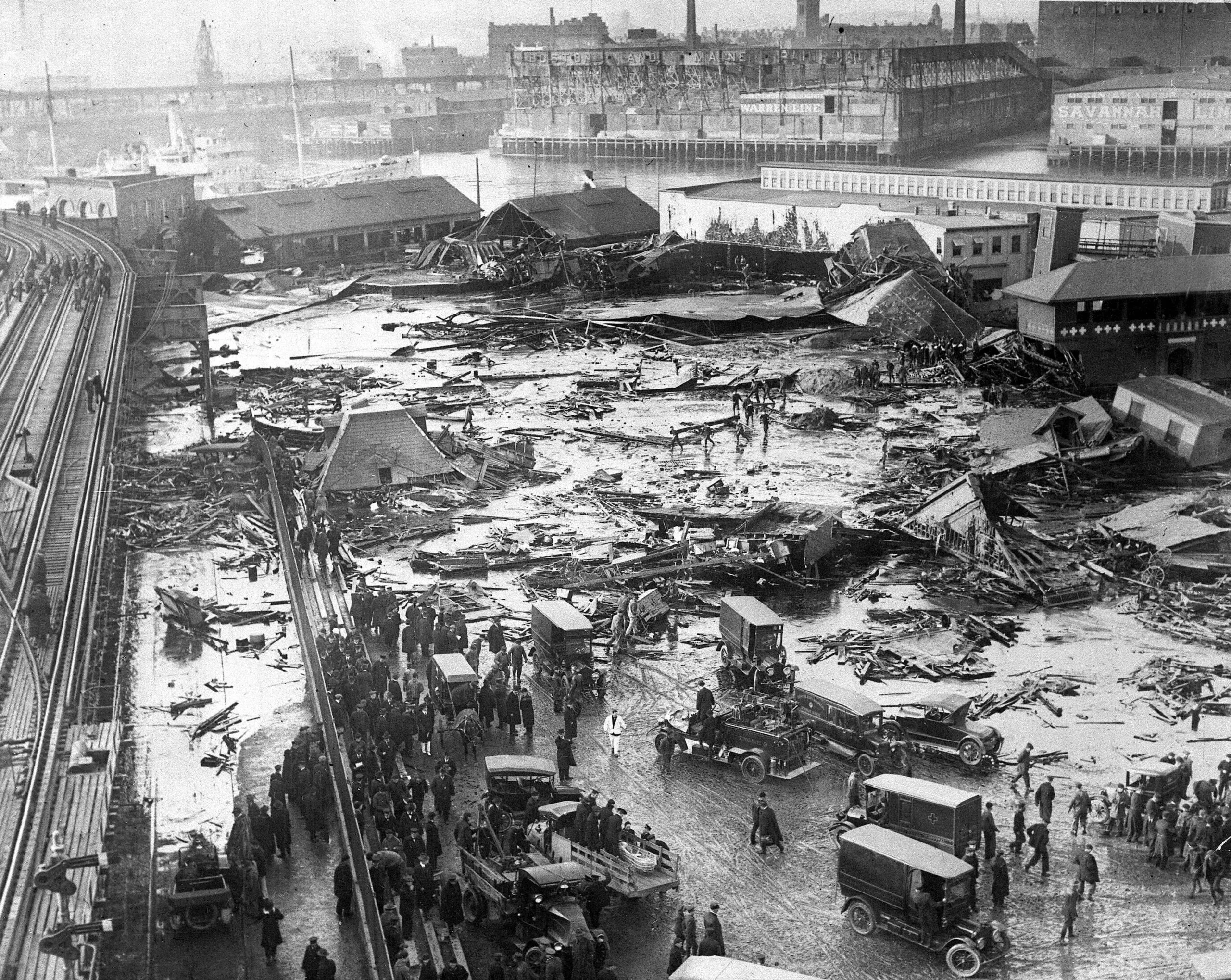
In January 1919, a massive molasses storage tank ruptured in Boston’s North End. A 15-foot wave of molasses flooded streets at 35 miles per hour. Buildings were destroyed, and 21 people died.
The disaster was caused by structural failure and elevated temperatures, which increased the pressure inside the tank. Survivors described the smell lingering for decades. The event was so surreal it sounds fictional. But court records, photographs, and death certificates confirm it.
3. The Fire Tornado in Japan (1923)
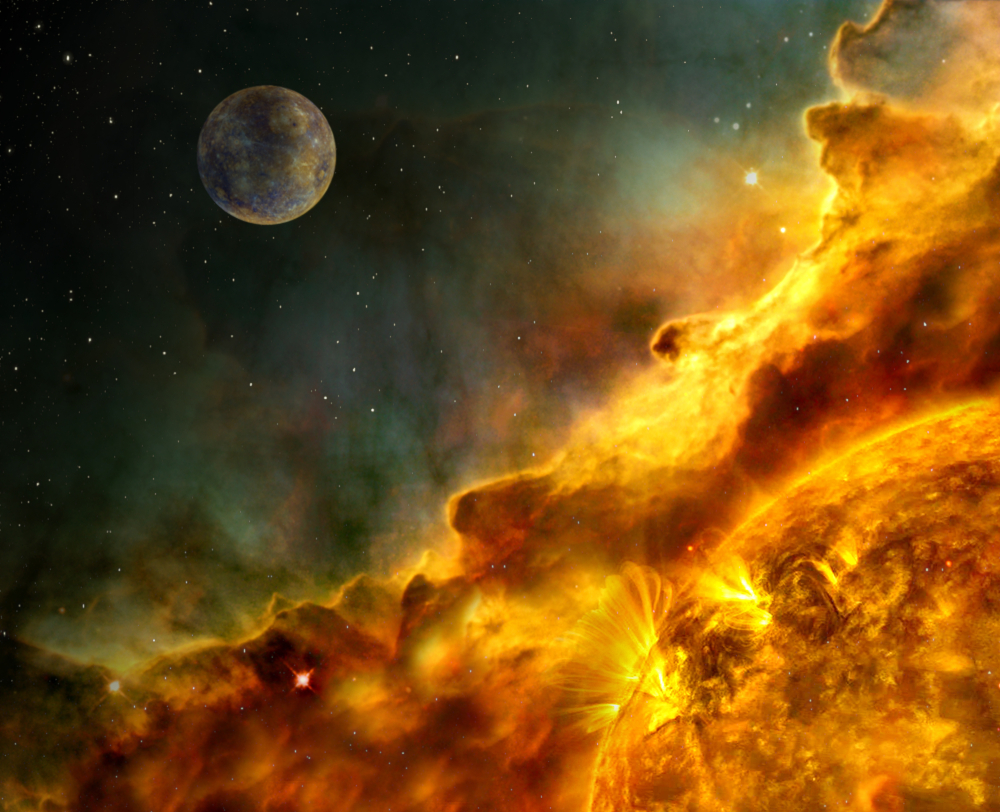
Following the Great KantÅ earthquake, fires broke out across Tokyo and Yokohama. One blaze intensified into a fire tornado that incinerated over 38,000 people in minutes. The vortex reached hundreds of feet high.
Firestorms occur when heat, wind, and fuel align catastrophically. Wooden buildings and hurricane-force winds fueled this one. Witnesses described walls of flame spinning like a living entity. It remains one of the deadliest single disaster events in history.
4. The Lake That Exploded (Cameroon, 1986)
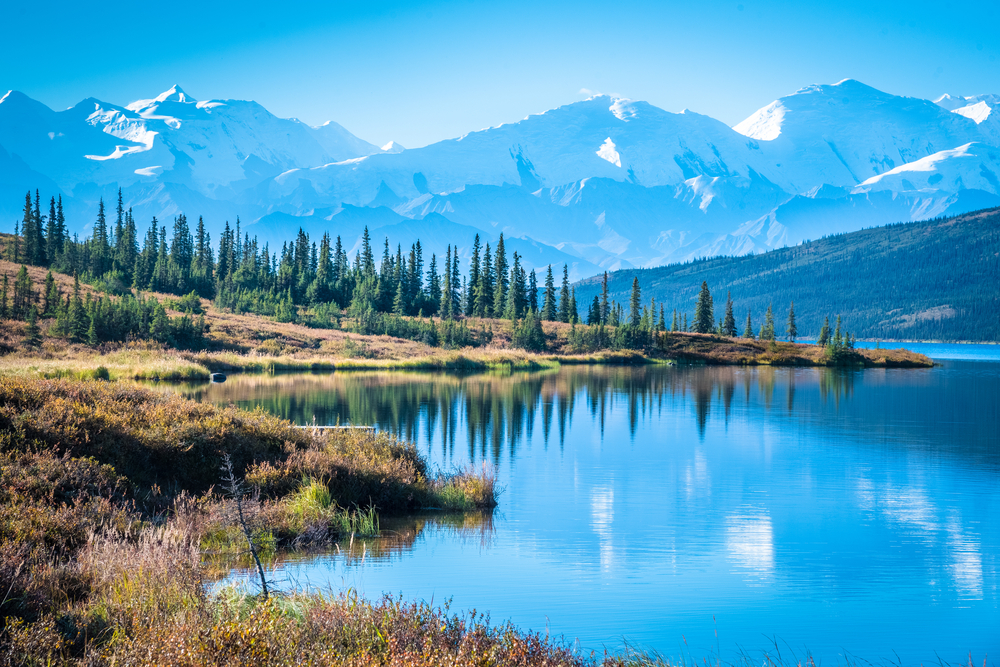
Lake Nyos suddenly released a massive cloud of carbon dioxide, suffocating over 1,700 people nearby. There was no eruption, no warning, and no visible sign of danger. Entire villages were found silent and intact.
The lake sat atop volcanic vents that allowed gas to accumulate underwater. A landslide or temperature shift triggered the release. Scientists now call this a “limnic eruption.” It remains one of the strangest natural disasters ever recorded.
5. The Day the Sky Turned Blue-Green (U.S. Midwest, 2020)
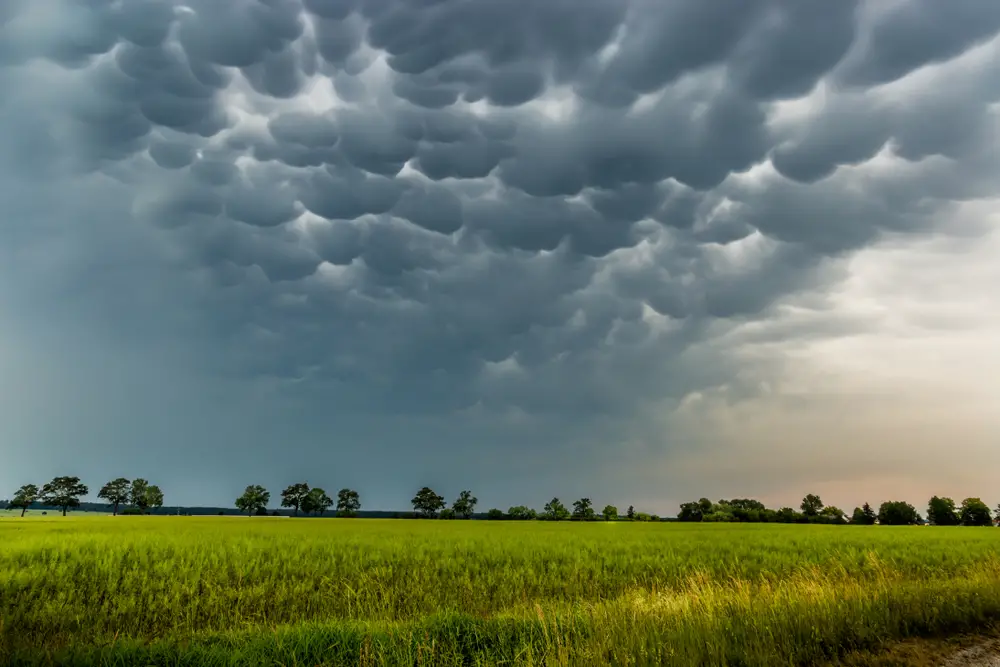
During the 2020 wildfires, smoke particles refracted sunlight, turning skies eerie shades of green and blue across multiple states. Daylight disappeared. People reported panic and confusion as visibility dropped dramatically.
Meteorologists explained it as light scattering caused by dense smoke. The phenomenon felt apocalyptic. For many, it marked the moment climate change stopped feeling abstract. The memory lingers as deeply unsettling.
6. The Earthquake That Rang the Planet Like a Bell (2004)
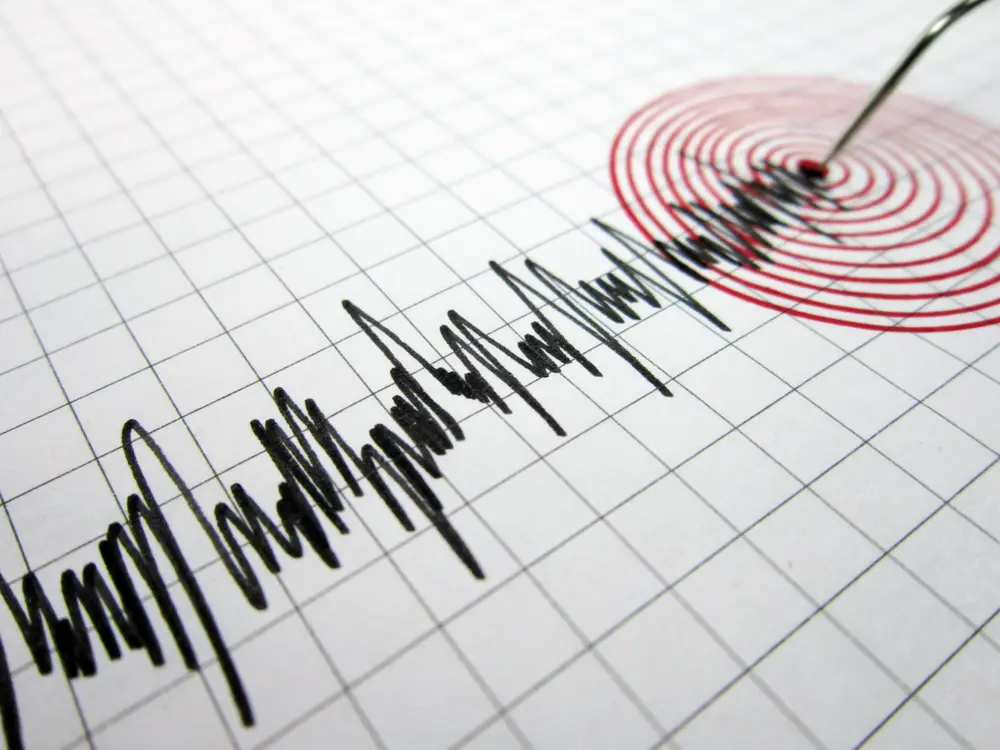
The Indian Ocean earthquake registered so powerfully that it caused the entire planet to vibrate. Seismometers detected oscillations for weeks. Earth literally rang like a struck bell.
The earthquake triggered tsunamis that killed more than 230,000 people. Scientists later confirmed the Earth’s rotation had shifted slightly. The scale defied imagination. It remains one of the most powerful events ever measured.
7. The Volcano That Froze the World (1815)
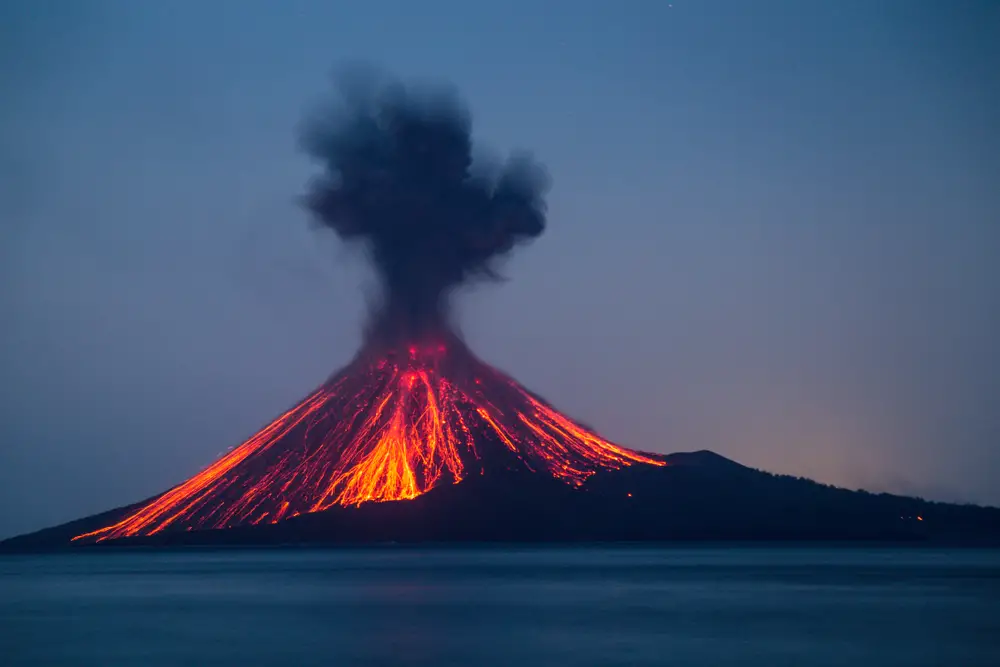
Mount Tambora’s eruption caused the “Year Without a Summer.” Crops failed globally. Snow fell in June. Famine followed.
Ash blocked sunlight worldwide, lowering temperatures dramatically. The disaster reshaped migration, literature, and agriculture. Mary Shelley wrote Frankenstein during the gloomy aftermath. It was climate chaos before the term existed.
8. The Earthquake That Changed a River’s Direction (New Madrid, 1811)
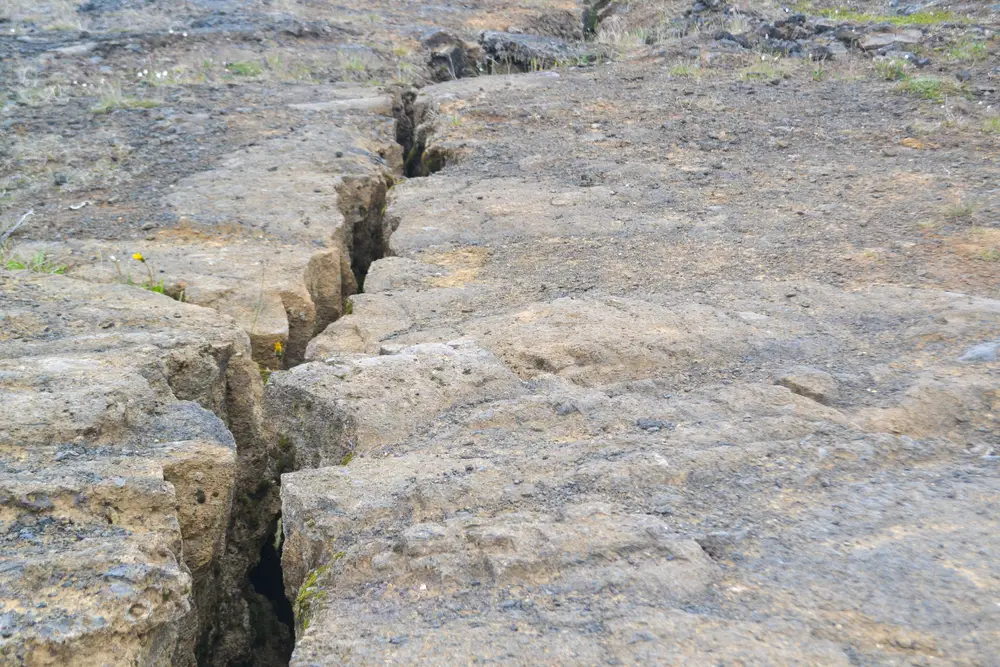
A series of earthquakes in the U.S. Midwest temporarily reversed the flow of the Mississippi River. Church bells rang hundreds of miles away. Entire landscapes shifted.
The New Madrid quakes remain among the strongest in U.S. history. They occurred far from plate boundaries, which baffled scientists at the time. The ground reportedly rolled like waves. Survivors thought the world was ending.
9. The Storm That Rained Spiders (Brazil)
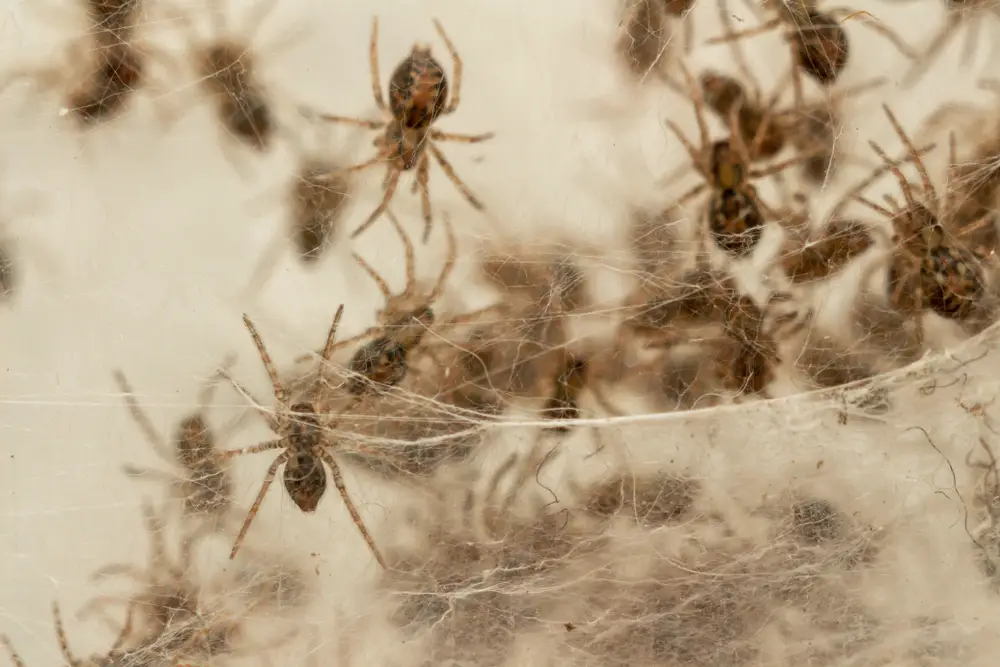
In parts of Brazil, spiders use silk threads to balloon through the air. When thousands do this simultaneously, it appears as though spiders are raining from the sky. Videos of the phenomenon have gone viral.
It’s a survival strategy, not an omen. But witnessing it feels surreal. Locals are used to it. Outsiders are deeply disturbed.
10. The Hurricane That Turned the Ocean Pink (2018)
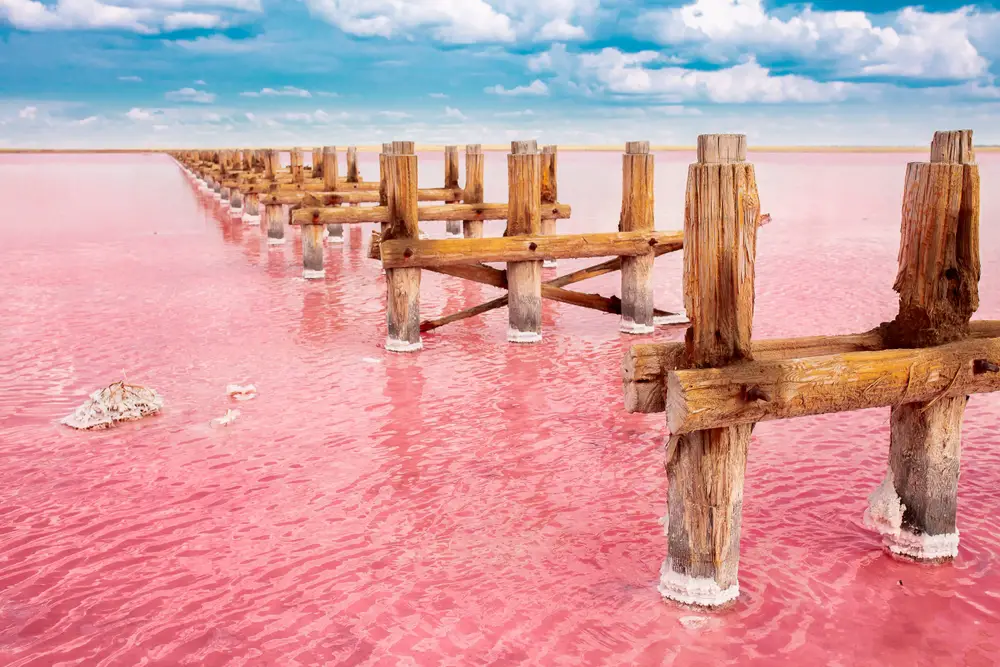
After Hurricane Florence, floodwaters mixed with pig farm waste in North Carolina, turning rivers bright pink. The color wasn’t algae — it was pollution. Communities feared contamination and disease.
Environmental experts warned this was a preview of climate-agriculture collisions. The visuals were shocking. The consequences lingered long after the storm passed. It was real — and deeply alarming.
11. The Lightning Storm That Never Stopped (Venezuela)
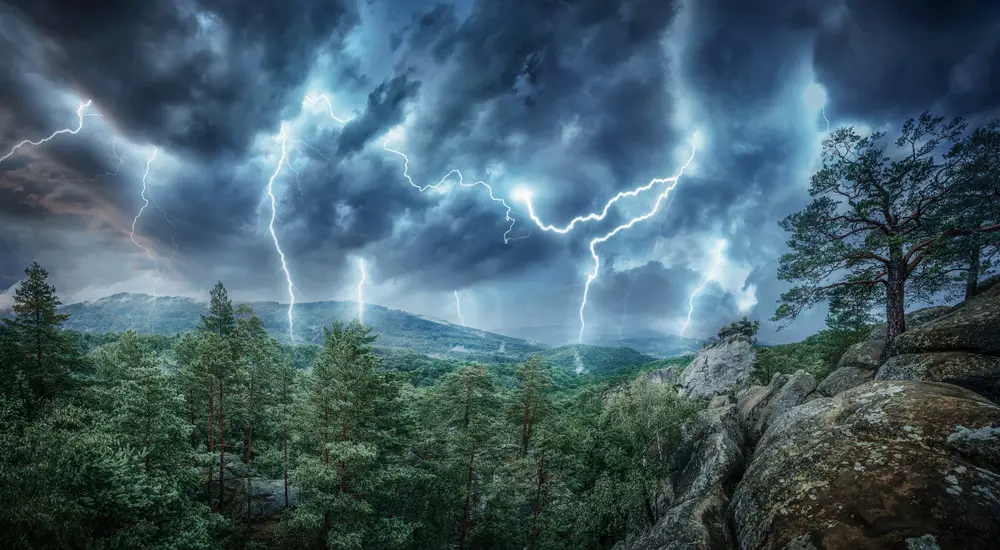
At Lake Maracaibo, lightning strikes occur up to 300 nights per year. Storms can last for hours without rain. The phenomenon is visible from space.
Warm air, cold winds, and methane emissions combine to fuel constant storms. Sailors once used lightning to navigate. Scientists still study it. Nature sometimes refuses to power down.
12. The Earthquake That Created a New Island (Pakistan, 2013)
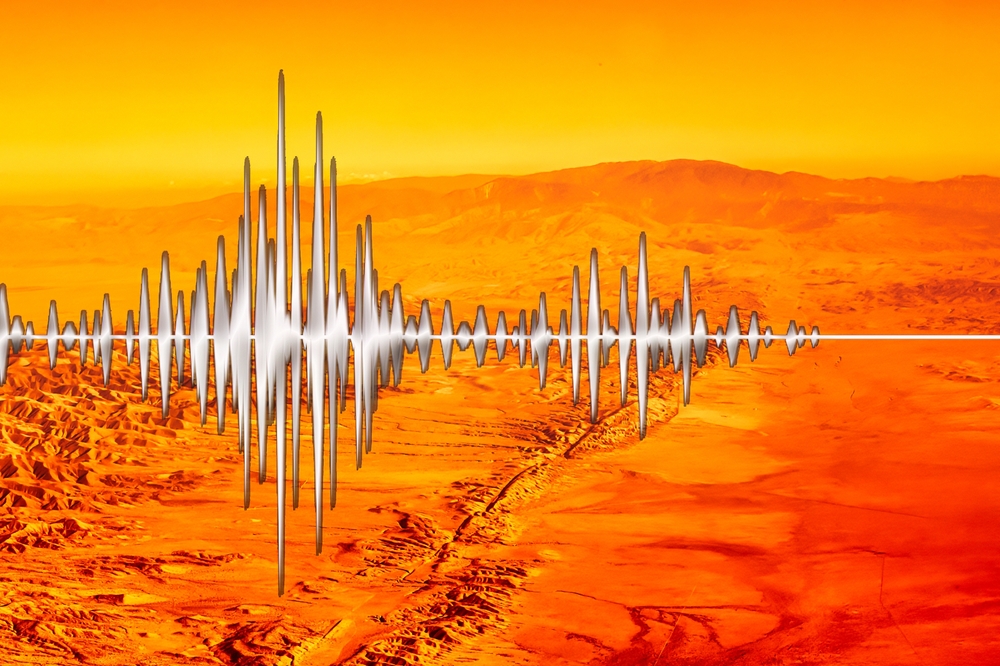
A powerful earthquake off Pakistan’s coast caused a mud volcano to rise from the sea. The island appeared overnight. It was temporary but startling.
Gas pressure pushed sediment upward violently. The island later eroded back into the ocean. But for a brief moment, geography changed. Earth literally rearranged itself.
13. The Day It Rained Black Snow (South Korea)
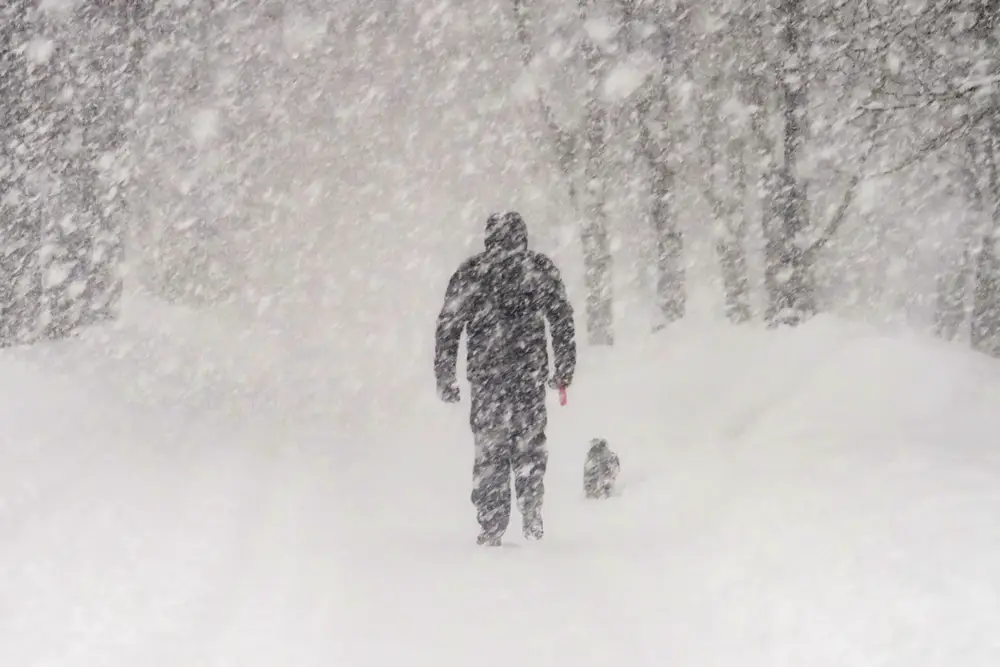
Pollution combined with snowstorms caused black snow to fall across parts of South Korea. Streets and rooftops turned dark. Health warnings followed.
Scientists traced it to industrial soot and airborne particulates. It was visually shocking and environmentally concerning. The snow melted, but the warning remained. Nature reflects what we put into it.