
Cats don’t just react—they anticipate. Their sense of timing is built on observation, pattern recognition, and patience. They know when something should happen and notice when it doesn’t. That awareness shapes their behavior more than people realize.
1. They Hate When You Feed Them One Minute Late

Cats know the exact moment food usually appears. When it doesn’t, they respond immediately. This isn’t hunger—it’s disrupted expectation. Timing matters more than appetite.
They may stare, vocalize, or position themselves strategically. Cats are excellent timekeepers. Routine is sacred to them. Being late feels personal.
2. They Notice When You Sit Down To Chill
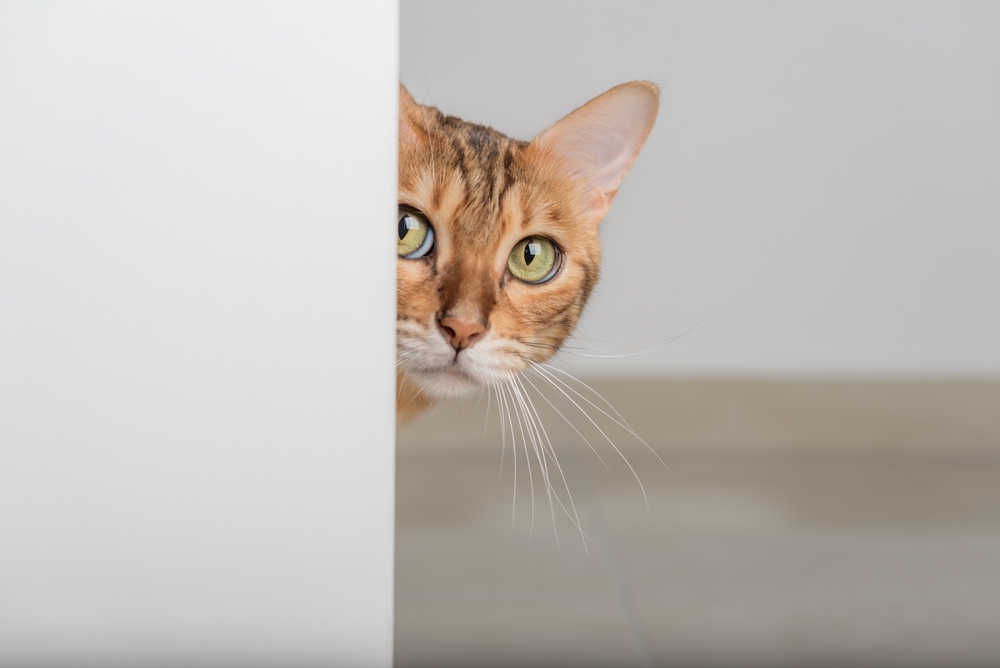
Cats often wait until activity stops before approaching. They understand transitions. Stillness signals availability. Timing determines access.
This isn’t a coincidence. Cats track your rhythm. They wait for the right window. Presence matters more than proximity.
3. They Can Tell When You’re About To Fall Asleep

Cats sense the moment your body relaxes. Breathing changes, movement slows, attention fades. That’s when they act. Timing is everything.
They choose this moment intentionally. It’s when you’re least reactive. Cats understand vulnerability. They time closeness carefully.
4. They Sense When You’re About To Leave
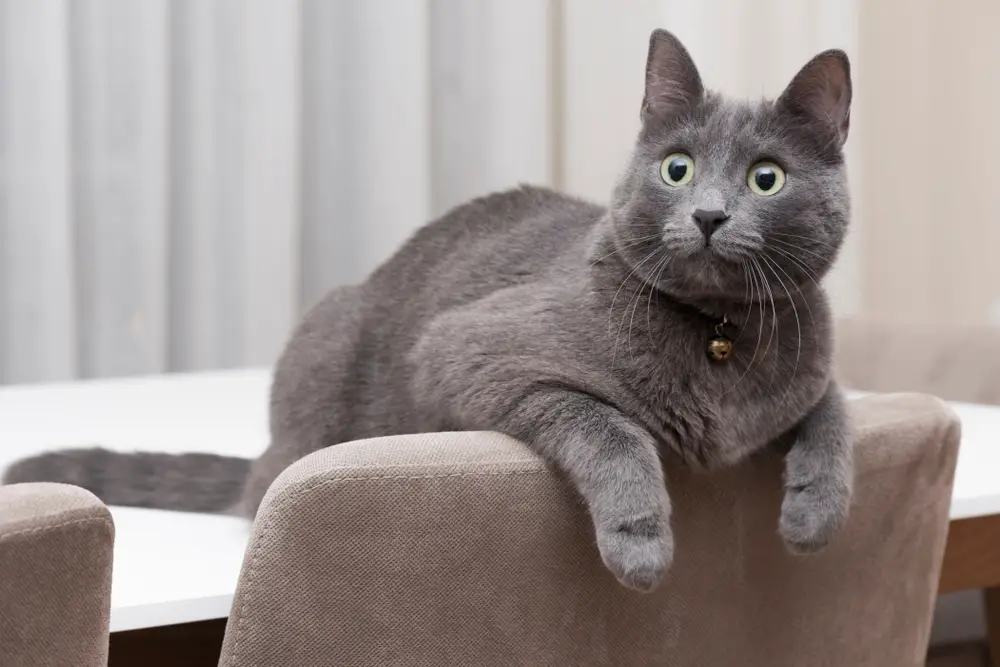
Cats appear right before departure. Shoes, keys, and movement cues them. They intervene strategically. Timing equals leverage.
They don’t want attention earlier—they want it now. Cats understand urgency. They exploit it gently.
5. They Observe When You’re On A Phone Call

Cats often interrupt when attention shifts away. They notice divided focus. Timing is tactical. They want full presence.
They wait until you’re distracted. It’s not jealousy—it’s opportunity. Cats are excellent observers. They choose moments wisely.
6. They Respond When You’re Emotionally Upset

Cats approach during quiet distress, not chaos. They sense emotional shifts. Timing here is subtle. They respond to energy.
They don’t comfort loudly. They sit nearby. That timing is deliberate. It’s quiet support.
7. They Know When You’re Watching Something Intently

Cats interrupt concentration, not boredom. Focus draws them in. Timing breaks your attention. They insert themselves.
They want engagement on their terms. Timing equals control. Cats understand human focus remarkably well.
8. They Notice When You’re Cleaning Something
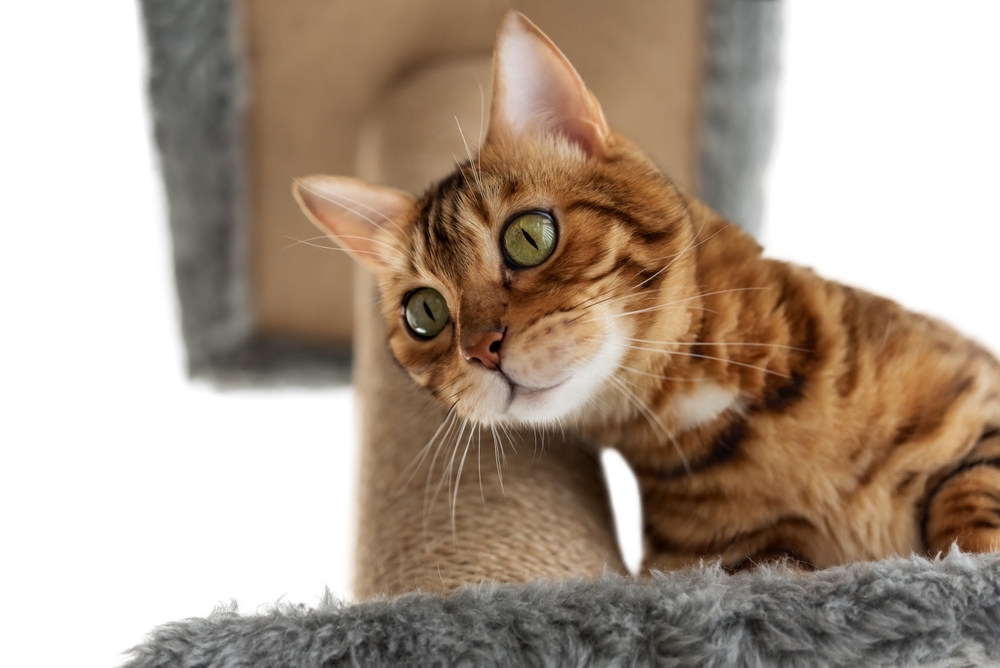
Cats wait until the effort is finished. Then they sit, walk, or undo it. Timing asserts presence. It’s commentary.
They’re not being malicious. They’re participating. Cats understand completion. They respond intentionally.
9. They Can Tell When You’re About To Wake Up

Cats sense micro-movements before waking. They act before you’re fully conscious. Timing gives an advantage. They beat the alarm.
This isn’t random. Cats track sleep patterns. They exploit transitions. Morning is strategic.
10. They Can Predict Your Routine

Cats interrupt repetition. They change things at precise moments. Timing disrupts predictability. It keeps control balanced.
They don’t act constantly—only when it matters. Cats understand momentum. They choose moments carefully.
11. They Know When You’re Ignoring Them

Cats wait longer than dogs—but not forever. Timing escalates. Subtle becomes direct. They know when patience expires.
They test boundaries. Timing gauges response. Cats negotiate silently.
12. They Take Note When You’re Eating Something Interesting

Cats appear when scent peaks. Not when cooking starts—when it’s finished. Timing maximizes reward. Observation guides behavior.
They don’t beg randomly. They calculate. Cats understand payoff windows.