
As 2026 begins, the United Nations is no longer issuing abstract warnings about the future—it is responding to a present-day emergency. Internally, diplomats and researchers describe this moment as a convergence of crises so tightly intertwined that failure in one system triggers collapse in others. Climate instability, armed conflict, technological acceleration, and economic fragmentation are no longer parallel threats but a single, compounding force. What once felt theoretical now appears operational.
UN Secretary-General António Guterres has referred to this period as a “red line for humanity,” warning that the global community is choosing militarization over survival and short-term power over long-term stability. These 13 fears reflect the UN’s internal “heat map”—a portrait of the systems most likely to fail next, and the consequences that would follow if they do.
1. The Collapse of International Law as a Meaningful Deterrent

The UN’s deepest fear is that international law is no longer restraining state or non-state violence. Attacks on civilians, medical facilities, schools, and humanitarian corridors are increasingly treated as strategic tools rather than war crimes. Once-rare violations of international humanitarian law are now normalized across multiple conflicts, creating a precedent that legality is optional when power is sufficient.
According to the UN Secretary-General’s 2025 Report on the Responsibility to Protect, violence against civilians has reached its highest level in a decade. The report warned that selective enforcement and geopolitical double standards have effectively hollowed out the Geneva Conventions. UN analysts cautioned that when accountability collapses, atrocities cease to shock—and that loss of moral consequence marks the beginning of systemic global breakdown.
2. The Militarization of Global Budgets at the Expense of Survival

Global spending priorities have shifted dramatically, with military expenditures rising faster than any other category of public investment. Funds once earmarked for poverty reduction, education, climate adaptation, and public health are now redirected toward advanced weapons systems and defense modernization. This shift creates a feedback loop where instability justifies more militarization, and militarization guarantees future instability.
UN officials warn that the Sustainable Development Goals are being quietly abandoned through budgetary neglect. As inequality deepens and basic needs go unmet, the very conditions that fuel conflict intensify. The fear is not just war—but a permanent war economy where peace becomes financially inconvenient.
3. Climate “Overshoot” Becoming an Irreversible Reality
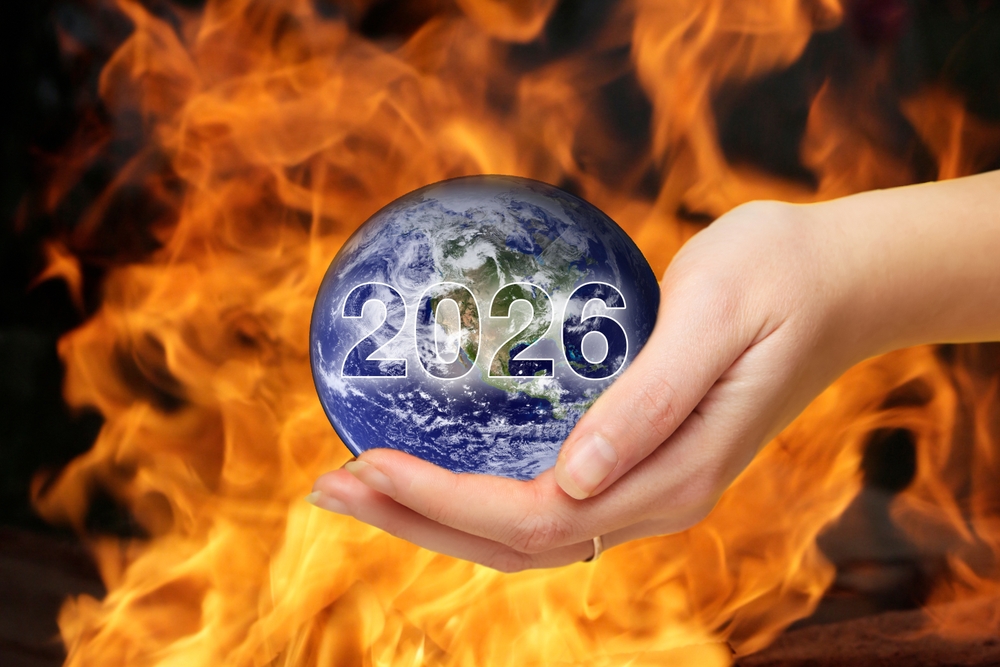
Within the UN system, there is growing acceptance that limiting global warming to 1.5°C is no longer feasible. What once was framed as a temporary overshoot is now viewed as a trigger for irreversible feedback loops—melting permafrost, collapsing ice sheets, and methane release—that will continue regardless of future emissions reductions. The concern is no longer prevention, but damage containment.
The World Meteorological Organization’s 2025 State of the Global Climate report confirmed that greenhouse gas concentrations are at their highest levels in at least 800,000 years. WMO Secretary-General Celeste Saulo warned that even short-term temperature overshoots could lock in permanent ecosystem collapse. UN climate scientists now describe the planet as entering a self-reinforcing warming phase beyond direct human control.
4. Artificial Intelligence Advancing Faster Than Governance

The UN is deeply alarmed by the pace at which advanced artificial intelligence is being developed without corresponding global oversight. The risk is not just job displacement or misinformation, but the weaponization of autonomous systems capable of acting faster than human decision-making. The absence of binding international AI governance creates a dangerous vacuum.
Officials warn that AI-enabled cyberattacks, surveillance states, and autonomous weapons could destabilize global security before regulations catch up. The fear is a “black box” escalation—where systems trigger crises that humans cannot interrupt or fully understand.
5. Hunger Being Used as a Weapon of War
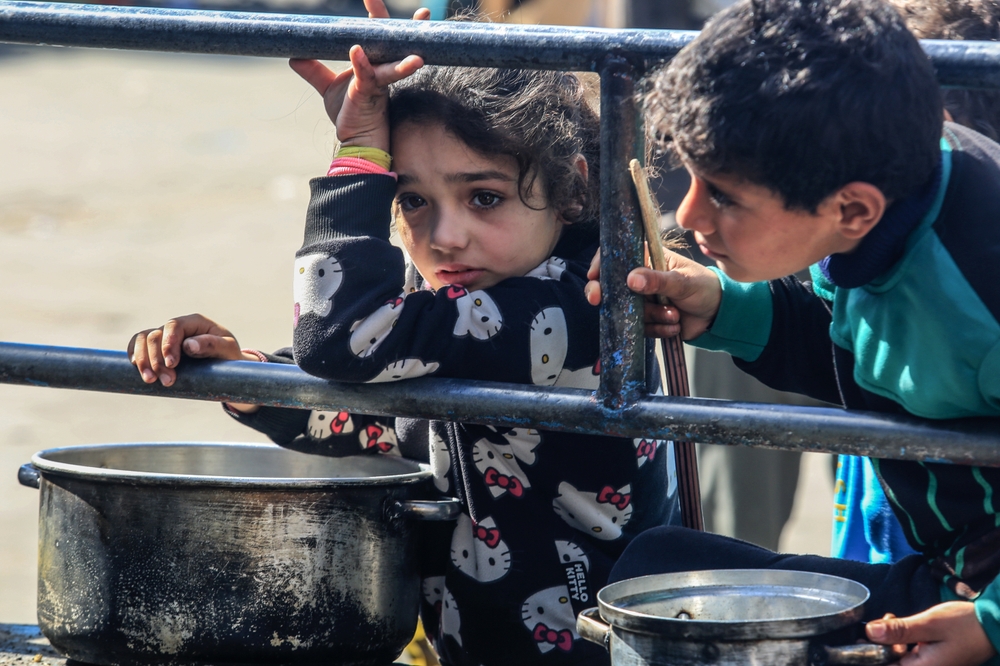
Hunger in 2026 is no longer viewed solely as a humanitarian failure—it is increasingly a deliberate tactic. Food supplies are being blocked, farmland destroyed, and aid routes restricted as tools of political leverage. The UN warns that manufactured starvation is emerging as a normalized feature of modern conflict.
The UN’s 2025 Sustainable Development Goals Report found that one in twelve people worldwide is now experiencing chronic hunger, with nearly a quarter of humanity living in conflict-affected regions. Guterres noted that less than 4% of global military spending could eradicate extreme hunger, yet political will remains absent. The UN fears famine will soon rival armed conflict as a leading cause of mass death.
6. The Breakdown of Shared Reality in a Post-Truth World

Misinformation and disinformation are eroding the basic conditions required for cooperation. Deepfakes, algorithm-driven echo chambers, and state-sponsored propaganda have fractured public consensus on facts themselves. Without shared truth, collective problem-solving becomes impossible.
UN officials warn that this informational collapse undermines responses to pandemics, climate emergencies, and security threats alike. When reality itself is contested, policy loses legitimacy and trust disintegrates—leaving societies vulnerable to manipulation and internal collapse.
7. Nuclear Risk Returning to Cold War Levels—and Beyond
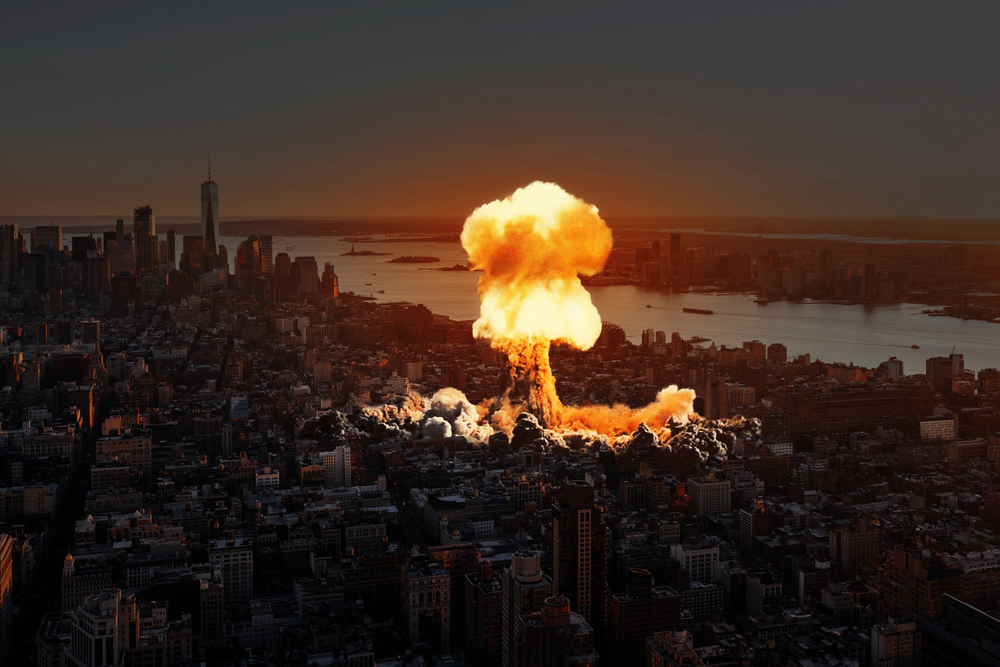
The UN believes the risk of nuclear confrontation is higher now than at any point since the Cold War. Arms control treaties have eroded, modernization programs are accelerating, and rhetoric around “tactical” nuclear use is lowering psychological barriers. Miscalculation, not intent, is now considered the greatest danger.
The 2025 Global Peace Index reported that every nuclear-armed state has expanded or modernized its arsenal since 2022. Analysts warned that the internationalization of conflicts and the collapse of diplomatic guardrails have removed critical safeguards. UN officials fear humanity is relearning nuclear restraint only after catastrophe.
8. Sovereign Debt Trapping Entire Regions

Many developing nations are entering a debt spiral where repayment obligations exceed their capacity to invest in public services. Climate disasters, currency shocks, and rising interest rates compound the problem. The UN warns that financial collapse in these regions could trigger political instability and mass migration.
Debt restructuring mechanisms remain slow and politically fraught. Without reform, economic desperation could fuel authoritarianism, conflict, and regional collapse.
9. Ocean Deoxygenation and the “Blue Carbon” Illusion

Oceans are losing oxygen at alarming rates due to warming and pollution, threatening marine food chains. At the same time, carbon offset schemes based on “blue carbon” ecosystems are increasingly criticized as inadequate or misleading. The UN fears false solutions are delaying real action.
Marine scientists warn that collapsing fisheries could destabilize food security for billions. The ocean, once humanity’s buffer, is becoming a liability.
10. Identity-Based Violence and Atrocity Crimes

Ethnic, religious, and identity-based violence is rising globally, fueled by polarization and disinformation. The UN warns that atrocity crimes are becoming easier to incite and harder to prevent in fractured societies.
Early-warning mechanisms are failing as political polarization paralyzes intervention. The fear is a return to mass violence normalized by ideology.
11. Fragmentation of Ecosystems Beyond Recovery

Habitat destruction is breaking the biological “connectivity” that ecosystems need to function. Species migration routes are severed, accelerating extinction rates. The UN views this as a direct threat to food systems, disease control, and climate resilience.
Biodiversity loss is no longer gradual—it is cascading.
12. Financial Instability Undermining Global Peace

Economic shocks are increasingly triggering geopolitical conflict. Currency crises, trade fragmentation, and sanctions are weaponized, destabilizing alliances. The UN fears economic warfare may replace diplomacy altogether.
Without coordinated financial governance, instability becomes contagious.
13. Mass Displacement on an Unprecedented Scale
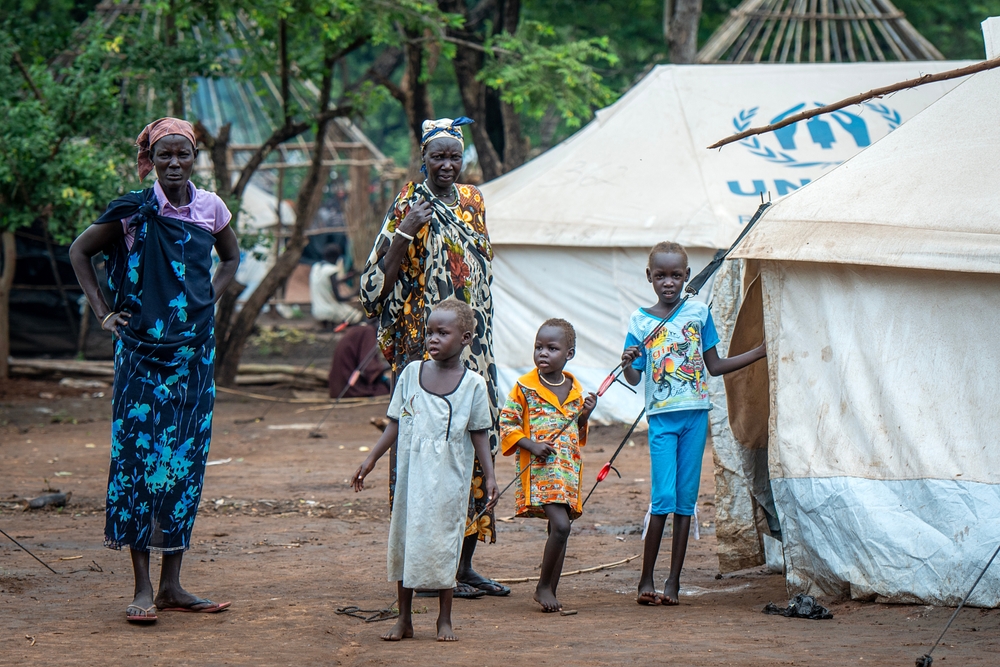
The UN projects that climate change, conflict, and economic collapse could displace over 150 million people by the early 2030s. Migration pressures will strain borders, fuel nationalism, and destabilize regions.
Officials warn that the world lacks both the infrastructure and political will to respond humanely. Displacement, once temporary, is becoming permanent.