
When considering adding a second dog to your family, it can be easy to assume that any two breeds will get along like peanut butter and jelly. However, just like people, not all dogs are destined to become best friends. Certain breed combinations can lead to tension and conflict, making your home more like a battleground than a peaceful sanctuary. Here are 13 dog pairs that behavior experts suggest you might want to avoid bringing together under one roof, along with some insights on why these particular duo dynamics can spell trouble.
1. German Shepherd and Chihuahua

Imagine introducing a German Shepherd—known for its intelligence and protective nature—to a Chihuahua, famed for its feistiness and territorial instincts. While both breeds are undoubtedly loyal, their methods of displaying this loyalty can clash dramatically. The German Shepherd’s size and herding instinct may overwhelm the tiny and assertive Chihuahua, leading to stress and potential aggression. According to Dr. Sophia Yin, a veterinarian and applied animal behaviorist, size disparity combined with contrasting behavioral tendencies can create a volatile environment.
If you’ve ever seen a Chihuahua hold its ground against a much larger dog, you understand their fearless attitude, but this might not bode well with a breed like the German Shepherd. The shepherd’s natural protective instincts might misinterpret the Chihuahua’s assertive behavior as a threat. This could lead to unwanted tension and stress for both dogs. To avoid potential chaos and ensure compatibility, it’s crucial to consider temperament as much as physical traits when choosing dog companions.
2. Jack Russell Terrier and Great Dane
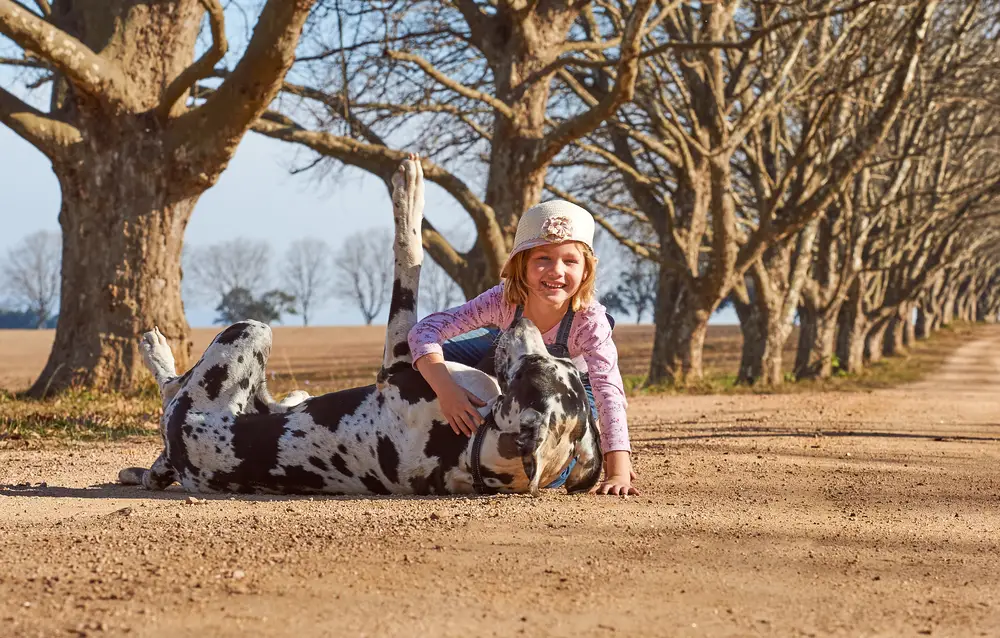
Pairing a Jack Russell Terrier with a Great Dane is like combining a dynamo with a gentle giant—two vastly different energies under one roof. Jack Russells are known for their boundless energy, intelligence, and need for constant stimulation. On the other hand, Great Danes, while also affectionate and friendly, have a more relaxed and laid-back demeanor. This fundamental difference in energy levels could lead to frustration for the Jack Russell and annoyance for the Great Dane.
While both breeds are affectionate in their own right, their play styles and exercise needs are on opposite ends of the spectrum. The Jack Russell’s high-energy antics might be too much for the more easygoing Great Dane, who prefers a lazy afternoon nap over relentless play. This mismatch can result in one dog becoming stressed or anxious, potentially leading to behavioral issues. It’s essential to consider whether both dogs’ lifestyles and needs can be adequately met before bringing them into a shared living space.
3. Siberian Husky and Shih Tzu
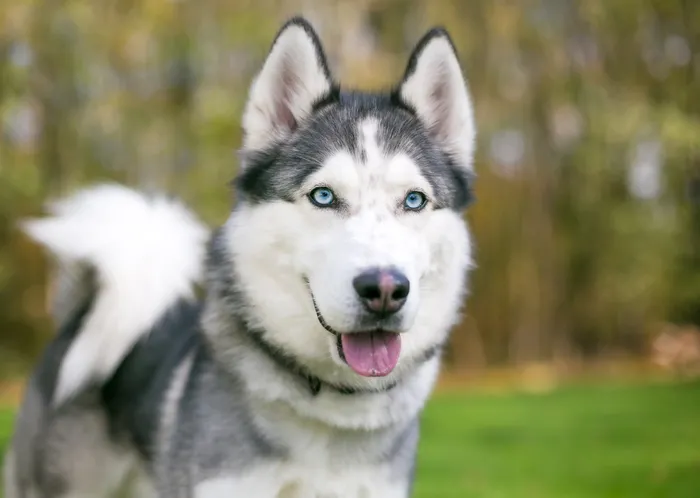
A Siberian Husky and a Shih Tzu living together might sound like an adorable odd couple, but their differences can lead to significant challenges. Huskies are highly energetic, independent, and require extensive exercise and mental stimulation. In contrast, Shih Tzus are more content with a leisurely lifestyle filled with cuddles and short walks. This contrast in exercise and social needs can create a mismatch that leaves one or both dogs feeling frustrated or neglected.
According to a study published in the Journal of Veterinary Behavior, mismatched exercise needs are a leading cause of stress in multi-dog households. The high-energy Husky might try to engage the Shih Tzu in rough play, which can be overwhelming for the more delicate breed. This can lead to stress and anxiety for the Shih Tzu, who may resort to defensive behaviors. Providing separate exercise routines and ensuring both dogs’ needs are met is vital when considering such a pairing.
4. Border Collie and Bulldog

Bringing a Border Collie and a Bulldog together can be like mixing oil and water, given their vastly different energy levels and temperaments. Border Collies are renowned for their intelligence, agility, and need for mental challenges, while Bulldogs are known for their calm, relaxed nature and preference for lounging. This stark contrast can lead to frustration for the Border Collie and annoyance for the Bulldog, who may not appreciate being nudged into activity.
The Border Collie’s need for constant stimulation can drive it to pester the Bulldog, who may not share the same enthusiasm for play. This mismatch in energy can lead to tension, and in some cases, aggressive behavior if either dog becomes stressed. To keep the peace, it’s important to ensure that both breeds have their needs met individually. Enriching activities for the Border Collie and plenty of rest for the Bulldog can help manage these differences.
5. Rottweiler and Pomeranian
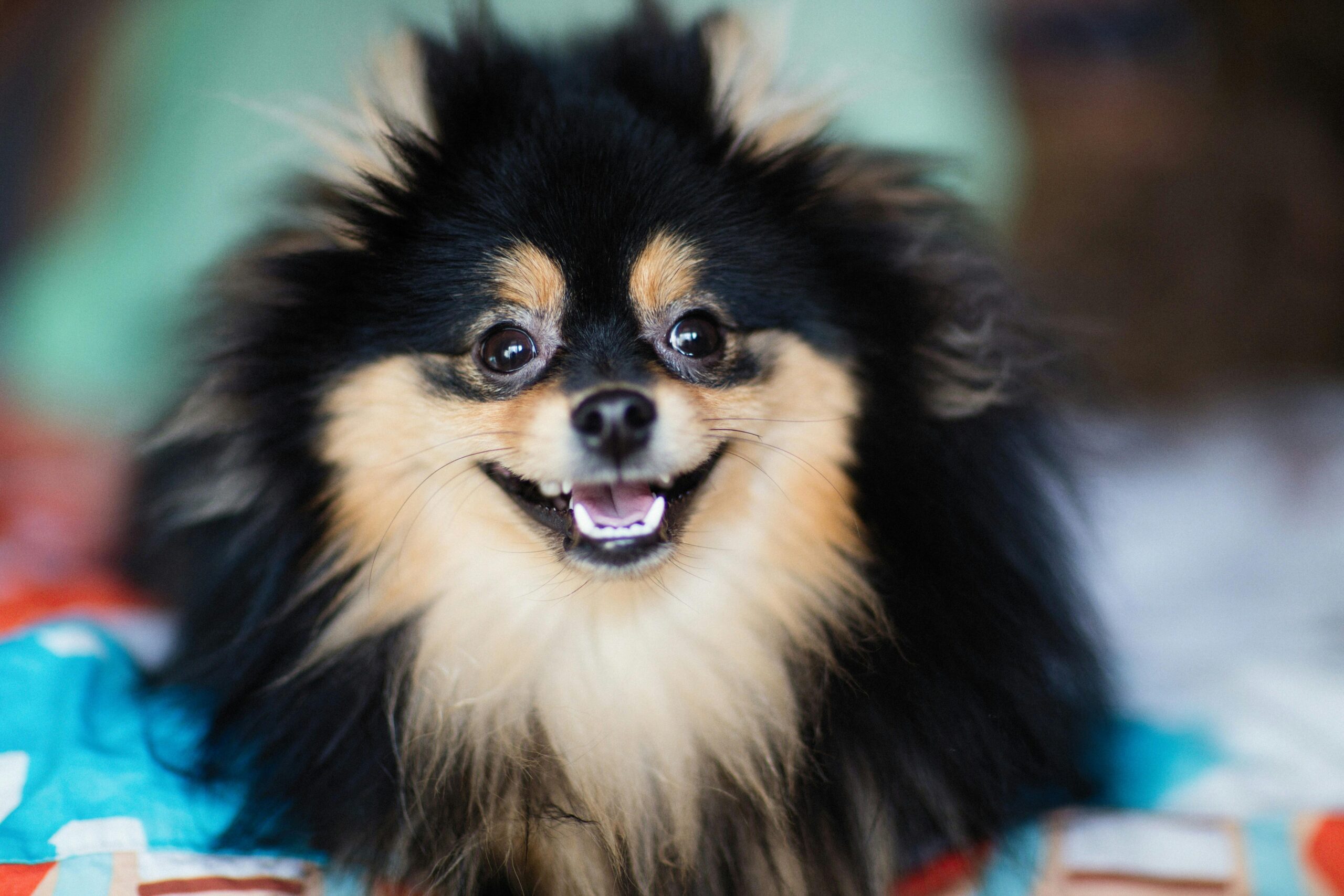
The combination of a Rottweiler and a Pomeranian might initially seem like an amusingly mismatched duo, but the reality can be far from idyllic. Rottweilers are known for their strength, loyalty, and protective instincts, while Pomeranians are spirited, vocal, and often fearless. This disparity in size and temperament can lead to misunderstandings between the two breeds, potentially escalating into aggression or injury.
Dr. Debra Horwitz, a board-certified veterinary behaviorist, highlights the importance of considering behavioral tendencies when pairing dogs of different sizes. The Rottweiler’s robust play style could inadvertently harm the much smaller Pomeranian, who might react defensively. Conversely, the Pomeranian’s bold temperament might provoke the Rottweiler, leading to unwanted conflict. Understanding each breed’s tendencies and providing appropriate boundaries and supervision can help mitigate these risks.
6. Dalmatian and Basset Hound
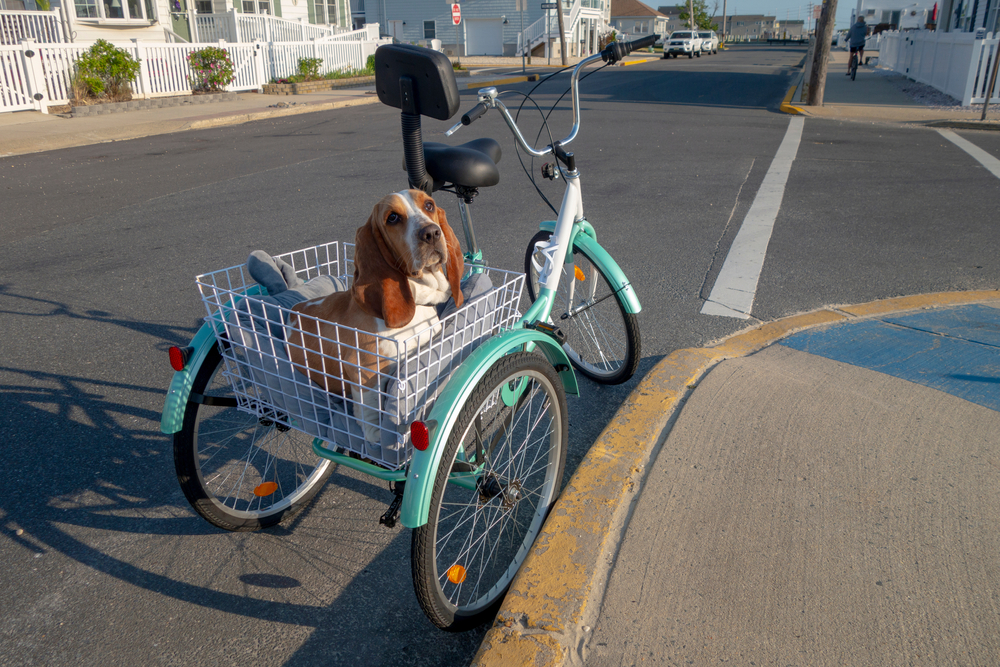
A Dalmatian paired with a Basset Hound can lead to a clash of exercise needs and temperaments. Dalmatians are active, athletic, and require plenty of exercise to remain happy and healthy. In contrast, Basset Hounds are more laid-back, enjoying leisurely walks and plenty of time lounging around. This fundamental difference can lead to one dog feeling overstimulated and the other under-stimulated.
The Dalmatian’s need for active play and mental stimulation might be too much for the Basset Hound, who may not appreciate being dragged into high-energy activities. Conversely, the Basset Hound’s more sedentary lifestyle might leave the Dalmatian feeling bored and restless. Balancing these differing needs can be challenging, requiring a commitment to separate exercise routines and enrichment activities. Ensuring both dogs have their needs met is crucial for a harmonious household.
7. Boxer and Cocker Spaniel

While Boxers and Cocker Spaniels can both be wonderful companions individually, their combination can lead to challenges stemming from their differing energy levels and social needs. Boxers are known for their playful, high-energy nature, while Cocker Spaniels are slightly more reserved and may prefer quieter environments. This difference in energy and play style can lead to miscommunication and frustration between the breeds.
According to the American Kennel Club, understanding a breed’s exercise and social needs is vital when considering multi-dog households. Boxers, with their boundless enthusiasm, may unintentionally overwhelm a Cocker Spaniel, leading to stress or anxiety. Conversely, the Cocker Spaniel’s more reserved nature might not satisfy the Boxer’s need for active play. Finding a balance through managed interactions and ensuring both dogs’ needs are adequately met is key to a peaceful coexistence.
8. Alaskan Malamute and Pekingese
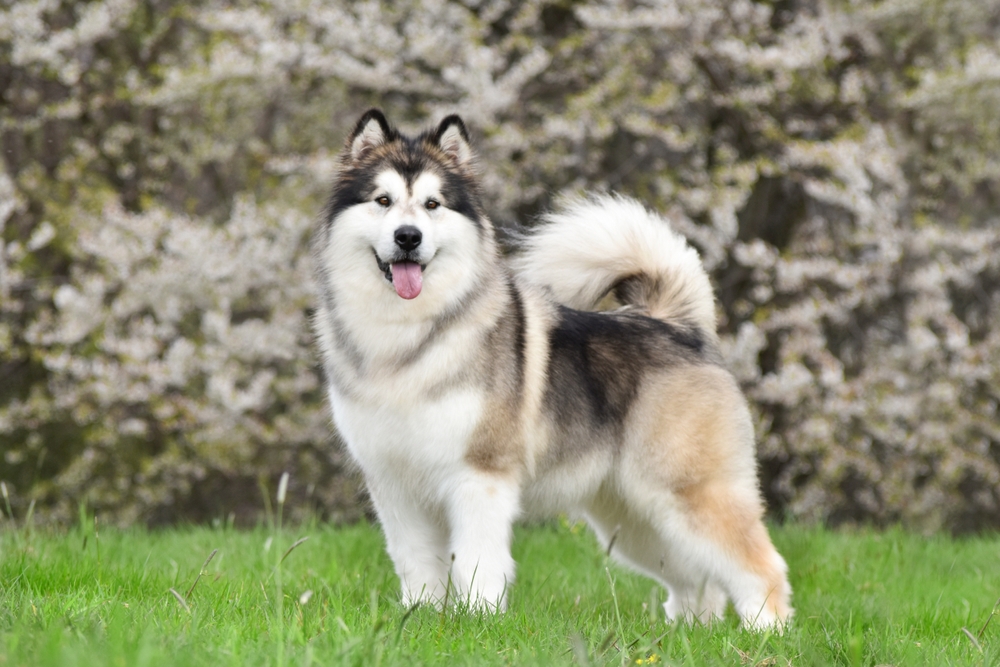
Pairing an Alaskan Malamute with a Pekingese might seem like a quirky duo, but these breeds are likely to clash due to their different needs and temperaments. Alaskan Malamutes are powerful, energetic, and require significant exercise and mental stimulation. On the other hand, Pekingese are more content with a relaxed lifestyle and shorter periods of activity. This incompatibility can lead to frustration and stress for both dogs.
The Malamute’s high-energy play style might be overwhelming for the Pekingese, who may not appreciate such intense interaction. Additionally, the Pekingese’s independent and somewhat stubborn nature could clash with the Malamute’s need for companionship and play. This mismatch requires careful management to ensure both dogs have their social and exercise needs met separately. Encouraging positive interactions and providing individual activities can help mitigate potential issues.
9. Labrador Retriever and Boston Terrier
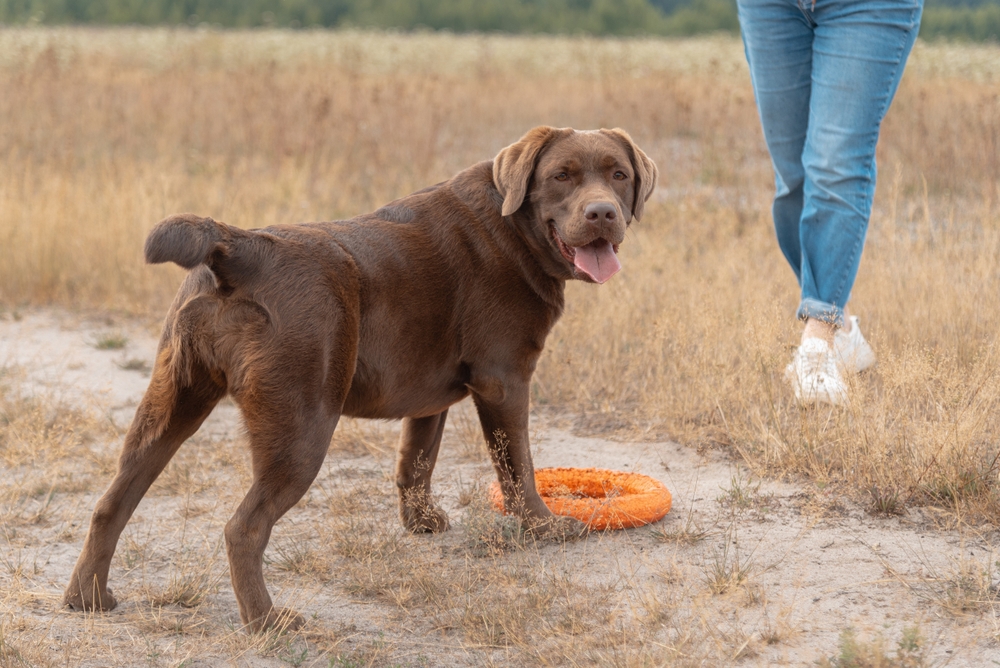
At first glance, a Labrador Retriever and a Boston Terrier might seem like a harmonious match, but their differing exercise and temperament needs can create challenges. Labradors are known for their friendly, energetic nature and require plenty of exercise and social interaction. Boston Terriers, while also social, are more moderate in their exercise needs and may prefer less rambunctious play.
The Labrador’s exuberant play style might be too much for the Boston Terrier, who may not appreciate such high-energy antics. This disparity can lead to frustration for both dogs, with the Labrador feeling under-stimulated and the Boston Terrier overwhelmed. Finding a balance involves providing separate playtimes and ensuring each dog’s needs are met individually. Understanding and respecting each breed’s unique characteristics is essential for a peaceful coexistence.
10. Beagle and French Bulldog
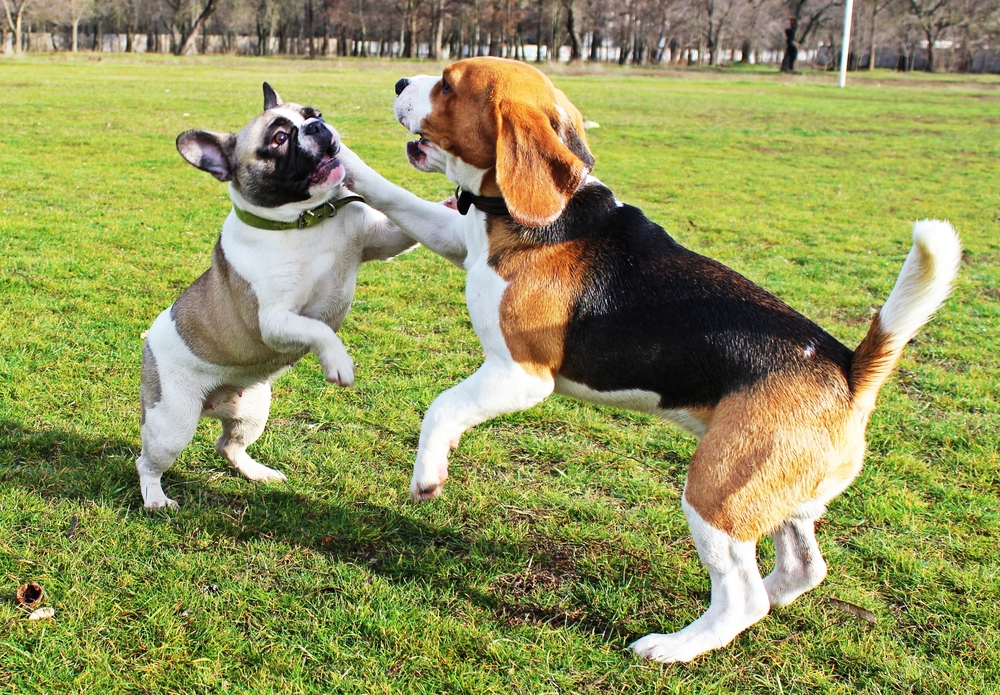
Combining a Beagle with a French Bulldog might appear charming, but their differing temperaments and energy levels could lead to friction. Beagles are known for their curiosity, energy, and need for mental stimulation, often requiring plenty of exercise to remain content. French Bulldogs, in contrast, have a more laid-back approach and can be prone to overheating, preferring shorter, less strenuous activities.
This mismatch in energy and exercise needs can create tension, with the Beagle seeking more active play than the French Bulldog is willing or able to provide. Additionally, the Beagle’s strong scent-driven instincts might not mesh well with the French Bulldog’s preference for a more relaxed lifestyle. Ensuring that both dogs have their needs met individually, with appropriate exercise and mental stimulation, is crucial for their happiness and well-being. Balancing these needs can help foster a harmonious relationship between the two breeds.
11. Australian Shepherd and Pug
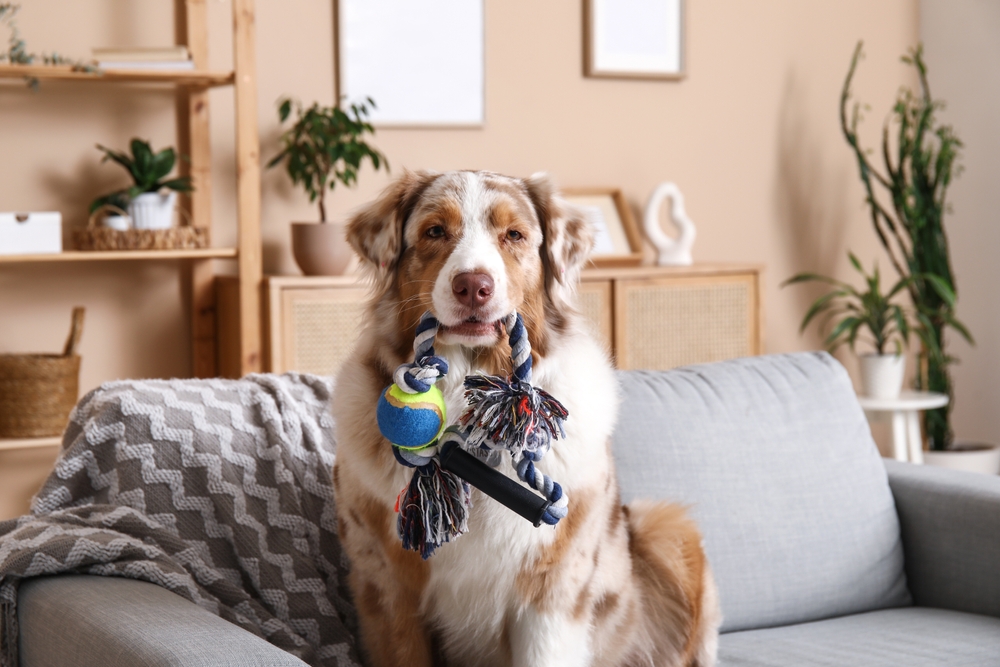
Pairing an Australian Shepherd with a Pug might lead to a clash of energy levels and social needs. Australian Shepherds are active, intelligent, and require significant exercise and mental stimulation. Pugs, while social and affectionate, are more suited to a relaxed lifestyle with moderate exercise. This fundamental difference can lead to one dog feeling overstimulated and the other under-stimulated.
The Australian Shepherd’s need for active play and mental challenges might be too much for the Pug, who may prefer quieter activities. Conversely, the Pug’s more laid-back nature might leave the Australian Shepherd feeling bored and restless. Balancing these differing needs can be challenging, requiring a commitment to separate exercise routines and enrichment activities. Ensuring both dogs have their needs met is crucial for a harmonious household.
12. Golden Retriever and Dachshund

Combining a Golden Retriever with a Dachshund might seem like a delightful mix, but their differing temperaments and play styles could lead to conflict. Golden Retrievers are friendly, energetic, and thrive on social interaction and exercise. In contrast, Dachshunds, while also social, can be more independent and may have a feisty side, preferring different types of play.
The Golden Retriever’s exuberant play style might be too much for the Dachshund, who may not appreciate such high-energy antics. This disparity can lead to frustration for both dogs, with the Golden Retriever feeling under-stimulated and the Dachshund overwhelmed. Finding a balance involves providing separate playtimes and ensuring each dog’s needs are met individually. Understanding and respecting each breed’s unique characteristics is essential for a peaceful coexistence.
13. Doberman Pinscher and Bichon Frise

The combination of a Doberman Pinscher and a Bichon Frise might create more friction than harmony due to their differing energy levels and social needs. Dobermans are known for their intelligence, loyalty, and need for extensive exercise and mental stimulation. Bichon Frises, on the other hand, are friendly and social but have more moderate exercise needs and a preference for calm, social environments.
The Doberman’s high-energy play and protective instincts might be too much for the Bichon Frise, who may not appreciate such intensity. This mismatch can result in stress and anxiety for the Bichon Frise, who may resort to defensive behaviors. Providing separate exercise routines and ensuring both dogs’ needs are met is vital when considering such a pairing. Encouraging positive interactions and providing individual activities can help mitigate potential issues.