
There’s a growing concern about climate change, and the concept of “wet bulb” conditions is a stark reminder of its severity. Wet bulb temperature is a critical measure, indicating a combination of heat and humidity that, beyond a certain threshold, becomes unbearable for humans. Scientists predict that several cities around the globe could become uninhabitable due to these extreme conditions by 2040. As you read through this list, envision the tangible changes climate scientists are warning us about, and consider the impact on millions of lives.
1. Dubai, United Arab Emirates
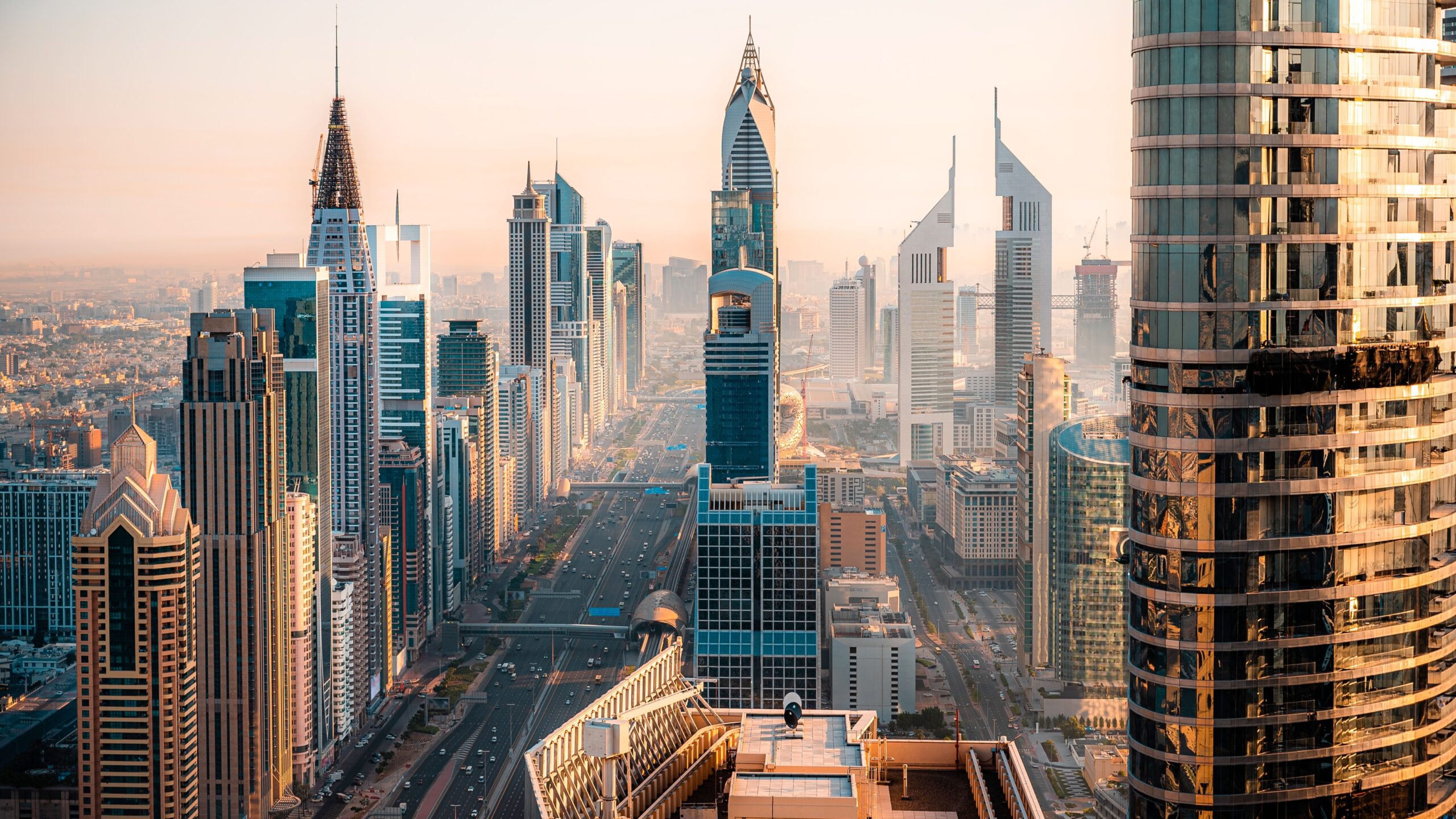
Dubai is synonymous with luxury and innovation, yet it faces a looming climate challenge. The soaring temperatures combined with high humidity could approach lethal levels, pushing it into the “wet bulb” danger zone. According to a study by MIT, the Gulf region might experience severe heat stress conditions, making outdoor human activity nearly impossible. Imagine trying to enjoy a walk through Dubai’s glittering cityscape, only to find it inhospitable due to the relentless climate.
In the face of these predictions, Dubai is not sitting idly by. The city is investing in technology and infrastructure to combat these extreme conditions, including cooling innovations and green architecture. But as a visitor or resident, you might still find yourself relying heavily on air-conditioned environments. The challenge will be whether these innovations can outpace the rapidly advancing impacts of climate change.
2. Karachi, Pakistan

Karachi, a bustling metropolis, is already familiar with extreme weather conditions. However, climate models suggest these could intensify to levels that exceed human endurance. The city’s dense population and limited resources magnify its vulnerability to “wet bulb” scenarios. Picture Karachi’s vibrant streets, which could go eerily silent during peak heat periods, as people seek refuge indoors.
The city is grappling with balancing economic growth with sustainable practices. Green spaces and improved urban planning are on the agenda, but they face challenges such as political will and funding. As a resident or visitor, the key will be adapting to a lifestyle that conserves resources while maximizing comfort. Karachi’s ability to weather these changes will depend significantly on community-driven initiatives and international support.
3. Kolkata, India
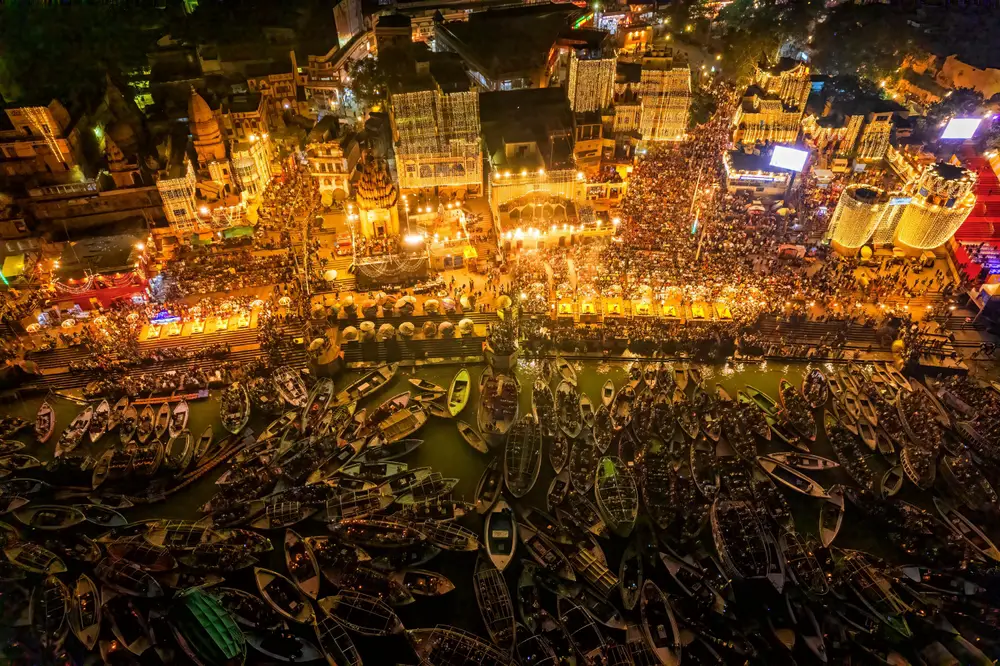
Kolkata, with its rich cultural backdrop, may face climate-driven upheaval. Recent studies highlight the city as a potential hotspot for dangerous “wet bulb” temperatures. A collaboration between the University of California, Berkeley, and IIT Delhi suggests that South Asian cities, including Kolkata, could experience deadly heatwaves more frequently. As you navigate its historic streets, you might soon find the heat a formidable opponent to Kolkata’s charm.
Despite these challenges, Kolkata is making strides towards resilience. Efforts to expand green cover and improve water management are underway, but the pace needs to quicken. Local governments are increasingly aware of the impending threat and are seeking innovative solutions. For the people of Kolkata, adaptation will be both a personal and community endeavor, with awareness and preparedness as crucial components.
4. Lagos, Nigeria
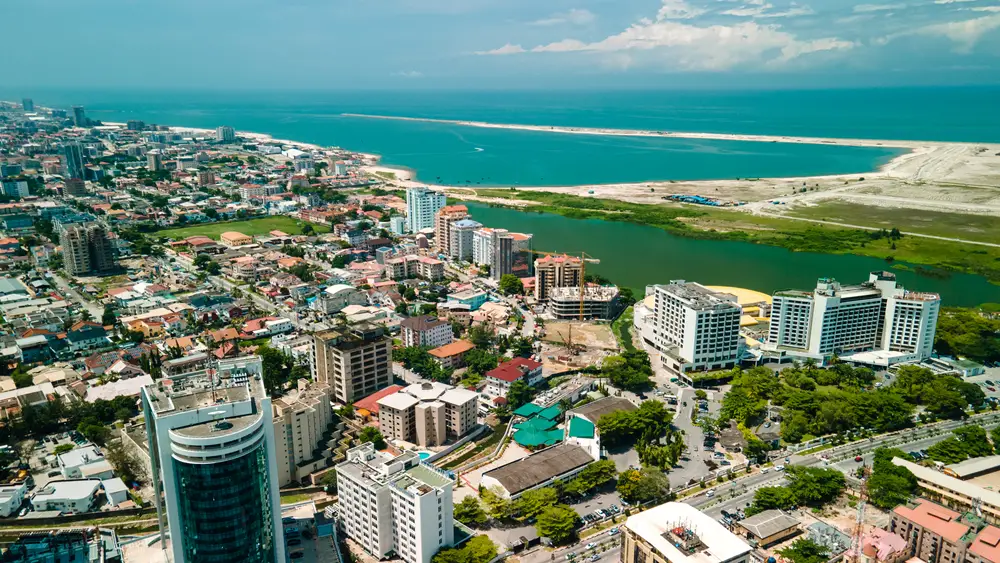
Lagos is vibrant, bustling, and teeming with life, but its climate future is concerning. The city’s proximity to the coast makes it particularly susceptible to both rising sea levels and extreme heat conditions. Imagine the blend of vibrant street life and cultural energy dampened by climate pressures. As the temperatures soar, daily life in Lagos could become a struggle against the elements.
The city is focusing on sustainable urban development to mitigate these risks. Initiatives to improve infrastructure resilience and boost green spaces are in progress, aiming to create a cooler urban environment. Yet, the reality for many Lagosians will likely include adapting to more indoor living during peak heat times. The resilience of the community will be tested as these climate predictions become reality, demanding both innovation and traditional wisdom.
5. Dhaka, Bangladesh
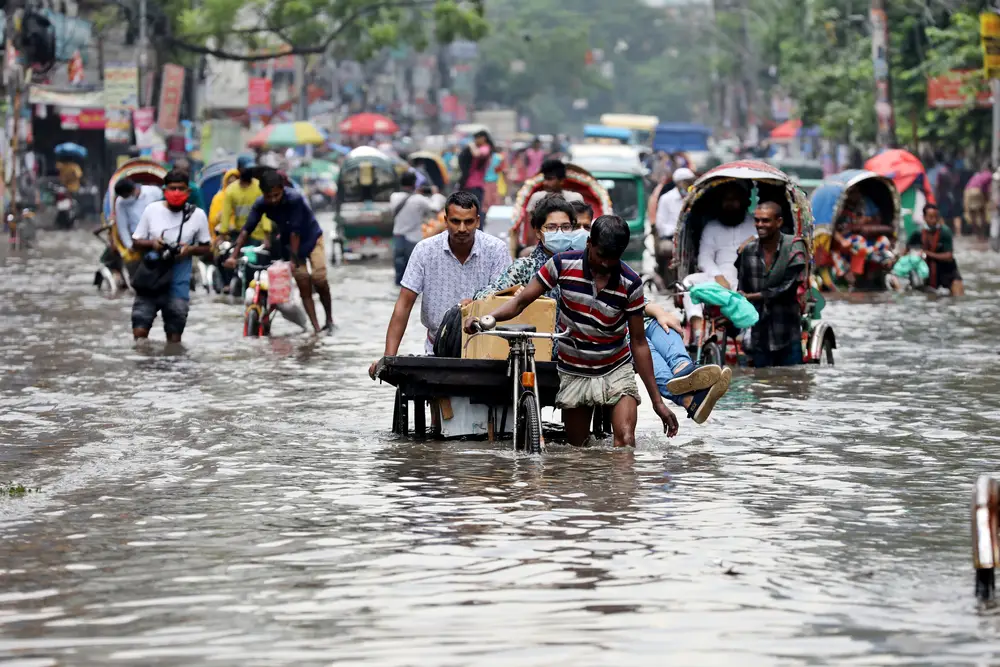
With its dense population and low-lying geography, Dhaka is at high risk of unlivable conditions due to climate change. The city already experiences severe heatwaves and flooding, which studies predict will worsen. Research from the International Centre for Climate Change and Development warns that Dhaka could face some of the harshest climate impacts in South Asia. Picture a city where the hustle and bustle must compete with the relentless and unforgiving climate.
Dhaka is working on adaptation strategies, such as improving flood defenses and enhancing urban greenery. These efforts, however, face significant challenges due to limited resources and rapid urbanization. For the city’s people, enduring the heat may mean a shift in lifestyle and stronger community networks. As you consider the future of Dhaka, the path forward will be a testament to human resilience and innovation in the face of adversity.
6. Bangkok, Thailand
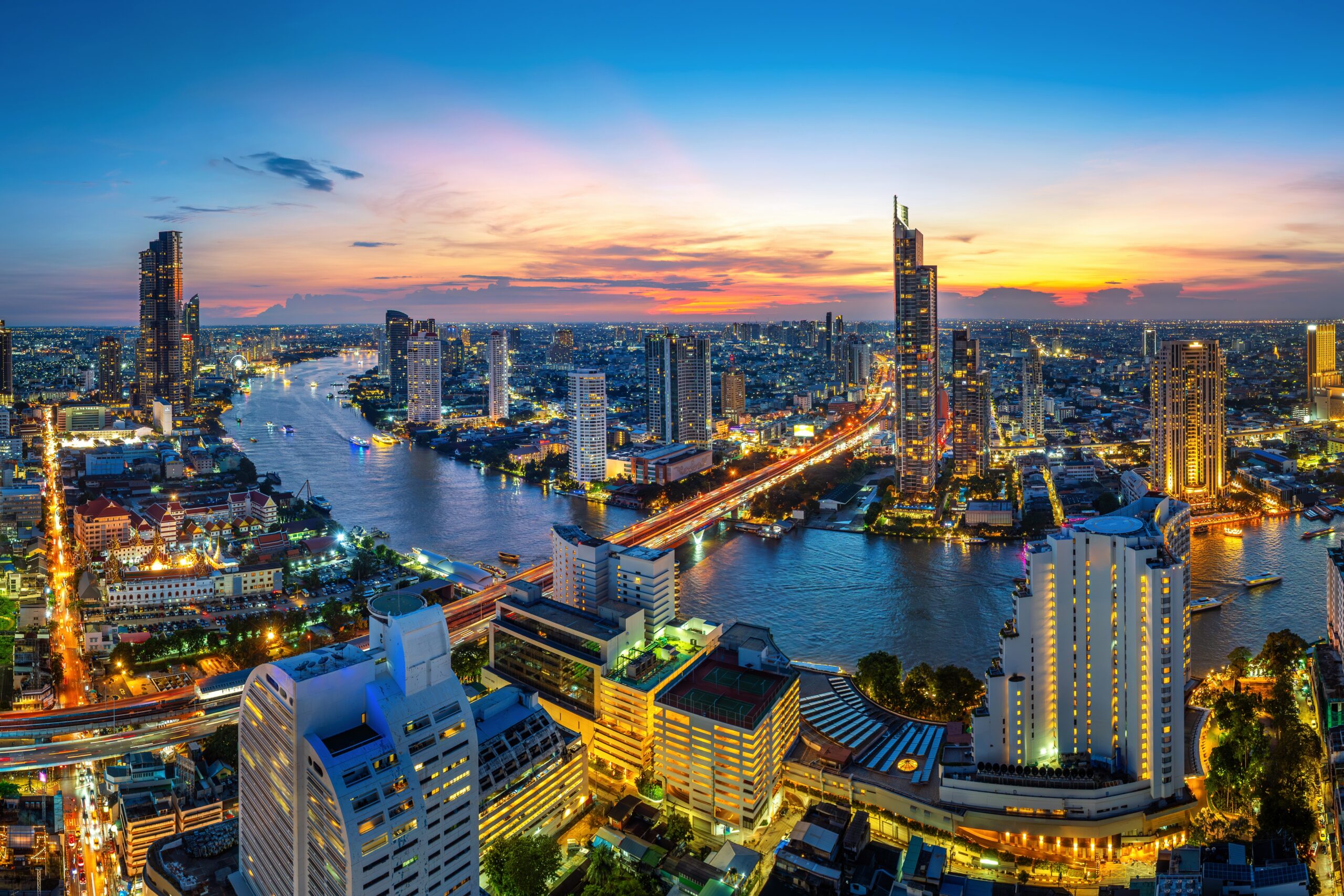
Bangkok, known for its vibrant culture and bustling streets, is facing an uncertain climate future. The combination of extreme heat and humidity threatens to create “wet bulb” conditions that test human limits. Imagine a city where navigating its famous street markets necessitates strategic planning to avoid the hottest parts of the day. As these conditions become more common, Bangkok’s lively atmosphere could be diminished by climate constraints.
In response, Bangkok is developing strategies to bolster its climate resilience. This includes enhancing urban green spaces and investing in sustainable public transport. However, the rapid pace of urbanization poses significant challenges to these efforts. For Bangkok’s residents and visitors, adapting to a changing climate will involve embracing both traditional cooling methods and new technologies.
7. Ho Chi Minh City, Vietnam
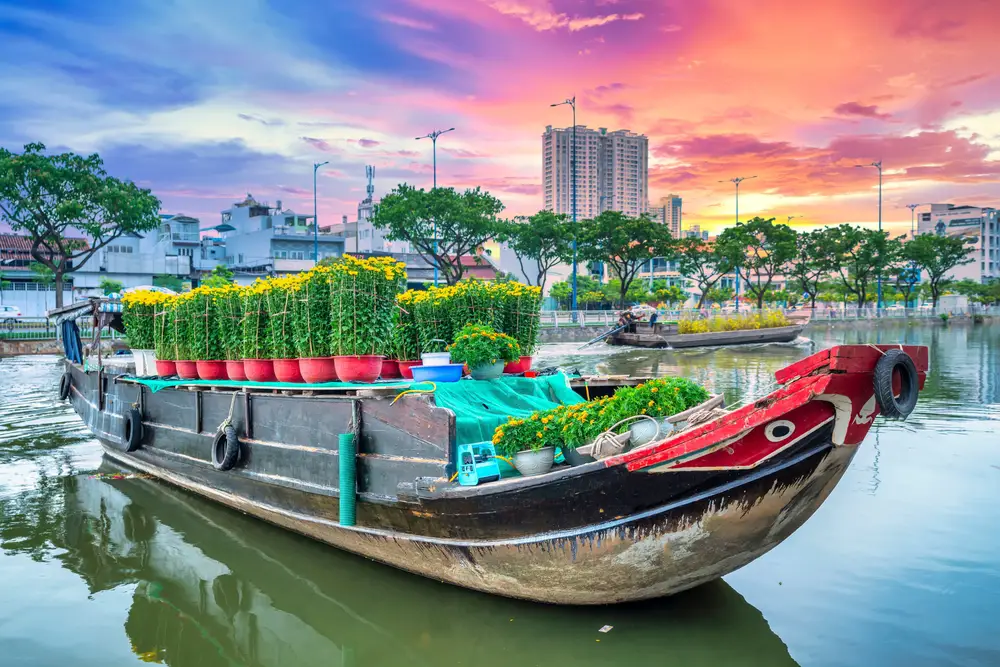
Ho Chi Minh City, with its dynamic urban environment, faces significant climate risks. The city is vulnerable to extreme heat, with projections indicating that it could reach uninhabitable levels by 2040. According to a report by Vietnam’s Institute of Meteorology, Hydrology and Climate Change, the frequency of severe heat events is expected to rise. Envision a city where the bustling energy competes with oppressive heat, making outdoor activities increasingly challenging.
To counter these threats, the city is investing in climate adaptation measures. Urban planning now includes flood defenses and heat mitigation strategies. Yet, the city’s rapid growth and economic development create obstacles to these initiatives. For those living in or visiting Ho Chi Minh City, the future will likely require a balance between tradition and innovation to adapt to these new climate realities.
8. Jakarta, Indonesia
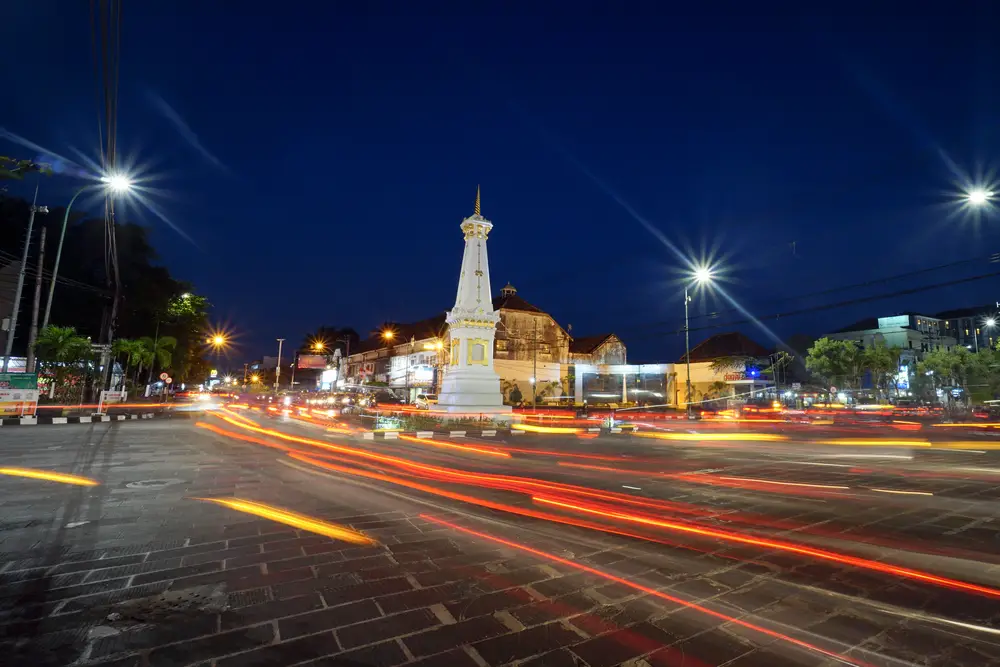
Jakarta, Indonesia’s sprawling capital, is no stranger to climate challenges. The city is not only sinking but also facing rising temperatures that threaten its livability. Imagine navigating Jakarta’s busy streets where enduring the heat becomes a second job. With the combined threats of sinking land and “wet bulb” conditions, Jakarta’s future is daunting.
Efforts are underway to address these issues, including plans to move the capital to a safer location. However, for Jakarta’s residents, the immediate concern remains adapting to the current climate pressures. The city’s resilience will depend on effective governance, strong community networks, and innovative solutions. As Jakarta grapples with these challenges, the focus will be on creating a sustainable and livable urban environment for all.
9. Riyadh, Saudi Arabia
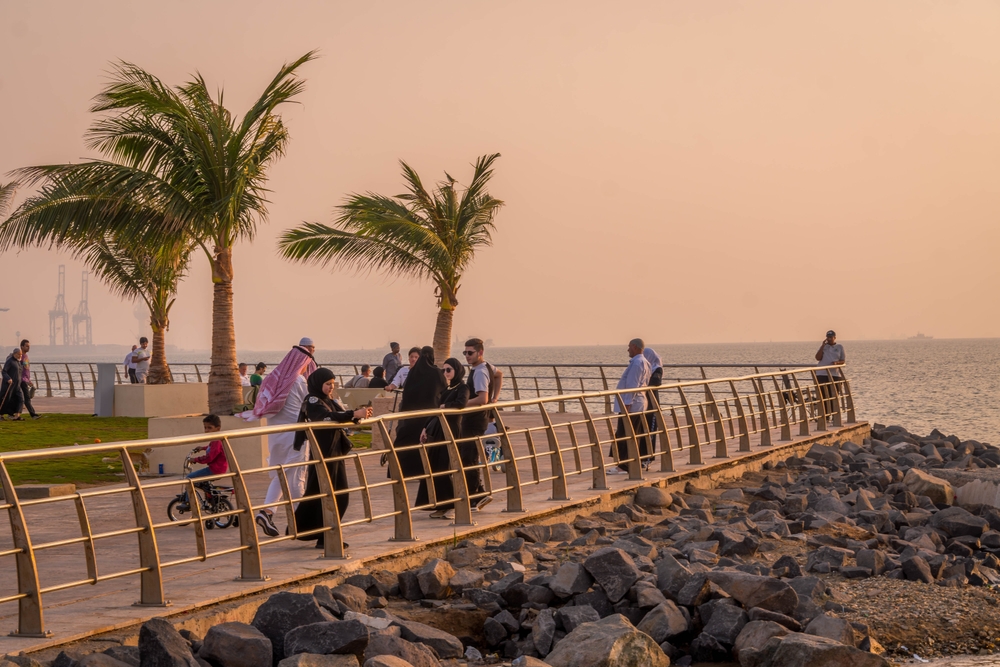
Riyadh, with its desert climate, is already acquainted with extreme heat. However, predictions suggest that humidity levels might rise, pushing the city into dangerous “wet bulb” territory. Picture a world where Riyadh’s iconic desert landscape becomes a barrier to outdoor activity due to unbearable heat. As temperatures rise, the city will need to innovate to maintain its livability.
Saudi Arabia is making significant investments in renewable energy and sustainable infrastructure. Plans for green buildings and cooling technologies are part of the vision to combat extreme heat. Yet, for the people of Riyadh, daily adaptability will be key, requiring reliance on indoor spaces and cooling innovations. The city’s ability to thrive in a warming world will be a testament to both technology and tradition.
10. New Delhi, India
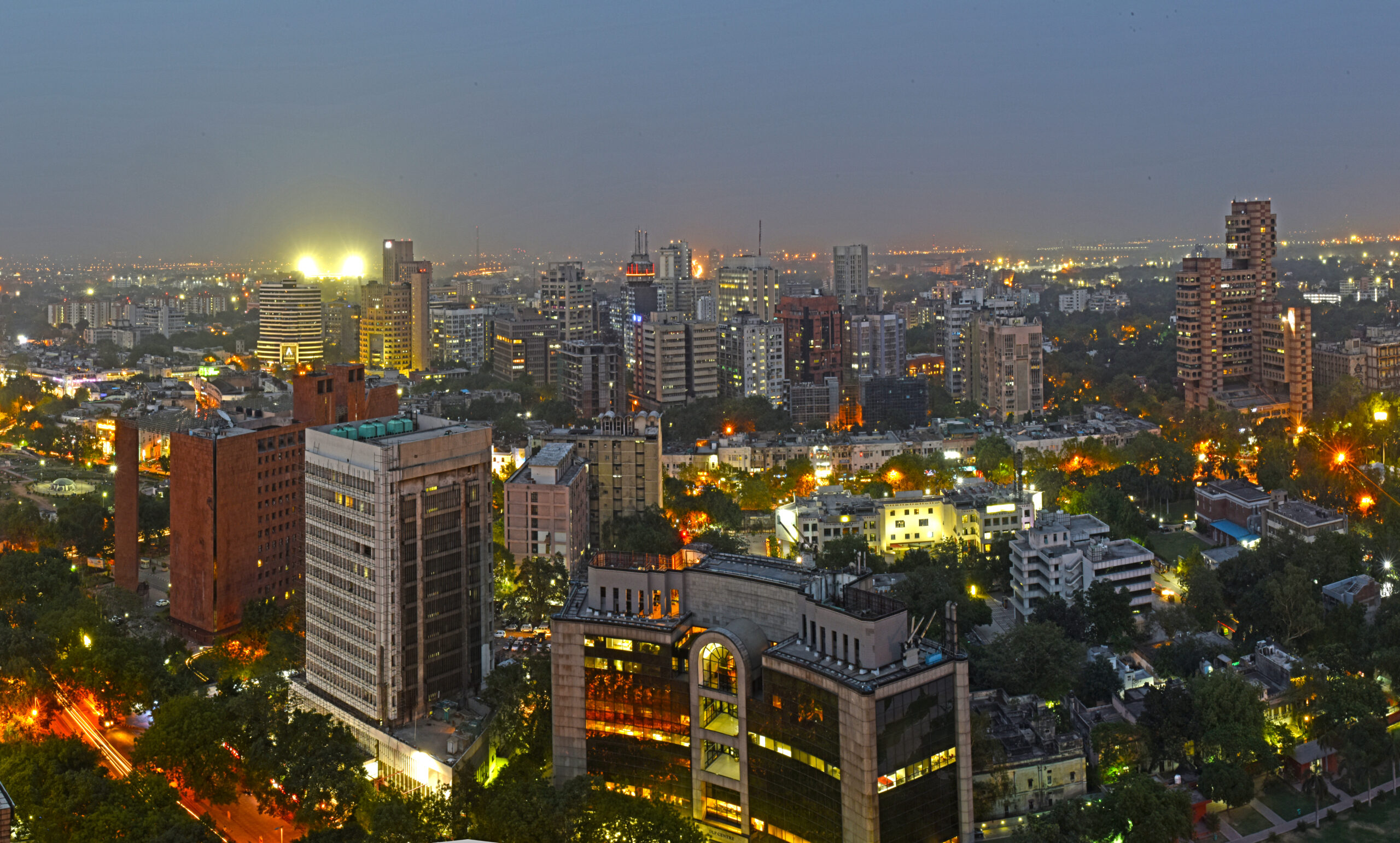
New Delhi already experiences some of the most punishing heatwaves on the planet, and climate scientists warn the worst is still ahead. The city’s combination of extreme temperatures, humidity spikes, and air pollution creates a dangerous multiplier effect on human health. Imagine heat so intense that even shade and hydration stop offering relief during peak summer days. For millions, daily life could shift toward near-total indoor confinement during large parts of the year.
Authorities are experimenting with heat action plans, reflective roofing, and emergency cooling shelters. Still, the city’s massive population makes rapid adaptation difficult. Informal housing areas are especially vulnerable, with limited access to reliable cooling. In New Delhi, wet bulb conditions wouldn’t just be uncomfortable—they could become routinely life-threatening.
11. Manila, Philippines
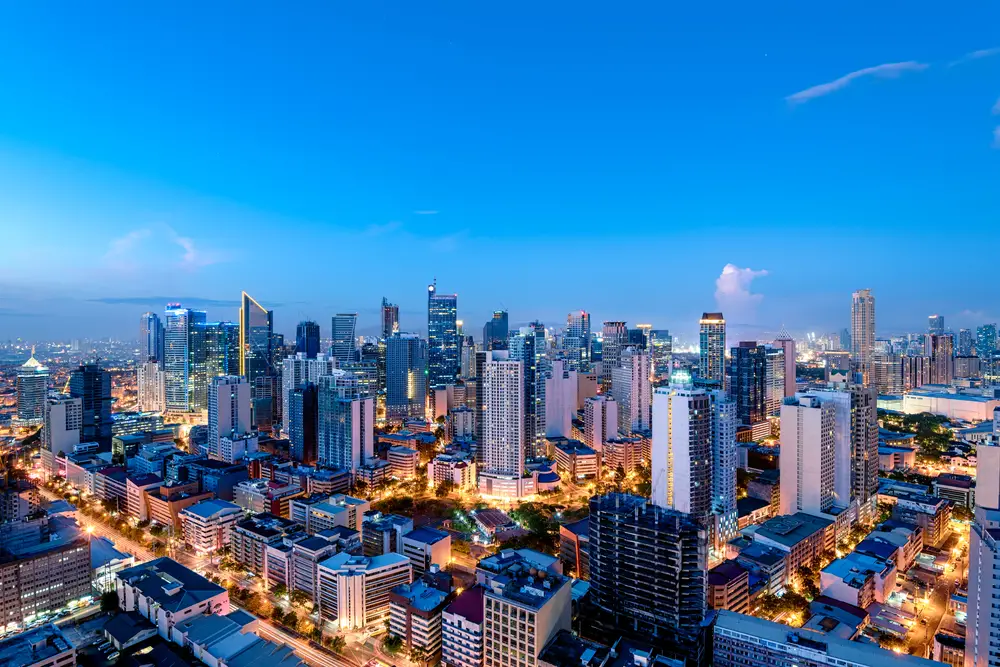
Manila’s tropical climate already pushes the limits of human comfort, and rising humidity could push it into dangerous wet bulb territory. The city’s dense urban layout traps heat, while limited green space reduces natural cooling. Picture a city where commuting, outdoor work, and even sleep become increasingly difficult during long heat stretches. The strain on public health systems could be enormous.
Government initiatives are focusing on climate-resilient infrastructure and disaster preparedness. However, rapid urban growth and coastal flooding complicate long-term solutions. For many residents, adaptation may mean altered work hours and increased dependence on cooling centers. Manila’s future will hinge on how quickly it can cool itself—both physically and structurally.
12. Houston, Texas
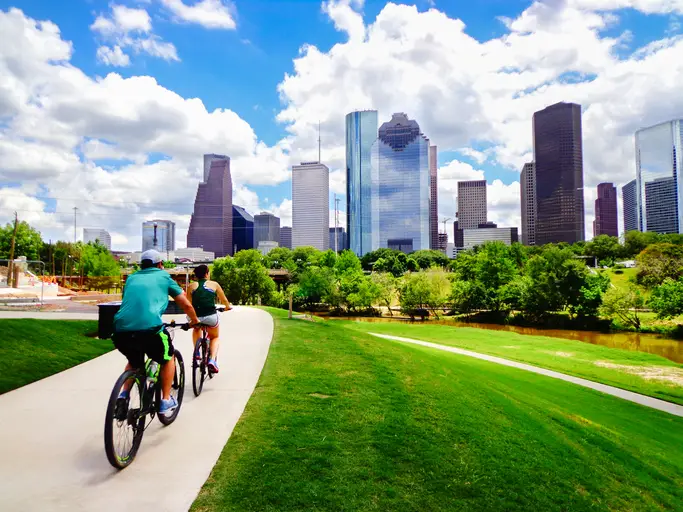
Houston may not be the first city people think of when imagining uninhabitable heat, but scientists are paying close attention. High humidity from the Gulf combined with rising temperatures creates conditions ripe for dangerous wet bulb events. Imagine a city where stepping outside feels physically overwhelming for extended periods. The risk is especially high for outdoor workers and low-income communities.
While Houston has extensive air-conditioning infrastructure, reliance on constant cooling carries its own risks. Power outages during extreme heat could quickly turn deadly. Urban sprawl and limited public transit further complicate resilience efforts. Houston’s challenge will be balancing energy demand with human survival.
13. Miami, Florida
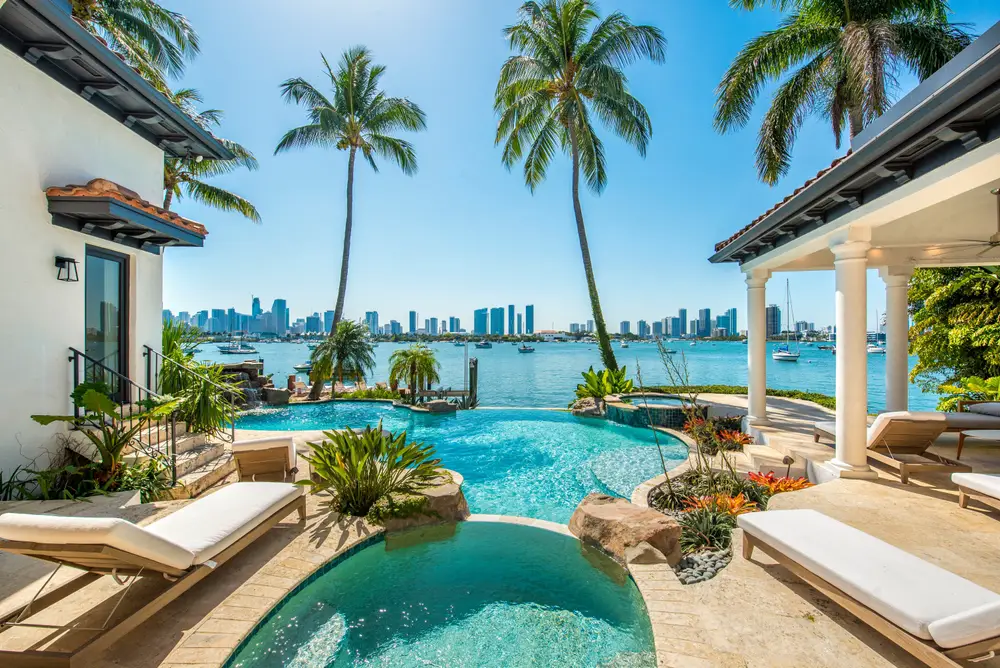
Miami’s future is shaped by a dangerous trio: heat, humidity, and rising seas. While flooding often dominates the conversation, extreme heat may prove equally disruptive. Picture a coastal city where summer days regularly cross the threshold of human tolerance. Tourism, outdoor life, and even basic errands could be severely constrained.
The city is investing heavily in climate adaptation, from elevated infrastructure to cooling strategies. But humidity makes Miami especially vulnerable to wet bulb conditions. Wealth may offer temporary protection through technology, but it can’t change atmospheric limits. Miami’s climate reckoning may arrive faster than its iconic skyline expects.