
Cats get labeled as aloof because they don’t perform affection the way dogs do. They don’t chase approval, they don’t default to constant contact, and they don’t broadcast loyalty loudly. But what often looks like indifference is actually a form of quiet vigilance. Many cat behaviors that read as cold are, in reality, about protection—of themselves, their space, and sometimes even you.
1. Sitting Across The Room Instead Of On You

When a cat chooses to be in the same room without touching you, it’s not disengagement. It’s proximity without pressure. They’re maintaining a position where they can monitor the environment while staying emotionally connected.
This kind of distance allows them to stay alert. For cats, being close doesn’t always mean being physical—it means being aware and available if something changes.
2. Watching You Closely Without Interacting
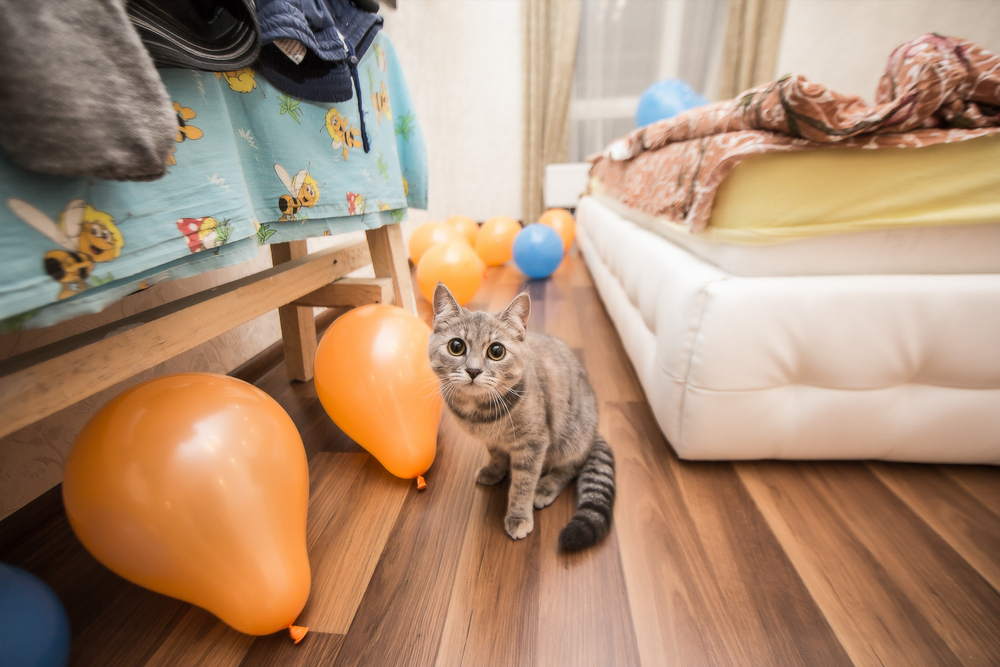
Long, quiet observation can feel unsettling if you’re used to more expressive animals. But feline behaviorists note that cats often monitor those they’re bonded to as a form of environmental scanning, not judgment or disinterest.
According to research on feline social behavior, cats track the movements and routines of trusted humans to assess safety and predict stability. Watching is how they stay informed—and ready.
3. Leaving The Room When Things Get Emotional
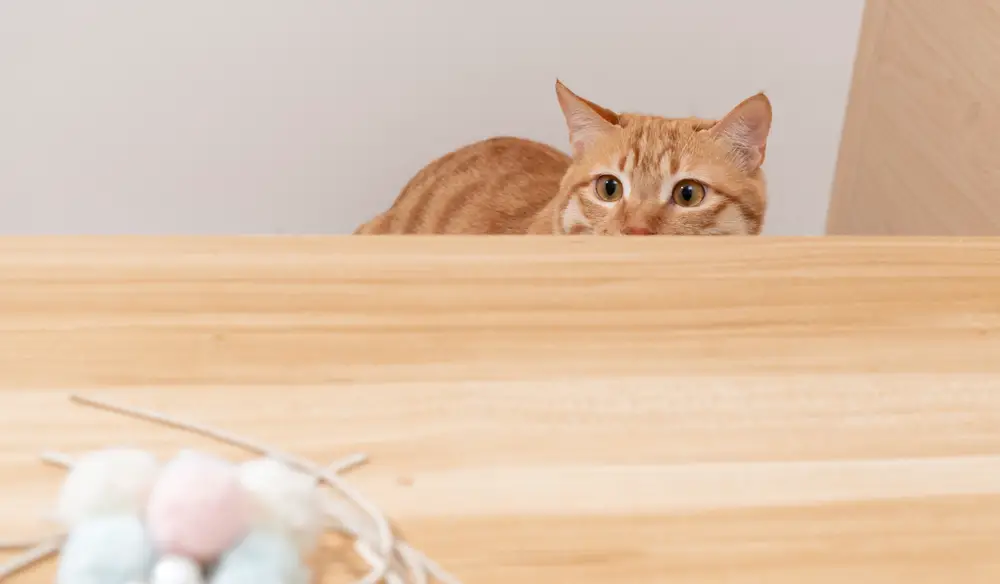
When voices rise or energy shifts, some cats disappear immediately. That exit isn’t rejection—it’s regulation. Cats are highly sensitive to emotional intensity and will remove themselves to keep stress from escalating.
By stepping away, they’re protecting their nervous system. They return when things feel stable again, once the environment no longer reads as unpredictable.
4. Sleeping In High Or Hidden Places
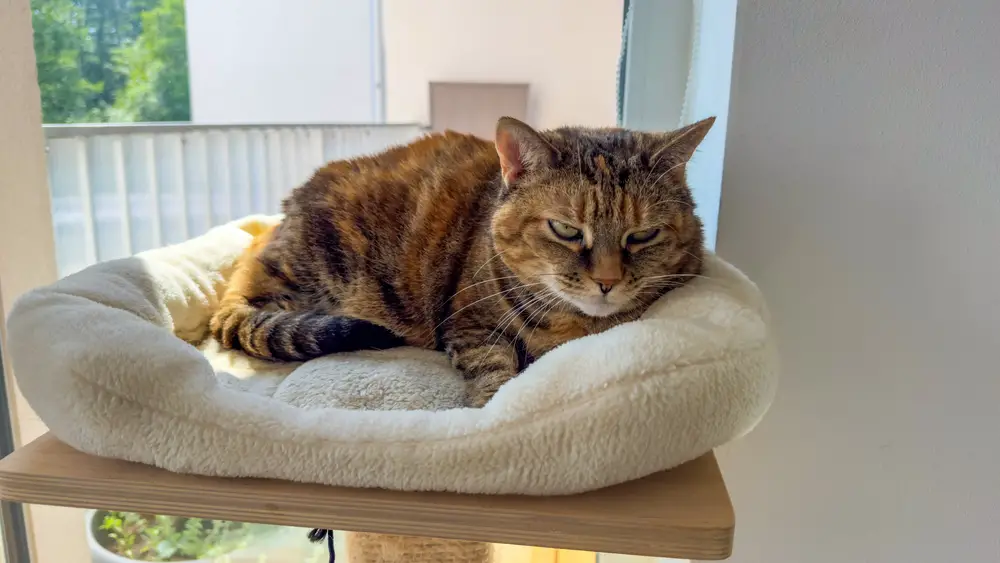
Cats choosing shelves, closets, or tucked-away corners aren’t being antisocial. Ethologists point out that elevated or concealed sleeping spots allow cats to rest while remaining protected from surprise threats.
This instinct comes from their dual role as predator and prey. A high perch or enclosed space lets them relax without surrendering awareness.
5. Ignoring You When You Call Their Name
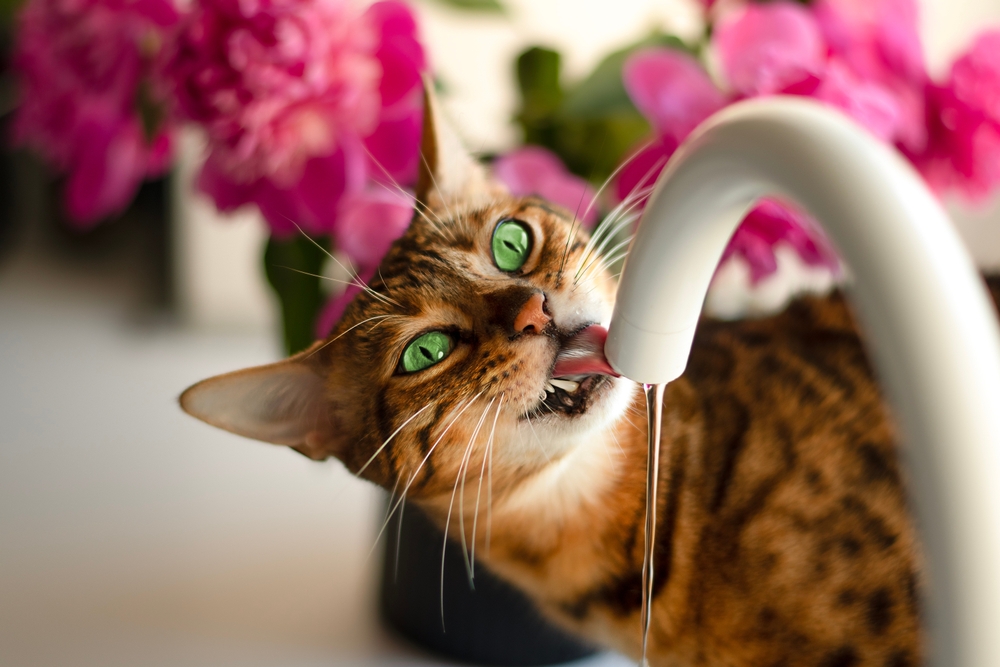
A cat not responding doesn’t mean they didn’t hear you. It usually means they evaluated the situation and decided no action was required.
Cats conserve energy and attention intentionally. If there’s no perceived risk or benefit, they stay put—quietly maintaining oversight rather than engaging unnecessarily.
6. Slow Blinking Instead Of Approaching

Slow blinking is often mistaken for indifference, but animal behavior researchers identify it as a trust signal. It’s a way cats communicate safety without physical vulnerability.
By slow blinking, cats are saying they don’t perceive a threat—and they trust you not to be one. It’s subtle, but deeply relational.
7. Grooming Themselves Instead Of Seeking Comfort

When stressed, some cats groom rather than seek contact. This self-directed behavior helps regulate their emotions and maintain a sense of control.
It’s not that they don’t want comfort—it’s that their instinct is to stabilize themselves first before re-engaging socially.
8. Staying Alert While You Sleep

Cats often sleep lightly or position themselves facing doorways at night. Studies on feline vigilance suggest this behavior is rooted in protective scanning rather than restlessness.
They’re attuned to nighttime changes in sound and movement. Even while resting, they’re maintaining awareness of the environment you share.
9. Keeping Their Back To You While Resting
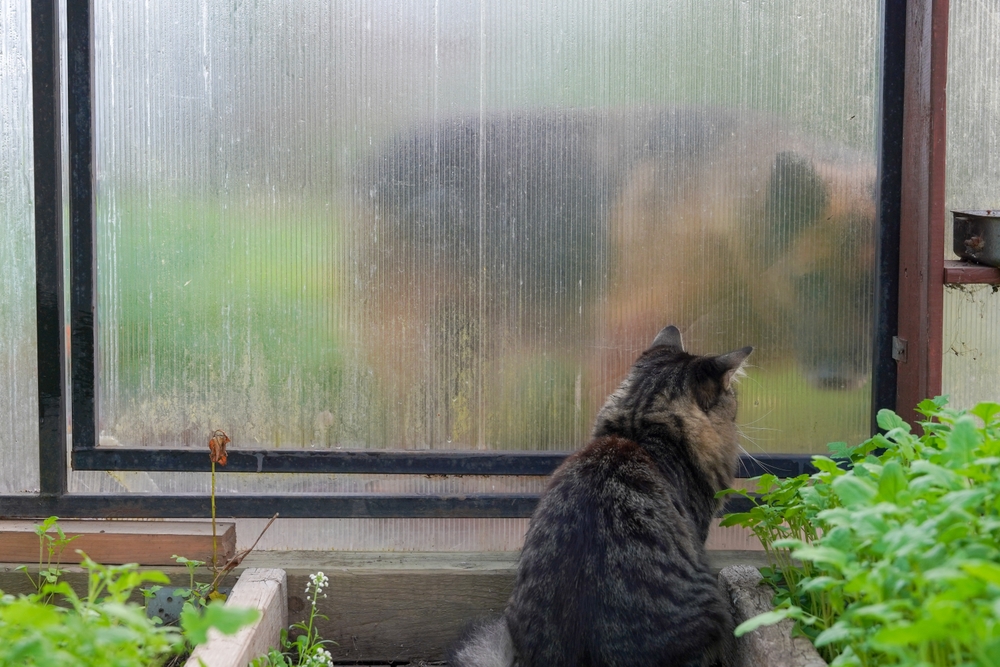
A cat turning their back can feel dismissive, but it’s actually a trust behavior. They’re exposing a vulnerable position while assuming you’ll notice anything approaching from behind.
It’s a quiet division of labor: they monitor one direction, trusting you to handle the rest.
10. Leaving A Room Right Before Guests Arrive
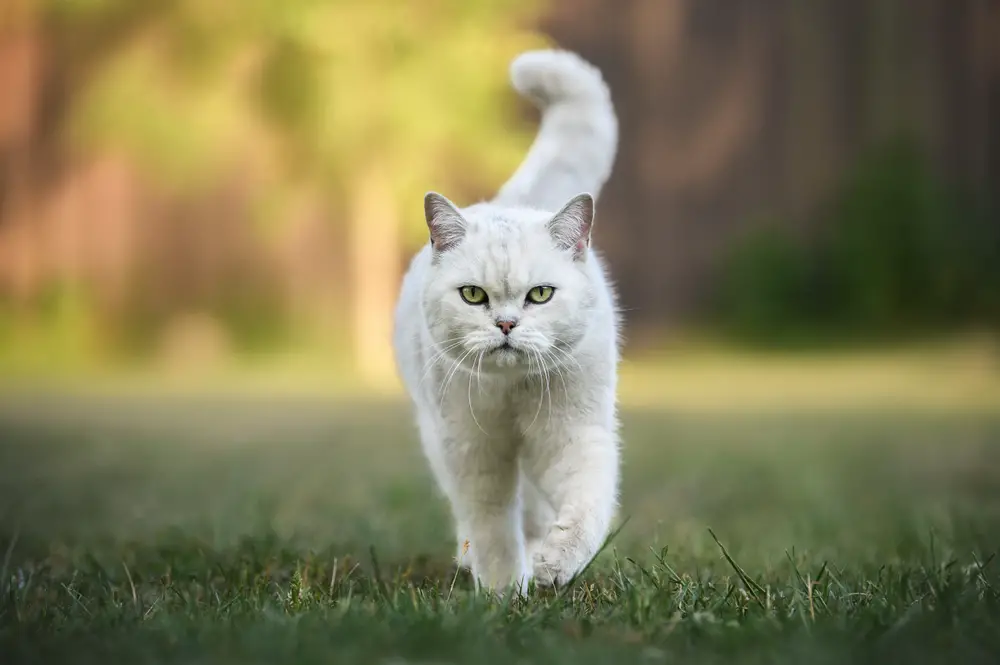
Cats often disappear just before company enters—not because they’re rude, but because they’re anticipating disruption.
By retreating early, they avoid stress and stay out of chaotic energy. It’s preemptive self-protection, not social rejection.
11. Sitting Between You And An Exit

This positioning isn’t accidental. Cats frequently place themselves where they can observe movement patterns and maintain escape routes.
When they choose that spot near you, they’re balancing attachment with readiness—keeping both you and themselves within a controlled field of awareness.
12. Choosing Routine Over Affection

Cats rely heavily on predictability. They may prioritize feeding schedules, quiet hours, or consistent spaces over spontaneous cuddling.
Routine is how they create safety. Once stability is secured, affection tends to follow—on their terms.
13. Leaving After Brief Affection

A short cuddle followed by departure can feel abrupt, but it’s actually boundary-setting. Cats engage until their sensory threshold is reached, then step away before overstimulation turns stressful.
That exit preserves the relationship. It keeps affection positive rather than overwhelming.