
American history classes tend to focus on battles, presidents, and dates, but they rarely explore how deeply war reshaped everyday civilian life. During major conflicts such as World War I and World War II, ordinary Americans lived under rules, fears, and moral pressures that seem almost unrecognizable today. From government propaganda woven into children’s cartoons to neighbors spying on neighbors, wartime America quietly transformed the nation from the inside out. These overlooked realities reveal how fragile normalcy becomes when a country is mobilized for survival.
1. The Government Controlled What Americans Ate
During World War II, the U.S. government imposed strict rationing on food staples like meat, sugar, butter, and coffee. Families were issued ration books and stamps, turning grocery shopping into a logistical exercise rather than a casual errand. Recipes were redesigned to stretch ingredients, and “victory meals” became a patriotic duty rather than a lifestyle choice. Eating less wasn’t framed as a sacrifice—it was framed as loyalty.
This wasn’t optional participation or symbolic encouragement. Violating ration rules could lead to fines, public shaming, or even prosecution. Housewives became de facto logistics managers for the war effort, calculating portions like battlefield supplies. The dinner table became one of America’s quietest fronts.
2. Children Were Trained to Expect Bombings
American schoolchildren practiced air-raid drills that mirrored those happening in London and Berlin. Sirens would sound, lights would go out, and children were instructed to crouch or evacuate calmly. The exercises were meant to instill preparedness, but they also normalized the idea that attacks on U.S. soil were possible. Fear was quietly baked into childhood routines.
Many kids believed bombing was inevitable rather than hypothetical. Teachers were instructed to keep drills emotionally neutral to prevent panic, even as children absorbed the threat subconsciously. The psychological toll was never formally studied. Anxiety was considered collateral damage.
3. Hollywood Was Effectively a Government Partner
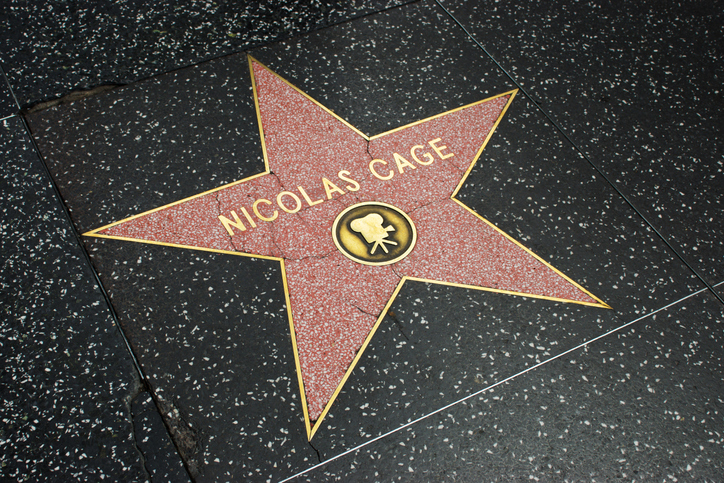
During wartime, Hollywood didn’t just entertain—it coordinated directly with the federal government. Scripts were reviewed, storylines adjusted, and villains carefully selected to reinforce national messaging. Films glorified sacrifice, framed enemies as morally inferior, and presented war as necessary and righteous. Entertainment doubled as persuasion.
Actors were encouraged—or pressured—to participate in bond drives and morale tours. Careers could stall if stars were perceived as insufficiently patriotic. The line between storytelling and propaganda disappeared almost entirely. Cinema became a recruitment tool without ever saying so outright.
4. Neighbors Were Encouraged to Spy on Each Other

Wartime America fostered a culture of vigilance that often crossed into suspicion. Citizens were urged to report “un-American behavior,” vague comments, or perceived disloyalty. Posters warned that loose talk could cost lives, turning casual conversation into a potential threat. Silence became a form of patriotism.
This atmosphere eroded trust within communities. Immigrants and first-generation Americans were especially vulnerable to accusations. Loyalty was something you had to perform, not just feel. Social cohesion came at the cost of privacy.
5. Women Were Pushed Into the Workforce—Then Forced Back Out

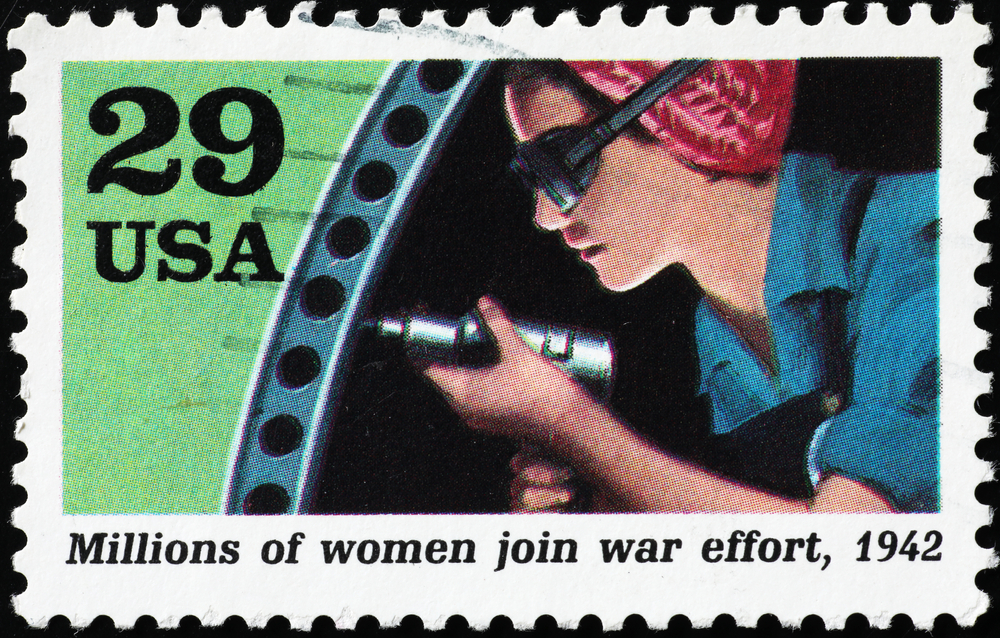
Millions of women entered factories, shipyards, and offices during World War II to replace deployed men. “Rosie the Riveter” wasn’t a symbol of liberation as much as a temporary necessity. Women proved they could do the jobs—and do them well—under intense pressure. Independence briefly became normalized.
When the war ended, women were expected to leave quietly. Jobs were reclaimed by returning soldiers, and cultural messaging shifted overnight. Wartime empowerment was treated like a loan that had to be repaid. The whiplash reshaped gender politics for decades.
6. The U.S. Ran Massive Psychological Experiments—On Its Own People
Government agencies studied morale, fear, compliance, and persuasion throughout wartime. Surveys tracked emotional resilience, rumor spread, and public trust. Citizens rarely knew they were part of these experiments. Data collection was framed as patriotic research.
The results influenced future advertising, political messaging, and Cold War psychological tactics. Wartime fear became a training ground for mass influence. Americans unknowingly helped build the blueprint for modern persuasion.
7. Black Americans Fought for a Country That Denied Them Basic Rights
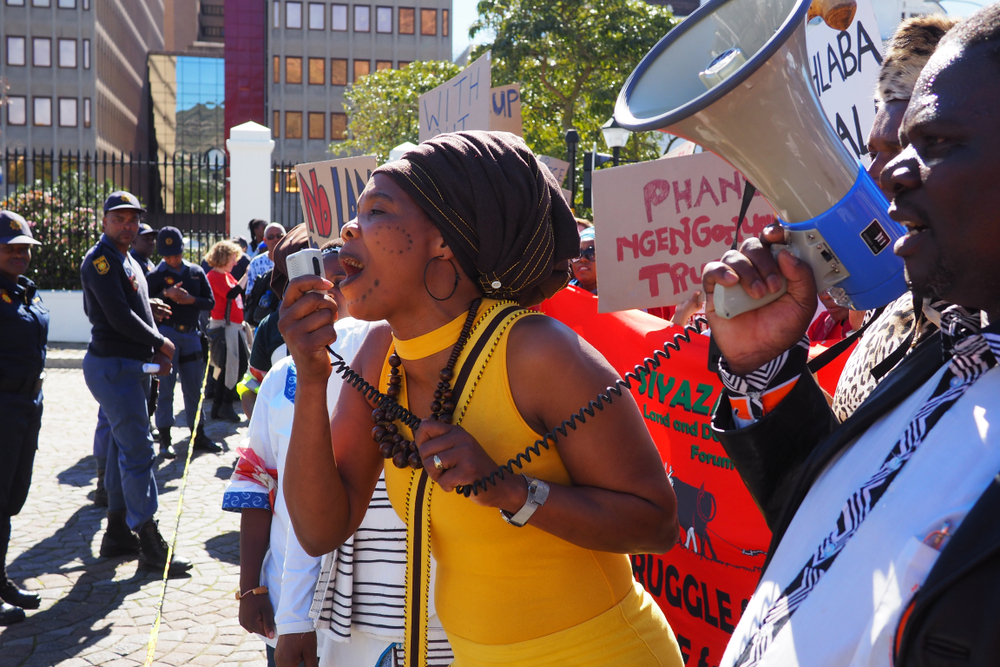
Black soldiers served in segregated units and were often barred from combat roles. They returned home to Jim Crow laws, housing discrimination, and violence. Fighting fascism abroad didn’t translate to equality at home. The contradiction was impossible to ignore.
This hypocrisy fueled the early Civil Rights Movement. Veterans demanded the freedoms they had defended overseas. Wartime service radicalized a generation—not militarily, but politically. The war cracked open America’s moral narrative.
8. Entire Industries Were Rebuilt Overnight
Factories that once produced cars, appliances, or clothing were rapidly converted to produce tanks, planes, and weapons. Workers retrained in weeks, not years. Speed mattered more than perfection. Mistakes were expected—but failure wasn’t.
This industrial flexibility stunned the world. It also set expectations that American labor could always “pivot” under pressure. Postwar corporate culture inherited that intensity. The stress never fully left.
9. The Government Controlled News More Than You Realize
War correspondents operated under strict censorship rules. Casualties, defeats, and internal dissent were often downplayed or delayed. Newspapers cooperated willingly, believing unity mattered more than transparency. Bad news was considered dangerous.
The result was a curated reality. Americans supported the war partly because they never saw its full cost. Trust in institutions deepened—but so did future disillusionment. The reckoning came later.
10. Internment Camps Were Framed as “Protective”
Japanese American internment was justified as national security rather than punishment. Families were told relocation was temporary and necessary. Most lost homes, businesses, and savings permanently. The language softened the brutality.
Public opposition was minimal at the time. Fear overrode constitutional concern. Only decades later did official apologies arrive. Wartime logic erased civil liberties with shocking ease.
11. Americans Were Encouraged to Die Quietly
Grief was expected to be private and restrained. Public mourning was discouraged to maintain morale. Families were praised for “sacrifice” rather than supported through loss. Emotional endurance became a patriotic virtue.
This repression left generational scars. Trauma went untreated, especially among veterans. Silence became a coping mechanism. The cost surfaced years later in broken families and untreated PTSD.
12. War Redefined What “Normal” Looked Like
Shortages, fear, and constant messaging reshaped expectations. People adapted quickly to constraints that once felt unimaginable. Living with anxiety became routine. Normal shifted downward.
When peace returned, many struggled to recalibrate. Scarcity had rewired behavior. Wartime habits lingered in peacetime culture. The war didn’t end emotionally when it ended politically.
13. Wartime America Set the Blueprint for the Modern Surveillance State
Tracking citizens, monitoring communications, and managing public opinion became normalized during war. Emergency powers expanded quietly. What began as temporary measures became permanent infrastructure. Security always found justification.
Modern America still operates inside systems built under wartime urgency. The trade-off between freedom and safety was decided incrementally. Most people never noticed it happening. History class rarely mentions that part.