Not all environmental threats arrive looking sinister. Some arrive blooming, fluttering, or gliding across water in ways that feel peaceful, charming, even picturesque. Many invasive species succeed precisely because they are visually appealing and emotionally disarming, slipping into parks under the radar while steadily dismantling ecosystems. These are the beautiful species quietly altering local parks in ways most visitors never notice—until the damage is already done.
1. Japanese Beetle
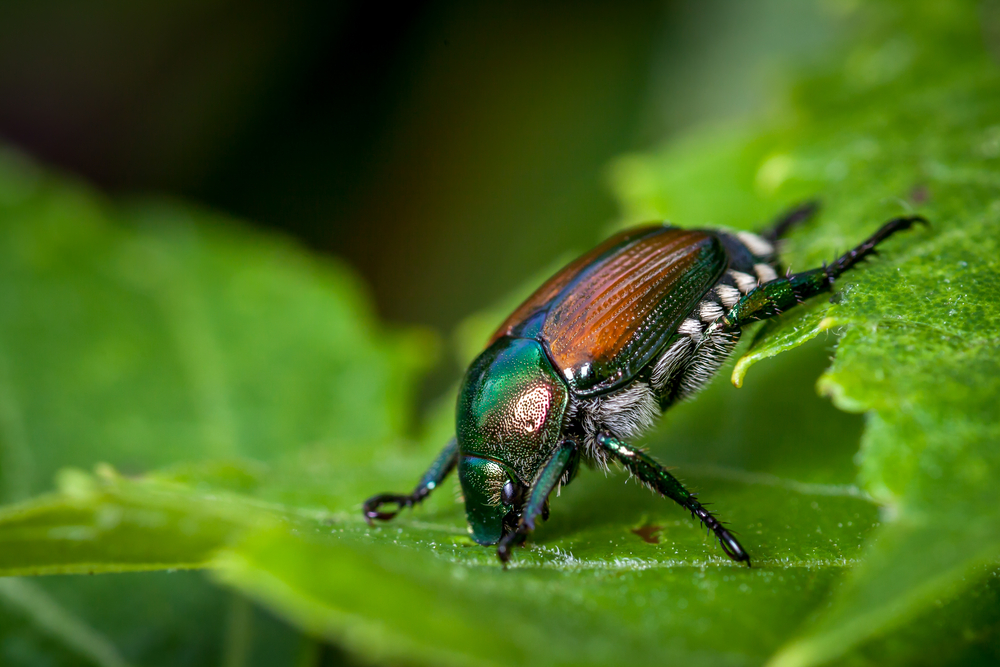
Japanese beetles are small, metallic, and oddly beautiful when they glint in the sun. Their appearance gives little indication of the destruction they cause to leaves, flowers, and turf. They feed in large groups, skeletonizing plants rapidly. Parks often show damage long before beetles are noticed.
Their larvae live underground, feeding on grass roots and weakening landscapes from below. This results in dead lawns, soil erosion, and increased chemical use. The beetle’s beauty masks a two-stage assault. Above and below ground, damage accumulates fast.
2. European Starling
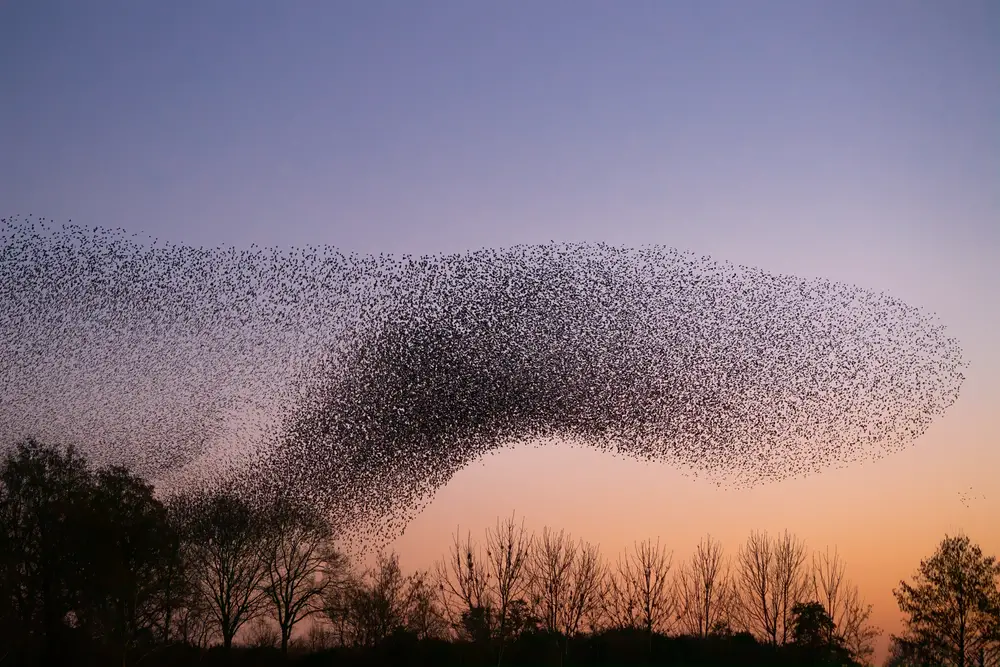
European starlings shimmer with iridescent feathers and captivate crowds with their synchronized murmurations. They adapt easily to parks, cities, and open spaces, nesting almost anywhere they can find a cavity. Unfortunately, their success comes at the expense of native birds they aggressively displace. Many species simply cannot compete with their numbers and behavior.
Starlings consume vast quantities of insects and grains, disrupting food chains that evolved without them. Their presence reshapes bird communities without obvious warning signs. Parks may seem full of life, but diversity quietly vanishes. Abundance replaces balance.
3. English Ivy
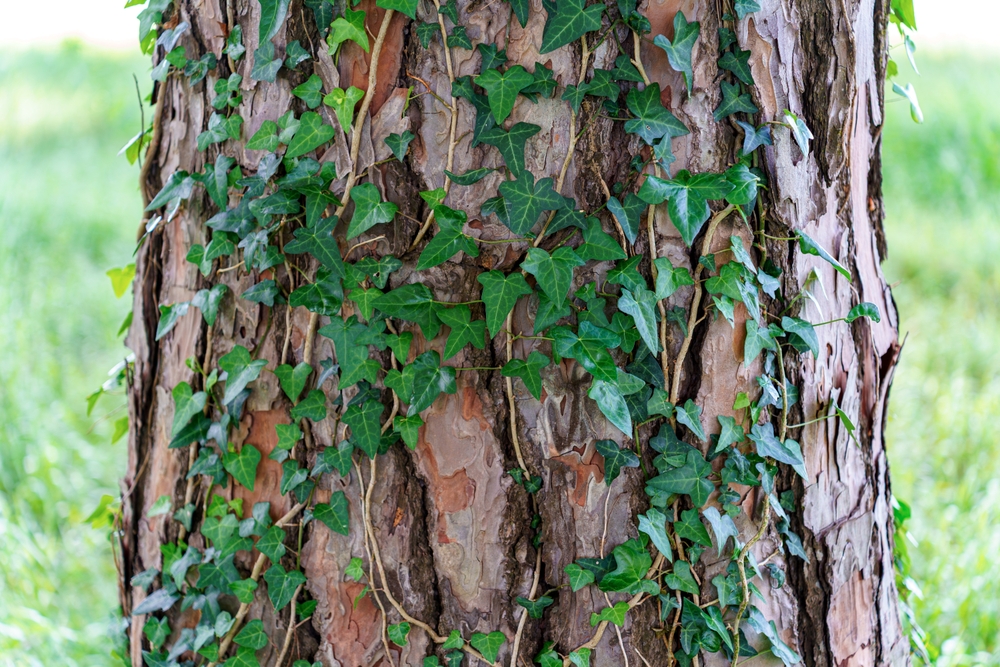
English ivy draping trees and stone walls gives parks an old-world, storybook aesthetic. It feels romantic, timeless, and intentionally cultivated. Beneath that beauty, ivy slowly strangles trees by blocking sunlight and weakening bark. Forest floors beneath ivy become barren and lifeless.
The National Park Service has identified English ivy as a serious threat to native forests, noting that it prevents tree regeneration and accelerates tree failure during storms. Research shows ivy-covered trees are more likely to fall, posing safety risks in public spaces. Over time, entire park ecosystems lose resilience. What looks lush is actually suffocating.
4. Purple Loosestrife
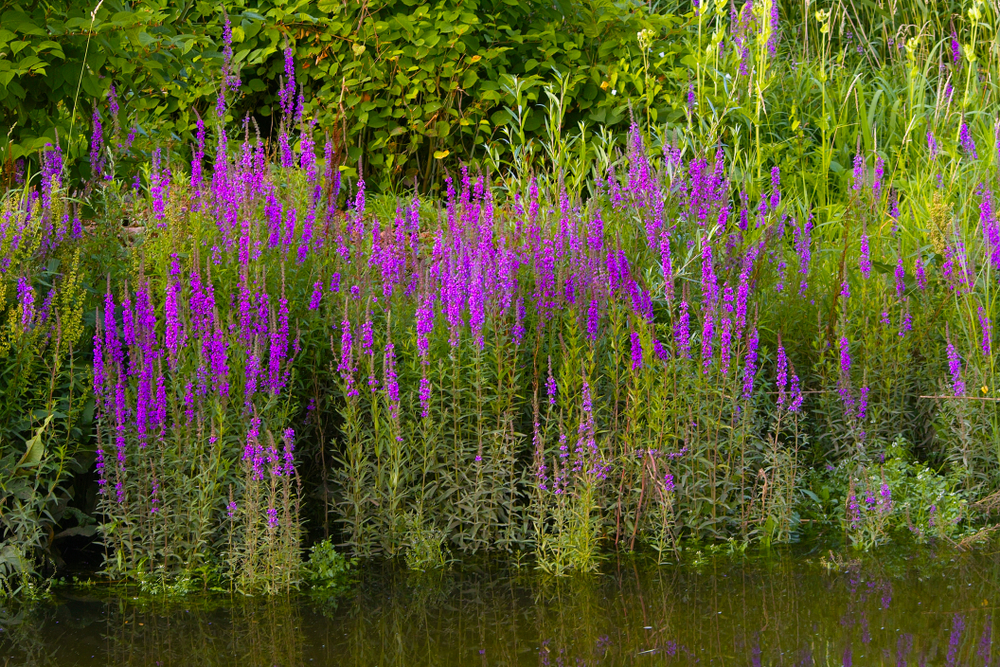
Purple loosestrife blankets wetlands in tall, magenta blooms that feel almost celebratory when they appear each summer. Its beauty disguises its ability to overwhelm native plants that birds, amphibians, and insects rely on to survive. Once established, it forms dense stands that reduce biodiversity and alter water flow patterns. Entire wetland ecosystems can shift within a few seasons.
According to research published by the U.S. Fish and Wildlife Service, a single loosestrife plant can produce more than two million seeds annually, allowing it to spread aggressively across waterways and disturbed soil. Studies show wetlands dominated by loosestrife support far fewer native species than healthy marshes. The loss is subtle at first, then dramatic. What looks like a thriving bloom is often ecological collapse in progress.
5. Feral Cats
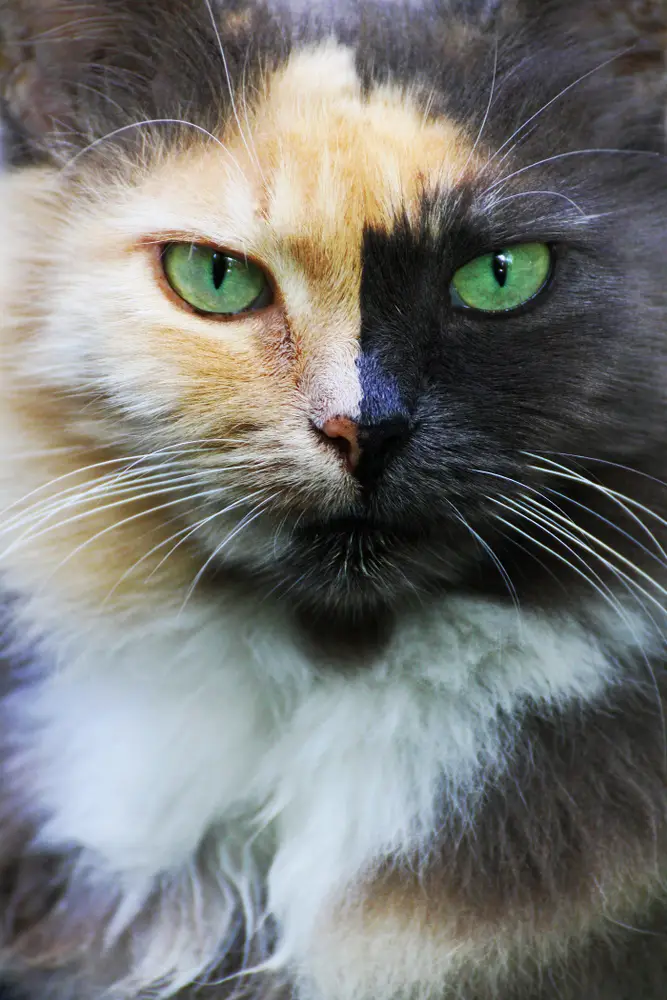
Feral cats roaming parks are often viewed as harmless or even comforting. Many people associate them with rescue efforts and compassion rather than environmental harm. In reality, they are among the most efficient predators on Earth. Birds, reptiles, and small mammals are disproportionately affected.
A landmark study published in Nature Communications found that free-roaming domestic cats kill billions of birds and mammals annually in the United States alone. Conservation biologists identify cats as a leading cause of species decline in urban and suburban parks. The damage is invisible until silence replaces birdsong. What feels kind can be catastrophic.
6. Bradford Pear Trees
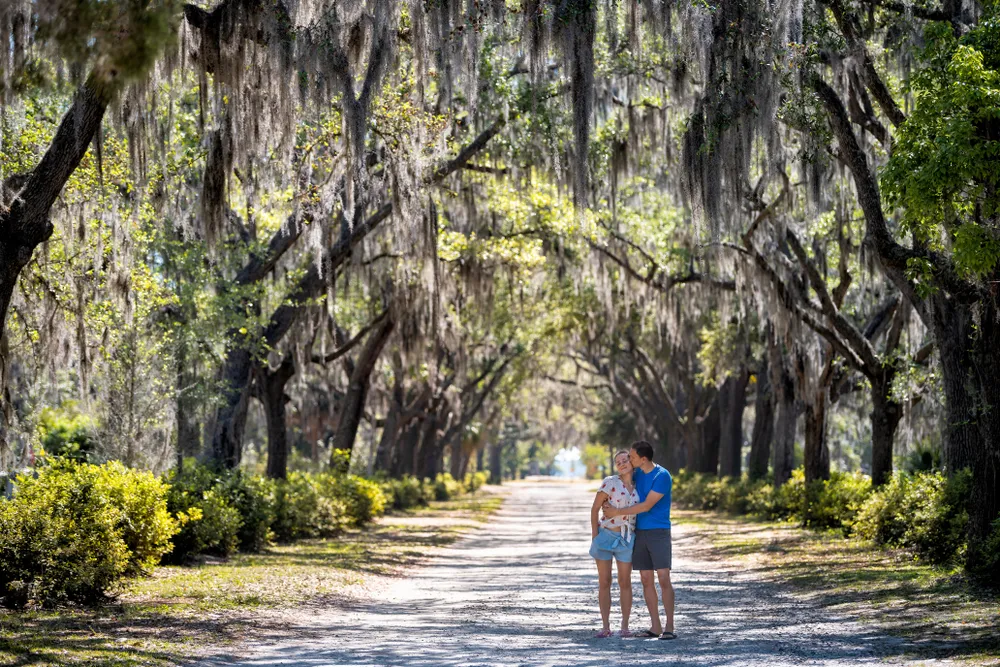
Bradford pear trees explode into white blossoms each spring, becoming a visual highlight in many parks. They were originally planted for their symmetry and fast growth. Over time, their invasive offspring spread into surrounding natural areas. Native plants are pushed out quickly.
These trees also fracture easily, creating hazards as they mature. Ecologists note that their dense growth patterns prevent healthy forest regeneration. The short-term beauty creates long-term instability. What was planted for convenience becomes an environmental burden.
7. Mute Swans
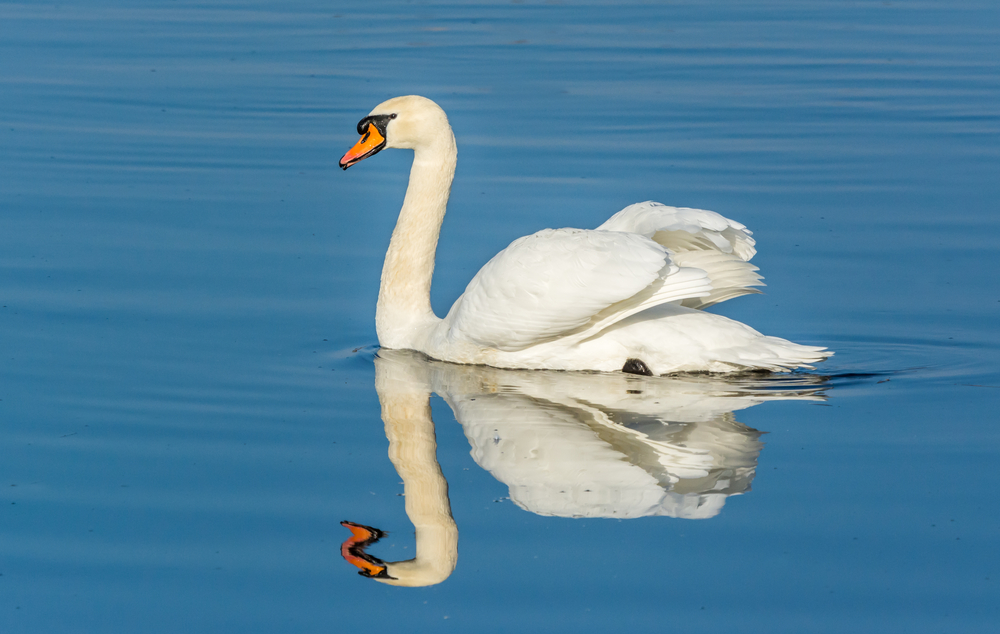
Mute swans floating across park lakes feel serene and cinematic. Their graceful movements and bright white feathers make them crowd favorites. Yet they are highly aggressive and displace native waterfowl from nesting and feeding areas. Entire bird communities shift as a result.
According to studies cited by state wildlife agencies and the U.S. Geological Survey, mute swans consume up to eight pounds of aquatic vegetation per day, devastating wetlands. This overgrazing destroys habitats critical for fish and invertebrates. Water clarity declines and ecosystems unravel. Beauty masks dominance.
8. Bamboo
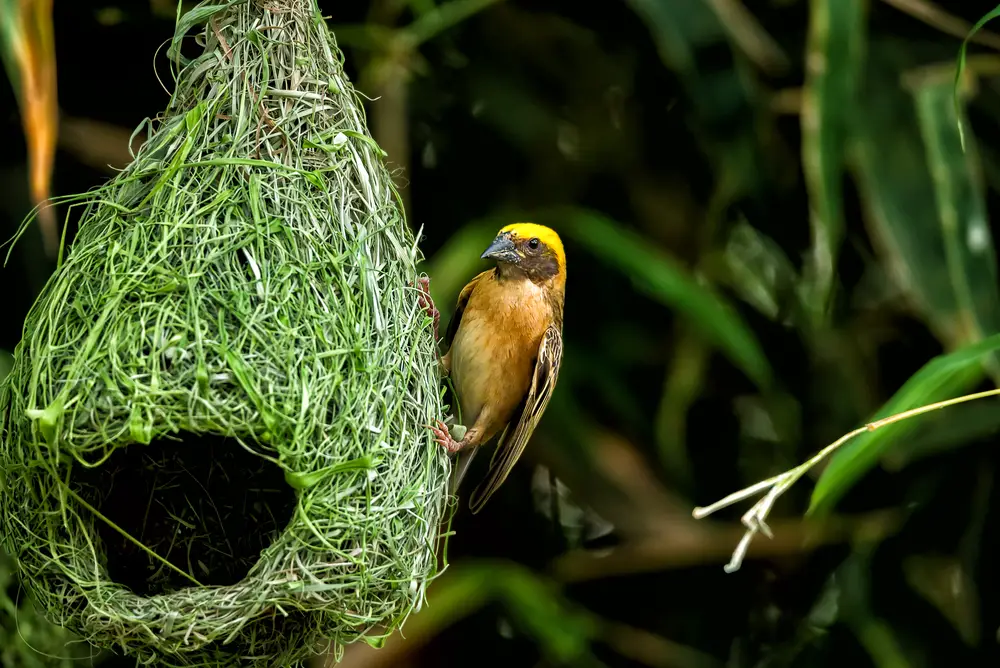
Bamboo is often associated with calm, sustainability, and modern landscaping. In parks, it creates privacy screens and soothing soundscapes. Many species, however, spread aggressively through underground rhizomes. Once established, removal is extremely difficult.
Bamboo crowds out native plants and alters soil moisture levels. Wildlife loses food sources and nesting areas. What feels minimalist and peaceful becomes ecological uniformity. Parks lose complexity in silence.
9. Red-Eared Slider Turtles
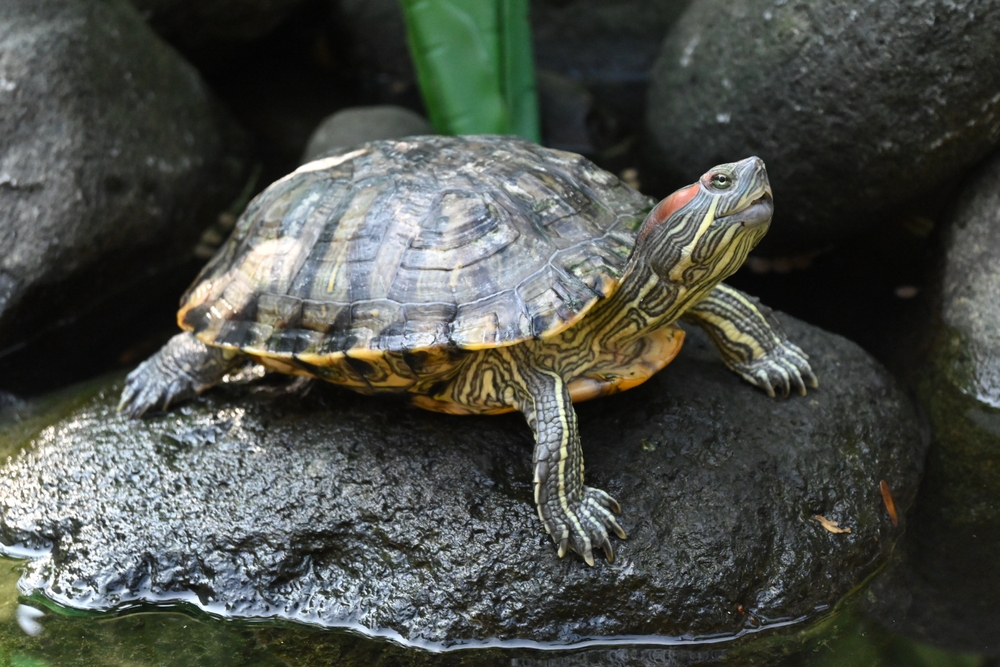
Red-eared sliders basking on logs look harmless and even endearing. Many were once pets released into local ponds. In the wild, they outcompete native turtles for resources. Native populations often decline rapidly.
These turtles tolerate polluted water better than native species, giving them a survival advantage. Over time, biodiversity shrinks. The pond still looks alive, but balance is lost. Cute introductions become lasting invasions.
10. Lionfish
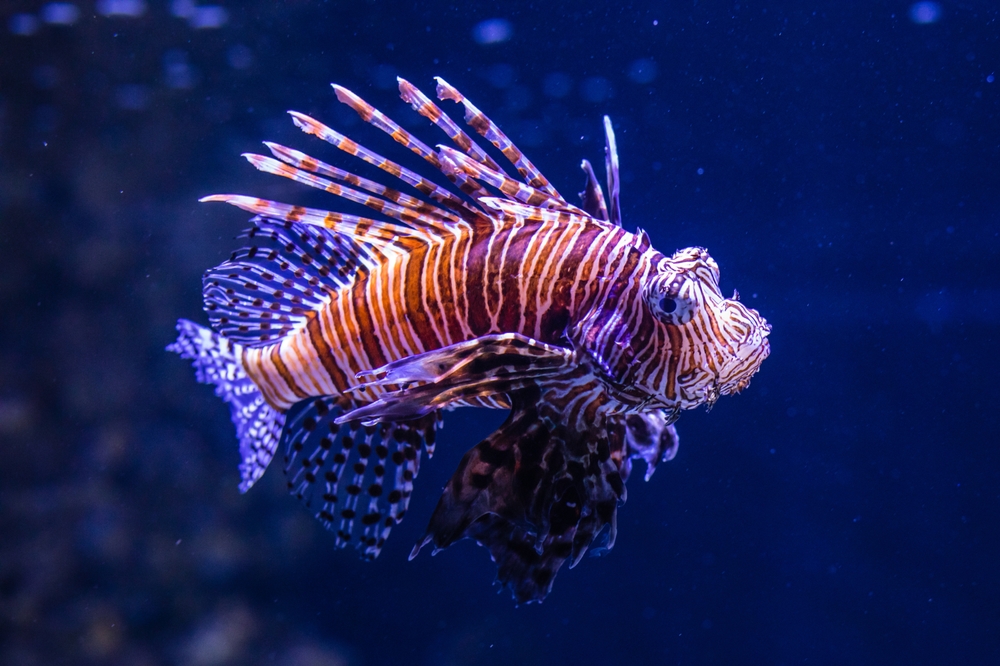
Lionfish are visually striking, with flowing fins and dramatic spines. In coastal parks and protected reefs, they draw fascination from divers and tourists. They are also voracious predators with no natural controls in invaded waters. Reef fish populations collapse quickly.
Their spread alters entire marine food webs. Coral ecosystems lose resilience. Parks meant to protect biodiversity become invasion zones. Beauty accelerates destruction.
11. Norway Maple

Norway maples provide deep shade and brilliant fall color. They feel sturdy, dependable, and park-appropriate. Their dense canopy blocks sunlight from reaching the forest floor. Native seedlings fail to survive.
Over time, forest diversity declines sharply. Soil chemistry shifts under their roots. What looks like a healthy canopy hides ecological stagnation. The park grows quieter.
12. European Green Crab
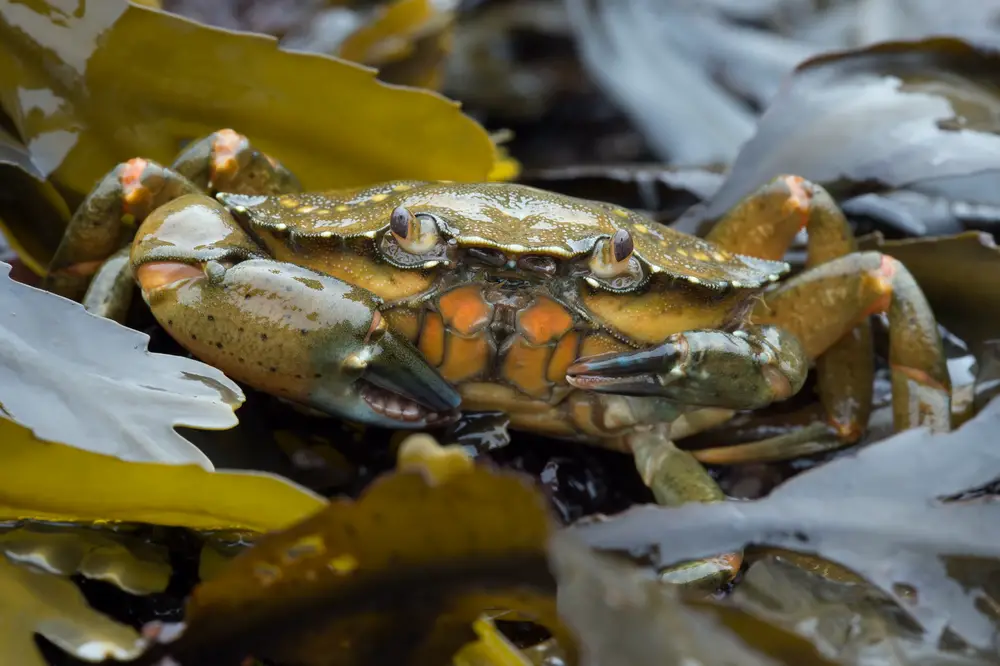
European green crabs are small, colorful, and deceptively unassuming. They burrow into shorelines, destroying eelgrass and shellfish beds. Coastal parks experience erosion and habitat loss. Fish nurseries disappear.
Eelgrass loss affects water quality and biodiversity. Entire coastal systems destabilize. The crab’s beauty masks its efficiency. Damage spreads faster than awareness.
13. Wild Horses
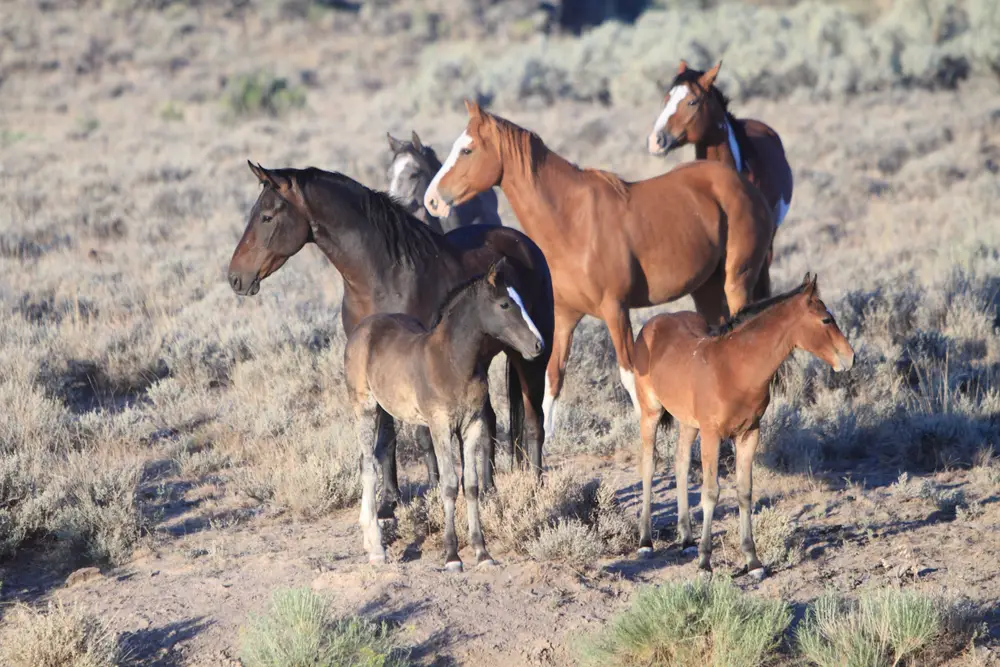
Wild horses roaming parks feel iconic and emotional. They symbolize freedom, history, and open land. In non-native ecosystems, they cause severe erosion and habitat degradation. Vegetation disappears quickly.
Soil compacts under their hooves, waterways degrade, and native species lose access to resources. Management becomes politically and emotionally charged. Romantic imagery overrides ecological reality. Beauty complicates conservation.