
For many, lions are the quintessential symbol of pride and dominance in the animal kingdom. However, there are surprising contenders in the world of wildlife whose attitudes dwarf even that of the lion. These animals may not have the lion’s regal mane or its roar, but they carry themselves with a swagger that demands respect. Let’s explore 13 surprising animals with attitudes bigger than lions.
1. Honey Badger
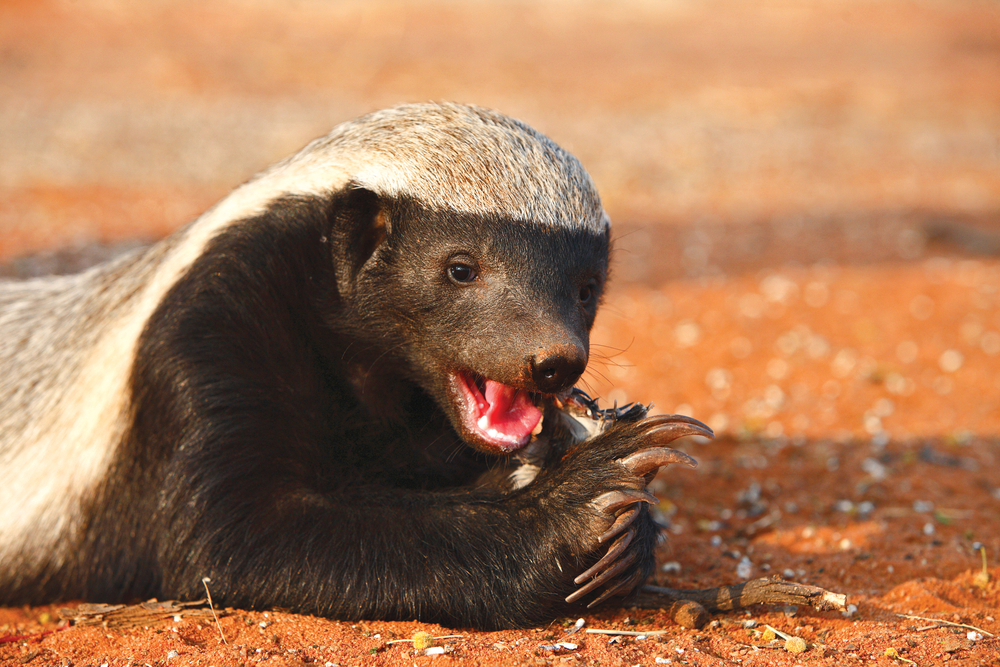
The honey badger, despite its modest size, is a creature that seems to have missed the memo about fearing larger predators. Its attitude is nothing short of audacious, often taking on animals many times its size with little hesitation. As reported by National Geographic, honey badgers are known for raiding beehives for honey and larvae, completely disregarding the stinging swarms around them. This fearless behavior even extends to confrontations with lions and leopards, whom they annoy with relentless persistence.
The secret to the honey badger’s boldness lies in its physical resilience and tenacious spirit. Its skin is thick and loose, allowing it to twist and turn even when held by a predator. Plus, it releases a foul-smelling odor from its anal glands, a natural repellent that makes even the most determined attacker think twice. The honey badger’s fearlessness is a stark reminder that, sometimes, attitude is the best defense.
2. African Elephant
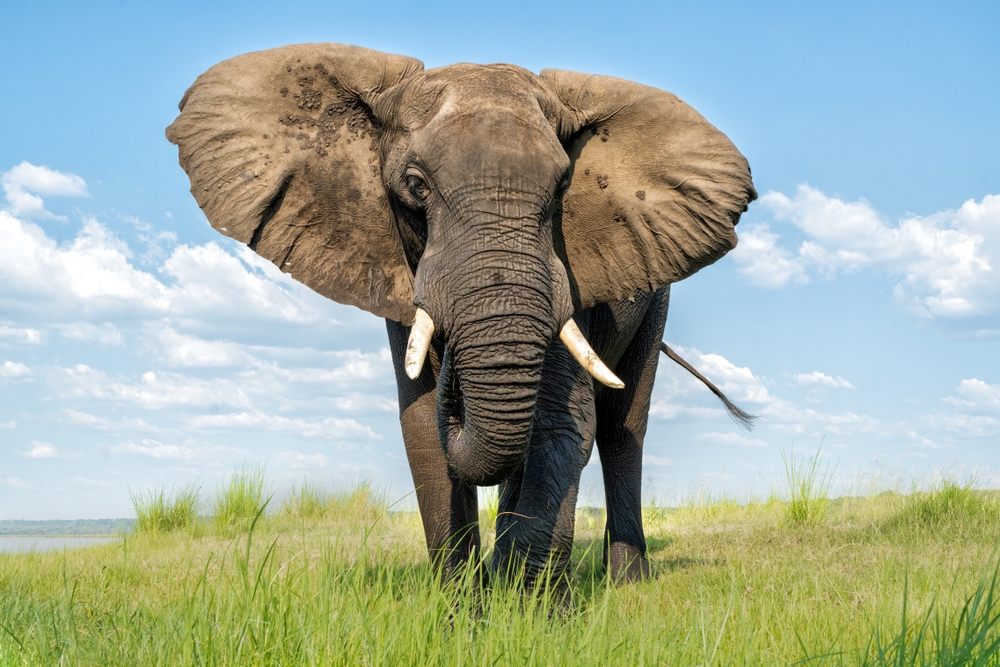
Though generally known for their gentle nature, African elephants are not to be underestimated when it comes to asserting their dominance. They can be incredibly protective and show zero tolerance for threats, a behavior that seems to stem from their complex social structures and high intelligence. When provoked, they are capable of causing significant damage, charging at intruders with incredible force. Their massive size and powerful trunks make them formidable opponents in the wild.
This protective nature extends to their tight-knit family groups, where they communicate using a range of vocalizations and body language. Their ability to convey messages over long distances through infrasound means they are always in tune with their surroundings. This heightened awareness makes them particularly sensitive to disturbances, driving their occasionally aggressive behavior. Such formidable presence ensures they maintain a top position in their ecosystems, respected by all.
3. Cassowary
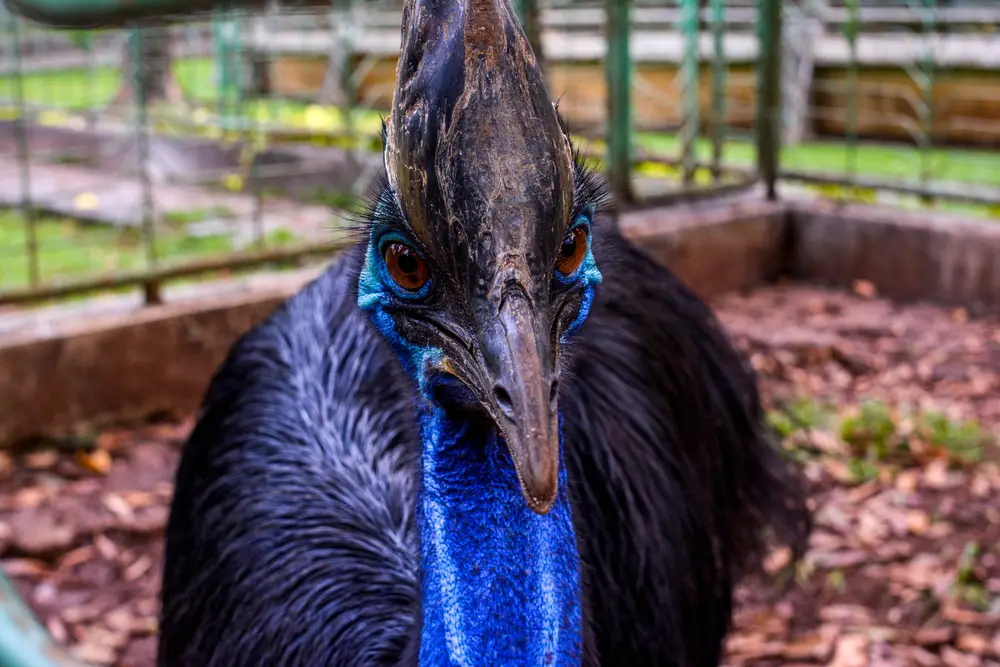
The cassowary, often dubbed the world’s most dangerous bird, commands respect with its formidable demeanor and striking appearance. Native to the forests of New Guinea and Northern Australia, this flightless bird is known for its violent tendencies, particularly when provoked. According to a study in the Journal of Zoology, cassowaries possess dagger-like claws capable of inflicting serious harm, which they use to defend themselves aggressively. Their vivid blue and black feathers coupled with a sharp helmet-like casque only add to their intimidating presence.
Cassowaries are solitary creatures, fiercely territorial, and quick to defend their space. Their tendency to charge intruders at high speeds makes them a force to be reckoned with. They have been known to attack humans, especially if they feel cornered or are protecting their young. This aggressive reputation ensures that they are often given a wide berth in the wild, revered for their unpredictable behavior.
4. Wolverine
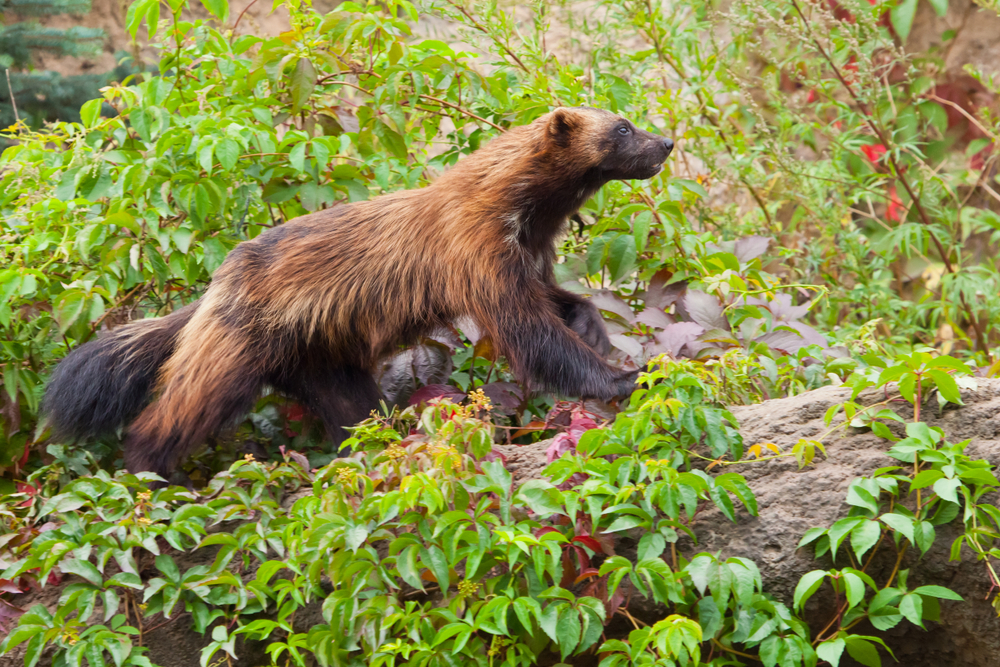
Wolverines are the epitome of raw tenacity in the animal kingdom, with attitudes that far outstrip their relatively small stature. These solitary animals roam the boreal forests and tundras of the northern hemisphere, where they have earned a reputation for ferocity and strength. Despite weighing only about 20 to 55 pounds, wolverines have the audacity to challenge much larger predators, including wolves and bears, for their prey. This unyielding courage is backed by powerful jaws and sharp claws that make wolverines proficient hunters and scavengers.
Their stout, muscular bodies allow them to traverse vast territories in search of food, often over 15 miles a day. This relentless pursuit and aggression are vital for survival in harsh environments where resources are scarce. Wolverines are also equipped with a keen sense of smell, enabling them to locate prey beneath heavy snow. Their indomitable spirit and adaptability make them one of nature’s most effective survivalists.
5. Mantis Shrimp
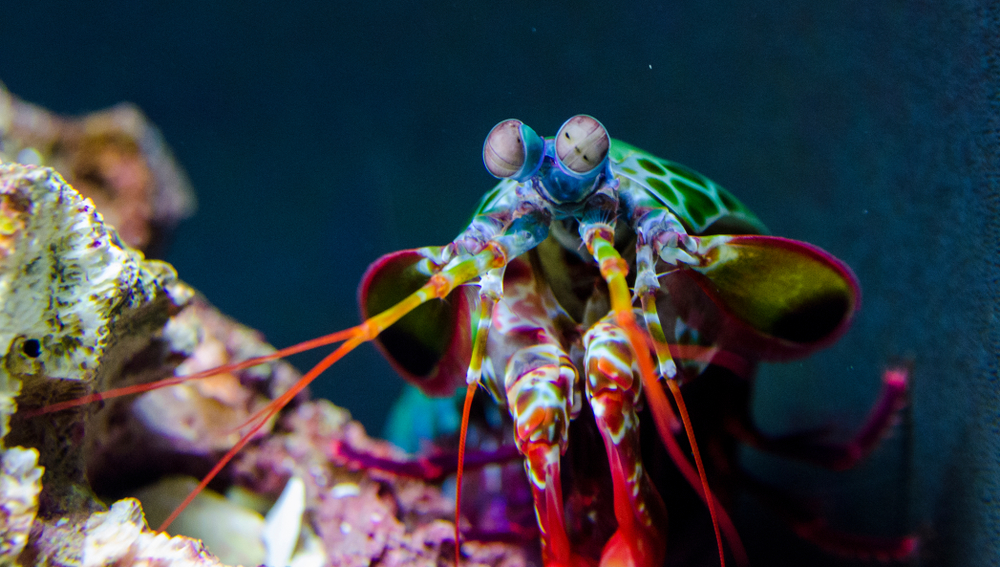
The mantis shrimp, a small marine crustacean, packs a surprisingly powerful punch and an attitude to match. These vibrant creatures are renowned for their speed and power, capable of striking with the force of a bullet, shattering shells and even aquarium glass. A study published in PLOS ONE highlights their complex vision that allows them to detect polarized light, giving them a unique edge in their underwater habitats. This sophisticated sight helps them hunt with precision, striking prey in the blink of an eye.
Beyond their physical prowess, mantis shrimps exhibit remarkable behaviors that suggest a complex social structure. They engage in ritualized fighting, using their claws to communicate status and territory without immediately resorting to violence. This blend of aggression and social intelligence makes them fascinating creatures, demonstrating that attitude isn’t just about brute force. The mantis shrimp’s assertive nature and lethal capabilities ensure it commands respect in the vibrant coral reefs it calls home.
6. Raccoon
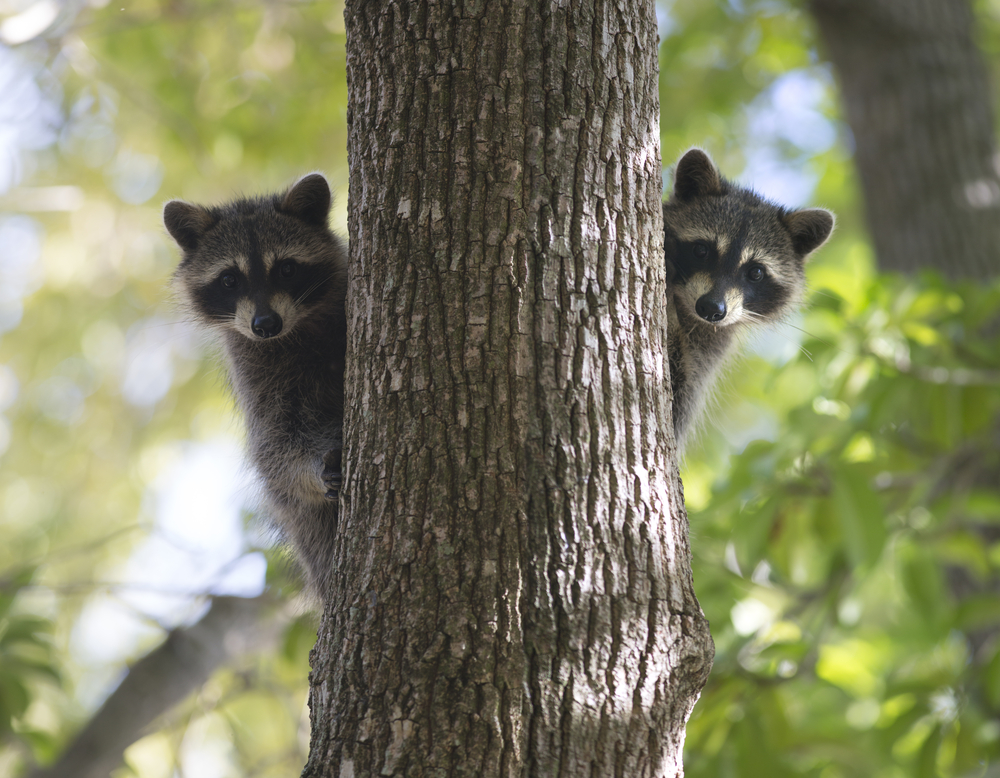
Raccoons are the ultimate urban adapters, known for their crafty nature and bold attitudes. These nocturnal mammals thrive in environments ranging from forests to cityscapes, where they fearlessly explore garbage bins and attics in search of food. Their dexterous front paws allow them to manipulate objects and open containers, showcasing an intelligence that often surprises those who encounter them. This adaptability and resourcefulness give raccoons a certain swagger, unbothered by the scorn of human residents.
In addition to their physical skills, raccoons are known for their curious and mischievous personalities. They have been observed solving complex problems to access food, demonstrating a level of cognitive ability that rivals some primates. This intelligence and adaptability have made them a symbol of resilience and cleverness, thriving in environments where other animals might struggle. Their audacious behavior and survival instincts highlight their ability to coexist alongside humans, often with a cheeky disregard for boundaries.
7. Tasmanian Devil
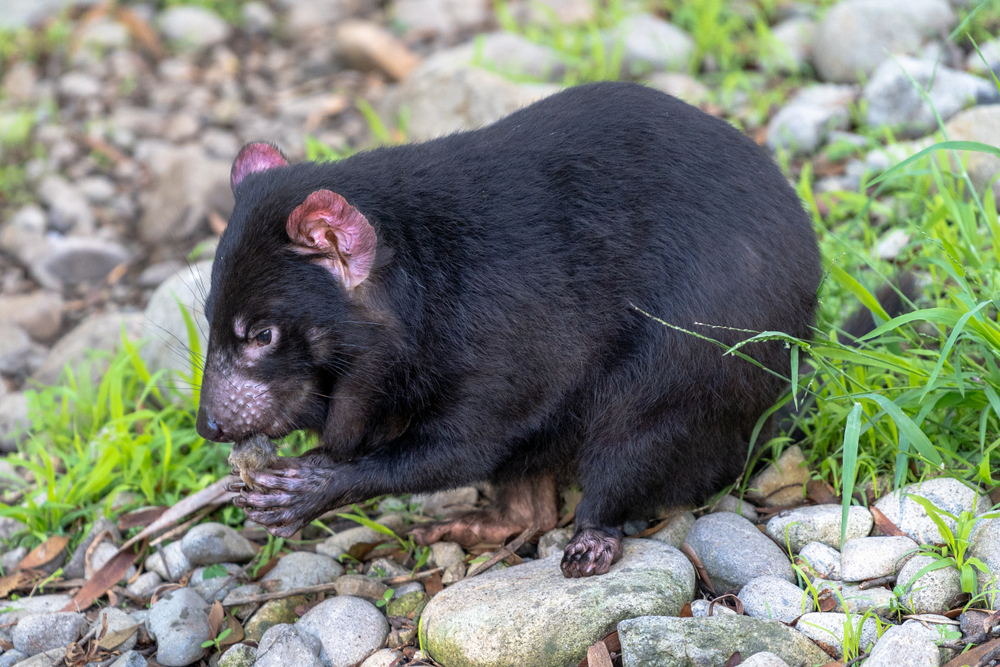
The Tasmanian devil, despite its small size, is famed for its fierce demeanor and vocal ferocity. Native to the island of Tasmania, this carnivorous marsupial is known for its spine-chilling screeches and aggressive feeding habits. According to research from the University of Tasmania, these vocalizations play a crucial role in their social interactions, often used to establish dominance during feeding. Their powerful jaws allow them to deliver a bite force rivaling that of much larger predators, enabling them to consume entire carcasses, bones and all.
Tasmanian devils are largely solitary animals, but they come together in feeding groups where competition is intense. Their reputation for ferocity is matched by their tenacity, as they defend their food with passion and engage in frequent skirmishes. Despite their aggressive interactions, they play a vital role in their ecosystem by controlling populations of other animals and cleaning up carrion. Their combative nature and ecological significance make them both feared and revered in the wild.
8. Cuttlefish
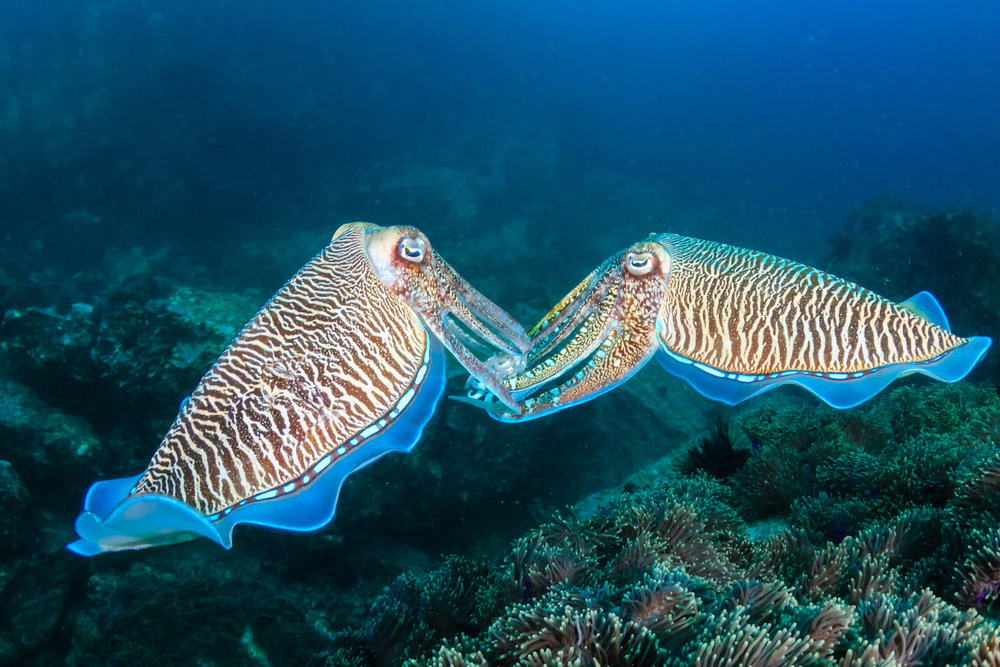
Cuttlefish are masters of disguise and deception, wielding an attitude that is as adaptable as their appearance. These cephalopods possess the remarkable ability to change their skin color and texture in the blink of an eye, using this skill to avoid predators and communicate with their peers. Their complex nervous system and advanced vision enable them to process visual information rapidly, adjusting their camouflage to match their surroundings with precision. This ability to manipulate their environment showcases a level of intelligence and cunning that is unmatched in the marine world.
In addition to their camouflage, cuttlefish display a range of fascinating behaviors that reveal their confident disposition. They engage in elaborate courtship dances, using their color-changing ability to impress potential mates or intimidate rivals. Their penchant for problem-solving and learning from their environment highlights a cognitive depth that sets them apart from many other sea creatures. Cuttlefish remind us that sometimes, the most unassuming creatures have the most remarkable strategies for survival.
9. Spotted Hyena
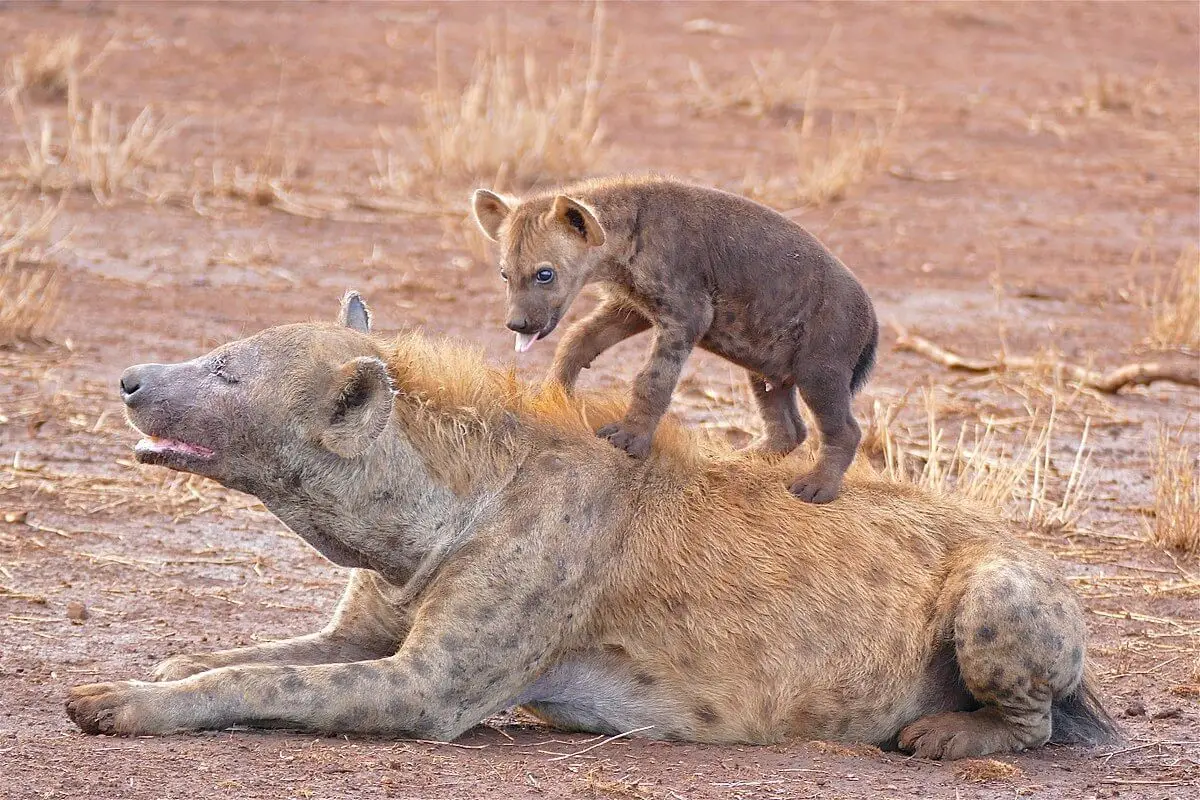
Spotted hyenas, often misunderstood, carry themselves with an attitude that commands both fear and respect. Known for their distinctive “laugh,” these highly social animals live in complex matriarchal societies where females lead the pack. Their vocalizations serve not only as a means of communication but also as tools for intimidation, reinforcing their status within the animal kingdom. Hyenas are skilled hunters and scavengers, often targeting larger prey and competing with lions for dominance over carcasses.
Their robust social structure and cooperative hunting tactics demonstrate a level of organization and intelligence that is often underestimated. Hyenas are capable of solving complex social puzzles, such as recognizing the rank and relationships of other clan members. This cognitive ability, coupled with their physical prowess, makes them formidable competitors in their ecosystems. Their bold attitude and strategic adaptability highlight a side of hyenas that is often overshadowed by misconceptions.
10. Badger
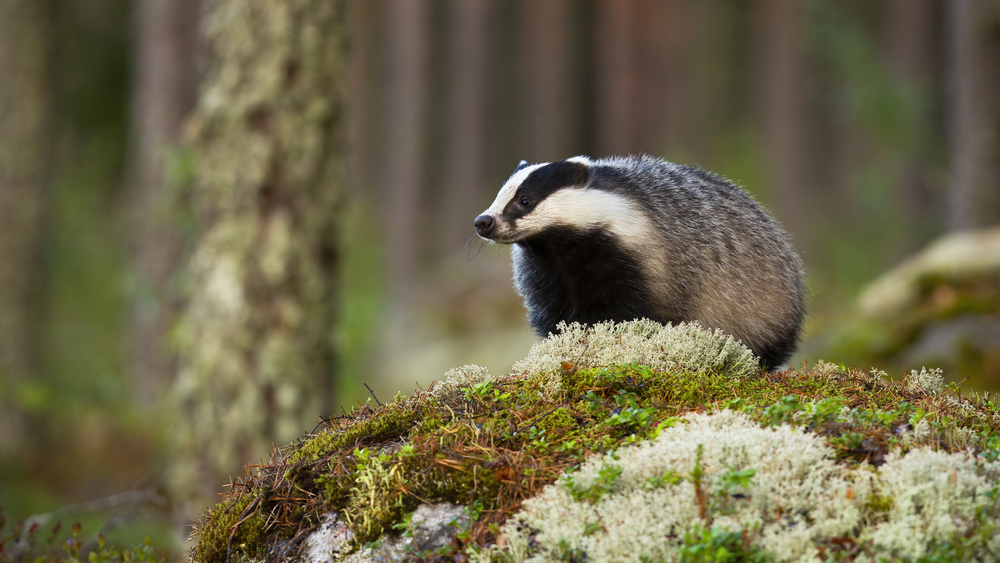
Badgers are tenacious mammals that exude a quiet confidence and determination in their everyday lives. Known for their burrowing abilities, they construct extensive underground networks called setts, which serve as homes for their families. These resilient creatures possess a fearless attitude, often seen standing their ground against much larger animals, including wolves and bears. Their thick skin and muscular build make them adept at defending themselves and their territory.
Beyond their physical strength, badgers exhibit behaviors that reflect their intelligent and resourceful nature. They are known to cache food for the winter, displaying foresight and planning that ensures their survival in harsh conditions. Additionally, badgers engage in social grooming and other cooperative behaviors that strengthen their familial bonds. Their blend of resilience, intelligence, and social dynamics makes them an intriguing and respected presence in the wild.
11. Chimpanzee
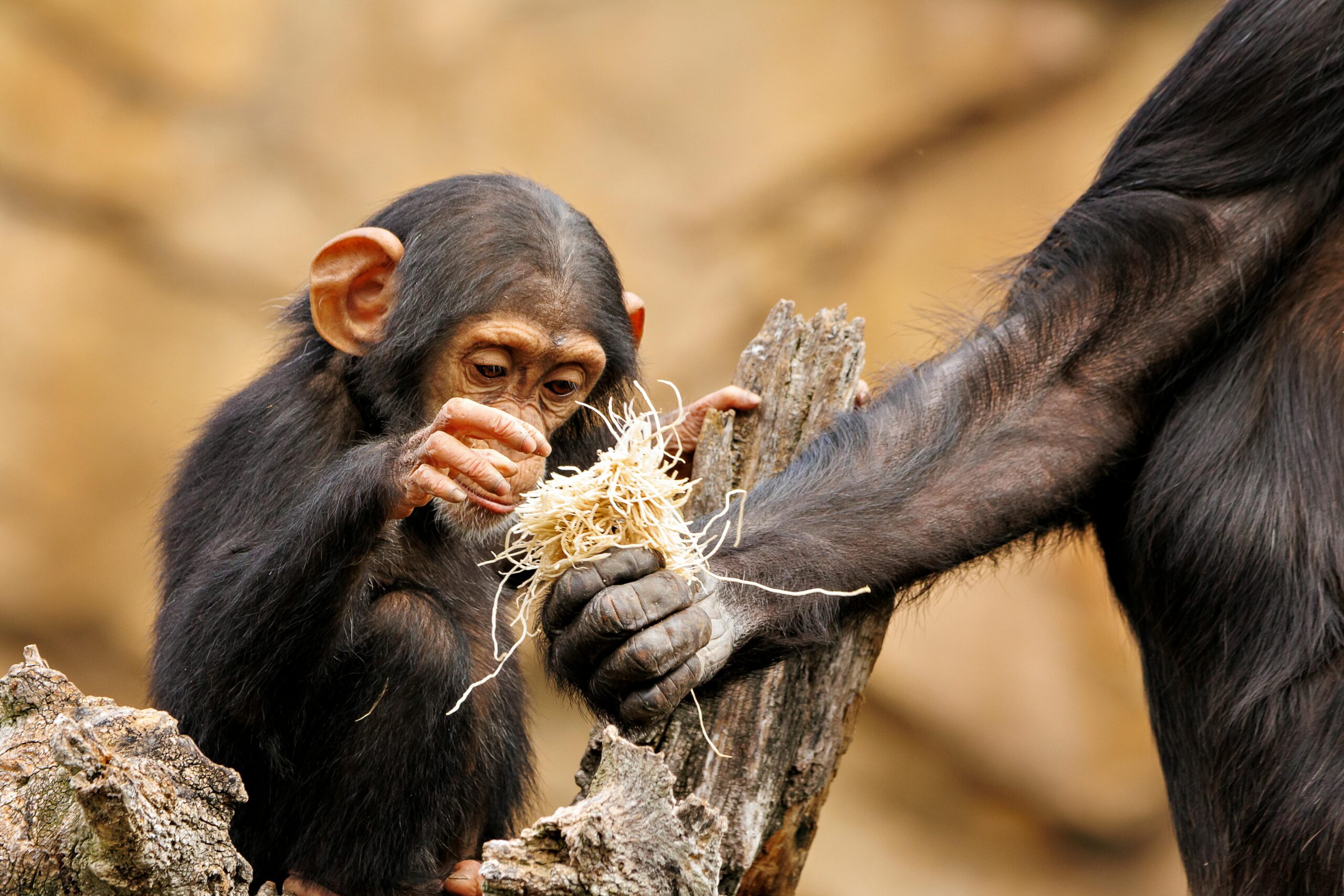
Chimpanzees are the closest living relatives to humans, sharing about 98% of our DNA, but their attitude is all their own. These highly intelligent primates are known for their complex social structures and behaviors, which often mirror human societies. Their ability to use tools, communicate through vocalizations and gestures, and form intricate alliances demonstrates a level of intelligence that commands respect. Chimpanzees are not shy about asserting dominance, engaging in power struggles that can be both strategic and aggressive.
In the wild, chimpanzees exhibit a wide range of behaviors that reflect their adaptable and sometimes unpredictable nature. They are known to hunt cooperatively, using coordinated techniques to capture prey, and they display empathy and cooperation in their social interactions. Their cognitive abilities and social dynamics highlight a sophisticated understanding of their environment and relationships. Chimpanzees remind us that attitude can be rooted in intelligence and social acumen, rather than sheer physical power.
12. Rooster
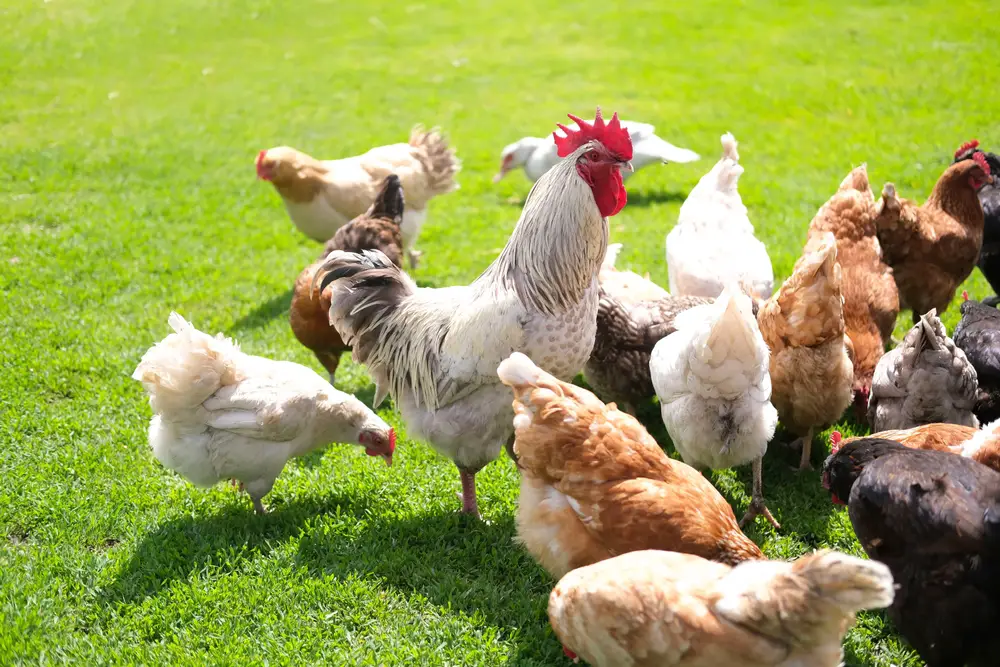
Roosters are perhaps best known for their crowing, but it’s their assertive attitude that truly sets them apart. As the leaders of the flock, roosters take their role seriously, often defending their hens with unwavering courage. They are quick to challenge intruders and will fiercely protect their territory, using their sharp spurs as weapons when necessary. This bold behavior is not just about aggression; it’s a display of confidence and leadership within the flock.
Roosters also play a crucial role in maintaining social order among their hens, using vocalizations and body language to communicate and manage disputes. Their keen sense of awareness and vigilance make them effective guardians, alerting the flock to potential threats. This leadership role requires a balance of assertiveness and attentiveness, showcasing the rooster’s multifaceted personality. Their commanding presence and protective instincts make them a symbol of courage and authority in rural settings.
13. Octopus
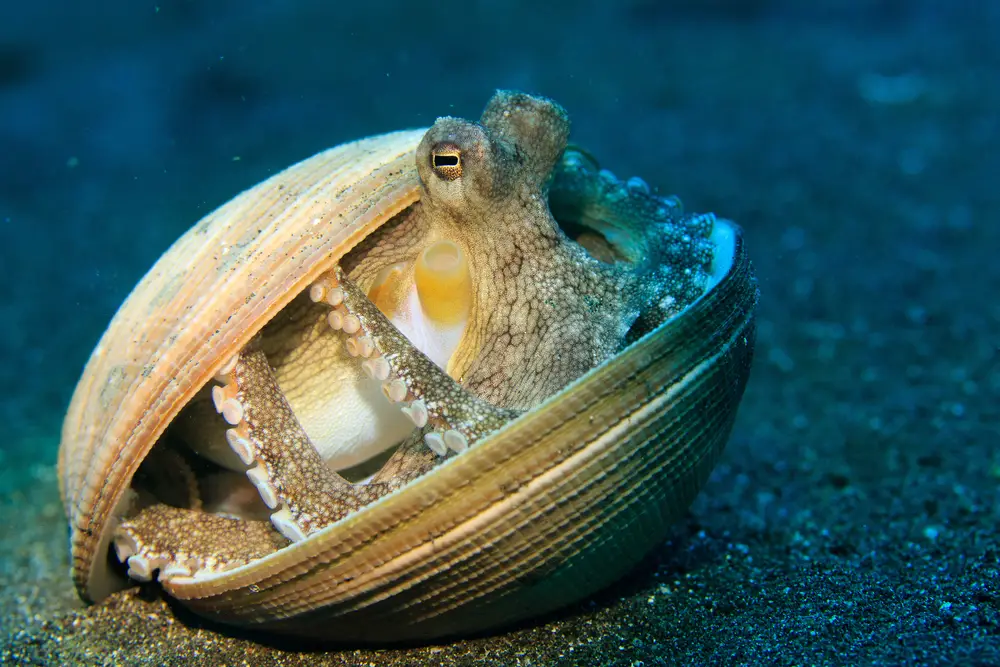
The octopus is a marine marvel, known for its intelligence, problem-solving skills, and, of course, its attitude. These cephalopods are capable of remarkable feats, such as opening jars to retrieve food and escaping enclosures in aquariums. Their ability to change color and texture allows them to blend seamlessly into their surroundings, evoking a sense of mystery and intrigue. This adaptability, combined with their impressive cognitive abilities, makes them formidable inhabitants of the ocean.
Octopuses are solitary creatures, often showcasing individual personalities that range from curious to reclusive. They use a combination of jet propulsion and their eight arms to navigate and hunt, demonstrating both agility and precision. Their unique behaviors, such as using tools and engaging in playful activities, highlight a complex understanding of their environment. The octopus’s blend of intelligence and adaptability serves as a reminder that attitude in the animal kingdom can be as much about wit as it is about brawn.