
You probably don’t think of math as a survival skill, but in the animal kingdom, numbers can mean the difference between eating, escaping, or dying. Many animals make rapid calculations about quantity, distance, probability, and timing without anything resembling conscious effort. They don’t solve equations, but they absolutely understand numbers in ways that often outperform stressed-out humans staring at a worksheet. These animals prove that math isn’t about classrooms—it’s about survival.
1. Crows
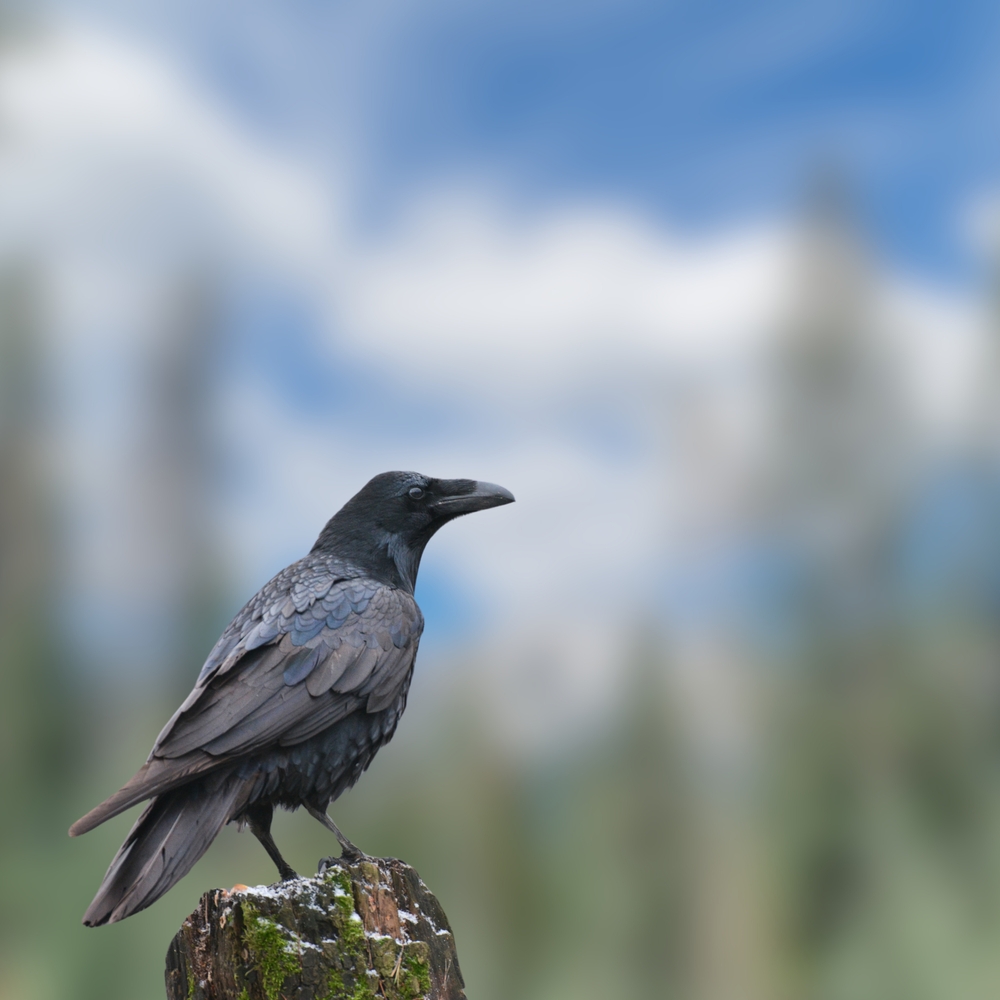
Crows don’t just recognize numbers; they actively track them. If a crow watches three people enter a hide and only two leave, it knows something is wrong and won’t approach. This isn’t guesswork or instinct alone—it’s numerical awareness. The bird is literally keeping count.
Animal cognition research from the University of Tübingen shows crows can distinguish quantities up to at least seven. They adjust behavior based on numerical changes in real time. You don’t need a calculator when your brain evolved for this. For a crow, numbers are safety data.
2. Dolphins
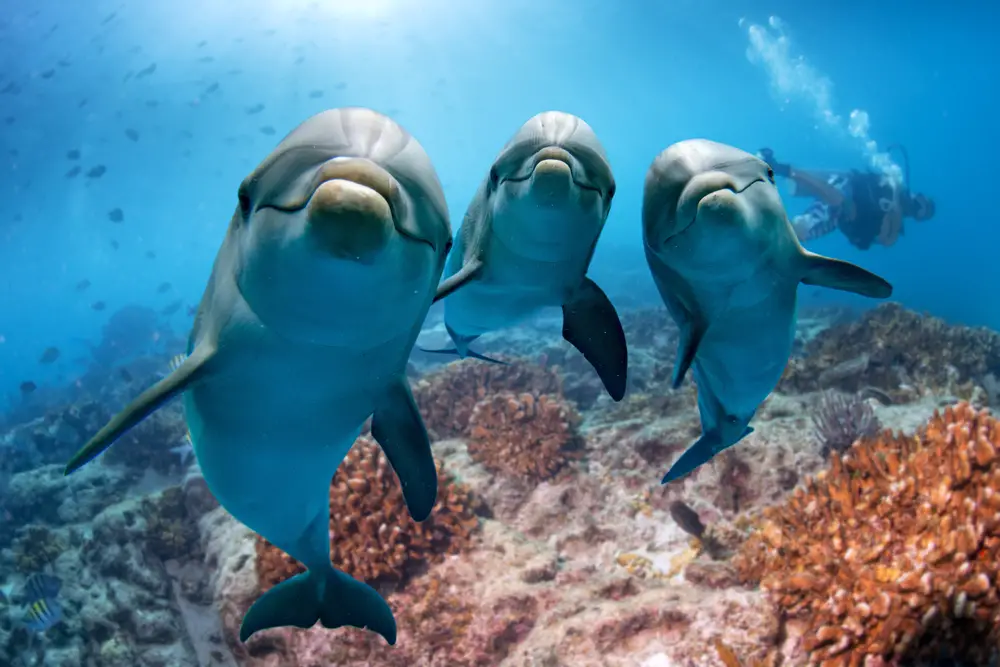
Dolphins can choose larger quantities when presented with visual sets, even when items move or are partially hidden. They don’t rely on static counting—they track changes dynamically. That’s advanced numerical reasoning. Many humans struggle with that under pressure.
Marine cognition studies have shown dolphins can perform addition-like tasks without symbolic numbers. They understand “more” and “less” at a conceptual level. This helps with hunting, coordination, and social behavior. Math becomes teamwork.
3. Chimps
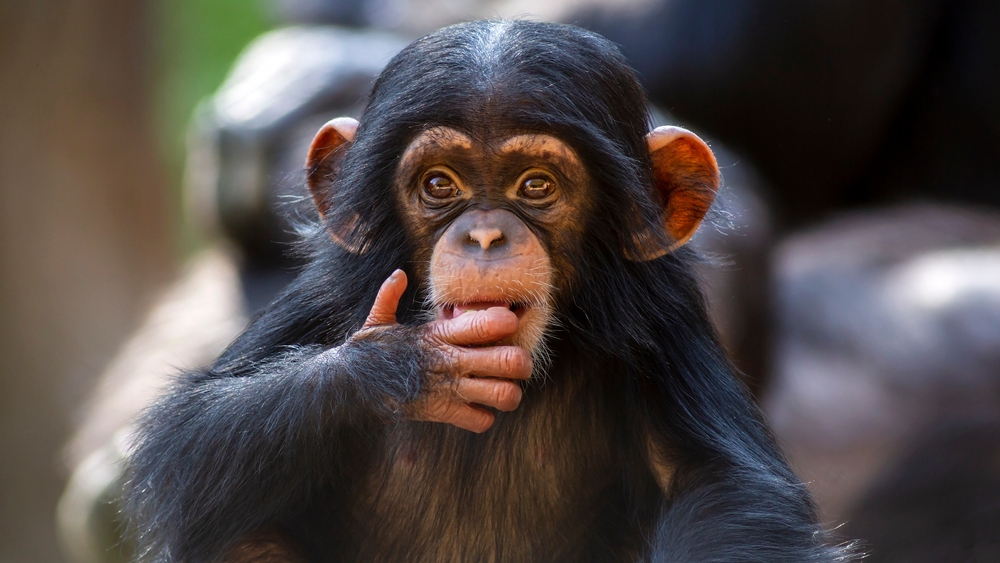
In controlled experiments, chimpanzees have outperformed college students in memory-based numerical tasks. They can recall number sequences faster and more accurately under time pressure. Stress slows humans down. Chimps stay locked in.
Kyoto University researchers famously demonstrated chimps’ superior working memory for numbers. This skill helps them track food distribution and social hierarchy. Numbers aren’t abstract—they’re power. And chimps know exactly how to use them.
4. Honeybees
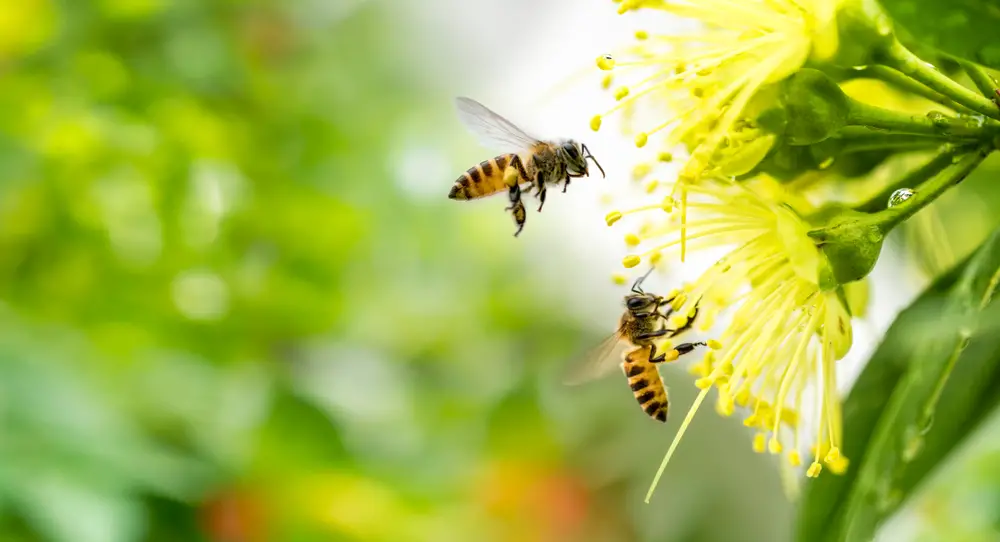
Bees can grasp the concept of zero, which is something human children take years to learn. When trained to recognize quantities, bees consistently treat empty sets as meaningful. That’s not simple pattern recognition. That’s numerical abstraction.
A 2018 study published in Science confirmed bees can conceptualize “nothing.” This ability helps them navigate, forage efficiently, and communicate distance via waggle dances. Zero isn’t philosophical—it’s practical. Even insects know that.
5. Lions
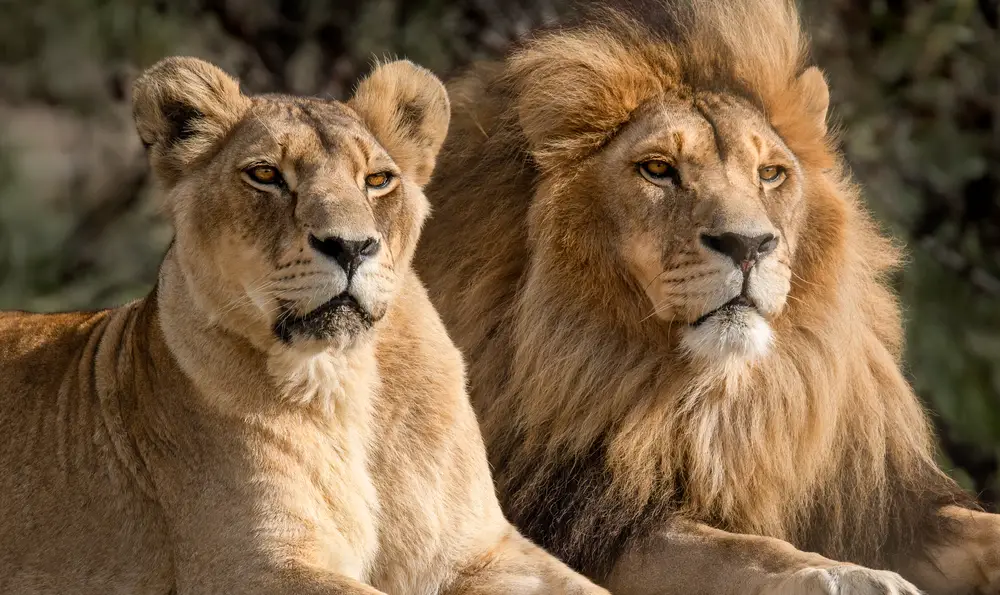
Lions assess the number of opponents before engaging in conflict. If they hear more roars than expected, they retreat. This isn’t fear—it’s calculation. Winning matters more than bravado.
Behavioral ecology research shows lions compare group size audibly before confrontation. They’re doing a fast risk assessment. Humans call this strategy. Lions call it survival.
6. Frogs
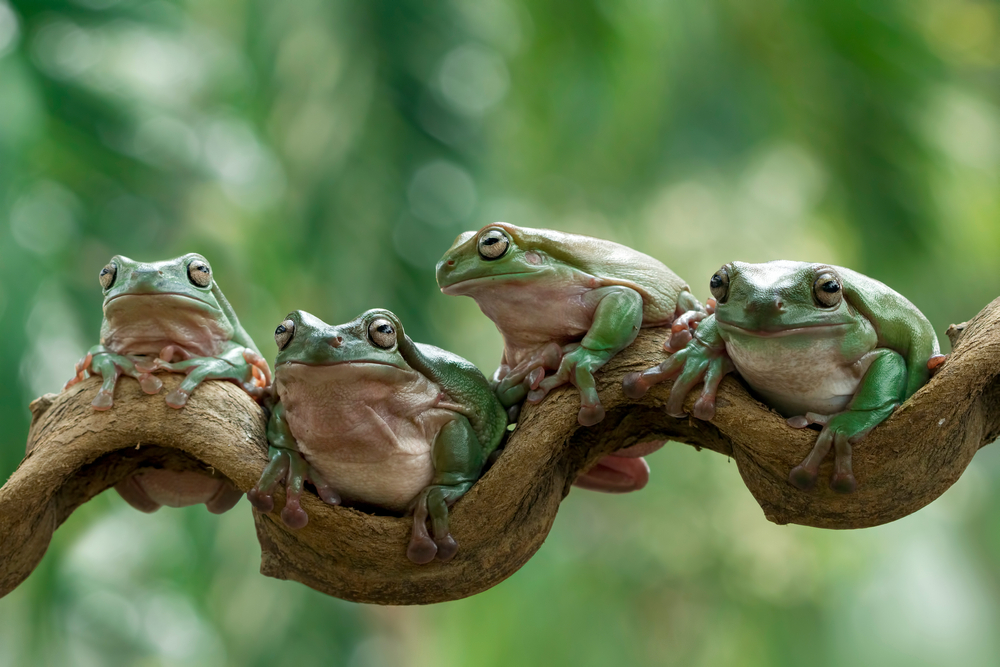
Some frogs choose mates by comparing the number of competing calls they hear. More calls signal higher competition and lower odds. Fewer calls increase mating success. That’s probability math in action.
Studies in animal communication show frogs adjust their behavior based on numerical sound patterns. They don’t count individually—they compare quantities. Even attraction is statistical. Romance has math, too.
7. Spiders
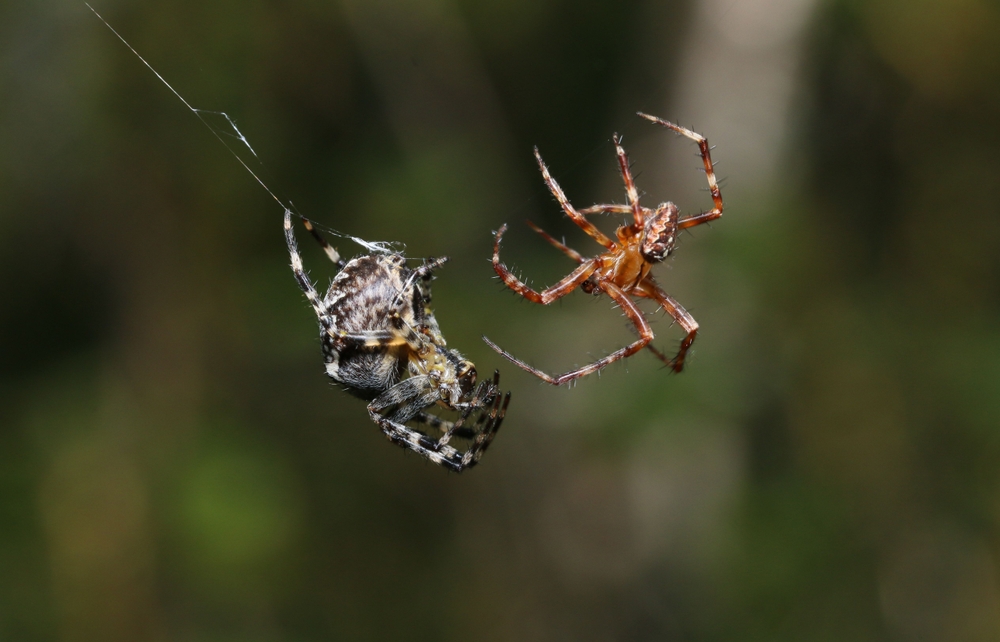
Jumping spiders can calculate distance based on steps taken, not vision alone. If displaced mid-walk, they recalibrate instantly. That internal metric prevents fatal misjudgments. One wrong jump means death.
Arachnid research shows spiders maintain internal distance maps. This allows precise hunting without constant sensory input. Numbers live in the body. Precision keeps them alive.
8. Parrots
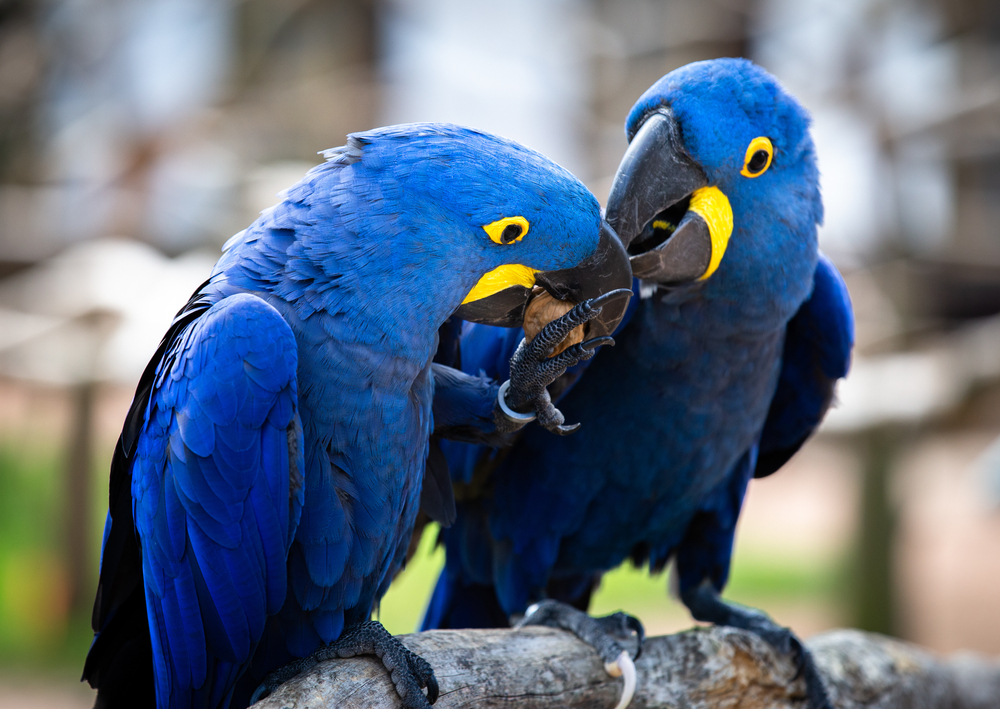
Some parrots don’t just recognize numbers—they label them accurately. The famous parrot Alex could identify quantities up to six using human language. That’s not mimicry. That’s comprehension.
Cognitive psychology studies demonstrated Alex’s understanding of numerical concepts. He corrected himself when wrong. Even humans don’t always do that under pressure.
9. Fish
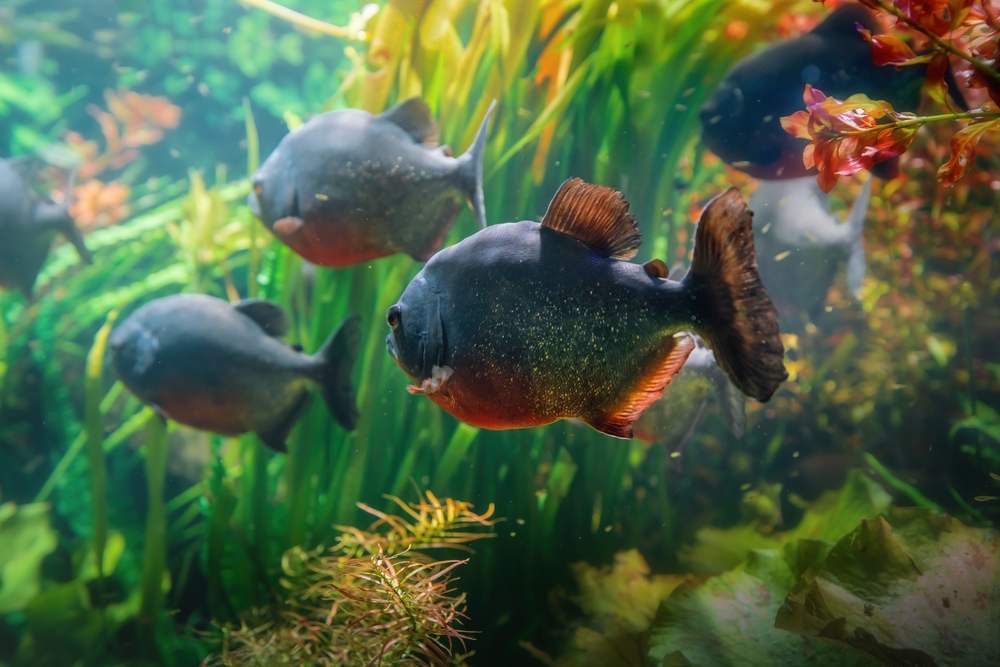
Fish instinctively join larger groups because numbers reduce individual risk. This requires fast quantity comparison. They don’t count each fish—they assess overall mass and density. That’s estimation math.
Evolutionary biology research confirms fish reliably choose larger shoals when threatened. More bodies mean better odds. Math becomes armor.
10. Ravens
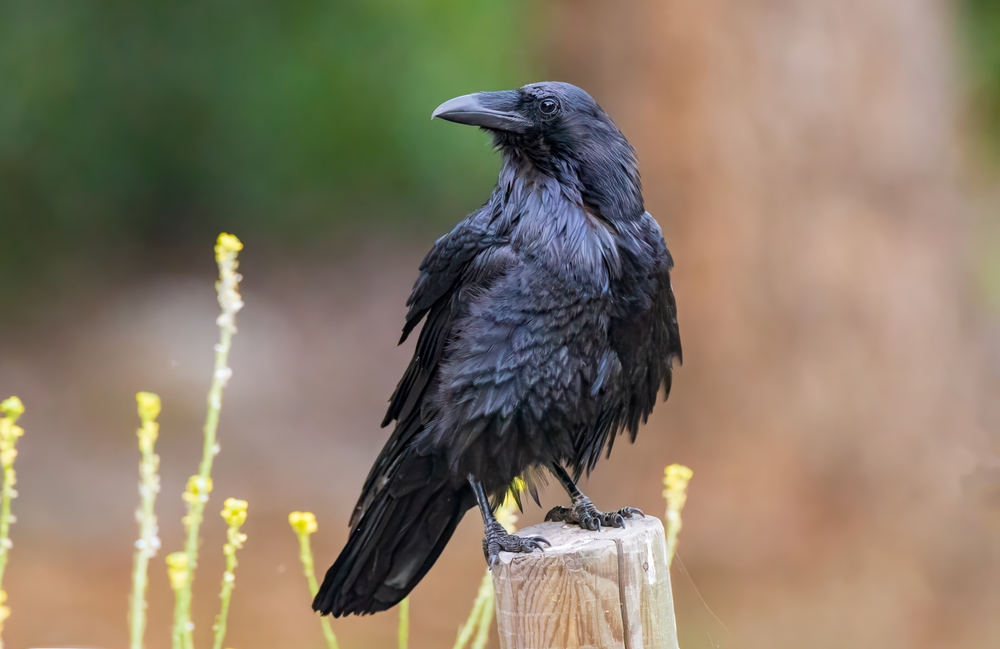
Ravens don’t just count what’s present—they plan for what they’ll need later. They cache food based on future scarcity, not immediate hunger. That requires forecasting. Forecasting is math.
Studies from Lund University show ravens can plan hours or days ahead. They adjust storage based on anticipated demand. Humans call this budgeting. Ravens call it dinner.
11. Wolves
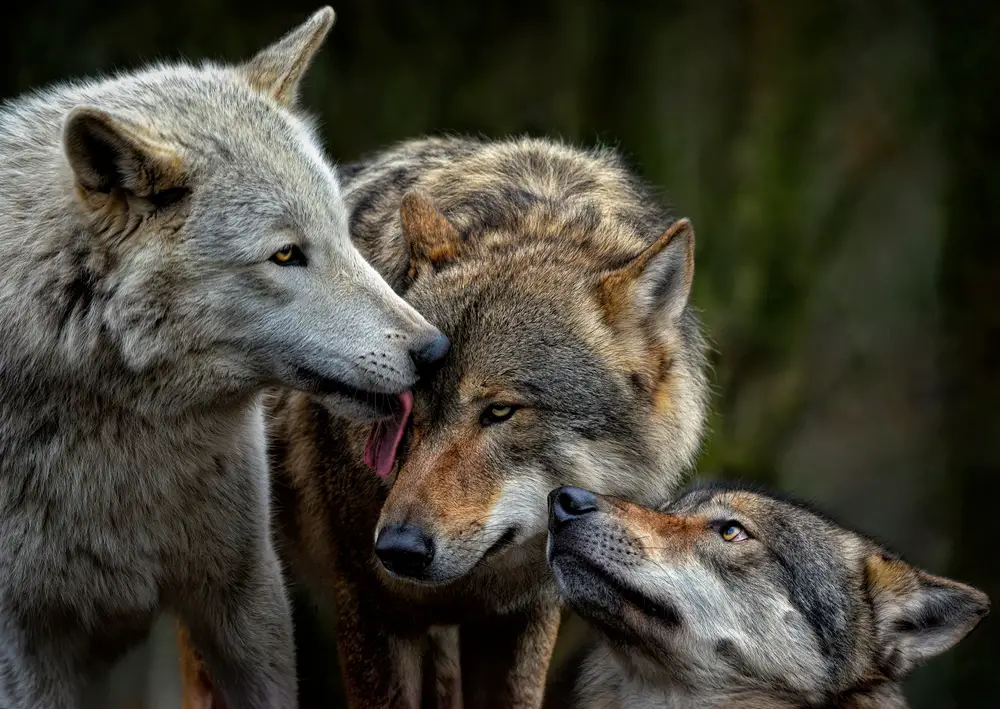
Wolves adjust hunting strategies depending on how many pack members are present. Larger prey requires larger numbers. Smaller packs choose smaller targets. This avoids wasted energy and injury.
Wildlife research shows wolves actively adapt their strategy based on group size. They don’t overreach. That restraint is calculation. It’s math with teeth.
12. Octopus
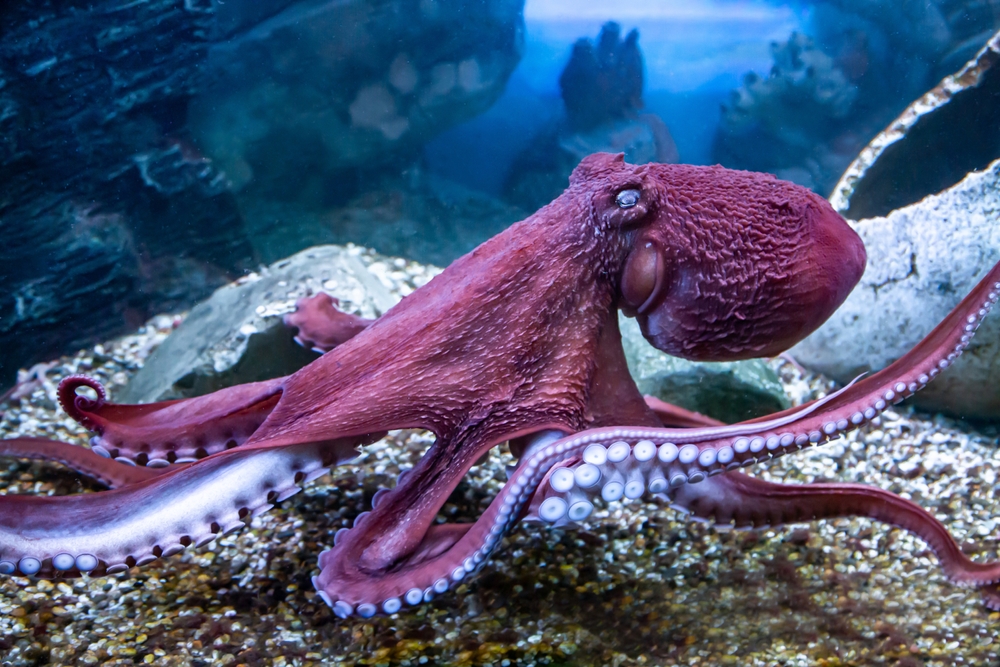
Octopuses can distinguish between containers holding different numbers of prey. They choose the option with more food consistently. This happens even when objects are rearranged. Quantity stays the deciding factor.
Cephalopod intelligence studies show octopuses understand numerical value independent of layout. This helps them optimize effort. Efficiency matters underwater. Numbers guide decisions.
13. Ants
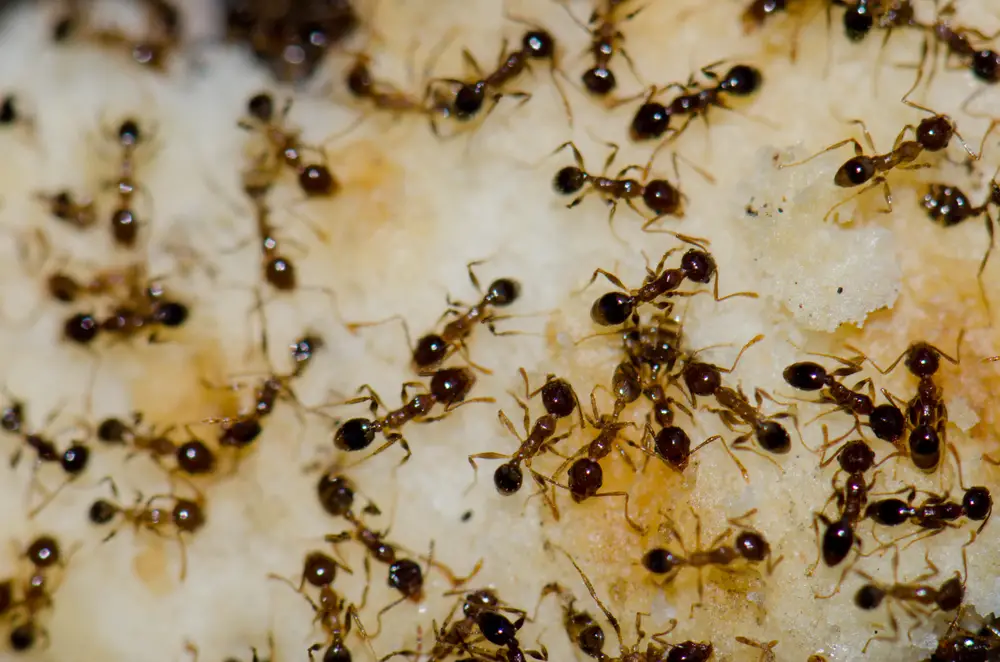
Desert ants track distance by counting steps, not landmarks. When researchers shortened or lengthened their legs, ants overshot or undershot the nest. That’s internal counting in action. No GPS required.
Neuroscience research confirms ants use step-based odometry. Their brains run continuous tallies. Even without sight, they know where they are. Math keeps them alive in empty landscapes.