
Climate change, rising sea levels, and environmental degradation are making certain inhabited places increasingly uninhabitable. While these changes are happening gradually, scientists warn that some regions are approaching critical tipping points where human habitation will become unsustainable. These aren’t distant projections—many of these areas are already seeing residents leave as conditions deteriorate.
1. The Maldives
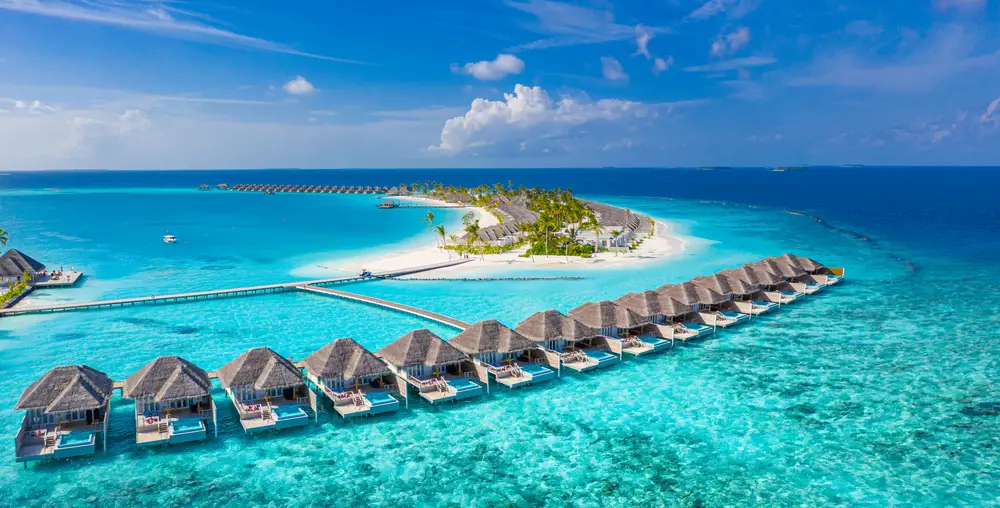
The Maldives, a nation of 1,200 islands in the Indian Ocean, has an average elevation of just 4.9 feet above sea level. Scientists project that most of the islands will be underwater by 2100, with some becoming uninhabitable much sooner as saltwater infiltrates freshwater supplies and storms become more devastating. The government has already begun purchasing land in other countries as a potential relocation site for the nation’s 500,000 residents.
Some islands are already experiencing regular flooding during high tides, forcing communities to abandon homes and infrastructure. The economic foundation of tourism is threatened as beaches erode and coral reefs die from warming waters. While the government is attempting engineering solutions like building higher islands, scientists say these measures can only delay the inevitable retreat.
2. Kiribati
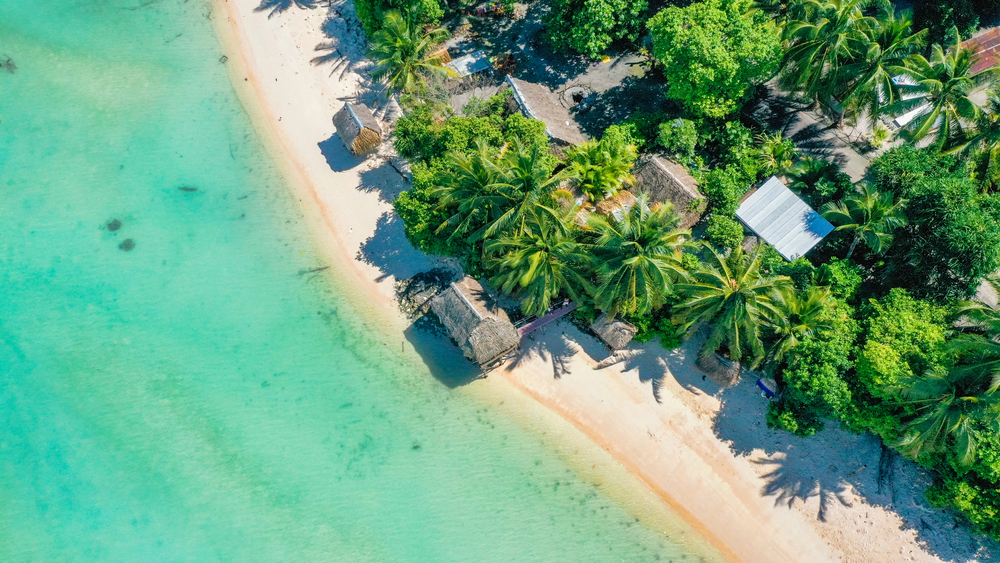
Kiribati, a Pacific island nation, is one of the world’s most vulnerable countries to sea level rise, with no point higher than 10 feet above sea level. Scientists predict the country could become uninhabitable within 30-50 years as rising seas contaminate freshwater supplies and make agriculture impossible. The government has already purchased land in Fiji as a potential relocation site for its 120,000 citizens.
King tides already force evacuations in some communities, and saltwater intrusion has destroyed traditional farming areas. The nation’s isolation makes engineering solutions prohibitively expensive, and the scale of the problem exceeds what a small, poor country can address. Young Kiribati residents are already emigrating in significant numbers, recognizing their homeland may not exist for future generations.
3. Miami and South Florida
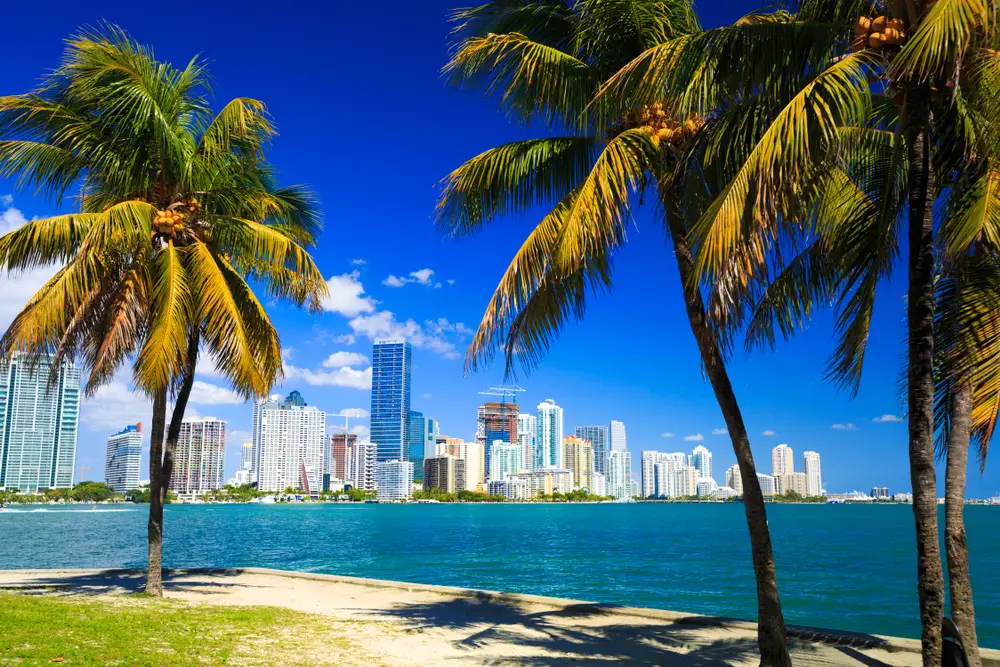
Miami is built on porous limestone that allows seawater to rise up through the ground, making traditional seawalls ineffective against rising seas. Scientists project that much of Miami-Dade County will experience regular flooding by 2050, with some neighborhoods already dealing with routine tidal flooding. The cost of protecting the entire metropolitan area is estimated at hundreds of billions of dollars, an investment many economists say isn’t viable.
Real estate markets in low-lying neighborhoods are already showing signs of climate-driven value decline. The city’s drainage systems are increasingly overwhelmed, and saltwater intrusion threatens the aquifer that provides drinking water to millions. While wealthy areas may hold out longer with expensive engineering solutions, scientists say large portions of South Florida will become uninsurable and uninhabitable within decades.
4. The Sundarbans, Bangladesh/India
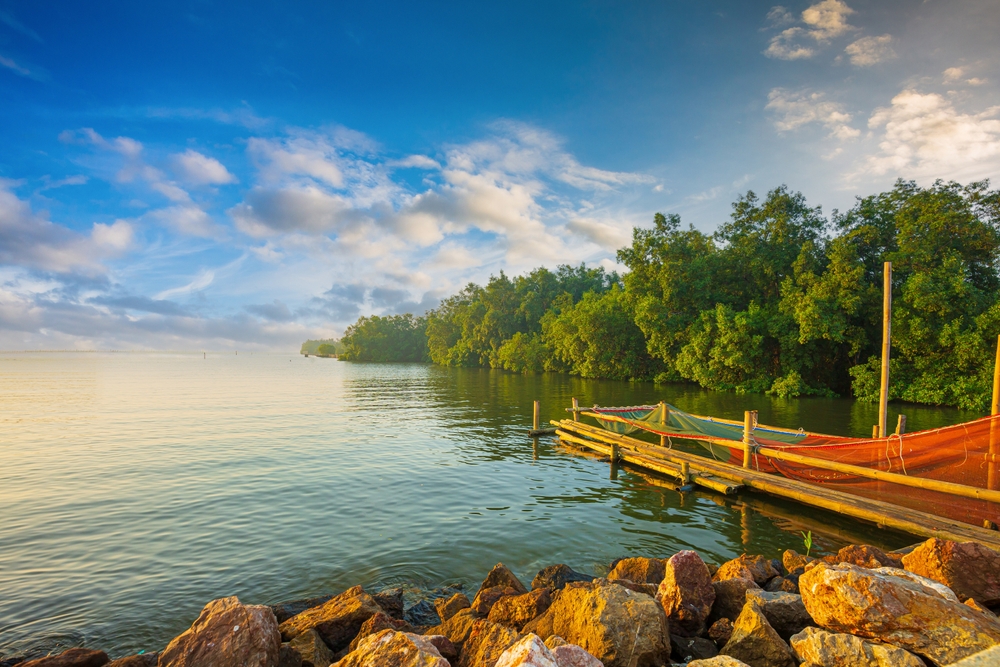
The Sundarbans, a vast mangrove delta home to millions of people, is experiencing some of the fastest land loss on Earth due to rising seas and subsidence. Multiple islands have already disappeared completely, displacing tens of thousands of residents. Scientists project that much of the region will be submerged by mid-century, potentially displacing millions who depend on the delta for survival.
Saltwater intrusion has already destroyed large areas of agricultural land, forcing residents to abandon traditional livelihoods. Increasingly powerful cyclones regularly devastate communities that are running out of places to retreat. The region’s poverty means most residents lack resources to relocate, creating a looming humanitarian crisis.
5. Phoenix and the Southwest Desert Cities
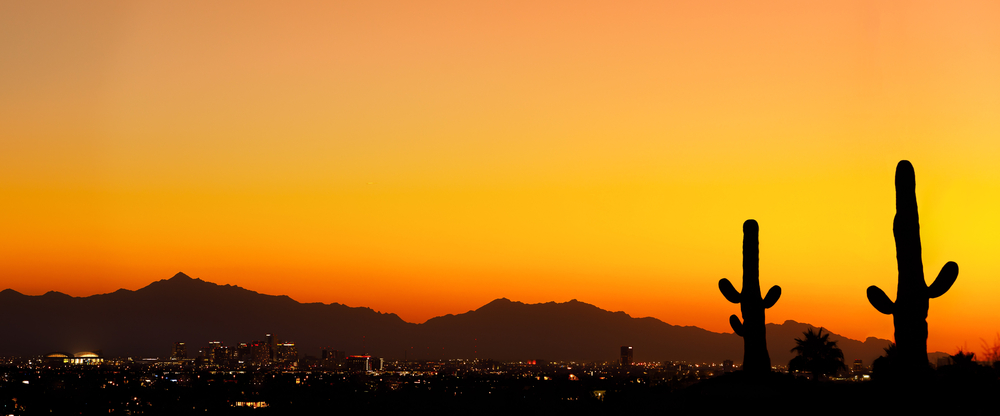
Phoenix relies almost entirely on the Colorado River and groundwater, both of which are being depleted faster than they’re replenished. Scientists warn that the combination of megadrought, rising temperatures, and population growth is making large desert cities increasingly unsustainable. Summer temperatures in Phoenix now regularly exceed 115°F, approaching the limits of human survivability even with air conditioning.
The Colorado River Basin is experiencing its worst drought in 1,200 years, and water allocation agreements made during wetter times are no longer tenable. Some climate scientists project that Phoenix and similar cities may face difficult decisions about limiting growth or even managed retreat within decades. The energy demand for cooling these cities during increasingly extreme summers is becoming unsustainable as heat waves last longer and grow more intense.
6. Tuvalu
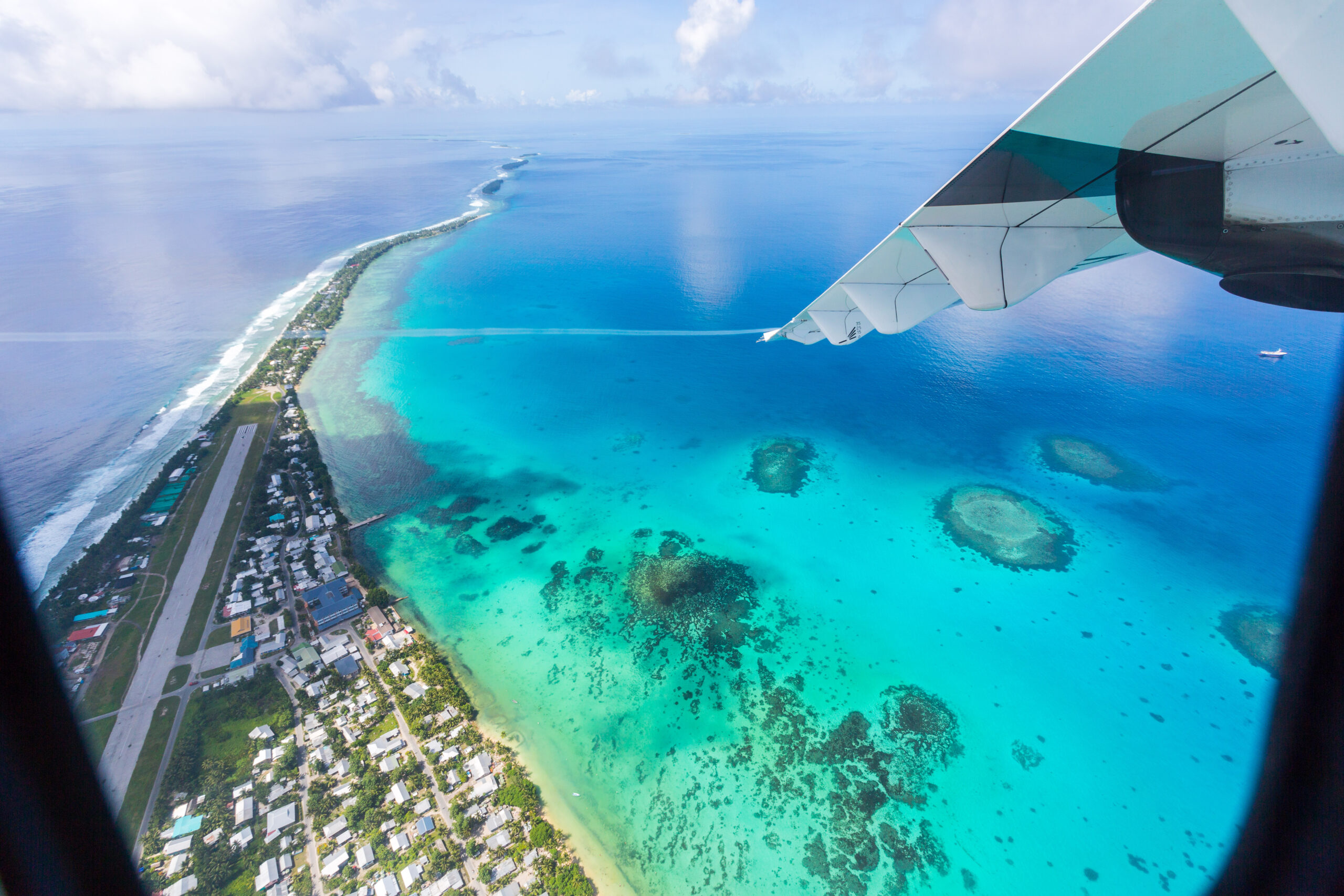
Tuvalu, a Polynesian island nation, has a maximum elevation of 15 feet and is experiencing some of the Pacific’s fastest rates of sea level rise. Scientists project that the islands will become uninhabitable within 50-75 years as freshwater sources fail and agricultural land disappears. Two of Tuvalu’s nine islands are already on the verge of complete submersion.
The nation’s 11,000 residents face an uncertain future as their homeland slowly vanishes. Storm surges now regularly wash over entire islands, contaminating wells and destroying crops. The government has begun digitally archiving the nation’s culture and history, acknowledging that Tuvalu as a physical place may not survive the century.
7. Venice, Italy
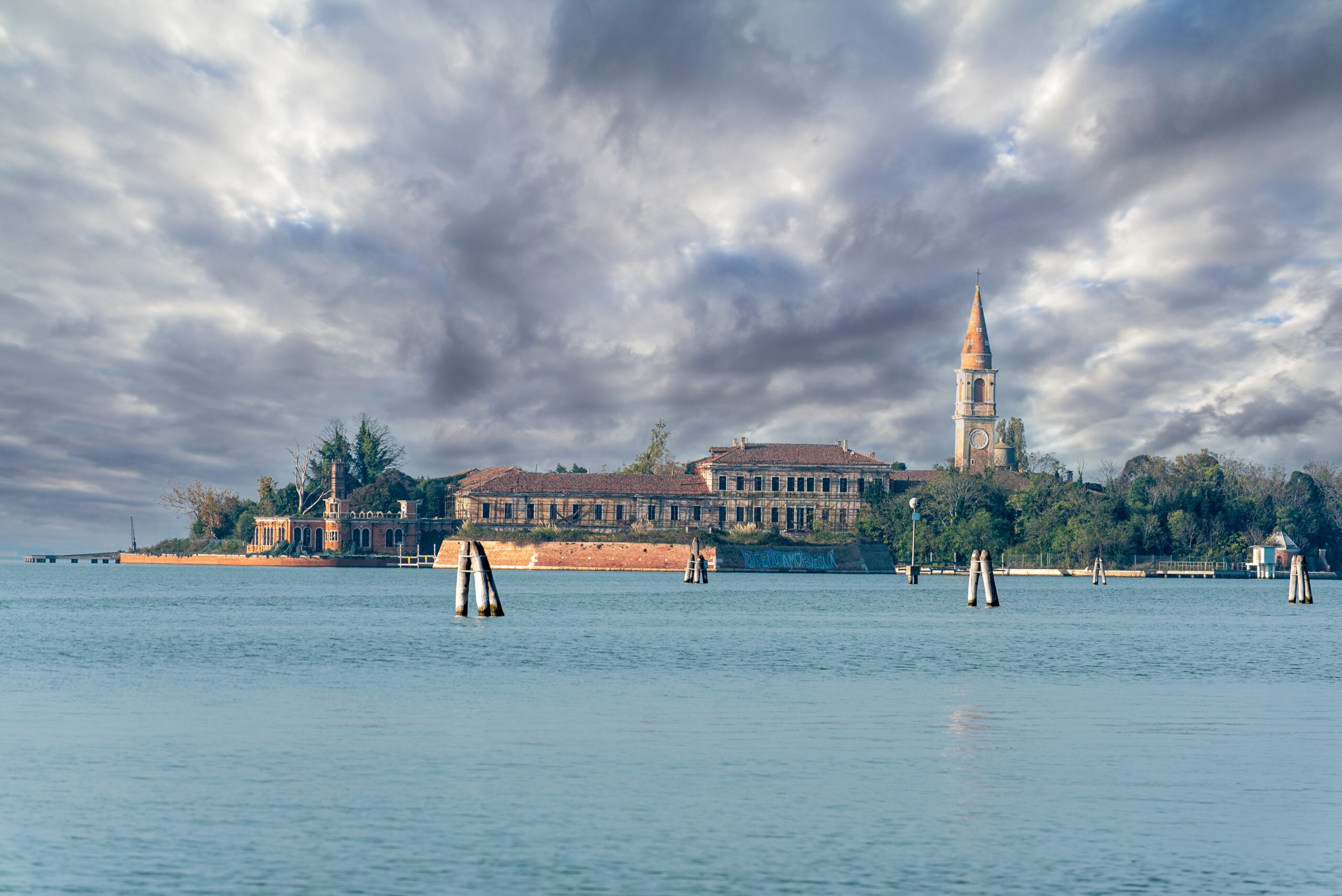
Venice is sinking at a rate of 1-2 millimeters per year while sea levels rise, creating a compounding problem that threatens the city’s future. Flooding events that were once rare now occur regularly, with the city experiencing acqua alta (high water) over 60 times in some recent years. Scientists warn that even with the newly completed MOSE flood barrier system, Venice faces an unsustainable future as climate change accelerates.
The city’s permanent population has dropped from 175,000 in the 1950s to under 50,000 today, with residents fleeing increasing flood damage and rising costs. Historic buildings are deteriorating from repeated flooding and saltwater damage that restoration can’t keep pace with. Many experts believe Venice will transition from a living city to a museum-like tourist destination as year-round habitation becomes impractical.
8. Jakarta, Indonesia
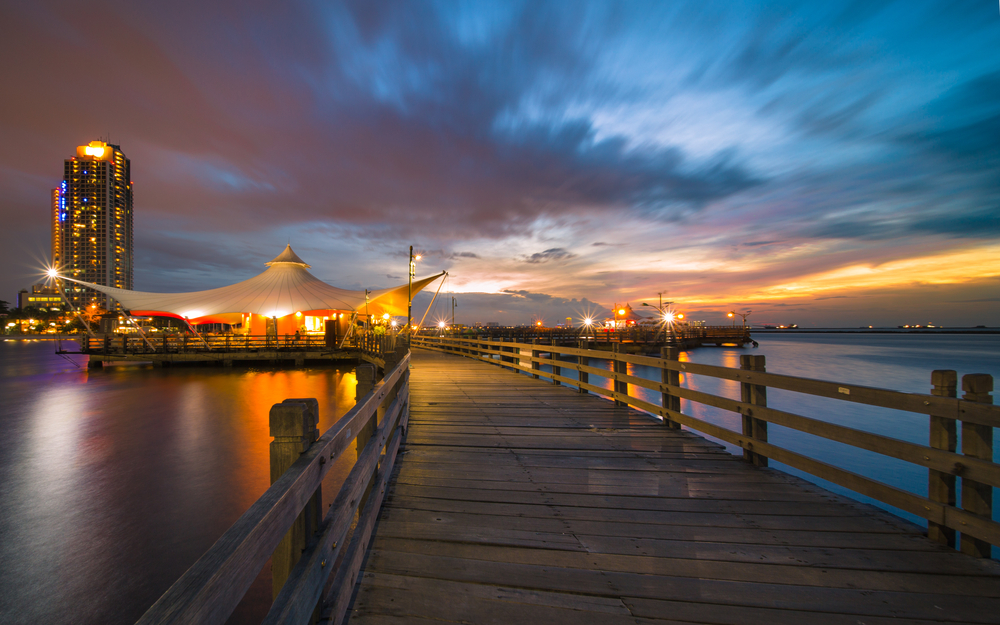
Jakarta is sinking at a rate of up to 10 inches per year, faster than any other major city on Earth, due to excessive groundwater extraction and the weight of urban development. Scientists project that much of northern Jakarta could be underwater by 2050, threatening tens of millions of residents. The Indonesian government has already announced plans to move the capital to Borneo, acknowledging Jakarta’s long-term unsustainability.
Nearly half the city now sits below sea level, and existing seawalls are being overwhelmed. Flooding is becoming more frequent and severe, with some neighborhoods experiencing permanent inundation. The scale of the problem—affecting a megacity of over 30 million people—makes it one of the world’s most serious climate-driven migration threats.
9. New Orleans, Louisiana
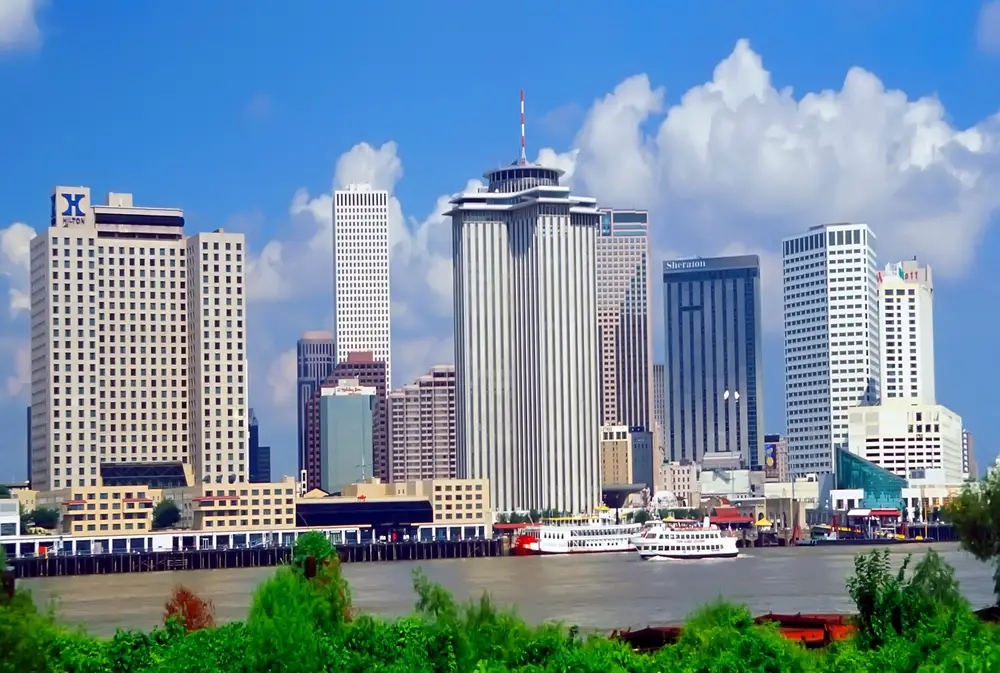
New Orleans continues to sink while sea levels rise and coastal wetlands that provide storm protection disappear. The city already sits largely below sea level, and scientists project that maintaining habitation will become prohibitively expensive as climate change intensifies. Hurricane Katrina demonstrated the city’s vulnerability, and scientists warn that future storms will be more frequent and severe.
Louisiana loses a football field worth of coastal land every hour, removing the natural buffer that protects New Orleans from storm surge. The cost of levees, pumping systems, and coastal restoration needed to protect the city long-term is estimated at hundreds of billions of dollars. Many climate scientists believe portions of the city will be abandoned within decades as the cost and danger of staying outweigh the benefits.
10. Basra, Iraq
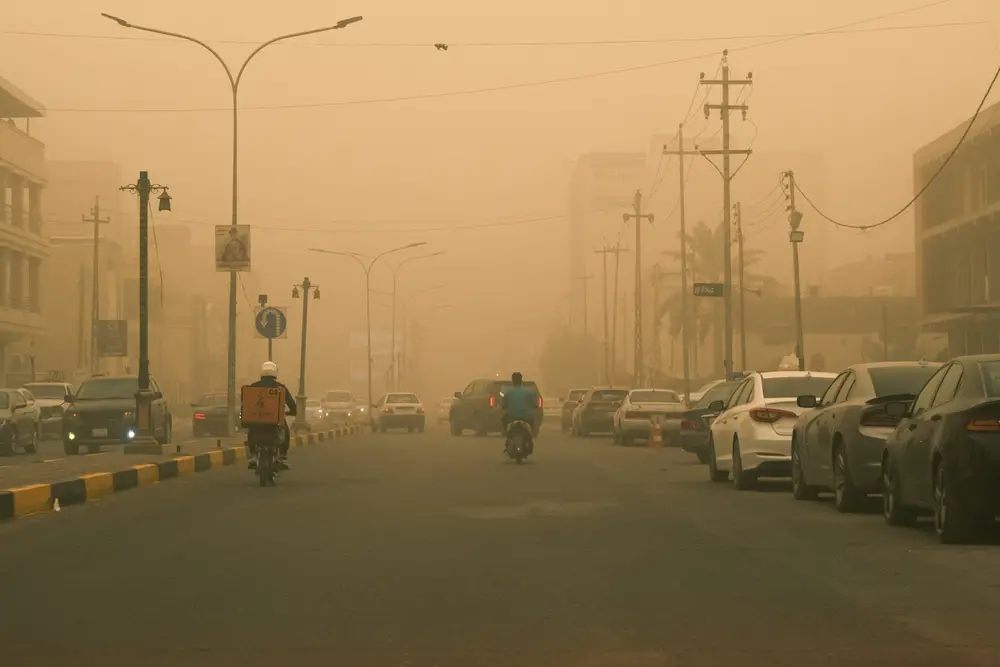
Basra, Iraq’s second-largest city, faces an existential crisis from rising temperatures, water scarcity, and saltwater intrusion from the Persian Gulf. Summer temperatures now regularly exceed 125°F, approaching levels where prolonged outdoor activity becomes lethal. The Shatt al-Arab river that provides the city’s water is increasingly contaminated with saltwater, making it undrinkable and destroying agriculture.
Scientists project that the region could experience wet-bulb temperatures that exceed human survivability limits within decades. The combination of extreme heat, water scarcity, and political instability is already driving migration from the region. Climate models suggest that much of southern Iraq, including Basra, may become too hot for permanent human habitation by mid-century.
11. Alaska’s Coastal Villages
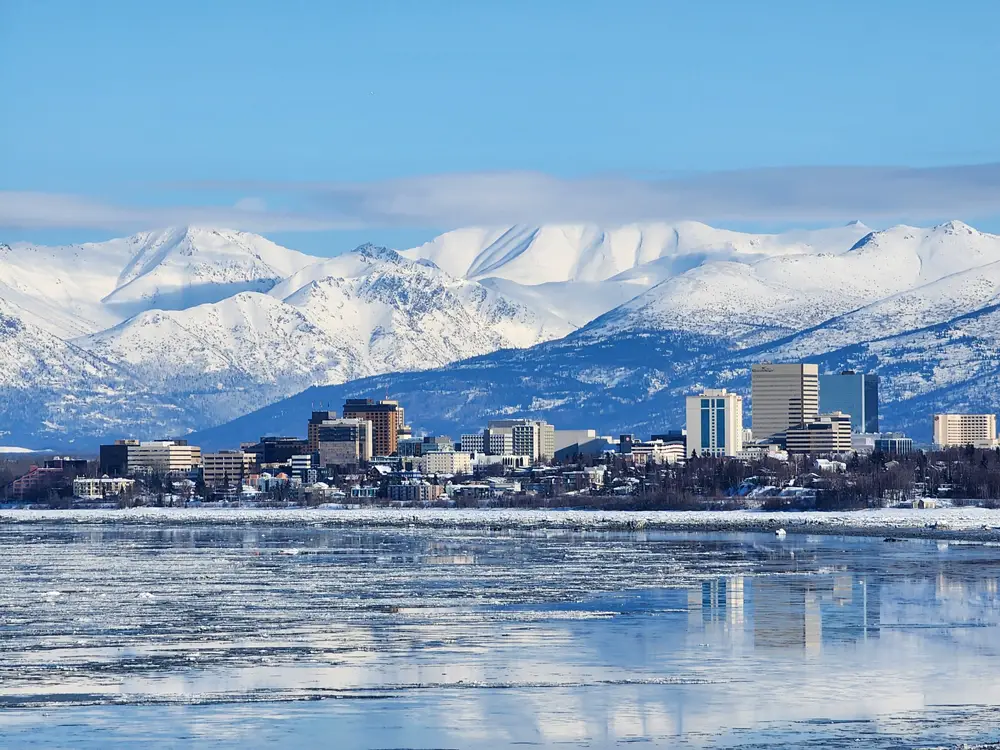
Dozens of Alaska Native villages along the coast are literally falling into the ocean as permafrost melts and shorelines erode at unprecedented rates. Shishmaref, Kivalina, and other communities have voted to relocate, but the cost of moving entire villages is astronomical and funding is limited. Scientists project that many of these communities have less than a decade before relocation becomes unavoidable.
The combination of melting permafrost, rising seas, and increased storm intensity is destroying homes and infrastructure faster than it can be replaced. These communities have existed in their locations for thousands of years, but climate change is making their ancestral lands uninhabitable within a single generation. The estimated cost to relocate all threatened Alaska communities exceeds $5 billion, money that neither state nor federal governments have committed.
12. Cairo, Egypt
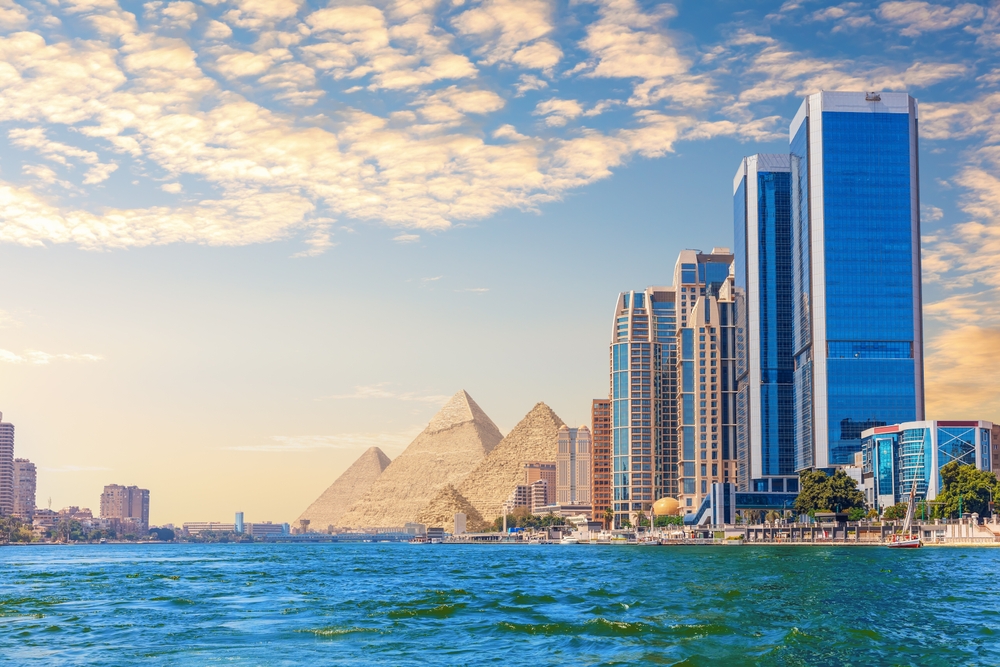
Cairo’s 20 million residents depend almost entirely on the Nile River for water, but rising temperatures and upstream development are threatening this supply. Scientists warn that the combination of population growth, climate change, and the Grand Ethiopian Renaissance Dam could create severe water shortages within decades. The city also faces extreme heat that will intensify as climate change progresses.
Parts of the Nile Delta that feed Cairo are sinking and experiencing saltwater intrusion from the Mediterranean. Climate projections suggest that Egypt could lose significant agricultural land and face water crises that make supporting Cairo’s massive population impossible. While the city won’t empty overnight, scientists project increasing out-migration as conditions deteriorate and opportunities elsewhere become more attractive.