
For a long time, it was thought that we humans were the only species capable of understanding death. But modern ethology, field observation, and neuroscience are quietly dismantling that belief. Across species and ecosystems, animals show consistent, patterned responses to dying companions that go far beyond instinct or confusion. These behaviors suggest not just awareness, but memory, attachment, and loss. Here are 13 animals that demonstrate an understanding of death.
1. Elephants
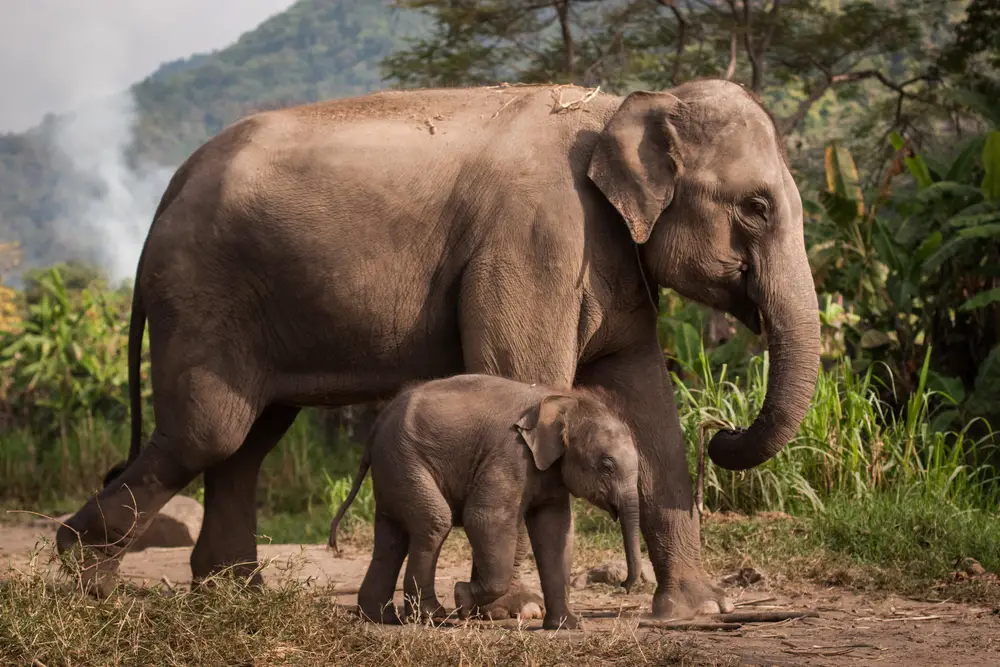
Elephants are known to return repeatedly to the bones of deceased herd members, especially skulls and tusks. They touch them gently with their trunks, pause in silence, and often stand guard for extended periods. These behaviors are not random curiosity but repeated rituals observed across populations and decades. Researchers studying African and Asian elephants note that these responses are strongest toward close kin.
Neurological studies show elephants possess highly developed temporal lobes linked to memory and emotional processing. Their long-term social bonds mean death disrupts not just an individual, but an entire relational network. This explains why elephants may alter migration routes after a death. The behavior reflects loss recognition, not simple sensory interest.
2. Chimpanzees
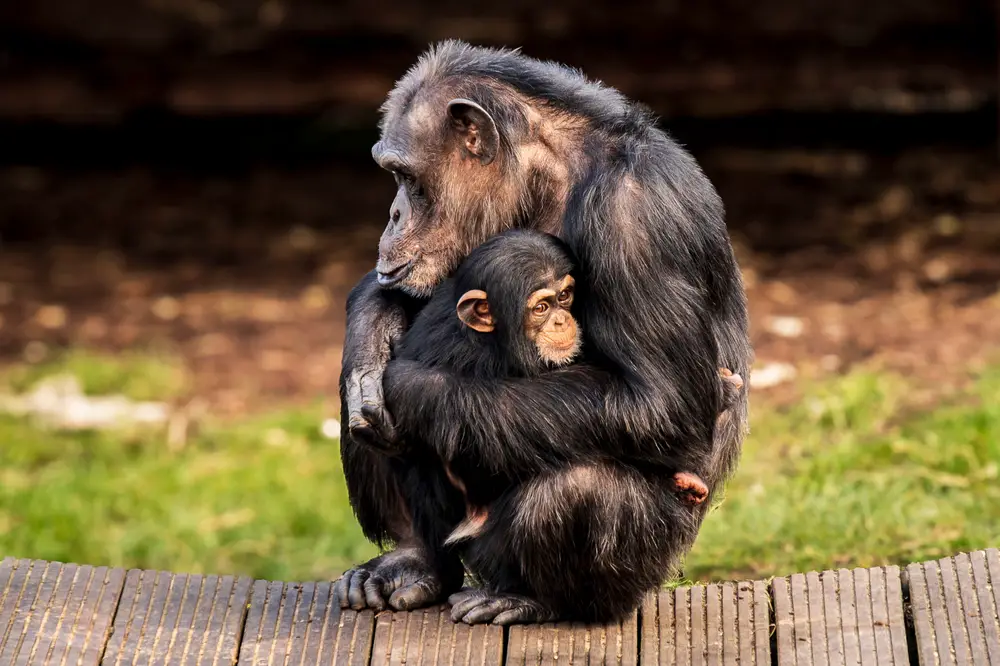
Chimpanzees have been observed sitting quietly with deceased group members, sometimes grooming the body or keeping flies away. Mothers have carried dead infants for days or weeks, adjusting their behavior only gradually. These actions occur even when there is no survival benefit. Field researchers consistently document a visible behavioral shift after death.
Primatologists note that chimps display reduced play, appetite changes, and withdrawal following the loss of a group member. Their brains share emotional circuitry similar to humans, especially in areas related to attachment. This makes death a socially disruptive event rather than a neutral occurrence. The response suggests comprehension of permanence, even if not conceptualized abstractly.
3. Dolphins
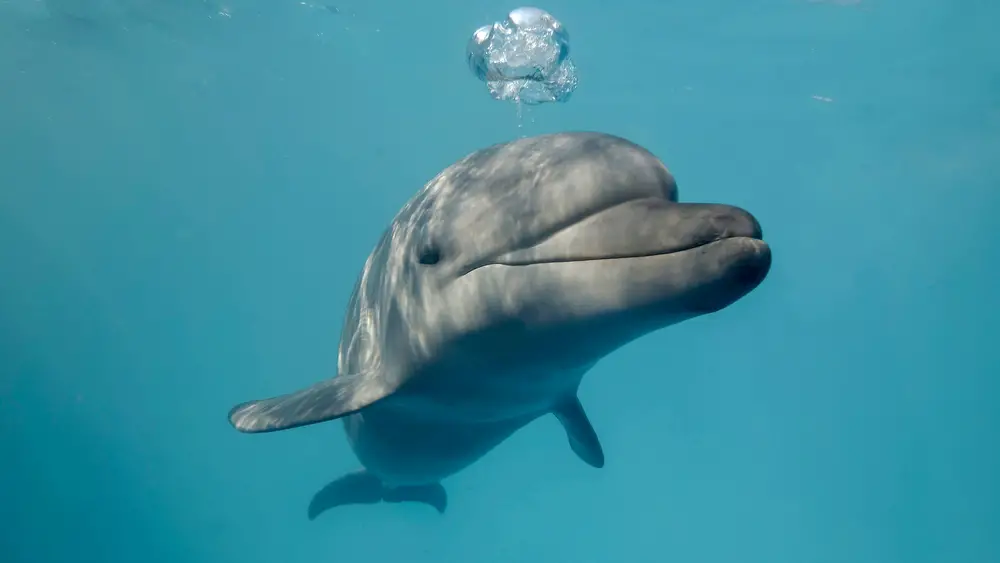
Dolphins frequently support dead or dying pod members at the surface, sometimes for hours. This behavior occurs even when it puts the living dolphins at physical risk. In many cases, the pod slows down or alters travel patterns entirely. These actions have been documented in both wild and captive environments.
Marine biologists believe dolphins recognize respiratory failure as incompatible with life. Their advanced cognition and social cohesion make loss highly destabilizing. Acoustic monitoring shows changes in vocalization patterns after a death. This indicates a behavioral processing period rather than immediate detachment.
4. Crows
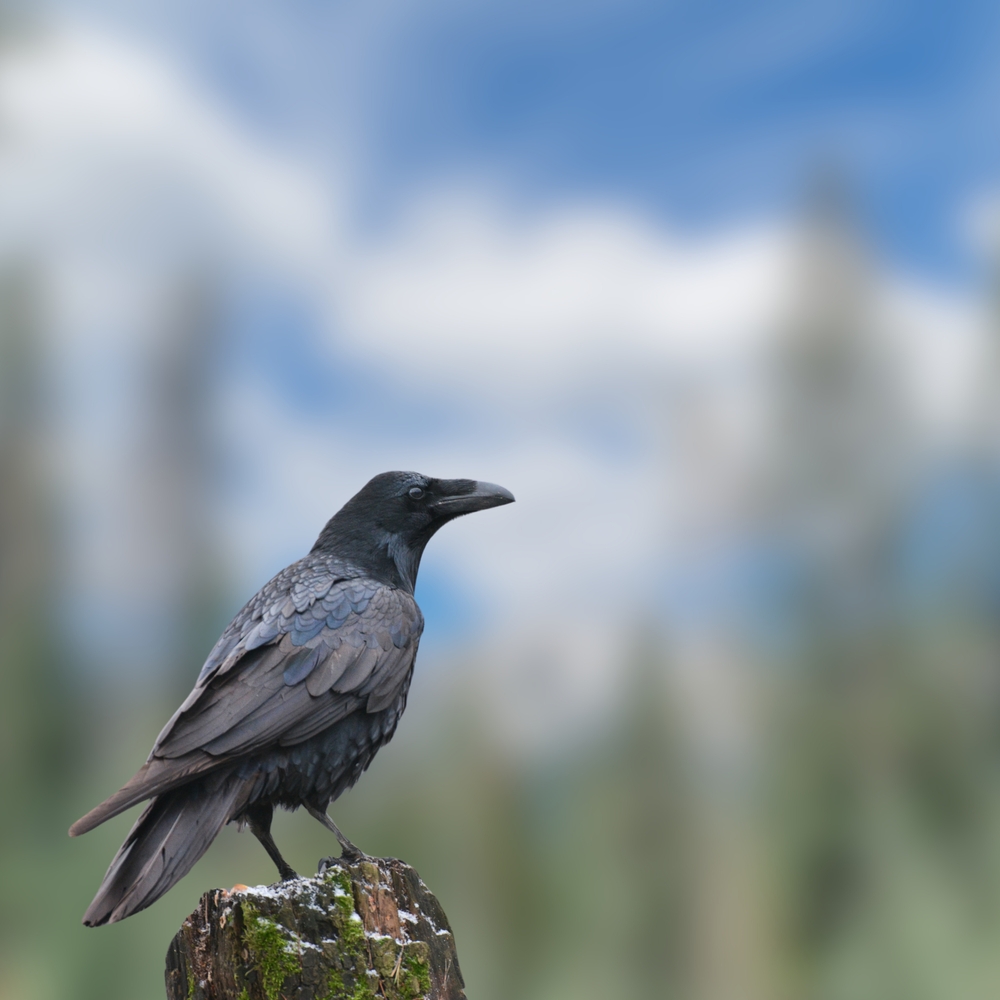
Crows famously hold what researchers call “death assemblies” when encountering a dead crow. They gather, vocalize loudly, and remain on site far longer than needed for threat assessment. These gatherings are not random and occur repeatedly across populations. The behavior is distinct from predator mobbing.
Studies show these events help crows learn environmental dangers, but they also show signs of social recognition. The dead crow is treated as significant, not interchangeable. Crows remember locations where deaths occurred for years. This indicates death is a meaningful event with lasting cognitive imprint.
5. Orcas
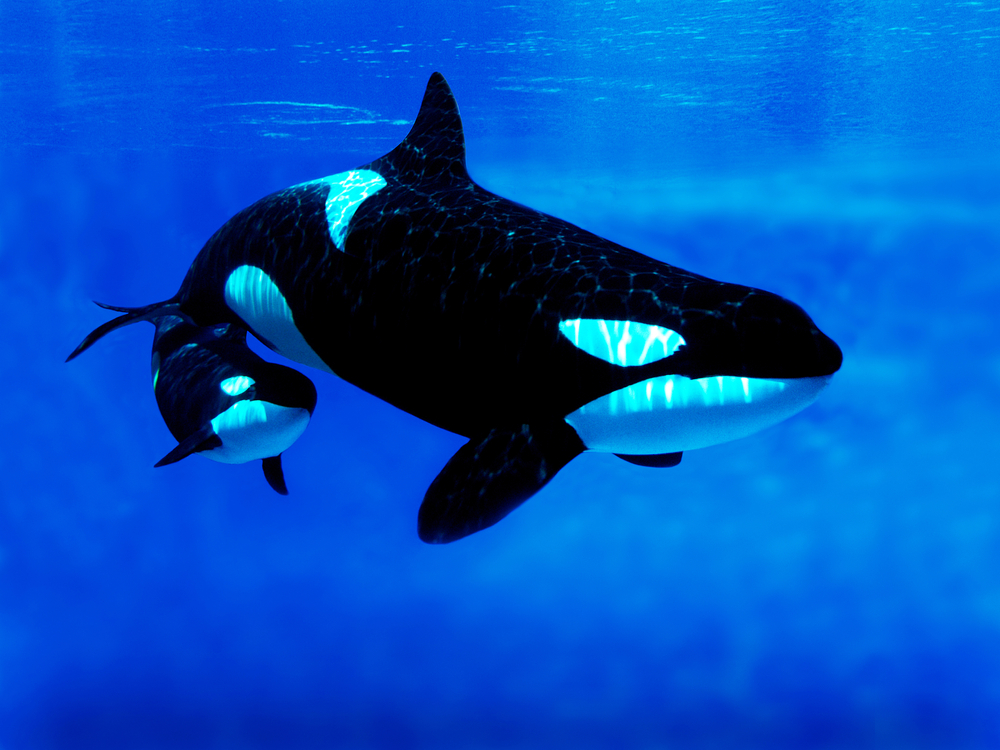
Orca mothers have been documented carrying deceased calves for extraordinary distances. In one widely studied case, a mother carried her calf for over 1,000 miles. This required immense physical effort with no reproductive advantage. The behavior persisted long after decomposition began.
Orcas live in matriarchal family structures with lifelong bonds. Neuroscience research shows their brains have specialized regions for social processing larger than those in humans. Death disrupts identity and hierarchy within the pod. The prolonged carrying suggests difficulty releasing the bond rather than ignorance of death.
6. Giraffes
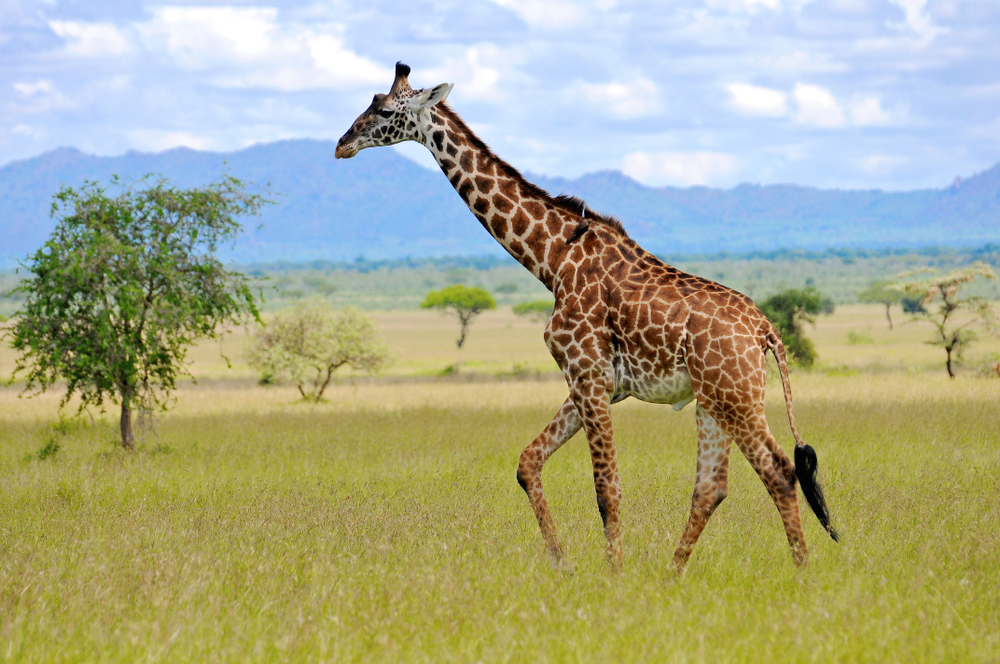
Giraffes have been observed standing vigil over dead calves, sometimes nudging the body or warding off scavengers. Mothers often remain nearby long after death occurs. This behavior is especially notable given giraffes’ typically low-contact social structure. The response is specific, not generalized.
Ethologists suggest this reflects maternal attachment rather than confusion. Giraffes show reduced feeding and movement after calf loss. These patterns mirror mammalian grief responses across species. The stillness itself appears intentional.
7. Dogs

Dogs frequently show behavioral changes after the death of a human or animal companion. These include appetite loss, altered sleep patterns, and searching behaviors. Dogs may revisit places associated with the deceased repeatedly. These reactions can persist for months.
Canine cognition research shows dogs form attachment bonds similar to human children. They recognize absence and permanence through routine disruption. Death breaks predictability, which dogs rely on heavily. Their response reflects loss of relationship, not mere habit change.
8. Cats

Cats may appear indifferent, but studies show many exhibit subtle stress responses after a death. These include increased vocalization, hiding, or clinginess. Cats often alter sleeping locations and daily routines. These changes suggest environmental and relational disruption.
Feline behaviorists note cats are highly sensitive to social atmosphere. They detect shifts in scent, sound, and emotional cues. Death creates a multisensory absence cats respond to physically. Their grief is quiet but measurable.
9. Horses
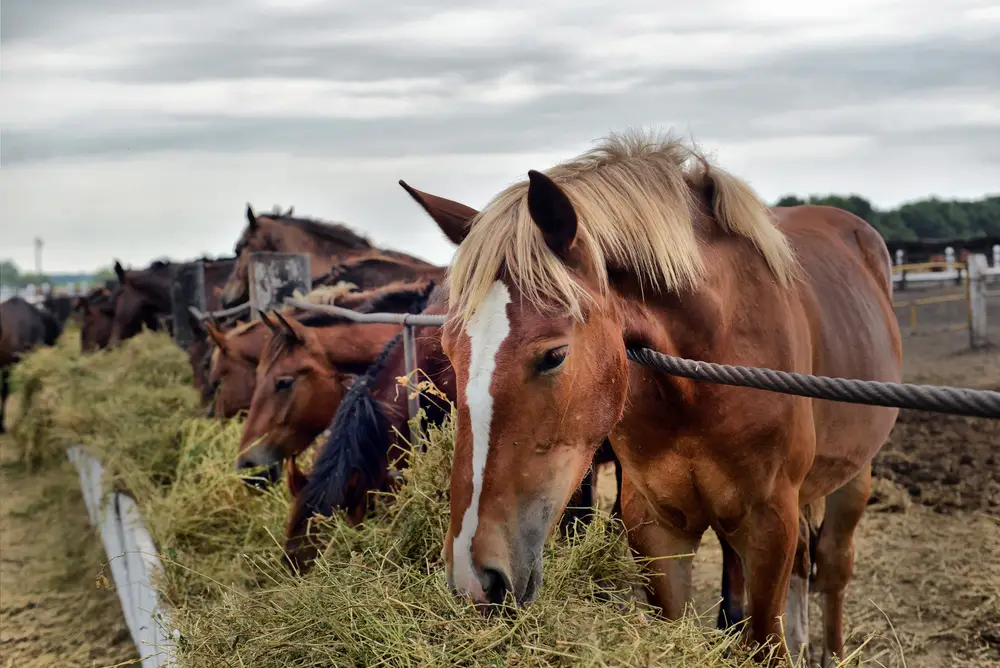
Horses frequently stop moving when a herd member dies and may sniff or stand beside the body. Some refuse to leave the area for extended periods. Herd dynamics shift noticeably afterward. These reactions occur across domesticated and wild populations.
Horses are prey animals with strong social reliance. Death removes a safety and communication node within the group. Behavioral studies show increased vigilance and stress post-loss. This indicates awareness of a permanent change in group structure.
10. Magpies
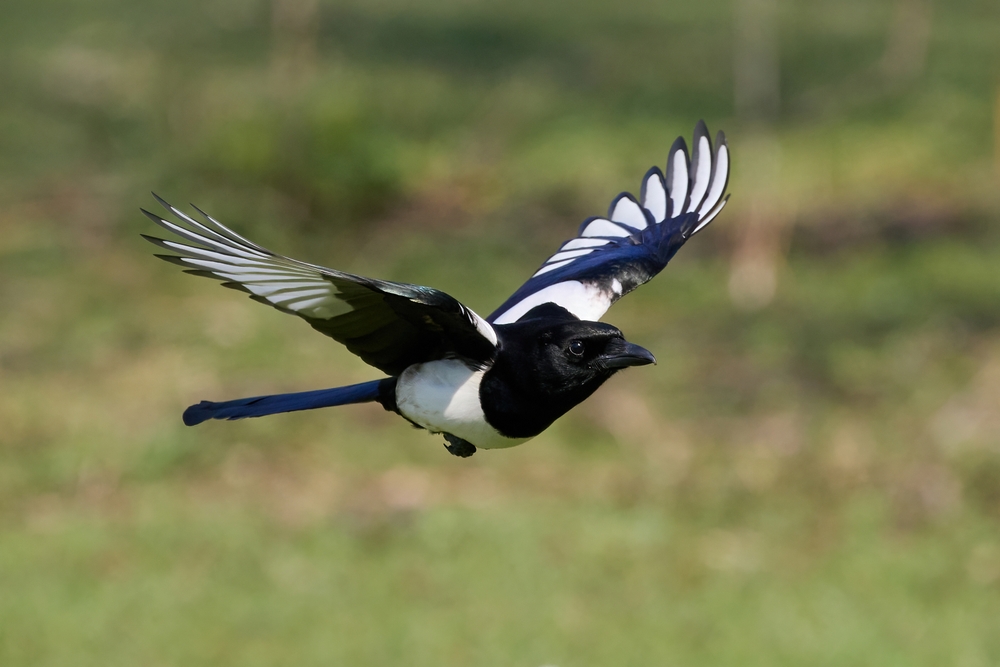
Magpies place grass or small objects beside dead companions. This behavior has been observed across continents. It is not associated with food storage or nest building. The placement appears symbolic rather than functional.
Cognitive research places corvid intelligence on par with great apes in some domains. Magpies recognize individual group members. Their actions suggest acknowledgment rather than avoidance. Death is marked, not ignored.
11. Sea Lions
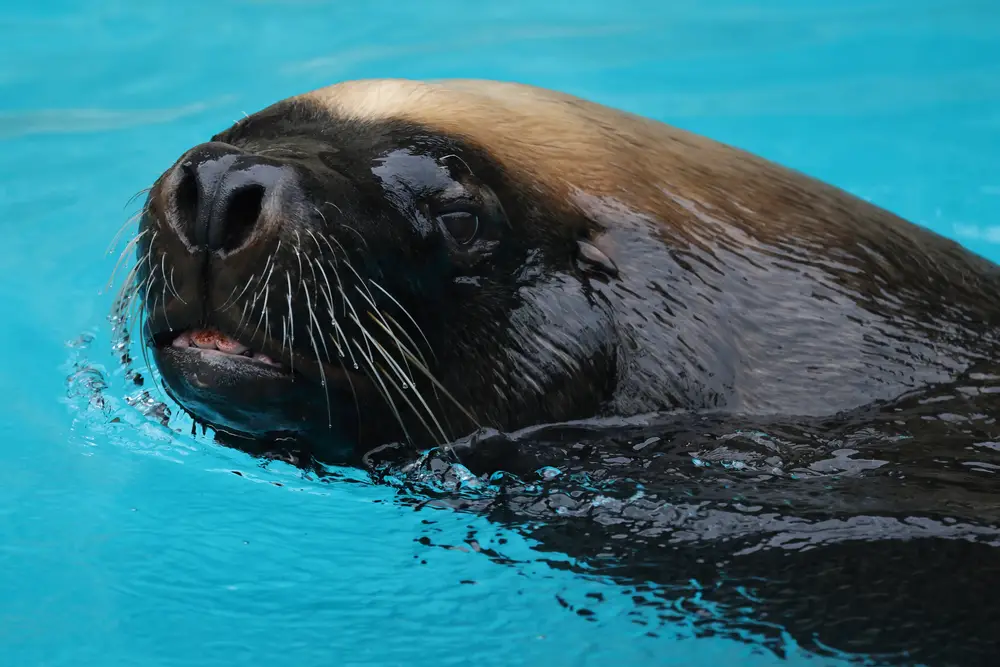
Sea lion mothers have been observed remaining with dead pups and vocalizing repeatedly. Some attempt to revive or protect the body. The behavior often results in visible distress. Separation occurs slowly rather than immediately.
Marine mammal specialists note strong maternal bonding in pinnipeds. Death interrupts feeding and migration cycles. The persistence indicates emotional processing, not confusion. Loss destabilizes survival routines.
12. Ravens
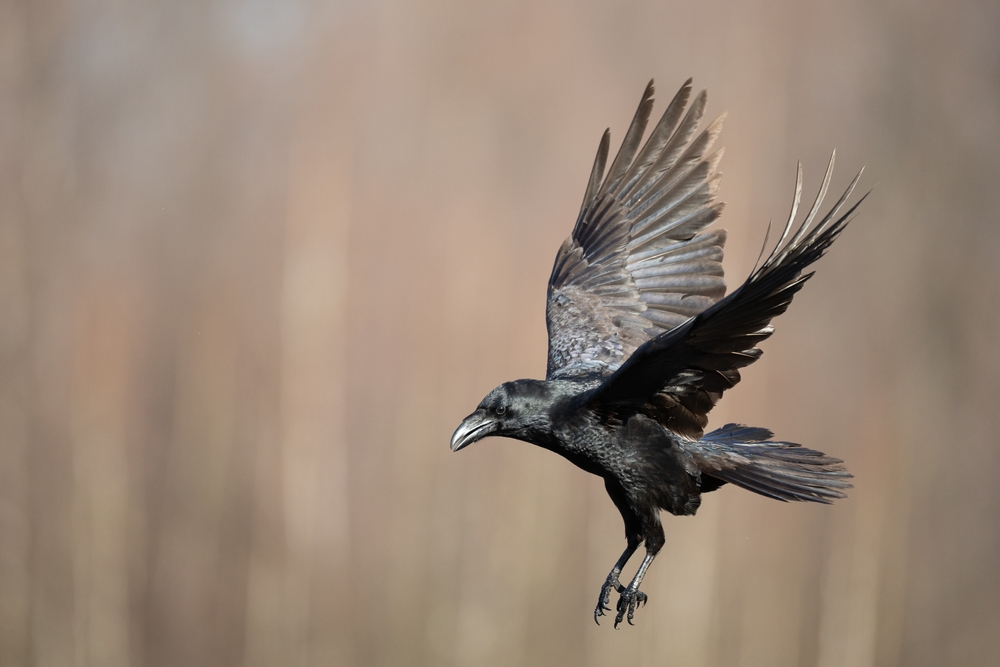
Ravens show prolonged investigation of dead companions and avoid those locations later. They remember death sites and adjust future behavior accordingly. This memory persists across seasons. The response is strategic and social.
Ravens possess advanced episodic memory. Death becomes a data point integrated into survival planning. The bird remembers who died, where, and under what conditions. This implies recognition of mortality risk.