
Across the United States, there are wild animals so elusive that even seasoned park rangers may go their entire careers without seeing one in person. These species are not just shy; they survive in remote terrain, exist in extremely low numbers, or are active at times when humans are not. Some are endangered, others are simply masters of camouflage and secrecy. Here are eleven U.S. species so rare that spotting one is considered a once-in-a-lifetime event—even for the people paid to patrol their habitats.
1. Florida Panther
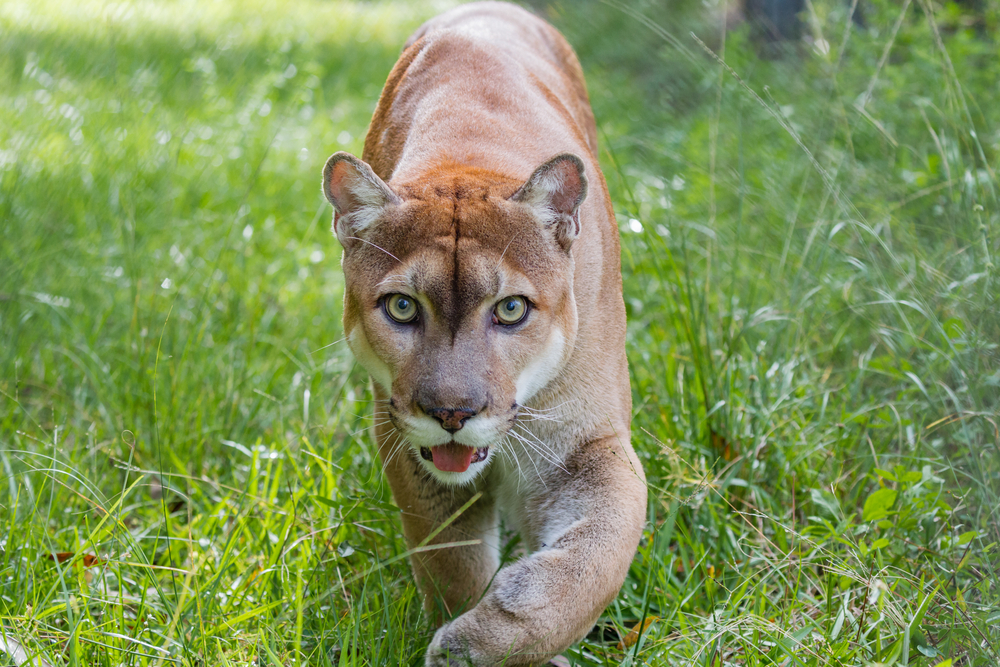
The Florida panther is one of the most endangered mammals in North America, with an estimated population hovering around 120 to 230 individuals. These big cats roam the swamps and forests of South Florida, especially in the Everglades and surrounding preserves. Despite constant monitoring, many rangers only see them through trail camera footage rather than in person.
They are solitary and primarily nocturnal, which makes encounters extraordinarily rare. Habitat fragmentation and vehicle collisions have drastically reduced their numbers over the decades. Even in protected areas, actually spotting a Florida panther in the wild is considered remarkable.
2. Red Wolf
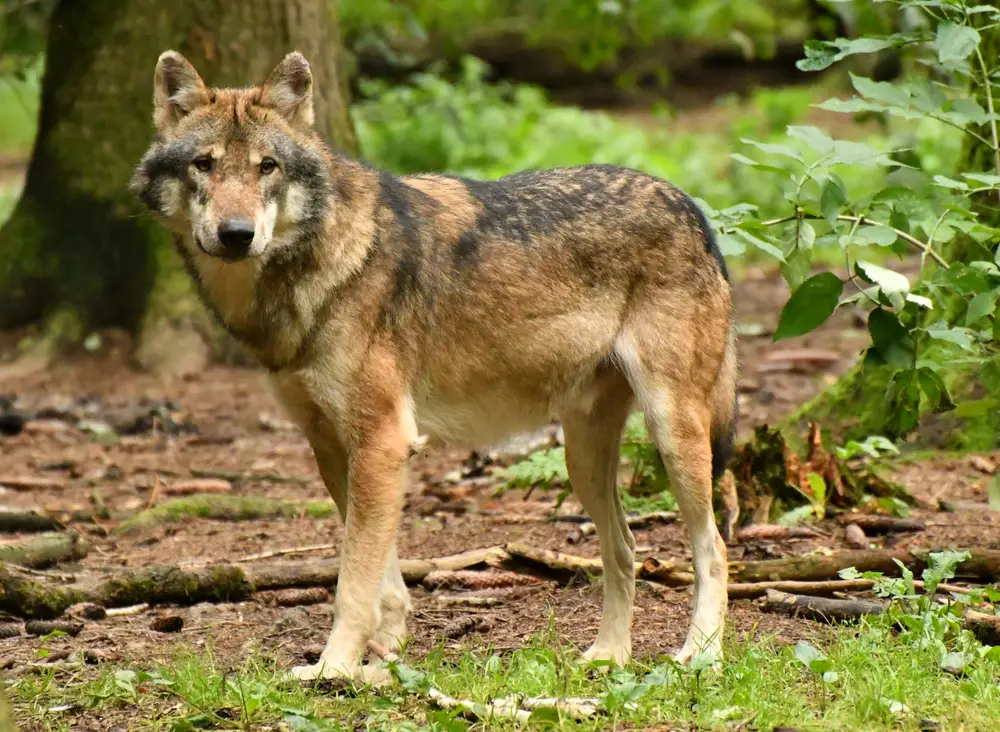
The red wolf is one of the rarest canids on Earth, with fewer than two dozen known to exist in the wild. Their last remaining wild population survives in eastern North Carolina under intensive management. Even wildlife biologists working directly with the recovery program rely heavily on radio collars and tracking technology rather than visual sightings.
Red wolves are highly wary of human presence and tend to move under cover of darkness. Hybridization with coyotes and habitat loss have nearly erased them from the landscape. Seeing one in the wild without tracking equipment is so uncommon that most rangers never experience it firsthand.
3. Sierra Nevada Red Fox
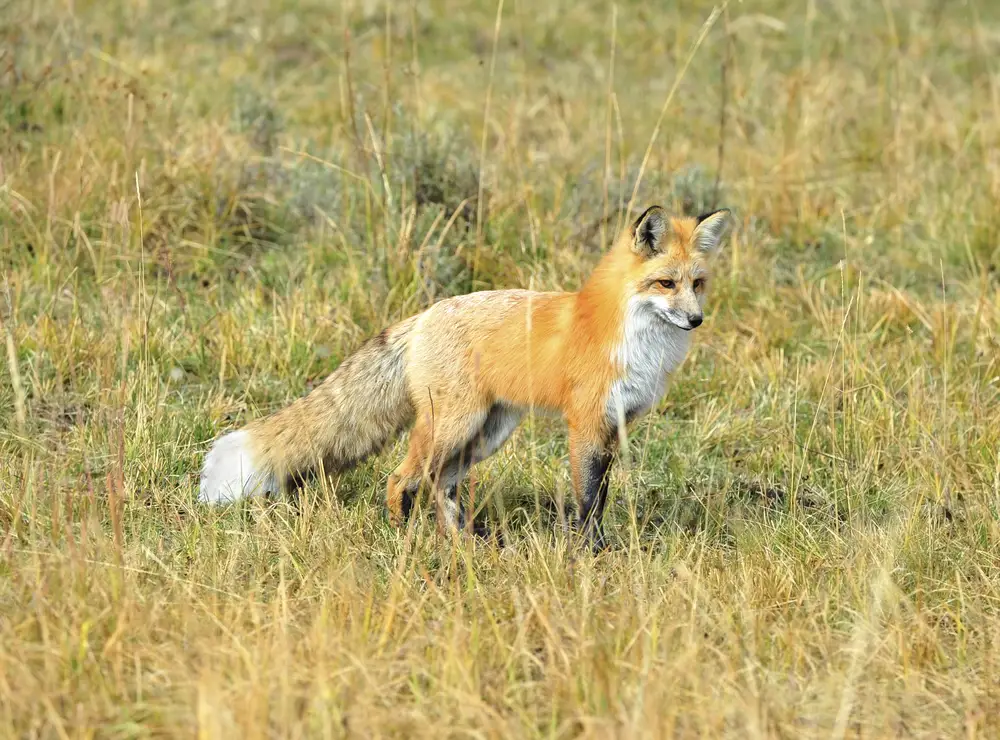
The Sierra Nevada red fox is so elusive that it was once thought to be extinct in California. It survives in high-elevation alpine environments where harsh winters and remote terrain limit human access. Even researchers studying the species often depend on camera traps to confirm its presence.
This fox has adapted to deep snow and rugged mountain conditions. Its small, scattered populations make random encounters extremely unlikely. Many rangers working in the Sierra Nevada go years without a confirmed sighting.
4. Hawaiian Monk Seal

The Hawaiian monk seal is one of the most endangered marine mammals in the world, with a population of roughly 1,500 individuals. Most live in the remote Northwestern Hawaiian Islands, far from the main tourist areas. Even in protected refuges, direct observation can be infrequent.
They spend much of their time at sea, diving and foraging in deep waters. When they do haul out on beaches, it is often in isolated locations. Rangers in marine conservation roles may monitor them regularly, but spontaneous sightings remain rare.
5. Mount Graham Red Squirrel
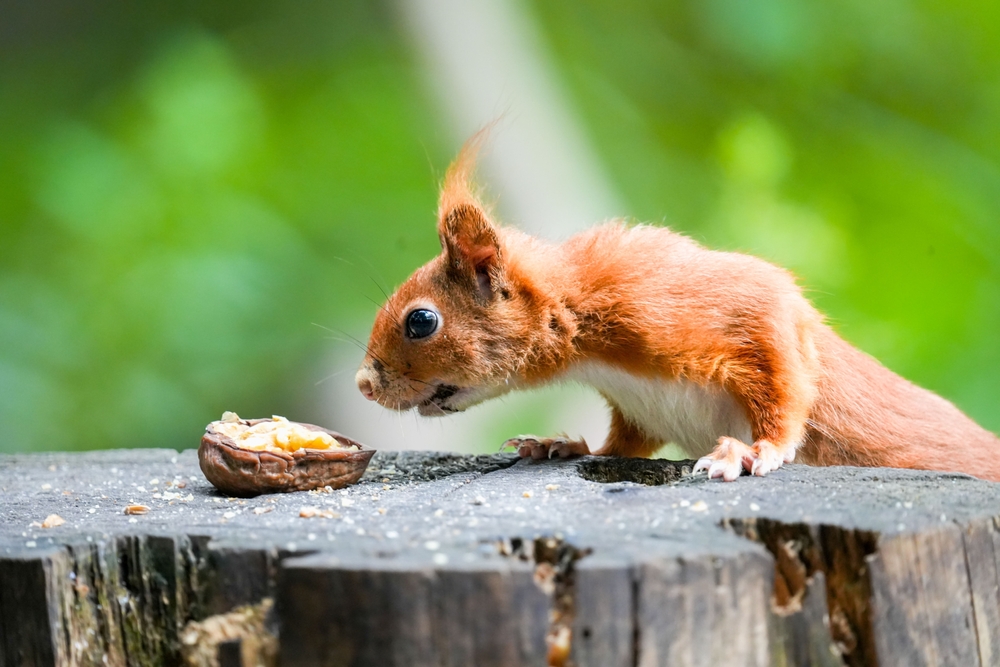
The Mount Graham red squirrel exists only in a small mountain range in southeastern Arizona. Fewer than 300 are believed to remain, confined to high-elevation spruce-fir forests. Even researchers assigned to study them often detect their presence through nests and feeding debris rather than direct views.
They are quick, quiet, and blend easily into dense forest canopies. Restricted habitat and past logging pressures have pushed them to the brink. Rangers stationed nearby may hear them chattering but never actually see one.
6. Black-Footed Ferret
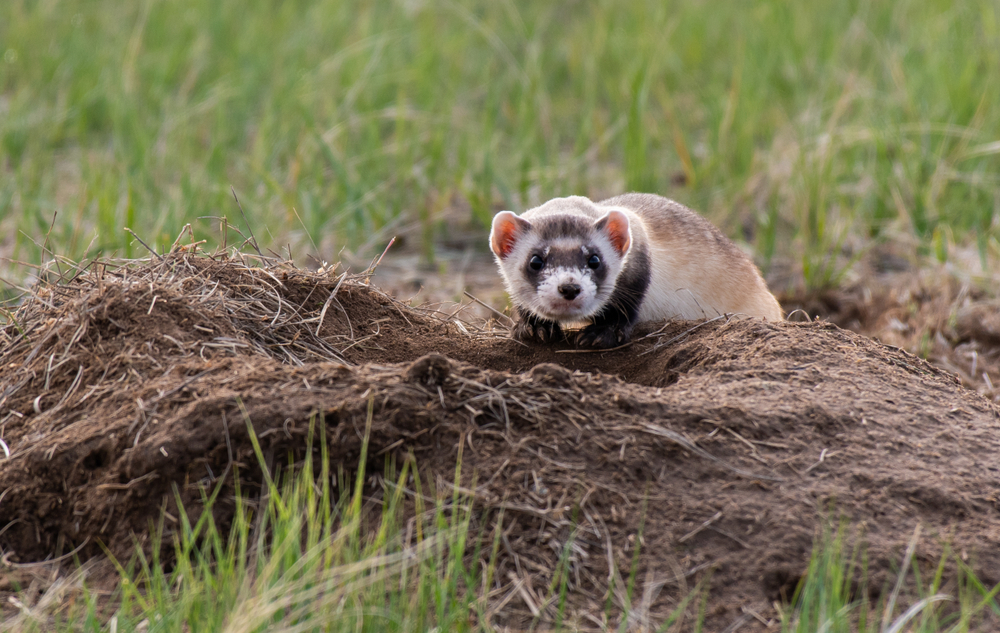
Once thought extinct, the black-footed ferret was rediscovered in Wyoming in 1981. Despite successful captive breeding programs, wild populations remain fragile and small. They live in prairie dog colonies and are mostly active at night.
Their nocturnal habits make daytime sightings nearly impossible. Conservation teams use spotlight surveys to locate them after dark. Even then, glimpsing one darting between burrows is a rare and fleeting experience.
7. Ivory-Billed Woodpecker (Unconfirmed but Legendary)
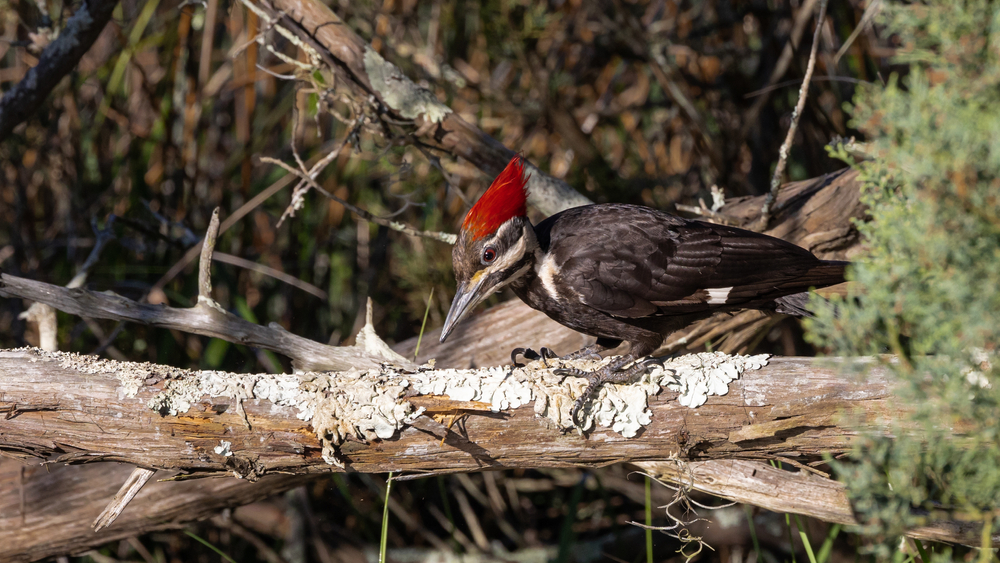
The ivory-billed woodpecker was once considered extinct, though there have been unconfirmed reports in the southeastern United States. If it still survives, its population is extraordinarily small. Decades of searches by ornithologists and rangers have yielded only disputed evidence.
This bird once inhabited vast old-growth forests that have largely disappeared. Its size and distinctive ivory-colored bill made it unmistakable in earlier times. Today, if it exists at all, seeing one would be historic.
8. Channel Island Fox
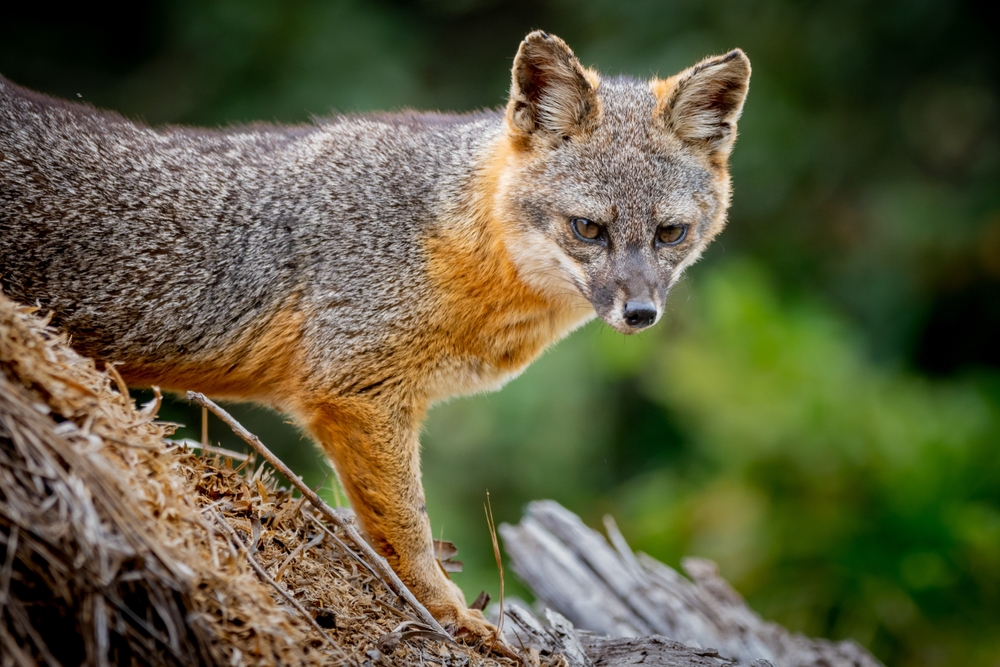
The Channel Island fox lives only on six of California’s Channel Islands. Though conservation efforts have helped its numbers rebound from severe declines in the 1990s, populations remain geographically restricted. Rangers on the islands may see them occasionally, but visitors rarely do.
Each island population is genetically distinct, making them especially important to protect. Their limited habitat means any disease or invasive species poses a serious threat. Outside those islands, this fox simply does not exist.
9. Appalachian Elktoe Mussel

The Appalachian elktoe is a freshwater mussel found in select rivers of the southeastern United States. Its survival depends on clean, fast-flowing water, which has been heavily impacted by pollution and development. Even aquatic biologists often locate them only during specialized surveys.
They spend their lives buried in riverbeds, filtering water quietly and invisibly. Habitat degradation has made them increasingly scarce. Most rangers overseeing river systems may never physically encounter one without conducting targeted sampling.
10. Ocelot (Texas Population)
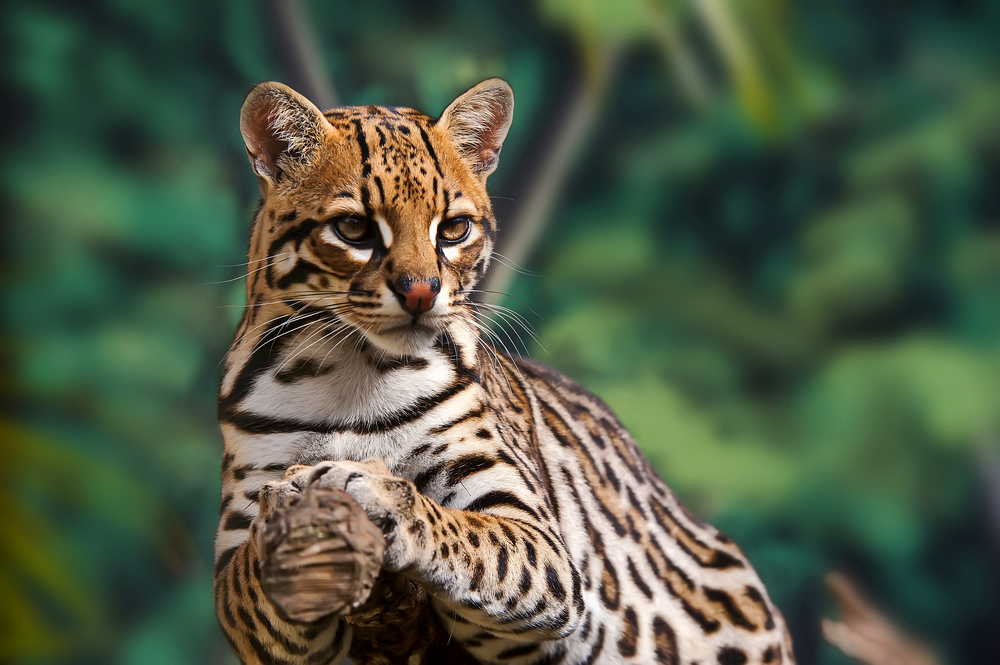
Ocelots once ranged widely across the southern United States, but today fewer than 100 remain in Texas. They inhabit dense thornscrub habitat in the Rio Grande Valley. Even wildlife officers working in those preserves depend on camera traps to confirm activity.
Ocelots are solitary and extremely secretive. Their spotted coats provide excellent camouflage in brushy environments. A daylight sighting in the U.S. is exceptionally rare.
11. Mexican Gray Wolf
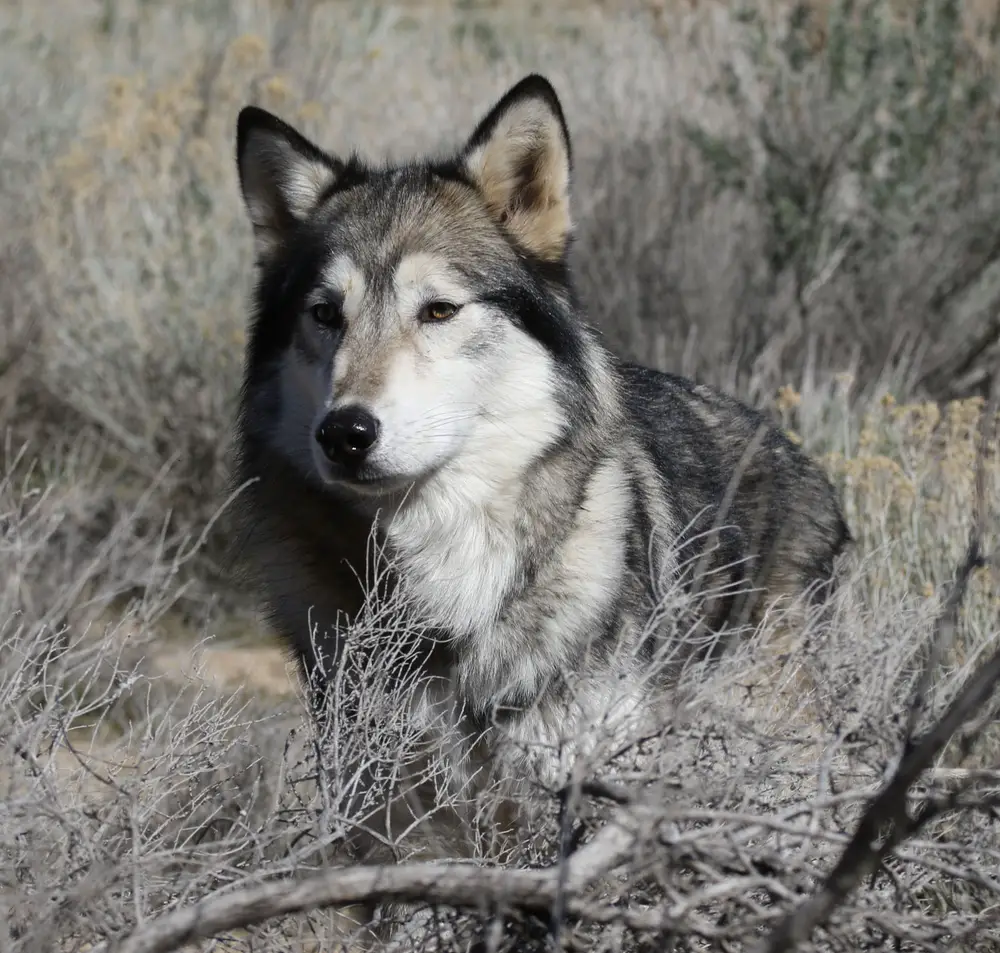
The Mexican gray wolf is one of the rarest subspecies of gray wolf in North America. Reintroduced into Arizona and New Mexico, their wild population numbers just a few hundred. Rangers often track them through GPS collars rather than visual contact.
They roam vast territories in rugged, forested landscapes. Human-wolf conflict and habitat challenges continue to complicate recovery efforts. Even professionals working in wolf recovery programs may only glimpse them briefly, if at all, in the wild.