
Racial tension doesn’t always erupt overnight. More often, it simmers quietly beneath daily life until one incident, election, or economic shock pulls it violently into view. In recent years, rising inequality, migration pressures, political polarization, and social media amplification have pushed long-standing ethnic and racial divides to dangerous new levels. These are ten places where experts warn that tensions are no longer theoretical— they are volatile, visible, and shaping everyday life.
1. United States
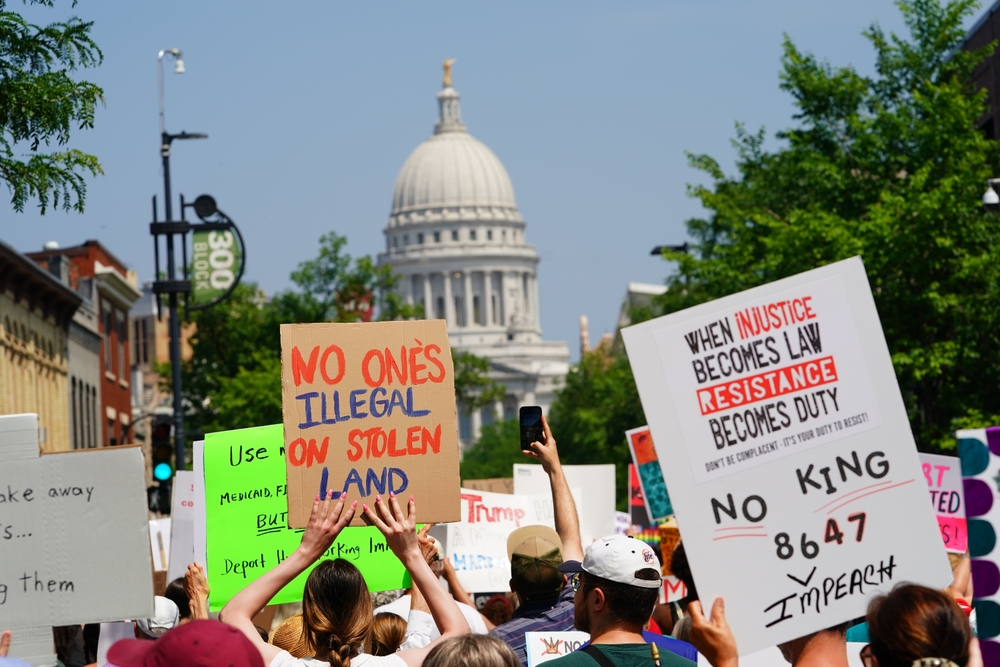
Racial tension in the U.S. has reached a sustained, normalized intensity rather than isolated flashpoints. Police violence, immigration crackdowns, school curriculum battles, and voting rights disputes continue to reinforce deep racial fault lines. Social media has amplified these conflicts, turning local incidents into national culture wars within hours.
According to the Pew Research Center, a majority of Americans believe race relations are getting worse, not better. Communities of color report increased fear, mistrust, and surveillance. Meanwhile, political rhetoric increasingly frames racial justice as a threat rather than a democratic necessity. The result is a country constantly bracing for the next rupture.
2. Israel and the Palestinian Territories
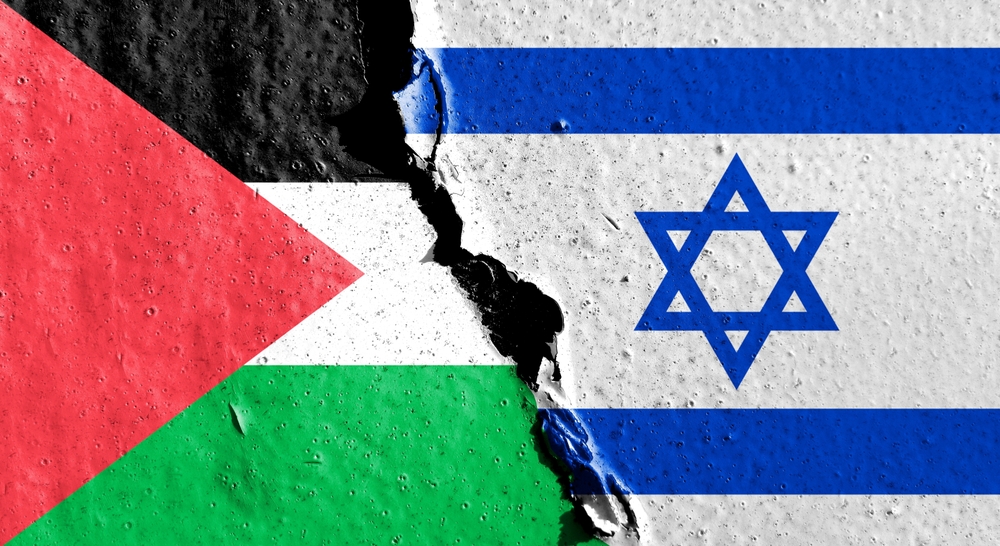
Racial and ethnic tensions between Israelis and Palestinians remain at a breaking point, fueled by cycles of violence, displacement, and political stalemate. Daily life is shaped by segregation, military presence, and restricted movement. Each escalation deepens generational trauma on both sides.
International observers warn that prolonged instability hardens identity-based resentment. Civilians bear the emotional cost of policies they don’t control. Mistrust is reinforced through education, media, and lived experience. Peace feels abstract while fear feels constant.
3. France
France’s racial tensions are tied to immigration, colonial legacy, and debates over national identity. Protests regularly erupt over police violence in immigrant-heavy suburbs. The state’s strict secularism laws have intensified feelings of exclusion among Muslim communities.
Sociologists note a widening gap between France’s universalist ideals and lived realities. Young people of color often feel permanently foreign, regardless of citizenship. This disconnect fuels unrest and resentment. The pressure shows no sign of easing.
4. United Kingdom
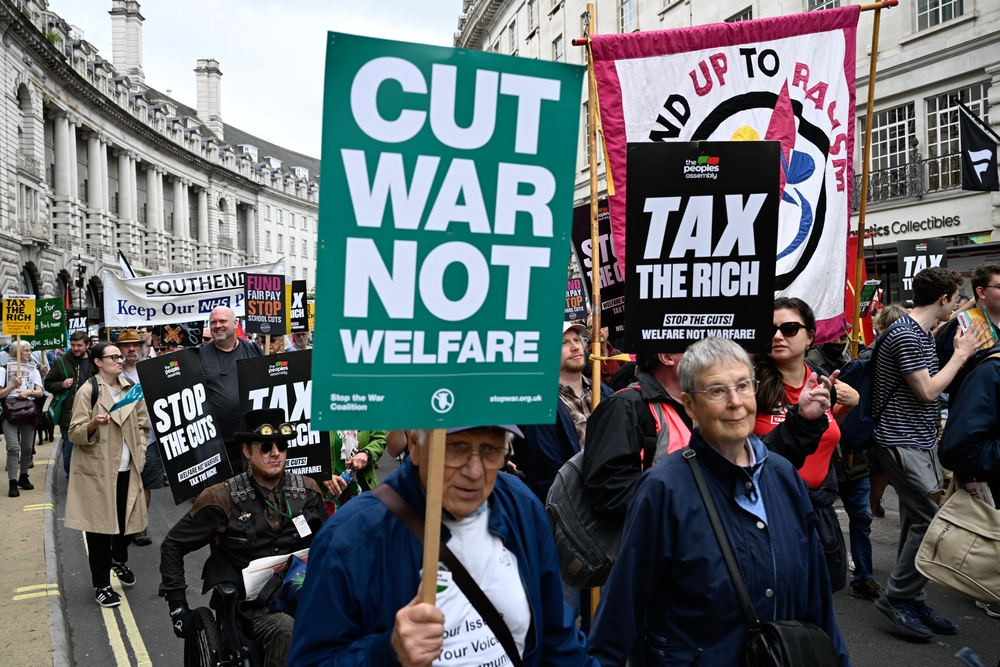
In the UK, racial tension intersects with class divides, immigration policy, and post-Brexit identity anxiety. Hate crimes spiked after Brexit and remain elevated. Political rhetoric around borders and asylum has sharpened public hostility toward immigrants.
Minority communities report feeling scapegoated during economic downturns. Media framing often reinforces stereotypes rather than nuance. Trust between communities and institutions continues to erode. The tension feels normalized rather than shocking.
5. India
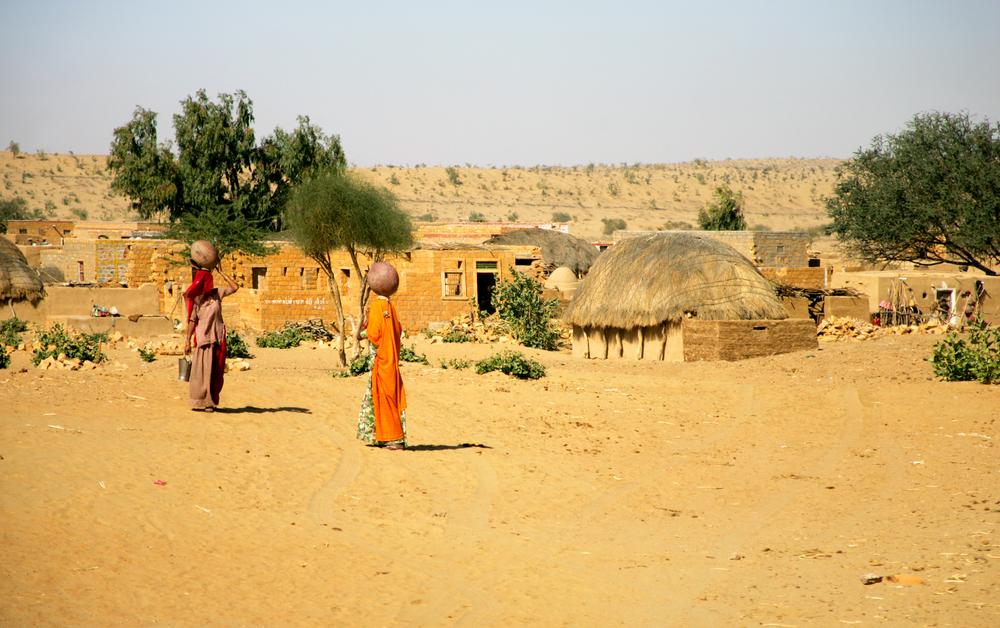
India’s racial, ethnic, and religious tensions have intensified under nationalist politics. Muslims and ethnic minorities face increased discrimination, surveillance, and violence. Laws affecting citizenship and religious identity have deepened fear and division.
Human rights organizations warn of shrinking protections for minority groups. Public discourse increasingly frames difference as disloyalty. Social media accelerates the spread of misinformation and mob outrage. The emotional climate is increasingly combustible.
6. China

Tensions between the Chinese government and Uyghur Muslims remain severe. Reports of mass surveillance, detention camps, and cultural erasure have drawn global concern. Ethnic identity itself has become criminalized.
Uyghur families face forced separation and restricted movement. International pressure has had little effect on conditions on the ground. Fear dominates daily life. The tension is systemic rather than episodic.
7. South Africa
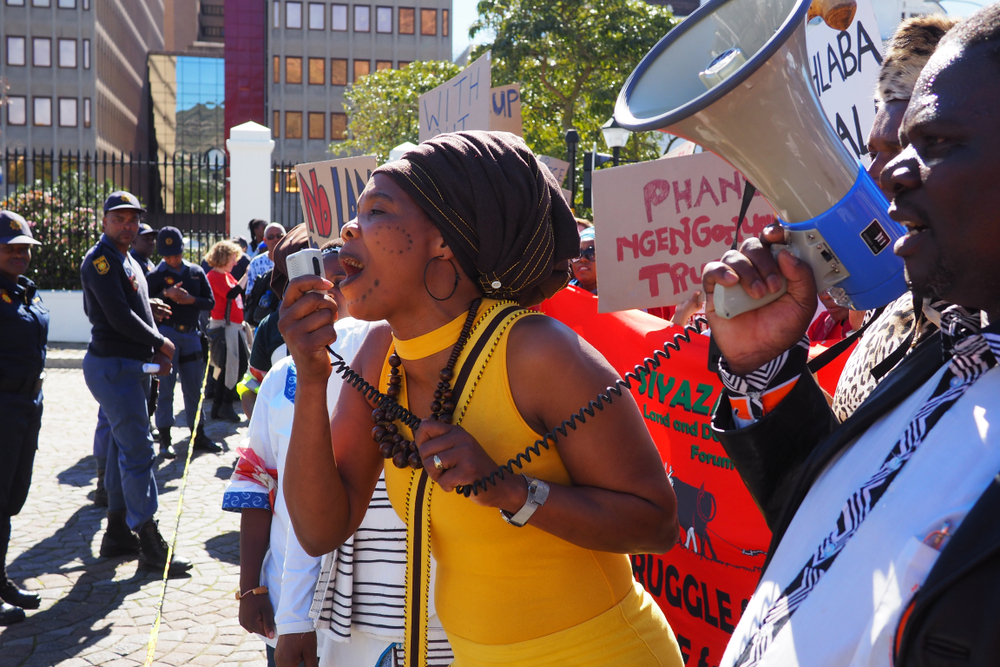
South Africa continues to grapple with racial inequality rooted in apartheid. Economic disparity remains sharply racialized decades after political reform. Periodic violence exposes unresolved resentment and mistrust.
Many citizens feel the promise of equality has stalled. Land ownership, employment, and education remain flashpoints. Political rhetoric often inflames rather than heals. The past remains painfully present.
8. Brazil
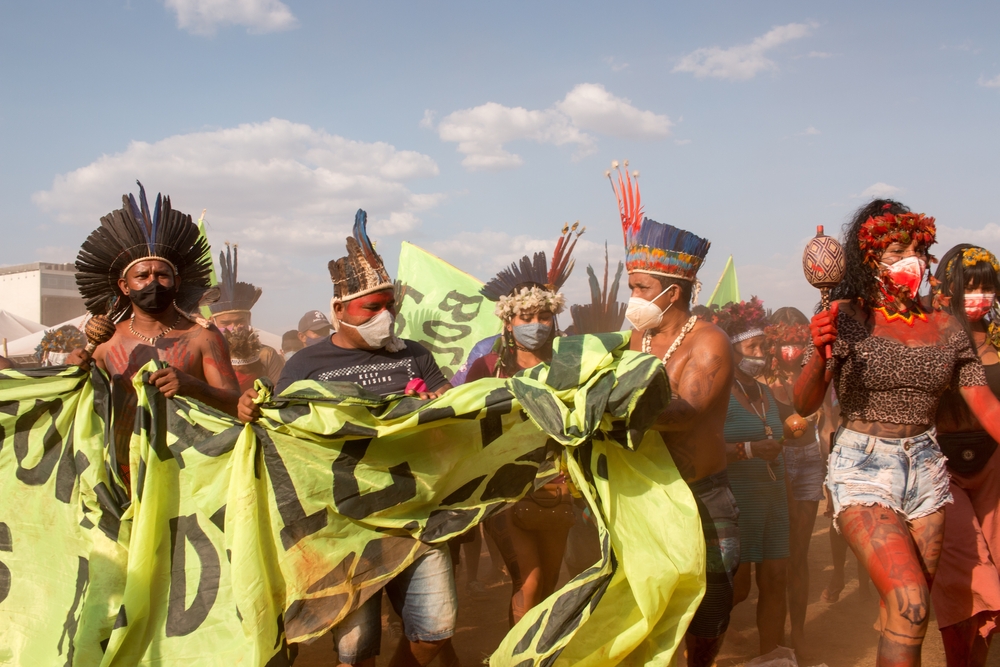
Brazil’s racial tensions are tied to inequality, policing, and political polarization. Afro-Brazilian communities face disproportionate violence and poverty. Denial of systemic racism has delayed meaningful reform.
Police operations in marginalized neighborhoods often escalate into deadly force. Activists warn that racial injustice is treated as invisible until tragedy strikes. The emotional toll is cumulative. Trust continues to fray.
9. Myanmar

Ethnic violence in Myanmar has devastated minority communities, particularly the Rohingya. Displacement, military aggression, and denial of citizenship persist. International condemnation has not translated into protection.
Survivors face trauma, statelessness, and ongoing persecution. Ethnic identity determines safety. Fear shapes every decision. Tension remains existential.
10. Australia

Australia faces deep racial tension surrounding Indigenous rights and immigration. Indigenous communities continue to experience disproportionate incarceration, health disparities, and land disputes. Debates over recognition and sovereignty remain unresolved.
Recent political referendums revealed stark divisions. Many Indigenous Australians feel unheard and exhausted. Migration debates further strain social cohesion. Beneath the calm surface, tension remains unresolved.