
Extinction doesn’t always mean forever. Conservation success stories rarely go viral, but they matter deeply. Through protection, habitat restoration, and policy changes, some species have made remarkable comebacks. These animals were once on the brink—and are now officially recovering.
1. Giant Panda

Habitat loss nearly doomed pandas. Aggressive conservation reversed the decline. Breeding programs worked. Populations increased.
Chinese conservation reports confirm improvements in panda status. Habitat corridors mattered. Long-term investment paid off. Symbolism helped fund.
2. Gray Whale
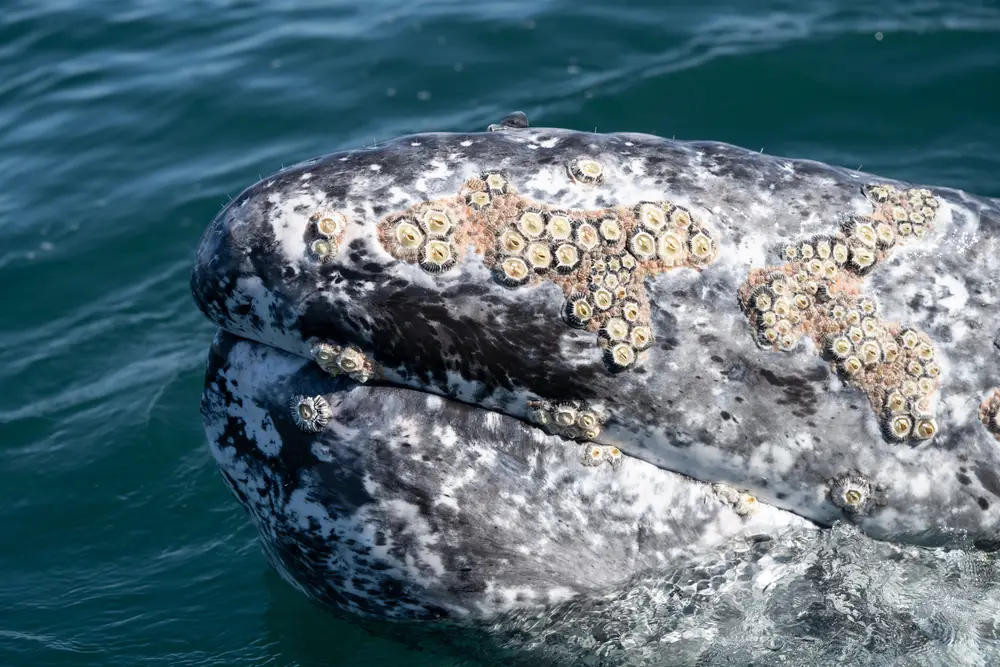
Gray whales were devastated by commercial whaling. International protections allowed populations to rebound. Migration routes recovered. Numbers stabilized.
Marine conservation reports show gray whale recovery as a major success. Long-term monitoring mattered. Enforcement saved lives. Recovery is fragile but real.
3. American Alligator
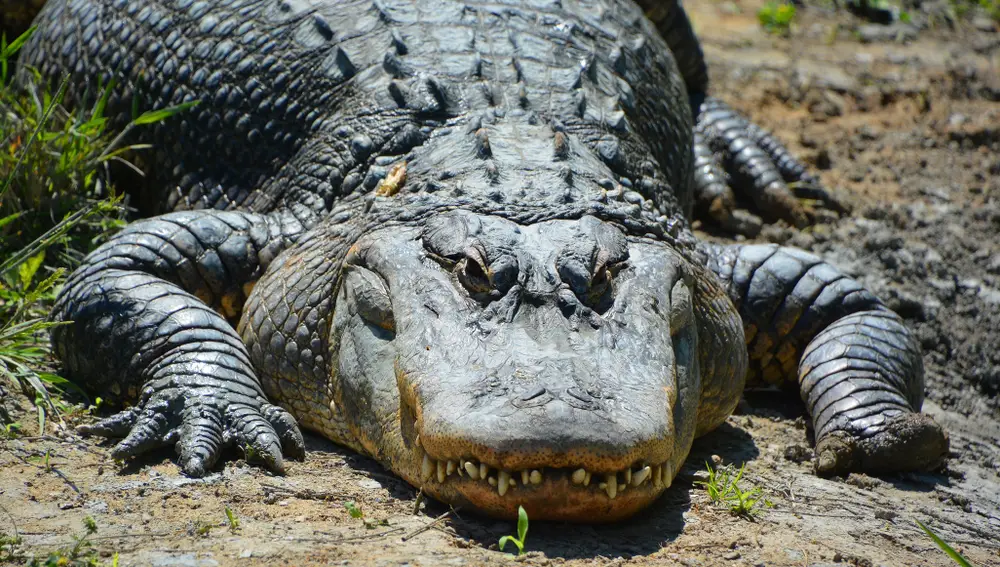
Overhunting once pushed alligators toward extinction. Legal protection allowed populations to stabilize. Wetland conservation played a role. Recovery followed.
Wildlife agency data confirms sustained population growth. Management reduced conflict. Conservation balanced coexistence. Success required regulation.
4. Bald Eagle
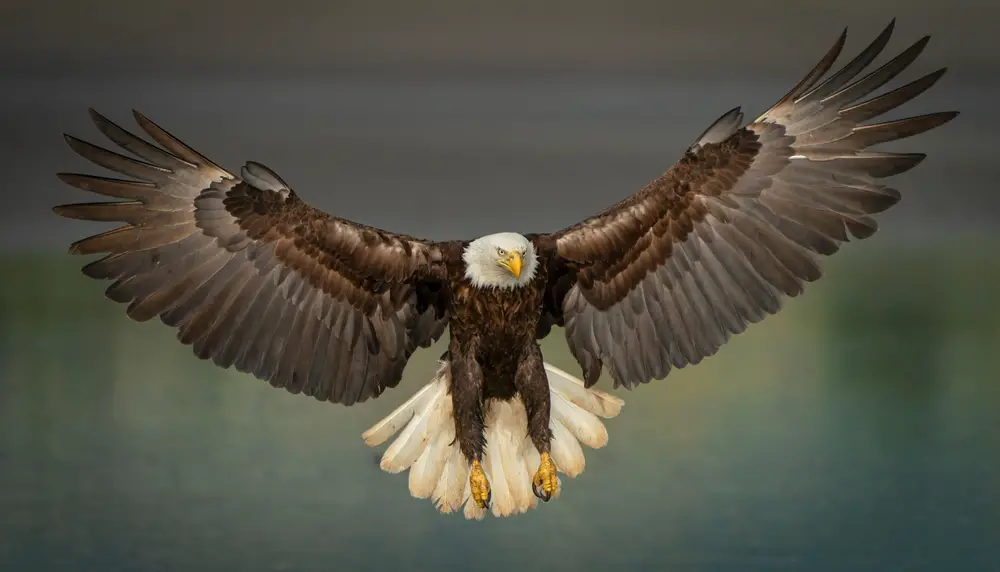
The bald eagle was nearly wiped out due to pesticide use. Population collapse seemed inevitable. Strong environmental regulation reversed the damage. Recovery followed.
Environmental Protection Agency data confirms population resurgence after DDT bans. Habitat protection played a key role. Conservation works. Policy matters.
5. Arabian Oryx
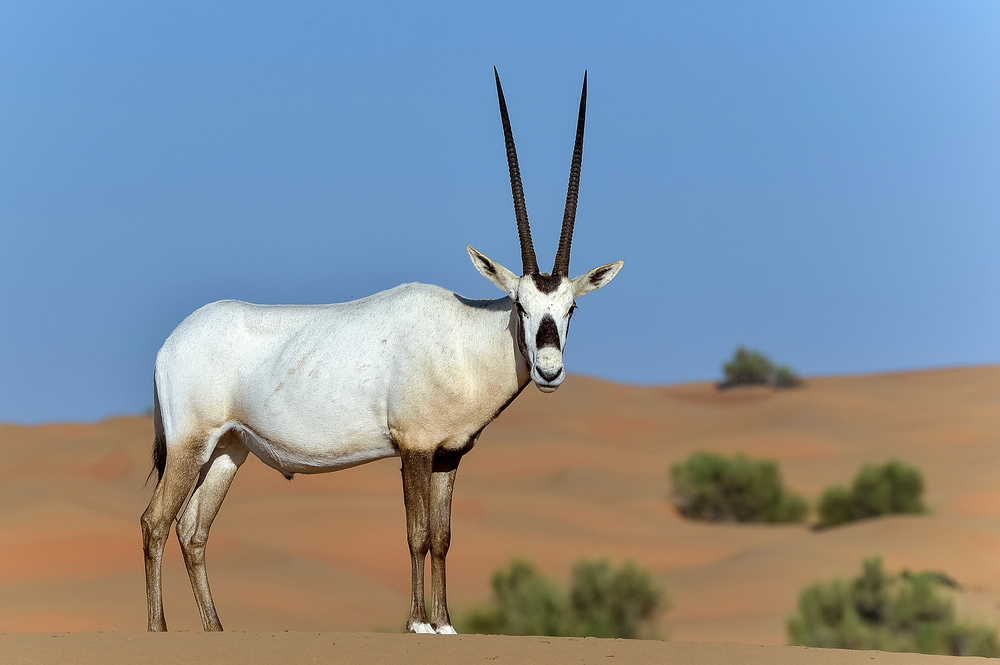
Once extinct in the wild, the oryx was reintroduced. Captive breeding enabled recovery. Protected reserves supported growth. Numbers stabilized.
International conservation data confirms reintroduction success. Long-term planning mattered. Recovery took decades. Extinction was reversed.
6. California Condor
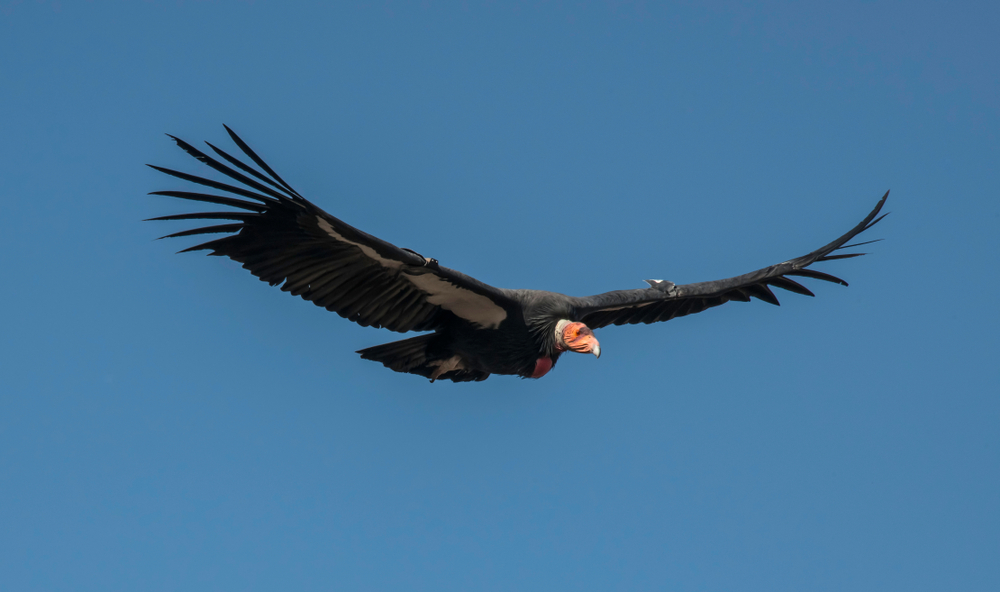
Condors declined due to poisoning and habitat loss. Intensive management prevented extinction. Breeding programs expanded numbers. Survival improved.
U.S. Fish and Wildlife Service data confirms population increase. Ongoing monitoring remains critical. Recovery is fragile. Success required intervention.
7. Humpback Whale
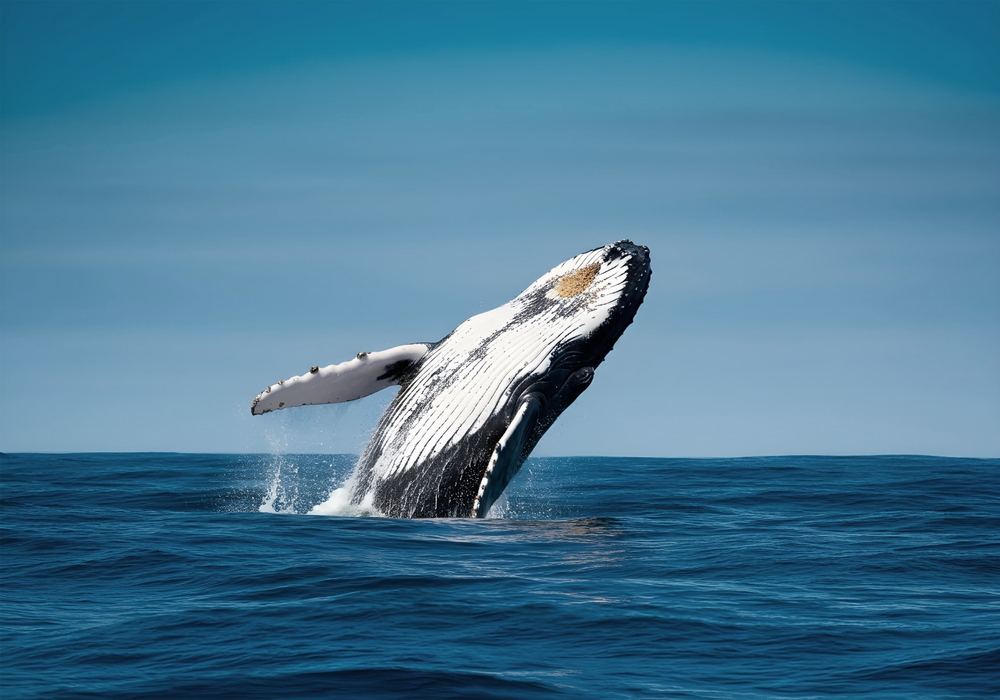
Whaling nearly eliminated humpbacks. Global bans allowed populations to rebound. Migration returned. Numbers increased dramatically.
International Whaling Commission data confirms recovery. Protection worked. Enforcement mattered. Hope followed action.
8. Mountain Gorilla
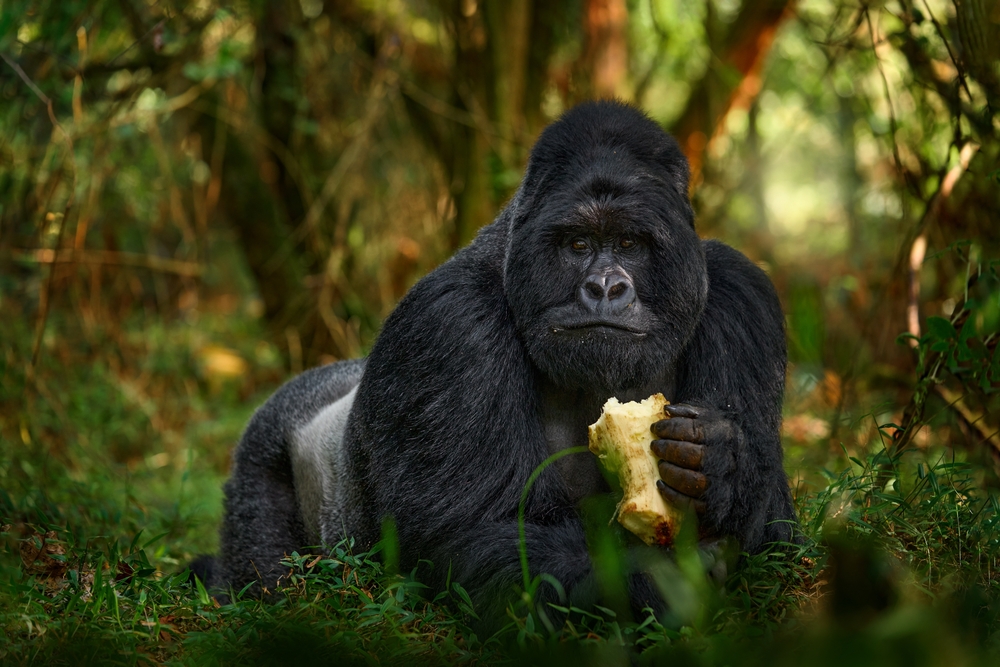
Conflict and poaching devastated gorilla populations. Conservation partnerships stabilized numbers. Ecotourism helped funding. Recovery began.
World Wildlife Fund reports confirm population growth. Community involvement mattered. Protection worked. Recovery remains delicate.
9. Iberian Lynx
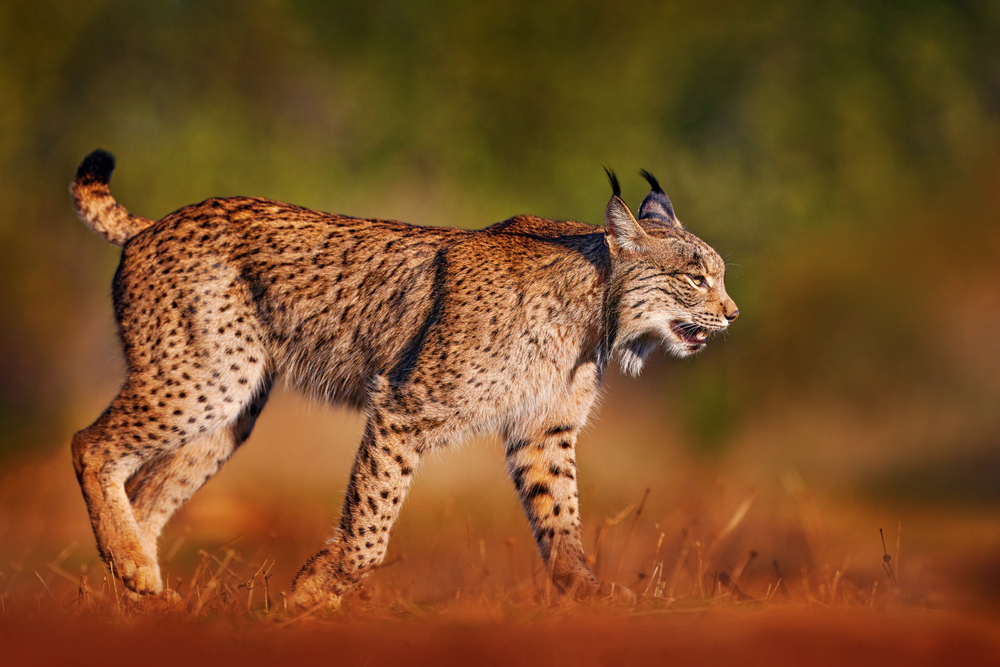
Once the world’s most endangered cat, the lynx rebounded. Habitat restoration helped prey populations. Conservation reversed decline. Numbers increased.
European conservation data confirms recovery success. Coordinated effort mattered. Long-term planning saved the species. Extinction was avoided.
10. Przewalski’s Horse
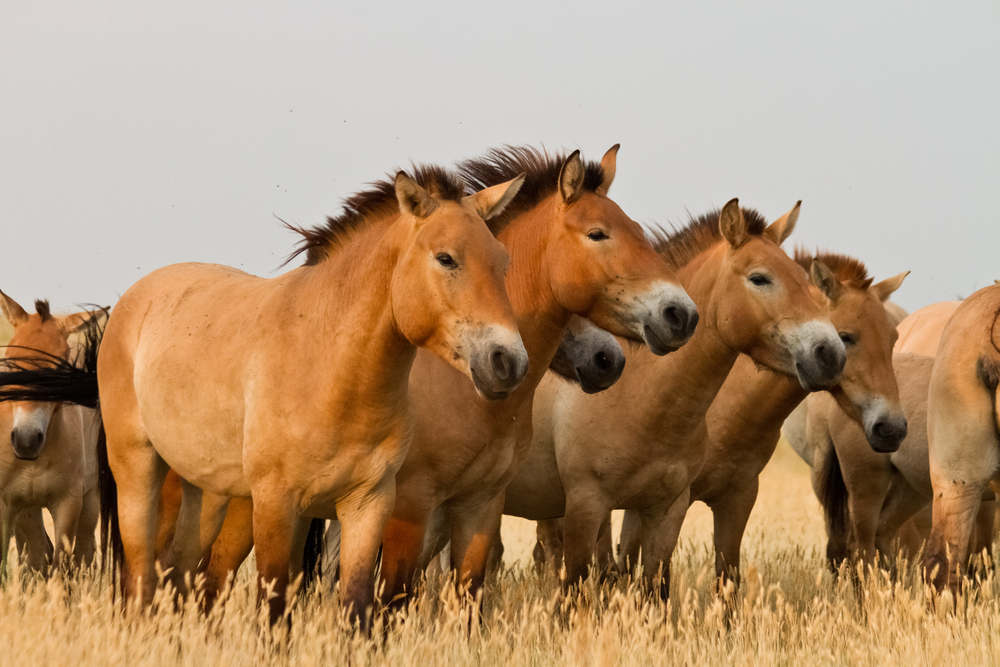
This species went extinct in the wild. Reintroduction programs brought it back. Protected reserves supported survival. Numbers stabilized.
Global conservation reports confirm successful rewilding. Collaboration mattered. Recovery took decades. Persistence paid off.